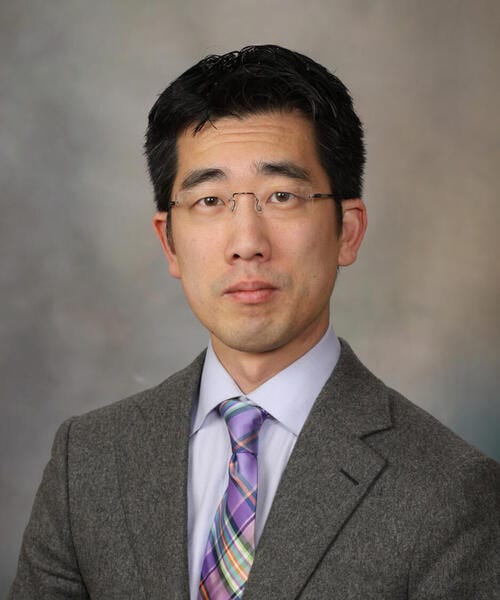
Naiel Nassar, MD , a Clinical Professor at the University of California, San Francisco (UCSF) School of Medicine , serves as Director of the Infectious Diseases Division and Antibiotic Stewardship Director . Based in Fresno, he leads clinical and research initiatives at the Center for AIDS Research, Education and Services (CARES) in Sacramento. Board certified in Internal and Infectious Diseases Completed fellowship at UC Davis Research Interests span Infectious Diseases , HIV/AIDS , Nanoparticle Drug Delivery , and Neuropharmacology . His work integrates Biomedical Engineering for environmental and therapeutic applications, alongside Molecular Biology in cancer and neurodegenerative diseases. Publications highlight collaborations in Public Health , Pharmacology , and Environmental Health . Selected Publications demonstrate expertise in drug synergy , neuroinflammation , and nanotechnology for medicine . Key studies include targeting cancer metabolism , adjuvant therapies in HIV , and nanoscale environmental remediation .
Nikolaos Karagiannis serves as Professor at the Technical University of Madrid (UPM) within the Department of Industrial Chemical Engineering and Environmental Engineering, and is a member of the Institute for Optoelectronic Systems and Microtechnology (ISOM) and its Semiconductor Devices Research Group. His research pioneers molecular simulations of synthetic/biological polymers, specializing in atomistic-level Monte Carlo algorithms for studying barrier properties, rheology, thermodynamics, and phase behavior of complex macromolecular systems. This work enables computer-aided design of advanced materials including colloidal-based systems, liquid crystal biosensors, and nanoconfined thin films, with significant contributions to the Simu-D simulation software suite. Professor Karagiannis has coordinated four and participated in twelve competitive projects including EC initiatives (PMILS, KORRIGAN, MNIBS), Spanish programs (NAFCA, MOSDOP, HIMOBIOS), and industrial collaborations with Dow Chemicals, BP-Amoco, Rhodia, and Borealis. He has directed five research fellowships, four diploma theses, thirteen master's theses, and two doctoral theses while currently supervising two master's and three doctoral candidates. His scientific recognition includes: Distinguished scientist award from Hellenic Ministry of Defense (2005) Ramón y Cajal fellowship from Spanish Ministry of Science (2009) Outstanding Reviewer award from American Physical Society (2023) He serves as founding member of the APS Soft Matter topical group, academic editor for Crystals journal, and board director of polyhub network. With over 350 reviews for 50+ journals, he maintains active roles evaluating for ANECA, CSIC, FONDECYT, and Marie-Sklodowska-Curie programs.
MEHMET ÖZASLAN is a Professor in the Department of Biology at Gaziantep University's Faculty of Science and Literature. With a distinguished academic career spanning over three decades, he has established himself as a prominent researcher in molecular biology, genetics, and virology. His work bridges traditional biological sciences with modern medical applications, particularly in cancer research and antimicrobial studies. Prof. Özaslan completed his undergraduate education in Plant Protection at Çukurova University's Faculty of Agriculture (1981-1985), followed by two Master's degrees - one in Plant Protection at Çukurova University (1985-1988) and another in Molecular Biology at The Mediterranean Agronomic Institute of Bari (1986-1987). He earned his PhD in Plant Protection from Çukurova University (1988-1995). He served as an Associate Professor at Gaziantep University from 2000-2008 before being promoted to Professor in 2008, where he continues his work in the Molecular Biology Department. His research interests focus on molecular mechanisms of disease, particularly cancer biology, antimicrobial resistance, and phytochemical applications in medicine. He has made significant contributions to understanding tumor models, DNA repair mechanisms, and the therapeutic potential of plant compounds. His work often integrates computational approaches with experimental biology, as evidenced by his numerous publications on molecular docking and genetic analysis. An analysis of his recent publications (2023-2025) reveals a strong focus on cancer research (particularly breast cancer), antimicrobial resistance, phytochemical applications, and pandemic preparedness. His work spans multiple subfields including molecular oncology, virology, pharmacology, and computational biology, demonstrating an interdisciplinary approach that connects basic science with clinical applications. Prof. Özaslan has been remarkably productive, with 198 listed publications spanning from 2009 to 2025. His scholarly output includes numerous articles in SCI-indexed journals, book chapters, and contributions to international publications. His research has increasingly focused on molecular mechanisms of disease, nanotechnology applications in medicine, and pandemic-related research since 2020. His laboratory work appears to focus on tumor models (particularly Ehrlich ascites carcinoma), molecular interactions of therapeutic compounds, and genetic analysis of disease mechanisms. He frequently collaborates with researchers across Turkey and internationally, particularly with colleagues working on cancer biology, virology, and medicinal plant research.
Jose Andres Otero Marnotes is affiliated with the Technical University of Madrid , specifically the Department of Automatic, Electrical and Electronic Engineering and Industrial Computational Technology , where he has served in academic and administrative roles since 2016. He is also a member of the Industrial Electronics Center (CEI) and leads the Group on Applied Electronic Technology (GTEA) as Principal Investigator since 2021. Assistant Professor (Prf.Ayud.Doctor) at the department from 2016–2021 Researcher (Prf.Contr.Doct.) at the department since 2021 Department Secretary since January 2023 His research interests are highly interdisciplinary, covering Analytical Chemistry , Artificial Intelligence , Electrical and Electronic Engineering , Computer Science , and Condensed Matter Physics , with specific subfields including Computer Networks , Computer Vision , and Hardware Architecture . His collaborations and projects reflect a strong focus on applied electronic technology and computational methods in engineering contexts.
Dr. Naoto Tanibata is an Assistant Professor at Nagoya Institute of Technology, affiliated with the Department of Life and Applied Chemistry in the Graduate School of Engineering. He also holds a concurrent position at Kyoto University's Catalyst & Battery Elemental Strategy Unit. His research focuses on developing advanced materials for next-generation energy storage systems, particularly solid-state batteries. Dr. Tanibata received his academic training at Osaka Prefecture University: PhD in Engineering (2014-2017) Master of Engineering in Material & Chemical Engineering (2012-2014) Bachelor of Engineering in Applied Chemistry (2008-2012) Dr. Tanibata's research centers on advanced battery materials , with particular expertise in all-solid-state batteries using chloride and other novel electrolytes. His work combines computational materials science with experimental electrochemistry to develop high-energy-density storage solutions. Recent projects have focused on: Design principles for high-voltage chloride-based electrodes using HSAB theory Amorphization strategies for enhancing anion redox reactions Machine learning approaches for battery material discovery and optimization Deformability properties of solid electrolytes to prevent lithium dendrite formation His publication record demonstrates a strong focus on overcoming key challenges in solid-state battery technology, particularly addressing issues of ionic conductivity, interfacial stability, and high-voltage operation. Recent work has increasingly incorporated advanced simulation techniques and machine learning to accelerate materials discovery. Dr. Tanibata has received numerous awards for his contributions to battery research: Battery Technology Committee Award (2024) for 'Redox-level tuning for high-potential chloride electrodes' Best Oral Presentation Award (2024) from the Ceramic Society of Japan ECS Japan Branch Young Researcher Special Award (2024) Multiple Young Research Innovator Encouragement Awards Dr. Tanibata leads multiple research projects funded by prestigious organizations including the Japan Society for the Promotion of Science (JSPS), Fujikura Foundation, and Naito Science and Technology Promotion Foundation. His current research focuses on: Redox-level design for high-energy-density chloride electrodes (JSPS Grant 24K17755, 2024-2029) Establishing design guidelines for high-deformability materials for all-solid-state batteries Verification of amorphization-based anion redox utilization for microgrid applications At Nagoya Institute of Technology, Dr. Tanibata leads research within the Department of Life and Applied Chemistry, focusing on the rational design of solid-state battery materials based on solid-state chemistry principles. His work bridges fundamental materials science with practical battery applications for electric vehicles and grid-scale storage.
Brittany Nelson-Cheeseman is a Professor and Director of Materials Science and Engineering in the Mechanical Engineering Department at the University of St. Thomas' School of Engineering. She holds leadership responsibilities as Director while maintaining an active research program and teaching undergraduate and graduate courses in materials science and engineering. Her educational background includes: PhD in Materials Science and Engineering from University of California, Berkeley (with Designated Emphasis in Nanoscale Science and Engineering) MS in Materials Science and Engineering from University of California, Berkeley BS in Materials Science and Engineering from University of Wisconsin, Madison Nelson-Cheeseman's research focuses on novel composite materials for additive manufacturing, particularly magnetic elastomer smart materials that achieve remote contactless motion for soft robotic applications. Her expertise spans electronic and magnetic materials, nanomaterials, thin films, functional composites, 3D-printing, smart materials, and materials characterization. She has extensive experience utilizing national laboratory facilities across the US, particularly with synchrotron radiation techniques for materials characterization. Her work bridges fundamental materials science with practical applications in soft robotics, medical devices, and energy systems. Analysis of her recent publications reveals a clear research trajectory from fundamental studies of complex oxides and thin film heterostructures toward applied research in magnetic materials for additive manufacturing. Her work demonstrates increasing focus on 3D printed magnetic composites, with particular emphasis on controlling magnetic properties through printing parameters, infill patterns, and magnetic annealing techniques. This evolution shows her ability to translate fundamental materials knowledge into practical engineering applications. Her scientific recognition includes: Editor's Pick selection in AIP Advances (2022) APL Materials Editor's Pick (2014) PRB Editor's Suggestion (2010) Featured in Virtual Journal of Nanoscale Science and Technology (2010 and 2007) Nelson-Cheeseman is actively involved in engineering education, teaching courses including Engineering Materials, Smart Materials, and Materials Engineering. She serves as an advisor for the Senior Design Clinic in Peru, demonstrating her commitment to global engineering education. Her educational background includes postdoctoral research at Argonne National Laboratory and work at the Institut de Ciencia de Materials at the Universitat Autonoma de Barcelona. She has also participated in Semester at Sea, taking liberal arts courses while visiting 11 different countries, reflecting her passion for intercultural learning. Her research group develops novel composite materials for additive manufacturing, focusing on magnetic elastomer smart materials for soft robotic applications inside the human body or vessels. She maintains national and international collaborations and utilizes advanced facilities including oxide molecular beam epitaxy (MBE) at national laboratories.
Dr. Sanjeev Garg is a Professor in the Department of Chemical Engineering at the Indian Institute of Technology Kanpur. His academic journey includes a PhD from the University of Connecticut, Storrs (2002), M.Tech from IIT Kanpur (1997), and B.Tech from Harcourt Butler Technological Institute, Kanpur (1995). Dr. Garg's educational background reflects a strong foundation in chemical engineering with progressive specialization. His PhD research at the University of Connecticut focused on advanced chemical engineering principles, building upon his earlier work at IIT Kanpur where he developed expertise in core chemical engineering processes. Dr. Garg's research spans several critical areas in modern chemical engineering. His work in bioinformatics applies computational approaches to biological problems, particularly in RNA interference mechanisms. In bioremediation, he focuses on using microbial processes to address environmental contamination. His third major research thrust involves computer-aided design of chemical products and processes, with applications in energy production and pharmaceutical delivery systems. His interdisciplinary approach bridges traditional chemical engineering with computational methods and biological sciences. Analysis of Dr. Garg's publication record shows a consistent research trajectory with increasing sophistication in methodology. His earlier work focused on biodiesel production from various oil sources, while more recent publications demonstrate expansion into pharmaceutical applications and computational biology. The common thread throughout his work is the application of chemical engineering principles to solve practical problems in energy, environment, and healthcare. Dr. Garg maintains an active research program with collaborations across chemical engineering, microbiology, and computational science disciplines. His work demonstrates strong potential for translation into practical applications in renewable energy and environmental remediation.
Prof. Frank Platte serves as Professor at the Faculty of Life Sciences, Rhine-Waal University of Applied Sciences since 2015, specializing in chemical process engineering with expertise in reactor modeling and molecular spectroscopy. His academic foundation includes: Chemical Engineering studies at University of Dortmund Doctorate in cyclically operated transient fixed-bed processes Post-doctoral research in Raman spectroscopy (Ruhr University Bochum) Post-doctoral research in terahertz spectroscopy (ISAS Dortmund) Research focuses on computational modeling of chemical reactors combined with advanced optical spectroscopy techniques. His dual academic-industry trajectory—co-founding an engineering firm in 2006 for computer-aided process calculations—creates strong applied research pathways where theoretical models directly inform industrial process optimization. Through his engineering consultancy, Professor Platte maintains active industry partnerships that provide students with real-world project experience in process simulation and reactor design, demonstrating practical applications of classroom theory in chemical engineering practice.
Professor Albert Güveniş is a distinguished faculty member in the Department of Biomedical Engineering at Boğaziçi University's Faculty of Engineering. Holding a PhD from Drexel University, he previously served as an Assistant Professor at the University of Pennsylvania's Radiology Department specializing in Positron Emission Tomography. His current research focuses on high-efficacy biomedical system design and cancer theranostics through molecular imaging and radiomics. His primary research interests span Molecular Imaging , Radiomics , Cancer Theranostics , and Clinical Engineering , with emphasis on improving diagnostic/therapeutic systems for cancer and Alzheimer's disease. His group develops computational frameworks for tumor delineation, radiotherapy planning optimization, and early cancer detection using PET/CT and SPECT-CT technologies. His recent publications (2019-2023) demonstrate strong focus on radiomic biomarkers for cancer staging, treatment response prediction, and tumor characterization across multiple disease sites including lung, renal, and oropharyngeal cancers. The work integrates machine learning , Monte Carlo simulations , and statistical decision theory to solve clinical challenges in precision medicine. Research Fellowship from Drexel University BUVAK Publication Award for Class A publication Best Oral Presentation Award at Budapest conference (2017) ISO Innovation Award among 5,000+ projects Reviewer Appreciation Certificate (2019) Professor Güveniş actively mentors PhD and MSc students, with recent graduates including Ayşegül Oral and Alpaslan Koç. His research receives international collaboration support, particularly with US-based cancer research laboratories. He leads projects funded by major grants including 1/2 M USD from EU educational programs. His core team includes Didar Talat, Alpaslan Koc, and Niyazi Erturk, with frequent international researcher exchanges.
Jeremy Luban is the David J. Freelander Chair in AIDS Research at the University of Massachusetts Medical School, with joint appointments at the Broad Institute of MIT and Harvard, Ragon Institute of MGH, MIT and Harvard, and Massachusetts Consortium on Pathogen Readiness. He holds an M.D. from Columbia University College of Physicians and Surgeons and a B.A. in Biology and Music from SUNY Purchase. His research focuses on virology, molecular mechanisms of infectious diseases (particularly HIV/AIDS and emerging viruses), host-pathogen interactions, and genomic approaches to disease mechanisms. Work spans viral pathogenesis, retrovirology, and host defense systems, with emphasis on structural biology of viral components and therapeutic interventions. Recent publications demonstrate extensive work in viral evolution, host immune responses to pathogens like HIV, Ebola, and SARS-CoV-2, and innovative gene-editing technologies. Research consistently integrates molecular virology with computational and structural approaches to address fundamental questions in infectious disease biology. Awards/Honors: David J. Freelander Chair in AIDS Research
Jesper Pallesen, MBA, Ph.D., serves as Assistant Professor in the Vaccine & Immunotherapy Center at The Wistar Institute, an international biomedical research leader in cancer, immunology, and infectious disease. Dr. Pallesen received his Ph.D. from Aarhus University followed by postdoctoral training at Columbia University and The Scripps Research Institute, where he specialized in cryo-electron microscopy of bio-molecular protein complexes relating to infectious disease and immunobiology. He also holds an MBA from Rady School of Management at UC San Diego with specialization in statistics, finance and management, along with extensive experience as a technical consultant in IP law. His research integrates structural biology with vaccine development, focusing on atomic-level analysis of viral proteins to develop novel vaccine-design technologies. Pallesen's laboratory employs cryo-electron microscopy and computational modeling to study highly mutable pathogens including HIV, Ebola, and coronaviruses, with particular emphasis on understanding immune system function, response-triggering signals, and pathogen-clearing processes. His work bridges fundamental structural insights with practical immunotherapeutic applications for both infectious diseases and cancer. Dr. Pallesen has established significant collaborations with David B. Weiner, Ph.D., Wistar executive vice president and director of the Vaccine & Immunotherapy Center, including work on a DARPA and JPEO-CBRND grant focused on DNA-based countermeasures for SARS-CoV-2 and ongoing AIDS vaccine research. His publication record demonstrates expertise in structural analysis of viral envelope proteins critical for vaccine design.
Karla Andrea Frydenvang is an Associate Professor in the Department of Drug Design and Pharmacology at the Faculty of Health and Medical Sciences, University of Copenhagen. With a career spanning over three decades since earning her PhD in 1989, she has established herself as a leading researcher in structural pharmacology and neuropharmacology. Current Position: Associate Professor (2002-present) Previous Appointments: Assistant Professor (1989-1990), Research Fellowships (1990-2002) Education: Cand. pharm. (1985), PhD pharm. (1989) from Royal Danish School of Pharmacy Dr. Frydenvang's research focuses on membrane-bound ionotropic glutamate receptors, particularly examining the extracellular ligand-binding domain expressed from E. coli. Her work analyzes protein complexes with various ligands to understand binding affinity, selectivity, and specificity through X-ray crystallographic studies. This structural approach has yielded significant insights into receptor function and modulation. Her recent publications (2022-2024) demonstrate a strong focus on glutamate receptor pharmacology, particularly AMPA and kainate receptors, with several papers examining positive allosteric modulators. Additional research areas include AKR1C3 inhibitors for prostate cancer and serotonin receptor agonists, showing the breadth of her structural pharmacology expertise. The publications reveal a consistent pattern of structural biology approaches applied to neuropharmacology and cancer drug development. Alfred Benzon Research Fellowship (1994-1997) Bøje Benzon Research Fellowship (1999-2002) Member of the Danish National Committee for Crystallographers since 1999 As an educator, Dr. Frydenvang participates in teaching pharmacy students through lectures, seminars, and practical courses in organic chemistry and philosophy of science. She has contributed to developing specialized courses including 'Structural and Computational Medicinal Chemistry' and 'Medicines: Design, Development, Delivery and Use.' Her mentorship extends to advising master's students and serving as advisor and external examiner for PhD candidates. Her leadership roles include chairing the department's teaching committee from 2009-2012.
Dr. Emmanouil Athanasiadis is a bioinformatician at the University of Cambridge's Department of Haematology, with dual affiliations at the Wellcome Trust Sanger Institute and Medical Research Council (MRC) Stem Cell Institute. His research integrates computational biology with medical applications, focusing on single-cell genomics, cancer biology, and cardiovascular disease mechanisms since 2016. His educational foundation includes: BSc in Biomedical Engineering from Technological Educational Institution of Athens (2004) MSc in Medical Physics from University of Patras (2006), funded by State Scholarships Foundation of Greece PhD in Medical Physics from University of Patras (2010), supported by National State Scholarship Foundation Athanasiadis specializes in developing computational frameworks for biological data interpretation. His work spans single-cell RNA sequencing analysis in haematopoiesis, medical imaging algorithms for cancer diagnostics, and drug repurposing pipelines. Key contributions include SPNsim for pulmonary nodule simulation and ChemBioServer for chemical compound analysis, demonstrating his dual expertise in algorithm development and biomedical application. Publication analysis reveals a trajectory from medical imaging (2007-2012) to genomic network analysis (2013-2016), culminating in current single-cell and spatial transcriptomics research. His work consistently bridges computational innovation with clinical questions in oncology, haematology, and cardiovascular disease, with strong emphasis on open-source tool development. His scientific recognition includes: Computational award from Greek Research and Technology Network for 'GRAND' project Multiple presentation prizes at national medical conferences Continuous academic distinctions from State Scholarships Foundation of Greece K. Karatheodoris research scholarship He has secured EU funding through FP7 projects including 'PIK3CA Oncogenic Mutations' and 'NOISEPLUS', and maintains active collaborations across Cambridge, UCL, and Greek research institutions. His teaching contributions include lecturing in biomedical engineering programs at Technological Educational Institution of Athens (2010-2016). Current work centers on single-cell RNA sequencing analysis within Cambridge's haematology research ecosystem, particularly investigating transcriptional dynamics in blood cell development and cancer evolution through collaborative projects with Sanger Institute.
Tomohiko Yamada, O.D., is a pediatric optometrist at Mayo Clinic in Rochester, Minnesota, specializing in strabismus, amblyopia, and binocular vision disorders. As a member of the Department of Ophthalmology and Clinical Practice Committee since 2008, he integrates clinical practice with research to advance pediatric vision care through Mayo Clinic College of Medicine and Science. His educational background includes: Doctor of Optometry (O.D.), University of Missouri, St Louis (2003) Pediatric Optometry Residency, The Eye Institute, Pennsylvania College of Optometry (2004) BSc in Cell, Molecular Biology, and Genetics, University of Maryland (1997) Research training at National Institutes of Health and Walter Reed Army Institute Dr. Yamada's research centers on clinical outcomes of pediatric vision disorders, particularly intermittent exotropia and convergence insufficiency. He has developed quality-of-life assessment tools and investigated how vision conditions impact academic performance and family dynamics. His work emphasizes patient-centered care and evidence-based management through multi-center collaborations. Analysis of his 12 publications (2008-2019) reveals consistent focus on clinical trials and observational studies in pediatric ophthalmology. Key research trajectories include natural history studies of untreated strabismus, validation of vision screening technologies, and quantification of quality-of-life impacts. His work frequently appears in high-impact ophthalmology journals through the Pediatric Eye Disease Investigator Group. Professional recognition includes: Medical Optometry Certification (2011) Fellow, American Academy of Optometry (2008) Optometry Scholarship and Dean's List (1999) As a clinician-scientist, Dr. Yamada contributes to clinical practice guidelines while advancing pediatric vision research through collaborative networks. His work bridges clinical care with research to improve outcomes for children with vision disorders, focusing on practical applications that enhance patient and family quality of life. Though not leading a dedicated laboratory, his research is conducted through major collaborative groups including the Pediatric Eye Disease Investigator Group and Convergence Insufficiency Treatment Trial Study Group, where he plays active roles in study design and execution.
Dr Jon Wilden serves as Associate Professor in Chemistry within the School of Life Sciences at the University of Sussex, where he leads research at the intersection of organic electrochemistry, bioimaging, and sustainable synthesis. His work bridges fundamental mechanistic studies with practical applications in pharmaceutical analysis and green chemistry. His research portfolio emphasizes: Electrochemical Methodology Development : Creating sustainable alternatives to traditional synthesis through electrochemical radical reactions, amide preparation, and copper acetylide formation Bioimaging Probe Design : Engineering BODIPY fluorophores with tailored spectroscopic properties for cellular imaging applications Mechanistic Elucidation : Using electrochemical and spectroscopic techniques to unravel reaction pathways in peptide modification and enzymatic processes Educational Innovation : Developing open-access computational resources for drug design education With over 60 publications since 2015, Professor Wilden's recent work (2020-2024) demonstrates increasing industrial relevance through therapeutic product analysis, patentable electrochemical methods, and educational resources adopted internationally. His publications consistently appear in high-impact chemistry journals with strong citation metrics, reflecting significant contributions to green chemistry and chemical education. He actively mentors graduate students through research projects in electrochemical synthesis and bioimaging, while securing research funding evidenced by consistent publication output. Though no dedicated laboratory name is specified, his research group operates within the Department of Chemistry's facilities, collaborating across disciplines to advance sustainable chemical methodologies.