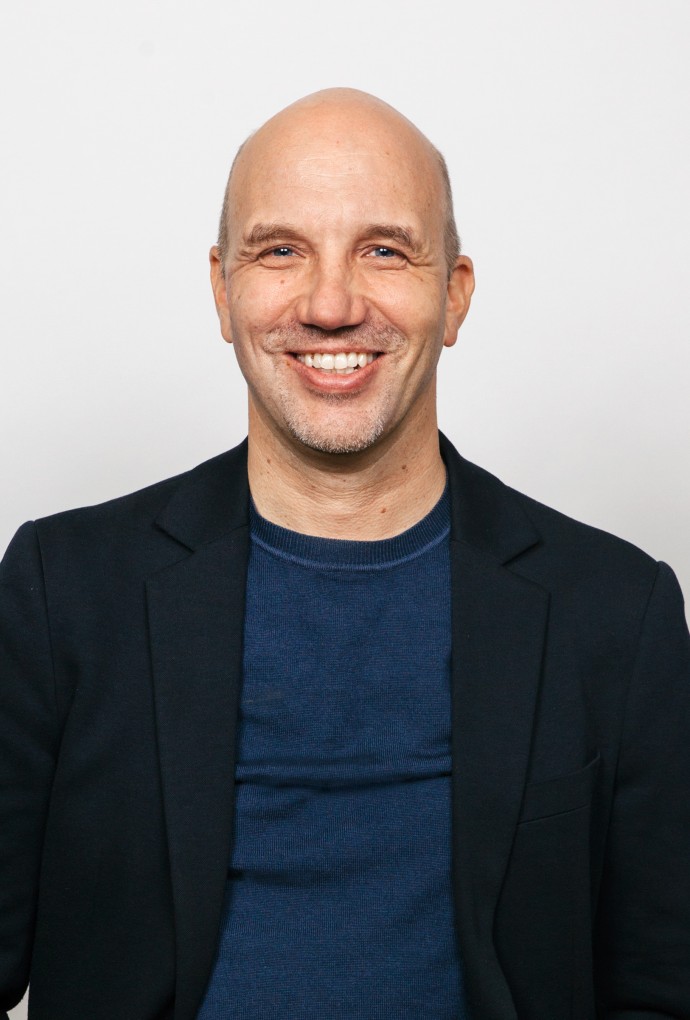
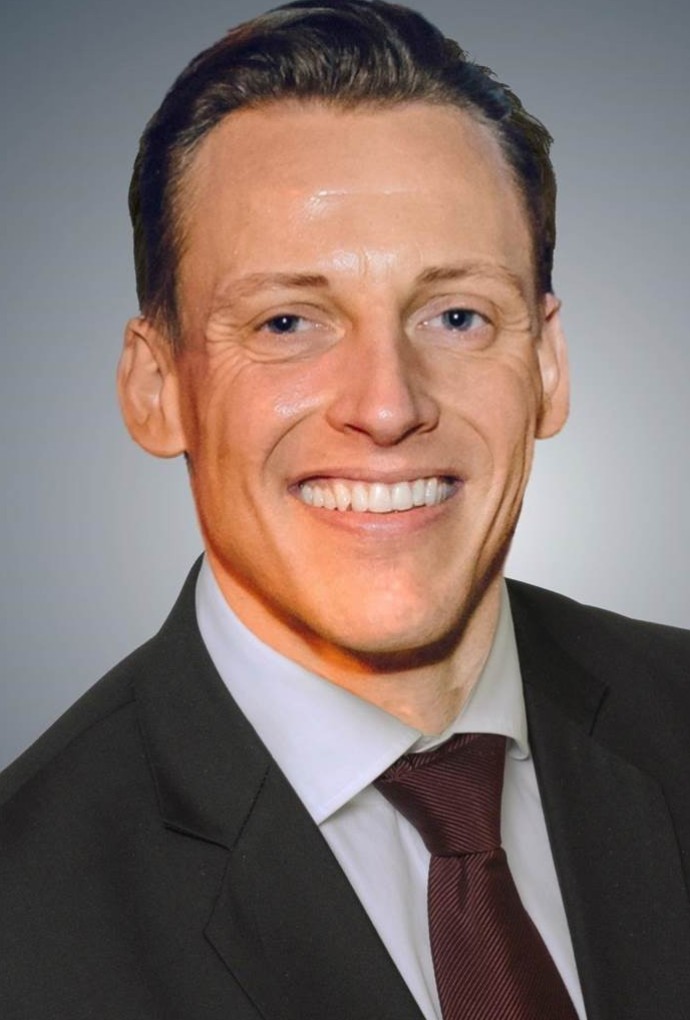
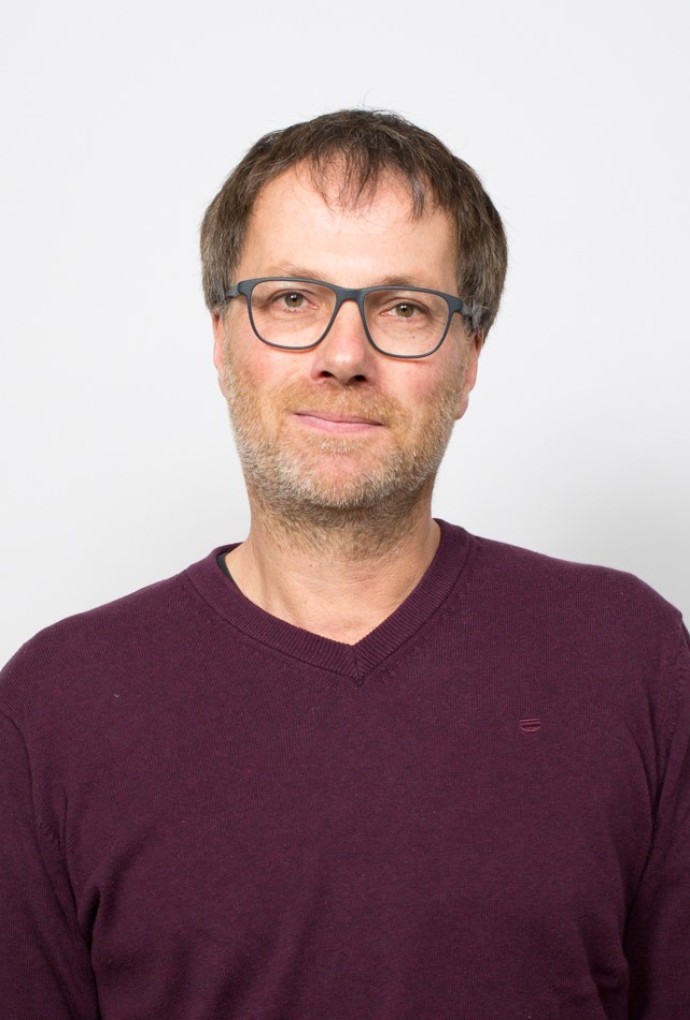
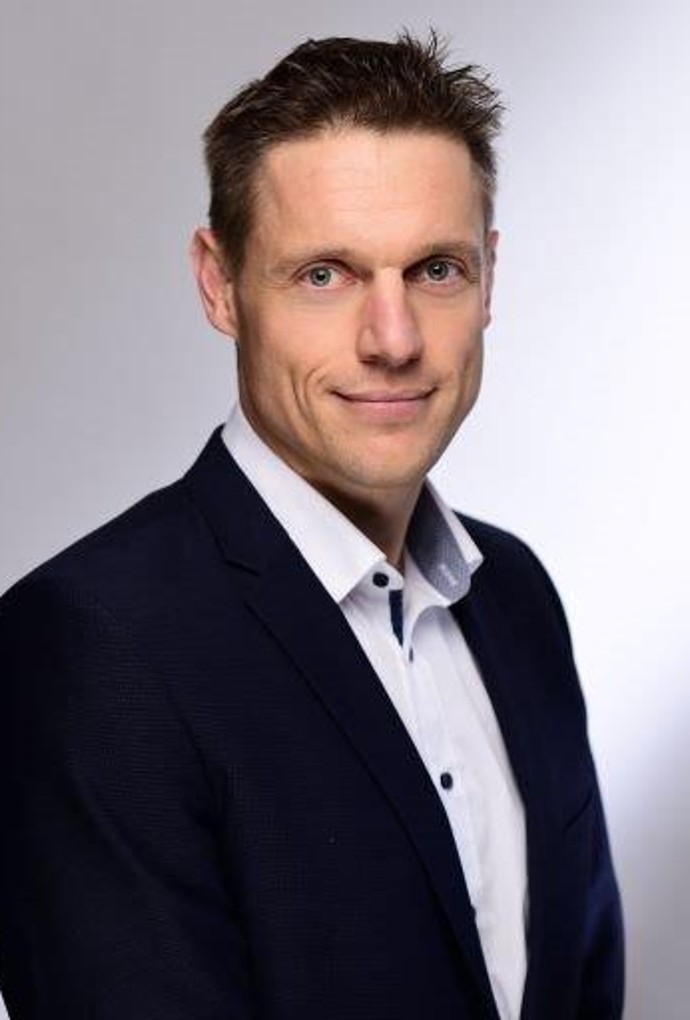
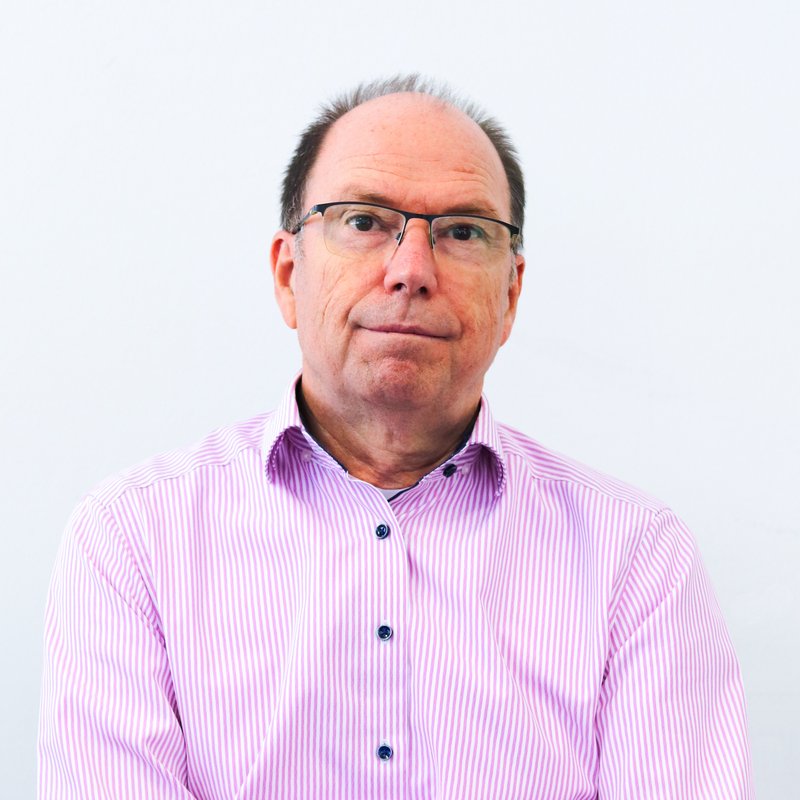
Prof. Dr. Klaus Böhm serves as a Professor within Faculty 03 at Munich University of Applied Sciences, holding key administrative roles including Head of the Expert Group and Deputy Representative for FK03 in AI in Teaching. His office is located in Room B 262 at Dachauer Straße 98b, 80335 Munich, with direct contact via +49 89 1265-3569. His research spans critical engineering and forensic domains with emphasis on: Vehicle construction and expert services Accident analysis and reconstruction methodologies Digital forensics applications Computer-Aided Design (CAx) systems He directs the Laboratory for Design and CAx, which integrates computational design tools with accident investigation protocols. The laboratory serves as an operational hub for both academic instruction and applied expert services in transportation safety. His current focus includes implementing AI-driven approaches in engineering education through his FK03 representative role, bridging theoretical design principles with real-world accident reconstruction scenarios. Administrative responsibilities include oversight of expert testimony standards and vehicle safety certification protocols. His work maintains strong industry connections with automotive manufacturers and transportation safety authorities, facilitating practical applications of research findings in regulatory frameworks.
Prof. Mirko Langhorst serves as a Professor at Munich University of Applied Sciences within Faculty 03. His institutional roles include: Chairman of the Examination Committee for Master's Degrees in Mechanical Engineering Chairman of the Examination Committee for Bachelor's Digital Engineering (MUC.DAI) Co-director of the Bachelor Digital Engineering (MUC.DAI) program Member of the Examination Committee for 4D Modern Energy Systems and Mobility His research concentrates on Machining, Business Organization, Computer-Aided Manufacturing (CAM), and Production Automation. This interdisciplinary focus bridges mechanical engineering with business process optimization, emphasizing practical applications in industrial automation and digital manufacturing systems. Prof. Langhorst is affiliated with the IPB Laboratory, which supports his work in production technology and engineering education through hands-on research facilities and industry partnerships.
Professor Jürgen Huber is a faculty member at Munich University of Applied Sciences (Faculty 03), specializing in mechanical engineering and design disciplines. His office is located at Dachauer Str. 98b, 80335 Munich. He leads the Laboratory for Design and CAx (KCA), focusing on Computer-Aided Engineering (CAx) technologies and product development methodologies. His research integrates industrial design , computational engineering , and product lifecycle management , with applied emphasis on manufacturing and automotive systems. Administrative responsibilities include examination oversight for product development courses in LRB and FAB/FMB programs.
Prof. Dr.-Ing. Carsten Tille is a Professor specializing in advanced manufacturing and digital design technologies. He manages the Laboratory for Design and CAx (KCA) and provides industry consultation in additive manufacturing (3D printing), CAx systems, and product development methodologies. His core research domains include: Additive manufacturing/Rapid prototyping Computer-aided product development (CAx) Machine elements design Engineering methodology and construction principles No awards, publications, or student advisement details are available in the provided text.
Prof. Dr.-Ing. Michael Wirth is a Professor affiliated with Faculty 03 at an institution in Munich, Germany. His office is located at Dachauer Str. 98b, 80335 Munich, and he can be contacted via phone (+49 89 1265-3555) or fax (+49 89 1265-3308). His research interests include: Machine elements : Engineering components and mechanical systems design. Design & CAx Information Processing : Computer-aided technologies for design and data analysis. He leads the KCA Laboratory , which conducts research in these specialized areas. No information is available about awards, grants, or student advisement.
Prof. Hans-Dieter Seelig serves as Professor for Process Measurement Technology within the Faculty of Electrical Engineering at Dresden University of Applied Sciences. His academic profile spans interdisciplinary engineering domains with strong industry-aligned practical focus. His core research and teaching expertise encompasses: Advanced sensor systems and industrial process measurement Computer-aided measurement techniques using LabVIEW Systems theory applications in mechatronic systems Environmental monitoring (water, air, soil analysis) Industrial automation and vehicle drive systems Prof. Seelig actively teaches across multiple degree programs including Electrical Engineering (B.Eng./M.Eng.), Environmental Engineering, and the Green Tech Year initiative. His curriculum development emphasizes hands-on laboratory work and industry-relevant software tools, particularly in measurement technology and systems analysis. Current teaching responsibilities include Systems Theory, Process Analysis, and Mechatronic Applications modules scheduled through Summer Semester 2026.
Prof. Jens Emig is a faculty member at Technische Hochschule Lübeck's Department of Civil Engineering. His primary affiliations include academic leadership in civil engineering and active involvement in the Innovation Center for Construction (IZB), where he contributes to the Competence Area for Networked Planning, Construction, and Operation. He also participates in the university's Research and Transfer unit. His research focuses on: Traffic planning and simulation systems Computer-Aided Design (CAD) applications Integrated networked planning methodologies Construction technology innovation Operational optimization in civil engineering projects Prof. Emig maintains active industry-academic collaborations through the Innovation Center for Construction, though specific student advising or grant details aren't documented in available materials.
Dr. Jan Philipp Thiele is a Research Software Engineer in the Research-Related Services Unit at Braunschweig University of Technology (TU Braunschweig). He also serves as a Research Software Engineer & Steward at the Weierstrass Institute for Applied Analysis and Stochastics (WIAS) from 2023 to 2025. His academic background includes a PhD from Leibniz University Hannover (2018-2023) and dual degrees in Computer-Aided Engineering (2017) and Mathematics (2016) from the same institution.
Christoph Reich is a Professor at Furtwangen University (HFU), Germany, actively engaged in research and teaching within network technologies, IT security, and cloud computing systems. His academic profile reflects strong industry-relevant expertise in cyber-physical systems and industrial digitalization. Research interests include: Middleware Network Technologies IT Security Cloud Computing Quality of Service Ambient Assisted Living Distributed Software Architectures IT Management Recent publications (2020-2023) demonstrate concentrated focus on machine learning and blockchain applications in Industry 4.0 contexts. Key thematic clusters include distributed decision trees with corruption resistance, verifiable ML models via blockchain, real-time anomaly detection in industrial networks, and secure ML pipelines for manufacturing. Work consistently addresses security vulnerabilities, robustness requirements, and quality-of-service metrics in cyber-physical production systems. Scientific awards: None listed in available documentation. No information provided regarding student advising, research grants, laboratory affiliations, or collaborative teams. Office hours are conducted by appointment at Campus Furtwangen, Room C 2.08.
Prof. Dr.-Ing. Piotr Kuroczyński serves as Professor of Applied Computer Science and Visualization in Civil Engineering and Head of the Architecture Institute at Mainz University of Applied Sciences. His academic career spans multiple prestigious institutions including Technical University of Darmstadt where he researched and taught at the unit Information and Communication Technology in Architecture, and Warsaw University of Technology where he lectured in Computer Aided Design. His research interests focus on the intersection of digital technology and cultural heritage preservation. Kuroczyński specializes in Heritage Building Information Modeling (HBIM), digital 3D reconstruction of architectural monuments, and virtual research environments for object-based research. His work establishes documentation standards and semantic data modeling approaches for accurately representing historical structures, particularly focusing on Jewish cultural heritage sites including synagogues across Europe. He explores how digital methodologies can enhance our understanding of architectural history while preserving endangered cultural assets. Kuroczyński's publications reveal a consistent emphasis on 3D reconstruction as a scholarly research methodology rather than merely a visualization tool. His work addresses the challenges of creating FAIR (Findable, Accessible, Interoperable, Reusable) research data within digital humanities, with particular attention to historical accuracy, source documentation, and methodological transparency. His research bridges architectural history, computer science, and cultural heritage preservation through innovative digital approaches. His scientific recognition includes: The Werner Weber Award for Best Full Paper at EuroMed2016 Conference 3rd prize for German Pavilion at EXPO 2015 Milan 2nd place in ECB Visitor Center competition Winner of "Built on IT" competition Diploma with distinction from TU Darmstadt As editor-in-chief of the book series Computing in Art and Architecture at Heidelberg University Library and co-founder of the Digital 3D-Reconstruction Working Group, Kuroczyński has significantly shaped research infrastructure in digital heritage. He leads the DFG-funded 3D Viewer project creating infrastructure for digital 3D reconstructions and has received fellowships from Getty Foundation, National Endowment for the Humanities, and Volkswagen Foundation. His leadership extends to coordinating the CoVHer project on computer-based visualization of architectural cultural heritage and directing the Digital Urban History Lab for historical urban development research. Kuroczyński heads the Architecture Institute at Mainz which operates as a hub for interdisciplinary research connecting computer science, architecture, and cultural heritage preservation. The institute develops innovative methodologies for documenting historical structures, with particular focus on the 3R principle (Reduce, Reuse, Recycle) in architectural resource management and the development of standardized approaches for Heritage BIM. Current projects include the Mastering Heritage BIM workshop series and the CIPA Seoul 2025 initiative advancing documentation standards for cultural heritage.
Dr. Emmanouil Athanasiadis is a bioinformatician at the University of Cambridge's Department of Haematology, with dual affiliations at the Wellcome Trust Sanger Institute and Medical Research Council (MRC) Stem Cell Institute. His research integrates computational biology with medical applications, focusing on single-cell genomics, cancer biology, and cardiovascular disease mechanisms since 2016. His educational foundation includes: BSc in Biomedical Engineering from Technological Educational Institution of Athens (2004) MSc in Medical Physics from University of Patras (2006), funded by State Scholarships Foundation of Greece PhD in Medical Physics from University of Patras (2010), supported by National State Scholarship Foundation Athanasiadis specializes in developing computational frameworks for biological data interpretation. His work spans single-cell RNA sequencing analysis in haematopoiesis, medical imaging algorithms for cancer diagnostics, and drug repurposing pipelines. Key contributions include SPNsim for pulmonary nodule simulation and ChemBioServer for chemical compound analysis, demonstrating his dual expertise in algorithm development and biomedical application. Publication analysis reveals a trajectory from medical imaging (2007-2012) to genomic network analysis (2013-2016), culminating in current single-cell and spatial transcriptomics research. His work consistently bridges computational innovation with clinical questions in oncology, haematology, and cardiovascular disease, with strong emphasis on open-source tool development. His scientific recognition includes: Computational award from Greek Research and Technology Network for 'GRAND' project Multiple presentation prizes at national medical conferences Continuous academic distinctions from State Scholarships Foundation of Greece K. Karatheodoris research scholarship He has secured EU funding through FP7 projects including 'PIK3CA Oncogenic Mutations' and 'NOISEPLUS', and maintains active collaborations across Cambridge, UCL, and Greek research institutions. His teaching contributions include lecturing in biomedical engineering programs at Technological Educational Institution of Athens (2010-2016). Current work centers on single-cell RNA sequencing analysis within Cambridge's haematology research ecosystem, particularly investigating transcriptional dynamics in blood cell development and cancer evolution through collaborative projects with Sanger Institute.
Prof. Dr.-Ing. Thomas Reibetanz serves as a Professor at the Faculty of Technology, Reutlingen University, with his office located in Building 4, Room 015. Contactable via +49 7121 271 7049 and thomas.reibetanz@reutlingen-university.de, his teaching focuses on applied engineering disciplines with office hours by appointment. His research and instructional expertise spans: Manufacturing Engineering and production technologies Quality Management Systems and CAQ-Labor (Computer-Aided Quality) Digital Factory implementations Simulation techniques including factory planning and casting simulation CAD/CAM integration Prof. Reibetanz leads core coursework in Simulationstechnik, CAD/CAM, and Qualitätsmanagement, emphasizing practical applications in mechanical technology and manufacturing processes within Reutlingen University's engineering programs.
Helge Rinck serves as a Teacher for special tasks in Computer-Aided Design at Saarland University of Fine Arts (HBKsaar) since 2005, operating from the CAD Studio. His role focuses exclusively on advanced digital design instruction across multiple software platforms. His academic foundation includes: 1986-1989: Design studies at Saarland University of Applied Sciences 1989-1992: Advanced design studies at Saar Academy of Fine Arts Rinck's expertise centers on the practical application of CAD technologies in product development. He specializes in creating immersive learning experiences through tools like Fusion 360, Rhino, and Grasshopper, with growing emphasis on virtual reality integration via GravitySketch and Unreal Engine. His teaching methodology bridges traditional product design principles with cutting-edge digital prototyping techniques. As a project supervisor, Rinck has guided significant student initiatives including 'Industry Calling', 'Komm in die Gänge', 'Place To Be', and 'SRC 05 - Formula Student', often connecting classroom learning to industry challenges through partnerships like the Rimowa Designpreis. The CAD Studio functions as his operational base, providing specialized facilities for hands-on training in 3D modeling, parametric design, and real-time rendering. His current course load extends through Winter Semester 2025/26, demonstrating ongoing active engagement in academic instruction.
Stefan Zintel is a lecturer and sound artist at Hochschule der Bildenden Künste Saar (HBK Saar), where he has headed the Studio for Acoustic Communication since 1996. Born in 1967 in St. Ingbert, he lives and works in Saarbrücken, Saarland, Germany. Previously, he taught electronic music at Saarbrücken University of Music for ten years. Zintel's research interests center on sound art, electronic music composition, real-time audio processing, and therapeutic sound applications. His work explores the intersection of technology and acoustic communication, with a particular focus on Pure Data (Pd) software and sound installations. Recent projects include 'Sounding Vera Molnár,' which examines human-machine relationships through AI-generated interviews and quadraphonic sound interventions. Zintel's artistic output shows a clear evolution from early electronic music acts like Caterpillar and SCAN to contemporary therapeutic sound applications. His recent publications focus on white noise, pink noise, and natural soundscapes designed for sleep, focus, and tinnitus relief, demonstrating practical applications of his acoustic research. Key artistic achievements: International success since early 1990s with tracks on over 300 compilations Founder of Tildmusic® label (2006) with extensive catalog of therapeutic sound applications Sound installations and performances since 1996, including 'Sounding Vera Molnár' (2024) Extensive teaching career spanning over 25 years in audio technology and electronic music Zintel maintains an active practice balancing academic instruction with creative production. His Studio for Acoustic Communication serves as both a teaching facility and research laboratory, while Tildmusic provides the commercial outlet for his applied acoustic research. This integration of academic and artistic work creates a unique ecosystem where theoretical exploration directly informs practical applications in therapeutic sound technology.
Colin Reiff serves as a Research Assistant at the Institute for Control Engineering of Machine Tools and Manufacturing Units at the University of Stuttgart, focusing on advanced manufacturing systems and process optimization. His work bridges theoretical research with industrial applications in automotive, aerospace, and general production contexts. His research interests center on process control and optimization in multi-stage production systems and Additive Manufacturing (Powder Bed Fusion Processes) . Reiff has developed innovative approaches for zero-defect manufacturing, particularly through smart centering methods for rotation-symmetric parts and automated vision data systems using collaborative robots. His work demonstrates how dimensional deviations can be compensated during production rather than detected at final inspection. Analysis of his publication record from 2018-2024 reveals consistent focus on manufacturing innovation, with increasing emphasis on data-driven approaches, software-defined manufacturing, and sustainable production. His research spans both theoretical frameworks and practical implementations, with several solutions transitioning to industrial applications. Reiff actively supervises student theses and practical experiments, including the "Simulation of a feed axis closed loop control with MATLAB/Simulink" laboratory course. His work has been supported through EU-funded projects like ForZDM under Horizon2020 and the High-Performance Center "Mass Personalization" in Stuttgart. His research group operates within the University of Stuttgart's manufacturing ecosystem, contributing to initiatives like the "Stuttgarter Maschinenfabrik" - a fully digitalized production environment for customer-individualized products. This environment leverages digital twins and new technological infrastructure to enable application development freedom and machine park flexibility.