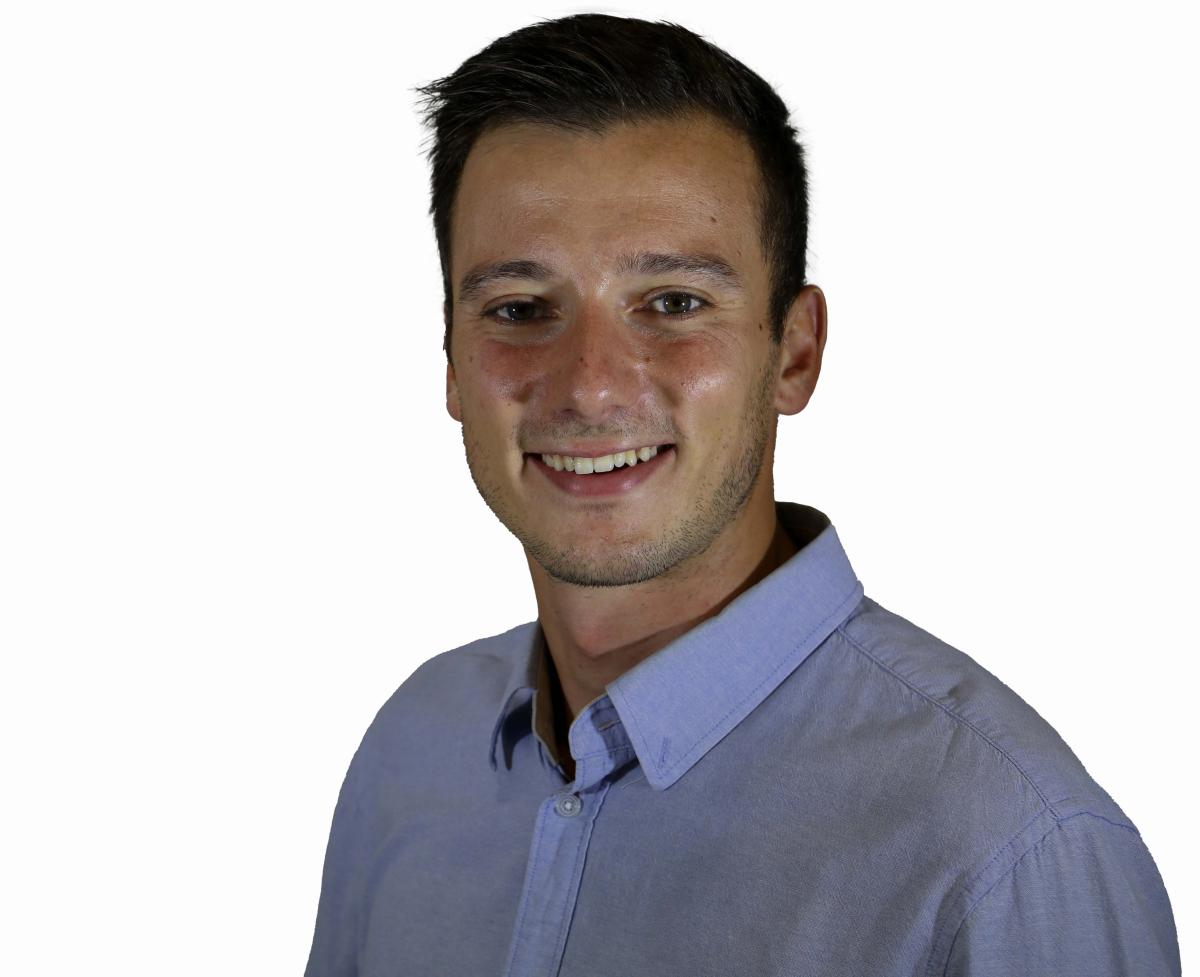
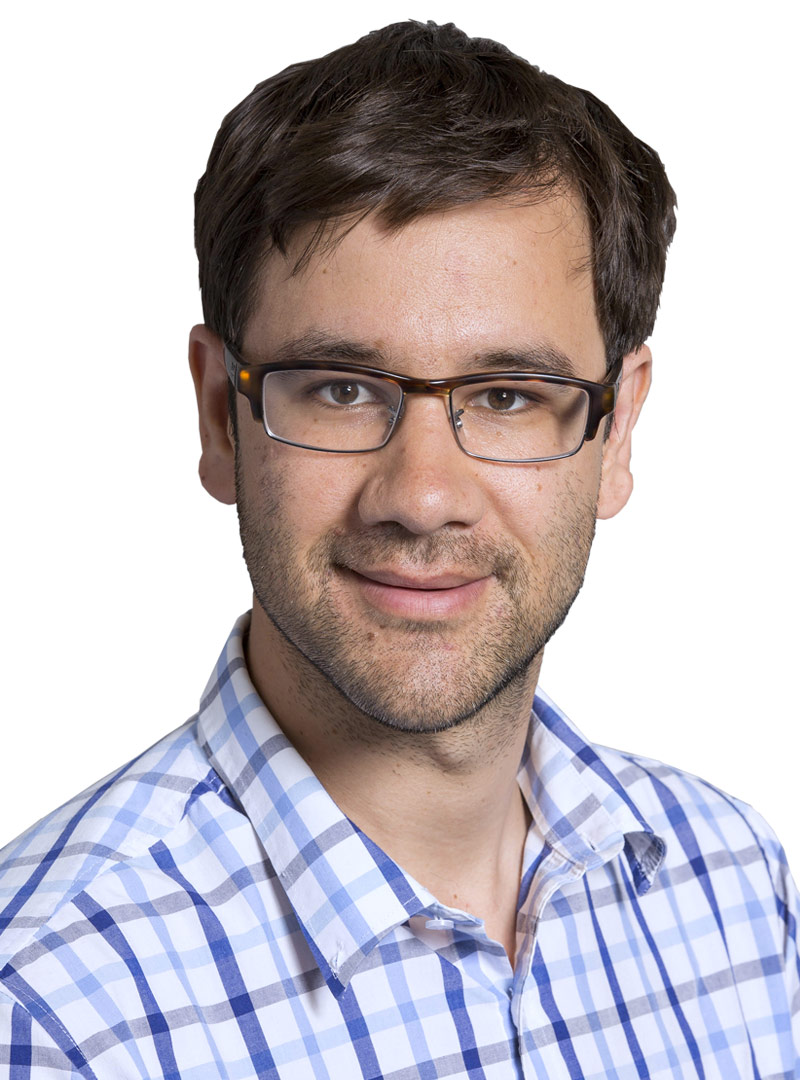
Robert W. Sumner is an Adjunct Professor at ETH Zurich and Associate Director at Disney Research Zurich. He specializes in computer graphics, focusing on mesh deformation, inverse kinematics, and game programming. His work bridges academic research and industry applications, particularly in 3D modeling and animation. Affiliations: Disney Research Zurich, ETH Zurich Education: PhD in Computer Science from MIT (2005), MSc from MIT (2001) Research Interests: Developing algorithms for shape manipulation, deformation transfer, and game development. Notable contributions include the ETH Game Programming Laboratory course and foundational work on mesh-based inverse kinematics. Key Projects: Curvature-domain shape processing, embedded deformation techniques, and deformation transfer between 3D models.
Evanthia Papadopoulou is a Full Professor of Computer Science at the University of Lugano (Università della Svizzera italiana) since 2016. Previously, she was an Associate Professor at USI (2008–2016), a Research Staff Member at IBM T.J. Watson Research Center (1996–2008), and an Assistant Professor at Athens University of Economics and Business (2004–2008). She holds a BS in Mathematics from the University of Athens, an MS in Computer Science from the University of Illinois at Chicago, and a PhD in Computer Science from Northwestern University (1995). Her research focuses on computational geometry, algorithm design, and their applications in VLSI CAD and geometric computing. Key areas include Voronoi diagrams, proximity algorithms, triangulations, and geometric optimization. She has received the IBM Outstanding Innovation Award (2006) and the Technical Accomplishment for IBM Research (2006) for her work on VLSI critical area analysis using Voronoi diagrams. As part of the Dalle Molle Institute for Artificial Intelligence (IDSIA USI-SUPSI), her work integrates theoretical and applied aspects of computational geometry. Her contributions span algorithmic frameworks, geometric data structures, and practical applications in VLSI layout analysis and manufacturing. Her recent research emphasizes high-order Voronoi diagrams, subdivision methods for geometric optimization, and certified approximation algorithms. These advancements address challenges in geometric computing, such as farthest-color Voronoi diagrams and dynamic geometric problems.
Prof. Dr. Malte Elson is a Professor and Head of the Department of Psychology of Digitalization at the University of Bern. His work bridges psychological research with digital technologies, focusing on cybersecurity behavior, aggression in digital contexts, and methodological rigor in psychological studies. He holds a prominent role in advancing reproducible research practices and ethical guidelines in academia. Research Interests: Elson's research spans cybersecurity self-efficacy, digital game effects on aggression, and the application of rigorous methodologies to address biases in psychological research. He emphasizes improving peer review processes and open science practices to enhance scientific credibility. Key Contributions: His work includes developing the Cybersecurity Self-Efficacy in Smart Homes (CySESH) scale, advocating for standardized retraction policies, and analyzing the reproducibility of open data practices. Elson also leads initiatives to educate researchers on ethical consent procedures under GDPR and collaborates on hardware reverse engineering studies. Advising & Grants: While specific grant details are not provided, Elson's leadership role suggests involvement in major research programs. He collaborates with interdisciplinary teams across computer science and psychology to address societal challenges posed by digitalization. Labs/Teams: Leads the Department of Psychology of Digitalization at the University of Bern, fostering research at the intersection of human behavior and technology.
Prof. Dr. Thomas Keller is a Professor at the Zurich University of Applied Sciences (ZHAW) , affiliated with the School of Management and Law and the Centre of Information Systems - People & Technology . His research focuses on Virtual Reality (VR) , Digital Transformation , and Human-Computer Interaction , with particular emphasis on educational applications and inclusive technology design. PhD in Information Systems, University of Zurich (2004-2008) MSc in Information Systems, University of Zurich (1998-2002) Certificate in Electrical Engineering, ETH Zurich (1996-1998) MSc in Electrical Engineering, ETH Zurich (1996-1998) Thomas Keller's research explores VR applications in vocational training , digital legacy solutions, and affective computing . He develops immersive learning environments for apprentices, language learners, and children with special needs, while investigating responsible innovation through speculative science fiction prototyping. His recent publications demonstrate a clear trend in VR for education (6/15), digital transformation (5/15), and inclusive technology (4/15). Topics span VR training effectiveness , AI ethics , and blockchain visualization . As a deputy project leader and co-project leader, he has developed technology-supported stress management programs for healthcare workers and immersive scenarios for responsible innovation. His work also includes VR applications for children with special needs and digital estate solutions .
Dr. Vassily Hatzimanikatis is an Associate Professor of Chemical Engineering and Bioengineering at the Swiss Federal Institute of Technology Lausanne (EPFL), holding primary appointments in the School of Basic Sciences (SB) and cross-appointments in the School of Life Sciences (SV). He directs research at the Laboratory of Computational Systems Biotechnology (LCSB) within the Institute of Chemical Sciences and Engineering (ISIC), with additional roles in the Swiss Center for Scientific Computing (SCGC) and Institute of Bioengineering (IBI-SV). His educational background includes a PhD in Chemical and Biological Engineering from the California Institute of Technology (1991-1997) and a Diploma (Master) in Chemical Engineering from the University of Patras, Greece (1986-1991). Prior to EPFL, he served as a research group leader at ETH Zurich and held positions at DuPont, Cargill, and Northwestern University. Hatzimanikatis' research centers on computational systems biology and metabolic engineering, with emphasis on kinetic modeling of metabolic networks, complexity reduction techniques, and strain design for bioproduction. His work bridges theoretical frameworks with industrial applications in pharmaceuticals and biotechnology, focusing on genome-scale models that integrate thermodynamics, expression constraints, and machine learning approaches. Analysis of his 2023-2025 publications reveals three dominant trends: 1) Integration of generative AI with kinetic parameter inference for metabolic networks, 2) Development of model reduction techniques for analyzing complex microbial communities and host-pathogen interactions, and 3) Thermodynamics-driven strain design for optimizing bioproduction while minimizing cellular burden. His recent work increasingly incorporates CRISPR genomics and machine learning to address challenges in pathogen metabolism and sustainable chemical production. His scientific recognition includes: Fellow of the American Institute for Medical and Biological Engineering (2010) DuPont Young Professor Award (2001-2004) Jay Bailey Young Investigator Award in Metabolic Engineering (2000) ACS Elmar Gaden Award (2011) Hatzimanikatis has advised 43 PhD students (8 current, 35 past) across chemical engineering and bioengineering disciplines. His teaching portfolio includes core courses in chemical engineering fundamentals, bioreactor modeling, and systems biology principles. Research funding derives from both industrial partnerships (notably DuPont and Cargill) and Swiss national science foundations, supporting his laboratory's development of computational tools like NICEpath and ATLASx. The Laboratory of Computational Systems Biotechnology (LCSB) operates as a multidisciplinary hub where computer scientists, engineers, and biologists collaborate on developing genome-scale kinetic models, metabolic network reconstructions, and AI-driven design frameworks for biotechnology applications ranging from malaria treatment to sustainable bioplastics production.
Jamila Sam is a Senior Lecturer and Researcher at the École Polytechnique Fédérale de Lausanne (EPFL), affiliated with the School of Computer and Communication Sciences (IC). She holds positions in the Systems and Infrastructure (SIN) and Communication Systems (SSC) departments, focusing on teaching and research. Her roles include membership in the Conference of the Teaching Staff (CCE) and administrative responsibilities within EPFL’s academic structure. Her research interests revolve around constraint programming, numerical optimization, and distributed systems, with a particular emphasis on interval analysis, constraint satisfaction problems (CSPs), and algorithm design. She has contributed to advancements in numerical methods, global optimization, and distributed constraint satisfaction protocols such as backjumping and dynamic ordering techniques. Jamila Sam has authored and co-authored over 30 publications, including works on interval propagation, branch-and-prune strategies, and clustering techniques for numerical problems. Her articles span topics like directed acyclic graphs for constraint solving, approximation methods for non-linear systems, and distributed algorithms for collaborative design. In teaching, she instructs courses such as Introduction to Programming , Object-Oriented Programming , and Information, Calculation, Communication , though these course sheets are pending validation. Her academic contributions also extend to administrative roles, including membership in EPFL’s CCE, which oversees teaching policies and staff coordination.
François Maréchal is a Professor at the Industrial Process and Energy Systems Engineering Group (IPESE) within the School of Engineering (STI) at the Swiss Federal Institute of Technology in Lausanne (EPFL). His research focuses on computer-aided process integration, exergy analysis, and thermo-economic optimization of industrial and energy systems, with particular emphasis on renewable energy integration and waste heat valorization. Education : Chemical Engineer (1986) and PhD in Applied Sciences (1995) from the University of Liège, Belgium. Professional Affiliations : 2012–Present: Professor, EPFL 2005–2012: Research Teaching Master, EPFL 1995–2005: First Assistant, EPFL 1986–1995: Researcher, University of Liège Maréchal’s research addresses the integration of renewable energy resources into industrial processes and energy conversion systems, aiming to bridge thermodynamics with optimization techniques for sustainable development. He leads projects on decarbonization of industries like aluminum production, biorefineries, and pulp mills. The 15 most recent articles highlight his work on: system design optimization for aluminum decarbonization, district heating network modeling, biorefinery integration, machine learning applications in energy systems, and techno-economic assessments of hydrogen networks. Keywords span Environmental Engineering , Industrial Decarbonization , and Renewable Energy Systems . Teaching includes advanced courses in Process Integration, Exergy Analysis, and Energy Audits for Masters and postgraduate programs at EPFL. His pedagogical approach emphasizes computer-aided project-based learning to connect teaching with research. Key Collaborations involve the EDEY Doctoral Program and the Energy Domain at EPFL , with contributions to energy system modeling tools like EnergyScope and ROSMOSE.
Dr. Fatma Aziza Merzouki is a Data Scientist and Postdoc Researcher at the University of Geneva's Faculty of Medicine, affiliated with the Institute of Global Health. She holds a PhD in Computer Science (2018) and completed her BSc (2010) and MSc (2012) in Computer Science at UNIGE. Previously, she served as a research and teaching assistant in the Scientific and Parallel Computing group (SPC), focusing on cell-based numerical models of epithelial tissues. Her current research investigates socio-behavioral drivers of HIV prevalence and incidence in Sub-Saharan Africa, leveraging data science, machine learning, and mathematical modeling. Education : BSc in Computer Science, University of Geneva (2010) MSc in Computer Science, University of Geneva (2012) PhD in Computer Science, University of Geneva (2018) Research Interests : Aziza's work combines computational methods with epidemiology to address global health challenges. Key areas include: Machine learning for HIV prediction and intervention design Mathematical modeling of infectious disease spread Data-driven analysis of socio-behavioral factors in public health Collaborative projects with biologists and biophysicists Publications : Her research spans tuberculosis treatment outcomes in Haiti, spatial HIV modeling in Malawi, and automated literature review tools using NLP. Recent work emphasizes scalable epidemiological platforms like EpiGraphHub and predictive analytics for HIV status determination. Awards : No awards explicitly mentioned in the text. Grants & Advising : No grants or formal advisees listed. However, her research involves collaborations with institutions like the WHO and field partners in Sub-Saharan Africa. Labs & Teams : Active member of the Institute of Global Health's HIV research team and previously contributed to the Scientific and Parallel Computing group's biophysical modeling efforts.
Dr. Gregory Landrum is a Lecturer at the Department of Chemistry and Applied Biosciences at ETH Zürich, Switzerland. His work focuses on integrating computational methods into chemical research and education. Research Interests: He specializes in cheminformatics , computer-aided drug design , and the application of algorithms and programming to solve complex problems in chemistry. His teaching emphasizes practical computational skills for chemical applications. Contact: gregory.landrum@phys.chem.ethz.ch
Prof. Dr. Hanspeter Schmid serves as a Professor at the University of Applied Sciences and Arts Northwestern Switzerland (FHNW) within the School of Engineering and Environment, specifically at the Institute for Microelectronics. He also holds a part-time position as a senior lecturer at ETH Zurich teaching Analog Signal Processing and Filtering. Dr. Schmid earned his diploma in electrical engineering (1994), post-graduate degree in information technologies (1999), and Doctor of Technical Sciences (2000), all from ETH Zurich. His career began at ETH Zurich as a teaching assistant in 1994, progressing to research assistant and junior lecturer in analog integrated filters. From 2000-2005, he worked as an analog-IC designer with Bernafon AG developing hearing aid IC platforms. He joined FHNW's Institute of Microelectronics as a research fellow in 2005 and became a full professor in February 2012. His research focuses on fast low-power circuits for sensor electronics, signal integrity in analog signal processing, and sigma-delta modulation. Dr. Schmid's scholarly work bridges theoretical foundations with practical applications, particularly in switched-capacitor circuits, noise analysis, and measurement methodologies. His publications consistently address both theoretical aspects and implementation challenges in analog circuit design. Dr. Schmid has held significant professional positions including IEEE CAS Analog Signal Processing Technical Committee Co-Chair (2008-2010), Associate Editor for IEEE Transactions on Circuits and Systems I (2007-2011) and II (2016-2017), member of the ESSCIRC technical committee until 2019, and Distinguished Lecturer of the IEEE CAS Society (2011-2012). At FHNW, he teaches Signal Processing, Analog Circuits, and Mixed-Signal Circuits while participating in research projects such as "Authenticity in Music," collaborating with the Academy of Music to develop digital simulation methods for electronic equipment. His academic work spans educational and research domains, contributing to advancements in microelectronics and signal processing with practical applications in sensor technology and audio systems.
Luca Bosetti is a Lecturer at the Department of Mechanical and Process Engineering at ETH Zürich , focusing on machine learning applications in chemical engineering and crystallization process design. Key research areas: Machine learning for thermodynamic predictions, sustainable chemical recycling, crystallization technology, and lifecycle assessment. Collaborations: Active partnerships with André Bardow, Marco Mazzotti, Benedikt Winter, and Johanna Lindfeld. Recent projects: Development of ML-CAMPD frameworks for solvent design, CO2 electrolyzer integration, and polyurethane waste recycling. His work combines machine learning with process engineering to address sustainability challenges in the chemical industry, including CO2 utilization , chemical recycling , and energy-efficient separations . Publications span journals like Computers & Chemical Engineering and Crystal Growth & Design , with recent contributions on hybrid crystallization processes , liquid-liquid equilibria , and automated LCA tools . His research has received funding from the CIRCULAR FOAM project (EC grant 101036854) , aiming to expand circular ecosystems for foam waste.
Georgios Papadopoulos is a Ph.D. student at the Laboratory for High Power Electronic Systems within the Department of Information Technology and Electrical Engineering (D-ITET) at ETH Zurich, Switzerland. He holds a diploma in Electrical and Computer Engineering (2017) from Aristotle University of Thessaloniki and a Master's degree (2019) from KTH Royal Institute of Technology, with thesis work conducted in collaboration with Scania CV. His research focuses on power electronics , converter design optimization , and electro-thermal modeling . He has contributed to pioneering work on switching cell modeling frameworks using look-up tables to reduce computational effort in multi-objective optimization for power density and efficiency. Recent publications include: 2024: Electro-Mechanical Switching Cell Modelling Framework (ECCE Europe) 2023: Influence of SiC MOSFETs on Switching Cell Layout (EPE Conference) 2022: Standardized Switching Cell Building Block (EPE Conference) His work bridges finite element analysis , wide-band gap semiconductors , and mechanical design in power systems. While no specific awards are listed, his research on SiC MOSFETs and thermal management aligns with advanced multi-objective optimization grants from the Swiss National Science Foundation (SNF, Grant #209501).
Prof. Hans-Peter Hutter is a Professor of Computer Science at the ZHAW School of Engineering, specializing in Deep Learning-based Automatic Speech Recognition, Conversational User Interfaces, and Human-Centered Computing. He leads the Human-Centered Computing research group at InIT/ZHAW and has held this position since 2005. His work focuses on accessibility technologies, mobile usability, and inclusive design for visually impaired users. Education: Dr. sc. techn. ETH in Computer Engineering (ETH Zurich, 1996) Dipl. El.-Ing. ETH in Electrical Engineering (ETH Zurich, 1986) Research Interests: Advancing accessibility in digital systems (e.g., accessible PDFs, navigation aids for visually impaired users) Speech recognition and dialogue systems Mobile application design principles Service engineering and platform development His recent work emphasizes multimodal interaction, accessible document remediation, and SLAM systems for navigation assistance. Projects: Leading the InCrowd-VI dataset project for indoor navigation Developing MathNet for mathematical expression recognition Creating accessible tourism services in Lake Constance region Grants & Labs: Active in EU-funded and industry collaborations, leading the InIT Institute founded in 2002. Collaborates with organizations like SwissICT and ACM.
Christophe Dessimoz is a Professor at the University of Lausanne's Department of Ecology and Evolution, affiliated with the Swiss Institute of Bioinformatics (SIB). He holds a joint appointment with University College London (UCL), where part of his lab remains active. His academic journey includes a Master's in Biology (ETH Zurich, 2003) and a PhD in Computer Science (ETH Zurich, 2009). He has held roles at ETH Zurich, EMBL-EBI, and UCL before joining the Center for Integrative Genomics (CIG) as a Swiss National Science Foundation (SNSF) Professor in 2015. His research bridges computational methods and evolutionary biology, focusing on gene and genome evolution, orthology inference, and phylogenetic analysis. Key projects include the Quest for Orthologs consortium and the OMA database. He has developed tools like OMA Standalone, ALF, and Matreex, which aid in genomic analysis and visualization. His work has been recognized with awards such as the SIB Young Bioinformatician Award (2012), Google Faculty Award (2015), and EMBO Young Investigator (2016) status. His lab collaborates across disciplines, addressing questions like the conservation of membrane proteins and the evolutionary origins of eukaryotes. Ongoing projects explore AI ethics in life sciences and federated data querying for biomedical research. Publications highlight advancements in orthology benchmarking, phylogenetic tree inference, and applications of genomic data to medicine and evolutionary biology. His team includes PhD students, postdocs, and visiting researchers, fostering a collaborative environment for computational and experimental work.
Roland Christen is a Senior Research Associate at the Lucerne School of Computer Science and Information Technology, part of the Lucerne School of Applied Sciences and Arts (HSLU). He specializes in software architecture, DevOps, distributed systems, and machine learning applications across healthcare and commerce. Christen actively contributes to STEM outreach initiatives like RobertaRegioZentrum Luzern and YoungTech@hslu, emphasizing education and technology accessibility. His professional expertise spans software design, microservices, agile methodologies, and database technologies. He leads research projects in quantum cryptography, medical image analysis (e.g., psoriasis detection), AI-driven e-commerce, and predictive modeling for tourism markets. Notable outputs include peer-reviewed work on machine learning for dermatology and conference presentations on quantum privacy amplification and GPU computing. Christen holds a Roberta® Teacher Certification from the Fraunhofer IAIS and has contributed to interdisciplinary projects like Deep Neural Yodeling and Skin-App: Medical Severity Grading of Hand Eczema. He also maintains strong ties to applied fields through lab collaborations and industry partnerships, bridging academia and practical innovation.