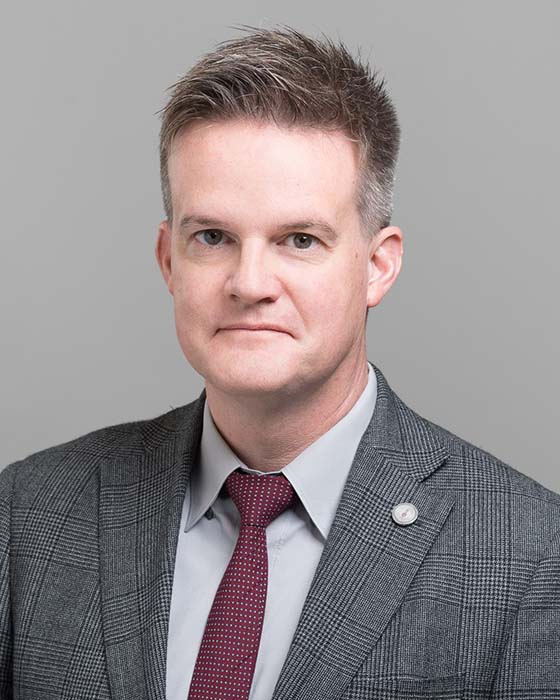
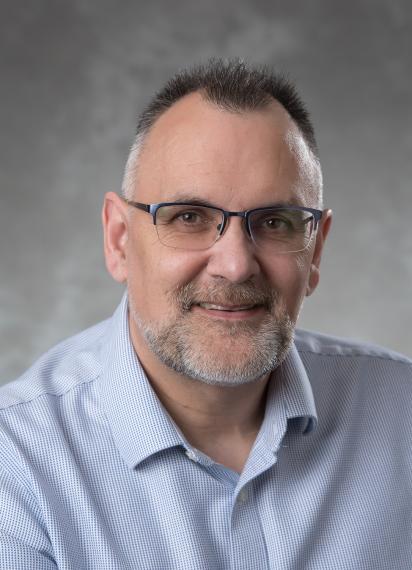
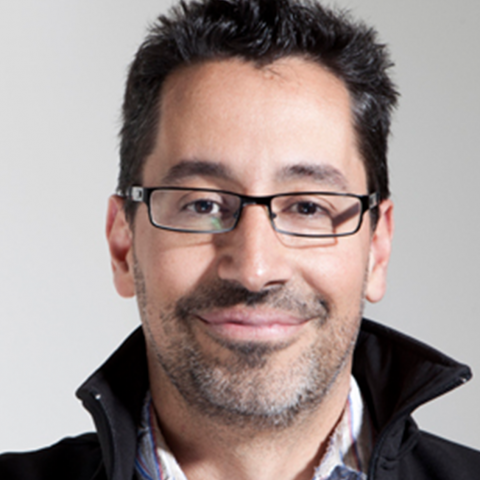
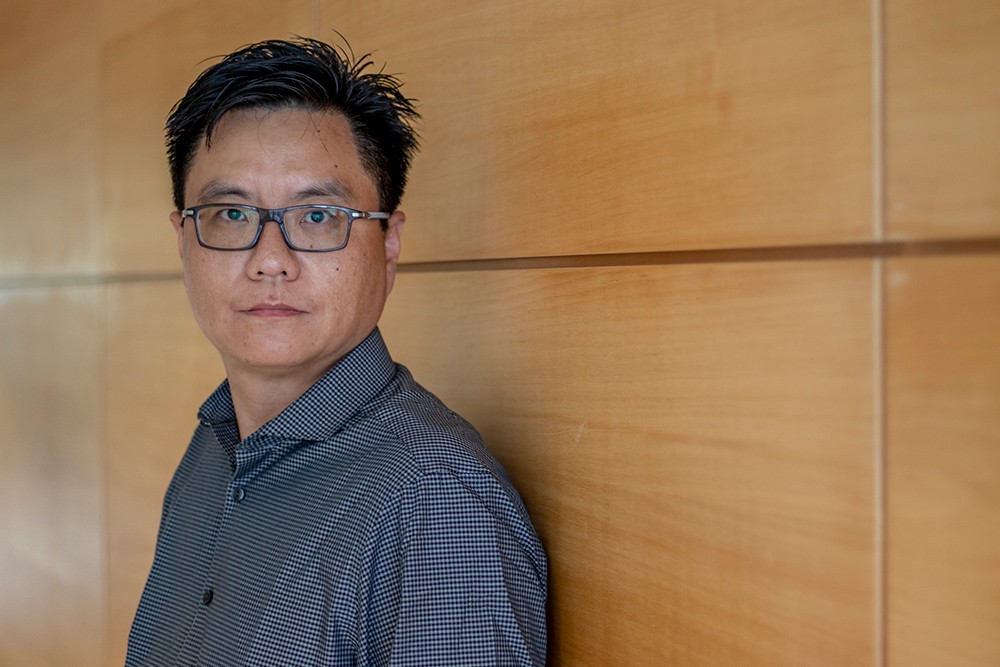
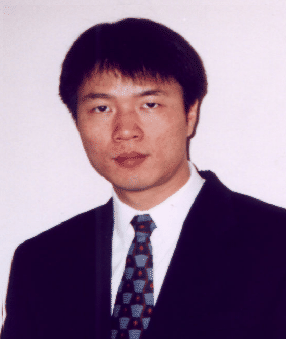
Shiyu Su is an Assistant Professor in the Department of Electrical and Computer Engineering at the University of Waterloo. His research focuses on high-speed data converters, wireless transceivers, digital phase-locked loops (PLL), and AI-assisted analog/mixed-signal design automation. He holds a Ph.D. from the University of Southern California (2019) and teaches courses such as ECE 340 (Electronic Circuits 2) and ECE 432 (Radio Frequency Integrated Devices and Circuits). Education: B.S. from Beijing University of Post and Telecommunication (China) and Queen Mary, University of London (UK), 2011; M.S. and Ph.D. from USC, 2013 and 2019, all in electrical engineering. Research Interests: High-speed ADCs/DACs RF/mm-wave transceivers Time-approximation filters (TAF) Analog/mixed-signal design automation Memristor-based computing Biomedical interfaces Key Awards: IEEE SSCS Predoctoral Achievement Award (2017–2018) Best Student Paper Award at IEEE RFIC (2022) Ming Hsieh Institute Scholar (2019–2020) Lab Focus: The Shiyu Su Lab develops integrated circuits for communications, sensing, and computing, with a focus on AI-driven methodologies and digital-analog co-design. Collaborations include work with Prof. Wei Wu (USC) on memristor-based systems.
Professor Jason H. Anderson is a faculty member in the Department of Electrical & Computer Engineering (ECE) at the University of Toronto, affiliated with the Faculty of Applied Science & Engineering. He specializes in computer engineering, with a focus on field-programmable gate arrays (FPGAs) and related computer-aided design (CAD) tools. BSc in Computer Engineering from the University of Manitoba MASc and PhD in Electrical & Computer Engineering from the University of Toronto His research spans FPGA architecture, circuit design, and CAD tool development. He has contributed to strategic R&D projects through his academic and industry roles. Scientific awards include multiple Best Paper Awards at IEEE and ACM conferences (2017, 2014, 2011, 2010, 2009), the Xilinx Ross Freeman Award (2000), and teaching accolades such as the Gordon Slemon Award (2012) and several ECE Departmental Teaching Awards (2009-2014). He served as General Chair and Program Chair for leading FPGA conferences. As Chief Scientific Advisor and Co-Founder of LegUp Computing Inc., he bridges academic research with industry innovation. He is a licensed Professional Engineer in Ontario and an active IEEE/ACM member.
Matt Ratto is a full Professor in the Faculty of Information at the University of Toronto , where he also serves as Associate Dean, Research . He is a faculty affiliate of the Climate Positive Energy Institute , the Schwartz Reisman Institute for Technology and Society , and an SDG Fellow with the Sustainable Development Goals Institute . His work bridges critical theory and digital innovation , focusing on the social production of knowledge through emerging technologies. His research explores critical making and socio-technical systems , with applications in 3D-printed prosthetics (deployed in Cambodia, Tanzania, and Uganda), AI-driven healthcare solutions , and climate justice in computing . He has received over $6 million in funding, including two Canada Grand Challenge grants , and founded organizations advancing equitable technology access. Ontario Minister of College and Universities’ Award of Excellence (2020) Bell Canada Usability Labs Chair in Human-Computer Interaction (2018–2023) He supervises students such as Olivia Doggett and Sarah Gram , with past advisees including Brian Sutherland and Dan Southwick . His Critical Making Lab fosters interdisciplinary collaboration, and he teaches courses like INF2241: Critical Making and INF351: Information Design Studio .
Jonathan Rose is a Professor in the Edward S. Rogers Sr. Department of Electrical and Computer Engineering at the University of Toronto . He received his PhD in Electrical Engineering from the University of Toronto in 1986 and held postdoctoral and research roles at Stanford University's Computer Systems Laboratory (1986-1989). His academic career spans decades, including a 1998-1999 sabbatical at Xilinx and leadership roles at Altera Toronto Technology Centre. He served as Department Chair of Electrical and Computer Engineering (2004-2009) and directed the Engineering Business Minor (2010-2017). Currently, he chairs the Engineering Entrepreneurship Hatchery Advisory Board and engages with organizations like Academics without Borders and Massey College. His research has historically focused on FPGA architecture , Computer-Aided Design (CAD) , Field-Programmable Systems , and Soft Processors . More recently, his work explores the Automation of Medicine , particularly in mental health. His contributions include co-founding the ACM FPGA Symposium and receiving numerous awards for teaching, research, and leadership. Scientific Awards : University of Toronto Engineering Alumni Hall of Distinction Award, 2017 Best Paper Award, ACM TRETS, 2016 University of Toronto President’s Teaching Award, 2016 Foreign Member of the American National Academy of Engineering, 2011 Fellow of the Royal Society of Canada, 2012 The 15 most recent articles reflect his interdisciplinary engagement, spanning Political Science , Public Policy , and Deliberative Democracy , with sub-fields such as Employability Support , Electoral Reform , and Local Governance . His career bridges engineering innovation and societal challenges, particularly in governance and policy.
Christophe Danjou is an Associate Professor in the Department of Mathematical and Industrial Engineering at Polytechnique Montréal . He joined as a professor in January 2018 and serves as Scientific Director of the Poly-Industries 4.0 Laboratory since June 2021. His expertise spans Industrial Engineering , Industry 4.0/5.0 , Manufacturing Systems , and Blockchain . His research focuses on solving interoperability challenges in digital transformation through ontological approaches (OntoSTEP-NC) and blockchain technology. Key themes include strategic positioning frameworks for Industry 4.0/5.0, knowledge management , and smart manufacturing . Recent work explores digital twins for system-of-systems resilience , data integrity in IoT , and AI-driven food processing optimization . He teaches courses like Industry 4.0 and Manufacturing Processes . Under his supervision, 7 PhD and 6 Master’s students are advancing research in areas such as blockchain-based smart maintenance , distributed manufacturing , and carbon emission traceability . He is affiliated with institutions including IVADO (Member), CIRRELT (Member), and Data Intelligence Lab (Member). His publications highlight contributions to digital transformation across construction, agri-food, and SMEs, with 83 total publications (15+ recent articles shown).
Gary Grewal is an Associate Professor at the School of Computer Science , University of Guelph. His research focuses on developing intelligent Computer-Aided Design (CAD) tools for Field Programmable Gate Arrays (FPGAs) , integrating classical optimization techniques with machine learning and deep learning to address challenges in placement and routing for heterogeneous devices. He has received the Michal Servit Award (2017, 2018) for outstanding FPGA research and the University of Guelph Faculty Association Distinguished Professor Award for Excellence in Teaching (2017) . Grewal has held NSERC Discovery Grants annually from 1999 to 2023. Co-founder of the Guelph FPGA CAD Group Key collaborator with institutions like Ryerson University , University of Toronto , and University of British Columbia His work extends to health technology through the IronTracker mobile app , developed with Andrew Hamilton-Wright and students (A. D'Angelo, J. Carter, F. Liu, R. Pattison) to manage Hereditary Hemochromatosis (HHC) . The app, available in four languages and adopted in 100+ countries, was recognized at Parliament Hill and the Ontario Legislature. Scientific Awards : Michal Servit Award (2018) Michal Servit Award (2017) Distinguished Professor Award for Teaching (2017) NSERC Discovery Grants (1999-2023) His recent publications highlight trends in machine learning for FPGA CAD , including reinforcement learning for partitioning, deep learning for congestion estimation, and adaptive algorithms for placement. Grewal remains active in teaching courses like Discrete Optimization (CIS*6070) and Digital Systems I (CIS*3120).
Lindsey Westover, PhD, PEng, serves as an Associate Professor in the Department of Mechanical Engineering and Associate Dean in the Faculty of Engineering at the University of Alberta. Her research and teaching activities are centered in the Biomedical Engineering program, with her laboratory located in the Donadeo Innovation Centre for Engineering (13-224, 9211 116 St, Edmonton, AB T6G 2H5). She maintains an active research profile while contributing to academic leadership through her deanship. Her educational background includes: 2018: Postdoctoral Fellowship in Rehabilitation Medicine, University of Alberta 2016: Ph.D. in Mechanical Engineering, University of Alberta 2011: M.Sc. in Mechanical Engineering, University of Calgary 2007: B.Sc. in Mechanical Engineering, University of Calgary Dr. Westover's research program spans biomechanics and biomedical engineering with emphasis on noninvasive assessment of biological structures, vibration analysis for percutaneous implants, joint biomechanics (ligaments and cartilage), spinal deformity analysis through asymmetry metrics, mechanical testing of biological tissues, and computational modeling of biological systems. Her work integrates laboratory experiments, computational methods, and in vivo studies to develop innovative diagnostic and therapeutic approaches. Analysis of her 15 most recent publications (2018-2020) reveals consistent focus on bone mechanics, implant stability, and symmetry analysis across orthopedics, audiology, and dentistry. Key themes include osseointegration evaluation using ASIST technology, pelvic/spinal deformity quantification, and computational modeling of biological structures. Her work appears in high-impact journals spanning engineering and clinical disciplines, demonstrating strong interdisciplinary collaboration. Scientific recognition includes: Nomination for Ear and Hearing 2018 Editor's Award for bone conduction device research Dr. Westover mentors graduate students through co-authorship on numerous publications and teaches core mechanical engineering courses including MEC E 451 (Vibrations and Sound), MEC E 390 (Numerical Methods), and MEC E 200 (Introduction to Mechanical Engineering). Her research is supported by collaborative grants with clinical partners and engineering colleagues. She leads biomechanics research within the Department of Mechanical Engineering, collaborating extensively with the Faculty of Rehabilitation Medicine and surgical departments. Her laboratory develops advanced testing systems like ASIST for implant stability evaluation across hearing devices and dental applications, while her computational work informs clinical approaches to scoliosis management and fracture reconstruction.
Dr. Farida Cheriet is a Full Professor in the Department of Computer Engineering and Software Engineering at Polytechnique Montréal . She serves as Director of the 4D Imaging and Vision Laboratory (LIV4D) and holds membership in the Institute of Biomedical Engineering and the Institute for Data Valorization (IVADO) . Her research spans medical imaging , biomedical technology , artificial vision , and 3D movement estimation . Ph.D. (Montreal), DEA (France), Ing. (Algeria) Her work focuses on interpretable AI models for retinal pathology diagnosis, 3D anatomical reconstruction from medical imaging, and automated segmentation of vascular and spinal structures. She leads innovations in deep learning applications for diabetic retinopathy screening, coronary artery analysis , and spine surgery planning . Recent publications highlight her leadership in computer vision for biomedical applications, with 15 featured articles covering ICU readmission prediction, retinal vessel analysis, dental crown design, and spinal ultrasound processing. She received CFI funding (2021) for cutting-edge facilities and collaborates on pan-Canadian ophthalmic image databases (2018). Dr. Cheriet has supervised 28 Ph.D. students and 46 Master's students in biomedical computing, including projects on scoliosis analysis, retinal imaging, and cardiac MRI. Her teaching includes digital communications and computer graphics courses.
Tomás Dorta is a Full Professor at the School of Design, Université de Montréal, and holds an affiliate professorship at Penn State University's Stuckeman School. He specializes in virtual and augmented reality, co-design, and design cognition. His academic roles include directing the Hybridlab research laboratory and serving on editorial boards for journals like CoDesign . He co-founded Hybridlab Inc., a startup focused on design technologies. Affiliations: Université de Montréal (since 1997), Penn State (since 2021), and over 20+ international collaborations. Education: PhD (2001), M.Sc. (1994), Architecture (1991). Research Focus: Hybrid virtual environments, collaborative design tools, and immersive technologies like Hyve-3D. His work bridges design education, innovation, and industry, with funded projects exploring design cognition and co-design methodologies. Notable awards include recognition for teaching and entrepreneurship. He advises over 20 graduate students and has published extensively in design and computer science conferences (e.g., SIGGRAPH, eCAADe).
Vaughn Betz is a Professor in the Department of Electrical and Computer Engineering at the University of Toronto, Faculty of Applied Science and Engineering. He is also a Distinguished Visiting Professor at Cerebras Systems and Faculty Affiliate at the Vector Institute for Artificial Intelligence. His research focuses on creating efficient programmable hardware (FPGAs), computer-aided design (CAD) programs to optimize hardware systems, and hardware accelerators for compute-intensive applications like deep learning. He developed the widely used VPR FPGA CAD flow and co-founded Right Track CAD, acquired by Intel/Altera. Education BSc in Electrical Engineering, University of Manitoba (1991) M.S. in Electrical and Computer Engineering, University of Illinois at Urbana–Champaign (1993) PhD in Electrical and Computer Engineering, University of Toronto (1998) Research Focus Betz's research spans FPGA architecture innovation, CAD tool development, and hardware acceleration methods. Key areas include: Creating FPGA architectures optimized for deep learning inference Developing datacenter-friendly FPGAs with embedded NoCs Mapping deep learning applications to programmable hardware CAD tools for FPGA debugging and context switching Hardware acceleration for medical applications like photodynamic cancer therapy Awards and Honors Fellow of IEEE, NAI, and Engineering Institute of Canada Professional Engineers of Ontario Medal for Engineering Excellence (2016) 13 best/most significant paper awards NSERC/Intel Industrial Research Chair in Programmable Silicon Google Faculty Research Award (2020) Multiple teaching awards including Gordon R. Slemon Award (2016) Research Leadership Betz leads the Verilog-to-Routing (VTR) project and co-directs the Intel/Vmware Crossroads 3D FPGA Academic Research Centre. His research is sponsored by NSERC, Intel, Google, AMD, IBM, and others.
Shurui Zhou is an Assistant Professor at the University of Toronto , with primary appointment in the Department of Electrical & Computer Engineering and cross-appointments in the Department of Computer Science and the Department of Mechanical & Industrial Engineering . She is also affiliated with the Schwartz Reisman Institute and a member of the Data Sciences Institute . Zhou directs the FORCOLAB , focusing on enhancing collaboration in distributed software teams, especially in open-source and AI-enabled systems development. Her research integrates software engineering principles with human collaboration insights from organizational behavior, aiming to improve collaboration efficiency through tooling and interdisciplinary methods. Recent publications (2023-2025) explore LLM integration in software development , sustainability in scientific open-source communities , and collaborative challenges in computer-aided design . Education: PhD (2020) from Carnegie Mellon University's Software and Societal Systems Department , MSc from Peking University , BSc from Xi'an Jiaotong University Scientific Awards: Gordon Slemon Teaching of Design Award (2022) Grants: Collaborator on NSERC Alliance-Mitacs Accelerate Grant (2025) for LLM analysis in political data Her lab, FORCOLAB, develops tools like forks-insight.com to analyze GitHub forks and Redundant PR detection bots . Zhou organizes events like the Responsible LLM-Human Collaboration Hackathon (2024) and actively serves on conference committees including ICSE 2025 and ICSME 2024 .
Dr. Andy Ye is an Associate Professor in the Department of Electrical, Computer, and Biomedical Engineering at Ryerson University, where he conducts research and teaches courses in advanced digital systems. Education : PhD (2004), MASc (1999), and BASc (1996) from the University of Toronto Research Interests focus on: Field-programmable gate array (FPGA) architectures Computer-Aided Design (CAD) tools for FPGAs and VLSI Logic synthesis and hardware implementation Digital communication algorithms and computer vision systems Publication Trends demonstrate expertise in FPGA area modeling, motion estimation architectures, and VLSI design optimization across multiple IEEE and ACM venues. Scientific Achievements : Best Paper Award (2016) at International Conference on Field Programmable Logic and Applications Teaching Contributions include graduate-level FPGA design (EE 8219), low-power digital circuits (ELE 734), and fundamental network theory (ELE 302). He maintains active supervision availability for students.
Alessandra Ponte is a full professor at the École d’architecture of Université de Montréal. She has held teaching positions at Princeton University, Cornell University, Pratt Institute, ETH Zurich, and Istituto Universitario di Architettura di Venezia. Her research focuses on architecture's relationship with environment, mapping, and information systems, particularly in extreme landscapes and post-industrial contexts. Collaborated on CCA exhibitions: Environnement Total: Montréal 1965-1975 (2009) and God & Co: François Dallegret, Beyond the Bubble (2011-2014) Authored The House of Light and Entropy (2014) and Architecture et Information 2.0 series (2017-2020) Led research projects: Mining infrastructures in Québec (2014-2016), Architecture and Information 2.0 (2017-present), and Claiming the Planet: Post-Industrial Design Experiences (2020-2022) Her current work examines machine-generated spatial representations through drones, autonomous vehicles, and AI mapping systems. This research challenges traditional horizon-based aesthetics and explores non-human territorialization processes. Publications analyze how digital technologies reshape architectural practice and environmental understanding. She has contributed to journals like Landscript , Annals of Architectural Research , and New Geographies . Her students' research includes topics like Tunisian urban modernization, architectural branding, and digital mapping systems. She co-edited the book God & Co: François Dallegret, Beyond the Bubble (2011-2014).
O. Remus Tutunea-Fatan is a Professor in the Department of Mechanical & Materials Engineering at Western University, with cross appointments in Biomedical Engineering and Electrical and Computer Engineering. His work focuses on laser polishing, CNC machining, and surface structuring for drag reduction and biomedical applications. Ph.D. in Mechanical Engineering, The University of Western Ontario M.E.Sc. and B.E.Sc. in Mechanical Engineering, Transilvania University, Romania Research interests include: Advanced CAD/CAM frameworks Laser remelting process optimization Biomedical device design Composite manufacturing techniques Surface topography analysis Artificial intelligence in process control Recent publications indicate expertise in: Laser polishing of metallic surfaces Riblet microstructures for drag reduction AI-driven process monitoring 5-axis machining error compensation Scientific recognition includes: Edward G. Pleva Award for Excellence in Teaching (Western University, 2023) Dr. Terry Base Memorial Teaching Award (2022 co-winner, 2021, 2019) R. Mohan Mathur Award (Faculty of Engineering, 2020) University Students' Council Teaching Honour Roll (2011-2012) Prof. Tutunea-Fatan serves as Associate Chair for Graduate Research Programs (2025-2027) Acting Associate Dean for Undergraduate Studies (2023-2024) Acting Chair, Department of Mechanical and Materials Engineering (2021-2022) He supervises over 40 graduate students and collaborates with industry partners including DuPont Safety and Construction, General Motors, and Active Industrial Solutions Inc.
Jianwen Zhu is an Associate Professor in the Department of Electrical and Computer Engineering at the University of Toronto, Faculty of Applied Science and Engineering. He received his BE in Electrical Engineering from Tsinghua University (1993), followed by MS and PhD in Computer Science from the University of California, Irvine (1996, 1999). His research focuses on computer-aided design (CAD) for integrated circuits, with emphasis on high-level and logic synthesis, and systems-on-chip design methodology. Education: BE, Electrical Engineering, Tsinghua University (1993) MS, Computer Science, University of California, Irvine (1996) PhD, Computer Science, University of California, Irvine (1999) Research Interests span CAD tools for ICs, algorithm optimization for synthesis, and SoC architecture. His work bridges theoretical design and practical implementation in electronic systems. Awards & Memberships: IEEE Member ACM Member Best Paper Awards: ICCD'10, FPGA'10 Contact: Office EA 312, Phone (416) 946-5971, Personal Website