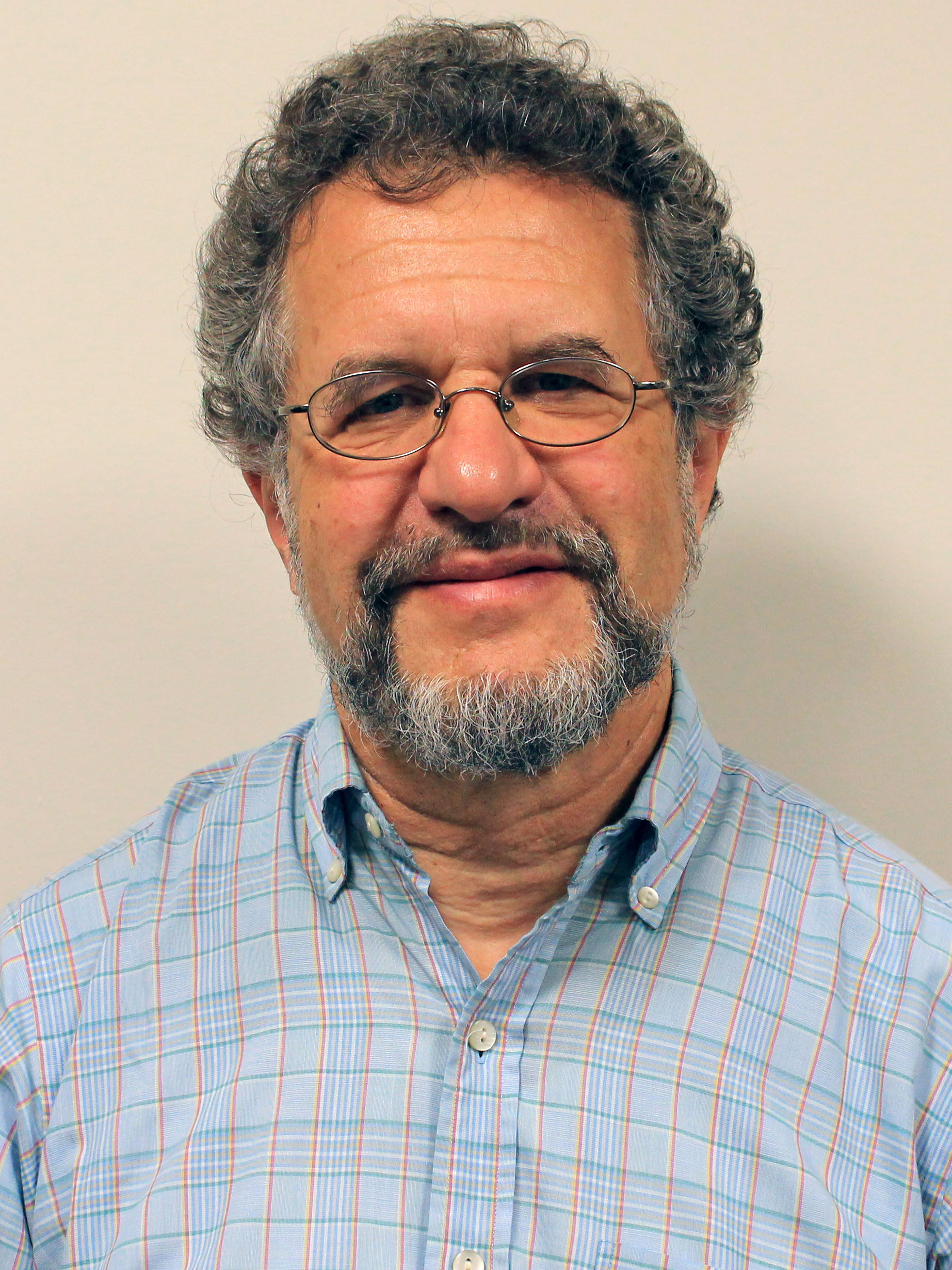
Dr. John Heidelberg is a Professor of Biological Sciences and Environmental Studies at the University of Southern California (USC). His research focuses on microbial genomics, particularly studying the metabolic potential of marine bacteria through advanced DNA sequencing techniques. He holds administrative roles, including former Section Head of Marine and Environmental Biology at USC (2015–2017) and Associate Director of the Wrigley Institute for Environmental Studies (2016–2019). His education includes a Ph.D. in Marine-Estuarine-Environmental Sciences from the University of Maryland (1997) and a B.A. in Biology from Maryville College (1987). Research Interests: Dr. Heidelberg’s work centers on understanding uncultured marine bacteria using metagenomics and metatranscriptomics approaches. He investigates microbial community dynamics in marine environments, including deep-sea sediments, ferromanganese nodules, and coastal ecosystems. His studies explore energy acquisition mechanisms, microbial diversity, and genomic adaptations in extreme environments. Publications: His research has been published in high-impact journals like *Scientific Data*, *PeerJ*, and *Proceedings of the National Academy of Sciences*. Key contributions include metagenome-assembled genome reconstructions and insights into iron-oxidizing bacteria. Service & Leadership: He has contributed to genomic studies of bioremediation organisms like Dehalococcoides and has led initiatives at USC’s Wrigley Institute.
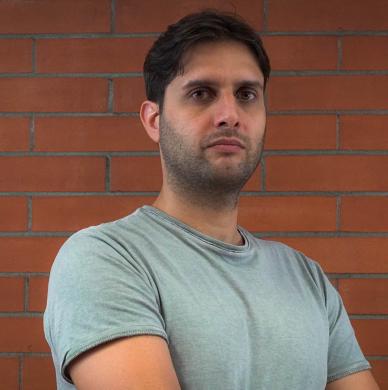
Donato Romano serves as Associate Professor at The BioRobotics Institute of Scuola Superiore Sant'Anna, Italy, where he coordinates the Bio-Robotic Ecosystems Lab and co-founded the spin-off company HUBILIFE srl. His interdisciplinary work bridges robotics, biology, and AI to develop biohybrid systems for biodiversity preservation, sustainable environmental management, and life support in extreme scenarios including space exploration. With over 90 publications and an H-index of 27 (Scopus, March 2025), he has established significant academic leadership through editorial roles across 12+ international journals. Romano's educational foundation includes advanced degrees with honors: an M.Sc. in Agriculture Science and Technologies (2014) and a PhD in BioRobotics (2018), both from Scuola Superiore Sant'Anna. His academic journey includes visiting scholar positions at Khalifa University and substantial industry-academia collaboration through HUBILIFE srl, which commercializes bioinspired devices for human daily life improvement. His research program focuses on bioinspired and biomimetic robotics with particular emphasis on animal-robot interaction, biohybrid systems, and natural intelligence. Key projects address critical global challenges: SENSORBEES develops biohybrid environmental surveillance for ecological monitoring; REGOLIFE investigates lunar soil-terrestrial organism interactions for space agriculture; and OCEAN ROBOCTO explores marine ecosystem solutions. This work demonstrates a strategic progression from fundamental behavioral studies toward applied ecological and extraterrestrial systems. Analysis of his recent publications reveals strong trends in AI-driven behavioral analysis, with deep learning increasingly applied to entomological studies and pest management. The research spans agricultural applications (precision monitoring traps, larval detection systems), ecological conservation (biodiversity surveillance), and extreme-environment adaptation (lunar regolith studies). A distinctive feature is the consistent integration of biohybrid approaches where living organisms and robotic systems create synergistic capabilities exceeding either component alone. Romano's scientific recognition includes election as Junior Fellow of the Italian Academy of Engineering and Technology (2025), the Lucani fuori dal Comune award (2024), and multiple best-thesis prizes. His editorial leadership spans high-impact journals including IEEE Transactions on Medical Robotics and Bionics and Pest Management Science, where he serves as Associate Editor. As principal investigator, Romano coordinates major international projects totaling over €15M in funding: HORIZON-EIC's SENSORBEES (2024-2029), ASI's REGOLIFE (2024-2027), National Geographic's OCEAN ROBOCTO (2024-2026), and PRIN's COSMIC (2023-2025). His teaching portfolio includes PhD courses in Biosystems for Biorobotics and M.Sc. instruction in Bionics Engineering at Scuola Superiore Sant'Anna and University of Pisa. The Bio-Robotic Ecosystems Lab under Romano's direction pioneers biohybrid technologies where living organisms and robotic systems create integrated solutions. Current initiatives include SENSORBEES' environmental monitoring swarms, REGOLIFE's moonworm colonization systems, and HUBILIFE's commercial vector-control devices. The lab maintains active collaborations with space agencies, agricultural institutes, and conservation organizations, positioning biohybrid systems as next-generation tools for planetary-scale challenges.
Paul J. Kennedy is a Professor at the University of Technology Sydney's Centre for Artificial Intelligence. He holds a PhD from the same institution (1999). His research focuses on machine learning applications in healthcare, bioinformatics, medical imaging, and data mining. Key areas include developing algorithms for genomic data analysis, healthcare pathway modeling, and edge-cloud frameworks for omics data. Education: PhD in Artificial Intelligence (1999, UTS). Research interests span machine learning, health informatics, and data compression. Notable work includes studies on administrative health records, lung nodule detection, and virtual reality-based cancer cohort analysis. He has co-authored over 100 publications across journals like BMC Bioinformatics, IEEE Transactions, and Artificial Intelligence in Medicine. Advising: Collaborates extensively with students/researchers but no explicit student list provided. Grants and labs: Active in interdisciplinary projects involving medical and computational teams, though specific grants are not detailed here.
Dana Brooks is a Research Professor in the Department of Electrical and Computer Engineering at Northeastern University, with affiliations in Bioengineering. He holds a PhD from Northeastern University (1991) and has received the Søren Buus Outstanding Research Award (2006). His primary research focuses on biomedical signal and image processing, medical imaging techniques (including MRI and electrocardiography), and neuromodulation technologies such as transcranial magnetic stimulation (TMS). He is also involved in protein conformation estimation using X-ray scattering and optimization algorithms for medical applications. Dr. Brooks leads the Biomedical Signals Processing Lab and collaborates with the Center for Integrative Biomedical Computing . His work bridges engineering and medicine, with recent grants including a $400K NSF MRI grant for advanced TMS systems and a $600K NSF grant for motor cortical organization studies. He has advised students like Setareh Ariafar (PhD’20) and contributed to innovations in image mosaicking for confocal microscopy and machine learning applications in dermatology. His publications span computational neuroscience, cardiac imaging, and uncertainty quantification in biomedical simulations. Notable achievements include developing algorithms for ECG imaging, optimizing TMS protocols, and creating tools like UncertainSCI for simulation reliability assessment.
Dr. Swati Chandna is a Senior Lecturer at the School of Computing and Mathematical Sciences, Birkbeck, University of London. She holds an honorary position as an Honorary Lecturer in Statistics at University College London (UCL) from January 2023 to January 2026. She earned her PhD in Statistics from Imperial College London in 2013. Her research focuses on statistical modeling, network analysis, and bioinformatics, with notable contributions to stochastic networks, single-cell genomic data analysis, and complex-valued signal processing. Teaching responsibilities include modules such as Bayesian Methods, Analysing Data, Statistical Analysis, and Project Applied Statistics. She serves as Admissions Tutor for Graduate Certificate and Diploma in Statistics for Data Science and as School Ethics Lead at Birkbeck. Her work bridges theoretical statistics with practical applications in genomics, environmental modeling, and biomedical research. Dr. Chandna’s recent research explores topics like covariate-driven network estimation, stochastic modeling of genomic data, and bootstrap techniques in source separation. Her publications reflect interdisciplinary collaboration across statistics, computer science, and life sciences.
Dr. Daniel R Obaid is a Clinical Associate Professor and Consultant Cardiologist at Swansea University Medical School , specializing in Biomedical Sciences . His clinical academic work at the Morriston Regional Cardiac Centre and ILS 2 Clinical Imaging Facility focuses on advanced cardiovascular imaging and interventional cardiology. Expertise in Interventional Cardiology , Cardiac CT , and Atherosclerotic Plaque Imaging Significant contributions to patient safety and human factors in cardiovascular procedures Recipient of the Young Investigator Prize from the Society of Cardiovascular CT, USA His research integrates invasive and non-invasive imaging techniques to identify vulnerable plaques, with publications spanning atherosclerosis , clot microstructure , and AI applications in cardiology . Current studies include virtual TAVR simulations and biomechanical analysis of plaque stress . Recent collaborative work explores low-dose radiation protocols , LDL transport modeling , and anti-inflammatory effects of GLP-1 agonists , reflecting interdisciplinary approaches to cardiovascular risk mitigation. Available for postgraduate supervision , Dr. Obaid has contributed to undergraduate medical professionalism and cardiovascular physiology modules (PM-241F, PM-266).
Dr. Stephan Rave is a Researcher in the Institute for Analysis and Numerics at the University of Münster. He is affiliated with the Applied Mathematics Münster cluster and serves as an Investigator in Mathematics Münster. His work focuses on numerical analysis, scientific computing, and machine learning, with a strong emphasis on model reduction techniques for complex systems. Education : PhD in Mathematics (2012), University of Münster, thesis on finitely summable K-homology. Master's and Bachelor's degrees in Mathematics from the University of Münster. Research Interests : Dr. Rave specializes in model order reduction (MOR) methods, including reduced basis techniques, localized orthogonal decomposition (LOD), and nonlinear approximation strategies. His work addresses challenges in multiscale modeling, domain decomposition, and parametrized partial differential equations. He also develops open-source software tools like pyMOR for MOR and contributes to initiatives like the MaRDI (Mathematical Research Data Initiative) to enhance interoperability in scientific computing. Projects : Key initiatives include the MaRDI project (2021–2026), EXC 2044 Cluster of Excellence (Geometry-based modeling), and MULTIBAT (lithium-ion battery simulation). His research bridges theoretical developments with practical applications in battery modeling, electrochemistry, and computational fluid dynamics. Grants & Awards : Funded by DFG, the German Federal Ministry of Research, and internal university grants, his work addresses strategic areas like sustainable research software and energy storage systems. He leads projects on distributed model reduction and communication-avoiding algorithms. Teaching : Dr. Rave teaches advanced numerical methods courses, including Model Order Reduction, Numerical Methods for PDEs, and Python-based computational labs. He co-organizes seminars and workshops on MOR and scientific software engineering.
David E. Breen is a Professor in the Department of Computer Science within the College of Computing & Informatics (CCI) at Drexel University. He leads the Geometric Biomedical Computing Group and is affiliated with the Metadata Research Center and the Center for Biological Discovery from Big Data. His research spans interdisciplinary domains including biomedical image informatics, geometric modeling, textile modeling, and bio-inspired self-organization algorithms. Education: PhD, Computer and Systems Engineering, Rensselaer Polytechnic Institute MS, Computer and Systems Engineering, Rensselaer Polytechnic Institute BA, Physics, Colgate University His research interests focus on computational methods for biomedical applications, including shape and image analysis for cancer diagnosis, 3D reconstruction of biological tissues, and video analysis of animal behavior. He also investigates geometric modeling techniques for textiles and self-organizing systems. His work integrates computer science with biology, medicine, and engineering to solve complex problems in biomedical computing. The recent publications highlight a strong trend in computational modeling of textiles, biomedical image informatics, and AI-driven data analysis. Key themes include geometric modeling of knitted fabrics, deep learning for medical image classification, agent-based modeling of cancer metastasis, and metadata generation for biological image collections. His work bridges fundamental geometric algorithms with practical applications in healthcare and digital archives. Scientific Awards: No specific awards mentioned in the provided text. Breen has advised numerous students and collaborators across multiple domains, particularly in biomedical computing and textile modeling. His research has been supported through affiliations with major centers and collaborations with institutions such as Johns Hopkins University and the Max Planck Institute. He has been involved in projects related to NSF Center for Visual & Decision Informatics and has contributed to over 100 technical publications. He leads the Geometric Biomedical Computing Group , which conducts research at the intersection of biology, medicine, engineering, and computer science. The group develops algorithms and software for geometry-related computing problems in biomedical applications. Collaborations include the Drexel Integrated Laboratory for Cellular Tissue Engineering, Dr. Dan Marenda's Lab, and Dr. Aleister Saunder's Lab in Drexel's Biology Department.
Andrew Fielding is an Associate Professor in the School of Chemistry & Physics at Queensland University of Technology (QUT), Faculty of Science. His research and teaching focus on medical physics, particularly in radiation therapy, medical imaging, and Monte Carlo dosimetry techniques. He is the Course Coordinator for the Graduate Diploma and Master of Applied Science in Medical Physics programs at QUT. He holds a PhD in Physics from the University of Portsmouth and a B.Sc. (Hons) from the University of Surrey. He completed postdoctoral research at the Institute of Cancer Research / Royal Marsden Hospital and the University of Liverpool before joining QUT in 2004. His academic progression includes Lecturer (2004–2008), Senior Lecturer (2008–2022), and Associate Professor (2023–present). His research interests lie in medical imaging, radiation therapy, image-guided radiotherapy, Monte Carlo techniques for dosimetry, and radiation oncology physics. He emphasizes translating research into clinical practice to improve cancer care. His recent publications reflect a strong focus on Monte Carlo simulations, small-field dosimetry, preclinical irradiation, and the integration of AI and simulation in radiotherapy education and treatment verification. His scientific achievements are recognized through professional memberships including Fellow of the Institute of Physics (FInstP), Chartered Physicist (CPhys), and Member of the Australasian College of Physical Scientists and Engineers in Medicine (MACPSEM). Fellow of the Institute of Physics (FInstP) Chartered Physicist (CPhys) Member of the Australasian College of Physical Scientists and Engineers in Medicine (MACPSEM) Andrew Fielding actively supervises PhD and research master’s students in areas such as Monte Carlo dosimetry, tumor motion tracking, and radiotherapy optimization. He has secured competitive research grants, including Australian Competitive Grants for projects on tumor motion monitoring and in-vivo dosimetry verification. His teaching philosophy emphasizes authentic, clinically aligned learning using simulation, virtual reality, and real-world applications. He leads or teaches several core medical physics units, including Radiation Physics, Radiotherapy, Medical Imaging Science, and Research Methodology. He is involved in developing and evaluating innovative tools such as 3D volumetric outlining systems and immersive simulation environments for radiotherapy training. His work bridges physics, clinical application, and education, contributing significantly to the advancement of medical physics both in research and pedagogy.
Dukka KC is an Adjunct Professor in the Department of Computer Science at Michigan Technological University and a member of the Institute of Computing and Cybersystems (ICC). His research focuses on computational data science with applications in bioinformatics, computational biology, and health informatics, particularly leveraging machine learning and high-performance computing to develop predictive tools for protein and nucleic acid modifications. Ph.D., Informatics, Kyoto University, 2006 M.Inf., Informatics, Kyoto University, 2003 B.Eng., Computer Science, Kyoto University, 2001 Research interests include: Developing GPU-accelerated bioinformatics tools (e.g., GPU-I-TASSER) Predicting post-translational modification sites using deep learning (e.g., DeepNGlyPred, DeepRMethylSite) Machine learning approaches for malonylation, succinylation, and sulfenylation site prediction High-throughput analysis of next-generation sequencing data Interdisciplinary projects in biometrics, cybersecurity, and disaster prediction Recent publications highlight a strong trend in applying deep learning to protein structure and function prediction, GPU-parallelization for computational efficiency, and machine learning for both biological and cybersecurity applications. The lab also emphasizes cross-domain collaborations and the development of scalable bioinformatics workflows. Grants and funding include projects like the President's Convergence Science Initiative (PI, $300K), NSF III grants for protein function prediction ($111K), and multi-institutional collaborations on biometric test-beds and synthetic biology research. The KC Lab at Michigan Tech specializes in integrating computational data science with molecular biology, focusing on protein/RNA/DNA modification site prediction and contributing to large-scale proteome analysis through machine learning-driven pipelines.
Prof. Dr. Markus List is a Professor of Data Science in Systems Biology at the Technical University of Munich (TUM), affiliated with the TUM School of Life Sciences. His research focuses on integrating data science with systems biology to understand gene regulatory mechanisms across genomic levels. He leads the Big Data in Biomedicine group and has held roles including Group Leader at the Chair of Experimental Bioinformatics (2018–2023) and PostDoc at the Max Planck Institute for Informatics (2015–2018). Educational Background: BSc and MSc in Bioinformatics from Eberhard Karls University of Tübingen (2005–2011) PhD in Molecular Oncology from University of Southern Denmark (2011–2015) Research Interests: Prof. List’s work bridges biology, medicine, and informatics using machine learning and data integration. Key areas include: Systems Biology of gene regulation in cancer Epigenetic data analysis Computational methods for biomedical big data Awards & Recognition: Research Prize of the Hamburg Cancer Society (2023) TUM Teaching Award (2023) TUM School of Life Sciences Supervisory Award (2022) Labs & Teams: Leads the DaisyBio group, focusing on experimental and computational bioinformatics. Collaborates with interdisciplinary teams in bioinformatics and systems medicine.
Joseph van Batenburg-Sherwood is a Lecturer in Biofluid Mechanics at Imperial College London's Department of Bioengineering (Faculty of Engineering). He leads the vBS Lab and holds a Royal Academy of Engineering Research Fellowship (2017–2022). His research focuses on biofluid dynamics, particularly in microvascular diseases, intraocular pressure regulation, and ventilator design for resource-limited settings. Education: MEng in Mechanical Engineering, King’s College London (2005–2009) PhD in Biofluid Dynamics, University College London (2009–2013) Research interests include experimental techniques for microscale biological flow analysis, with specializations in: Red blood cell dynamics in microvascular diseases Aqueous humor flow mechanics in glaucoma Ventilator design optimization Benchtop perfusion systems (e.g., iPerfusion) Publications emphasize translational research in ocular fluid dynamics and medical device innovation. Notable contributions include consensus guidelines for outflow facility measurement protocols and MMP-3-based glaucoma therapies. Advising: No listed advisees. Grants: Unspecified in provided text. Labs: vBS Lab at Imperial College London's White City Campus.
Dr. Julian F. Henriques is a Senior Research Fellow at Goldsmiths, University of London, and a leading scholar in sound studies, cultural studies, and Caribbean research. With a PhD thesis (2008) on Reggae Sound System Crews, his work bridges music, technology, and embodiment through practice-based research. He has authored the book Sonic Bodies (2011) and co-edited Rhythm, Movement, Embodiment (2014). Currently, he explores fetal auditory environments through the Sonic Womb Exhibition (2026) and contributes to obstetric research on noise exposure. Research Interests: His scholarship focuses on the Jamaican sound system as a cultural technology, analyzing rhythm, affect, and sonic embodiment. He investigates intersections between popular culture, Caribbean diasporic practices, and the materiality of sound through theoretical frameworks like Afrofuturism (2015) and cosmopolitan theory (2020). Recent work combines computational acoustic modeling with ethnographic insights into prenatal soundscapes. Key Publications: Includes articles on fetal noise exposure (2025), Jamaican knowledge systems (2023), and rhythm analysis (2014). His edited works span Stuart Hall's legacy (2018) and sound studies companions. Collaborations with acoustic engineers (2025) demonstrate interdisciplinary reach. Collaborations: Works with institutions like University College London (2025), Tate Modern (2011), and the University of Munich (2014). Leads the Sonic Womb project with Pierre Gélat and Atau Tanaka.
Professor Ole-Christoffer Granmo is a distinguished academic at the University of Agder, Norway, where he serves as Professor in the Department of Information and Communication Technology. He is the Founding Director of the Centre for Artificial Intelligence Research (CAIR) at the University of Agder, leading cutting-edge research in artificial intelligence and machine learning. Dr. Granmo obtained his master's degree in 1999 and his PhD in 2004, both from the University of Oslo. His academic journey has been marked by significant contributions to the field of AI, most notably the creation of the Tsetlin machine in 2018, for which he received the AI research paper of the decade award from the Norwegian Artificial Intelligence Consortium (NORA) in 2022. Professor Granmo's research primarily focuses on logical and causal world modeling across multiple modalities including images, sound, and natural language. His work spans logical auto-encoding, convolution, regression, transformer architectures, and reinforcement learning, all with the overarching goal of creating ultra-low-power artificial general intelligence through transparent logical learning and reasoning. His publications reveal a strong emphasis on interpretable AI systems, hardware implementations, and applications across diverse domains including cybersecurity, healthcare, social media analysis, and bioinformatics. AI Research Paper of the Decade (2022) - Norwegian Artificial Intelligence Consortium (NORA) Eight paper awards in machine learning Professor Granmo has coordinated over seven research projects and mentored 55+ master's students and nine PhD students. His leadership extends to co-founding the Norwegian Artificial Intelligence Consortium (NORA) and establishing two companies: Anzyz Technologies AS and Tsense Intelligent Healthcare AS. As an advisor at Literal Labs, he actively bridges academic research with practical industry applications, demonstrating his commitment to translating theoretical innovations into real-world solutions that address complex challenges across multiple sectors.
Eirik Valseth is an Associate Professor of Scientific Computing at the Norwegian University of Life Sciences (NMBU), Department of Data Science. He holds concurrent roles as a research associate at the Oden Institute, University of Texas at Austin, and an affiliated researcher at Simula Research Laboratory (Department of Numerical Analysis and Scientific Computing). His expertise lies in advanced finite element methods for PDEs with applications in flood modeling and hydropower systems. Current Affiliation: NMBU (Norwegian University of Life Sciences) Secondary Affiliations: Oden Institute (UT Austin), Simula Research Laboratory Research interests span numerical methods for challenging PDE systems, including: Stabilized finite element formulations Hurricane storm surge and riverine flood modeling Hydropower infrastructure analysis Computational mechanics and applied mathematics His recent publications (2024–2025) emphasize flood risk assessment (compound flooding, dam breaks, dredging impacts), advanced numerical methods (isogeometric analysis, stochastic finite elements, graph-grammar algorithms), and environmental applications (pollution transport, pathogen distribution, mosquito population dynamics after hurricanes). Key trends include cross-disciplinary integration of physics-aware machine learning and robust hydrodynamic simulation tools. Valseth's work extends to software development (e.g., WAVEx for spectral wave models, SWEMniCS for coastal circulation) and large-scale modeling frameworks like the ADCIRC unstructured mesh model for US coasts. Collaborative projects involve institutions such as University of Texas at Austin, Simula, and NOAA.