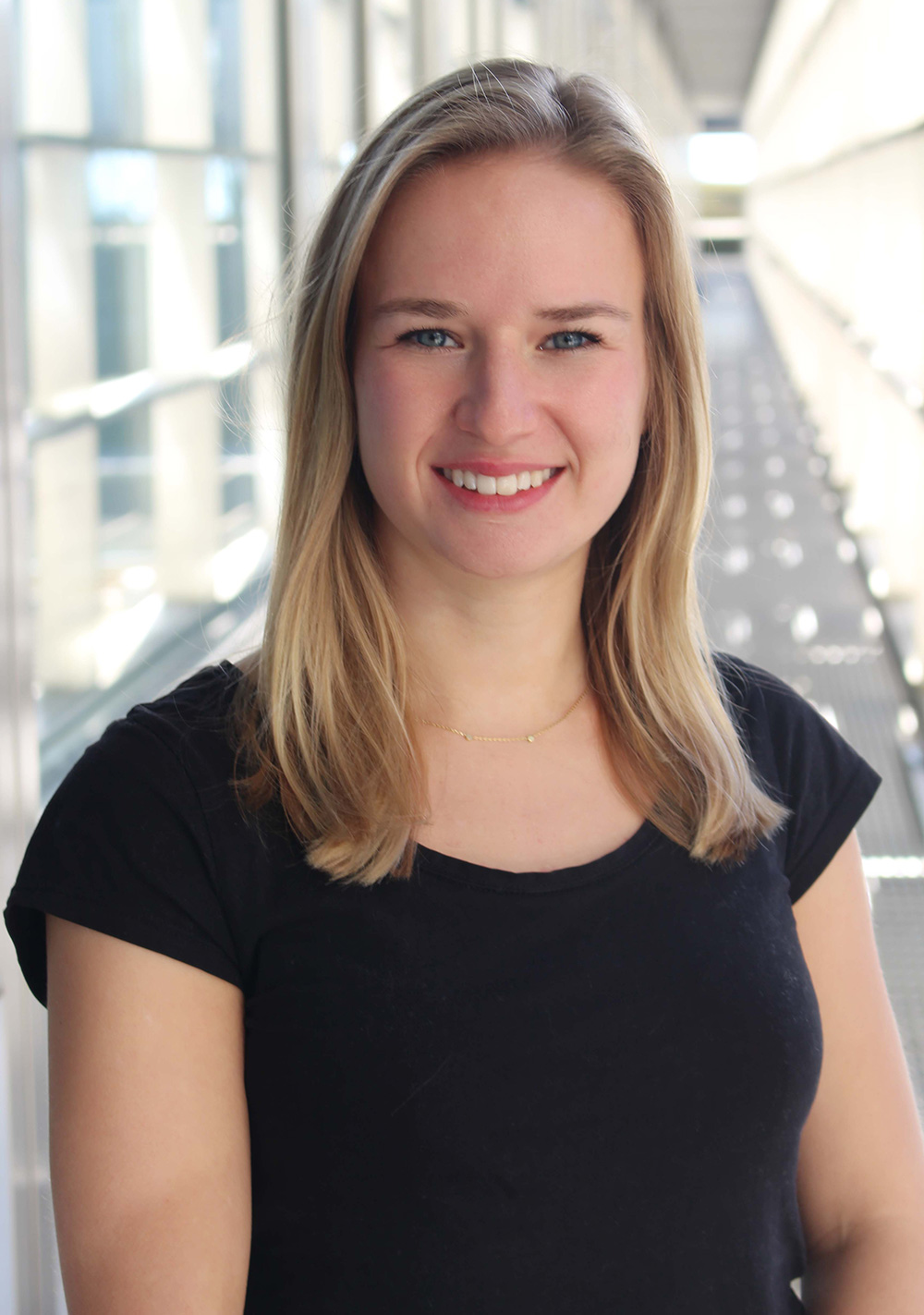
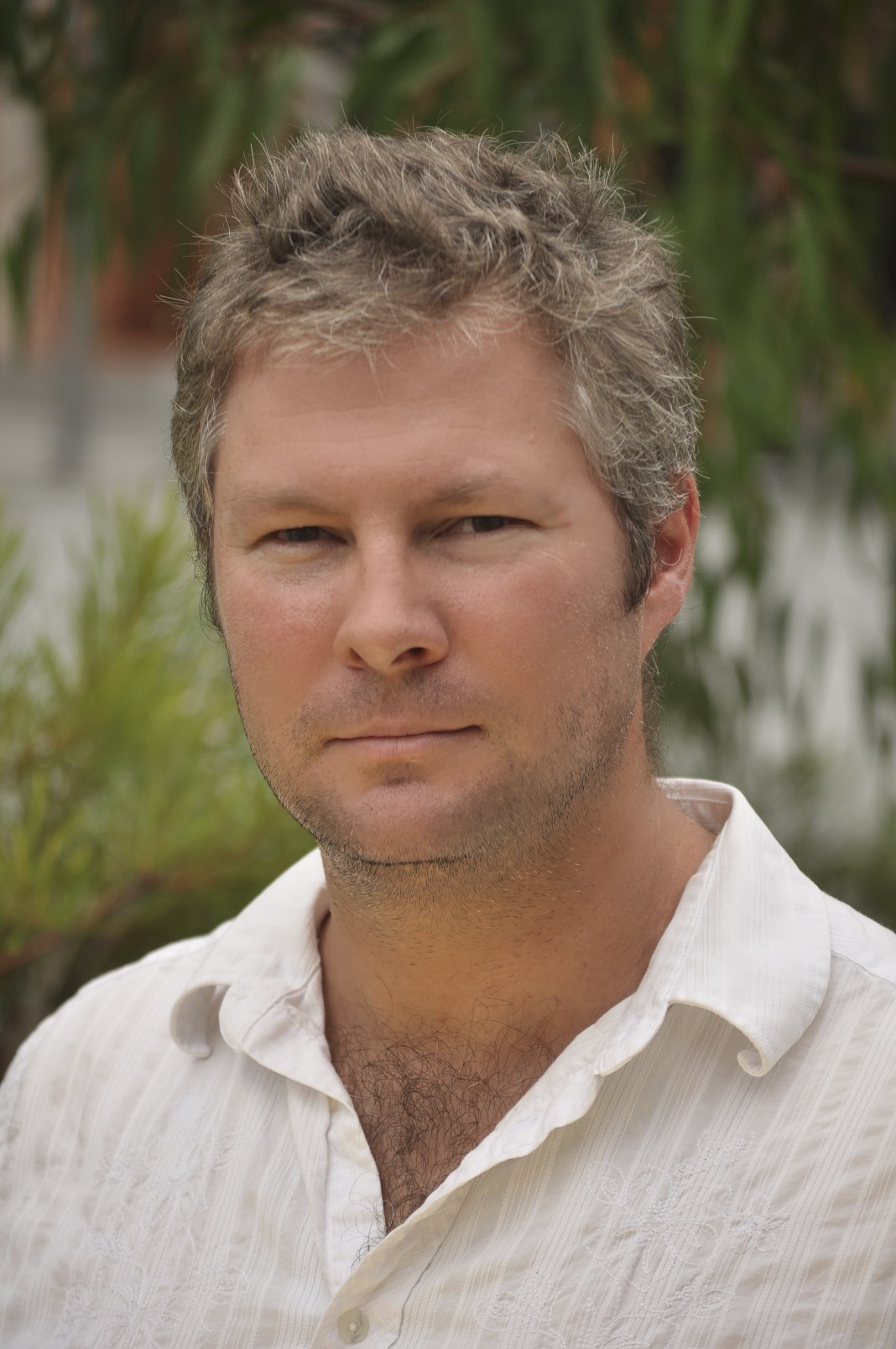
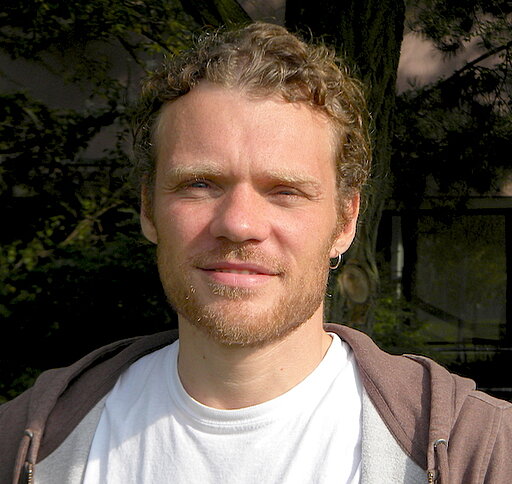
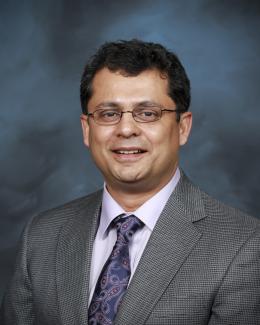
Dr. Sebastian Bosch serves as Manager of the Mobile Lab at the University of Hamburg's Centre for the Study of Manuscript Cultures (CSMC). He leads material analysis initiatives for cultural heritage artifacts through advanced scientific instrumentation. His roles include managing XRF and FTIR spectrometers in the Mobile Lab, and contributing to the Cluster of Excellence 'Understanding Written Artefacts' (2019–2025). Key projects include the Palm-Leaf Manuscript Profiling Initiative and material analysis of medieval manuscripts. Bosch holds a PhD in material science and has extensive experience in non-destructive testing techniques. His work bridges archaeometry, digital humanities, and conservation science. Research interests focus on multispectral imaging, pigment characterization, and technological applications for cultural heritage preservation. He collaborates internationally on projects like the Atri Fragment Revisited and Squarcialupi Codex analysis. Technical expertise includes XRF spectroscopy, infrared microscopy, and software development for pattern analysis in manuscripts. Has presented over 27 academic activities, including lectures on Mobile Lab methodologies and material analysis workshops. Manages laboratory equipment worth millions euros, supporting interdisciplinary research. Supervises technical operations for dozens of manuscripts annually through the Mobile Lab's fieldwork capabilities. Awards: No formal academic awards listed, though work has been recognized through high-impact publications in journals like Manuscript Studies and i-com .
Laurence Perreault-Levasseur is an Associate Professor at Université de Montréal and an Associate Member of Mila. She specializes in applying machine learning methods to cosmology, with affiliations at the Flatiron Institute and Perimeter Institute. Her research focuses on gravitational lensing, dark matter, and precision cosmology. She holds a Canada Research Chair in Computational Cosmology and Artificial Intelligence. Education: PhD (University of Cambridge, 2015), M.Sc. and B.Sc. (McGill University). Research Interests: Machine learning for cosmological inference, strong gravitational lensing, galaxy cluster characterization, and dark matter studies. Affiliations: CRAQ (Québec Astrophysics Research Centre), Mila (Quebec AI Institute). Her work includes developing Bayesian methods for inverse problems and neural networks for astrophysical data analysis. Key projects involve precision cosmology via machine learning and reconstructing early-universe conditions using generative models.
Dr. Laura Galazzo is a Lecturer at the Department of Chemistry and Applied Biosciences, ETH Zurich, affiliated with the Institute of Molecular Physical Sciences (IMPS). Her research focuses on biophysical chemistry and molecular dynamics, employing advanced spectroscopic techniques like Electron Paramagnetic Resonance (EPR) to study protein structure, phase transitions, and membrane transport mechanisms. She investigates topics such as liquid-liquid phase separation in proteins, ABC transporter function, and nitroxide radical dynamics in aqueous environments. Dr. Galazzo also contributes to methodological advancements in pulsed dipolar spectroscopy and neural network applications in spectroscopic data analysis. Her work bridges theoretical and experimental approaches, combining computational methods (e.g., ab initio molecular dynamics) with experimental techniques to address complex biological systems. Key areas of study include protein aggregation, conformational changes in large complexes, and the interplay between solvent effects and biomolecular behavior. Recent research highlights include studies on mycobacterial iron uptake mechanisms and the structural dynamics of pro-apoptotic peptides. Dr. Galazzo’s publications reflect a strong emphasis on interdisciplinary approaches, integrating spectroscopy, computational modeling, and structural biology. Her contributions have advanced methodologies for distance measurements in biomolecules and provided insights into fundamental biological processes such as phase separation and membrane-mediated transport. She is actively engaged in promoting sustainable education through initiatives like the EquipSent project, aiming to enhance global access to scientific resources.
Professor Timothy Schmidt is the Head of the School of Chemistry at the University of New South Wales (UNSW). He holds a BSc (Hons 1M) from the University of Sydney (1997) and a PhD in femtosecond spectroscopy from the University of Cambridge (2002). His research focuses on molecular spectroscopy, astrochemistry, and quantum chemistry, with notable contributions to singlet fission, triplet-triplet annihilation, and exciton science. He is a Chief Investigator in the ARC Centre of Excellence in Exciton Science and has received prestigious awards such as the Coblentz Award (2010) and the RACI Physical Chemistry Medal (2021). His work spans solar energy conversion, interstellar chemistry, and advanced materials. Key grants include the $31.9M ARC Centre of Excellence in Exciton Science (2017-23) and a $403k Discovery Grant for astrochemical spectroscopy (2019-21). He leads the development of photon upconversion technologies and has pioneered studies on carbon-based molecules in space. His teaching includes courses in physical chemistry and advanced chemistry for first-year students. Prof. Schmidt’s labs are based in the Dalton Building and Science and Engineering Building at UNSW, with a focus on cutting-edge spectroscopic techniques. He actively engages in public science communication, including National Science Week talks. His research bridges fundamental physics and applied chemistry, addressing global challenges in energy and materials science.
Dr. Artem Odobesko is a Research Fellow in Experimental Physics II at the University of Würzburg, Germany. He holds a PhD (Dr. rer. nat.) in Physics from the Kotel'nikov Institute of Radio-engineering and Electronics of RAS (Russia) and prior degrees from the Moscow Institute of Physics and Technology (B.Sc. 2003, M.Sc. 2005). His research focuses on topological materials, scanning tunneling microscopy (STM), and superconductivity. Key interests include manipulating Dirac points in topological insulators, probing chiral symmetry, and enhancing STM resolution through novel probe designs. He contributes to the Experimental Physics II team under Prof. Matthias Bode, collaborating on projects involving topological domain walls, electronic interactions in 1D systems, and surface engineering. His work spans experimental and theoretical studies of quantum materials, with publications in journals like Nano Letters , Science Advances , and Nature Physics . He has developed advanced STM techniques and explored phenomena such as Yu-Shiba-Rusinov states and anisotropic vortices. Odobesko’s research also addresses strain effects in epitaxial films and surface preparation for superconductors.
Ward H. Thompson is the Richard S. Givens Chair in Chemistry at the University of Kansas's Department of Chemistry. His research focuses on theoretical chemical dynamics in liquids and nanostructured materials, including molecular dynamics simulations of water, silica interfaces, and catalytic systems. He holds a B.S. from Oklahoma State University (1991), a Ph.D. from UC Berkeley (1996), and completed postdoctoral work at the University of Colorado (1997-2000). Education: B.S., Oklahoma State University, 1991 Ph.D., University of California, Berkeley, 1996 Postdoctoral Fellow, University of Colorado, 1997-2000 His research interests include theoretical physical chemistry, chemical dynamics, vibrational spectroscopy, solvation effects, and catalysis. He develops computational methods to study confined liquids, electrolytes, and reaction mechanisms. Key projects involve fluctuation theory for dynamics, nanostructured porous materials, and catalyst design. Notable awards include the Sutton Family Research Impact Award in 2021, 2023, and 2024. His work bridges theory and experiment, often collaborating with experimentalists to advance catalysis and materials science. He leads the Thompson Research Group , which focuses on simulating molecular-level phenomena in complex environments. Recent studies include proton transport mechanisms, CO₂-expanded electrolytes, and hydrated electron reactivity.
Dr. Sudip Seal is a Joint ORNL-UT Faculty in the Department of Electrical Engineering and Computer Science at the University of Tennessee, Knoxville, and leads the Systems and Decision Sciences Group at Oak Ridge National Laboratory (ORNL). He holds dual PhDs in Computer Engineering (Iowa State University) and Theoretical High Energy Physics (New Mexico State University). His expertise spans scalable algorithms, AI-driven methods for large-scale science, and high-performance computing. He has led over $55M in multidisciplinary projects and currently leads the FORESEE initiative for extreme-scale computing ecosystems. Education: PhD in Computer Engineering, Iowa State University, 2007 PhD in Theoretical High Energy Physics, New Mexico State University, 2002 Research Interests: Design and optimization of scalable algorithms for extreme-scale scientific computing, AI/ML workloads, parallel simulations, architecture-aware algorithms, numerical methods, computational fusion and materials science, and energy-efficient computing. Awards: Best Paper Award (ACM SIGSIM PADS 2024) Paramount Accomplishment Award (ORNL 2024) Significant Event Awards (ORNL 2017 & 2014) Multiple Best Paper Finalist/Runner-up recognitions (2010–2024) Indian Government Fellowships (NTPC, UGC, CSIR) Leadership & Grants: Principal Investigator (PI) and Co-PI for multi-million dollar projects, including the ExaLearn Co-design Center. Leads ORNL's CCSD LDRD FORESEE initiative. Serves as Associate Editor for the Journal of Parallel and Distributed Computing and chairs major HPC conference committees. Labs/Teams: Systems and Decision Sciences Group (ORNL), collaborating with the Computer Science and Mathematics Division on foundational HPC research.
Professor Ian Johnston is the Director of the Biodetection Technologies Hub and the Wolfson Centre for Biodetection & Instrumentation Research at the University of Hertfordshire. He leads multidisciplinary research in microfluidics, bioaerosol detection, and antimicrobial nanomaterials. His work spans applications in biosecurity, food safety, and environmental monitoring, with collaborations involving UK defense agencies and institutions like the Pirbright Institute and Universities of Cambridge and Bristol. Affiliations: Wolfson Centre for Biodetection, Microfluidics & Microengineering Research Group Education: BSc (Hons) Physics (University of Leeds, 1994), PhD in Microfluidics (University of Hertfordshire) Research interests include digital microfluidics (EWOD), microfluidic lab-on-a-chip devices, and biodetection systems for in-field applications. His projects address biowarfare threats, aquaculture monitoring, and crop protection. Notable collaborations include developing antimicrobial PDMS polymers and electrowetting-enhanced bioaerosol collectors. Over 30 years of expertise in microfluidics and bioaerosol technologies, with notable contributions to droplet actuation systems and rapid pathogen detection platforms. Projects often involve defense and environmental agencies, emphasizing practical, field-ready solutions. Grants & Projects: Leads or co-leads 40+ projects, including CIBD (Compact Biological Detection), Micro-FloTec (flow technology), and bioaerosol sampling innovations. Recent funding spans 2023–2028 with focuses on hydrogel-based sensing and portable biodetection systems.
Dr. Magdalena Ślusarz serves as an Adjunct Professor in the Department of Theoretical Chemistry at the Faculty of Chemistry, University of Gdańsk. Her research focuses on computational approaches to structural biology problems, particularly in viral immunomodulation and receptor-ligand interactions. Her research interests span computational chemistry , molecular modeling of protein structures , and structural analysis of viral immune evasion mechanisms . She specializes in applying molecular dynamics simulations, NMR spectroscopy data interpretation, and UNRES force field methodologies to study herpesvirus proteins (particularly UL49.5), opioid receptor interactions, and vasopressin receptor systems. Her work bridges theoretical chemistry with biomedical applications including viral pathogenesis and neuropharmacology. Analysis of her recent publications reveals a strong focus on herpesvirus immunomodulation mechanisms (2023-2024), particularly how viral proteins hijack cellular degradation pathways. Earlier work demonstrates expertise in computational structural biology methodologies including UNRES force field development for membrane proteins (2019) and protein structure prediction (2016-2020). Her research consistently applies molecular modeling to solve biomedical problems ranging from viral immune evasion to neuropharmacology. Dr. Ślusarz maintains active research in the Laboratory of Molecular Modeling at the University of Gdańsk, where she applies computational approaches to protein structure-function relationships. Her work involves collaborations across international research teams, particularly evident in large-scale projects like the WeFold consortium for protein structure prediction.
Stephen Kelty, Ph.D., is a Professor in the Department of Chemistry and Biochemistry at Seton Hall University, where he leads the Kelty Research Group. His work focuses on computational and physical chemistry, particularly in modeling solid-state and molecular systems using advanced methods like DFT and molecular dynamics. He is affiliated with the Center for Computational Research, leveraging its resources for interdisciplinary projects. Dr. Kelty’s research spans heterogeneous catalysis, defect analysis in oxides (e.g., YSZ, HfO₂), and photoactive materials for energy applications. Education: Ph.D., Chemistry, Harvard University (1993) M.Phil., Chemistry, Columbia University (1991) B.S., Chemistry, University of Cincinnati (1979) Research Interests: Dr. Kelty’s group investigates electronic and structural properties of materials at atomic and molecular scales. Key areas include: Computational modeling of catalytic mechanisms Defect engineering in oxides (e.g., YSZ thin films) Design of photoactive materials for solar energy conversion Ab initio and DFT studies of functionalized molecules Recent Trends in Publications: Recent work emphasizes computational analysis of ferroelectric hafnia, phase transitions in niobium germanate thin films, and enhanced performance in La/SrCoO₃ electrodes. Collaborations include studies at Los Alamos National Lab and presentations at the Organic Reactions Catalysis Society. Advising & Labs: Guided students like Sara Lamcaj (Los Alamos intern) and Frank Hung (APS presenter) Leverages the Center for Computational Research for high-performance simulations
Prof. Ricardo Pereira Nogueira holds the position of University Professor at Grenoble INP/PHELMA, affiliated with the LEPMI laboratory. His research focuses on electrochemistry, corrosion science, and materials engineering, with particular emphasis on surface interactions, stochastic processes in electrochemical systems, and sustainable energy applications. He has significantly contributed to understanding corrosion mechanisms in various environments and developing advanced materials for energy storage and biomedical applications. His teaching activities include courses on electrochemistry, corrosion, and statistical analysis. With over 104 peer-reviewed articles and 6 book chapters, Prof. Nogueira has also supervised 25 doctoral theses and 19 Master's theses. His work spans topics such as electrocatalyst design for biofuel production, corrosion inhibition in CO₂ environments, and the electrochemical behavior of metals in aggressive media. He has delivered 12 invited lectures and participated in over 100 international conferences, showcasing his global academic impact. Prof. Nogueira's research group at LEPMI investigates interfaces in metal-electrolyte systems, stochastic modeling of electrochemical processes, and the development of durable materials for infrastructure and energy systems. His contributions to understanding hydrogen evolution reaction dynamics and material degradation mechanisms have advanced both fundamental science and industrial applications.
Stephen FitzGerald is a Professor of Physics at Oberlin College, affiliated with the College of Arts & Sciences and the Physics and Astronomy department. He holds a BA (Mod) from Trinity College Dublin, MS and PhD from Cornell University, and completed a postdoctoral fellowship at NIST. His research focuses on infrared spectroscopy, hydrogen storage in metal-organic frameworks (MOFs), quantum dynamics of adsorbed molecules, and isotope separation technologies. He has received the 2015–16 Excellence in Teaching Award and a $310,000 NSF grant for his work on site-selective spectroscopy in MOFs. Research interests include spectroscopic analysis of hydrogen interactions in porous materials, fullerene encapsulation, and applications in energy storage and medical isotope separation. Recent work explores thermal stability of MOFs, hydrogen binding mechanisms, and biocompatible frameworks for drug delivery. His lab investigates deuterium separation using quantum mechanics principles, aiming to optimize hydrogen fuel-cell technologies. Major grants include the 2017 NSF RUI grant funding student participation and equipment for spectroscopy studies. Awards highlight his teaching excellence and research impact. He advises student researchers, including Didier Banyeretse and Tyler Hartman, and collaborates on projects linking materials science with biomedical applications. Courses taught include PHYS 451 (Special Problems in Physics/Astronomy), Quantum Mechanics, and Advanced Lab. His work integrates experimental techniques like neutron scattering and infrared spectroscopy with computational approaches to understand adsorption dynamics and material properties.
Dr. Enrico Da Como is a Reader (equivalent to Associate Professor) in the Department of Physics at the University of Bath, UK, where he has been since 2012. He serves as Head of the Condensed Matter and Quantum Materials Group and is affiliated with the Centre for Photonics and Photonic Materials. His research focuses on the interaction of light with condensed matter systems, particularly using advanced spectroscopic techniques to study fundamental excitations in quantum materials. His academic journey includes: University Assistant (W1) at the Department of Physics, LMU Munich (Germany), 2008-2012 Visiting Scientist at the Department of Physics, University of Utah (USA), 2008 Post-Doc at the Photonics and Optoelectronics Group, LMU Munich (Germany), 2006-2007 PhD from C.N.R. and University of Bologna (Italy), 2003-2006 MSc from University of Modena (Italy), 2002 Da Como's research primarily investigates the interaction of light with condensed matter, with a focus on fundamental excitations such as excitons, plasmons, polarons and phonons in molecular solids and nanostructures. His work employs a range of experimental techniques from single molecule spectroscopy to femtosecond nonlinear optical methods. This fundamental research is complemented by collaborations with industry partners exploring applications in solar energy conversion, sensing technologies, and information systems. His current research emphasizes charge density wave materials, quantum phase transitions, and the development of novel spectroscopic approaches to probe non-equilibrium states in quantum materials. Analysis of his most recent publications reveals a strong focus on charge density wave systems, particularly 1T-TaSe 2 and related materials. His work combines ultrafast spectroscopy with theoretical modeling to understand the interplay between electronic, lattice, and magnetic degrees of freedom in quantum materials. A significant portion of his research investigates non-equilibrium phenomena, using light to induce and probe metastable states in quantum materials, with potential applications in next-generation electronic and optoelectronic devices. Da Como has secured significant research funding from prestigious organizations: Principal Investigator for "New quantum platforms for nanomagnetic sensing in 2D" (UK Research & Innovation, 2025-2027) Principal Investigator for "Light induced metastable phases in quantum materials" (The Royal Society, 2022-2025) Principal Investigator for "Controlling Charge Density Waves with Light and 2D Self Assembly" (The Royal Society, 2017-2019) Co-Investigator for "Pyroelectric water splitting and water treatment using ferroelectric materials" (The Leverhulme Trust, 2019-2021) As an active supervisor, Da Como is accepting doctoral students and has supervised 10 research projects. His laboratory combines advanced optical techniques with low-temperature and high-pressure methodologies to probe quantum materials under extreme conditions. His group collaborates extensively with researchers across Europe and the United States, contributing to the international effort to understand and harness quantum phenomena for future technologies.
Johan Nilsson is a Professor of Optoelectronics at the University of Southampton's Optoelectronics Research Centre (ORC), specializing in high-power fibre laser systems and photonics innovation. His work bridges fundamental laser physics with industrial applications in manufacturing and sensing. His research spans: Fibre laser design and optimization High-power amplification techniques Raman laser development Mid-infrared wavelength generation Laser material processing Optical sensing systems Recent publications (2022-2025) reveal a strategic focus on efficiency breakthroughs in cladding-pumped amplifiers, novel gain media like thulium-doped fibres, and industrial applications including silicon wafer dicing and aero-engine emissions monitoring. His work consistently addresses power-scaling challenges while expanding fibre lasers into new spectral regions and application domains. Professor Nilsson actively supervises four PhD candidates and leads major research initiatives funded by EPSRC, US Air Force Office of Scientific Research, and industry partners including Lockheed Martin and Northrop Grumman. His grant portfolio demonstrates exceptional translational impact, with projects ranging from fundamental beam-combination science to commercial 6kW laser systems for metal 3D printing. As a core member of the ORC's High Power Fibre Lasers and Smart Lasers research groups, he contributes to Southampton's global leadership in photonics through collaborative projects like the EPSRC Centre for Innovative Manufacturing in Photonics and the Smart Fibre-Optic High Power Photonics (HiPPo) initiative.
Professor Michalis Zervas serves as Professor of Optical Communications at the University of Southampton's Optoelectronics Research Centre (ORC), leading pioneering research in photonics and laser technologies. His work integrates advanced optical systems with artificial intelligence to solve complex challenges in telecommunications, manufacturing, and medical diagnostics through major collaborations with industry and international research bodies. His primary research spans Optical Communications, Photonics, and Fibre Lasers, with specialized focus on deep learning applications for laser control optimization, coherent beam combination, and optical fibre sensor development. Current investigations include high-power photonics systems for industrial manufacturing and novel laser-based biomedical diagnostic platforms that bridge physics with healthcare innovation. Recent publications (2025) reveal a decisive trend toward AI-photonic integration, where deep learning algorithms enhance precision in laser-material interactions across diverse applications—from microbead cleaning and paint analysis to psoriasis treatment simulation and diatom imaging. This interdisciplinary approach demonstrates consistent methodological innovation in merging computational intelligence with fundamental laser physics. Supervises 6 PhD students including Rosemary Catriona Clark and Fedor Chernikov in ORC's photonics programs Secures major funding from EPSRC (Smart Fibre-Optic High Power Photonics, Hearing Light) and US Air Force Office of Scientific Research Leads collaborative projects with Professor Sir David Payne and Professor Johan Nilsson across national manufacturing hubs As co-leader of the Smart Lasers and Special Fibres research group within the Advanced Laser Laboratory, Zervas drives experimental photonics innovation through state-of-the-art fibre laser systems and optical resonator technologies. His team maintains strategic partnerships with global industry leaders in photonics manufacturing and medical device development.