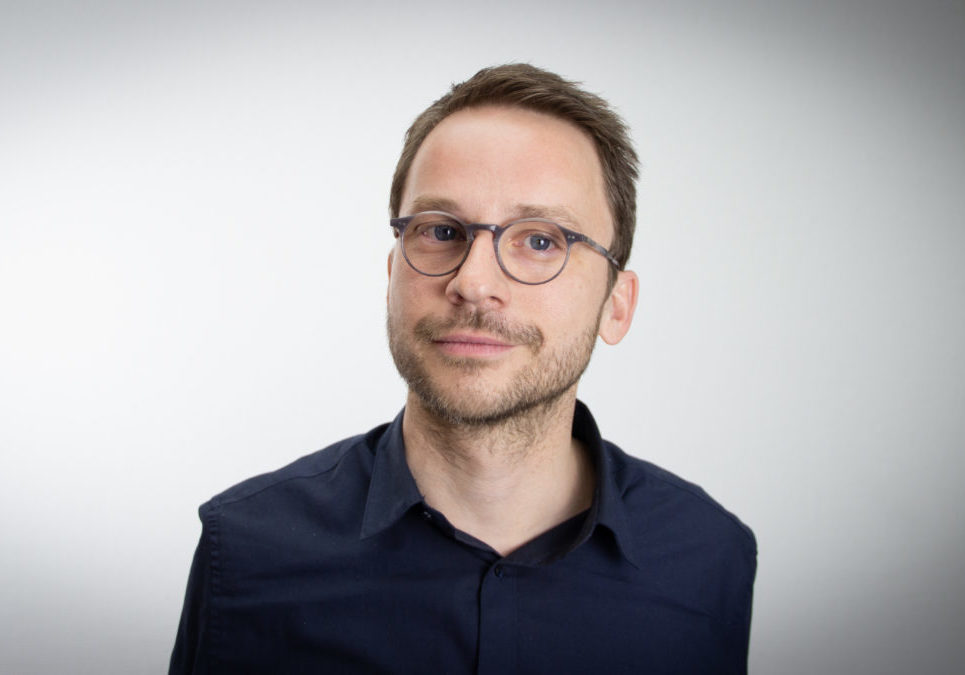
Ulrike Tikvah Kissmann serves as Professor for Social Science Methodology of Qualitative-Reconstructive Research at the University of Kassel, where she has established herself as a leading scholar in video interaction analysis and hermeneutic approaches to social research. Her academic profile spans multiple disciplinary boundaries, connecting philosophy, sociology, gender studies, and science & technology studies through methodological innovation. Professor Kissmann's research interests focus on the intersection of visual studies, embodiment, and social interaction. She has pioneered hermeneutic video analysis methodologies to examine phenomena ranging from operating room dynamics to representations of violence in digital media. Her work consistently explores how bodily practices, gender relations, and technological systems co-constitute social reality. A distinctive feature of her approach is the integration of Merleau-Pontian phenomenology with empirical social research, particularly in analyzing temporal dimensions of social interaction and the materiality of visual data. Her scholarly output reveals evolving research trajectories from early work on nuclear technology and German biographies (2002 monograph) through operating room studies to contemporary investigations of visual violence and new materialism. Recent publications demonstrate her growing interest in the methodological implications of new materialist thought for qualitative research. She has organized and participated extensively in European Sociological Association conferences, particularly through the Research Network 'Qualitative Methods,' where she has contributed plenary lectures on the state of the art in qualitative, quantitative, and visual methodologies. As an educator and academic leader, Professor Kissmann has edited significant methodological volumes including 'Video Interaction Analysis: Methods and Methodology' (2009) and 'Discussing New Materialism' (2019, co-edited with Joost van Loon). Her monograph 'The Sociality of the Visual: Foundations of Hermeneutic Video Analysis and Material Studies' (2014) represents a major contribution to qualitative methodology. She maintains active international scholarly networks, presenting her work across Europe and collaborating with researchers in medical sociology, gender studies, and philosophy.