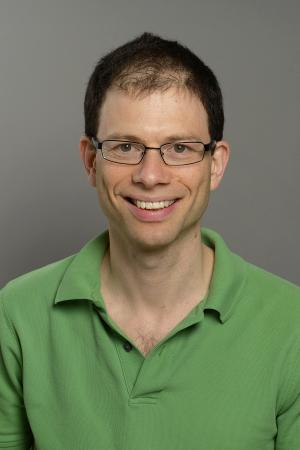
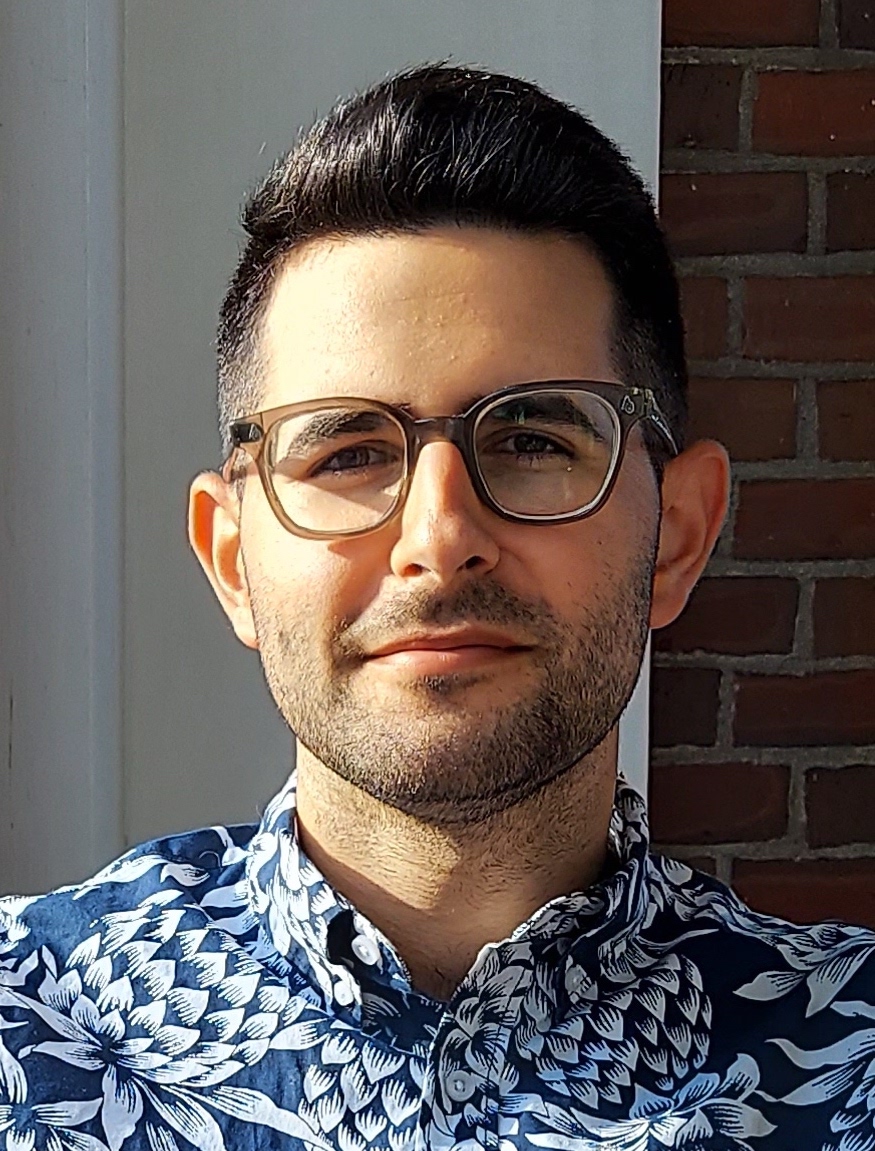
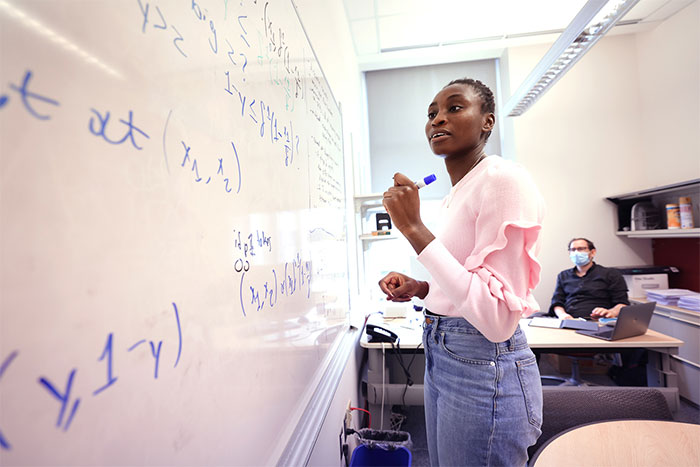
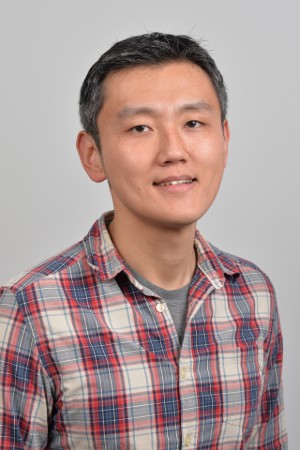
Dr. Dan Edidin is Professor of Mathematics at the University of Missouri's College of Arts and Science, holding a Ph.D. from MIT (1991). His research spans algebraic geometry, machine learning, and topological methods in data science. Current investigations address phase retrieval problems over Lie groups, moduli space invariants, and orbit recovery algorithms. His work connects abstract algebraic geometry with applications in signal processing and cryo-electron microscopy reconstruction. Recent publications develop theoretical frameworks for signal recovery from invariant moments, K-theoretic analyses of moduli stacks, and sample complexity bounds for cryo-EM imaging. This interdisciplinary research bridges pure mathematics with computational imaging challenges.
Shari Moskow is a Professor in the Department of Mathematics at Drexel University , where she also serves as an Undergraduate Adviser. Prior to her current position, she held roles at the University of Florida and had visiting appointments at Ecole Polytechnique (France) and Rice University. She earned her PhD in Applied Mathematics from Rutgers University in 1996, followed by a postdoctoral position jointly at the University of Minnesota and Schlumberger-Doll Research. Research Focus: Her work centers on Partial Differential Equations , Numerical Analysis , and Inverse Problems , with specializations in Homogenization Theory , Numerical Methods for Problems with Rough Coefficients , and applications in computational modeling. Recent preprints include studies on eigenvalue corrections for composite media, reduced-order modeling for scattering problems, and nonlinear Born series in inverse scattering. Awards & Grants: No specific awards or grants are listed in the provided materials. Further funding details or recognition are not mentioned. Advising & Roles: Acts as an Undergraduate Adviser. No listed advisees or grant leadership roles beyond her faculty position. Labs/Teams: No dedicated labs or collaborative teams are explicitly mentioned, though her research likely involves interdisciplinary collaborations given the nature of inverse problems and numerical methods.
Darij Grinberg is an Assistant Professor in Mathematics at Drexel University, specializing in algebraic combinatorics and noncommutative algebra. He received his PhD from MIT in 2016 and previously served at the University of Minnesota. His research explores symmetric functions, Hopf algebras, and combinatorial structures through rigorous theoretical frameworks. Recent publications focus on combinatorial algebras, symmetric group representations, and Hopf algebra applications. His work shows a consistent pattern of advancing foundational theories in combinatorics while developing novel connections between algebraic structures and discrete mathematics.
Bedřich Sousedík is an Associate Professor in the Department of Mathematics and Statistics at the University of Maryland, Baltimore County (UMBC). He joined UMBC in 2014, transitioning from roles as a Research Associate at the University of Southern California and University of Maryland, College Park. His academic journey includes a Ph.D. in Applied Mathematics (2010, University of Colorado Denver) and a Ph.D. in Civil Engineering (2008, Czech Technical University in Prague). Education: Ph.D. in Applied Mathematics, University of Colorado Denver (2010) Ph.D. in Civil Engineering, Czech Technical University (2008) M.Eng. in Mechanical Engineering, Czech Technical University (2001) Research Interests: Focuses on applied and computational mathematics, including numerical analysis, scientific computing, uncertainty quantification, stochastic finite element methods, and domain decomposition techniques. His work emphasizes scalable algorithms for complex systems with parametric uncertainty. Professional Contributions: Author of ~43 refereed publications (24 journals, 12 conferences) with an h-index of 15 (Google Scholar) Principal Investigator on NSF grants totaling $219,999 for multilevel methods research Recipient of prestigious awards including the 2010 Prof. Babuška Prize and 2020 Early Career Excellence Award Advising & Teaching: Supervised 8 Ph.D. and Master’s students since 2014 Mentored undergraduate research projects in computational fluid dynamics and epidemiological modeling
Victor Churchill is an Assistant Professor of Mathematics at Trinity College since 2023. He holds a Ph.D. and A.M. from Dartmouth College, an M.S. from New York University's Courant Institute, and a B.A. from Boston College. His research focuses on computational mathematics, scientific machine learning, and image reconstruction, particularly in Bayesian uncertainty quantification for synthetic aperture radar imaging and learning unknown dynamical systems using neural networks. He has held a postdoctoral position at The Ohio State University under Dr. Dongbin Xiu and previously worked at Dartmouth under Dr. Anne Gelb. Research Highlights: His work includes deep learning of PDEs, ensemble prediction for robust neural network training, and chaotic system learning from partial observations. Recent contributions address coarse time-scale observations and uncertainty quantification in SAR imaging. He was awarded the SIAM Science Policy Fellowship (2023-2024) to engage with federal science policy advocacy. Teaching: He teaches computational science courses at both undergraduate and graduate levels, integrating his research into lectures through case studies and data-driven examples. His pedagogical approach emphasizes applied computational mathematics and real-world problem-solving. Affiliations: Previously affiliated with The Ohio State University as a Visiting Assistant Professor of Scientific Computation. Active in computational math communities, including SIAM policy engagement. Personal Interests: An avid runner with marathon personal bests, he also enjoys bonsai cultivation, architectural design, and animal care. His unconventional hobbies include experimenting with hair color transformations.
Pooneh Maghoul is a Full Professor in the Department of Civil, Geological and Mining Engineering at Polytechnique Montréal. She founded and directs the Sustainable Infrastructure and Geoengineering Laboratory (SIGLab), and is a member of Astrolith (Lunar Research Unit) and the Geotechnical Research Group (GRG). With over 14 years of academic and industrial experience in Canada and France, she chairs the Education Committee of the Canadian Geotechnical Society (CGS) and serves on its Board of Directors, as well as the Canadian Permafrost Association (CPA). Ph.D. (2007–2010), M.Sc. (2006–2007) - École des Ponts ParisTech Postdoc (2010–2012) - Université Laval B.Sc. (2002–2006) - University of Tehran Her research focuses on poromechanics of complex porous media and subsurface systems under multi-hazard conditions, including climate change , earthquakes , and lunar environments . Key areas include permafrost stability , bio-inspired drilling , non-destructive testing , and lunar subsurface exploration . Recent publications highlight her work on ultrasonic characterization of frozen soils , climate-resilient Arctic infrastructure , and AI-driven permafrost thaw prediction . She has pioneered waterless drilling technology adaptable for lunar regolith exploration and developed geothermal energy solutions for cold regions. 2023 : Canada's Outstanding Young Geotechnical Engineer 2022 : Canadian Geotechnical Society Recognition Multiple : Best Paper Awards in International Journals She has supervised 2 Ph.D. and Master’s students, including Cui, S. (2023) and Afsharipour, M. (2023). Her work bridges earthquake engineering , computational mechanics , and space geotechnics , with recent grants from the Canada Foundation for Innovation and Fonds de recherche du Québec.
Tapan Mukerji is a Professor (Research) at Stanford University with joint appointments in the Department of Energy Science & Engineering, the Department of Earth & Planetary Sciences, and the Department of Geophysics within the School of Earth Sciences. He co-directs the Stanford Center for Earth Resources Forecasting (SCERF), the Basin Processes and Subsurface Modeling (BPSM) consortium, and the Stanford Rocks and Geomaterials Project (SRGP), and previously co-directed the Stanford Rock Physics and Borehole Geophysics Project (SRB). His educational background includes: Ph.D. in Geophysics from Stanford University (1995) M.Sc.(Tech) in Geophysics from Banaras Hindu University, India (1989) B.Sc. in Physics from Banaras Hindu University, India (1986) Tapan Mukerji's research focuses on integrating rock physics, wave propagation physics, spatial data science, and machine learning to address challenges in remote sensing of subsurface systems, stochastic geomodeling, uncertainty quantification, and value of information analysis in Earth sciences. His work uses theoretical, computational, and statistical methods to discover fundamental relations between geophysical data and rock properties, quantify uncertainty in subsurface models, and address decision making under uncertainty. He is particularly interested in forging links between geosciences, engineering, and decision sciences, believing these interdisciplinary connections are critical for the future of energy resources research. His research has broad applications in hydrocarbon exploration, geothermal energy, carbon sequestration, and critical mineral exploration. His recent publications demonstrate a strong trend toward integrating advanced machine learning techniques with traditional geophysical methods. There's increasing focus on physics-informed neural networks, generative models for geological facies simulation, and uncertainty quantification in subsurface characterization. His work bridges the gap between theoretical rock physics and practical applications in energy resource development, with particular emphasis on making robust decisions under uncertainty. Professor Mukerji has received numerous scientific awards and recognitions: Karcher Award for Outstanding Young Geophysicist, Society of Exploration Geophysicists (2000) ENI Award 2014: New frontiers of Hydrocarbons - upstream, ENI - Italy (2014) Best paper, honorable mention, Society of Exploration Geophysicists (2020) Best paper, International Association of Mathematical Geosciences (2010) Multiple best paper awards from various geophysical societies Invited keynote speaker at numerous international conferences Haider Fellowship and Green Fellowship from Stanford University Professor Mukerji actively advises and mentors graduate students, serving as Doctoral Dissertation Advisor for Jaehong Chung and Jiayuan Huang, Doctoral Dissertation Reader for several students, and Postdoctoral Faculty Sponsor for Qi Hu and Suihong Song. His research has been supported by multiple industrial consortia including the Stanford Rock Physics and Borehole Geophysics Project (SRB), Stanford Center for Earth Resources Forecasting (SCERF), Basin Processes and Subsurface Modeling (BPSM), Stanford Rocks and Geomaterials Project (SRGP), and Smart Fields Consortium (SFC). He has also received funding from the Department of Energy and various fellowship programs throughout his career. Professor Mukerji co-directs several major research groups at Stanford including the Stanford Center for Earth Resources Forecasting (SCERF), the Basin Processes and Subsurface Modeling (BPSM) consortium, and the Stanford Rocks and Geomaterials Project (SRGP). These groups bring together faculty, researchers, and industry partners to tackle complex problems in subsurface characterization, reservoir modeling, and energy resource development. His labs focus on developing computational methods for integrating geophysical data with rock physics models, creating advanced uncertainty quantification frameworks, and building decision support tools for subsurface resource management.
Simon Cotter is a Professor of Applied Mathematics at The University of Manchester. His research focuses on Bayesian inference, stochastic modeling, and computational methods, with applications in biological systems (e.g., tendon mechanics, placental development) and financial modeling. He contributes to the university’s Digital Futures research beacon and collaborates across disciplines including biomechanics, computational biology, and data science. Research Interests: Bayesian data assimilation and parameter estimation Monte Carlo methods (e.g., multi-index, adaptive importance sampling) Multiscale stochastic systems and reaction networks Inverse problems in material science and biological systems Recent work highlights include developing NuZZ (a numerical Zig-Zag algorithm for general models) and advancing hierarchical Bayesian methods for data selection. His projects address challenges in debt recovery forecasting, placental development modeling, and cell cycle heterogeneity analysis. He co-leads a multi-modal pregnancy research project aimed at understanding stillbirth mechanisms and is actively involved in initiatives promoting gender equity in academia.
Quanfeng Wang is a Researcher at the Technical University of Munich (TUM), affiliated with the Chair of High-Frequency Engineering under Prof. Dr.-Ing. Thomas Eibert. He holds an M.Sc. and contributes to the School of Computation, Information and Technology within the Department of Electrical Engineering. Research Interests : His work focuses on advanced topics in electromagnetic engineering, including antenna measurement techniques, microwave imaging, numerical modeling, and inverse methods. He explores applications in electromagnetic compatibility, material characterization, and radar-based localization systems. His research aligns with broader group initiatives such as UAV-based electromagnetic field measurements and hybrid numerical modeling approaches. Publications : Recent work emphasizes innovative solutions in geometry reconstruction using impedance matrices, microwave imaging of absorber materials in antenna chambers, and indoor localization via passive radar imaging. These studies reflect a strong emphasis on practical electromagnetic systems and their computational analysis. Labs & Teams : He is part of the High-Frequency Engineering group at TUM, which operates facilities for advanced electromagnetic research, including near-field antenna measurement systems and metamaterial investigations.
Yisong Yue is a Professor of Computing and Mathematical Sciences at the California Institute of Technology (Caltech). He holds a B.S. from the University of Illinois (2005) and a Ph.D. from Cornell University (2010). His research focuses on machine learning, neurosymbolic AI, autonomous systems, and applications in robotics, science, and healthcare. Key affiliations include advisory roles at Asari AI and CaineX, and leadership roles in ICLR (Board Member, 2024–present; General Chair, ICLR 2025). Yisong's work bridges theory and practice, emphasizing deployable AI solutions. Notable contributions include Neurosymbolic Programming, AI-driven protein optimization, and safety-critical control systems. His research has led to impactful applications in robotics, medical coding automation, and molecular engineering. He has advised numerous students, including Jennifer Sun (Ph.D., Cornell), Yujia Huang (Citadel Securities), and Guanya Shi (CMU faculty). Awards include the Best Paper Award at ICRA 2020 and Okawa Foundation Grant recognition. His lab explores frontiers in adaptive experiment design and human-AI collaboration. Yisong has collaborated with institutions like NASA (MLNav for Martian navigation) and Disney Research (behavior modeling). His work appears in top venues like NeurIPS, ICML, and Science Robotics.
Jeong Joon Park is an Assistant Professor in the Department of Computer Science and Engineering at the University of Michigan, part of the College of Engineering. His research focuses on advancing 3D vision, artificial intelligence, and generative models, with applications in computer vision, machine learning, and robotics. He emphasizes collaborative research culture and student-driven innovation. Research Interests : 3D scene generation and reconstruction Generative models for multi-modal perception Language-driven vision and robotics Diffusion models and PDE-solving Recent Research Trends : His work spans 3D/4D generation (e.g., LIFT-GS , 4d-fy ), robust sensor fusion ( Cocoon ), and novel view synthesis using diffusion models. Themes include multimodal integration, physics-informed learning, and scalable generative architectures. Advising & Grants : Students are expected to lead independent projects, publish as first authors, and engage in teaching (GSI roles). Lab funding covers conference travel (e.g., CVPR, NeurIPS). Internships are encouraged for real-world alignment. Labs/Teams : Part of the CSE department’s vibrant research community, fostering interdisciplinary collaboration and innovation in AI-driven 3D technologies.
Dr. Ravindra Duddu is an Associate Professor of Civil and Environmental Engineering and Mechanical Engineering, and an Assistant Professor of Earth & Environmental Sciences at Vanderbilt University's School of Engineering. He joined Vanderbilt in 2012 after postdoctoral research at Columbia University and the University of Texas at Austin. His research focuses on computational solid mechanics, multi-scale/multi-physics fracture mechanics, and constitutive modeling. He develops advanced numerical methods like phase-field fracture models, extended finite element methods, and parallel computing frameworks to study ice mechanics, material degradation, and geophysical processes. Education: Ph.D. in Civil Engineering, Northwestern University M.S. in Civil Engineering, Northwestern University B.Tech. in Civil Engineering, Indian Institute of Technology Madras Research Interests: Dr. Duddu’s work bridges computational mechanics and geoscience, with emphases on: (1) multi-scale modeling of quasi-brittle materials (e.g., ice, ceramics) under thermal-mechanical stresses; (2) microstructure evolution in superalloys for aerospace applications; and (3) computational glaciology, including ice shelf calving and hydraulic fracture. His methods leverage C++, FORTRAN, and commercial FEA tools like ABAQUS. Key Projects: ADVISER: Cloud-based simulation environment for geoscience Phase-field modeling of ice cliff stability and supraglacial lake drainage CNN-based surrogate models for composite material optimization Grants & Outreach: Recipient of NSF CAREER Award (2019) for ice shelf modeling and educational outreach. Active in interdisciplinary initiatives like CryoCommunity, promoting equity/diversity in polar sciences.
Jenny Brynjarsdottir is an Associate Professor at Case Western Reserve University's Department of Mathematics, Applied Mathematics, and Statistics, within the College of Arts and Sciences. She specializes in Bayesian statistics, environmental modeling, and uncertainty quantification. Her work integrates spatio-temporal processes and model discrepancy analysis to address complex scientific challenges, such as climate data interpretation and energy system optimization. Her research also extends to applications in public health, crowd dynamics, and renewable energy, reflecting a multidisciplinary approach. She maintains an active research website at http://sites.google.com/case.edu/jennybrynjarsdottir/ and can be reached at jenny.brynjarsdottir@case.edu. She is based at two locations on campus: 2145 Adelbert Rd. and Sears 5th Floor, 2083 Martin Luther King Jr Dr, Cleveland, OH 44106-7058. Her articles highlight advancements in Bayesian hierarchical modeling, satellite-based environmental measurements, and data-driven solutions for photovoltaic systems. While no formal awards or grants are listed, her contributions emphasize methodological innovations in statistics with practical environmental and engineering applications.
Dr. Arick Shao is a Reader in the School of Mathematical Sciences at Queen Mary University of London, specializing in partial differential equations, mathematical analysis, differential geometry, and mathematical relativity. He is part of the Centre for Geometry, Analysis and Gravitation and co-organizes the London PDE Seminar. His research focuses on wave equations, control theory, and the Einstein equations in asymptotically Anti-de Sitter spacetimes. Education: PhD in Mathematics from Princeton University (2010), B.S. in Mathematics and Computer Science from the University of Texas at Austin (2004). Research Interests: Hyperbolic and dispersive PDEs, geometric PDEs, differential geometry, Lorentzian geometry, and applications to general relativity. His work includes unique continuation theorems, controllability of parabolic equations, and bulk-boundary correspondences in spacetime geometries. Awards and Grants: EPSRC Small Grant (2024), STFC Standard Grant (2023–2026), EPSRC First Grant (2018–2020), recognition for research contributions (2018), and teaching excellence awards (2015). He has secured funding totaling over £1.6 million for projects in relativity and geometric PDEs. Teaching and Mentoring: Supervised PhD students and postdoctoral researchers, taught courses in differential geometry, PDEs, and analysis. Organized seminars and workshops on geometric hyperbolic PDEs and mathematical relativity.
Emir Konuk is a Postdoctoral Researcher at KTH Royal Institute of Technology's Division of Computational Science and Technology, funded by the Wallenberg AI, Autonomous Systems and Software Program (WASP). His research focuses on generative models, inverse problems, and generalization in deep learning, with applications in medical imaging and healthcare. He has contributed to foundational studies on human-AI collaboration and uncertainty estimation in clinical contexts. Additionally, he teaches Applied Programming and Computer Science and Foundations of Machine Learning at KTH. Recent work includes advancements in offline foundation features using tensor augmentations and international validation of AI-driven ultrasound systems for ovarian cancer detection. His publications span top venues like MICCAI and NeurIPS. Konuk holds a Doctoral Thesis (2024) titled "Robust and generalizable AI for medical image processing" , emphasizing translational AI for healthcare challenges. Collaborations include multi-center clinical trials and theoretical contributions to neural network architecture design.