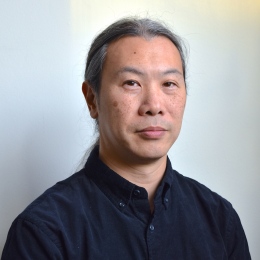
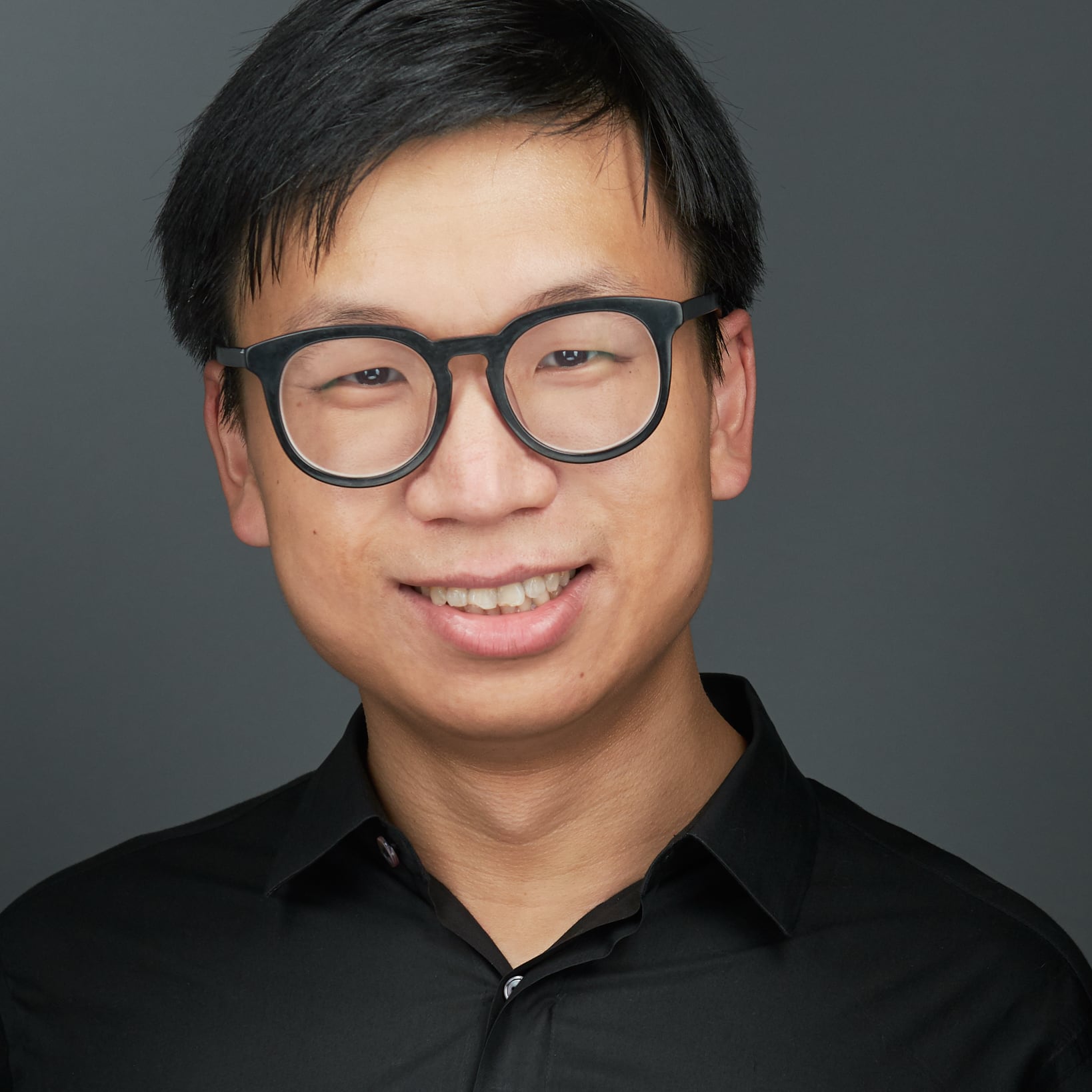
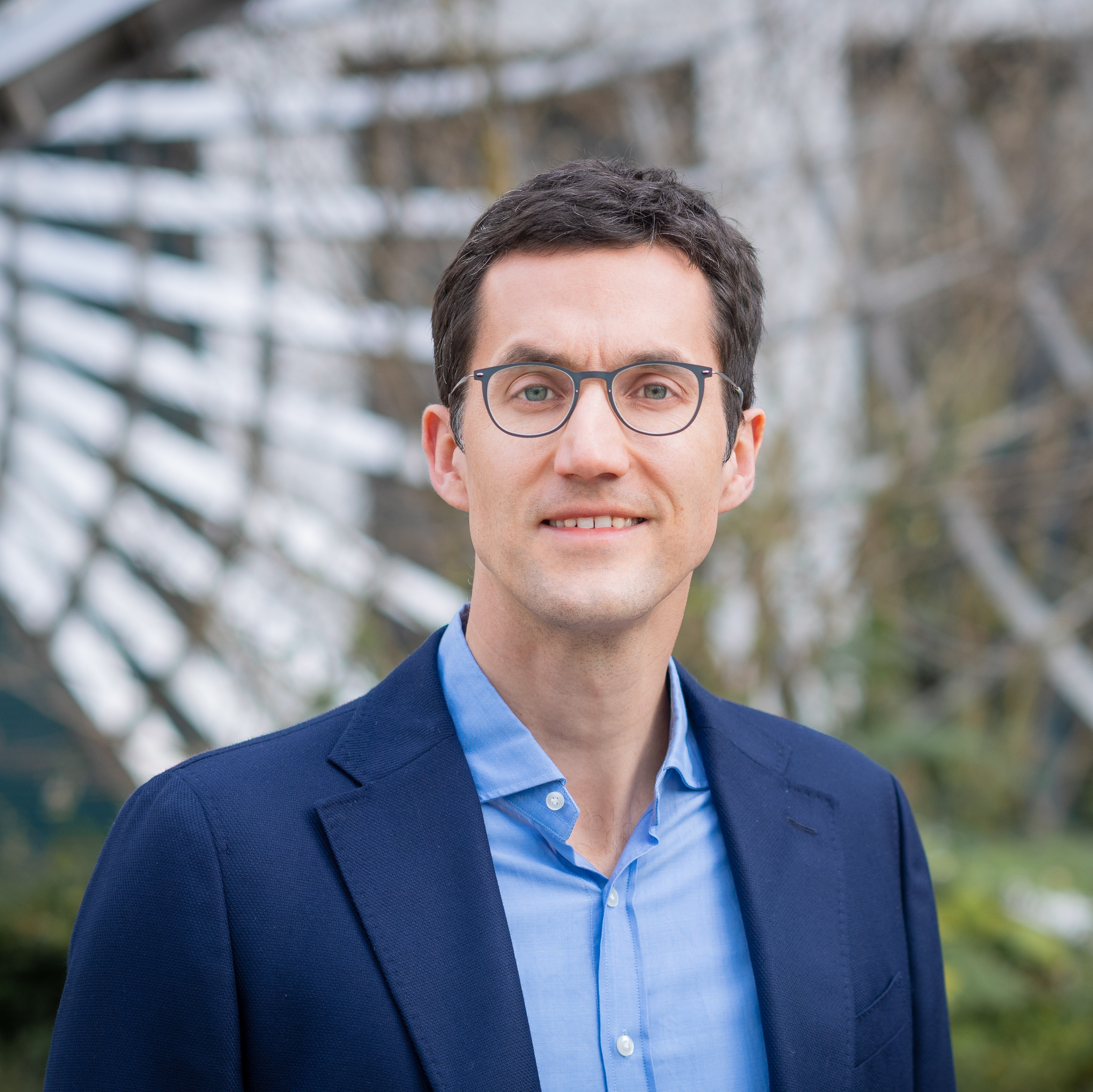
Prof. Dr. Arwen Deuss is a full Professor at the Faculty of Geosciences, Utrecht University , specializing in Seismology . Her research focuses on mapping Earth's deep interior using global seismology, with particular emphasis on mantle discontinuities, core structure, and whole Earth oscillations. She integrates seismological data with mineral physics, geodynamic modeling, and geochemistry to understand planetary evolution. Key research areas: Earth's Deep Interior, Global Seismology, Mantle Discontinuities, Inner Core Anisotropy Teaches courses in Theoretical Seismology, Earth Systems, and Planetary Interior Structure Developed open-source tools like FrosPy for normal mode analysis Her recent work explores 3D mantle attenuation, tilted transverse isotropy in the inner core, and seismic wave coupling. She leads projects connecting seismic tomography with geodynamic processes and maintains active collaborations in international seismological research.
Joachim Weickert is a Professor of Mathematics and Computer Science at Saarland University where he heads the Mathematical Image Analysis Group since 2001. He received his diploma and Ph.D. in mathematics from the University of Kaiserslautern (1991, 1996), and a habilitation degree in computer science from the University of Mannheim (2001). Prior to his current position, he worked as a research assistant at the University of Kaiserslautern, as a post-doctoral researcher at the universities of Utrecht and Copenhagen, and as an assistant professor at the University of Mannheim. His research focuses on image processing, computer vision, and scientific computing, with special emphasis on techniques based on partial differential equations, variational principles, wavelets, morphological and nonlocal methods, as well as neuroexplicit approaches. He has developed mathematical models and efficient numerical algorithms for image restoration, enhancement, segmentation, compression, optic flow computation, stereo reconstruction, shape from shading, and signal processing methods for tensor fields. These ideas have been successfully applied in industry, biomedical image analysis, and other fields. Analysis of his recent publications reveals a strong trend toward combining traditional PDE-based methods with modern deep learning approaches, particularly in the areas of image inpainting and compression. His work increasingly explores the connections between numerical algorithms for partial differential equations and neural network architectures, demonstrating how mathematical foundations can inform cutting-edge AI techniques while maintaining strong theoretical guarantees. Gottfried Wilhelm Leibniz Prize (2010), considered the most important research award in Germany ERC Advanced Grant (2017) for "Inpainting-based Compression of Visual Data" Elected member of Academia Europaea - The Academy of Europe Jan Koenderink Prize for Fundamental Contributions in Computer Vision (2014) Multiple DAGM Prizes and Best Paper Awards throughout his career AAIA Fellow (2021) and Highly Ranked Scholar (2024) distinctions Professor Weickert has supervised over 250 bachelor's and master's theses and initiated the Master Programme in Visual Computing at Saarland University, the first of its kind in Germany taught in English. He has established numerous interdisciplinary collaborations with colleagues from medicine, bioinformatics, pharmacy, physics, mechatronics, and mechanical engineering. As Principal Investigator for Visual Computing within the Multimodal Computing and Interaction Cluster of Excellence, and former dean of the Faculty of Mathematics and Computer Science (2008-2010), he has played a significant leadership role in advancing visual computing research and education. He heads the Mathematical Image Analysis Group, which has been at the forefront of developing mathematical methods for image analysis. The group maintains strong connections with both theoretical mathematics and practical applications, bridging the gap between fundamental research and real-world implementation across various domains including medical imaging, industrial inspection, and multimedia processing.
Georg Fantner is an Associate Professor at the Swiss Federal Institute of Technology Lausanne (EPFL) with dual appointments in the School of Engineering (STI) within the Institute of Bioengineering and the School of Life Sciences (SV) for teaching. He directs the Laboratory for Bio- and Nano-Instrumentation (LBNI) and holds leadership roles including President of the Open Science Strategic Committee and the Association des Professeurs de l'EPFL. Research Focus: Bioinstrumentation, Nanotechnology, Scanning Probe Microscopy, and Metrology Teaching: Structural Mechanics for Life Sciences, Metrology, and Metrology Practicals His research pioneers advanced instrumentation for nanoscale characterization, emphasizing data-driven approaches to enhance microscopy techniques. Recent work integrates deep learning with scanning probe microscopy for real-time biological imaging and develops novel MEMS devices for fluid-compatible nanoscale manipulation. Key innovations include hermetically sealed sample chambers for pathogen studies and deterministic nanotopography engineering. Professor Fantner actively mentors 7 current PhD students and has supervised 14 graduates. His laboratory fosters interdisciplinary collaboration across engineering, physics, and life sciences to advance nanoscale measurement technologies and instrumentation development.
Daniel Kifer is a Professor in the Computer Science and Engineering department at Pennsylvania State University, with affiliations to the Huck Institutes of the Life Sciences. His work bridges computer science, privacy-preserving machine learning, and geoscience applications. With over 10,000 citations and a high h-index, he focuses on methods to unify theoretical and applied research. Research Interests: Differential Privacy, Privacy-Preserving Machine Learning, Physics-Informed Neural Networks, Landslide Prediction, and Formal Verification of Privacy Systems. Recent projects include grants from the National Science Foundation: SaTC: CORE: Small (2024): privacy-preserving user data embedding in machine learning pipelines. SaTC: CORE: Medium (2017-2023): formal methods for differential privacy and accuracy optimization. His research outputs span domains like geoscience, database systems, and policy analysis, emphasizing precision and scalability of privacy-preserving algorithms.
Jerome Engel, M.D., Ph.D. is a Professor at the Jane and Terry Semel Institute for Neuroscience and Human Behavior , University of California, Los Angeles (UCLA). He serves as Director of the Epilepsy Telemetry Unit within the Seizure Disorder Center and is a member of the Brain Research Institute and the Neuroscience GPB Home Area. His work spans neurology, psychiatry, and biomedical research. Research Focus: Epilepsy, epileptogenesis, high-frequency oscillations (HFOs), neuroimaging, surgical interventions, and biomarker development. Key Contributions: Pioneering studies on fast ripples as biomarkers, network-based surgical outcome prediction, and advanced HFO detection algorithms. Publications (15 most recent) address topics such as kainic acid models of epileptogenesis, thalamic sleep spindles in pediatric epilepsy, self-supervised HFO analysis, and graph theoretical measures for surgical planning. His work frequently employs medRxiv and Epilepsia as platforms for translational findings. Contact: engel@ucla.edu
Dr. Benjamin Busam is a Senior Research Scientist at the Technical University of Munich , affiliated with the Chair for Computer Science Applications in Medicine under Prof. Nassir Navab. Starting September 2025, he will hold the Professorship for Photogrammetry and Remote Sensing at TUM. His career includes leadership roles at FRAMOS Imaging Systems and Huawei Research in London. Education: Mathematics (TUM), Mathematics and Physics (ParisTech, University of Melbourne), PhD in Mathematics (TUM, 2014) His research focuses on 3D computer vision , multi-modal sensor fusion , and their applications in collaborative robotics and augmented reality . He specializes in projective geometry , 6D pose estimation , and neural radiance fields , with a particular emphasis on photometrically challenging environments. Recent publications highlight advancements in 3D scene understanding , neural rendering , and medical imaging , often leveraging machine learning and vision-language models . His work has been recognized through awards like the EMVA Young Professional Award (2015) and Innovation Pioneer of the Year (2019) , along with multiple Outstanding Reviewer distinctions at leading conferences. Dr. Busam has supervised numerous PhD and MSc students on topics including 6D pose estimation , medical augmented reality , and robotic ultrasound , collaborating with institutions like MIT , École Polytechnique , and University of Padova .
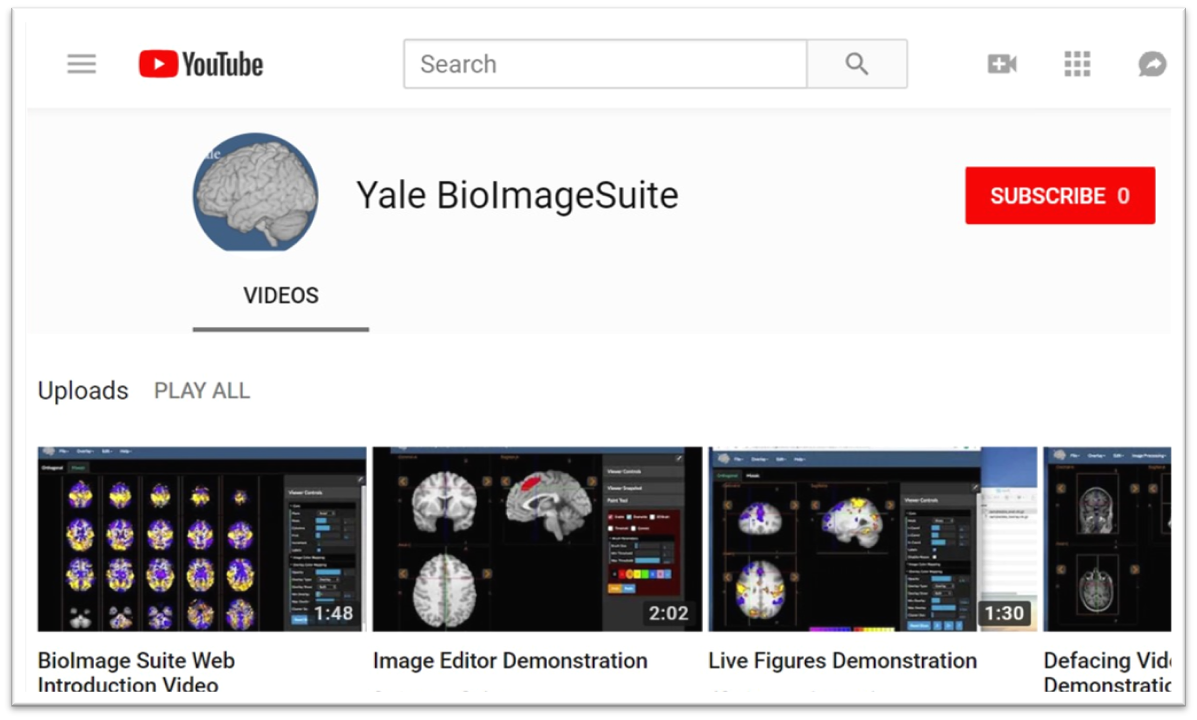
Xenophon Papademetris is a Professor of Biomedical Informatics & Data Science and Radiology & Biomedical Imaging at Yale School of Medicine. He serves as Associate Director of Biomedical Imaging Data Sciences at Yale Biomedical Imaging Institute and directs the Medical Software and Medical Artificial Intelligence Certificate Program. PhD in Electrical and Information Sciences from Yale University (2000) BA from Cambridge University (1994) Postdoctoral Fellowship at Yale University (2002) His research focuses on medical image analysis, machine learning, and biomedical software development. He has developed tools like BioImage Suite Web and contributed to standards committees at the Association for the Advancement of Medical Instrumentation (AAMI). His work spans modalities including MRI, CT, PET, and optical imaging. Recent publications emphasize neuroimaging analysis, explainable AI in healthcare, and multimodal data integration across species. He leads NIH-funded research under the BRAIN Initiative (R24 MH114805) and has authored a textbook on Medical Software published by Cambridge University Press. IEEE Senior Member Yale Brown-Coxe Postdoctoral Fellowship Harding Bliss Prize for Excellence in Engineering He directs the BioImage Suite Project, creating web-based image analysis tools using JavaScript and WebAssembly. His teaching includes both academic courses and a Coursera program on Medical Software with over 14,000 enrollments.
Prof. Dr. Nabeel Aslam is a Full (W3) Professor in Physics at the Felix Bloch Institute for Solid State Physics , Leipzig University, Germany, since September 2023. He previously held a Tenure Track W1 Juniorprofessor position at TU Braunschweig (2022–23) and was a Feodor Lynen Fellow at Harvard University (2018–22). His research focuses on quantum sensing, spin qubits, and nanoscale nuclear magnetic resonance (NMR). Education: Dr. rer. nat. in Physics (2018), University of Stuttgart Diplom in Physics (2012), Johannes Gutenberg University Mainz Bachelor of Science in Economics (2012), Johannes Gutenberg University Mainz Research Interests span quantum information, solid-state physics, and nanotechnology. His work leverages nitrogen-vacancy (NV) centers in diamond for high-resolution quantum sensing, probing spin dynamics in 2D materials, and developing programmable quantum processors with mechanically mediated interactions. Recent efforts include biomedical applications of quantum sensors and enhancing NMR capabilities at the nanoscale. Publication Trends highlight advancements in quantum sensing technologies, spin-mechanical systems, and nanoscale spectroscopy. Key themes include NV center optimization, 2D material analysis, and quantum memory engineering for biomedical and quantum computing applications. Scientific Awards Quantum Futur group funding (2022) Bruker Thesis Prize (2020) Finalist in Quantum Futur Award (2019) Feodor Lynen Fellowship (2019) Exchange Program Fellowship by SFB/TRR 21 (2017) Advising & Grants include mentorship under Prof. Mikhail Lukin and Prof. Hongkun Park during his postdoc at Harvard. His current lab at Leipzig University investigates quantum information processing and biomedical sensing, supported by the Quantum Futur grant. Labs & Teams involve the Quantum Information Group at Leipzig University, focusing on quantum sensors, spin qubits, and related technologies.
Cheuk Wai Tai is a Senior Staff Researcher at Stockholm University's Department of Environmental and Materials Chemistry since 2009. He manages the transmission electron microscopes and sample preparation equipment at the Electron Microscopy Center and serves as Section Editor for the Journal of Electronic Materials. His work focuses on quantitative structure characterization in functional materials research, particularly within nanoscience and nanotechnology contexts. Education: Ph.D. in Applied Physics, The Hong Kong Polytechnic University, 2004 M.Phil. in Applied Physics, The Hong Kong Polytechnic University, 2001 M.Sc. in Physics, The Chinese University of Hong Kong, 1998 B.Sc. (Hons) in Engineering Physics, The Hong Kong Polytechnic University, 1997 Dip. in Mechanical Engineering (Computer Aided Engineering), Institute of Vocational Education (formerly Haking Wong Technical Institute), Hong Kong, 1992 His research centers on structure-property relationships in functional materials through advanced electron microscopy techniques. Current specializations include Pair Distribution Function (ePDF) & Diffuse Scattering, Energy Materials characterization, and EM sample preparation methodology development. The group maintains strong focus on translating structural data into functional performance metrics for nanomaterials. Recent publications (2013-2019) demonstrate consistent emphasis on electron microscopy applications for energy storage materials (batteries, photocatalysts) and functional ceramics. Key trends include structural disorder analysis in piezoelectrics, development of quantitative TEM methods like SUePDF, and nanoscale characterization of electrocatalyst surface phases. His work bridges materials chemistry with advanced imaging techniques. Scientific recognition includes: Fellow of The Royal Microscopical Society (U.K.) Senior Member of IEEE Marie Curie Fellowship (2007-2009) from European Commission Sir Edward Youde Memorial Fellowship (2003/2004) from Hong Kong S.A.R. Government He teaches Solid State Chemistry (KZ7003) and leads Introduction to Analytical Electron Microscopy (KZ8009), having previously taught Advanced Transmission Electron Microscopy (KZ8010) before 2011. Major grants supporting his work include: "Quantitative structural characterisation using 3D electron-based pair distribution function" (Swedish Research Council) "A Multidimensional Toolkit for Modern Electron Microscopy" (Swedish Foundation for Strategic Research) "Mitigating Ni-rich Li-ion cathode side-reactions" (Swedish Energy Agency, Co-applicant) He leads the Cheuk-Wai Tai group within Stockholm University's chemistry department and oversees operations at the Electron Microscopy Center, where his team develops and applies advanced characterization techniques for functional materials research.
Professor Arcot Sowmya is a distinguished academic at the University of New South Wales, serving as Professor in the School of Computer Science and Engineering. With a strong background in both computer science and mathematics, she has established herself as a leading researcher in machine learning and computer vision applications, particularly in medical imaging and diagnostics. Dr. Sowmya earned her PhD in Computer Science from the Indian Institute of Technology, Bombay, along with an MTech in Computer Science, MSc in Mathematics, and BSc in Mathematics from the same institution. Her academic journey has positioned her at the intersection of theoretical computer science and practical medical applications. Her research interests span multiple domains with a primary focus on Machine Learning for Computer Vision . She has made significant contributions to learning object models, feature extraction, segmentation, and recognition techniques. Her work extends into medical image analysis, computer-aided diagnostics, high-resolution remote sensing, and biomedical informatics. More recently, she has applied similar techniques to social sciences domains, developing improved forecasting models for genocide and politicide. Her earlier work also includes contributions to real-time, concurrent, and embedded systems. Analyzing her recent publications reveals a strong trend toward medical applications of computer vision and deep learning. Her work spans from OCT-based glaucoma diagnosis to tumor segmentation, lung disease detection, and breast cancer prognosis. She has successfully bridged computer science with clinical medicine, developing practical tools for disease diagnosis and prediction that incorporate explainable AI approaches. Professor Sowmya's collaborative approach is evident in her extensive publication record across multiple journals and conferences. She has worked with researchers from diverse fields including ophthalmology, oncology, neurology, and public health, demonstrating the interdisciplinary nature of her research. Her laboratory work focuses on developing robust deep learning architectures for medical image analysis, with particular attention to segmentation networks, transformer models, and multimodal data fusion techniques. Her team has developed specialized networks for lung segmentation, tumor detection, and disease classification that address specific challenges in medical imaging.
Jun-Yan Zhu is an Assistant Professor at Carnegie Mellon University's School of Computer Science, affiliated with the Robotics Institute and Computer Science Department. His research focuses on generative models, computer vision, and graphics. He holds a B.E. from Tsinghua University and a Ph.D. from UC Berkeley, with postdoctoral work at MIT CSAIL. Zhu leads the Generative Intelligence Lab, exploring human-creator collaboration with generative models. Affiliations: Robotics Institute, CMU Graphics Lab, CMU Computer Vision Group Education: B.E. (Tsinghua), Ph.D. (UC Berkeley) Research Interests: Generative AI, image/video synthesis, neural rendering, tactile sensing integration Notable contributions include CycleGAN, pix2pix, and GAN compression techniques. His work has been commercialized in Adobe's Firefly and NVIDIA's Canvas tools. Awards: ACM SIGGRAPH Dissertation Award, David J. Sakrison Prize, CVPR Best Paper Finalist Lab Members: 10+ PhD students and researchers Current projects include LEGO design synthesis, tactile-driven 3D generation, and generative model personalization.
Reinhard Heckel is a Tenured Associate Professor (equivalent to Professor) of Machine Learning at the Department of Computer Engineering, Technical University of Munich (TUM), and Adjunct Faculty in Electrical and Computer Engineering at Rice University. He was previously an Assistant Professor at Rice (2017–2019), a postdoc in the Berkeley Artificial Intelligence Research (BAIR) Lab at UC Berkeley, and a researcher at IBM Research Zurich. Education: PhD, 2014 – ETH Zurich Visiting PhD student – Department of Statistics, Stanford University Research Interests: His work centers on machine learning and information processing with three major thrusts: (1) developing algorithms and theoretical foundations for deep learning, especially for accelerated magnetic resonance imaging ; (2) establishing rigorous mathematical and empirical underpinnings for modern machine-learning systems; and (3) leveraging DNA as a digital information-storage medium , including error-correction coding and system design for DNA-based storage. Across more than 100 peer-reviewed papers since 2017, Heckel’s research exhibits a strong interdisciplinary blend of computational imaging , machine-learning theory , and molecular data storage . Recent 2024–2025 publications show intensive focus on robust MRI reconstruction using diffusion priors, evaluation of bias in large web-text corpora, and state-of-the-art error-correcting codes for DNA storage channels. A forthcoming book, Deep Learning for Computational Imaging (Oxford University Press), consolidates his contributions to the field. Outreach & Media: Keynote and panel talks at DLD, TUM, and major ML conferences Op-eds in Frankfurter Allgemeine on ChatGPT and DNA storage Science features on Netflix, BBC, and German television (Galileo, “Gut zu Wissen”) Research Environment: At TUM he leads a group investigating theoretical and applied aspects of deep learning, compressed sensing, and coding for DNA storage. Open-source repositories on GitHub (e.g., dna_data_storage , supplement_deep_decoder ) provide code and data supplements accompanying his publications.
Laura Toni is an Associate Professor in the Department of Electronic and Electrical Engineering at University College London's Faculty of Engineering Sciences. She serves as the leader of a research team focused on advanced signal processing and machine learning applications, documented at https://lasp-ucl.github.io . Additionally, she holds prestigious affiliations as an ELLIS (European Laboratory for Learning and Intelligent Systems) Member and Turing Fellow Alumni. PhD in Electrical Engineering, University of Bologna (2009) MS in Electrical Engineering, University of Bologna (2005) Professor Toni's research spans theoretical and applied aspects of machine learning with particular emphasis on graph-based approaches. Her work integrates signal processing techniques with modern AI methodologies to address complex problems in communication systems, multimedia processing, and scientific discovery. She has made significant contributions to reinforcement learning theory, graph signal processing, and their applications across diverse domains including drug discovery and immersive technologies. Analysis of her recent publications reveals a strong focus on graph-based machine learning approaches, with increasing emphasis on reinforcement learning applications. Her work demonstrates a progression from theoretical foundations to practical implementations, particularly in multimedia processing, network science, and drug discovery applications. Many of her recent papers combine graph neural networks with diffusion models and reinforcement learning for complex prediction and generation tasks. Professor Toni has received notable recognition through her ELLIS membership and Turing Fellow Alumni status, which represent significant achievements in the European AI research community. ELLIS (European Laboratory for Learning and Intelligent Systems) Member Turing Fellow Alumni As an academic leader, Professor Toni supervises postgraduate students and leads a research team at UCL, focusing on cutting-edge projects at the intersection of signal processing and machine learning. Her team has secured research funding through various channels including European initiatives and industry partnerships, enabling them to pursue ambitious projects in graph learning, reinforcement learning, and multimedia processing. The team actively collaborates with institutions worldwide, including previous connections with UCSD and EPFL. Professor Toni leads the LASP research group at UCL (https://lasp-ucl.github.io), which focuses on Large-scale Adaptive Signal Processing for intelligent systems. The team comprises researchers working on graph signal processing, reinforcement learning, and multimedia applications, with strong connections to both theoretical foundations and practical implementations across various domains including healthcare, communications, and immersive technologies.
Prof. Dr. Johan Robertsson is a Full Professor of Applied Geophysics and Head of the Exploration and Environmental Geophysics (EEG) Group at ETH Zürich's Department of Earth and Planetary Sciences. He holds a MSc from Uppsala University (1991) and a PhD in Geophysics from Rice University (1994). Before joining ETH in 2012, he spent 15 years at Schlumberger in R&D roles, leading projects that revolutionized marine seismic data acquisition. His research focuses on wave propagation physics, seismic data inversion, and applications in exploration and environmental geophysics. He pioneered the use of Distributed Acoustic Sensing (DAS) for landslide monitoring and contributed to Mars seismology via the InSight mission. Education: MSc in Engineering Physics, Uppsala University (1991) PhD in Geophysics, Rice University (1994) Research Interests: Seismic wavefield modeling and inversion Planetary seismology (Mars, Moon) Acoustic metamaterials and wave control Environmental geohazard monitoring Marine seismic acquisition techniques His work on the Martian soil properties using InSight data and lunar exploration instrumentation (ALGEP) reflects his cross-disciplinary approach. He holds 90+ patents and has secured prestigious grants like the ERC Advanced Grant. Awards: EAGE Guido Bonarelli Award (2020) ERC Advanced Grant MATRIX (2017) EAGE Conrad Schlumberger Award (2018) Grants & Advising: Led the MATRIX ERC project advancing seismic imaging algorithms Advised over 20 PhD/MS students (names not listed) Secured Schlumberger's largest R&D project in marine seismic sampling His EEG Group operates cutting-edge labs for immersive wave experimentation and planetary geophysical instrumentation. Current initiatives include lunar subsurface exploration and acoustic invisibility experiments.
Alan Bovik is the Cockrell Family Regents Endowed Chair Professor in the Department of Electrical and Computer Engineering at The University of Texas at Austin's Cockrell School of Engineering. He also holds positions at The Institute for Neurosciences and serves as Director of the Laboratory for Image and Video Engineering (LIVE). With a career spanning over three decades at UT Austin, he has progressed from Assistant Professor (1984-1988) to Associate Professor (1988-1994) to his current position as Full Professor (1994-present). Dr. Bovik received his Ph.D. in Electrical and Computer Engineering in 1984 from the University of Illinois, Urbana-Champaign. Professor Bovik's research focuses on image and video quality assessment, visual perception, and digital media processing. He is renowned for developing groundbreaking algorithms including the Structural Similarity (SSIM) index, Visual Information Fidelity (VIF), and various blind quality assessment models like BRISQUE and NIQE. His work bridges engineering and neuroscience, creating perception-based models that optimize visual media delivery while reducing bandwidth consumption. These innovations have had profound industry impact, with his algorithms processing a significant proportion of global internet video traffic. His recent publications demonstrate continued leadership in perceptual quality assessment, with increasing focus on AI-generated content, high dynamic range (HDR) video, and novel applications in medical imaging. The research shows a clear trajectory toward more sophisticated, neural network-based quality metrics that better align with human visual perception across diverse content types. Professor Bovik has received numerous prestigious awards recognizing his contributions to the field: John Fritz Medal (2024) IEEE Edison Medal (2022) IAMB BaM Award (2022) Elected to the United States National Academy of Engineering (2022) Technology and Engineering Emmy Award (2021) IEEE Fourier Award for Signal Processing (2019) Progress Medal from The Royal Photographic Society (2019) Named Honorary Fellow of The Royal Photographic Society (2019) Primetime Emmy Award (2015) Edwin H. Land Medal from The Optical Society (2017) As Director of the Laboratory for Image and Video Engineering (LIVE), Professor Bovik has secured substantial research funding from organizations including the National Science Foundation and the National Institute for Standards and Technologies. His lab has produced numerous influential datasets including the LIVE Image and Video Quality Databases. He has mentored many successful students who have gone on to make significant contributions in academia and industry, though specific student names are not provided in the source materials. The Laboratory for Image and Video Engineering (LIVE) under Professor Bovik's direction has become a world-renowned center for research in perceptual image and video quality. The lab maintains close collaborations with major technology companies including Netflix, Amazon, and YouTube, ensuring that research has direct practical applications. LIVE has developed numerous influential tools and databases that are widely used in both academic research and industrial applications worldwide.