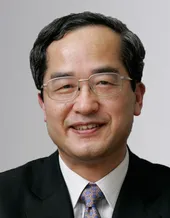
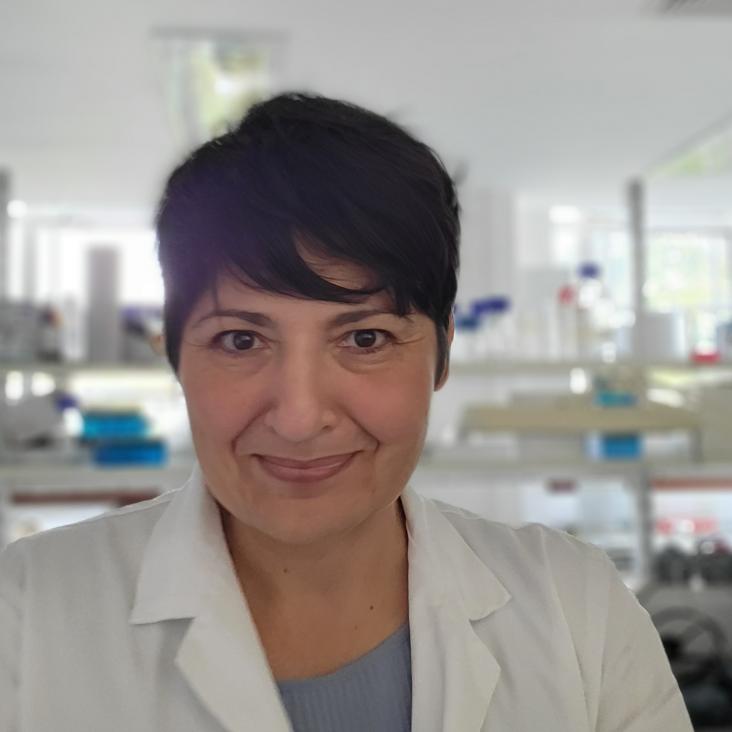
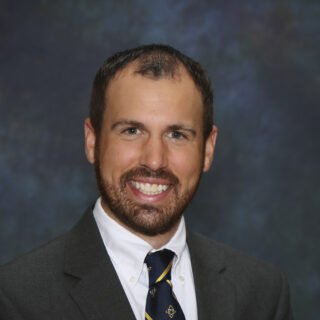
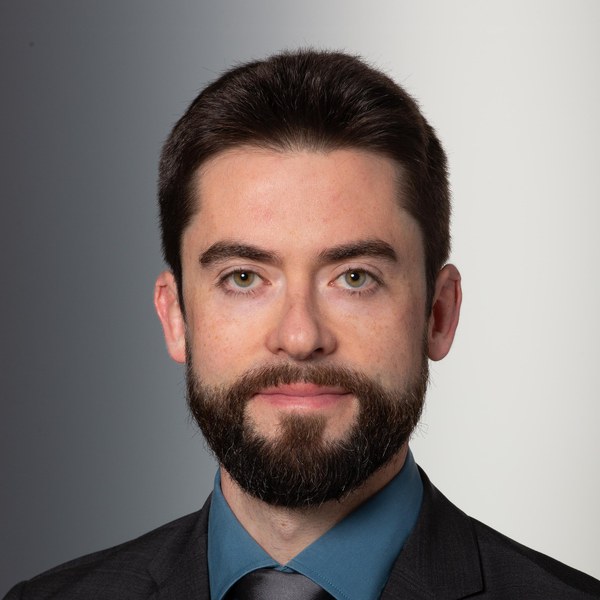
Grant Weddell is an Associate Professor in the David R. Cheriton School of Computer Science at the University of Waterloo. His research focuses on database technology for real-time applications, including large-scale schema management, information clustering, dependency theory, and query optimization for heterogeneous data sources. He teaches courses such as CS338 (Introductory Databases), CS348 (Advanced Databases), CS446 (Software Engineering), and CS848 (Advanced Database Systems). His research interests emphasize the interplay between description logics and database systems, particularly in optimizing query processing and managing complex schemas. Recent work explores path agreements, functional dependencies, and ontology-mediated querying to enhance data integration and schema management efficiency. Teaching responsibilities include foundational database courses (CS338/348), software engineering (CS446), and advanced topics in information integration (CS848). No scientific awards are explicitly listed, though his contributions to database theory and optimization are extensive.
Parisa Kordjamshidi is an Associate Professor of Computer Science and Engineering at Michigan State University (MSU), leading the Heterogeneous Learning and Reasoning (HLR) Lab. Her research focuses on Neuro-Symbolic AI, spatial language understanding, and structured learning, with notable contributions to frameworks like Saul for declarative programming. She joined MSU in 2019 after roles at Tulane University and the Florida Institute for Human and Machine Cognition. Education: Ph.D. in Computer Science from KU Leuven (2013), postdoctoral research at UIUC's Cognitive Computation Group, and work in the KnowEng project. Research Interests: Artificial Intelligence, Machine Learning, Natural Language Processing, Neuro-Symbolic systems, spatial semantics extraction, structured output learning, and multimodal reasoning. Key projects include NSF CAREER awards for spatial language understanding and ONR grants for integrating domain knowledge into AI. Awards: NSF CAREER (2019), Amazon Faculty Research Award (2022), Fulbright Scholar (2025), and Rising Stars at MIT EECS (2015). Grants: Active projects on Neuro-Symbolic compositional generalization (ONR), spatial language learning (NSF), and collaborations with the Department of Media and Information for health misinformation management. Professional Activities: Editorial roles at JAIR, TACL, and Frontiers journals; service on program committees for ACL, EMNLP, and AAAI; organization of workshops like Spatial Language Understanding (SpLU) and CLeaR. Lab and Software: HLR Lab develops Saul (declarative learning-based programming framework) and tools for spatial role labeling. Her team emphasizes mentoring, with structured weekly meetings, reading groups, and conference participation for students.
Yasuhiko Arakawa is a Professor at the Research Center for Advanced Science and Technology and Director of the Institute for Nano Quantum Information Electronics at the University of Tokyo. He holds the Hans Fischer Senior Fellowship at the TUM Institute for Advanced Study (TUM-IAS) since 2008, hosted by Gerhard Abstreiter, with a focus on Nano Photonics. His academic journey includes B.S., M.S., and Ph.D. degrees in Electrical Engineering from the University of Tokyo (1975–1980). Dr. Arakawa’s research has revolutionized semiconductor quantum dot lasers, including their theoretical prediction and high-performance demonstration. His contributions also include advancements in single photon emitters at telecom wavelengths and high-temperature semiconductor devices. He has led national projects for METI and MEXT and organized major conferences like the 1998 IEEE Semiconductor Laser Conference and the 2005 International Quantum Electronics Conference. His work spans photonics, nanotechnology, and optoelectronics, with notable publications in Applied Physics Letters , Physical Review B , and IEEE Photonics Technology Letters . Awards include the Fujiwara Prize (2007), IEEE William Streifer Award (2004), and IBM Science Award. Arakawa’s affiliations include leadership roles in quantum information science and collaborations with institutions like TUM-IAS. His labs and research groups focus on nanophotonics, semiconductor nanostructures, and quantum device engineering, advancing fields from optical communications to quantum computing.
Sonia Antoranz Contera is a Full Professor of Biological Physics at the University of Oxford and Associate Head of the Physics Department. Her research bridges physics, nanotechnology, and biology, focusing on the interplay of mechanics, chemistry, and electricity in biological systems. She leads projects on neural interfaces, sustainable architecture inspired by biological principles, and nanomedicine. Notable collaborations include work with Amanda Levete Architects on bioinspired materials and the EU-funded ZEBAI initiative for carbon-neutral buildings. Her book Nano Comes to Life (Princeton University Press) explores nanotechnology's impact on biology and medicine. She also engages in public discourse through columns in El Pais and academic lectures on the history of physics and ethics in science. Education: PhD in Physics (Osaka University), with postdoctoral work across global institutions. Research Interests: Biomechanics of growth, AFM of biological systems, neuromorphic computing, and sustainable materials. Funding: John Fell Fund, Moore Foundation, EU Horizon Programme (ZEBAI), UKRI (BuildAir). Her lab's recent work includes AI-driven cement microstructure synthesis, PDMS mechanical aging studies, and anaesthesia mechanisms linked to neuronal viscoelasticity. She advises on policy and innovation, advocating for ethical, equitable scientific progress.
William W. Braham is the Andrew Gordon Professor of Architecture at the University of Pennsylvania’s Stuart Weitzman School of Design, where he also directs the Master of Science in Design – Environmental Building Design (MSD-EBD) program and the Center for Environmental Building + Design (CEBD). He previously served as Department Chair and Chair of the Faculty Senate, reflecting his longstanding leadership within the institution. His education includes a B.S.E. in civil and mechanical engineering from Princeton University, followed by a Master of Architecture and PhD in Architecture from the University of Pennsylvania. He also holds a Certificate in Traditional Chinese Architecture from Tsinghua University, underscoring his global perspective on sustainable design. Braham’s research lies at the intersection of architecture, energy, and ecological systems. His work applies systems ecology and building performance modeling to address climate change, energy efficiency, and urban sustainability. Key themes include responsive building envelopes, urban morphology, embodied carbon, and regenerative architecture. He has pioneered the use of emergy synthesis in architectural analysis and has led energy and carbon planning for institutions like the University of Pennsylvania Health System and the Chautauqua Institution. His recent publications reveal a strong focus on smart building technologies, thermal comfort modeling using AI, indoor air quality, and sustainable materials. Collaborations with the Thermal Architecture Lab and international partners highlight the interdisciplinary nature of his work. The articles span topics from blockchain-based environmental accounting to bioclimatic design pedagogy, indicating both scholarly depth and educational innovation. 2021 Best Paper Award, Building and Environment Fellow, American Institute of Architects (FAIA) Braham has advised numerous graduate students and researchers in environmental building design and urban sustainability. His research has been supported by collaborations with PennPraxis, DOE, and industry partners such as Daikin. He continues to lead high-impact research initiatives through the CEBD, including campus energy analysis and building energy modeling tools. He leads the Center for Environmental Building + Design, a hub for interdisciplinary research on energy, climate, and sustainable design. The center fosters collaborations across engineering, architecture, and environmental science, supporting innovative projects in urban metabolism, low-carbon materials, and smart building systems.
Tony Breitbach is an Associate Professor in the Department of Chemistry at the University of Iowa. His research focuses on organic synthesis, fluorination reactions, and their applications in medicinal chemistry and chemical biology. Ph.D. in Chemistry, University of Iowa Postdoctoral Fellow, University of California, Berkeley His work explores electrophilic fluorination, C–H activation, and bioorthogonal reactions for pharmaceutical development and in vivo imaging. Recent publications highlight electrochemical fluorination, chiral catalysis, and sustainable synthesis methods. ACS Fellow NIH R01 Award University of Iowa Collegiate Teaching Award Tony Breitbach's research group investigates fluorinated compounds for medicinal applications and develops novel synthetic methodologies.
Dr Mahdi Davoodianidalik is a researcher in the Department of Nuclear Physics & Accelerator Applications at the Australian National University (ANU). He is affiliated with the Space plasma power and propulsion group and the Physics of fluids group, focusing on interdisciplinary research at the intersection of plasma physics, fluid dynamics, and space propulsion technologies. His research interests include Turbulence and wave-driven flows Plasma thrusters and electrothermal propulsion Fluctuation-induced forces and interactions Fluid-structure dynamics Thermal engineering of micro-thrusters Nonlinear phenomena in fluids Recent publications highlight his work on analogs of the Casimir effect in turbulent flows, passive propulsion mechanisms, and advanced propulsion systems using solid hydrocarbon propellants. He has contributed to understanding turbulence in both fundamental and applied contexts, with a focus on energy transfer and chaotic flow phenomena. His collaborations span ANU colleagues including Nicolas Francois and Michael Shats, with a strong emphasis on experimental and computational fluid dynamics.
Dr. Tobias Binninger is a researcher at the Institute of Energy Technologies (IET) within Forschungszentrum Jülich GmbH, Germany. His work focuses on theoretical and computational modeling of materials for electrochemical energy systems , particularly in the context of catalysts and solid-state electrolytes. His research spans topics such as electrochemical interfaces , redox reactions , quantum capacitance , and nanoparticle stability , as reflected in his publications in high-impact journals. He has contributed significantly to understanding the Oxygen Evolution Reaction (OER) mechanisms and solid-state electrolyte materials through advanced computational methods like quantum annealing and density functional theory. Recent studies highlight his focus on electrolyte correlation effects , metal-support interactions , and co-electrolysis cell design for CO 2 reduction. Despite lacking explicit details on awards or mentoring, his work addresses critical challenges in energy storage , catalyst degradation , and quantum modeling of electrochemical systems .
Dario Carugo is an Associate Professor of Biostimulation and Immunological Engineering at University College London (UCL), School of Pharmacy, Department of Pharmaceutics. Previously, he held positions at the University of Oxford (Botnar Research Centre) and University of Southampton. His academic foundation includes a BSc and MSc in Biomedical Engineering from Politecnico di Milano (specializing in Biological Fluid Dynamics & Bio-Machines), and a PhD in Bioengineering Sciences from the University of Southampton. His research spans acoustofluidics , microfluidic drug delivery systems , and biofilm eradication technologies . Key interests include ultrasound-activated drug carriers, mechanistic models for therapeutic physical stimuli, and nano/micro-scale systems for chronic wound treatment, implant infections, and musculoskeletal disorders. His work integrates computational fluid dynamics with experimental models to optimize interventional treatments. Recent publications (2023-2025) reveal a strong trend toward biofilm-targeted therapies using ultrasound-responsive carriers (microbubbles/nanodroplets), oxygen delivery systems for bone healing, and 3D-printed devices for precision drug delivery. Interdisciplinary collaborations span microbiology, urology, and tissue engineering, with emphasis on translating lab innovations to clinical applications for chronic wounds and implant-associated infections. Awards: Italian National Bioengineering Group award IMechE Biomedical Engineering Division award EPSRC Doctoral Prize award FP7 European project funding BBSRC award Junior Research Fellowship at Jesus College, Oxford Carugo teaches Biofluids (Engineering Science) and Micro- & nano-technologies for personalised medicine (MSc Pharmacology), alongside supervising MSc Musculoskeletal Sciences laboratory activities. His Botnar Research Centre lab pioneers vortical flow devices for ultrasound-activated drug delivery and high-speed imaging systems (>1 million fps) to quantify cellular responses to mechanical stimuli.
Ji-young Shin serves as an Assistant Professor in the Teaching Stream within Education Studies at the University of Toronto Mississauga's Department of Language Studies. Her position integrates teaching, research, and practical application in language education with emphasis on assessment innovation and technology integration. Her academic credentials include: PhD in English / Second Language Studies & ESL from Purdue University, USA MS in Educational Psychology & Research Methodology from Purdue University, USA MA in Teaching English to Speakers of Other Languages (TESOL) from Hankuk University of Foreign Studies, South Korea BA in English Education (Japanese minor) from Hankuk University of Foreign Studies, South Korea Shin's research program focuses on language assessment, corpus linguistics, and technology-mediated pedagogy. She employs mixed methods with quantitative emphasis, utilizing corpus-informed computational analysis and latent-trait modeling complemented by qualitative discourse analysis. Her work addresses critical gaps in second language acquisition, educational measurement, and digital learning environments, particularly regarding AI applications and test validation across diverse language contexts. Her publication trajectory from 2017-2025 demonstrates consistent innovation in language assessment methodologies and technology integration. Key themes include AI-powered chatbots for L2 Korean instruction, online vocabulary testing for Spanish, and corpus-based writing pedagogy. Her work shows increasing focus on artificial intelligence applications and cross-linguistic validation studies, reflecting evolving priorities in language education research. Shin has secured competitive research funding including: Global Classrooms Grant (2025–2026) for VR-enhanced intercultural competence Black, Indigenous, and/or Racialized Scholar Grant (2025–2026) for cross-border AI language learning IRCC Engage3 Project (2022–2024) as Co-PI on VR/AI educational advancement Advancement Fund Plus (2022) for generative AI in teacher education British Council Award (2019) for technology-mediated assessment development She teaches advanced courses including 'The Future of Ed Tech: Active Learning Classrooms and Artificial Intelligence' (EDS285) and supervises community-based experiential learning (EDS388). Her grant portfolio indicates active supervision of research assistants and collaboration with international teams focused on AI implementation and assessment validation. Current projects explore generative AI for language learning across diverse contexts and virtual reality applications in teacher education. While specific laboratory infrastructure isn't documented, her collaborative publications with researchers across Korea, Spain, and the United States suggest participation in international research networks focused on language assessment technology and corpus applications.
Prof. Dr. Matthias Rarey is a computer scientist and Professor at the University of Hamburg's Center for Bioinformatics. He holds a Ph.D. in Computer Science from the University of Bonn (1996) and has been leading the Algorithmic Molecular Design working group since 2002. His research focuses on molecular design algorithms, cheminformatics tools, and 3D bioinformatics. Co-founder of BioSolveIT GmbH Former cheminformatics group leader at Fraunhofer SCAI Former researcher at SmithKline Beecham and Roche Bioscience Head of Helmholtz Data Science Graduate School DASHH Director of Center for Data and Computing in Natural Science (CDCS) Research interests span algorithmic molecular design, cheminformatics, structure-based drug discovery, and machine learning applications in bioactivity prediction. His group developed widely used tools like FlexX, PoseView, and SpaceLight for molecular modeling and fragment space analysis. Recent publications focus on geometric pattern matching in protein-ligand interfaces, combinatorial fragment space encoding, adverse drug reaction network analysis, and efficient shape-based virtual screening. The work emphasizes scalable algorithms for billion-sized compound libraries and integration of machine learning with traditional cheminformatics approaches. Scientific awards include: GMD Award 1996 (Best Dissertation) GMD Award 2000 (Best Project) NRW Wissenschaftspreis 2002 Corwin Hansch Award 2005 Emerging Technologies Award 2011 Norddeutscher Wissenschaftspreis 2020 Academic leadership roles: Founding director of Center for Bioinformatics Co-founder of M.Sc. Bioinformatics and B.Sc. Computing in Science programs Chair of doctoral committee at Faculty of Computer Science Member of EMBL-EBI's Molecular and Cellular Structure advisory board Former Associate Editor of Journal of Chemical Information and Modeling
Luo Mai is an Assistant Professor at the University of Edinburgh's School of Informatics , with an upcoming promotion to Associate Professor (UK Reader) in August 2025. He leads the Large-Scale Machine Learning Systems Group and co-leads the UK EPSRC Centre for Doctoral Training in Machine Learning Systems and an ARIA Project on Scaling AI Compute by 1000X . PhD in Computer Science (Imperial College London, 2018) MRes in Advanced Computing (Imperial College London, 2012) His research focuses on the intersection of computer systems , machine learning , and data management . Key contributions include award-winning systems like WaferLLM (wafer-scale LLM inference), Tenplex (elastic ML), and ServerlessLLM (serverless LLM serving), published at top venues (OSDI, SOSP, ICML, NeurIPS, JMLR). Recent publications demonstrate trends in GPU-based distributed systems , LLM optimization , and adaptive machine learning . His team has developed groundbreaking open-source projects including TensorLayer , TorchOpt , and ServerlessLLM . Awarded Microsoft Research StarTrack Scholar (2024) , secured ARIA grant (2024) with Imperial College & Cambridge University, and received Google Fellowship during PhD (2012-2016). As an educator, he designed Edinburgh's popular Machine Learning Systems course (150+ students). His group supervises multiple PhD students including Yao Fu (recognized as 2024 Rising Star in ML & Systems) and Leyang Xue .
Dr. Yeshui Zhang is a Lecturer at the School of Engineering, University of Aberdeen, UK, since December 2021. Previously, she held a Faraday Institution Research Fellowship at University College London (2018–2021). University of Birmingham (BSc Environmental Management, 2012) University of Sheffield (MSc Energy and Environmental Engineering, 2013) University of Leeds (PhD Chemical and Process Engineering, 2017) Her research spans chemical and environmental engineering, focusing on: Energy storage materials (e.g., lithium-ion batteries) Pyrolysis-catalysis of waste materials High-temperature quartz crystal microbalance applications Carbon nanotubes synthesis Circular economy strategies for plastics Recent publications emphasize catalytic waste valorization for hydrogen-rich syngas, biomass pyrolysis mechanisms, and hybrid-functional catalyst design. She serves as Associate Editor for Carbon Capture Science & Technology and contributes to standards in battery manufacturing. Emerging Investigator Award, IChemE 2022 IAAM Young Scientist Medal 2022 Best Paper Award, 21st CCSSTA 2020 Dr. Zhang supervises PhD students in chemical engineering and leads the Meston Lab 155 at Aberdeen. Her work bridges academic research with industrial applications through memberships in the Royal Society of Chemistry and IChemE.
Steve Zdancewic is the Schlein Family President's Distinguished Professor and Associate Chair in the Department of Computer and Information Science at the University of Pennsylvania's School of Engineering and Applied Science. He is a leading researcher in programming languages, formal methods, and computer security with over two decades of impactful contributions to the field. His research interests span programming languages, type theory, logic, computer security, quantum programming, and formal verification. Zdancewic has made significant contributions to information-flow security, memory safety, program synthesis, and the verification of low-level systems. His work often bridges theoretical foundations with practical applications, particularly through the development of verified systems using Coq and other proof assistants. Analysis of his recent publications reveals a strong focus on formal verification techniques, particularly using Interaction Trees and the Coq proof assistant. His research trajectory shows consistent evolution from foundational work on information-flow security toward increasingly sophisticated verification of complex systems including LLVM, quantum computing, and distributed systems. His work demonstrates a commitment to building practically useful verification tools while maintaining rigorous theoretical foundations. Distinguished Paper Award for Semantics for Noninterference with Interaction Trees (ECOOP 2023) Schlein Family President's Distinguished Professor (2021) Distinguished Paper Award for Interaction Trees (POPL 2020) Christian R. and Mary F. Lindback Foundation Award for Distinguished Teaching (2018) IEEE MICRO top picks (2013) Alfred P. Sloan Fellow (2009-2010) NSF CAREER award (2004) Zdancewic has advised numerous PhD students who have gone on to successful careers in academia and industry. His research has been supported by significant grants from NSF, including the NSF Expedition on the Science of Deep Specification. He is actively involved in multiple major research projects including Vellvm (verified LLVM), DeepSpec, and quantum programming verification. Zdancewic also co-organizes Penn's PL Club programming languages research group with Benjamin Pierce and Stephanie Weirich.
Dr. W.S. Winston Ho is a Distinguished Professor of Engineering at The Ohio State University, holding joint appointments in the William G. Lowrie Department of Chemical and Biomolecular Engineering and the Department of Materials Science and Engineering. With over 50 years of combined industrial and academic experience, he leads pioneering research in molecular separation technologies. His industrial tenure includes R&D leadership at Exxon, Xerox, and Commodore Separation Technologies, where he commercialized gas treating processes and membrane systems. Education: Ph.D. in Chemical Engineering, University of Illinois at Urbana-Champaign (1971) M.S. in Chemical Engineering, University of Illinois at Urbana-Champaign (1969) B.S. in Chemical Engineering, National Taiwan University (1966) His research focuses on advanced membrane systems for critical environmental and energy challenges, including: CO 2 -selective membranes for hydrogen purification and carbon capture High-flux desalination membranes with fouling resistance Proton-exchange membranes for fuel cells operating under low humidity Supported liquid membranes for pharmaceutical recovery and heavy metal removal Recent publications demonstrate a strong emphasis on scaling membrane technologies for industrial applications, particularly carbon capture from flue gas and hydrogen purification. Over 75% of his last 15 articles address CO 2 separation, membrane scalability, or material enhancements for energy systems. Major Scientific Awards: Elected to National Academy of Engineering (2002) and Academia Sinica (2014) AIChE Institute Award (2006), Gerhold Award (2007), Evans Award (2012) New Jersey Inventor of the Year (1991) with 60+ U.S. patents Global recognition including Chemcon Distinguished Speaker Awards He directs the Winston Ho Research Group, focusing on membrane process scale-up and holds advisory roles in national research panels. Current projects include field testing spiral-wound membrane modules for carbon capture and developing fluoride-containing membranes to enhance solid oxide fuel cell efficiency. His work has been funded by DOE, NSF, and industrial partners, resulting in commercial implementations of membrane technologies.