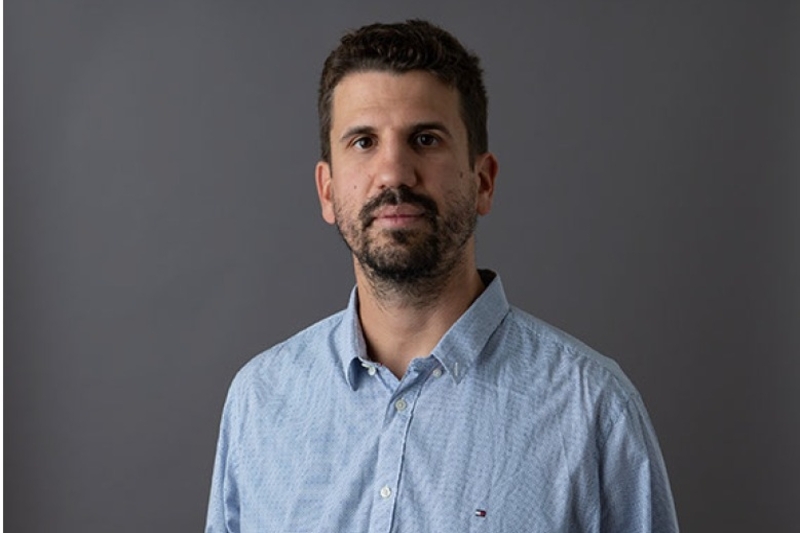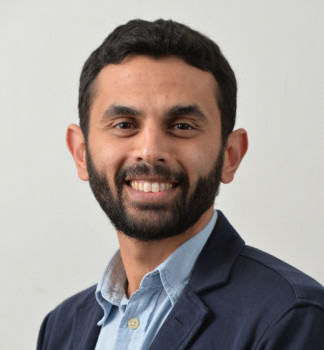
Professor Akram Alomainy is a distinguished academic at Queen Mary University of London, where he serves as Professor of Antennas and Applied Electromagnetics, Deputy Dean for Postgraduate Research in the Faculty of Science and Engineering, and Head of the Centre for Electronics within the School of Electronic Engineering and Computer Science. His research spans multiple interdisciplinary domains, with a strong emphasis on applied electromagnetics, wearable technology, and biomedical applications. His research interests include Antenna Engineering, Applied Electromagnetics, Biomedical and Healthcare, Communication Engineering, Radio Propagation, Wearable Technology, Terahertz Sensing, and Body-Centric Wireless Communication . His work integrates engineering principles with healthcare innovations, particularly in areas such as remote patient monitoring, smart sensors, and non-invasive diagnostics. The recent publications highlight a strong trend toward miniaturized and implantable antennas for medical devices, terahertz-based biosensing for cancer detection, millimeter-wave radar for health monitoring , and the application of machine learning and deep learning in signal and image processing for healthcare. These works demonstrate a consistent focus on solving real-world medical and communication challenges through advanced electromagnetic systems. Scientific recognitions include the 2011 British Science Festival Isambard Kingdom Brunel Award and the QMUL Education Excellence Award 2019 . He is also an Associate Editor for IEEE AWPL and IEEE J-ERM, reflecting his leadership in the research community. Prof. Alomainy leads several significant research grants funded by EPSRC, Huawei, and Innovate UK, covering areas such as smart sensors for virtual wards, antenna measurement metrology, and wearable-free health monitoring. He is actively involved in advising and leading research teams, contributing to advancements in nano-scale communication, cognitive radio, and wireless body area networks. His leadership in projects like the Wearable Technology and Creativity Research initiative underscores his commitment to innovation. He is affiliated with multiple research centres including the Centre for Electronics, Centre for Bioengineering, Centre for Brain and Behaviour, and Centre for Networks, Communications and Systems , indicating a collaborative and multidisciplinary research environment. His lab work focuses on developing wearable and implantable devices, RF sensing systems, and terahertz imaging tools for future healthcare applications.