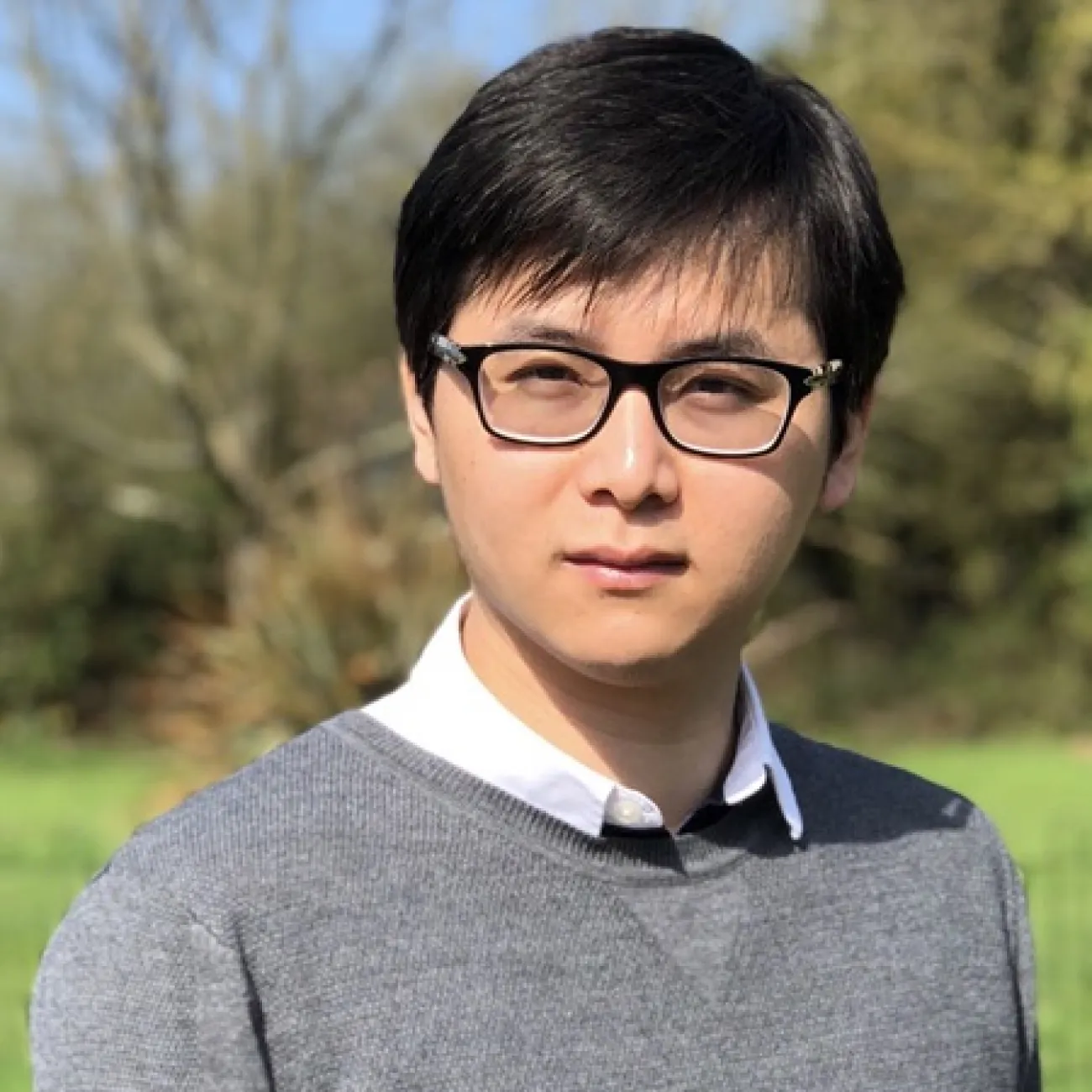
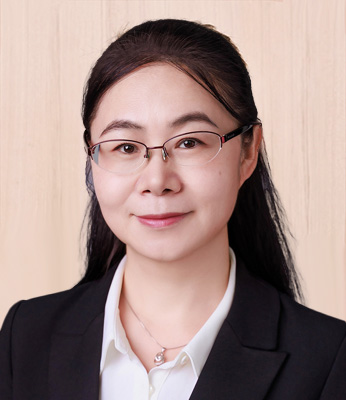
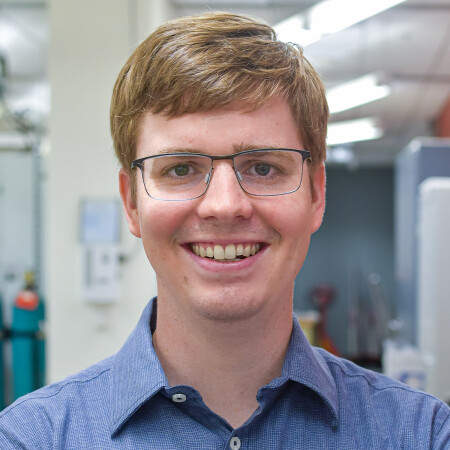
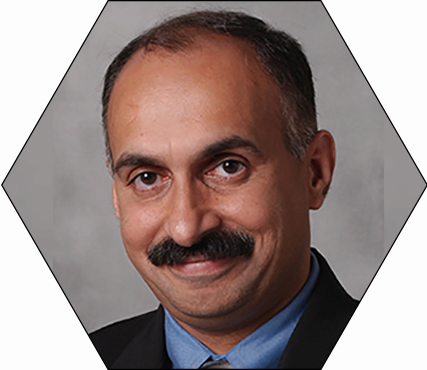
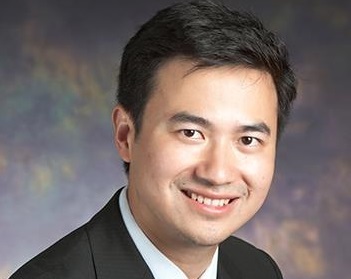
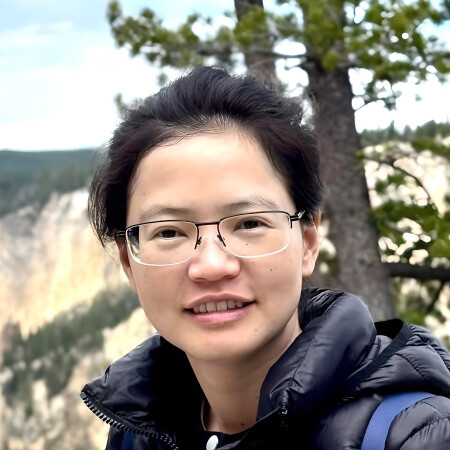
Xi Ling is an Associate Professor in the Department of Chemistry and Materials Science & Engineering at Boston University. They lead the Ling Group, which focuses on the fundamental science and applications of nanomaterials, particularly 2D van der Waals materials. Their research integrates synthesis, characterization via advanced spectroscopy, and device development for energy conversion and chemical sensing. The group utilizes facilities at the Photonics Center for cutting-edge materials analysis. Education: B.A. in Chemistry (Lanzhou University, 2007); Ph.D. in Physical Chemistry (Peking University, 2012). Research emphasizes interdisciplinary approaches to synthesize novel 2D crystals, investigate their physical properties through Raman and photoluminescence spectroscopy, and engineer flexible, transparent devices. Recent publications highlight innovations in strain engineering, ferroelectricity modulation, and exciton dynamics in materials like NiPS3 and GaSe. Students gain expertise applicable to academia and industry roles in semiconductor manufacturing, materials engineering, and instrumentation. The group’s work bridges foundational science and practical applications, addressing challenges in nanoelectronics and sustainable energy technologies.
Ruomeng Huang is an Associate Professor in the Sustainable Electronics Technologies group within the School of Electronics and Computer Science at the University of Southampton. He holds a PhD in nanoscale memristors (2015) and has been a faculty member since 2018, advancing to his current rank in 2023. His research focuses on neuromorphic computing using memristive materials, machine learning-driven nanophotonics, and energy harvesting devices. Huang has published over 100 peer-reviewed articles and leads six UKRI-funded projects, including the EPSRC-funded ADEPT initiative. Education: BSc Physics (2008), MEd (2009) in China; MSc Nanoelectronics & Nanotechnology (2010), PhD in nanoscale memristors (2015) at the University of Southampton. Research Interests : - Neuromorphic computing via novel memristor devices (SiC, mesoporous silica, chalcogenides) - Thermoelectric materials (SnSe, Bi₂Te₃) and AI-optimized generators - Deep learning for structural color design Teaching : Leads MSc programs in Electronic Engineering and Micro/Nanotechnology. Teaches undergraduate/graduate modules including semiconductor devices, nanoelectronics, and industrial studies. Grants & Projects : - EPSRC Doctoral Prize Fellowship (2015) - Co-Investigator on £6.33M EPSRC ADEPT grant (electrodeposition innovations) - PI on multiple thermoelectric and neuromorphic computing projects Students : Currently supervising 7 PhD students. Notable advisees include Aiden Graham, Jiale Zeng, and Dongkai Guo. Labs/Teams : Heads the Sustainable Electronics Technologies group, collaborating with interdisciplinary teams in nanomaterials and energy systems.
CHI Chunyan is an Associate Professor and Assistant Head (Graduate Programme) in the Department of Chemistry at the National University of Singapore (NUS), within the Faculty of Science. She holds a Ph.D. in Chemistry from the Max-Planck Institute for Polymer Research (2004) and completed a postdoctoral fellowship at the University of California, Santa Barbara (2007). Her research focuses on developing novel π-structured materials, particularly conjugated systems for organic electronics and sensors. She has pioneered studies on carbon nanobelts, aromaticity modulation, and diradicaloid molecules, with breakthroughs in synthesizing fully π-conjugated carbon nanobelts and exploring their electronic properties. Education: Ph.D., Max-Planck Institute for Polymer Research (2004) Postdoctoral Research, University of California, Santa Barbara (2007) Research Interests: Design and synthesis of π-conjugated molecules Organic electronics and sensor materials Aromaticity and diradical character in conjugated systems Novel carbon nanostructures (e.g., carbon nanobelts) Recent Research Highlights: Synthesized the first fully π-conjugated, pentagon-embedded non-alternant carbon nanobelts (2024) Explored global aromaticity in aza-superbenzene derivatives (2024) Developed covalent organic frameworks with radical sites for oxygen reduction reactions (2025) Awards & Recognition: SNIC-AsCA2019 Singapore Award for Distinguished Woman Chemist (2024) NUS Faculty Teaching Excellence Award (2023) Chemical Society of Japan Distinguished Lectureship Award (2017) Asian Core Program Lectureship Awards across multiple countries (2013–2023) Editorial Roles: Associate Editor, Organic Letters (2024–present) Editorial Board Member, Chemistry - A European Journal (2021–present) International Advisory Board Member, Journal of Materials Chemistry C (2017–present) Lab & Group: Laboratory of π-Conjugated Molecules and Materials Recruits postdocs, PhD/Master students, and visiting scholars in organic chemistry, macromolecular chemistry, and materials science Focus on translating molecular design into functional materials for electronics and energy applications
David A. Muller serves as the Samuel B. Eckert Professor of Engineering in the School of Applied and Engineering Physics at Cornell University and co-directs the Kavli Institute at Cornell for Nanoscale Science. His research group focuses on developing quantitative electron microscopy methods to understand materials properties at the atomic scale, with particular emphasis on sustainable energy applications and quantum materials. Muller's laboratory utilizes some of the world's highest resolution electron microscopes housed in specially designed, environmentally isolated rooms. Muller received his undergraduate education at the University of Sydney and earned his Ph.D. in Physics from Cornell University in 1996. Between 1997 and 2003, he was a member of the technical staff at Bell Laboratories, where he applied his expertise in imaging single atoms and atomic-scale spectroscopy to determine the physical limits of transistor miniaturization. In 2003, he returned to Cornell as a faculty member, where he has since established himself as a leader in advanced electron microscopy techniques. Muller's research spans multiple frontiers in materials science, with particular focus on understanding how electronic-structure changes at the atomic scale control macroscopic behavior in diverse systems like turbine blades, fuel cells, and transistors. His current work emphasizes the physics of renewable energy materials, atomic-scale control of materials to create electronic phases that cannot exist in bulk, and developing hardware and algorithms for 'big data' acquisition from high-bandwidth pixelated electron microscope detectors. His group's work bridges theoretical physics and experimental techniques, requiring researchers who can think in both real and reciprocal space while considering both fundamental principles and practical applications. Analysis of Muller's recent publications reveals a strong trend toward advancing electron ptychography and 4D-STEM techniques for atomic-scale imaging. His group has pioneered methods for 3D atomic-scale metrology, strain mapping, and imaging of radiation-sensitive materials. The research spans applications from semiconductor technology to quantum materials and energy storage systems, demonstrating the versatility of his microscopy approaches across multiple scientific domains. Top 100 Young Innovator by Tech Review Magazine (2003) Burton Medal from Microscopy Society of America (2006) Ernst Ruska Prize of German Society for Electron Microscopy (2021) John Cowley Medal from International Federation of Societies for Microscopy (2023) Fellow of American Physical Society Fellow of American Association for the Advancement of Science Fellow of Microscopy Society of America Muller has mentored an extensive group of students and postdocs who have gone on to successful careers in academia and industry. His former students hold faculty positions at institutions including Rice University, University of Southern California, Seoul National University, Colorado School of Mines, and the University of Michigan, among others. His research has been supported by substantial grants, including a $22.5M NSF grant that accelerates materials discovery. The Muller lab maintains close collaborations with the Kavli Institute at Cornell and PARADIM (Platform for the Accelerated Realization, Analysis, and Discovery of Interface Materials). The Muller lab operates at the forefront of electron microscopy, housing specialized instrumentation including high-resolution transmission electron microscopes in environmentally isolated rooms. The group collaborates extensively with other research teams at Cornell and worldwide, focusing on understanding materials atom by atom. Current research directions include applying machine learning to electron microscopy data analysis, developing cryogenic techniques for studying low-melting-point materials, and exploring quantum phenomena in engineered materials systems.
John M. Dallesasse is the Gregory E. Stillman Professor of Electrical and Computer Engineering at the University of Illinois at Urbana-Champaign, where he also serves as Associate Dean for Facilities and Capital Planning. He holds dual roles in academia and industry leadership, with prior experience as CTO, Vice President, and co-founder of Skorpios Technologies. His expertise spans optoelectronics, semiconductor materials, and photonic integration. Dallesasse earned his B.S., M.S., and Ph.D. from UIUC ECE in 1985, 1987, and 1991, respectively. His research focuses on III-V semiconductors, heterogeneous integration, quantum cascade lasers, and silicon photonics. He has pioneered innovations like III-V oxidation and the transistor-injected quantum cascade laser. Education: Ph.D., Electrical and Computer Engineering, UIUC, 1991 M.S., Electrical and Computer Engineering, UIUC, 1987 B.S., Electrical and Computer Engineering, UIUC, 1985 Research Interests: Compound semiconductor materials and devices Heterogeneous integration and wafer bonding Quantum cascade lasers and transistor lasers Photonic integration and silicon photonics III-Nitride devices and optoelectronics Awards: IEEE Fellow (2015) Optica Fellow (2013) Dean’s Award for Excellence in Research (2016) Advising and Labs: Leads the Advanced Semiconductor Device and Integration Laboratory Mentors undergraduate researchers in semiconductor innovation and photonics
Kyle McCall is an Assistant Professor in the Department of Materials Science and Engineering at the University of Texas at Dallas, within the Erik Jonsson School of Engineering and Computer Science. He holds a PhD in Applied Physics from Northwestern University (2019) and a B.S. in Physics and Mathematics from the University of Notre Dame (2014). He served as a Postdoctoral Research Fellow at ETH Zurich, Switzerland, from 2019 to 2021. Research Interests: Dr. McCall's research lies at the intersection of materials science, chemistry, and physics, focusing on the synthesis and characterization of complex semiconductors for energy and radiation detection applications. His group employs a materials-by-design approach to develop novel functional optoelectronic materials, particularly halide perovskites and related compounds. Key areas include crystal growth (via Bridgman method), X-ray crystallography, and the development of materials for solar cells, light-emitting devices, X-ray photodetectors, and neutron/gamma-ray scintillators. Publication Trends: His recent publications (all from 2021) highlight a strong focus on halide perovskite materials for radiation detection and optoelectronics. Themes include room-temperature gamma-ray detection, neutron imaging using luminescent materials, structural instabilities in perovskites, and optical behavior tuning via cation engineering. The work combines fundamental structure-property studies with device-relevant performance metrics. Scientific Awards and Memberships: Member, American Chemical Society (ACS) Member, Materials Research Society (MRS) Advising and Grants: As a tenure-track faculty member, Dr. McCall leads the McCall Research Group at UT Dallas, mentoring students in interdisciplinary materials research. He was part of the 2021 cohort of new tenured/tenure-track faculty at UT Dallas. While specific grants are not listed, his research program is clearly supported by institutional funding and infrastructure, including crystal growth and characterization facilities. Laboratories and Teams: He founded the crystal growth component of the ETH+ SynMatLab facility during his postdoc at ETH Zurich. At UT Dallas, he leads his own research group focused on materials chemistry and functional device integration, continuing his work on single crystal growth and optoelectronic characterization.
Charles J. Taylor is Professor of Chemistry and Chair of the Chemistry Department at Pomona College, where he has served since 2002. An analytical chemist specializing in instrumental techniques for volatile organic compound (VOC) analysis, his work bridges medical diagnostics, environmental monitoring, and chemical sensing applications. His educational background includes: Ph.D. from University of Minnesota Bachelor of Arts from Macalester College Taylor's research focuses on developing rapid diagnostic methods through VOC analysis, leveraging microhotplate arrays, Raman spectroscopy, and polymer-carbon composites. His work spans biological systems (nematode chemotaxis, wine fermentation flavor compounds) and environmental applications (trace element profiling in coffee beans). Students in his lab gain hands-on experience with advanced analytical instrumentation and multivariate data analysis. Analysis of his publications reveals consistent themes in chemical sensing materials development, with strong emphasis on microsensor arrays, NASA-collaborative electronic nose projects, and applications in medical/environmental diagnostics. His work demonstrates interdisciplinary integration of materials science, analytical chemistry, and data analysis. His scientific achievements have been recognized with: NASA Board Award for Copolymers for Sensors (2013) NASA Board Award for SO 2 Detection (2012) Provisional U.S. Patent #60/861-617 (2007) Multiple NASA Tech Brief Awards (2007) Taylor actively mentors undergraduate researchers, with students co-authoring publications on diverse projects from medical diagnostics to environmental trace analysis. His teaching includes Advanced Analytical Chemistry, Environmental Chemistry, and General Chemistry, emphasizing practical laboratory experience. Research funding has supported instrumentation development and NASA-collaborative sensor projects. His laboratory focuses on chemical sensing materials development, particularly microhotplate-based sensor arrays and VOC analysis systems, with ongoing collaborations with NASA's Jet Propulsion Laboratory for electronic nose applications and environmental monitoring solutions.
Dr. Miaoqiang Lyu is a Research Fellow at the School of Chemical Engineering , The University of Queensland . His work focuses on lead-free perovskites , flexible energy storage , and optoelectronic devices . Research Interests : Designing low-toxicity and stable semiconducting lead-free perovskites for solar energy conversion Developing flexible energy storage devices for Internet-of-Things (IoT) sensors Advancing zinc batteries and aqueous electrolyte systems Photocatalytic hydrogen production and CO2 reduction Recent Article Trends : Focus on 2D/3D heterostructures, interstitial metal doping, and solvent-engineered interfaces Applications in indoor photovoltaics, artificial synaptic functions, and wearable electronics Lead-free perovskites for resistive memory and energy storage Scientific Awards : ARC DECRA Fellow Advance Queensland Industry Research Fellow CRC for Polymers grant Supervision & Funding : Principal advisor for two PhD projects on lead-free perovskites and flexible batteries Current grants: Enabling low-toxicity perovskites for indoor photovoltaics (2026-2030), Printable zinc ion batteries (2025-2026) Labs & Collaborations : Affiliated with the Nanomaterials Centre at UQ Collaborations with Professor Lianzhou Wang , Professor Ian Gentle , and Associate Professor Ruth Knibbe
Robert M. Weikle, II is a Professor in the Charles L. Brown Department of Electrical and Computer Engineering at the University of Virginia, with a courtesy appointment in the Department of Physics. He earned his B.S. from Rice University (1986), M.S. (1987), and Ph.D. (1992) in Electrical Engineering from Caltech, followed by postdoctoral work at Chalmers University of Technology (1992). His research focuses on millimeter-wave and terahertz electronics , applied electromagnetics, integrated antennas, low-noise sensors, and heterogeneous integration of compound semiconductors. His work bridges electronics and photonics for spectrum access, with applications in astronomy, spectroscopy, and metrology. He has published extensively on micromachined silicon substrates, superconducting materials, and emerging technologies. Scientific Awards: IEEE Microwave Prize (1993) David A. Harrison III Award (1999) University of Virginia All-University Outstanding Teaching Award (2000) Edlich-Henderson Innovator of the Year (2016) Fulbright Scholar (2001) As Chief Technology Officer and co-founder of Dominion Microprobes, Inc., he commercializes micromachined wafer probes for high-frequency metrology. His lab, located in E220 Thornton Hall and the Jesse W. Beams Physics Building, has produced 15+ recent publications on submillimeter-wave devices, THz probes, and calibration techniques.
Fred A. Kish is the MC Dean Distinguished Professor and Director of the NC State Nanofabrication Facility at North Carolina State University. He holds a Ph.D. in Electrical Engineering from the University of Illinois at Urbana-Champaign (1992). His research focuses on Photonics, Optoelectronic Devices, and Compound Semiconductor Materials , with emphasis on photonic integrated circuits (PICs), quantum information science, and semiconductor material engineering. He has co-invented foundational technologies for LEDs, VCSELs, and large-scale PICs, contributing over $7B in commercialized products. His leadership includes roles at Hewlett-Packard, Agilent Technologies, and Infinera Corporation, where he pioneered optical communication systems. Dr. Kish is a Fellow of the National Academy of Inventors, Optica, and IEEE, and a member of the National Academy of Engineering. His awards include the IEEE David Sarnoff Award and the John S. Risley Entrepreneur of the Year Award. He has authored 170+ peer-reviewed publications, 135+ patents, and 5 book chapters. His current work drives advancements in wide bandgap semiconductors and photonic integration for next-generation communications and sensors. Labs/Teams: Directs the NC State Nanofabrication Facility, a hub for semiconductor innovation. Collaborates on the CLAWS Hub, a $39.4M CHIPS Act-funded regional semiconductor innovation initiative.
Suresh K. Sitaraman is a Regents' Professor and Morris M. Bryan, Jr. Professor in Mechanical Engineering at the Georgia Institute of Technology's George W. Woodruff School of Mechanical Engineering. His primary research focuses on Computer-Aided Engineering (CAE) and Design, manufacturing processes, micro/nano engineering, and mechanics of materials. He leads the Computer-Aided Simulation of Packaging Reliability (CASPaR) Lab and is involved in flexible hybrid electronics research through the Flexible Electronics Center . Dr. Sitaraman holds a Ph.D. from The Ohio State University (1989), M.A.Sc. from the University of Ottawa (1985), and B.E. from the University of Madras (1982). His research includes developing novel techniques like fixtureless magnetic actuation for interfacial fracture testing, compliant micro-scale interconnects for stress mitigation, and synchrotron X-ray diffraction analysis for through-silicon vias (TSVs). He has pioneered studies on carbon nanotube forests' mechanical properties and reliability challenges in 3D microsystems. His awards include the NSF CAREER Award (1997-2002), ASME Fellow designation (2004), and Sigma Xi Sustained Research Award (2008). He has authored over 150 publications and holds multiple patents on compliant interconnect technologies and packaging reliability solutions. Key Research Themes: Micro/nano-scale material characterization, physics-based predictive modeling, flexible electronics, 3D integration, and thermal management. Labs/Initiatives: CASPaR Lab ( caspar.gatech.edu ), Flexible Hybrid Electronics Center. Industry Impact: Contributions to semiconductor packaging, wearable electronics, and advanced manufacturing techniques.
Associate Professor Judy Hart is a materials scientist at the School of Materials Science & Engineering, UNSW Sydney , specializing in the development of semiconducting materials for renewable energy applications. Her work integrates computational (DFT) and experimental approaches to understand composition-property relationships in systems like solid solutions , heterostructures , and doped materials for photocatalysis and solar cells . She leads projects funded by ARC Discovery and Linkage grants , including work on photo-electro-catalysis systems and stabilizing ceramic materials . Education: PhD in Materials Engineering (Monash University, 2007), BEng (Materials) (Monash, 2002) Professional Experience: Senior Lecturer (UNSW, 2017–), Lecturer (UNSW, 2013–2017), University of Bristol (2007–2012) Research Interests Her research focuses on designing materials for renewable energy , particularly photoelectrochemical water splitting and organic oxidation reactions . Key areas include Density Functional Theory (DFT) , defect engineering , band gap tuning , and nanostructured materials . She investigates ferroelectric polarization effects , metal oxide heterostructures , and stability of battery components , with applications in hydrogen production , CO2 conversion , and advanced battery materials . Scientific Awards Ramsay Memorial Fellowship (University of Bristol, 2007–2009) Teaching Contributions She is co-author of the 1st Australian & New Zealand edition of "Materials Science and Engineering: An Introduction" , and teaches courses on computational materials science , corrosion-resistant surfaces , mechanical behavior of metals , and materials design .
Ehud Gazit is a distinguished Professor in the Department of Molecular Microbiology and Biotechnology at Tel Aviv University's Faculty of Life Sciences. He holds the Chair for Nano-Biology and serves as Vice President for Research and Development at Tel Aviv University. Professor Gazit has held numerous prestigious visiting appointments including at Umeå University, Fudan University, and Cambridge University. His academic journey began with a B.Sc. (summa cum laude) from Tel Aviv University's Special University Program for Outstanding Students in 1991, followed by a Ph.D. (with distinction) from the Weizmann Institute of Science in 1997, and postdoctoral training at MIT from 1997-2000. Professor Gazit's research focuses on molecular structure and self-assembly at the nano-scale, particularly examining protein folding, unfolding, and misfolding phenomena. His laboratory investigates the mechanisms and significance of protein unfolding and misfolding, with experimental systems including bacterial toxin-antidote systems, type II diabetes-related amyloidogenic proteins, and the VHL tumor suppressor protein. His work bridges fundamental biochemistry with nanotechnology applications, exploring how molecular self-assembly can be harnessed for technological innovation. His recent publications demonstrate a strong trajectory in peptide-based nanomaterials, with particular emphasis on amyloid formation mechanisms, peptide self-assembly for functional materials, and therapeutic applications targeting neurodegenerative diseases. His work spans multiple disciplines including biochemistry, nanotechnology, materials science, and biomedical engineering, showing increasing integration of fundamental research with practical applications. Professor Gazit has received numerous prestigious awards including: 2020 Landau Prize in Sciences and Arts in the Field of Healthy Aging 2019 Rappaport Prize for Excellence in Biomedical Research 2018 Foreign Fellow of the National Academy of Sciences, India 2016 ERC Advanced Grant from the European Research Council 2015 Elected Member of the European Molecular Biology Organization (EMBO) Professor Gazit has been actively involved in mentoring students and researchers, as evidenced by his extensive publication record with numerous collaborators. He has secured significant research funding including an ERC Advanced Grant. His professional activities include editorial board memberships for journals including Journal of Peptide Science, Nanoscience & Nanotechnology - Asia, and Amyloid. He previously served as Chief Scientist of the Ministry of Science and Technology (2012-2014). His laboratory has developed innovative approaches to studying molecular self-assembly, with particular expertise in peptide nanostructures. The research team has made significant contributions to understanding amyloid formation mechanisms while simultaneously developing novel biomaterials with applications ranging from electronics to medicine. They have established strong collaborations with research groups worldwide, creating a dynamic interdisciplinary research environment focused on the intersection of biology and nanotechnology.
Songbin Gong is an Associate Professor in the Department of Electrical and Computer Engineering at the University of Illinois at Urbana Champaign, where he has been a faculty member since August 2013. He was promoted from Assistant Professor to Associate Professor in August 2019 and holds the Intel Alumni Fellowship. His research is centered at the Micro and Nanotechnology Lab, where he leads the Integrated RF Microsystems research group. Professor Gong's research focuses on RF and microwave photonics, microwave acoustics, and Micro-Electro-Mechanical Systems, with particular expertise in lithium niobate-based devices. His work spans the development of acoustic resonators, filters, and transducers operating from VHF to Sub-THz frequencies. Recent publications demonstrate significant advances in high-frequency acoustic devices, including GHz resonators with high electromechanical coupling and low loss characteristics. His research has direct applications in 5G communications, wireless sensing, and imaging systems. Gong has established himself as a leader in the field of RF MEMS and acoustic devices, with numerous high-impact publications in top journals including IEEE Transactions on Microwave Theory and Techniques, Journal of Microelectromechanical Systems, and Optics Express. His work shows a clear progression toward higher frequency operation, improved device performance, and novel integration approaches for next-generation communication systems. Among his notable achievements is the development of thin-film lithium niobate devices that overcome traditional frequency limitations of MEMS resonators, enabling operation beyond 10 GHz. This work addresses critical challenges in 5G and future wireless technologies where conventional approaches face scaling limitations. IEEE Ultrasonics Early Career Investigator Award DARPA Young Faculty Award 2014 NASA Early Career Faculty Award 2017 Intel Alumni Fellow 2017-present Multiple Best Paper Awards at major conferences including International Ultrasonic Symposium and International Microwave Symposium Professor Gong actively mentors graduate and undergraduate students, with several of his PhD students achieving notable success, including Ruochen Lu who joined UT Austin as a tenure-track assistant professor. His research group has secured significant funding from agencies including DARPA and NASA, supporting cutting-edge work in RF microsystems. The group maintains strong industry connections, particularly with Intel, reflecting the practical relevance of their research to commercial communication technologies. The Gong Research Group leverages micro/nano electro mechanical systems (N/MEMS), integrated photonic, and compound semiconductor technologies to develop chip-scale hybrid microsystems for RF communication, sensing, and imaging applications. Their current work focuses on pushing the boundaries of acoustic device performance while maintaining compatibility with standard semiconductor manufacturing processes.
Mengke Liu is an Assistant Professor in the Department of Physics at the School of Natural Sciences and Mathematics, University of Texas at Dallas. They lead the Liu Quantum Matter Lab, focusing on experimental studies of quantum materials through advanced techniques like ultra-low temperature scanning tunneling microscopy (STM) and 2D transport measurements. Their research aims to uncover novel quantum phenomena and advance quantum technologies. Their research interests span quantum materials , with particular emphasis on topological insulators , strongly correlated electron systems , 2D semiconductors , and magnetic heterostructures . The lab explores fundamental interactions in exotic materials such as MnBi2Te4, Fe3GeTe2, and NbSe2 monolayers, combining experimental precision with theoretical insights. Recent publications highlight investigations into Dirac mass gaps , Kondo effects , and charge density waves in van der Waals systems. Their work demonstrates technical mastery in molecular beam epitaxy (MBE) and nanojunction fabrication , with recurring themes of defect control and quantum confinement shaping material properties. The Liu Quantum Matter Lab actively mentors students and maintains a collaborative environment with access to state-of-the-art cryogenic and high-field instrumentation. They offer postdoctoral opportunities focused on experimental innovation in quantum material characterization.