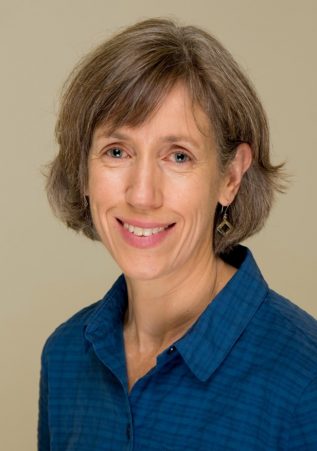
Patty Oikawa is an Assistant Professor in the Department of Earth & Environmental Sciences at California State University, East Bay (CSU East Bay). Her research focuses on nutrient cycling and climate change, particularly examining how wetland restoration in the Bay Area and Sacramento Delta can mitigate climate change. She joined CSU East Bay in 2016 after a postdoctoral position at UC Berkeley. Her work integrates field measurements and biogeochemical modeling to assess greenhouse gas emissions and ecosystem carbon balances. Key research projects include: A network of North American tidal wetlands (NATURA) using eddy covariance towers, such as the Eden Landing Ecological Reserve site in South San Francisco Bay. Development of the PEPRMT model for predicting carbon and methane budgets in wetlands, now approved for carbon offset markets. Investigating compost amendment impacts on rangeland carbon sequestration and water budgets at CSU East Bay's Concord Campus field station. Collaborations with the Berkeley Biometeorology Lab on Sacramento-San Joaquin Delta restoration and carbon sequestration potential. Her teaching emphasizes hands-on learning with active group work and field data collection. She actively mentors students interested in biogeochemical measurements and lab research. Current projects include the California Soil Carbon Accrual Project (funded by UC Office of the President), exploring regenerative agriculture's impacts on soil health and carbon sequestration.
Dorcas H. Franklin is a Professor in the Department of Crop & Soil Sciences at the University of Georgia's College of Agricultural and Environmental Sciences (CAES). Her research focuses on sustainable nutrient management, water quality, and agroecosystem resilience. She leads projects on nutrient movement in soil and landscapes, participatory programs with producers to improve soil and water health, and the development of decision tools for efficient nutrient use. Her work also addresses climate change impacts, including vulnerability assessments for phosphorus loss and strategies to enhance soil biodiversity. Dr. Franklin’s research integrates spatial analysis of nutrient dynamics, geomorphic influences on watershed vulnerability, and innovative practices like cover cropping, strategic grazing, and GPS-based cattle management. She has contributed to the SERA 17 Phosphorus Management Workgroup and collaborates with farmers, educators, and researchers to balance environmental and agricultural productivity goals. Her efforts include developing bio-inoculants to improve nutrient availability from manures, reducing nitrogen losses during composting, and designing mixed forage systems to enhance carbon sequestration and nutrient recycling in pastures.
Professor Youbin Zheng is a leading academic at the University of Guelph, specializing in controlled environment agriculture and environmental horticulture. His work focuses on optimizing plant production in greenhouses, indoor facilities, and urban settings while advancing sustainable green infrastructure solutions. He holds a Ph.D. in Plant Physiology and Biochemistry from Newcastle University, UK, and has extensive international research experience across Canada, Japan, Britain, and China. Key affiliations include Vice President roles in the Canadian Society for Horticultural Science and leadership in the International Society for Horticultural Science’s Composting Workgroup. His research integrates plant science with technological innovation, addressing challenges in cannabis production, LED lighting applications, and substrate development for green roofs and urban agriculture. Current projects funded by NSERC, OCE, and industry partners explore efficient cannabis cultivation, LED spectral optimization, and eco-friendly substrates. Professor Zheng emphasizes graduate student training in both technical and interpersonal skills, preparing them for roles in academia, industry, or government. His lab’s innovations include the Greenhouse and Nursery Water Treatment System and the Fertilizer Guide for Container Plant Production. His interdisciplinary approach bridges fundamental plant biology with applied horticultural practices, aiming to enhance agricultural productivity and environmental sustainability. Awards and recognitions are not explicitly listed, but his extensive publication record and industry collaborations highlight his impactful contributions. The lab is located in Guelph’s Bovey Building, reflecting his active engagement in hands-on research and innovation.
Dr. Thi Thanh Hue Ngo serves as a Grant-Funded Researcher (A) within the Agricultural Science unit at the University of Adelaide's Waite campus, Prescott Building Room 3. Her research centers on sustainable agricultural systems with emphasis on plant-soil-microbe interactions and nutrient management. Her primary research domains include Agricultural Science, Plant Nutrition, Soil Science, and Mycorrhizal Symbiosis, investigating how nitrogen/phosphorus sources, organic amendments, and soil moisture conditions affect crop growth and soil health. Current work focuses on optimizing fertilizer formulations while maintaining beneficial microbial associations in tomato production systems. Analysis of her 2016-2023 publications reveals consistent investigation of fertilizer-plant-soil interactions, particularly examining how different phosphorus sources, compost applications, and residue management practices influence nutrient cycling, microbial activity, and crop productivity in sustainable agricultural frameworks. As a grant-funded researcher, Dr. Ngo actively secures external research funding for her projects. Her directory listing indicates no formal advisory roles, with research conducted through institutional affiliations at the Waite campus research facilities.
Dr. Nana Yaw O Kusi serves as an Extension Agronomist at South Carolina State University within the 1890 Research and Extension program, focusing on Sustainable Agriculture and Natural Resources. Since joining SC State in May 2022, he has advanced agricultural practices for South Carolina farmers through research-driven extension services targeting crop productivity, soil health, and sustainability. His academic credentials include: Ph.D. in Plant and Soil Science from Texas Tech University (2019) M.S. in Agronomy from the University of Wyoming (2015) B.S. in General Agriculture from Kwame Nkrumah University of Science and Technology, Ghana (2011) Dr. Kusi's research centers on soil fertility and nutrient management, with specialized investigations into chickpea cultivation as an emerging crop for farm diversification, soil carbon sequestration techniques, and climate-resilient agricultural systems. His extension work prioritizes regenerative practices and high tunnel production for underserved farming communities, addressing economic viability and resource optimization challenges. Analysis of his 12 publications (2013-2023) reveals consistent focus on nutrient management across cotton, sugarbeet, and alfalfa systems, emphasizing practical fertilizer applications and soil amendment strategies. His interdisciplinary contributions include pioneering portable X-ray fluorescence (PXRF) methodologies for rapid assessment of compost quality, soil salinity, and elemental composition in environmental matrices. Through his extension role, Dr. Kusi provides critical technical guidance to limited-resource and socially disadvantaged farmers across South Carolina, with specialized expertise in high tunnel crop production and climate adaptation. He actively supports beginner farmers, veterans, and ranchers in establishing viable agricultural enterprises, translating research into actionable field practices through farmer field days and professional conferences including ASA/CSSA/SSSA Annual Meetings.
Dr. May Sule is a Lecturer in Water, Sanitation and Hygiene at the Cranfield Water Science Institute, Cranfield University, where she also serves as Director of the Enhanced Delivery Programme and Course Director for the Water and Sanitation for Development MSc. Her work bridges environmental engineering, public health, and sustainable development, with a focus on water security and neglected tropical diseases in low-income regions. Her research interests include: Water, Sanitation and Hygiene (WASH) systems Climate-resilient water infrastructure Schistosomiasis and disease ecology Integrated water resources management Behavior change and stakeholder engagement Equity and policy communication in WASH Dr. Sule’s recent publications reflect a strong trend in interdisciplinary research, combining environmental science, public health, and systems thinking to address urban WASH failures in Sub-Saharan Africa, groundwater risks in East Africa, and innovative behavior change strategies for disease control. Her work frequently employs systematic reviews, qualitative studies, and field-based interventions. Her scientific contributions are supported by active grant funding from NERC/UKRI, EPSRC, and Cranfield University, with projects focused on schistosomiasis control, vermifilter toilets, and integrated water policy. She mentors research students and supports postdoctoral fellowship applications. She has held prior research roles at Imperial College London and the University of Oxford on DFID, GCRF, and FCDO-funded programs. She holds a PhD in Environmental Engineering from Imperial College London. Dr. Sule is actively involved in: Supervising PhD and MRes students Leading the Planetary Health and Public Health modules Collaborating with international partners (Stanford, Swiss TPH, African institutions) Communicating science via blog, Twitter, and public engagement
Dr. Anna Colin is Programme Director of the MFA Curating program at Goldsmiths, University of London, where she serves as a Lecturer in the Department of Art. With over twenty years of experience as a curator working both freelance and institutionally, her practice spans curatorial, pedagogical, social, and ecological fields. She has held significant positions including associate curator at Lafayette Anticipations in Paris (2014-2020), associate director of Bétonsalon – Centre for art and research in Paris (2011-2012), and curator at Gasworks, London (2007-2010). She co-curated British Art Show 8 (2015-2016) and has worked with numerous international institutions including CA2M in Madrid, Whitechapel Gallery in London, and Contemporary Image Collective in Cairo. PhD, School of Geography, University of Nottingham (2022) Permaculture Design Certificate, Permaculture Association UK (2024) Level 2 Practical Horticulture Certificate, Royal Horticultural Society (2022) MA Curating Contemporary Art, Royal College of Art (2005) BA Arts Management, London Southbank University (2003) Dr. Colin's research interests focus on the intersection of art, ecology, and alternative educational models. Her work explores how cultural practitioners can engage with human and non-human ecosystems, examining holistic and intersectional organizational models that resist chrononormativity. She investigates sustainability as a dynamic, cyclical process rather than a product-oriented goal, drawing inspiration from ecology, agroecology, and arboriculture to reconceptualize art institutions' relationship to waiting, slowness, rest, and longevity. Her current research examines regenerative artistic, curatorial, and institutional practices that serve ecosystems, with particular attention to the Black Atlantic, agricultural and digital commons, and colonialism's impact on the natural environment. Analysis of Dr. Colin's recent publications reveals a consistent thematic focus on ecological approaches to art and institutions, with increasing emphasis on practical applications of ecological principles. Her work demonstrates a clear trajectory from examining alternative educational spaces (as in her PhD research on multi-public educational and cultural spaces) toward developing concrete ecological frameworks for cultural institutions. The publications show growing integration of horticultural knowledge with curatorial practice, particularly evident in projects like 'Chaleur Humaine' and 'ĝardeno paradizo' which combine energy studies with landscape design and community engagement. Dr. Colin welcomes doctoral applicants seeking to work in cultural production at the service of ecosystems, regenerative artistic practices, alternative institutional models, and critical pedagogies. She has supervised numerous curatorial projects and community-based initiatives through Open School East, which she co-founded in 2013 as an alternative art school and community space in London and later Margate. Her collaborative approach extends to working with artists, horticulturalists, and community groups on projects that integrate art with practical ecological interventions. Dr. Colin has established several significant collaborative spaces and research groups, most notably Open School East which operated for eight years under her directorship. Her work with the Centre for Art and Ecology at Goldsmiths demonstrates her commitment to developing institutional frameworks that support ecological thinking in the arts. Current projects include 'The Ecosystemic Clock' research initiative exploring non-linear time in ecological contexts and 'ĝardeno paradizo,' a pedagogical and landscaping project in Sète, France that rehabilitates outdoor spaces to accommodate biodiversity and community needs.
Katherine Alaimo is an Associate Professor at Michigan State University's College of Agriculture & Natural Resources , directing the Sustainable Agriculture and Food Systems Minor and Specialization. She works in the Department of Food Science and Human Nutrition , focusing on nutritional epidemiology and community-based participatory research. PhD in Community Nutrition (minor fields: Epidemiology and Government/Ethics), Cornell University, 2000 MS in Community Nutrition, Cornell University, 1997 BS with Honors in Nutritional Sciences, Cornell University, 1991 Her research explores food justice , urban agriculture , school nutrition policies , and pro-environmental behaviors . Recent publications examine compost amendments' microbial impacts, pandemic gardening trends, and randomized trials on community gardening's health benefits. Key article trends include interdisciplinary studies of soil-human microbiome interactions , behavioral interventions in schools , and social-emotional wellbeing through gardening . She contributes to journals like Lancet Planetary Health and Urban Forestry & Urban Greening . She teaches courses including HNF 150 – Introduction to Human Nutrition and CSS 826 – Sustainable Agriculture Capstone Seminar . Her outreach includes the Community Activation for Prevention Study and Keep Growing Detroit Storytelling Project .
Nabla Kennedy is a Lecturer in Microbiology within the Department of Science at South East Technological University (SETU), where she has been a faculty member since 2013. She is affiliated with the Eco Innovation Research Centre and actively contributes to research in environmental microbiology and sustainable agricultural practices. Research Interests: Her research focuses on the role of microbes in environmental processes, including soil ecosystems, waste composting, and anaerobic digestion. She investigates microbial ecology, particularly fungal and bacterial contributions to nutrient cycling, the response of microbial communities to environmental disturbances, and the application of molecular ecology tools for environmental monitoring. She also employs statistical methods for analyzing multivariate community data. The recent publications highlight consistent work in biofertilisation using anaerobic digestates , examining their effects on soil microbial communities, plant growth (particularly ryegrass and clover), and soil nutrient dynamics. Her work bridges microbiology, agronomy, and environmental engineering, emphasizing sustainable alternatives to chemical fertilisers. Scientific Activities and Affiliations: Member, COST Action 22142: Beneficial root-associated microorganisms for sustainable agriculture (ROOT-BENEFIT), 2023–2027 Member, EU-CONEXUS (EU-CONEXA), from 2024 Research Supervision and Funding: She has supervised postgraduate research, including PhD-level work funded by the CNPq PhD Scholarship. She has led two major research projects: one on plant growth stimulation by digestate fertilisers and another on monitoring ammonia contamination in groundwater using bioremediation techniques. Her work has been cited in policy sources and widely read in academic networks like Mendeley. Laboratory and Research Group: Based in the Eco Innovation Research Centre at SETU, her research group focuses on microbial community analysis in agricultural and waste systems, applying molecular and statistical tools to real-world sustainability challenges.
Christian Zafiu is an Assistant Professor at the Institute for Waste and Circular Economy, Department for Landscape, Water and Infrastructure, University of Natural Resources and Life Sciences, Vienna (BOKU). His research focuses on waste forensics, plastics, microplastics, compost, biogenic waste, and nanomaterials, with applications in environmental technology and recycling. He leads multiple research projects funded by the EU, national agencies, and industry partners. Education: PhD in Chemistry, University of Vienna (2007–2011) MSc in Chemistry, University of Vienna (2000–2006) His research spans waste analysis, circular economy, and environmental forensics, with a strong emphasis on microplastics in compost and soil, biodegradable plastics, and advanced analytical methods like fluorescence microscopy and XRF. He has contributed significantly to understanding plastic pollution and sustainable waste management practices. The recent publications reflect a consistent trend in environmental analysis of waste streams, particularly focusing on microplastics, compost quality, and innovative recycling technologies. His work integrates analytical chemistry, environmental engineering, and policy-relevant assessments. Scientific Awards: Matsumae International Fellowship (2014) Christian Zafiu actively supervises master’s theses and engages in knowledge transfer through lectures, public presentations, and media contributions. He has led and participated in numerous research projects, including EU-funded initiatives on biogas and resource recovery. His community service includes serving as Vice President of the Bündnis Mikroplastikfrei and as a reviewer for multiple scientific journals. He is involved in interdisciplinary research teams focusing on waste characterization, circular economy, and environmental safety. His work often collaborates with institutes across BOKU and international research centers.
Nancy C. Hinkle is a Professor in the Department of Entomology at the University of Georgia , associated with the College of Agricultural & Environmental Sciences. As the Extension Veterinary Entomologist for Georgia, her work focuses on research and public education about domestic and companion animal ectoparasites, particularly pests linked to confined animal production systems. Her research integrates a multi-disciplinary approach , collaborating with agricultural engineers, animal scientists, waste management experts, and sociologists to address entomological challenges in livestock and poultry systems. Key research areas include insecticide resistance in veterinary pests, biological control , cultural techniques , and insecticide resistance management to develop ecologically sound pest control strategies. She emphasizes innovative delivery systems for insecticides and biological controls, ensuring compatibility with modern animal husbandry practices. The articles in her record reflect expertise in cat fleas , poultry pests , Salmonella transmission , and insecticide susceptibility testing . Themes span insect physiology , urban pests , and public health implications of entomological issues. Her work addresses both basic biological understanding and applied control methods for pests affecting domestic animals and humans.
Professor Phil Longhurst is a faculty member at Cranfield University, holding the Chair of Environment and Energy Technology in the School of Water, Energy & Environment . He leads the Centre for Renewable and Low Carbon Energy and serves as Director of Partnerships, bridging academia with industry and government clients. His academic background includes a PhD in Innovation & Technology Assessment, a degree in Design and Technology, and a B.Ed. (Hons). Prior to academia, he worked in the furniture industry and trained as a Design and Technology educator, developing educational wind tunnel demonstrators. His research focuses on waste management innovation , including material recovery from waste streams, energy-from-waste applications, and pollution prevention. Key projects involve risk assessments for agricultural use of composts (PAS100) and anaerobic digestates (PAS110), trace metal recovery from contaminated land, and systems modeling for waste minimization and net-zero transitions. He has pioneered methods like mechanical-biological treatment (MBT) of solid waste and solid recovered fuels (SRF) quality analysis. Professor Longhurst collaborates with major institutions such as EPSRC, NERC, Defra, BEIS , and industrial partners like Viridor, Biffa, Boeing . He teaches in Energy, Environment, and Agrifood themes while supervising doctoral researchers. Recent work includes contributions to HM Treasury’s Infrastructure study via the Engineering Interdependencies Expert Group (EIEG) and developing short courses on biowaste regulation and odour control. His research emphasizes cross-sector collaboration, environmental policy implementation, and transitioning energy systems to net-zero. Clients span government departments (e.g., HM Treasury, UK Water Industry Research), NGOs, and commercial sponsors. Phil has also evaluated methane diffusion dynamics in coal gasification and pioneered neural network-based approaches for solar PV adoption modeling.
Apostolos Giannis is an Associate Professor in Municipal and Hazardous Solid Waste Management at the Technical University of Crete. His research focuses on waste-to-energy conversion, sewage sludge treatment, hazardous waste management, and circular economy approaches. Dr. Giannis leads the Toxic and Hazardous Waste Management Laboratory and serves in editorial roles for several journals including Waste Management and Journal of Environmental Chemical Engineering. His recent research explores: Advanced chemical looping combustion techniques for waste conversion Hydrometallurgical recovery of valuable metals from e-waste Catalytic plastic recycling processes Life cycle assessment of waste management systems He has received multiple distinctions including Top Cited Paper award and Marie-Curie Fellowship. Dr. Giannis currently supervises three PhD students and teaches undergraduate courses on solid waste management, hazardous waste treatment, and environmental technologies.
Ellen Mallory is a Professor of Sustainable Agriculture and Extension Specialist at the University of Maine's School of Food and Agriculture. She holds a Ph.D. in Ecology and Environmental Sciences (2007) from the University of Maine, alongside two M.S. degrees in Agronomy and Land Resources from the University of Wisconsin (1994), and a B.S. in Biology from Swarthmore College (1987). Her research focuses on sustainable agriculture, including grain/pulse/oilseed production, organic soil fertility systems, and PFAS contamination mitigation. She also coordinates the USDA Sustainable Agriculture Research and Education (SARE) program in Maine. Her work bridges research, extension, and farmer collaboration to address climate resilience, soil health, and organic farming challenges. Professional development programs for agricultural service providers are a key component of her outreach efforts. Education: Ph.D., Ecology and Environmental Sciences, University of Maine (2007) M.S., Agronomy, University of Wisconsin (1994) M.S., Land Resources, University of Wisconsin (1994) B.S., Biology, Swarthmore College (1987) Research Interests: Biologically-based soil fertility systems Organic and conventional crop production strategies PFAS uptake dynamics in agricultural crops Small grain, pulse, and oilseed market integration Professional Contributions: Maine State Coordinator for Northeast SARE Joint appointment with UMaine Extension and School of Food and Agriculture Member of American Society of Agronomy and Soil Science Society of America Labs/Teams: Active in UMaine Extension Grains & Oilseeds program and Northeast SARE initiatives.
Carolyn Zeiner is an Assistant Professor in the Biology Department at the University of St. Thomas. She holds a PhD from Harvard University, MS from Cornell University, and BS from Bucknell University. Her research focuses on microbial processes in environmental systems, with particular emphasis on fungal contributions to biogeochemical cycles. Her research investigates environmental microbiology through the lens of microbial metabolism and community dynamics. Primary interests include: Microbial carbon cycling in soils and impacts on global change Microbe-mineral-metal interactions during decomposition Metabolite-mediated community dynamics Proteomic and bioinformatic approaches to microbial ecology Her publications consistently explore fungal-mediated biogeochemical transformations, particularly manganese oxidation pathways and carbon utilization strategies across diverse Ascomycete fungi. Recent work expands into urban agricultural systems and long-term soil amendment studies. Dr. Zeiner leads the Zeiner Lab where she investigates microbial processes at molecular scales using advanced proteomic techniques. Current projects examine soil microbial responses to organic amendments in urban gardens and mechanistic studies of fungal metal oxidation.