
Jan Bertil Andersson is a Professor in Private Law and Business Organizations at Stockholm University's Department of Law. With extensive expertise in company law and corporate governance, he has made significant contributions to European corporate legislation and harmonization efforts. His research focuses primarily on European company law, with particular emphasis on minority shareholder protection, sustainable business practices within Swedish legal frameworks, and corporate governance structures. His work bridges theoretical legal concepts with practical applications in business organizations. Professor Andersson has been instrumental in developing the European Model Company Act (EMCA), contributing to harmonization efforts across European jurisdictions. His research on Scandinavian company law experiences offers valuable insights for European regulatory frameworks. He has received significant scholarly attention for his work, with his EMCA paper alone garnering over 7,000 downloads. His publications span topics including shareholder rights, board nomination procedures, and exit mechanisms in private companies.
جستوجوی استاد و پژوهشگر
استاد راهنما، استاد دانشگاه یا پژوهشگر مناسب برای مسیر پژوهشیتان را پیدا کنید و با او ارتباط بگیرید.
نمایش ۷۳۶-۷۵۰ از ۲٬۷۸۲ استاد راهنما
اطلاعات این پروفایلها از صفحات عمومی دانشگاهها جمعآوری شده و ممکن است بهروز نباشد.
Anatoly Belonoshko is Professor in Theoretical Physics specializing in condensed matter theory at KTH Royal Institute of Technology. His research investigates material behavior under extreme pressures and temperatures, particularly in planetary cores, using advanced supercomputer simulations. Research focuses on: Earth's core composition and dynamics Phase transitions at extreme conditions High-pressure melting behavior Exoplanetary interiors Recent work has resolved longstanding questions about Earth's solid iron core despite extreme heat, while developing new computational methods for materials simulation. Publications utilize cutting-edge facilities like X-ray free-electron lasers to validate theoretical models. Research contributes to climate science through extreme-condition studies and enables new materials development by predicting stability under extraordinary parameters.
Eleanor Rowمشاهده پروفایل
پژوهشگر
Eleanor Row is a Researcher affiliated with the School of Electronic Engineering and Computer Science at Queen Mary University of London. Her work focuses on leveraging generative models to support music composition, particularly through AI-driven creativity tools. She leads the project Automatic micro-composition for professional/novice composers using generative models as creativity support tools , aiming to develop systems that assist composers in filling creative gaps via user-defined constraints. Her research intersects music technology, artificial intelligence, and human-centered design. Key contributions include exploring transformer-based music overpainting for jazz piano variations and creating the JAZZVAR dataset to study musical variations in jazz performances. Her publications highlight advancements in AI applications for music composition, emphasizing user-centric design principles and computational methods in creative domains.
Javier Carrasco Rodriguez is a Group Leader at CIC energiGUNE, leading the Atomistic Modelling and Computational Studies group since 2013. His research focuses on computational modeling for energy storage materials, including batteries and fuel cells. He holds a PhD from Universitat de Barcelona (2006) and has held fellowships at the Fritz Haber Institute (Max Planck Society), University College London, and the Instituto de Catálisis y Petroleoquímica. His expertise spans density functional theory (DFT), first-principles simulations, and machine learning for materials discovery. Research interests include solid-state electrolytes, ion transport mechanisms, and high-throughput screening of battery materials. He has contributed to over 100 publications and holds patents on solid electrolyte compositions. Awards include the Lee Hsun Young Scientist Lecture Series Award (2019). His work bridges theoretical chemistry, solid-state physics, and engineering to advance sustainable energy technologies. Education: PhD in Chemistry, Universitat de Barcelona (2006); Alexander von Humboldt Fellow (2007–2009), Newton International Fellow (2009–2011), Ramón y Cajal Fellow (2011–2013). Research Themes: Electrochemical energy storage (batteries, solid-state electrolytes), computational modeling of materials, nanoscale ion dynamics, and application of machine learning to accelerate discovery. Key Contributions: Development of atomistic models for Li-ion and Na-ion battery materials, computational screening of fast-ion conductors, and elucidation of interfacial phenomena in solid-state batteries. His group also explores novel electrolyte designs and phase transformations in electrode materials. Grants & Collaborations: Leads projects like HELENA (solid-state battery innovation) and ADEL (high-throughput screening). Collaborates globally with institutions like CICECO Aveiro and CSRC. Labs/Teams: Directs the Modelling and Computational Simulation team at CIC energiGUNE, specializing in multi-scale simulations and data-driven materials science.
Marios Theofanous is an Associate Professor in Structural Engineering at the University of Birmingham's Department of Civil Engineering within the School of Civil Engineering. His expertise spans experimental and numerical analysis of steel, stainless steel, and high-strength steel structures at cross-sectional, member, and system levels. He also focuses on FRP-strengthened concrete structures, structural fire engineering, and semi-rigid connections. Education: PhD in Structural Engineering (Imperial College London, 2010) MSc in Structural Steel Design & Business Management (Imperial College London, 2006) Dipl. Ing. in Civil Engineering (Aristotle University of Thessaloniki, 2005) Research Interests: Experimental and numerical analysis of structural steel systems Stainless steel and high-strength steel structural behavior FRP-strengthened concrete rehabilitation Structural fire safety and fire engineering principles Bolted connection mechanics and semi-rigid behavior Seismic design methodologies for metallic structures Recent Research Trends: Recent publications (2021-2025) focus on hybrid steel-stainless steel cross-sections, bolted connection performance under cyclic loading, and corrosion effects in bimetallic systems. There's emphasis on high-strength steel retrofits, aluminum structural sections under biaxial loading, and numerical modeling of fracture mechanics in steel components. Awards & Reviews: Serves as reviewer for Thin-Walled Structures , International Journal of Steel Structures , and Open Journal of Civil Engineering . No specific named awards listed. Advising & Grants: Indicates willingness to supervise PhD/MSc students in structural fire engineering, stainless steel robustness, deformation-based seismic design, and FRP-strengthened systems. No grant details provided in text. Labs & Teams: Collaborates with international teams (e.g., Japanese, German researchers) on steel structural behavior studies but no specific lab affiliations mentioned.
Gunnar Tibertمشاهده پروفایل
دانشیار
Gunnar Tibert is an Associate Professor at KTH Royal Institute of Technology's School of Aerospace, Moveability, and Naval Architecture. He specializes in deployable structures for aerospace applications, with a focus on bistable composites, tensegrity systems, and space deployment mechanisms. His roles include examiner and course responsible for courses like Spacecraft Dynamics and Project in Aerospace Engineering . Education: Ph.D. in Deployable Tensegrity Structures for Space Applications (KTH, 2002), Licentiate in Numerical Analyses of Cable Roof Structures (KTH, 1999). Research Interests: Structural dynamics, composite materials, space system design, and vibration suppression in deployable systems. His work spans both peer-reviewed articles and experimental studies, including sounding rocket experiments for space web deployment. Recent publications focus on planetary sunshade systems for climate engineering, metamaterials for vibration control, and additive manufacturing in satellite components. He collaborates on projects like the Suaineadh space web experiment and B2D2 composite boom deployment. Notable contributions include form-finding methods for tensegrity structures and material characterization for bistable tape springs. His research combines experimental testing, numerical simulations, and aerospace engineering principles to advance deployable space technologies.
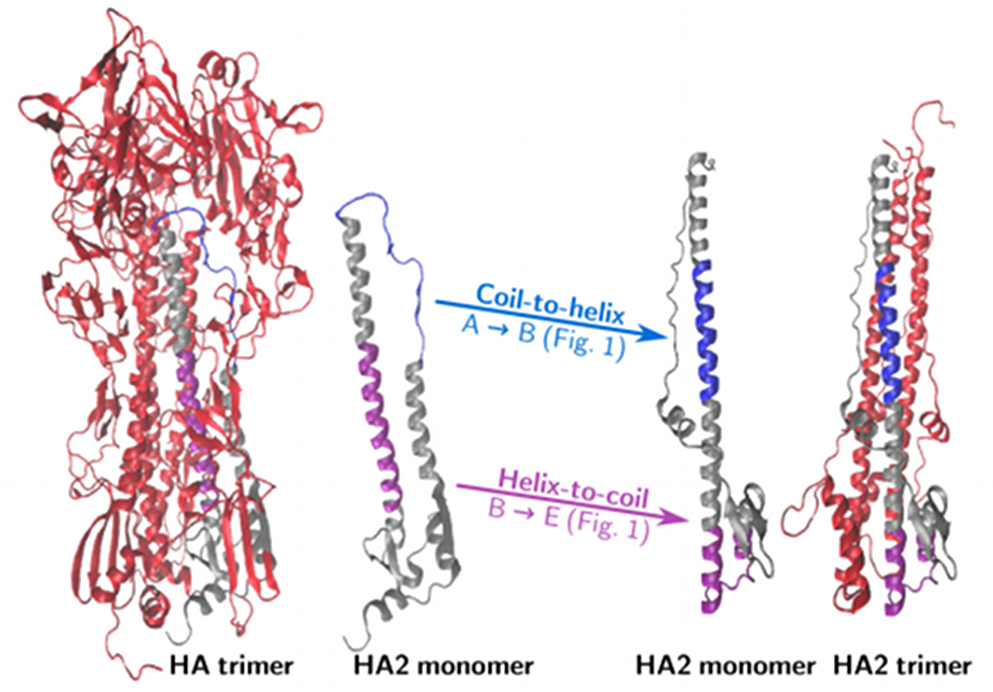
Prof. Dr. Ir. Erik van der Giessen is a Professor at the University of Groningen, leading the Micromechanics group within the Zernike Institute for Advanced Materials. His research spans multiple disciplines including mechanical engineering, materials science, biophysics, and computational modeling, with a focus on mechanical behavior at micro and nanoscales. Van der Giessen's research primarily focuses on three interconnected areas: biophysics (particularly nuclear pore complex and cellular mechanics), discrete dislocation plasticity, and polymer blends and nano-composites. His work in biophysics, conducted in collaboration with the Onck group, investigates fundamental cellular processes including transport through the nuclear pore complex, cytoskeleton structure-property relations, protein aggregation in neurodegenerative diseases, and viral fusion mechanisms. His discrete dislocation plasticity research provides size-dependent descriptions of plastic deformation at microscales, studying phenomena in thin films, micro/nano pillars, surface contact and friction, and fracture processes. His polymer research examines deformation mechanisms and fracture processes in polymer composites with micrometer or nanometer fillers. A common theme across all research areas is size dependence, with the principle that "smaller is harder" in mechanical behavior at reduced scales. The group employs computational techniques including molecular dynamics, dislocation dynamics, Monte Carlo methods, and finite element methods. Recent publications (2022-2025) show continued innovation in applying machine learning to materials science, investigating nuclear transport mechanisms in neurodegenerative diseases, and advancing fundamental understanding of size effects in mechanical properties. Van der Giessen has mentored numerous PhD students who have established successful academic careers, including L. Nicola (University of Padova), S.S. Shishvan (University of Tabriz), and H. Song (Johns Hopkins University). His research has been supported by various national and international collaborations, including significant work with Harvard University researchers on thin film mechanics. The Van der Giessen group maintains strong interdisciplinary connections, creating a research environment that bridges engineering, physics, and biology. Their computational approaches have provided physical understanding for size effects observed in experiments and have generated predictive models for various mechanical phenomena at micro and nanoscales.
- Constitutional Law
- Insurance Law
- Civil Procedure
- +۳ مورد دیگر
Kenneth S. Klein is a Full Professor at the California Western School of Law, specializing in constitutional law, insurance law, and civil procedure. His research critically examines the intersection of legal systems with societal challenges, particularly focusing on the Seventh Amendment, insurance adequacy in natural disasters, and judicial legitimacy. He has contributed widely to law reviews and scholarly journals, addressing topics ranging from jury reform to the implications of climate change on homeowner insurance. His work on the Seventh Amendment explores historical interpretation and modern legal applications, while recent publications highlight the urgent need to address homeowner underinsurance exacerbated by climate disasters. Klein also investigates the societal impacts of litigation trends, including social inflation and reforms to judicial selection processes. His analyses often bridge legal theory with practical policy solutions, emphasizing the need for equitable systems that balance democratic principles with effective governance.

Kate Craneمشاهده پروفایل
دانشیار
Dr. Kate Crane is an Associate Professor of English at Eastern Washington University (EWU), serving as Director of English Composition and Director of the B.A. in English Studies. Her expertise spans rhetoric, technical communication, digital writing, and user experience (UX) design. She focuses on applying UX principles to academic and systemic challenges, particularly for marginalized communities, and has led curriculum redesign initiatives at EWU. Dr. Crane’s work includes collaborations with organizations like EyeGuide and the University of North Texas Libraries’ Portal to Texas History. Education: Ph.D. in Technical Communication and Rhetoric from Texas Tech University (2015) Her research emphasizes UX-driven solutions in education and institutional systems, co-editing User Experience as Innovative Academic Practice and co-authoring Fundamentals of User-Centered Design: A Practical Approach . She advocates for data-driven UX practices and bridges industry insights with academic pedagogy. Dr. Crane’s contributions include advancing EWU’s programs through UX methodologies and publishing on topics like interactive data displays, curriculum responsiveness, and syllabus usability. She actively engages in promoting inclusive design across academic and professional domains.
Barbara Arnold is a Professor Of Practice in the John and Willie Leone Department of Energy & Mineral Engineering at Pennsylvania State University. She is affiliated with the Integrated Energy Systems research theme. Her expertise spans coal processing, mineral engineering, and environmental sustainability, with a focus on critical minerals recovery from coal waste and occupational safety in mining operations. Her research interests include froth flotation technology, coal preparation plant design, dewatering processes, and the revalorization of mine tailings. She has led initiatives to address respirable coal dust toxicity and optimize critical mineral extraction from industrial waste. Notable projects include a $4.99M DOE grant to enhance domestic critical mineral supply chains and collaborative efforts to utilize coal wastes for ceramic materials. Dr. Arnold has advised on numerous grants and oversees Dr. Arnold's Group, a research team focused on sustainable mining practices. Her work has been featured in high-profile publications like Journal of Hazardous Materials and Mining, Metallurgy and Exploration . Recent contributions include analyzing quartz and pyrite in respirable coal dust and advancing multiscale flotation separation techniques. Her labs and teams emphasize interdisciplinary collaboration, bridging theory and practice in mineral processing. Upcoming projects include the 2025 North American Mine Ventilation Symposium, highlighting her role in shaping mining safety standards and innovation.
Todd Griffithمشاهده پروفایل
دانشیار
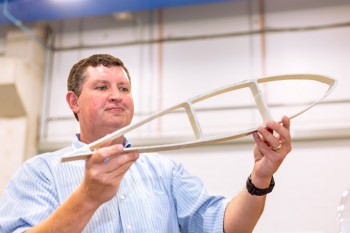
Dr. Todd Griffith is an Associate Professor of Mechanical Engineering at the University of Texas at Dallas (UTD), affiliated with the Erik Jonsson School of Engineering and Computer Science . He leads the Griffith Lab and focuses on advancing wind energy technologies, particularly floating offshore turbines and large-scale rotor systems. His research integrates structural dynamics, aerodynamics, and control engineering to enhance energy efficiency and reduce costs in renewable energy systems. Key areas of expertise include wind turbine design , additive manufacturing , and floating platform systems . He has secured significant grants, including a $3.3 million award from the U.S. Department of Energy's ARPA-E program to develop scalable floating offshore wind turbines. His work emphasizes bio-inspired design principles, such as mimicking natural structures (e.g., palm trees) to improve turbine resilience in extreme conditions. Dr. Griffith’s research also explores active flow control using plasma actuators and advanced materials for lightweight, durable components. His contributions span experimental validation, computational modeling, and field prototyping, with a focus on deep-water offshore wind energy systems. He has advised numerous projects funded by federal agencies and industry partners, contributing to the development of next-generation wind energy infrastructure. His lab collaborates on interdisciplinary initiatives, including turbine blade manufacturing, structural health monitoring, and cost-effective energy solutions.

Valentin Wagner is a doctoral researcher at the Institute of Building Structures and Structural Design (ITKE) within the University of Stuttgart . His work focuses on integrative computational design and construction methodologies for advanced fiber-composite structures. Research Focus: Experimental structural design, coreless filament winding, and adaptive robotic fabrication Key Projects: BUGA Fiber Pavilion, ICD/ITKE Research Pavilion 2014-15 Wagner's research combines structural engineering with computational design principles to develop lightweight composite systems through robotic fabrication. His publications analyze the structural behavior and detailing challenges of glass and carbon fiber components using epoxy resin matrices. The BUGA Fiber Pavilion (2019), a modular fiber-polymer composite structure with ETFE membrane cladding, represents a major project where Wagner explored experimental design approaches involving finite element simulations and empirical testing. This work builds on earlier research pavilions that implemented water spider web-inspired geometries and sensor-driven fabrication systems. Wagner's academic work intersects with multiple disciplines including: Coreless filament winding techniques Biomimetic construction systems Digital simulation workflows Adaptive robotic programming Fiber interaction mechanics High-performance composite detailing
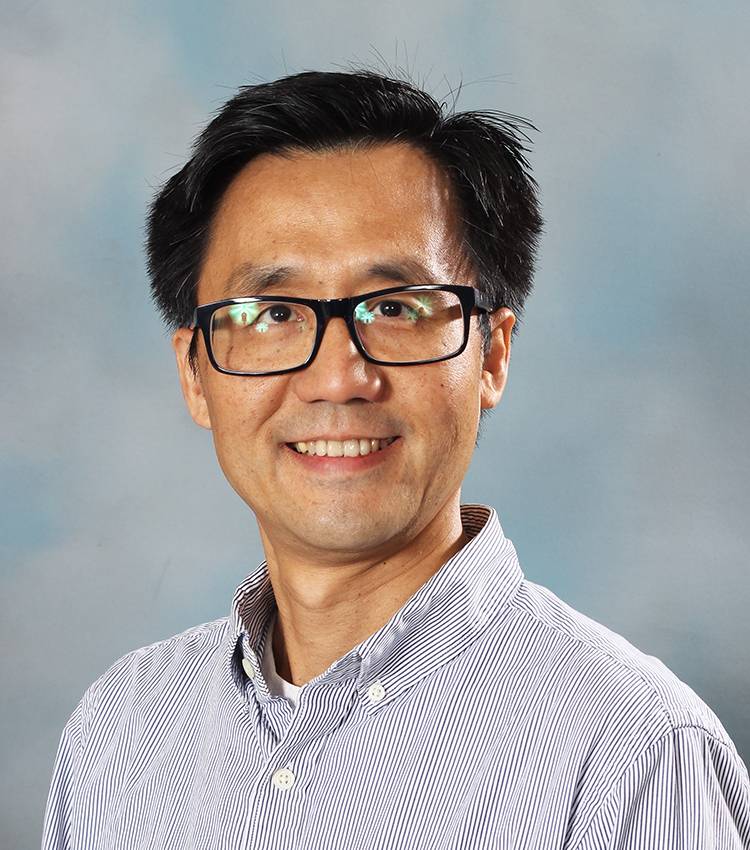
Kai Zhang, Ph.D. , is a Professor in the Department of Biological Sciences at Texas Tech University. His research focuses on molecular parasitology, specifically lipid metabolism in Leishmania parasites and their role in pathogenesis. University: Texas Tech University Department: Biological Sciences Academic Rank: Professor Dr. Zhang's work investigates how Leishmania parasites adapt to harsh environments in sandflies and mammalian hosts. His lab employs molecular biology, cell biology, animal models, and lipidomic approaches to study sphingolipids, phospholipids, and sterols' roles in parasite survival and virulence. This research aims to identify novel drug targets for leishmaniasis treatment. His recent publications highlight lipid metabolism's critical role in Leishmania virulence, stress tolerance, and drug resistance. Key areas include sphingolipid pathways, sterol biosynthesis, membrane lipid dynamics, and genetic regulation of lipid homeostasis. Techniques involve gene knockout studies, lipidomic profiling, and toxin interaction analyses. Dr. Zhang teaches courses such as MBIO 3401 (Principles of Microbiology), MBIO 3400 (Microbiology for non-biology students), and MBIO4367/MBIO6367 (Molecular Pathogenesis of Protozoans, fulfilling Communication Literacy Requirement). He is based in Biology 205 (Office) and Biology 203-204 (Lab), Lubbock, TX.
- Food Science
- Agrarian Sciences
- Food Chemistry
- +۵ مورد دیگر
Daniela Magalhães is a researcher at the Centre for Biotechnology and Fine Chemistry (CBQF) and affiliated with the Escola Superior de Biotecnologia (ESB-UCP) at Universidade Católica Portuguesa since 2020. Her work focuses on Food Science within Agrarian Sciences, emphasizing the valorization of citrus by-products and sustainable food innovation. BSc in Biotechnology (2016) MSc in Food Safety (2019) with ERASMUS+ internship at LABERCA, France Her research involves microbiology analysis, chemical characterization (UHPLC-ToF-MS, LC-HRMS), bioactivity evaluation (antioxidant, antimicrobial), and addressing food waste through circular economy principles. She contributes to European projects like Medismart, developing functional ingredients from Mediterranean citrus by-products. Recent publications highlight expertise in: Functional food formulation Food waste valorization Phytochemical characterization Antioxidant/microbial activity assays Scientific accolades include: 2nd place at 'Circular Economy: Make It Happen' conference (2024) Editor's Choice awards for citrus and pigment studies (2024) Daniela actively participates in conferences, organized international events, and applies analytical techniques like HPLC and GC-MS to agri-food challenges.
Andrew Hebdenمشاهده پروفایل
پژوهشگر ارشد
Dr Andrew Hebden is a Research Fellow in Technical Textiles at the Department of Design and Architecture, School of Applied Sciences, University of Huddersfield. His work bridges textiles and chemical biology through the Grow Med Tech (GMT) project, a multi-university collaboration focused on degradable therapeutic devices for sustained drug release. He is a core member of the Technical Textiles Research Centre and contributes to EDANA’s Regulatory & Chemical Management Working Group. Research Expertise: Biodegradable and sustainable fibers Electrospinning Incorporation of active molecules within fibers Sustainable coloration Article Trends: His recent publications emphasize interdisciplinary applications of textiles in medical contexts (e.g., Smart Textiles for Pandemic Response ), sustainable material processing (e.g., Alginate Extraction Sustainability ), and environmental impact assessments (e.g., British Wool Face Masks LCA ). Key themes include drug delivery systems, biodegradable polymers, and circular economy principles. He supervises PhD students and collaborates on projects aligned with UN Sustainable Development Goals, particularly sustainable development and responsible consumption. His laboratory work focuses on hybrid fiber synthesis, electrospinning, and biocompatible textile design.
فقط ۷۵۰ نتیجه اول نمایش داده میشود. برای رسیدن به نتایج دقیقتر، جستوجو را با فیلترها محدودتر کنید.