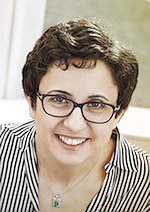
Professor Alexander Dityatev is a leading neuroscience researcher and Group Leader at the German Center for Neurodegenerative Diseases (DZNE) in Magdeburg, Germany. His laboratory focuses on the critical role of the extracellular matrix (ECM) in brain function, particularly in synaptic plasticity, learning, and memory processes. Dr. Dityatev's research interests center on neural extracellular matrix biology , with specific focus on how ECM molecules regulate synaptic plasticity, neural network activity, and cognitive functions. His work explores both physiological mechanisms and pathological alterations in conditions including Alzheimer's disease, frontotemporal dementia, vascular dementia, epilepsy, and psychiatric disorders such as schizophrenia and depression. His laboratory investigates how ECM expression changes in aging brains and disease states, and develops novel therapeutic approaches targeting the neural ECM. His research employs advanced techniques including in vivo two-photon imaging of neuronal activity and microglia, customized AAV-based fluorescent probes for labeling ECM components, and virtual reality systems for monitoring learning-induced neural remapping in the retrosplenial cortex. His laboratory has made significant contributions to understanding how matrix metalloproteinases like ADAMTS4/5 and MMP-9 regulate ECM degradation under the control of dopaminergic and serotonergic systems. Dr. Dityatev's work has important implications for developing treatments that combine ECM-targeting strategies with cognitive training and approaches for clearing toxic aggregates, controlling neuroinflammation, and promoting neurogenesis and synaptogenesis, particularly for advanced stages of neurodegenerative diseases.