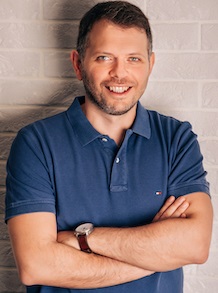
Dr. Abbas Ziafati Bafarasat is a Chartered Town Planner and Senior Lecturer in Town Planning at Oxford Brookes University, managing the Certificate in Spatial Planning Studies. He holds a PhD in Planning & Landscape from the University of Manchester (2015) and conducted postdoctoral research at TU Dortmund, Germany. His expertise spans five national contexts, with a focus on strategic urban design, sustainable cities, and policy integration. He has supervised numerous Master’s and doctoral students and transitioned from private practice to academia. Education: PhD in Planning & Landscape, University of Manchester (2015) Postdoctoral studies at TU Dortmund, Germany MA in City & Regional Planning, AD in Law, BSc in Geography Research Interests: His research focuses on achieving healthy and sustainable cities through frameworks like strategic urban design and behavioral sustainability indicators. He pioneered concepts such as 'start-it-yourself urbanism' and developed a 99-indicator system for healthy cities. His work emphasizes policy integration, regional governance, and community-driven solutions. Advising & Grants: Supervised successful completion of doctoral and Master’s theses External examiner for postgraduate programs Labs/Teams: He contributes to the Planning, Policy and Governance (PPG) research group at Oxford Brookes, focusing on urban sustainability and policy innovation.
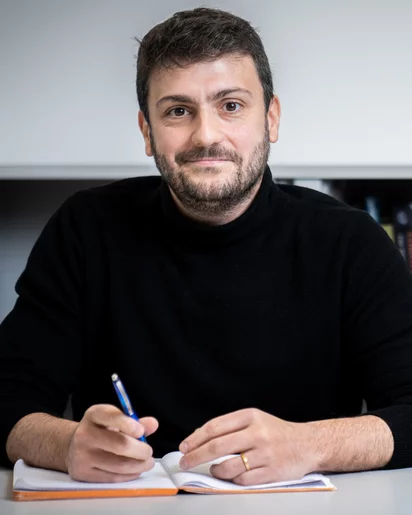
Associate Professor Khoon Lim is a biomedical engineer specializing in polymer chemistry and biomaterials, affiliated with the School of Medical Sciences at the University of Sydney. He holds a PhD in Biomedical Engineering from UNSW Sydney and has conducted postdoctoral research at the University of Otago. His research focuses on hydrogels for tissue engineering, 3D bioprinting, and regenerative medicine, with over $8M in grant funding. Lim leads the Light Activated Biomaterials (LAB) research group and is a member of prestigious organizations like the Australasian Society for Biomaterials and Tissue Engineering. Education: BE (Chemical Engineering, Hons 1) and ME (Biomedical Engineering) from UNSW Sydney, followed by a PhD in Biomedical Engineering (2014). Postdoctoral fellowship at University of Otago Christchurch (2019). Research Interests: Biofabrication, 3D bioprinting, hydrogels for tissue regeneration, cardiovascular applications, and chronic disease management. Current projects include developing bioinks for functional tissues, smart delivery systems for growth factors, and cancer models for drug screening. Key Achievements: ARC Future Fellow (2022), Rutherford Discovery Fellowship (2021), and over 170 publications in journals like Advanced Materials and Biofabrication . Holds patents in hydrogel technologies. Leadership Roles: President of ASBTE, Board Member of ISBF, and editorial board positions in journals such as RSC Biomaterials Science . Active in translational research through collaborations in Australia, New Zealand, Europe, and Asia.
Roles and Affiliations : Dimitris Kolovos is a Professor of Software Engineering at the University of York's Department of Computer Science. He leads the Automated Software Engineering (ASE) research group and is an Eclipse Foundation committer, leading development of the Epsilon open-source platform. His roles include research leadership, teaching, and academic service. Education : PhD in Software Engineering - University of York MSc in Software Engineering with Distinction - University of York First Class Honours Degree in Informatics - Athens University of Economics and Business Research Interests : Kolovos focuses on advancing Model-Driven Engineering (MDE), GenAI integration in software development, low-code platforms, and data analytics. His work emphasizes scalable modeling tools, education technology (e.g., MDENet platform), and industry collaboration with organizations like NASA, BAE Systems, and Siemens. Labs and Projects : He leads the Epsilon project under the Eclipse Modelling initiative, developing tools for model transformation, validation, and code generation. His research group also explores AI-driven model transformations and hybrid graphical-textual editors.
F. Ömer Ilday is a distinguished physicist and Alexander von Humboldt Professor at Ruhr University Bochum since July 2023, holding a joint appointment in the Faculty of Electrical Engineering and Information Technology and Faculty of Physics and Astronomy. His pioneering work in ultrafast laser technology has transformed non-linear laser-matter interactions, with applications spanning precision manufacturing, medical surgery, and nanofabrication. Education: PhD in Physics, Cornell University (2003) Postdoctoral Research Scientist, Massachusetts Institute of Technology (2003-2005) Ilday's research centers on ultrafast laser development and materials science, focusing on GHz-repetition-rate burst-mode systems, nonlinear laser lithography, and self-organization phenomena. His interdisciplinary approach bridges photonics, plasma physics, and materials engineering to enable breakthroughs in nanostructuring, silicon processing, and laser-based manufacturing. Current work emphasizes developing high-power laser sources and exploring fundamental laser-matter interaction mechanisms for next-generation applications. His recent publications (2023-2025) reveal dominant trends in high-repetition-rate burst-mode lasers (up to 50 GHz), ablation efficiency optimization, and nonlinear laser lithography for 3D silicon structuring. These works demonstrate strong convergence between fundamental physics and industrial applications, particularly in medical surgery, nanofabrication, and materials synthesis, with increasing emphasis on self-organization principles in laser systems. Scientific awards: Turkish Academy of Sciences Outstanding Young Scientist Award (2006) Marie Curie International Reintegration Grant (2006) ERC Consolidator Grant (2014) - Turkey's first ERC Advanced Grant (2022) Election to Academia Europaea Election to Turkish Academy of Sciences Membership in Turkish and American Physical Societies Ilday has secured major competitive grants including two ERC awards and a Marie Curie fellowship, directing research teams at Bilkent University's Ultrafast Optics & Lasers Laboratory (UFOLAB) which developed technologies adopted globally. At RUB, he is establishing the Center for Complex Laser-Matter Interactions as an interdisciplinary hub fostering collaborations between photonics, plasma research, and materials science, with explicit goals for spin-off company formation and transdisciplinary innovation in manufacturing technologies. As founding director of UFOLAB at Bilkent University, Ilday developed laser systems deployed by research institutions worldwide and established Turkey's first laser company. His RUB center integrates electrical engineering and physics expertise to advance complex laser-matter interaction research, focusing on self-organizing laser systems, nanostructuring techniques, and applications in semiconductor manufacturing and medical technology through close industry partnerships.
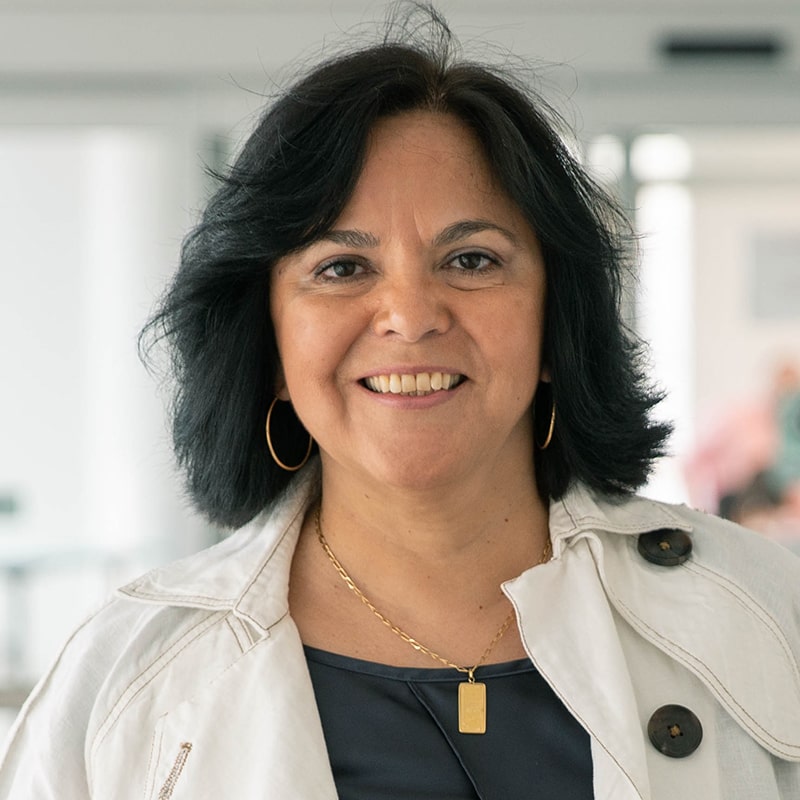
Antonia Agulló Agüero is a distinguished Professor at Pompeu Fabra University specializing in Financial and Tax Law. With a scholarly career spanning over four decades from 1980 to 2025, she has established herself as a leading authority in Spanish tax law with growing expertise in EU tax frameworks and public finance systems. Her academic contributions include 26 journal articles, 27 collaborative works, 15 books, and direction of 20 doctoral theses. Her research interests focus on Tax Law , Financial Law , and Public Finance , with particular expertise in EU Taxation, Local Government Finance, Constitutional Tax Law, and International Taxation. Her scholarly work demonstrates a clear evolution from foundational tax principles to complex contemporary issues including healthcare financing, cross-border taxation, and fiscal policy responses to economic crises. Analysis of her most recent publications (2016-2020) reveals increasing attention to healthcare financing mechanisms, EU tax harmonization challenges, and the constitutional dimensions of public spending. Her work bridges theoretical legal scholarship with practical policy applications, particularly in regional tax autonomy and fiscal federalism within Spain's autonomous communities framework. As a dedicated academic mentor, she has supervised 20 doctoral students whose research spans diverse tax law topics including international double taxation, public debt concepts, soft law in international taxation, and environmental taxation. Her students have gone on to contribute significantly to academic and professional tax discourse in Spain. Her scholarly infrastructure includes leadership in academic publications, participation in professional tax councils (notably the Barcelona Tax Council), and contributions to major tax law reforms including Spain's General Tax Law and Personal Income Tax legislation. Her work continues to influence tax policy development in Spain and EU member states.
Dr. Imad El Haddad serves as Group Head of the Molecular Cluster and Particle Processes group at the Laboratory of Atmospheric Chemistry (LAC), part of the Center for Energy and Environmental Sciences at Paul Scherrer Institute (PSI), Switzerland, since 2018. Previously, he held positions as Tenured Scientist and Deputy Head (2018-2019), Senior Scientist in the Smog Chamber group (2015-2018), and Postdoctoral Fellow (2011-2015) at PSI. His research aims to quantify how anthropogenic emissions alter atmospheric pollutant composition and impact Earth's climate and public health through molecular-level analysis using advanced mass spectrometry techniques. His academic background includes: Ph.D. in Atmospheric Chemistry, University of Provence, Marseille (2007-2011) Master's in Environmental Sciences (with distinction, rank 1/9), University of Provence (2006-2007) Master's in General Chemistry (with distinction, rank 1/10), Saint-Joseph University of Beirut (2005-2006) Bachelor of Science in Chemistry (with distinction, rank 1/14), Saint-Joseph University of Beirut (2002-2005) El Haddad's work centers on molecular fingerprinting of atmospheric aerosols , utilizing mass spectrometry (GC/MS, HPLC/APCI-MS2, HPLC/ESI-MS2) to identify primary and secondary molecular markers. He conducts smog chamber experiments to characterize emissions from wood burning, traffic, and cooking processes, determining secondary organic aerosol potential and oxidation state evolution. His group also studies in-cloud aqueous-phase aging and collaborates with global modelers to link aerosol composition to climate forcing and health outcomes like oxidative stress. Recent publications (2025-2024) reveal three dominant trends: (1) rigorous molecular-scale analysis of secondary aerosol formation under varying humidity/temperature, (2) source apportionment breakthroughs in diverse regions (India, Europe, Arctic) using 14C and AMS data, and (3) quantification of health-relevant aerosol properties such as oxidative potential through DTT assays. High-resolution mass spectrometry is a consistent methodological thread across these studies. His scientific awards include: MENRT research fellowship from French ministry of research (2007-2010) Excellence Scholarship (top 1% student, University of Saint Joseph, 2005) Distinction Prize (best student, University of Saint Joseph, 2005) As Group Head, El Haddad oversees the Molecular Cluster and Particle Processes group's research direction and mentorship of junior scientists. While specific grant details are absent from the text, his leadership in multi-institutional publications (e.g., CERN CLOUD, iCUPE) implies active grant management and international collaboration. The group's work bridges laboratory simulations, field deployments, and health/climate modeling to address air pollution complexities. The Molecular Cluster and Particle Processes group develops cutting-edge online/offline mass spectrometers for 1 Hz-resolution atmospheric analysis. They deploy instruments in laboratory smog chamber experiments and global field studies, focusing on molecular marker identification, emission source characterization, and aging process quantification. Collaborations with biochemists and climate modelers extend their impact beyond pure aerosol physics into health risk assessment and policy-relevant climate science.
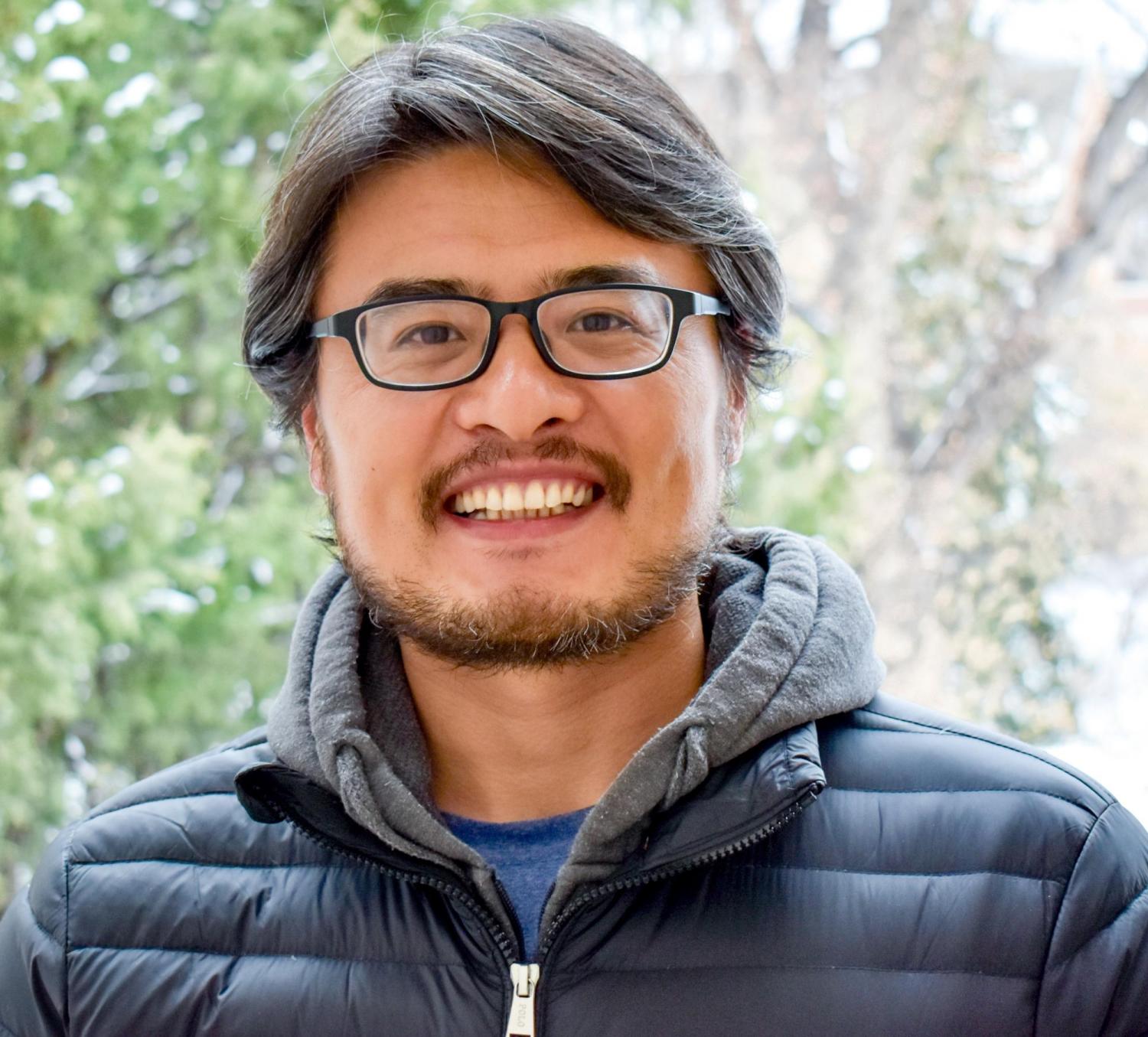
Guofeng Cao is an Associate Professor in the Department of Geography at the University of Colorado . His research integrates GIScience , GeoAI , geostatistics , and remote sensing to develop advanced methodologies for analyzing heterogeneous geospatial data and modeling complex spatiotemporal patterns. Focus areas: Uncertainty-aware geographic knowledge discovery, land cover/land use dynamics, spatiotemporal bias analysis, geospatial cyberinfrastructure development Applications: Natural hazards, environmental science, public health, global change studies Recent publications emphasize generative adversarial networks for climate downscaling, neural processes for uncertainty modeling, and fusion transformers for disaster assessment. His work combines deep learning with Bayesian inference to address scalability challenges in geospatial data processing. Scientific Recognition : NASA and USDA grants for spatiotemporal research Advising : Mentoring graduate students in geospatial data science Laboratory : Leads the STAR lab (Spatiotemporal Pattern Analysis & Research)
Leandro Parada Pradenas is an Honorary Research Associate in the Department of Civil and Environmental Engineering at Imperial College London's Faculty of Engineering. He is also a PhD Candidate in AI and Transportation, focusing on advancing safe and efficient autonomous vehicles through Deep Reinforcement Learning (DRL) integrated with Vehicle-to-Vehicle (V2V) communication. His research addresses scalability in Multi-Agent Systems, real-world deployment of robotics, and resilience against adversarial AI threats. Education: PhD Candidate in AI and Transportation (Imperial College London) Research Interests: His work spans cooperative planning among autonomous vehicles, simulation-to-real-world transitions in robotics, and enhancing system security against adversarial AI. He aims to bridge theoretical advancements with practical applications in mobility and security. Professional Background: Previously, he served as a Management Consultant for four years, developing Decision Support Systems for Logistics, Healthcare, and Energy sectors. This experience informs his interdisciplinary approach to solving complex systems challenges. Lab/Teams: While specific lab affiliations are not detailed, his research likely intersects with Imperial's robotics and AI groups focused on autonomous systems and cybersecurity.
Bruna Damiana Heinsfeld serves as Assistant Professor of Learning Technologies within the Department of Curriculum & Instruction at the University of Minnesota's College of Education and Human Development. Her research critically examines the intersections of technology, society, and education through the lens of Critical Studies of Education and Technology (CSET), with emphasis on power dynamics and social justice implications. Her academic credentials include: Ph.D. in Interdisciplinary Learning and Teaching (Learning Design and Technologies concentration) from UTSA M.A. in Education (Digital Languages, Media and Education concentration) from PUC-Rio, Brazil Multiple Postgraduate Certificates from Brazilian institutions: Media Discourse Analysis, Ontology and Epistemology, Philosophy/Sociology/Social Sciences, and Distance Learning Management B.A. in English Language and Literature from UERJ, Brazil Dr. Heinsfeld's research program centers on critical discourse analysis of educational technology narratives across corporate, policy, and educational contexts. She investigates how technological discourses are constructed and operationalized, particularly regarding digital equity, participatory exclusion, and the sociopolitical dimensions of technology adoption. Her methodological approach combines Critical Discourse Analysis (CDA) with critical pedagogy to unpack ideological, cultural, and economic factors shaping educational technology implementations. She examines epistemological foundations of technological beliefs and challenges neoliberal narratives in EdTech through rigorous deconstruction of policy documents and marketing materials. Analysis of her recent publications (2019-2023) reveals consistent focus on corporate influence in educational technology, with particular attention to Google and Microsoft's marketing narratives, pandemic-era remote learning disparities, and Latinx student experiences. Her work demonstrates how technological solutions often reinforce existing inequalities through participatory exclusion mechanisms, while her policy analyses expose contradictions between equity rhetoric and actual implementation. Recurring methodological threads include discourse analysis of educational landscape reports and critical examination of public policy frameworks. No scientific awards were documented in the provided materials. As an advisor, Dr. Heinsfeld cultivates a supportive environment grounded in social justice principles, emphasizing critical consciousness development and student autonomy. Her advising philosophy centers on accessible feedback, interdisciplinary exploration, and preparation for meaningful societal engagement. She teaches foundational courses including CI 4311W Technology and Ethics in Society (examining algorithmic bias, privacy concerns, and AI ethics) and CI 8147 Critical Discourse Analysis in Educational Research (focusing on language-power dynamics in educational contexts). While specific research laboratories aren't detailed, her collaborative work spans international contexts with Brazilian institutions and U.S. colleagues, particularly evident in joint publications with researchers like V. Marone and M. Pischetola. Her research trajectory indicates ongoing critical engagement with emerging technologies like AI in education policy, as evidenced by upcoming 2025 conference presentations.
Prof. Dr. Nils Stieglitz is a distinguished Professor of Strategy at Frankfurt School of Finance & Management since 2012 and serves as President & CEO since 2018. He leads the Management Department (2015–2018) and held the Executive Board role as Vice President Corporate Development (2017–2018). His research spans Strategic decision-making Organizational adaptation Human-agent interaction across dynamic environments. His scholarly work appears in top-tier journals like Strategic Management Journal , Management Science , and Organization Science , focusing on complex organizational trade-offs, incentive design, and scenario planning. He also contributes strategic insights to global media outlets such as Harvard Business Review and The Economist . As Senior Editor at the Journal of Organization Design and editorial board member of Organization Science , he shapes discourse on organizational theory. His teaching emphasizes strategy formulation and organizational design principles.
Xiaowen Zhang is a Professor of Computer Science at the College of Staten Island (CSI), City University of New York (CUNY), and a Doctoral Faculty Member at the CUNY Graduate Center. His academic work bridges theoretical and applied research in cybersecurity, information systems, and network technologies. Dr. Zhang holds a Ph.D. in Computer Science from the CUNY Graduate Center (2007) and a Ph.D. in Electrical Engineering from Northern Jiaotong University (1999), along with an M.A. from CUNY Queens College, an M.S. from Northern Jiaotong University, and a B.S. from Shanxi University. His research focuses on Cryptography, Information Security, Cybersecurity, Secure Biometrics, RFID Security & Privacy, Information Retrieval, and Wireless Sensor Networks . He explores both foundational cryptographic methods—such as secret sharing schemes and hash functions—and their practical implementations in secure systems, including RFID authentication protocols and data visualization platforms for sensor networks. The analysis of his recent publications reveals a consistent focus on security mechanisms in distributed and wireless environments . His work frequently combines cryptographic theory with system-level implementations, particularly in RFID and sensor networks. There is a strong trend toward privacy-preserving protocols, efficient data retrieval, and secure information sharing , often leveraging mathematical structures like Latin squares and Bloom filters. Dr. Zhang has been actively involved in mentoring students, as evidenced by numerous co-authored publications with graduate and undergraduate researchers. His contributions span journals such as Security and Communication Networks , Journal of Applied Security Research , and International Journal of Security and Networks , as well as major conferences including IEEE LISAT, ACM CODASPY, and IEEE Sarnoff Symposium.
Professor Rosalyn Moran is a Professor of Computational Neuroscience and Deputy Director of King's Institute for Artificial Intelligence at King's College London. She holds roles in the Department of Neuroimaging and School of Neuroscience within the Institute of Psychiatry, Psychology & Neuroscience. Her research focuses on computational neuroscience, computational psychiatry, and neurology, particularly integrating brain connectivity with algorithmic principles like the free energy principle. She explores neurotransmitter roles in decision-making and disease modeling, with applications in artificial intelligence and neurodegenerative disorders. Moran serves as an editor for Neuroimage and collaborates with leading institutions. Key projects include global neuroimaging initiatives (UNITY) and low-field MRI advancements in low-resource settings. Her work bridges Bayesian inference, AI, and neurobiology, with recent emphasis on pediatric neuroimaging and treatment-resistant psychosis. Education & Research Interests Rosalyn Moran's research spans computational psychiatry, neuroimaging techniques, and AI applications in healthcare. Her lab investigates serotonin and dopamine signaling, brain connectivity patterns, and predictive coding frameworks. Notable contributions include modeling NMDA receptor dysfunction in encephalitis and developing super-resolution MRI methods for global health contexts. Grants & Collaborations Funded projects include MRC Human Functional Genomics (2024-2028), NIHR Maudsley BRC (2022-2027), and Gates Foundation initiatives for low-field MRI enhancement. Collaborators include Karl Friston (UCL), Read Montague (Virginia Tech), and Klaas Enno Stephan (University of Zurich). Recent events include presenting the Free Energy Principle's role in generative AI (May 2023). Labs & Teams Her lab focuses on computational psychiatry and AI-driven neuroimaging solutions, collaborating with the King’s Global Health Institute to advance medical imaging accessibility in low-income regions.
Ming Li is a Professor at the University of Waterloo , holding the Canada Research Chair in Bioinformatics . Affiliated with the David R. Cheriton School of Computer Science , his research spans Bioinformatics , Kolmogorov Complexity , Deep Learning , Natural Language Processing , and Computational Biology . His contact details include office Davis Center 3355 and email mli@uwaterloo.ca . Research Interests include Bioinformatics (protein/antibody sequencing, structure analysis), Deep Learning , Natural Language Processing , Kolmogorov Complexity and Applications , and Algorithms & Complexity (average-case analysis, information distance). Editorial Roles : Co-Managing Editor of the Journal of Bioinformatics and Computational Biology , Associate Editor-in-Chief for Journal of Computer Science and Technology , Editorial board member of multiple journals including SIAM Journal on Computing and Information and Computation . Professional Activities : Served on scientific advisory committees for Genome Prairie and Tsinghua University, and numerous international conference program committees (e.g., KDD 2007, CPM 2007, FOCS'99). Awards & Honors : Killam Prize (2010) IEEE Granular Computing Outstanding Contribution Award (2010) Premier's Discovery Award (2009) Fellow of Royal Society of Canada, ACM, and IEEE (2006) Killam Fellowship (2001) E.W.R. Steacie Memorial Fellowship (1996) Multiple Best Paper Awards Students & Postdocs : Mentored over 30 graduate students and postdocs, including current advisees Guangyu Feng, Anqi Cui, and alumni like Babak Alipanahi, Xin Chen, and Brona Brejova.
Dr. Briga Hynes is a Senior Lecturer in Entrepreneurship at the Kemmy Business School, University of Limerick, with expertise spanning entrepreneurship education, innovation leadership, and social enterprise development. She holds a Masters in Business Studies (MBS) and Bachelor in Business Studies (BBS) , and has served as Head of Department of Management & Marketing. Key affiliations include the Centre for Research Training in Foundations of Data Science and the All-Ireland Business Foundation Awards Collaborations span University Hospital Group, Enactus Ireland, and Technology Transfer Office Research Focus : Briga specializes in pedagogical approaches for cultivating entrepreneurial mindsets and innovation leadership across disciplines. Her work addresses: Embedded entrepreneurial learning frameworks Transformational leadership in public/private sectors Social innovation policy impact Healthcare delivery optimization Triple bottom line sustainability Scientific Contributions : Her research on female researchers in STEM informed European Commission's EntreCompEngage framework. Notable funded projects include: €125,000 HEA grant for female STEM commercialization programs €240,000+ EU/National funding for entrepreneurship bootcamps and digital technology adoption Leadership & Engagement : Active in AACSB/AMBA/EQUIS accreditation committees and Athena Swan initiatives, she designs bespoke programs for researchers, entrepreneurs, and employers. Current projects focus on actor-network theory in healthcare and cross-sector innovation dynamics.
Cleotilde (Coty) Gonzalez is a Research Professor of Decision Sciences at Carnegie Mellon University, with primary affiliation in the Department of Social and Decision Sciences (SDS). She serves as the Founding Director of the Dynamic Decision Making Laboratory (DDMLab) and Research Co-Director of the NSF National Institute for AI for Societal Decision Making (AI-SDM). Her extensive academic affiliations include the Security and Privacy Institute (CyLab), the Societal Computing program in the Software and Societal Systems Department (S3D), the Human-Computer Interaction Institute (HCII) in the School of Computer Science, and the Center for Behavioral Decision Research (CBDR) and Center for Neural Basis of Cognition (CNBC). Dr. Gonzalez holds a Ph.D. in Management Information Systems and has developed Instance-Based Learning Theory (IBLT), a significant contribution to cognitive science that explains how people make decisions based on past experiences. Her research spans experimental studies and computational modeling of cognitive processes in dynamic decision environments, with applications in cybersecurity, human-machine teaming, and societal decision making. Her recent publications reveal a strong focus on human-AI collaboration, collective intelligence, cybersecurity, and cognitive modeling. The research trends show increasing integration of AI systems with human decision processes, particularly examining how humans and AI can complement each other in complex decision environments. Her work increasingly addresses cybersecurity challenges through behavioral science perspectives, exploring how cognitive models can improve defense mechanisms against social engineering attacks. Lifetime Fellow of the Cognitive Science Society Lifetime Fellow of the Human Factors and Ergonomics Society Member of the Governing Board of the Cognitive Science Society Member at Large of the Policy Council of the System Dynamics Society Committee member of the National Academies Division Committee for the Behavioral and Social Sciences and Education Dr. Gonzalez has mentored over 50 post-doctoral fellows and doctoral students, with many going on to successful careers in academia, government, and industry. Her research has been supported by major collaborative efforts including Collaborative Research Alliances (CRA) and Multi-University Research Initiative grants from the Army Research Laboratories (ARL) and Army Research Office (ARO), as well as projects with the Defense Advanced Research Projects Agency (DARPA). She directs the Dynamic Decision Making Laboratory, which conducts research involving laboratory experiments and cognitive computational models to derive theoretical conclusions about dynamic decision making and develop applications for societal problems.