University of California, San FranciscoUnited States
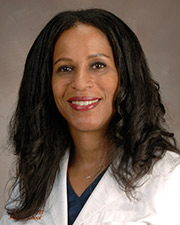
Charlah Robinson, MD is a Clinical Professor at the University of California San Francisco (UCSF) School of Medicine , affiliated with the Maternal-Fetal Medicine & Reproductive Genetics division. She completed her medical education at the University of Pennsylvania , earning a B.A. in Art History (1982), M.D. in Medicine (1990), followed by an Internship and Residency in Obstetrics and Gynecology (1994) and a Fellowship in Maternal-Fetal Medicine (1996). Her clinical and research focus centers on complex fetal abnormalities and maternal complications , with expertise in gestational diabetes and hypertension in pregnancy . Her work addresses critical challenges in high-risk pregnancies, including pharmacological interventions and obstetric outcomes. While her published research includes studies on fetal positioning during labor, neonatal risks of maternal treatments, and infectious disease implications in obstetrics, no scientific awards or students are explicitly mentioned in the provided text.
Dr. Philippe Campeau is an Associate Clinical Professor in the Department of Pediatrics at the Faculty of Medicine, Université de Montréal. He is affiliated with CHU Sainte-Justine, a major pediatric hospital in Montreal, Quebec, where he works in the Medical Genetics Service. His clinical and research work focuses on genetic disorders affecting children, particularly in the areas of skeletal development and neurogenetics. Dr. Campeau obtained his Doctorate in Medicine from Laval University in Quebec (1998-2003) followed by specialty training in medical genetics at McGill University (2003-2008). He completed postdoctoral training at Baylor College of Medicine (2008-2013), which further developed his expertise in genetic research methodologies. His primary research interests include bone dysplasias , skeletal dysplasias , epilepsy , and epigenetic diseases . Dr. Campeau's laboratory identifies disease-causing genes, deciphers disease pathophysiology, and works to improve the management of children affected by these conditions. His work encompasses exome analysis , functional studies with cell lines and mouse models , and investigations into urea cycle abnormalities . He has made significant contributions to understanding genetic causes of conditions such as Genitopatellar syndrome (KAT6B), osteopetrosis, dysosteosclerosis (SLC29A3), osteogenesis imperfecta, early-onset osteoporosis (WNT1), Yunis-Varón syndrome (FIG4), and DOORS syndrome (TBC1D24). Dr. Campeau's publication record demonstrates a strong trajectory in medical genetics research, with numerous high-impact publications spanning from fundamental genetic discovery to translational research. His work spans skeletal disorders, neurodevelopmental conditions, and epigenetic mechanisms. Recent publications indicate an expanding focus on chromatin modifiers, DNA methylation patterns, and spliceosome function in neurodevelopmental conditions, reflecting the evolution of his research interests toward more complex molecular mechanisms. Dr. Campeau has received several research grants in recent years (6 starting in 2014) from organizations including the Fonds de la recherche en santé du Québec, Canadian Institutes of Health Research, and Fondation Grand Défi Pierre Lavoie. While specific students are not mentioned in the available information, as a clinical professor, he mentors medical students, residents, and research trainees in the Department of Pediatrics. His research is conducted as part of the 'Musculoskeletal Diseases and Rehabilitation' axis at CHU Sainte-Justine Research Center, where he collaborates with international research teams to identify disease-causing genes and develop better management strategies for children with genetic disorders.
Southern Illinois University CarbondaleUnited States
Henry Adekola, MD, is a Clinical Associate Professor at the Southern Illinois University School of Medicine and an attending physician in the Department of Maternal-Fetal Medicine. His clinical practice focuses on high-risk pregnancies and complex maternal-fetal conditions. Education and Training Medical Degree: College of Medicine, University of Ibadan, Nigeria Residency: Montefiore Medical Center/Albert Einstein College of Medicine, Bronx, New York Fellowship: Wayne State University School of Medicine, Detroit, Michigan Dr. Adekola's research spans ethical issues in pregnancy, palliative perinatal medicine, preterm birth prevention, critical care obstetrics, fetal ultrasound, and maternal medical complications. He is board certified in Obstetrics and Gynecology, as well as Maternal-Fetal Medicine, and is a member of the American Medical Association, American College of Obstetricians and Gynecologists, and the Society for Maternal-Fetal Medicine. His publications emphasize Maternal-Fetal Medicine and Obstetric Imaging, with a focus on multifetal gestations, genetic disorders during pregnancy, critical care in obstetric complications, and advancements in fetal diagnostics. Key trends include improving ultrasound visualization for obese patients, managing rare fetal anomalies, and addressing ethical challenges in high-risk pregnancies.
Dr. Gökçenur Karakelleoğlu serves as a Lecturer in the Department of Obstetrics and Gynecology at Istanbul Okan University Faculty of Medicine, specializing in women's sexual health and advanced surgical techniques including laparoscopic and robotic procedures in gynecologic oncology. Her clinical practice integrates evidence-based approaches to maternal-fetal medicine and complex gynecological conditions. Her academic foundation includes: Medical Degree: Istanbul University Faculty of Medicine (2000-2006) Specialization: Bilim University Department of Obstetrics and Gynecology Research focuses on prenatal diagnostic innovation, fetal abnormality management, and gynecological pathologies including endometriosis and scar-related complications. Her work emphasizes improving maternal outcomes through advanced imaging techniques and surgical interventions, with particular attention to gestational diabetes prediction and fetal growth restriction indicators. Analysis of her 40+ publications reveals consistent contributions to obstetric screening methodology, especially in predicting small-for-gestational-age infants through biochemical markers (PAPP-A, hCG, TSH) and ultrasound parameters. Recent work demonstrates expertise in rare condition management including cesarean scar pregnancies and vaginal sarcomas. Professional development includes active membership in the Turkish Gynecology and Obstetrics Association and specialized training in: Laparoscopic suture techniques (2015) Hysteroscopy (2015) Fetal heart screening (2009) Neonatal resuscitation (2010)
University of California, San FranciscoUnited States
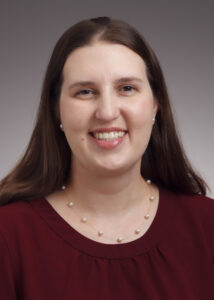
Dr. Katherine Swanson is an Assistant Professor in the Department of Obstetrics and Gynecology, Reproductive Sciences at the University of California, San Francisco (UCSF) School of Medicine. She specializes in Maternal-Fetal Medicine and Reproductive Genetics, providing clinical care and conducting research in high-risk pregnancies and prenatal genetic testing at UCSF's Fetal Treatment Center. Dr. Swanson's educational background includes: Bachelor of Arts in Anthropology from the University of Chicago (2006) Doctor of Medicine from Northwestern University (2013) Residency in Obstetrics and Gynecology from Northwestern University (2017) Fellowship in Maternal-Fetal Medicine from the University of California, San Francisco (2022) Her research focuses on gestational carrier pregnancies, prenatal genetic testing, pregnancy loss, and clinical obstetrics. Dr. Swanson has published extensively on outcomes in gestational carrier arrangements, examining severe obstetric morbidity, neonatal outcomes, reproductive travel patterns, and adherence to clinical guidelines. Her anthropological training informs her approach to understanding the social, ethical, and cultural dimensions of reproductive medicine, providing a unique perspective on patient counseling in complex reproductive situations. She has also investigated labor progression patterns, uterocervical angle measurements, gestational diabetes screening methods, and cord blood gas analysis. Analysis of Dr. Swanson's publication record reveals a strong emphasis on evidence-based practice in assisted reproductive technologies. Her research employs population-based methodologies to evaluate real-world clinical practices, with particular attention to multifetal gestation complications, preimplantation genetic testing outcomes, and anesthesia exposure during cesarean delivery. Her work bridges clinical practice and research to improve outcomes for patients navigating complex reproductive journeys. Dr. Swanson actively contributes to the academic community through presentations at major conferences including the Society for Maternal Fetal Medicine and the Society of Reproductive Investigation. Her research has been published in high-impact journals such as the American Journal of Obstetrics & Gynecology, Obstetrics & Gynecology, and American Journal of Perinatology. While specific information about her laboratory team is not provided, her collaborative publication pattern suggests she works within UCSF's Maternal-Fetal Medicine division and Reproductive Genetics program.
Charles Burant is Professor of Nutritional Sciences at the University of Michigan School of Public Health and holds a professorship in the Section of Metabolism, Endocrinology, and Diabetes within the Medical School's Department of Internal Medicine. He holds the endowed Dr. Robert C. and Veronica Atkins Professor of Metabolism chair. His clinical practice focuses on obesity, type 2 diabetes, and related metabolic disorders at the WK Kellogg Eye Center, Brehm Tower in Ann Arbor. Dr. Burant's research integrates multi-omic approaches (genomics, transcriptomics, proteomics, metabolomics) with clinical and behavioral phenotypes to unravel mechanisms of obesity, insulin resistance, and diabetes. His laboratory investigates pancreatic beta-cell metabolism, insulin secretion dynamics, and adult pancreatic progenitor cells for beta-cell regeneration. As director of the Michigan Metabolomics and Obesity Center (MMOC), he oversees the NIH-funded Nutrition Obesity Research Center and Michigan Regional Comprehensive Metabolomics Resource Core, providing critical infrastructure for metabolic disease research. The MMOC also coordinates the Investigational Weight Management Clinic, which combines clinical care with phenotypic tracking to study diabetes prevention and weight regain mechanisms in formerly obese patients. Analysis of his recent publications reveals dominant themes in multi-omic exercise physiology, causal metabolite-disease relationships, and tissue-specific metabolic adaptations. His work consistently emphasizes sexual dimorphism, temporal dynamics, and molecular mechanisms in metabolic disorders, particularly through large-scale consortia like MoTrPAC. Key focus areas include lipid metabolism in disease contexts, adipose tissue remodeling, and mitochondrial function across tissues. While no specific scientific awards beyond his endowed chair are listed, his leadership of major NIH-funded centers demonstrates significant recognition. His grant portfolio includes infrastructure support through the MMOC, NORC, and Metabolomics Resource Core, enabling extensive human and animal studies in metabolic diseases. Dr. Burant directs the MMOC's integration of research and clinical care through the Investigational Weight Management Clinic. His laboratory maintains active programs in insulin resistance mechanisms using animal models and explores pancreatic progenitor cell applications for diabetes therapy, representing forward-looking approaches to metabolic disease treatment.
University of California, San FranciscoUnited States
Peter Sun is a Professor at the University of California, San Francisco (UCSF) School of Medicine in the Neurological Surgery department. With over 20 years of experience as a pediatric neurosurgeon , he specializes in treating complex neurological conditions in children. Education: MD from Columbia University (1991), Neurosurgery residency at Yale University (1997), Pediatric Neurosurgery fellowship at Children's Hospital of Philadelphia (1998) Research Interests: His work focuses on pediatric brain tumors , hydrocephalus , spasticity , craniosynostosis , spinal disorders , and fetal medicine . His recent publications (2024-2020) demonstrate expertise in pediatric neurosurgery, cerebrovascular anomalies, spinal trauma, and innovative imaging techniques. Scientific Awards: Benioff Children's Hospital Oakland (2018) John and Sherry Chen Endowed Chair (2002) Best Doctors US News World Report (2002) Top Doctors recognition Clinical Contributions: He has pioneered techniques in rapid MRI-guided catheter placement, hybrid operative suite applications, and novel approaches to pediatric spinal and craniofacial surgery. His work addresses global disparities in pediatric neurotrauma care and improves outcomes for congenital and acquired neurological conditions.
The University of Texas Health Science Center at HoustonUnited States
Erikka L. Washington, MD is an Assistant Professor at The University of Texas Health Science Center at Houston (UTHealth Houston) within the Medical School's Department of Anesthesia. Her academic appointment reflects her dual commitment to clinical practice and medical education in specialized areas of anesthesiology. Dr. Washington's educational background includes a Bachelor of Science from the University of Houston and a Doctor of Medicine from The University of Texas Medical School at San Antonio. She completed her residency training at The University of Texas Medical School at Houston, establishing her clinical foundation in anesthesiology. Her research and clinical expertise spans multiple specialized domains within anesthesiology, with particular emphasis on geriatric anesthesia , where she addresses the complex physiological changes and medication considerations for elderly surgical patients. Dr. Washington has also developed significant expertise in obstetric anesthesia , focusing on safe anesthetic approaches for labor and delivery. Her work in pulmonary physiology examines respiratory function during anesthesia administration, while her research in pharmacokinetics investigates how anesthetic agents are processed by the body. She has also made notable contributions to the field of cardiac anesthesia , particularly regarding patients with cardiac devices undergoing surgical procedures. Dr. Washington's scholarly output demonstrates consistent focus on high-risk patient populations and complex clinical scenarios, with presentations at the American Society of Anesthesiologists conferences highlighting her expertise in managing patients with multiple comorbidities. Her work bridges clinical practice with academic investigation, particularly in specialized anesthesia administration for vulnerable patient populations. As an educator within the Department of Anesthesia, Dr. Washington delivers lectures to medical students and residents on various specialized topics, contributing to the training of future anesthesiologists. Her administrative contact is Tyler Zachary (713-566-5971), indicating her active clinical and teaching responsibilities requiring administrative support.
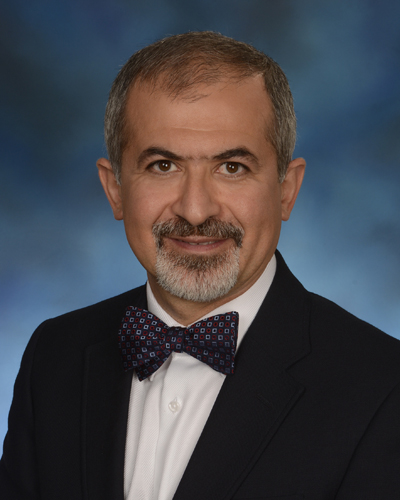
Ozhan Mehmet Turan serves as Professor and the M. Carlyle Crenshaw, Jr., MD and Lillian Ruth Blackmon, MD Professor of Maternal Fetal Medicine at the University of Maryland School of Medicine. He holds key leadership roles including Director of Fetal Therapy and Complicated Obstetrical Surgery, Director of Maternal Fetal Medicine, and Executive Vice Chair in the Department of Obstetrics, Gynecology and Reproductive Sciences. His educational journey includes: MD from Istanbul University Istanbul Medical School (1988) Residency in Obstetrics and Gynecology at SSK Bakırköy Maternity and Children Hospital (1994) PhD in Molecular Medicine from Istanbul University (2001) Fellowship in Fetal Medicine at Harris Birthright Research Center, King’s College Hospital, London (2005) Residency in Obstetrics and Gynecology at University of Maryland School of Medicine (2011) Fellowship in Maternal Fetal Medicine at University of Maryland School of Medicine (2014) Dr. Turan’s research centers on pioneering ultrasound methodologies for prenatal diagnosis and high-risk pregnancy management. He developed novel 2D/3D ultrasound techniques to predict preterm delivery and specializes in fetal interventions and complex obstetric surgeries. His work focuses on identifying abnormal placental development in situ to prevent adverse fetal and maternal outcomes, with significant contributions to understanding ductus venosus hemodynamics, fetal adrenal gland assessment, and morbidly adherent placenta management. He aims to establish the University of Maryland as a premier national referral center for Complex Obstetric Surgery through clinical innovation and academic training. Analysis of his 2011-2016 publications reveals consistent innovation in ultrasound-based prediction models, particularly for preterm birth and placental disorders. His research integrates Doppler velocimetry, fetal cardiac function assessment, and quantitative analysis of blood flow patterns across diverse conditions including twin-to-twin transfusion syndrome and preeclampsia. The work spans translational applications from mouse embryonic heart MRI to clinical management protocols for morbidly adherent placenta. As Director of Fetal Therapy and Complex Obstetric Surgery, Dr. Turan leads clinical programs focused on advancing surgical techniques for high-risk pregnancies while mentoring trainees in maternal-fetal medicine. His leadership extends to developing standardized protocols for fetal cardiac examination and ductus venosus assessment that are adopted in clinical practice. He directs the Fetal Therapy and Complex Obstetric Surgery program at the University of Maryland, which specializes in innovative interventions for placental disorders, fetal growth restriction, and complex delivery scenarios. The program emphasizes real-time ultrasound guidance, multidisciplinary collaboration, and development of classification systems for blood flow abnormalities to optimize perinatal outcomes.
Abdul rahman Abualruz is a Clinical Assistant Professor in the Department of Radiology at the University of Southern California . His academic career focuses on diagnostic imaging, particularly in gastrointestinal and urogenital radiology, with extensive experience in MRI and CT applications. Dr. Abualruz has received multiple teaching awards, including the Faculty Teacher of the Year (2022-2023) and Exemplary Teaching Award (2021-2022), highlighting his contributions to medical education. Primary Affiliation: Department of Radiology, University of Southern California Awards: RSNA Roentgen Resident/Fellow Research Award (2019-2020) Dr. Abualruz's research spans diverse radiological topics, including gastrointestinal pathologies , urogenital imaging , and obstetric radiology . His recent work focuses on small bowel strictures , pancreatic diseases , and diagnostic challenges in complex cases. Publications from 2024-2025 emphasize standardized imaging protocols and educational tools for radiology residents. Scientific contributions include: Diagnostic Radiology : Crohn's disease imaging, small bowel obstruction guidelines Urogenital Radiology : Penile prostheses, bladder tumor complications Gastrointestinal Imaging : Sarcoidosis manifestations, pancreatic fistulae
Grace C. Kung, MD, is a Clinical Professor of Pediatrics at the Keck School of Medicine of USC, affiliated with Children’s Hospital Los Angeles (CHLA) since 2003. She completed her medical training at Johns Hopkins University (BA 1989, MD 1993) and pediatric cardiology fellowship at UCSF (1999). Dr. Kung specializes in clinical care for congenital heart disease, non-invasive imaging (transthoracic/transesophageal echocardiography), and quality improvement for single ventricle patients. Education: B.A. in Biology, Johns Hopkins University (1989) M.D., Johns Hopkins School of Medicine (1993) Her leadership roles include Fellowship Program Director (2014–present), CHLA Promotions Committee member (2019–present), and former president (2019–2024) of the KSOM Faculty Council. She co-leads the Gender Equity in Medicine and Science (GEMS) Leadership Working Group and contributes to guidelines through the National Pediatric Cardiology QI Collaborative. Research focuses on congenital heart defects (HLHS, Ebstein anomaly), imaging innovations, and mentorship in pediatric cardiology. Scientific Trends: The 15 articles highlight expertise in congenital heart disease, imaging technologies (3D echocardiography, MRI), surgical outcomes, and quality improvement for single ventricle patients. Subfields include rare anomalies (cor triatriatum, anomalous coronary arteries), transcatheter interventions, and health equity initiatives. Mentorship: Dr. Kung leads CHLA’s junior faculty mentoring program, emphasizing professional development and clinical excellence.
Dr. Antonio Gonzalez-Fiol is an Associate Professor of Anesthesiology and Director of the Obstetrics Anesthesia Fellowship at Yale School of Medicine. He joined the faculty in 2017 after earning his MD from the Ponce School of Medicine (2009) and achieving board certification in Anesthesiology (2013). His clinical focus centers on obstetric and gynecological anesthesia with expertise in managing high-risk pregnancies and complex obstetric cases. Dr. Gonzalez-Fiol leads the Obstetric & Gynecological Anesthesiology program, emphasizing maternal safety and procedural advancements. His research interests span obstetric anesthesia innovations, including AI-driven patient communication (via ChatGPT), maternal coagulation monitoring using ROTEM technology, and comparative effectiveness of anesthesia techniques. He also explores substance use disorders in obstetric populations and ultrasound-guided interventions. Key collaborations include work with Kristen Fardelmann and Katherine Kohari on anesthesia technology and maternal hemostasis. While no specific grants or awards are noted, his contributions to clinical practice improvement and educational programs are highlighted through his fellowship leadership.
Dr. Jessica A. Smith is an Assistant Professor in the Department of Obstetrics and Gynecology at the Medical College of Wisconsin, specializing in Maternal Fetal Medicine. She serves as Director of the Fetal Concerns Introduction Program. Her expertise includes managing high-risk pregnancies complicated by fetal anomalies, prenatal diagnosis, and reproductive genetics. Dr. Smith joined the institution in 2019 after completing a fellowship in Maternal Fetal Medicine at the University of Michigan. Education: MD: University of Cincinnati Medical School (2010) Residency: Obstetrics & Gynecology, University of Cincinnati (2010–2014) Residency: Medical Genetics, Wayne State University/Detroit Medical Center (2014–2016) Fellowship: Maternal Fetal Medicine, University of Michigan Health System (2016–2019) Research focuses on prenatal diagnosis, fetal ultrasound, genetic testing, and fetal therapy. She actively presents at national/international conferences and publishes in peer-reviewed journals. Dr. Smith is committed to medical education, mentoring residents, medical students, and genetic counseling students. She serves on the Annual Program Committee for the American College of Medical Genetics and Genomics. Clinical practice includes managing complex pregnancies at Froedtert Hospital’s Maternal Fetal Care Center, the Fetal Concerns Center at Children’s Hospital of Wisconsin, and St. Joseph’s Health Center’s perinatology clinic. Her clinical specialties emphasize fetal anomalies, twin pregnancies, and genetic counseling.
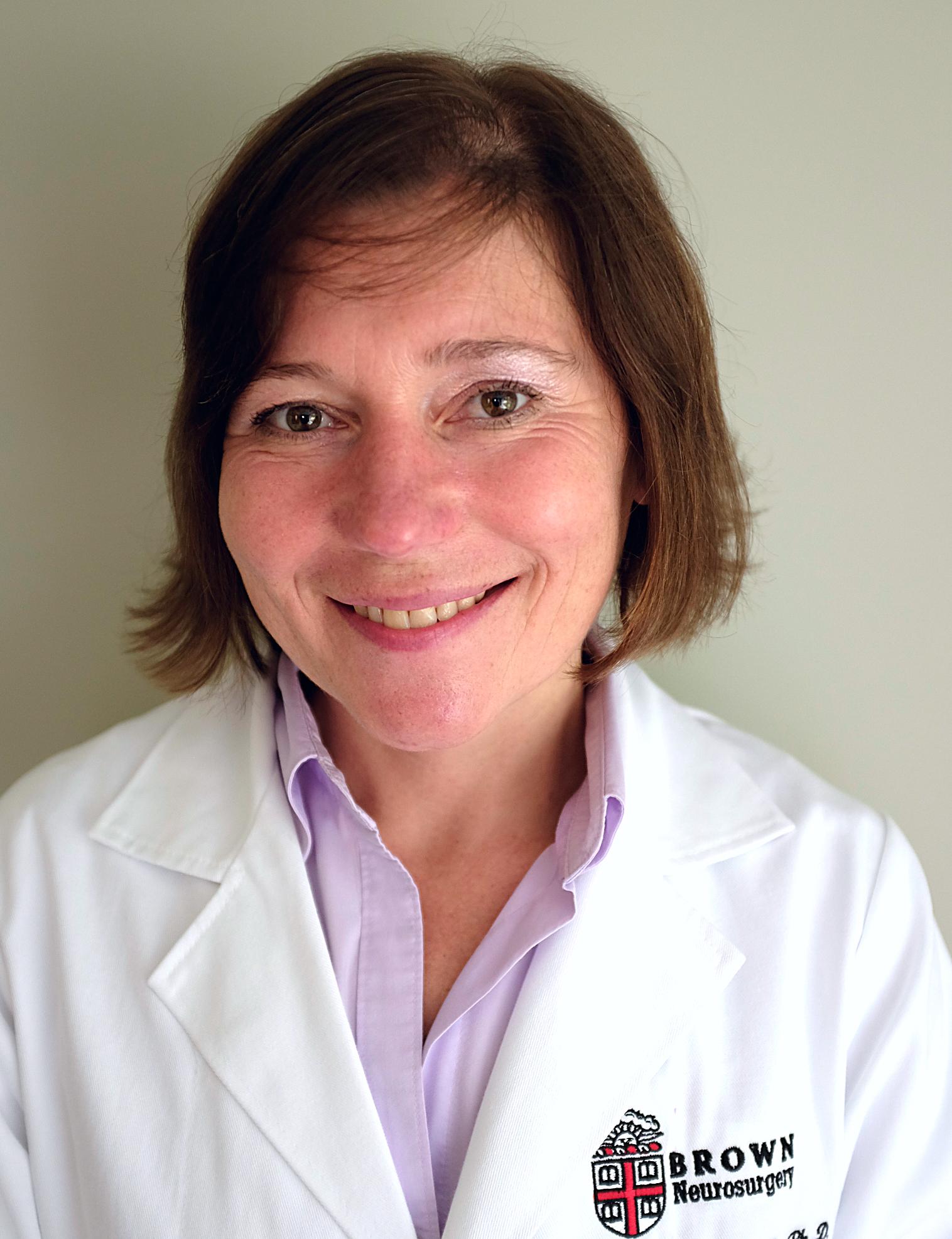
Petra Klinge is Professor of Neurosurgery at Alpert Medical School of Brown University and serves as Attending Neurosurgeon at Rhode Island Hospital in Providence, RI. She holds dual leadership positions as Director of the Pediatric Neurosurgery Division and Director of the Research Center and Clinic for Cerebrospinal Fluid Disorders. Dr. Klinge also contributes to academic discourse as Co-Editor of 'Clinical Neurology and Neurosurgery' and Editor of 'Interdisciplinary Neurosurgery: Advanced Techniques and Case Management.' Dr. Klinge's research focuses on cerebrospinal fluid disorders, particularly hydrocephalus and normal pressure hydrocephalus (NPH). Her work has significantly advanced the understanding of CSF dynamics, cerebral perfusion in hydrocephalus, and the relationship between hydrocephalus and neurodegenerative conditions. She has served as lead investigator in numerous experimental and clinical studies, demonstrating that chronic 'sublethal' impairment of cerebral perfusion causes permanent neuronal damage in hydrocephalus. Her research has also explored stem cell therapies for neurological conditions and neurotechnological approaches to nerve regeneration. Her recent publications reveal a strong focus on Chiari malformation, tethered cord syndrome, and pediatric neurosurgical conditions. Analysis of her 15 most recent articles shows a consistent emphasis on anatomical and physiological aspects of CSF disorders, with particular attention to diagnostic criteria, imaging biomarkers, and surgical outcomes. Her work increasingly incorporates multidisciplinary approaches, integrating neurology, neuroradiology, and neuropsychology in the evaluation and treatment of complex neurosurgical conditions. As an active researcher and clinician, Dr. Klinge has contributed to the development of international guidelines for the diagnosis and treatment of idiopathic normal pressure hydrocephalus. She led the European iNPH Multicentre Study, which demonstrated that comorbid conditions like Alzheimer's disease should not exclude patients from surgical shunting. Her work continues to shape clinical practice in neurosurgery, particularly in the management of CSF disorders across the lifespan. Dr. Klinge maintains an active clinical practice focused on pediatric neurosurgery and CSF disorders, while directing a research center dedicated to advancing understanding and treatment of cerebrospinal fluid conditions. Her collaborative network spans multiple departments including Neurosurgery, Psychiatry, Diagnostic Imaging, and Orthopaedics, reflecting the interdisciplinary nature of her work.
Dr. Ignatia Barbara Van den Veyver is a Professor and the Henry and Emma Meyer Chair at Baylor College of Medicine, with joint appointments in the Department of Molecular and Human Genetics and the Department of Obstetrics and Gynecology, specifically in Maternal-Fetal Medicine. She serves as Director of Prenatal & Reproductive Genetics at both Baylor College of Medicine and Texas Children's Hospital, and as Director of the Clinical Translational Research Certificate of Added Qualification (CTR-CAQ) Program in the Graduate School of Biomedical Sciences. She is also a Faculty Member at the Jan and Dan Duncan Neurological Research Institute at Texas Children's Hospital. MD from University of Antwerp, Belgium Fellowship in Maternal-Fetal Medicine, Baylor College of Medicine Residency in Obstetrics and Gynecology, University of Antwerp affiliated hospitals Clinical Fellowship in Genetics, Baylor College of Medicine Her research focuses on the genetics and epigenetics of reproductive and developmental disorders, particularly maternal-effect gene mutations, genomic imprinting abnormalities, and rare conditions such as Aicardi syndrome and focal dermal hypoplasia (Goltz syndrome). She investigates the molecular basis of molar pregnancies and prenatal gene-environment interactions. Her lab integrates clinical research with cell line and mouse model studies to understand disease mechanisms and improve diagnostics. Her recent publications reflect a strong emphasis on prenatal genetic diagnostics, epigenetic regulation, and the genetic basis of rare neurodevelopmental and dermatological syndromes. Key themes include DNA methylation dynamics, trophoblast biology, and the role of genes like NLRP7 and PORCN in development. She has contributed significantly to the development and implementation of chromosomal microarray and exome sequencing in prenatal diagnosis, and currently co-leads the multicenter PrenatalSEQ study on whole genome sequencing in prenatal care. Scientific awards and recognitions include funding from the Ruth L. Kirschstein Institutional National Research Service Award (T32) for her CTR-CAQ training program. She served as President of the International Society for Prenatal Diagnosis (2016–2018), is an Associate Editor of Prenatal Diagnosis , and co-chairs the ClinGen Prenatal Gene Curation Expert Panel. Dr. Van den Veyver is deeply committed to education and mentoring, having co-directed a graduate translational research program for over a decade before launching the CTR-CAQ program. She mentors postdoctoral researchers, clinical fellows, junior faculty, and graduate students. Her leadership roles in research, clinical genetics, and education underscore her impact in advancing prenatal and reproductive genetics. She leads and participates in multiple research initiatives, including studies on non-invasive prenatal diagnosis using circulating fetal cells and cell-free DNA. Her lab is at the forefront of developing novel screening methods for fetal chromosomal and single-gene disorders, with a focus on clinical integration and psychosocial implications.