Kelly Arnold is an Associate Professor in the Department of Biomedical Engineering at the University of Michigan. Her research integrates systems engineering principles with immunology to investigate variability in immune responses across infection, vaccination, and injury, with a focus on computational modeling and clinical translation. Research Focus Systems-level immune response modeling Vaccination and antibody functionality Vaginal microbiome-host interactions Chronic lung disease progression Computational serology and proteomics Recent Work Her 2025 studies examine SARS-CoV-2 vaccination responses in cancer patients and computational frameworks for vaginal probiotics. Earlier works (2024-2007) span COPD progression, lupus fibrosis, HIV susceptibility, and tissue engineering for fertility preservation. Methodologies include proteomic profiling, network modeling, and microfluidic systems.
Saifuddin Ahmed, PhD, MBBS, is a Professor at the Bloomberg School of Public Health, Johns Hopkins University. His primary department affiliation is Population, Family and Reproductive Health, with a joint role in Biostatistics. He is affiliated with the William H. Gates Sr. Institute for Population and Reproductive Health and the Hopkins Population Center. His research focuses on reproductive epidemiology, maternal mortality estimation, family planning, and complex population surveys. Key interests include reducing maternal mortality disparities, improving access to family planning services, and enhancing healthcare systems in low-resource settings. Dr. Ahmed’s work spans global health challenges, particularly in South Asia and sub-Saharan Africa. His projects address maternal and child health, neonatal care, and the integration of technology (e.g., mobile health surveys) into public health monitoring. He has authored over 200 publications, with recent contributions on maternal mortality frameworks, neonatal hypothermia management, and contraceptive equity. His research often bridges clinical practice and policy, aiming to translate evidence into actionable health strategies. Dr. Ahmed’s grants and collaborations involve international organizations and institutions, focusing on population health surveillance and intervention efficacy. He actively participates in global initiatives to address gaps in maternal healthcare and improve birth outcomes.
Professor Aris Syntetos is a Distinguished Research Professor and DSV Chair of Logistics and Manufacturing at Cardiff Business School, Cardiff University. He is the founder and Director of the PARC Institute of Manufacturing, Logistics and Inventory, which includes the RemakerSpace, and leads the university’s strategic partnership with DSV. Previously, he held faculty positions at the University of Salford and Copenhagen Business School. His research focuses on the integration of forecasting and inventory optimization, particularly in the context of intermittent demand, spare parts, closed-loop supply chains, and additive manufacturing. He is renowned for the Syntetos-Boylan Approximation and the Syntetos-Boylan-Croston classification method. His work is driven by sustainability and social impact, aiming to reduce inventory obsolescence and support circular economies. The 15 most recent publications highlight a strong trend toward integrating forecasting with inventory and maintenance decisions, with increasing emphasis on sustainability, social good, and advanced analytics. His work spans healthcare, automotive, retail, and humanitarian logistics, often employing machine learning and empirical validation. 2024 Goodeve Medal (Operational Research Society) 2016 Cardiff University Outstanding Doctoral Supervisor Award 2016 & 2019 Cardiff University Innovation and Impact Awards He has secured over £5 million in research funding as Principal Investigator from EPSRC, Innovate UK, and the Welsh Government, leading projects on remanufacturing, 3D printing, and sustainable supply chains. He advises major firms like Ocado, BT, and DSV, and his methods are used in commercial software. He supervises PhD students and actively promotes knowledge transfer. He is Editor-in-Chief of the IMA Journal of Management Mathematics and serves as Vice-President of the International Society for Inventory Research (ISIR). He has taught in the UK, China, Colombia, Denmark, France, Greece, Italy, and Latvia, primarily in Operations Management and Applied Statistics.
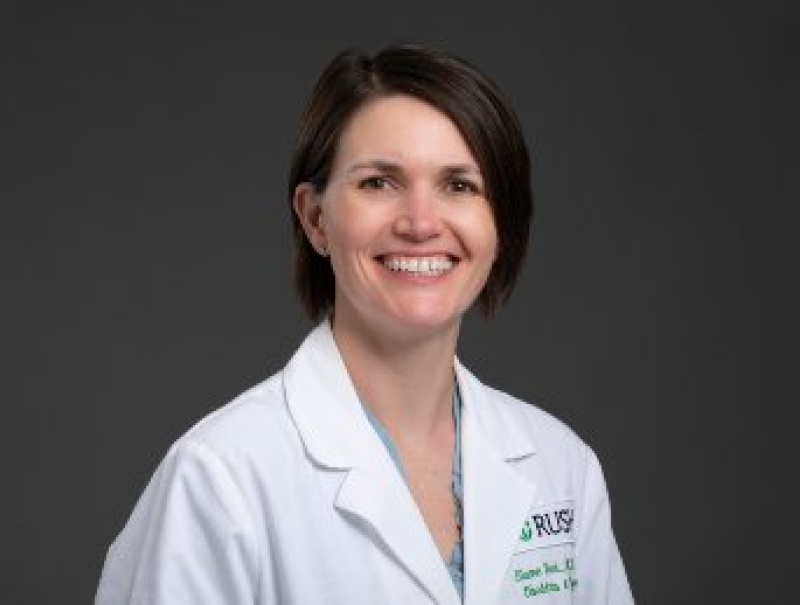
Sloane York is an Associate Professor in the Department of Obstetrics and Gynecology at Rush Medical College, Rush University. Her primary roles include: Associate Professor, Department of Obstetrics and Gynecology Director, Section of Family Planning Dr. York's educational background includes: MD (Doctor of Medicine) MPH (Master of Public Health) Her research and clinical expertise centers on family planning, obstetrics, gynecology, reproductive health, and women's health. As Director of the Section of Family Planning, she leads a specialized team focused on providing comprehensive care and advancing the field through research and education. Her work emphasizes evidence-based contraceptive management, abortion services, and complex reproductive healthcare. No information was available regarding scientific awards, student advising, or research grants.
Dr. Jeroan Allison is Chair and Professor at UMass Chan Medical School's Department of Population and Quantitative Health Sciences. Trained as a primary care physician and epidemiologist (Harvard SPH), he leads research in narrative interventions for health behavior change, with continuous funding from NIH, AHRQ, and RWJF. His work spans hypertension control in Vietnam, AI-driven health communication, and implementation science for non-communicable diseases. Harvard School of Public Health: Master of Science in Epidemiology University of Alabama at Birmingham: MD Samford University: BS in Chemistry Research interests include narrative medicine , health disparities , mHealth , and health services research . He has published extensively on hypertension interventions in Vietnam, digital health tools, and tobacco cessation strategies using peer engagement. Recent publications focus on AI applications , global implementation science , and social determinants of health . His team has developed culturally adapted interventions for HPV vaccination and hypertension management using community storytelling methods. Scientific contributions include: Co-Editor-in-Chief of Medical Care Developing simulation-based training for research assistants Designing peer recruitment models for smoking cessation Dr. Allison holds multiple grants and leads the UMMS-Vietnam research collaboration , focusing on late-stage translation research in low-resource settings.
Dr. Allison E. Linton is an Associate Professor in the Department of Obstetrics and Gynecology at the Medical College of Wisconsin (MCW), joining in August 2017. She specializes in general obstetrics/gynecology, with expertise in contraception for complex medical conditions, pregnancy loss management, and family planning. Her research focuses on improving access to reproductive health services through education, advocacy, policy, and organizational changes. Education: MD: Northwestern University Feinberg School of Medicine (2011) Residency in Obstetrics & Gynecology: Northwestern/ McGaw Medical Center (2011-2015) Fellowship in Family Planning: Northwestern (2015-2017) MPH: Northwestern (2017) Research Interests: Dr. Linton advocates for equitable access to reproductive healthcare, particularly in complex cases. She explores innovative training methods (e.g., low-cost abortion simulations) and provider referral networks. Her work bridges clinical practice with global health, including educating refugee midwives in Southeast Asia. Teaching & Awards: Recipient of Northwestern’s Excellence in Student Teaching Award annually during her training. Developed global health curricula, including obstetrics/gynecology training for midwives on the Thai-Myanmar border. Clinical Practice: Sees patients at Froedtert’s Obstetrics & Gynecology and Family Planning Clinics, focusing on family planning, prenatal care, and managing conditions like abnormal uterine bleeding and sexually transmitted infections.
Henry Adekola, MD, is a Clinical Associate Professor at the Southern Illinois University School of Medicine and an attending physician in the Department of Maternal-Fetal Medicine. His clinical practice focuses on high-risk pregnancies and complex maternal-fetal conditions. Education and Training Medical Degree: College of Medicine, University of Ibadan, Nigeria Residency: Montefiore Medical Center/Albert Einstein College of Medicine, Bronx, New York Fellowship: Wayne State University School of Medicine, Detroit, Michigan Dr. Adekola's research spans ethical issues in pregnancy, palliative perinatal medicine, preterm birth prevention, critical care obstetrics, fetal ultrasound, and maternal medical complications. He is board certified in Obstetrics and Gynecology, as well as Maternal-Fetal Medicine, and is a member of the American Medical Association, American College of Obstetricians and Gynecologists, and the Society for Maternal-Fetal Medicine. His publications emphasize Maternal-Fetal Medicine and Obstetric Imaging, with a focus on multifetal gestations, genetic disorders during pregnancy, critical care in obstetric complications, and advancements in fetal diagnostics. Key trends include improving ultrasound visualization for obese patients, managing rare fetal anomalies, and addressing ethical challenges in high-risk pregnancies.
Andrea N. Desai, MD, is an Assistant Professor in the Department of Obstetrics, Gynecology and Reproductive Sciences at the University of Maryland School of Medicine. She serves as Director of the OBGYN Residency Research and the Diabetes in Pregnancy Care Coordination Program at the University of Maryland Medical Center (UMMC), while also acting as a UMMC Wellness Champion. Current roles: Assistant Professor, Director of OBGYN Residency Research, Director of UMMC Diabetes in Pregnancy Program, UMMC Wellness Champion Committee memberships: Maryland State Maternal Mortality Review Committee, UMMC Obstetric Peer Review Committee, UMMC Ethics Committee, Perinatal Ethics subgroup (Prenatal Consultation Team) Education: Cornell University, BA/BS in French Literature and Biological Sciences (2007) University of Maryland School of Medicine, Medical Degree (2011) University of Maryland Medical Center, Residency in Obstetrics and Gynecology (2015) Yale School of Medicine, Fellowship in Maternal-Fetal Medicine (2018) Research Interests: Dr. Desai focuses on critical areas in maternal-fetal medicine, including periviable birth , perinatal ethics , complex contraception , and pregnancy termination . Her work addresses physician wellness , maternal diabetes , and maternal morbidity/mortality , with an emphasis on institutional policy improvements and equitable access to care. Clinical and Leadership Impact: She leads the UMMC Diabetes in Pregnancy Care Coordination Program, which provides comprehensive care for patients with diabetes across three outpatient sites. Her advocacy as former chair of the Connecticut Maternal Mortality Review Committee contributed to codifying maternal health oversight into state law. Currently, she shapes maternal health policies at both institutional (UMMC) and state (Maryland) levels.
Dr. Shannon Wood is an Assistant Professor in the Department of Population, Family and Reproductive Health at the Johns Hopkins Bloomberg School of Public Health. She is affiliated with the William H. Gates Sr. Institute for Population and Reproductive Health, Johns Hopkins Center for Women's Health, Sex, and Gender Research, and Johns Hopkins Center for Global Women's Health and Gender Equity. Dr. Wood earned her PhD from the Johns Hopkins School of Public Health in 2020, an MSc from the London School of Hygiene and Tropical Medicine in 2012, and a BA from Baylor University in 2011. As a Senior Technical Advisor for PMA and PMA-Ethiopia, she leads research surrounding reproductive coercion, intimate partner violence, and partner dynamics. Dr. Wood's research focuses on the intersection between social determinants of women's health, most notably gender-based violence, and adverse reproductive and sexual health outcomes. Her work particularly emphasizes mixed-methods research to improve measurement surrounding sensitive topics and the development and evaluation of community-based interventions. She aims to enhance safety and improve reproductive and sexual health outcomes for vulnerable populations in low-resource settings across sub-Saharan Africa, with particular focus on Kenya and Ethiopia. Her extensive publication record shows consistent trends examining reproductive coercion, intimate partner violence, contraceptive use dynamics, and the impact of global crises like the COVID-19 pandemic on sexual and reproductive health. Her work employs both quantitative and qualitative methodologies to address complex issues in women's health, with strong emphasis on developing practical measurement tools and interventions. Endowed Fellowship in Family Planning, Johns Hopkins Bloomberg School of Public Health (May 2019) Dr. Michael Koenig Memorial Fund, Johns Hopkins Bloomberg School of Public Health (May 2018) Endowed Fellowship in Family Planning, Johns Hopkins Bloomberg School of Public Health (May 2017) Dr. Wood has secured significant funding for projects including Performance Monitoring for Action (PMA), PMA Plus, and PMA Ethiopia. She leads research teams working in urban informal settlements in Nairobi, Kenya, focusing on safety planning for intimate partner violence survivors and examining the complex dynamics of reproductive coercion. Her work includes developing and validating measurement tools for women's empowerment in sexual and reproductive health contexts, with particular attention to the Women's and Girls' Empowerment in Sexual and Reproductive Health (WGE-SRH) Index.
Jordan Merkow, MD serves as an Assistant Professor at the Medical College of Wisconsin, specializing in Internal Medicine and Geriatric Medicine through clinical practice at Froedtert Hospital Specialty Clinics in Milwaukee, Wisconsin. His educational foundation includes: Doctor of Medicine from George Washington University (2018) Internship & Residency in Internal Medicine & Primary Care at New York University, Bellevue Medical Center (2018-2021) Fellowship in Geriatric Medicine at New York University (2022-2023) Dr. Merkow's clinical expertise centers on comprehensive geriatric care and adult internal medicine, with specialized focus on chronic disease management across aging populations, evidence-based contraception protocols, and preventative healthcare strategies for seniors. His dual board certification in Internal Medicine and Geriatric Medicine enables integrated approaches to complex comorbidities in elderly patients. No scientific awards were documented in the source material. Clinical mentoring activities and research funding sources remain unspecified in available records, though his fellowship training suggests active engagement in geriatric clinical education frameworks. Practice operations are conducted through the Internal Medicine division at Froedtert Hospital Specialty Clinics without mention of dedicated research laboratories or specialized clinical teams.
Prof. Tomasz Henryk Wierzba (1958–2022) was a Professor at the Faculty of Medicine, Medical University of Gdańsk, specializing in cardiovascular physiology and autonomic nervous system research. His work focused on heart rate variability, blood pressure regulation, and hypoxia responses, often using animal models like SHR rats. He contributed to studies on aging physiology, exercise physiology, and reproductive health, including fertility awareness methods and polycystic ovary syndrome (PCOS) treatment. Wierzba edited the proceedings of the 2021 Polish Physiological Society Congress and authored textbooks on fertility biomarkers. His research also addressed clinical applications such as carnitine supplementation effects on cardiac autonomic function and postural changes in adolescents' heart rhythms. Key roles: Editor of scientific proceedings, textbook author Notable collaborations: With Stanisław Zajączkowski, Krzysztof Malinowski, and international researchers like J. Patrick Neary Research interests spanned cardiovascular pathophysiology, respiratory-cardiac interactions, and translational medicine bridging animal models to human clinical applications.
Gihad Shabib is an Assistant Professor in Obstetrics and Gynecology at the University of Ottawa's Faculty of Medicine. As a Medical Doctor at the Ottawa Hospital (TOH) since 2001, they specialize in obstetrics, gynecology, and surgical techniques. Their clinical expertise includes low Cesarean section rates, vaginal surgeries, and managing complex cases in benign gynecology. Administrative roles include leading Quality Assurance committees, reviewing adverse outcomes, and implementing corrective measures. Education: FRCSC (Obstetrics & Gynecology) from Royal College of Surgeons of Canada (June 1998) Teaching: Lecturer for medical students, midwifery students, residents, and fellows Awarded 'Best Clinical Teacher' by American College of Obstetrics and Gynecology (2010) Research Interests: Focuses on maternal and child health, surgical innovations (e.g., uterine artery embolization), and reproductive endocrinology. Key areas include operative vaginal delivery techniques, minimally invasive surgeries, and improving obstetric outcomes through evidence-based practices. Active in clinical trials evaluating contraceptive efficacy and hormonal therapies. Awards & Recognition: Recognized for clinical teaching excellence (2010) Contributed a chapter on operative delivery to Oxorn-Foote's 'Human Labor & Birth' Grants & Labs: While no specific grants are listed, their work integrates clinical and academic collaborations through the University of Ottawa and Ottawa Hospital. Leads surgical training programs for residents and fellows. Labs/Teams: Participates in multidisciplinary teams addressing maternal-fetal medicine, pelvic floor dysfunction, and reproductive health challenges through clinical practice and education.
Christina E Boots, MD, MSCI, is an Associate Professor in the Department of Obstetrics and Gynecology (Reproductive Endocrinology and Infertility) at Northwestern University Feinberg School of Medicine. She serves as Associate Program Director of Education for the REI Fellowship program and holds clinical privileges at Northwestern Memorial Hospital, Northwestern Medicine Lake Forest Hospital, and Northwestern Medicine Central DuPage Hospital. Education MD: Loyola University/Stritch School of Medicine (2009) MSCI: Northwestern University (2018) Residency: Obstetrics & Gynecology, University of Chicago Hospitals (2013) Fellowship: Reproductive Endocrinology & Infertility, Washington University in St. Louis (2016) Board Certifications: Obstetrics & Gynecology, Reproductive Endocrinology/Infertility (ABOG) Research Focus Dr. Boots leads translational research on polycystic ovary syndrome (PCOS), nutrition, and obesity impacts on reproductive health. She established Northwestern's holistic PCOS clinic and co-developed a multidisciplinary clinic for reproductive health in high-BMI populations. Her work bridges clinical practice with investigations into oocyte quality, metabolic influences on fertility, and assisted reproductive technology optimization for complex medical conditions. Publication Trends Recent articles (2024-2025) demonstrate her focus on reproductive technology adaptations for patients with cardiovascular/metabolic comorbidities and pioneering research on glucagon-like peptide-1 (GLP-1) receptor agonists in obesity-related infertility. Her scholarship emphasizes evidence-based protocols for medically complex fertility patients. Honors & Awards Star Reviewer Award, ASRM-Fertility & Sterility (2021, 2023, 2024) NIH Contraception & Infertility Research Grant (2019) Feinberg School of Medicine Excellence in Teaching Award (2019) Northwestern University Medical Student Teaching Award (2020) Leadership & Service As Chair of ASRM's Women's Council and Nutrition SIG, Dr. Boots shapes national reproductive health guidelines. She oversees trainee education as REI Fellowship Associate Director and contributes scholarly peer review as Associate Editor for Fertility and Sterility Reports and Editorial Board Member for Fertility and Sterility .
Jennifer Parker Kurkowski is an Assistant Professor in the Department of Obstetrics and Gynecology at Baylor College of Medicine, Houston, TX. She practices at Texas Children's Hospital, focusing on adolescent gynecology and reproductive health care. Her clinical work emphasizes patient education and counseling for teen girls on issues such as contraception, menstrual disorders, and sexual health. Her research interests center on the gynecological needs of adolescents with chronic conditions like systemic lupus erythematosus and bleeding disorders. She has published on topics including STI awareness, contraceptive management in lupus, and gynecologic complications in patients on anticoagulants. The recent publications reflect a consistent focus on improving reproductive health outcomes for high-risk adolescent populations. Her work bridges clinical nursing practice with academic research in women’s health, particularly in the pediatric and adolescent setting. Brief Report: Von Willebrand Disease in Women: A Review and APN Survey Results (2017) Contraceptive and Reproductive Care in Patients with Systemic Lupus Erythematosus (2019) Gynecologic Bleeding Complications in Post-Menarchal Adolescent Females on Anti-thrombotic Medications (2017) Knowledge of Sexually Transmitted Infections Among Adolescents in the Houston Area Presenting for Reproductive Healthcare at Texas Children's Hospital (2012) Dr. Kurkowski advises and educates adolescent patients extensively in clinical settings, though formal student mentorship or grant funding information is not available. She collaborates within multidisciplinary teams at Texas Children’s Hospital and Baylor College of Medicine to provide comprehensive care for young women with complex medical needs. She is actively involved in clinical research through the VIICTR program and contributes to advancing nursing practice in gynecology. Her work supports evidence-based guidelines for managing reproductive health in adolescents with chronic illnesses.
Siân L. Curtis is a Professor at the University of North Carolina , specializing in Maternal and Child Health within the School of Public Health. Her career spans decades of leadership in global health, including serving as Director of the MEASURE Evaluation Project from 2002 to 2012, overseeing 150+ monitoring and evaluation activities across 30+ countries. Key roles: Senior Evaluation Specialist (MEASURE Evaluation), former Senior Analyst (DHS Project) Research themes: contraceptive use dynamics, fertility preferences, maternal health equity, survey methodology, and measurement innovation Research Focus: Curtis pioneered contraceptive calendar data analysis using DHS surveys, revealing complexities in fertility intentions post-contraceptive discontinuation. Recent work examines maternal health disparities in Bangladesh, comparing urban/rural service equity (2016 BMMS) and validating self-reported obstetric complications. Methodological contributions include spatial linking of facility/population surveys and verbal autopsy reliability for maternal mortality estimation. Publications: Over 74 citations include groundbreaking studies on contraceptive discontinuation, maternal health metrics, and survey design challenges. Her 2023 Demography paper introduces novel statistical models for unintended pregnancy analysis. Global Impact: Projects span Zambia (gender equity in food security), Ukraine (TB/HIV integration), and multiple countries via the Data for Impact (D4I) initiative. Current work explores complexity-aware evaluation frameworks for contraceptive access portfolios.