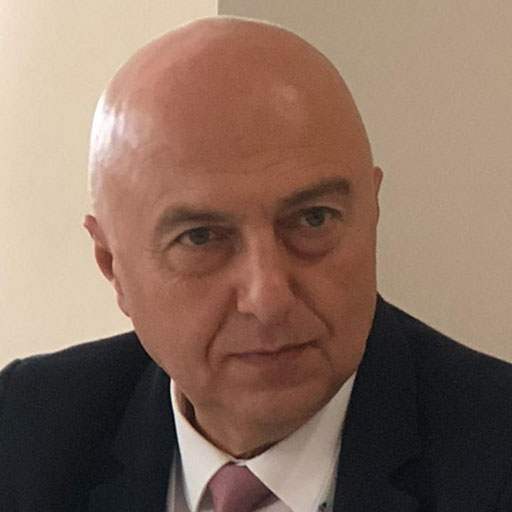
Dr. Mo Rastgaar is a Professor at Purdue Polytechnic Institute, Purdue University. He holds a PhD in Mechanical Engineering from Virginia Tech (2008) and completed a postdoctoral fellowship at MIT's Newman Laboratory for Biomechanics and Human Rehabilitation. He leads the Human-Interactive Robotics Lab (HIRoLab), focused on assistive and rehabilitation robots for enhanced mobility, particularly lower-extremity devices. His research emphasizes understanding agile gait dynamics through human experiments and modeling. Research interests include assistive robotics, cyber-physical systems, dynamics, and control systems. Notable awards include the 2014 NSF CAREER Award. He has secured grants such as the 2019 NRI Collaborative Grant on robotic ankle prosthetics and 2020 grants for undersea infrastructure. Dr. Rastgaar's work bridges biomechanics, robotics, and clinical applications, advancing prosthetic designs and human-robot interaction. Key contributions include developing steerable powered ankle-foot prostheses and exploring multi-robot systems for underwater exploration. His labs integrate interdisciplinary approaches to solve complex mobility challenges, emphasizing both technical innovation and real-world clinical impact.
Kelly Arnold is an Associate Professor in the Department of Biomedical Engineering at the University of Michigan. Her research integrates systems engineering principles with immunology to investigate variability in immune responses across infection, vaccination, and injury, with a focus on computational modeling and clinical translation. Research Focus Systems-level immune response modeling Vaccination and antibody functionality Vaginal microbiome-host interactions Chronic lung disease progression Computational serology and proteomics Recent Work Her 2025 studies examine SARS-CoV-2 vaccination responses in cancer patients and computational frameworks for vaginal probiotics. Earlier works (2024-2007) span COPD progression, lupus fibrosis, HIV susceptibility, and tissue engineering for fertility preservation. Methodologies include proteomic profiling, network modeling, and microfluidic systems.
Sara Gallini is an Assistant Professor at EPFL, leading the Gallini Lab within the ISREC Department of the School of Engineering (SV). Her research focuses on understanding how healthy and oncogenic cells compete in skin epithelium, aiming to identify therapeutic targets for skin cancer prevention. She holds a Tenure Track position and teaches in the Life Sciences Engineering program. Her lab employs advanced in vivo imaging and single-cell analysis techniques. Education details are not explicitly provided, but her career includes a postdoctoral fellowship with the HFSP. Her research integrates molecular, cellular, and systems-level approaches to study cancer initiation and tissue homeostasis, particularly in injury-driven dynamics. Lab Members: Includes PhD student Mustafa Öztürk and technical staff Mélanie Sipion. Key Research Themes: Oncogenic cell competition, epidermal regeneration, EGFR/ERK signaling, and therapeutic target discovery. Her lab collaborates with clinical teams and uses models like mouse skin to study tumor suppression mechanisms. Future work aims to leverage healthy cell dynamics for cancer treatment strategies. Contact: SV 2527 office, +41216936764, sara.gallini@epfl.ch .
Juliane Nguyen, PhD, is a Professor in the Department of Pharmacoengineering and Molecular Pharmaceutics at the UNC Eshelman School of Pharmacy, University of North Carolina at Chapel Hill. She serves as Vice Chair and Director of Graduate Admissions in her department and holds an adjunct appointment as Professor of Biomedical Engineering. Dr. Nguyen is also a member of the UNC Lineberger Comprehensive Cancer Center, where she applies molecular engineering approaches to develop innovative therapeutic solutions. Dr. Nguyen's research focuses on molecular engineering to advance protein-based therapeutics, live biotherapeutics (including engineered probiotic yeast), and extracellular vesicles. Her lab develops cutting-edge technologies to treat diverse conditions including cancer, myocardial infarction, chemotherapy-induced cardiotoxicity, and inflammatory bowel diseases. Her interdisciplinary approach integrates molecular engineering, pharmaceutical sciences, and bioinformatics to create complex biologics with exceptional safety and efficacy profiles. Key research areas include developing therapeutics for cardiac repair, genetically encoded materials targeting tumor-associated macrophages, live biotherapeutics for inflammatory bowel diseases using engineered probiotic yeast, and auxetic patches for dynamic organ repair. Analysis of Dr. Nguyen's recent publications reveals a strong focus on translational research with significant contributions to cardiac repair technologies, cancer immunotherapy, inflammatory bowel disease treatments, and advanced biomaterials. Her work consistently bridges fundamental molecular engineering with clinical applications, particularly in the areas of targeted drug delivery, extracellular vesicle therapeutics, and engineered live biotherapeutics. The research demonstrates a clear trajectory toward developing clinically viable solutions for previously challenging medical conditions. Dr. Nguyen has received numerous prestigious awards and honors including the NSF CAREER Award (2018), Eshelman Innovation Award (2020), and recognition as a Fellow of the Controlled Release Society (2023). She was appointed as a Standing Member of the NIH Drug and Biologic Therapeutic Delivery Study Section (2023-2025) and serves as Executive Editor of Advanced Drug Delivery Reviews since 2021. Her Galenus Guest Professorship at ETH Zuerich (2024) and keynotes at major conferences highlight her international recognition in the field. As Director of Graduate Admissions and an active mentor, Dr. Nguyen has advised numerous PhD and Master's students who have co-authored significant publications with her. Her research is supported by competitive grants including the NSF CAREER Award and other NIH-funded projects. The Nguyen Lab maintains strong collaborations across disciplines, particularly with cardiology, oncology, and biomedical engineering researchers. She leads an interdisciplinary team focused on translating molecular engineering breakthroughs into clinically impactful therapies. The Nguyen Lab operates as a dynamic, interdisciplinary research environment combining expertise in molecular engineering, pharmaceutical sciences, and bioinformatics. The lab's mission is to revolutionize medicine by developing next-generation therapeutics that target diseases at the molecular level. Current projects focus on translating cutting-edge research into life-changing therapies for patients suffering from cancer, myocardial infarction, colitis, and other challenging conditions. The lab's innovative approach to biomolecular engineering positions it at the forefront of developing safe, effective, and personalized therapeutic solutions.
Christian P Petersen, PhD is a Professor in the Department of Cell and Developmental Biology at the Weinberg College of Arts and Sciences , Northwestern University Feinberg School of Medicine. His research focuses on molecular mechanisms underlying regeneration in planarians and other organisms. PhD: MIT (2006) Research Interests: Planarian regeneration and tissue patterning Wnt signaling pathway regulation Stem cell biology in regenerative contexts Neurogenesis and injury response Molecular mechanisms of tissue repair Affiliations: Center for Reproductive Science Robert H. Lurie Comprehensive Cancer Center
Theresa Raimondo is the Manning Assistant Professor of Engineering at Brown University, with a secondary appointment in the Division of Biology and Medicine. She joined the Brown Engineering faculty in January 2024 after completing her postdoctoral training at MIT's Koch Institute. Dr. Raimondo leads the Raimondo Research Lab, which focuses on chemically modifying RNA and designing nanoparticles for therapeutic delivery to the body, an immunotherapy concept that holds immense promise in the field of immunoengineering. Her educational background includes: PhD in Engineering Sciences – Bioengineering from Harvard University (2019) MEng from Harvard University (2019) Sc.B. in Chemical and Biochemical Engineering from Brown University (2011) Dr. Raimondo's research is broadly focused on the design of targeted drug-delivery vectors and novel RNA-based therapeutics for applications in cancer, immunotherapy, and tissue regeneration. Her work primarily centers on developing novel lipid nanoparticles (LNPs) for RNA-based therapies, contributing to adjuvanted mRNA-based vaccines and siRNA-based cancer immunotherapies. By optimizing LNP formulation and modulating RNA constructs, she seeks to understand how RNA-LNPs modulate immunity and develop new therapeutic approaches. Her expertise spans biomaterials, drug delivery, biomolecular engineering, nanomedicine, tissue engineering, and regenerative medicine. Analysis of Dr. Raimondo's recent publications reveals a strong focus on RNA delivery systems and lipid nanoparticle technology. Her work spans from fundamental studies on nanoparticle design to applications in cancer immunotherapy, vaccine development, and tissue regeneration. A significant portion of her research involves optimizing lipid formulations for improved mRNA delivery and exploring how these systems interact with the immune system. Her publications demonstrate a trajectory from basic biomaterials research to increasingly translational work with therapeutic applications. Dr. Raimondo has received numerous prestigious awards: 2025 NAE Symposium selection (Grainger Foundation Frontiers of Engineering) 2025 appointment to the inaugural Early Career Board of ACS Applied Bio Materials 2024 selection as MIT Faculty Founder Initiative finalist 2022 Convergence Scholar fellowship from MIT's Marble Center for Cancer Nanomedicine National Science Foundation graduate research fellowship Harvard's Smith family graduate fellowship Dr. Raimondo is actively involved in mentoring students through courses including ENGN 0931L - Biomedical Engineering Design and Innovation II, ENGN 1490 - Biomaterials, and ENGN 1931L - Biomedical Engineering Design and Innovation II. Her research program is supported by various grants, though specific funding sources aren't detailed in the provided text. The Raimondo Research Lab represents a dynamic environment where engineering principles are applied to solve complex biological challenges in drug delivery and regenerative medicine. The Raimondo Research Lab at Brown University serves as a hub for innovation in RNA delivery and biomaterials design. The lab brings together expertise in chemical engineering, molecular biology, and immunology to develop next-generation therapeutic platforms. Current research directions include optimizing lipid nanoparticle formulations, exploring novel RNA modifications, and investigating immune responses to RNA therapeutics across various disease contexts.
Orlando Rojas is a Professor at the University of British Columbia (UBC), holding joint appointments in the Departments of Chemical and Biological Engineering, Chemistry, and Wood Science. He leads the Biobased Colloids and Materials (BiCMat) research group and directs the Bioproducts Institute . His research focuses on sustainable development through renewable materials, including nanopolysaccharides, bacterial nanocellulose, lignins, and multiphase systems. Rojas has advised over 50 PhD students and 40+ MS students, with a h-index of 90 (Google Scholar). Key Roles/Positions : Canada Excellence Research Chair in Renewable Materials Adjunct Professor at NC State University (USA) and Dalian Polytechnic University (China) Director of FinnCERES Flagship (Finland) Research Interests : Development of bio-based materials for energy, healthcare, and environmental applications. Key areas include nanocellulose functionalization, lignin valorization, and bioinspired materials. His work integrates colloidal science, multiphase systems, and sustainable manufacturing. Grants & Awards : ERC Advanced Grant and Horizon H2020 funding 2013 ACS Fellow, 2015 Tappi Nanotechnology Award First Latin-American recipient of the Anselme Payen Award (ACS) Labs & Collaborations : Active partnerships with Aalto University (Finland) and institutions globally. Leads the BiCMat group spanning UBC and FinnCERES, focusing on bio-based materials and sustainable technologies.
Prof. Dr. Helma Wennemers serves as a Full Professor at ETH Zurich's Department of Chemistry and Applied Biosciences, leading the Laboratory for Organic Chemistry. Her research group operates from HCI H 313 at Vladimir Prelog Way 1-5/10 in Zurich, Switzerland, with active teaching responsibilities including Organic Chemistry I and Chemical Biology - Peptides for the Fall 2025 semester. Her research program centers on the intersection of organic chemistry and chemical biology , with particular emphasis on collagen triple helix engineering , peptide-catalyzed asymmetric synthesis , and development of chemical tools for tissue remodeling diagnostics . Key focus areas include designing hyperstable collagen heterotrimers for fibrosis monitoring, creating fluorophore-based probes for collagen cross-linking visualization, and pioneering organocatalytic methodologies for complex heterocycle synthesis. Her group actively explores how hydrophobic modifications and proline derivatives influence collagen stability and cellular uptake mechanisms. Analysis of her 15 most recent publications (2024-2025) reveals three dominant research trajectories: (1) collagen structural engineering for biomedical applications, (2) innovative peptide/organocatalysis enabling stereoselective transformations, and (3) chemical probe development targeting tissue remodeling processes. These works consistently integrate synthetic chemistry with biological validation, demonstrating translational potential in fibrosis diagnostics and regenerative medicine. While specific grant details aren't provided in available sources, her research program clearly supports advanced laboratory infrastructure including peptide synthesis facilities and photochemical reaction systems like the ETHos photoreactor. Her group maintains strong industry and clinical collaborations evident in applications targeting liver cancer cells and prostate cancer diagnostics. The Laboratory for Organic Chemistry functions as an interdisciplinary hub where synthetic organic chemists collaborate with biologists to develop collagen-based diagnostic platforms and catalytic systems. Current projects focus on lysyl oxidase-responsive probes for real-time tissue monitoring and engineered peptide catalysts for sustainable chemical synthesis under environmentally relevant conditions.
Robert A. Sanders is an Associate Professor in the National Security Department/Homeland Security within the Henry C. Lee College of Criminal Justice & Forensic Sciences at the University of New Haven. A retired U.S. Navy Judge Advocate General's Corps Captain, Dr. Sanders brings over two decades of experience in legal and national security matters to his academic role. Dr. Sanders holds an impressive educational background including an LP.D in Law and Policy from Northeastern University (2013), an LLM from the U.S. Army Judge Advocate General's School (1995), a JD from Catholic University's Columbus School of Law (1988), an MS in Strategic Intelligence from the National Intelligence University (2007), an MA in National Security and Strategic Studies from the U.S. Naval War College (2002), an MS in International Relations from Troy State University (1997), and a BS in Electrical Engineering from Northeastern University (1983). His research focuses on National Security, International Law, Law of Armed Conflict, Human Rights, African American/African Diaspora History, American History, Government/Political Affairs, Armed Conflict Analysis/History, and International Military Education and Training. Dr. Sanders frequently contributes expert commentary on national security matters to major media outlets including Fox News, NBC, CNN, and others, where he has provided analysis on topics ranging from the Israel-Hamas conflict to U.S. domestic security issues and international relations. His scholarly work demonstrates consistent engagement with critical international security challenges, particularly in the areas of territorial disputes, UN peacekeeping operations, comparative policing approaches between nations, and human rights frameworks. The publications reflect his expertise in translating complex legal and military concepts for broader audiences while maintaining academic rigor. Fellow (National Security), MIT Seminar XXI, 2010 Topical Research Intern (African-American Diaspora), DEOMI TRIP, 1999 Dr. Sanders has served in numerous significant roles including as a U.S. Naval War College Military Law and Operations Professor (2014-2019), Director of the U.S. Department of Defense's Defense Institute of International Legal Studies (2011-2014), and Commanding Officer of the U.S. Naval Legal Service Office. He has also served on the Blue Cross Blue Shield of Rhode Island Board of Directors since September 2016 and previously served on the Rhode Island Black Heritage Society Board and the U.S. Secretary of Defense's Recovering, Wounded, Ill and Injured Members of the Armed Forces Task Force.
Dr. Regina Y. Baker is a Clinical Associate Professor of Surgery in the Division of Plastic and Reconstructive Surgery at the Keck School of Medicine of USC. She holds faculty positions at USC University Hospital, USC/Norris Comprehensive Cancer Center, LAC-USC Medical Center, Huntington Memorial Hospital, and Childrens Hospital of Los Angeles. Her clinical expertise spans breast reconstruction, adolescent breast surgery, body contouring, complex reconstructive surgery, and aesthetic surgery, with a focus on women’s health. She founded the Adolescent Breast Center (ABC) at Childrens Hospital of Los Angeles, addressing congenital and adolescent breast disorders, and leads burn reconstruction efforts at the Southern California Regional Burn Center. Education: MD from Keck School of Medicine, followed by plastic surgery residency at USC. Teaching: Actively involved in mentoring medical students and residents. Her research interests include surgical innovations in reconstructive procedures, wound healing, and regenerative medicine. Dr. Baker’s publications reflect her contributions to breast surgery techniques, stem cell applications, and laser technology in medicine. Awards: Recognized as one of Pasadena Magazine’s Top Doctors in 2010. She collaborates with USC bariatric surgeons to offer post-weight loss body contouring and maintains affiliations across multiple top-tier medical institutions.
Ayse Asatekin is an Associate Professor and Steve and Kristen Remondi Fellow in the Department of Chemical and Biological Engineering at Tufts University School of Engineering. She specializes in developing novel membranes and polymers for water treatment, separations, and biomedical applications. Her research focuses on fouling-resistant membranes, self-assembling polymers, and energy-efficient filtration systems. She holds a Ph.D. from MIT and has co-founded Clean Membranes, Inc., and serves as Senior Scientific Advisor for ZwitterCo, Inc. Education: Ph.D., Chemical Engineering, MIT (2009) B.S., Chemical Engineering & Chemistry, Middle East Technical University (2002/2003) Affiliations: Co-founder of Clean Membranes, Inc. Senior Scientific Advisor at ZwitterCo, Inc. Research Interests: Design of anti-fouling membranes, zwitterionic polymers, surface chemistry, water treatment, and energy-efficient separations. Key innovations include fouling-resistant zwitterionic copolymers and scalable membrane fabrication techniques. Grants & Awards: Multiple NSF grants, DOE funding, NIH support, and the National Academy of Inventors Senior Member distinction. Her work addresses global challenges in clean water, wastewater treatment, and sustainable manufacturing. Teaching: Core courses in Thermodynamics, Separations, and polymer science electives. Committed to fostering student engagement through interdisciplinary projects and active learning. Labs/Teams: Leads the Smart Polymers, Membranes, and Separations Lab at Tufts, collaborating on biomaterials, microfluidics, and environmental engineering projects.
Anja Liekfeld serves as Adjunct Professor of Ophthalmic Optics/Optical Device Technology at Brandenburg University of Technology since 2018 while concurrently holding the position of Chief Physician at Klinikum Ernst von Bergmann's Department of Ophthalmology in Potsdam since 2009. Her dual roles bridge academic research in optical engineering with clinical ophthalmology practice, focusing on technological advancements for eye care delivery. Her educational foundation includes medical studies at Essen and Berlin Universities (1986-1992), state examination (1992), ophthalmology residency at Charité (1994-1997), specialist certification (1997), doctoral degree magna cum laude (1997), and habilitation on capsular bag models for cataract research (2007). Liekfeld's research centers on optical properties of intraocular lenses, clinical applications of medical devices in ophthalmology, refractive surgery techniques (laser and IOLs), cataract surgery technologies, glaucoma diagnostics/therapy, and gerontological ophthalmology. Her work emphasizes translating engineering principles into clinical solutions for complex vision correction challenges. Over 25 years of publications reveal evolving expertise from molecular glaucoma research to advanced IOL development. Recent work focuses on multifocal/toric lenses, dysphotopsia analysis, and visual outcomes measurement, demonstrating consistent innovation at the optics-clinical interface with practical applications for patient care. Her accolades include: DOG/SFO Travel Grant (2000) DGII Best Presentation Award (2008) DOC Gold Medal (2011) Focus Magazine Top Doctor (2013-2021) Stern Magazine Top Doctor (2022) As an educator, she trains surgical assistants, diet technicians, and operating room staff while teaching ophthalmology to visually impaired pedagogy students at Humboldt University. She conducts international wet labs for surgeons and optometrists, serves on editorial boards for Concept and Karger Kompass Ophthalmologie, and reviews for major ophthalmology journals. Active in professional societies including DGII, ESCRS, DOG, BBAG, and BDOC, she chairs Brandenburg's Ophthalmology Examination Board since 2021 and serves on the board of Die Augenchirurginnen e.V. Her research utilizes human capsular bag models for cataract studies and maintains focus on improving optical device performance in clinical settings.
Dr. Su Ryon Shin is an Assistant Professor in the Division of Engineering in Medicine at Harvard Medical School and Brigham and Women's Hospital (BWH) in Cambridge, MA. She leads an active research laboratory focused on bioengineering, tissue engineering, and regenerative medicine, with particular expertise in 3D bioprinting, biomaterials, and organ-on-a-chip technology. Her research interests span biohybrid robotics, decellularized extracellular matrix, stem cell-based tissue engineering, and volumetric muscle regeneration . Dr. Shin's work integrates advanced biomaterials with cellular systems to create innovative solutions for tissue regeneration and disease modeling. She has pioneered approaches using human stem cell-derived materials for volumetric tissue regeneration and developed biohybrid neuromuscular robots powered by living cardiac muscle cells. Her publication record demonstrates consistent productivity with over 180 publications, including numerous first/senior author papers in high-impact journals like Science Robotics, Advanced Materials, and Nature Reviews Bioengineering . Her work shows a clear progression from fundamental biomaterials development to increasingly complex tissue engineering applications and translational research. Dr. Shin has received significant recognition including being named a 2025 BWH Health & Technology Innovation Awardee , Highly Cited Researcher 2024 by Web of Science, and multiple Stepping Strong Innovator Awards (2015, 2018, 2020). Her research has been featured in Nature Reviews Bioengineering for breakthrough work on biohybrid robots. She actively mentors students and postdocs, with former lab members accepted to prestigious programs like MIT's PhD program in Chemical Engineering. Her collaborative approach is evident through numerous interdisciplinary projects with researchers across Harvard Medical School, BWH, and international institutions.
João F. Mano is a Full Professor at the Department of Chemistry, University of Aveiro, and Director of the Doctoral Program on Biotechnology. He leads the COMPASS Research Group and serves as Vice-Director at CICECO - Aveiro Institute of Materials. His academic appointments include Invited Professor at University of Lorraine (France), Visiting Professor at KAIST (South Korea), and Adjunct Professor at Ajou University (South Korea). Education: PhD in Chemistry (1996, Technical University of Lisbon); D.Sc. in Tissue Engineering, Regenerative Medicine and Stem Cells (2012, University of Minho) Research Interests focus on Biomaterials for Regenerative Medicine , integrating Nanotechnology , Microtechnology , and Biofabrication . His group develops Bioinspired Materials using polymer chemistry, Decellularized Extracellular Matrix , and 3D Bioprinting to engineer Cell Microenvironments for therapeutic applications. Recent Publications highlight advancements in Human-Derived Hydrogels , Photopolymerizable Scaffolds , Magneto-Responsive Biomaterials , and Programmable Bioinks . Trends show emphasis on Organ-on-a-Chip integration, Smart Living Materials , and Green Bioprinting methodologies. Scientific Awards include: European Research Council Advanced Grants (2015, 2020) Fellow at IUPAC, European Academy of Sciences, and American Institute of Medical and Biological Engineering ERC Proof of Concept Grants Doctor Honoris Causa from University of Lorraine and Utrecht UNESCO Chair on Biomaterials George Winter Award (European Society for Biomaterials) Supervisions & Collaborations encompass 74+ MSc, 26+ PhD students, and 40+ postdocs. He co-founded METATISSUE and CELLULARIS Biomodels , and serves as Editor-in-Chief of Materials Today Bio .
Prof. Dr. Yavuz Yakut serves as full-time Professor and Head of the Department of Physiotherapy and Rehabilitation at Hasan Kalyoncu University's Faculty of Health Sciences since 2016. Previously, he held academic positions at Hacettepe University from 1985 to 2016, progressing from Research Assistant to Professor, while concurrently serving on national committees including the Ministry of Health and Ministry of Finance Budget Implementation Commissions (1997-2003) and YÖK Physiotherapy Sub-Commission (2013-2016). His educational foundation includes a Bachelor's (1984), Master's (1987), and PhD (1990) in Physiotherapy and Rehabilitation, all completed at Hacettepe University. Yakut's research demonstrates exceptional breadth across rehabilitation science, with concentrated expertise in biomechanics and scoliosis rehabilitation . His work significantly advances neurological rehabilitation for conditions like multiple sclerosis and cerebral palsy, while pioneering applications in burn rehabilitation and orthotics/prosthetics . Recent publications reveal strategic integration of biopsychosocial models and telerehabilitation , particularly addressing pandemic-related challenges and chronic disease management across diverse populations. Analysis of his 2023-2025 publications shows consistent interdisciplinary innovation: validating cross-cultural assessment tools (e.g., Turkish translations of scoliosis and ADL questionnaires), developing novel exercise protocols (dance therapy, cognitive exercise therapy), and investigating rehabilitation responses in complex cases including HIV, rheumatic diseases, and post-earthquake trauma. His methodology frequently combines biomechanical analysis with patient-centered outcomes, demonstrating particular rigor in controlled trials for spinal deformities and burn recovery. His leadership extends beyond direct research through committee roles shaping national rehabilitation policy and educational standards, including his current departmental leadership and recent systematic review on physiotherapy distance education during pandemic disruptions.