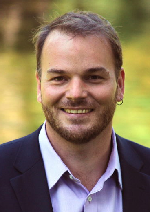
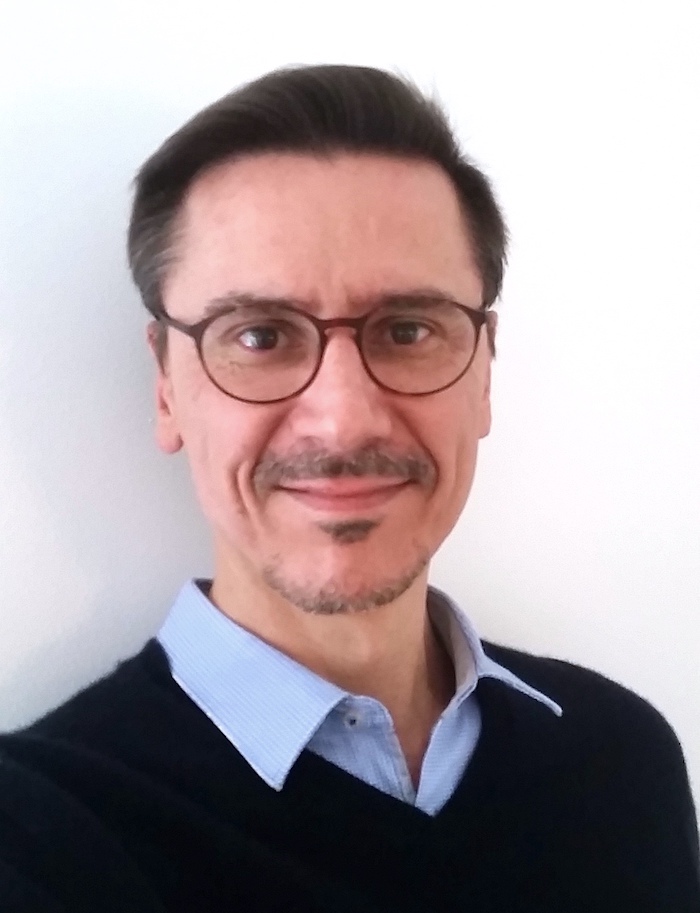
Miguel Costas Piñó serves as Associate Professor in the Department of Structural Engineering at the Norwegian University of Science and Technology (NTNU), where he has been faculty since 2017 and was promoted to Associate Professor in 2021. His research bridges computational mechanics with practical engineering applications in structural safety and material behavior. Education PhD in Civil Engineering, University of A Coruña (2016), thesis: "Crashworthiness analysis and design optimization of hybrid impact energy absorbers" (awarded Cum Laude, International Distinctions, and Extraordinary Doctorate Award) Master of Science in Civil Engineering, University of A Coruña (2011), specialization in Structural Engineering Research Focus Dr. Costas's work centers on computational and experimental solid mechanics , with particular expertise in metal plasticity , aluminium structures , and crashworthiness under extreme loading conditions. His laboratory investigates ballistic penetration phenomena and structural optimization for energy-absorbing systems, utilizing advanced finite element methods and physical testing protocols. Current projects integrate machine learning with traditional mechanics to model complex failure modes in multi-material systems. Publication Trends His 2020-2025 publications reveal three dominant trajectories: (1) ballistic resistance of additively manufactured metals for defense applications, (2) crash safety of electric vehicle battery systems, and (3) advanced modeling of mechanical joints. These works consistently combine experimental validation with computational innovation, particularly in neural network applications for large-scale structural simulations. Awards Cum Laude Doctorate International Distinctions (PhD) Extraordinary Doctorate Award Professional Activities Dr. Costas actively collaborates with industry partners on structural safety projects and serves as principal investigator for multiple NTNU research initiatives. His teaching includes graduate courses in materials mechanics, and he maintains dual professional engagement as a classical pianist with Norway's collaborative music community. Current work focuses on AI-driven crash simulation frameworks and next-generation armor materials.