Professor Orhan Büyükbebeci is a faculty member at Gaziantep University, Faculty of Medicine, Department of Surgical Medical Sciences, specializing in Orthopedics and Traumatology. He has served as Professor since 1993 and previously held the position of Department Head of Orthopedics and Traumatology at Necmettin Erbakan University (Meram Faculty of Medicine) from 2011 to 2013. His educational background includes: Medical License: Ege University, Faculty of Medicine (1983) Medical Specialization: Necmettin Erbakan University, Meram Faculty of Medicine, Department of Orthopedics and Traumatology (1988-1992) Professor Büyükbebeci's research focuses on orthopedic trauma, fracture management, spinal surgery, and regenerative techniques. His work addresses complex injuries including floating knee fractures, geriatric hip fractures, and vertebral metastases in multiple myeloma patients. He has pioneered minimally invasive approaches for acetabular and femoral head fractures and investigated platelet-rich plasma applications in cartilage healing. His methodology spans clinical studies, animal models, and multi-center trials. Analysis of his 31 publications (2012-2023) reveals dominant trends in geriatric orthopedics, spinal oncology interventions, and evidence-based fracture management. Recent work emphasizes quality-of-life outcomes in metastatic spinal disease, biomechanical aspects of femur geometry in fracture healing, and innovative wound care solutions, demonstrating consistent translational research from bench to bedside. He has actively mentored 9 medical specialization students, guiding research on developmental hip dysplasia, tibial slope effects on meniscal tears, high tibial osteotomy techniques, and platelet-rich plasma applications in hip dislocation models. His editorial contributions include special issues on minimally invasive orthopedic approaches in Türkiye Klinikleri journals.
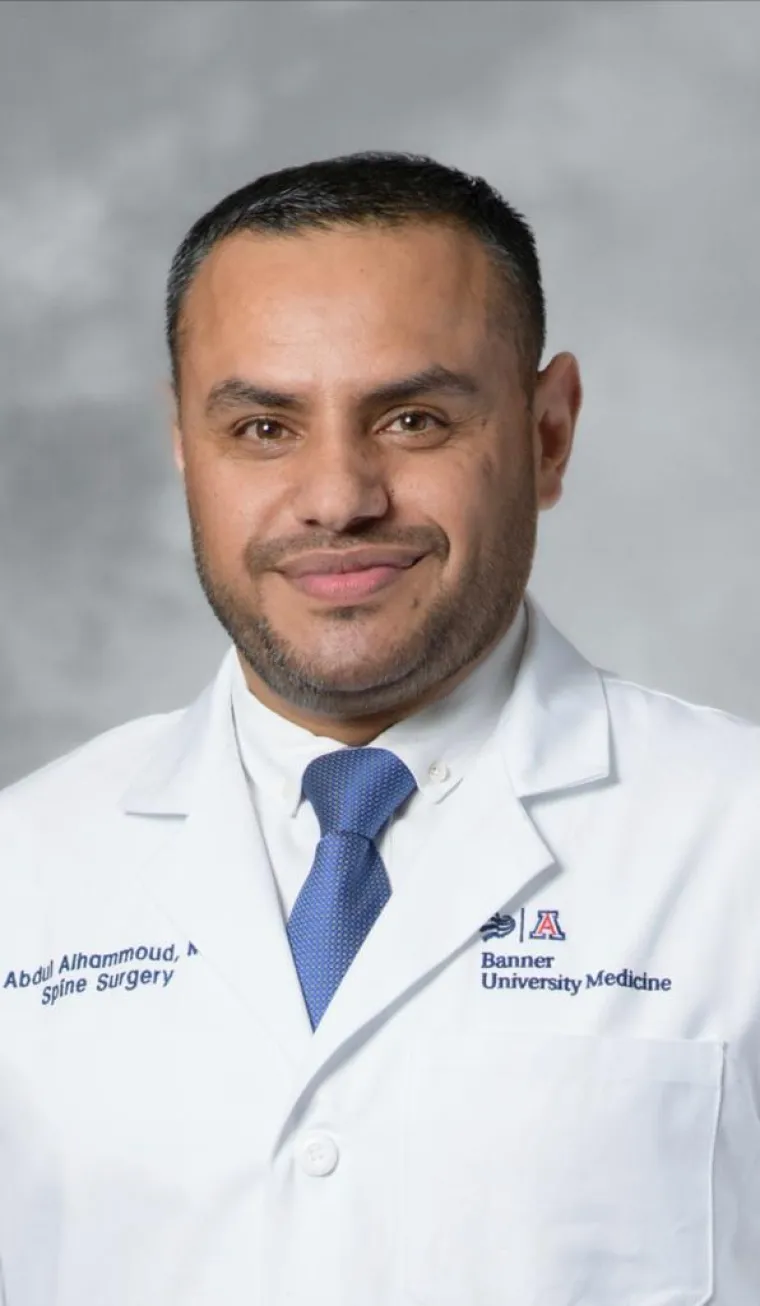
Abduljabbar Alhammoud, MD, serves as Clinical Assistant Professor of Orthopedics at the University of Arizona College of Medicine, specializing in spine surgery through Banner - University Medicine. Board-certified by the American Board of Spine Surgery (ABSS), he practices at three Tucson facilities: Alvernon Clinic, North Hills, and Center South Campus. An active member of the Scoliosis Research Society, North American Spine Society (NASS), and AO Spine, Dr. Alhammoud pioneers minimally invasive endoscopic techniques using robotics and navigation technology for both pediatric and adult spinal deformities. Education & Training: Clinical Fellowships: University of Arkansas for Medical Sciences, SUNY Upstate Medical University, Kaiser Permanente Oakland Medical Center, Hamad Medical Corporation (Qatar) M.S. Clinical Research: Dresden International University/Harvard Medical School Joint Program ACGME-I Accredited Orthopedic Residency Research Focus: His work centers on spine surgery outcomes and perioperative pain management , leveraging cutting-edge methodologies including robotic assistance and ultra-minimally invasive endoscopic approaches. With 47 peer-reviewed publications, he addresses critical gaps in cervical/lumbar fusion techniques, risk assessment for anticoagulation, and geriatric spine care in ambulatory settings. Publication Trends: Recent work (2022-2024) reveals strong emphasis on comparative device analysis (stand-alone cages vs plated constructs), surgical economics (work relative value units), and specialized populations (bariatric patients, elderly). His systematic reviews/meta-analyses dominate methodology, reflecting commitment to evidence-based spine care evolution. Scientific Recognition: 2023 NASS "20 Under 40" honoree AO Spine (2019) and NASS (2017) Traveling Fellowships Three-time "Promising Young Researcher" during residency Scoliosis Research Society Whitecloud Award nominee Mentorship & Global Impact: As co-founder of the Virtual Spine Surgery Research Academy (VSSRA), he connects trainees with surgeons to advance spine evidence. His humanitarian work includes Médecins Sans Frontières missions during the Syrian war and multiple international surgical trips. A former decathlon athlete, he competes nationally in USA Track & Field Masters events while maintaining community volunteer commitments. Clinical Integration: Dr. Alhammoud operates within Banner Health's multidisciplinary spine team, implementing research findings directly into patient care pathways with emphasis on reducing hospital stays through optimized pain protocols and advanced endoscopic techniques.
Dr. Joseph S. Coselli is a Professor and Executive Vice Chair in the Department of Surgery at Baylor College of Medicine, holding the Cullen Foundation Endowed Chair. He specializes in the clinical evaluation and surgical treatment of complex aortic diseases, including conditions affecting the aortic valve, root, ascending aorta, aortic arch, descending thoracic aorta, and thoracoabdominal aorta. With over 7,500 surgical repairs of the aorta and more than 3,300 open repairs of the thoracoabdominal aorta to his credit, Dr. Coselli is recognized as the world's most experienced surgeon in thoracoabdominal aortic procedures. Dr. Coselli's educational background includes: B.S. from University of Notre Dame (1974) M.D. from University of Texas Medical School at Galveston (1977) General Surgery Residency at Baylor College of Medicine Affiliate Hospitals (1977) Thoracic Surgery Residency at Baylor College of Medicine Affiliate Hospitals (1982) Dr. Coselli's research and clinical interests focus on advancing the field of aortic surgery through innovative techniques and protective strategies. He has pioneered methods to reduce postoperative complications such as mortality, paralysis, and stroke during complex aortic repairs. His work includes the development and implementation of cerebrospinal fluid drainage to protect the spinal cord, renal perfusion techniques to prevent kidney damage, and left heart bypass as a protective measure against distal ischemia. Dr. Coselli is particularly renowned for his expertise in treating patients with connective tissue disorders like Marfan and Loeys-Dietz syndromes, often performing valve-sparing aortic root replacements that eliminate the need for lifelong anticoagulation. Analysis of Dr. Coselli's recent publications reveals a strong focus on advancing thoracic and thoracoabdominal aortic surgery through both technical innovations and molecular understanding of aortic diseases. His work spans clinical outcomes research, surgical technique refinement, and investigation into the molecular mechanisms underlying aortic aneurysms and dissections. Recent publications highlight his leadership in studying perfusion techniques for organ protection, the application of stem cells in aortic repair, and the role of signaling pathways like Notch and AKT2 in aortic disease pathogenesis. His research demonstrates a consistent commitment to improving patient outcomes through evidence-based surgical approaches and understanding the biological basis of aortic pathology. Dr. Coselli has received numerous prestigious awards recognizing his contributions to cardiovascular surgery: 2017 Michael E. DeBakey Award for Excellence in Research (Baylor College of Medicine) 2017 Hero with a Heart Award (The Marfan Foundation) 2008 Medical Award for Exceptional Accomplishments in Cardiovascular Disease (American Heart Association) 2017 Ray C. Fish Award for Scientific Achievement (Texas Heart Institute) Lifetime Achievement Award (American Association for Thoracic Surgery) Lifetime Achievement Award (Transformative Endovascular Decisions) Throughout his career, Dr. Coselli has mentored numerous surgical trainees and collaborated on significant research initiatives investigating aortic disease mechanisms and surgical innovations. His laboratory and clinical research have been supported by both investigator-initiated and industry-sponsored projects, focusing on improving outcomes in complex aortic procedures. Dr. Coselli has participated in numerous clinical trials, including those evaluating endovascular technologies and protective strategies during aortic surgery. His work has directly influenced clinical practice guidelines for the management of aortic aneurysms and dissections. Dr. Coselli leads a multidisciplinary team at Baylor College of Medicine focused on aortic diseases, collaborating with specialists in cardiology, genetics, and vascular medicine. His team has established comprehensive protocols for the evaluation and management of patients with complex aortic conditions, including those with genetic connective tissue disorders. The program emphasizes a patient-centered approach that integrates advanced imaging, genetic testing when appropriate, and individualized surgical planning. Dr. Coselli's team is recognized for its expertise in managing high-risk cases, including redo operations and patients with extensive prior surgical interventions.
Matthew T. Murrell, M.D., Ph.D., serves as Assistant Professor of Anesthesiology at Weill Cornell Medical College and Assistant Attending Anesthesiologist at New York Presbyterian Hospital. He specializes in thoracic and regional anesthesiology, focusing on complex procedures like esophagectomy, lobectomy, and airway reconstruction. Weill Cornell Medical College (Cornell University) New York Presbyterian Hospital Education: M.D., Ph.D., Mount Sinai School of Medicine (2006) B.A., Williams College (1995) His research spans two domains: (1) Neuromuscular pharmacology through clinical trials on novel blocking agents like CW002, and (2) Virology with foundational work on paramyxovirus hemagglutinin-neuraminidase protein interactions. Publications highlight his contributions to thoracic anesthesia protocols and interventional pulmonology trends . Scientific Awards: Sadel Wortis Klein Award for Clinical Excellence Research Focus: Development of cysteine-degradable neuromuscular blocking agents; optimizing protective ventilation strategies in thoracic surgery; viral protein dynamics in paramyxovirus infections.
Dr. Jeremy B. Myers serves as a Professor in the Department of Surgery at the University of Utah School of Medicine, specializing in Urology. His clinical practice focuses on complex reconstructive urology with expertise in urethral strictures, urinary diversions, radiation injuries, and neurogenic bladder management following spinal cord injuries. He performs approximately 80 urethral stricture surgeries and 40 urinary diversions annually at University of Utah Hospital. Dr. Myers completed his fellowship in Trauma and Reconstructive Urology under Dr. Jack McAninch at University of California, San Francisco, following residencies in Urology and Surgery at University of Colorado-Denver. His research spans urologic reconstruction , spinal cord injury urology , and gender-affirming surgical outcomes , with particular emphasis on improving quality of life for patients with neurogenic bladder dysfunction. He leads multi-institutional studies through the Trauma and Urologic Reconstruction Network of Surgeons (TURNS) and the Neurogenic Bladder Research Group. Analysis of his 15 most recent publications reveals dominant research themes in urethral stricture classification , renal trauma management , and gender-affirming surgery complications . His work frequently employs large multi-center databases to establish evidence-based protocols, with significant contributions to understanding mental health impacts of genitourinary radiation injuries and sex-specific differences in spinal cord injury bladder management. Dr. Myers actively mentors through collaborative networks including: Trauma and Urologic Reconstruction Network of Surgeons (TURNS) Neurogenic Bladder Research Group Multi-institutional Genito-Urinary Trauma Study Group (MiGUTS) His clinical excellence is reflected in exceptional patient satisfaction scores (4.9/5 from 218 reviews), with consistent praise for his thorough explanations, compassionate care, and technical proficiency in complex reconstructive procedures.
Louis de Weerd is a Professor at the Department of Clinical Medicine, UiT The Arctic University of Norway, specializing in plastic and reconstructive surgery with a focus on cold weather injuries and advanced imaging techniques. Institution: UiT The Arctic University of Norway Department: Department of Clinical Medicine Email: louis.d.weerd@uit.no His research integrates dynamic infrared thermography and indocyanine green fluorescence angiography to optimize flap perfusion in complex reconstructive procedures. He has pioneered techniques for frostbite sequelae treatment , vesicovaginal fistula closure , and lipedema surgical management , addressing gaps in circumpolar health and postoperative care. He actively collaborates with multidisciplinary teams in the Dermatoplastic Imaging Research Group , contributing to advancements in perforator flap surgery and dead space obliteration . His work extends to clinical education and international partnerships, particularly in circumpolar and tropical surgical contexts. Recent publications highlight his expertise in muscle flap applications , free fibula grafts , and innovative imaging protocols , with a focus on improving outcomes for patients with complex surgical needs.
Filippo Guccione is a contract lecturer at the Department of Biomedicine, Neuroscience and Advanced Diagnostics within the School of Medicine and Surgery at the University of Palermo (Unipa). His work spans rehabilitation sciences, physiotherapy, and healthcare diagnostics. University: University of Palermo (Unipa) School: School of Medicine and Surgery Department: Department of Biomedicine, Neuroscience and Advanced Diagnostics Academic Rank: Lecturer Research Interests: Filippo focuses on rehabilitation sciences, with specific emphasis on physiotherapy for musculoskeletal disorders, clinical risk management, healthcare policy, and the integration of technology in rehabilitation. His work addresses challenges in home-care services, professional autonomy, and multidisciplinary team dynamics. Key Trends in Publications: Rehabilitation for musculoskeletal injuries (e.g., rotator cuff, lateral epicondylitis) Health policy and organizational models in Sicilian healthcare Technological advancements in robotic rehabilitation and e-health Management of clinical risks in multidisciplinary teams Post-COVID and geriatric rehabilitation strategies Advising and Grants: While specific grants and advising roles are not explicitly listed, his edited theses suggest mentorship in rehabilitation sciences, focusing on clinical protocols, patient autonomy, and healthcare innovation.
Dr. Miguel F. Manzur is an Assistant Professor of Clinical Surgery at the University of Southern California (USC) and a vascular surgeon at Keck Medicine of USC. He completed his medical degree at the Keck School of Medicine of USC in 2012, followed by general surgery residency (2018) and vascular surgery fellowship (2020), both at USC. Board-certified in general and vascular surgery, his clinical expertise focuses on limb preservation, complex aortic pathology, cerebrovascular disease, and venous disorders. He is actively involved in advancing endovascular techniques for aortic aneurysms and has contributed to studies on perioperative blood transfusion strategies and financial roles of vascular surgeons in healthcare systems. His academic affiliations include membership in the Society for Vascular Surgery, Western Vascular Society, and the American College of Surgeons (Fellow). Dr. Manzur’s research spans emergency thoracoabdominal aortic repair, MRSA-associated vascular infections, and optimizing limb salvage through endovascular and open vascular reconstruction. He has published extensively on aortic aneurysm management, abdominal compartment syndrome, and interventional vascular procedures. Education: MD, Keck School of Medicine of USC (2012) Bachelor’s degrees in Health Promotion & Disease Prevention and Biological Sciences (USC) General Surgery Residency (USC, 2018) Vascular Surgery Fellowship (USC, 2020) His clinical practice emphasizes patient-centered care with a focus on minimizing complications and improving outcomes for vascular emergencies. Dr. Manzur’s work underscores the importance of vascular surgeons in multidisciplinary healthcare teams and the economic impact of their specialized interventions.
Henrik Hedevik is a Researcher and Statistician at Linköping University, affiliated with the Department of Health, Medicine and Caring Sciences (HMV) under the Faculty of Medicine and Health Sciences (MEDFAK). His primary role involves data analysis and statistical support for researchers and doctoral students in physiotherapy and collaborative projects like the Swedish National Knee Ligament Registry (SNKLR) and Swedish Spine Registry (SEWSPINE). He has been part of the Unit of Physiotherapy since 2005, focusing on enhancing research quality through rigorous data processing and analysis. Education: Master of Science in Statistics, Linköping University (2003) Research Interests: Hedevik specializes in applying statistical methodologies to healthcare research, particularly in orthopedics and sports medicine. His work emphasizes improving clinical outcomes through data-driven insights, registry analysis, and predictive modeling. He collaborates extensively with multidisciplinary teams to address questions in injury prevention, surgical outcomes, and public health surveillance. Publications Trends: His recent work focuses on ACL reconstruction outcomes, sports injury epidemiology, and predictive models for spinal conditions. These studies highlight his expertise in translating complex datasets into actionable clinical knowledge. Collaborations and Roles: Statistician for SNKLR since 2014 and SEWSPINE since 2022 Supports research teams in experimental and clinical studies across HMV Labs/Teams: Active in the Unit of Physiotherapy and Division of Prevention, Rehabilitation and Community Medicine (PRNV), focusing on interdisciplinary healthcare research.
Dr. Olga Taran is a Lecturer at the Department of Health Sciences and Technology at ETH Zurich, specializing in machine learning and biomedical data science. She holds a PhD in Computer Science from the University of Geneva, with a focus on machine learning for complex problems. Her postdoctoral research at the Biomedical Data Science (BMDS) Lab involves developing data-driven metrics to improve outcomes in Spinal Cord Injury (SCI) clinical trials, addressing challenges in treatment evaluation. Her work aims to enhance clinical decision-making and accelerate therapy development. Olga's research also extends to anti-counterfeiting technologies using machine learning, focusing on copy detection patterns and authentication systems. Her research interests span machine learning applications in healthcare, deep learning methodologies, and the integration of digital twins for fraud detection. She has contributed to advancements in radio astronomical image reconstruction and self-supervised learning techniques. Olga's publications reflect a strong emphasis on interdisciplinary solutions, combining machine learning with fields like astronomy, cybersecurity, and biomedical science. Notable achievements include pioneering work on authentication systems using digital blueprints and physical fingerprints, as well as stochastic digital twin models for copy detection patterns. She actively collaborates on projects addressing the limitations of traditional clinical trial metrics and exploring machine learning's role in combating adversarial attacks on authentication systems.
Dr. Thomas R McCauley serves as an Associate Clinical Professor in the Department of Radiology & Biomedical Imaging at Yale School of Medicine. As a diagnostic radiologist, he specializes in musculoskeletal and body magnetic resonance imaging, with particular expertise in knee, shoulder, and spinal disorders. He emphasizes clear communication with patients, translating complex imaging results into understandable terms and integrating them into comprehensive care plans. Dr. McCauley's educational background includes: MD from University of Rochester School of Medicine & Dentistry (1984) BS from Trinity College (CT) (1980) His research focuses on advancing magnetic resonance imaging techniques for diagnosing musculoskeletal conditions. He has been instrumental in developing MRI applications during a period of significant technological advancement in radiology. Dr. McCauley has made substantial contributions to understanding meniscal tears, anterior cruciate ligament reconstructions, spinal disorders, and chondral injuries through his imaging expertise. Analysis of his publication record from 2002-2004 reveals a strong focus on diagnostic applications of MRI in orthopedic conditions, particularly knee injuries and spinal disorders. His work bridges clinical practice with imaging technology development, establishing protocols that enhance diagnostic accuracy for conditions ranging from meniscal tears to sacroiliitis in ankylosing spondylitis. Dr. McCauley maintains board certification in Diagnostic Radiology from the American Board of Radiology, originally certified in 1989. As an associate clinical professor, Dr. McCauley actively contributes to medical education at Yale School of Medicine, sharing his extensive experience in radiology with future physicians. His clinical practice focuses on applying cutting-edge imaging technology to directly improve patient diagnosis and treatment planning across various musculoskeletal conditions.
Professor David Ackland is a leading researcher in biomechanics and orthopaedic engineering at the University of Melbourne, where he serves as Professor in the Department of Biomedical Engineering within the Faculty of Engineering and Information Technology. As an Australian Research Council Future Fellow and Deputy Director of the ARC Centre for Medical Implant Technologies, he leads significant research initiatives at the intersection of engineering and medicine. His educational background includes a BSc (Neuroscience), BE (Mechanical), and PhD, all from the University of Melbourne. Professor Ackland's research program focuses on computational modeling of human movement biomechanics, with particular emphasis on upper and lower extremities and jaw function. His work spans muscle and joint mechanics, orthopaedic implant design, and the development of novel measurement techniques for clinical applications. Professor Ackland's recent scholarly output demonstrates expertise in shoulder and hip biomechanics, spinal modeling, and the application of artificial intelligence to movement analysis. His publications reveal a strong focus on cadaveric biomechanical testing, computational modeling, and clinical translation of engineering principles to orthopaedic challenges. His research increasingly incorporates machine learning approaches for real-time movement analysis using wearable sensors. Best Guest Nation Poster, Orthopaedic Research Society (2020) Outstanding Researcher Award 2017, School of Chemical and Biomedical Engineering New Investigator Award, Australian Biomechanics Conference (2016) Most Commendable Paper in an International Journal (2015) Professor Ackland leads multiple significant research projects including an ARC Future Fellowship on advancing human movement evaluation using AI, and serves as co-investigator on several major collaborative grants totaling millions of dollars. His research has strong clinical relevance, particularly in shoulder and hip biomechanics, orthopaedic implant design, and the development of measurement technologies for rehabilitation and surgical planning. His work bridges engineering principles with clinical orthopaedic challenges, creating meaningful impact in both research and patient care. His research group employs a multidisciplinary approach combining medical imaging, motion capture, computational modeling, and biomechanical testing to address complex challenges in musculoskeletal health. Current projects focus on digital twin frameworks for home-based mobility measurement, surgical techniques for rotator cuff tears, and AI applications for movement analysis.
Dr. Sara Lenherr is an Associate Professor in the Department of Surgery at the University of Utah School of Medicine, specializing in neurourology and pelvic reconstructive surgery. She directs the Urology Residency Program and serves as faculty for the Spinal Cord Injury Fellowship at Nelson Rehabilitation Hospital and the Urogynecology Fellowship. Her educational background includes: M.D. from University of Chicago Pritzker School of Medicine 6-year Urology Residency at Lahey Clinic Medical Center Dual Fellowships in Female Pelvic Medicine/Reconstructive Surgery and Health Services Research at University of Michigan M.S. in Clinical Research Design and Statistical Analysis from University of Michigan Dr. Lenherr's research focuses on neurogenic bladder , spinal cord injury , and patient-centered outcomes , with particular emphasis on quality-of-life impacts and innovative management strategies. Her work leverages large-scale registries like the Neurogenic Bladder Research Group (NBRG) to advance understanding of bladder phenotypes, UTI prevention, and psychosocial factors affecting care. She integrates engineering approaches including machine learning to develop precision treatment frameworks for complex urological conditions. Analysis of her 15 most recent publications reveals consistent themes: spinal cord injury populations represent her primary research cohort; bladder management strategies dominate clinical focus; and patient-reported outcomes drive methodology. Her work increasingly incorporates health services research lenses to address disparities in neurogenic bladder care while maintaining strong surgical outcomes orientation. As Program Director for Urology Residency and fellowship faculty, Dr. Lenherr mentors trainees in complex reconstructive techniques and evidence-based practice. Her leadership in the Neurogenic Bladder Research Group facilitates multi-institutional collaborations examining bladder management transitions, surgical outcomes, and quality-of-life metrics. She co-founded the Neurogenic Bladder Research Group (NBRG.org), establishing a national registry tracking spinal cord injury patients to investigate bladder management efficacy, complication patterns, and long-term outcomes. This collaborative platform enables large-scale studies on neurogenic bladder phenotypes and drives innovation in reconstructive techniques.
Kamber KAŞALİ is an Assistant Professor at Ataturk University's Faculty of Medicine, Department of Biostatistics and Medical Informatics, where he has served since 2018. His academic career spans multiple institutions including Istanbul University, where he previously worked as a Research Assistant. His position involves teaching biostatistics to medical students and conducting research at the intersection of statistics and medical science. Dr. KAŞALİ's educational background is diverse and impressive: Current Doctorate studies in Sports Health at Ataturk University's Winter Sports Institute (2023-present) PhD in Biostatistics from Ataturk University/Istanbul Faculty of Medicine (2014-2018) Postgraduate degree in Biostatistics from Istanbul University (2011-2014) Postgraduate degree in Physics/Solid State Physics from Ataturk University (2007-2010) Bachelor's degree in Physics from Ataturk University (2003-2007) Associate degree in Food Technology from Uludağ University (2000-2002) His research interests span a broad spectrum at the intersection of statistics and medicine. Dr. KAŞALİ specializes in biostatistics applications across various medical fields including clinical medicine, epidemiology, and public health. His expertise particularly shines in statistical methodology for medical research, meta-analysis, sample size determination, and power analysis. His work bridges the gap between complex statistical theory and practical medical applications, making him a valuable resource for researchers across multiple medical disciplines. Analysis of Dr. KAŞALİ's recent publications reveals a strong focus on interdisciplinary medical research with particular emphasis on statistical applications in clinical settings. His work spans diverse areas including geriatrics, obstetrics, infectious diseases, sports medicine, and dental research. A notable pattern is his application of rigorous statistical methods to solve practical clinical problems, often collaborating with specialists across various medical fields. His research demonstrates expertise in both traditional statistical analysis and emerging areas like AI applications in emergency medicine. Dr. KAŞALİ has been actively involved in numerous funded research projects, demonstrating his ability to secure research funding and lead collaborative efforts. His project portfolio includes studies on statistical methodology for clinical research, AI applications in medical diagnostics, and interdisciplinary studies examining the relationship between various physiological parameters and health outcomes. His leadership roles in these projects highlight his growing influence in the academic medical research community.
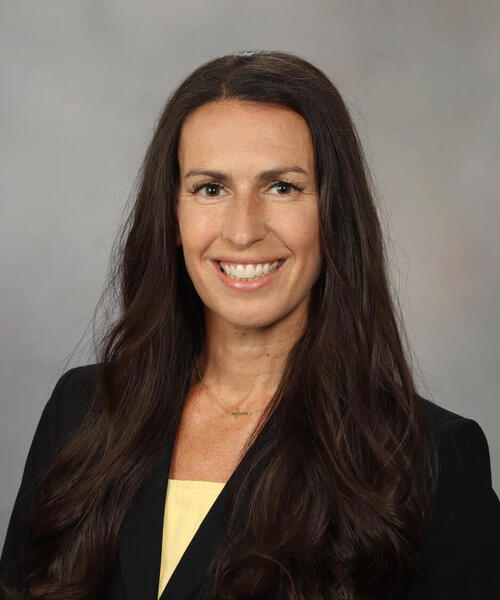
Dr. Candace F. Granberg serves as Surgeon-in-Chief of the Mayo Clinic Children's Center and Associate Program Director for the Urology Residency Program at Mayo Clinic College of Medicine. A board-certified pediatric urologist specializing in complex oncologic cases, she leads multidisciplinary care for genitourinary rhabdomyosarcoma and Wilms tumor while directing the Fertility Preservation Program for pediatric cancer patients. Her research spans pediatric urologic oncology , minimally-invasive surgical innovation , and health services research . Notable trends include increasing focus on immunotherapy applications in rhabdomyosarcoma (2018-2024), surgical outcomes analysis using multicenter data (2016-2018), and recent investigations into physician wellness (2023-2024). Her publication record shows consistent contributions to high-impact urology journals with growing emphasis on collaborative, multidisciplinary studies. Top Doctors in Minnesota (8 consecutive years: 2017-2025) Teacher of the Year, Mayo Clinic Rochester (2021) Young Urologist of the Year, AUA North Central Section (2020) AMA Inspiration Award for Women Physicians (2020) Multiple best presentation awards at national urology meetings Dr. Granberg mentors urology residents and medical students while leading national committees focused on surgical innovation and health policy. Her clinical leadership includes directing the Pediatric Stone Clinic and co-managing neurogenic bladder cases through Mayo's Cerebral Palsy/Spina Bida Specialty Clinic. She maintains active roles in the Children's Oncology Group and multiple urology societies, driving advancements in pediatric urologic care through both clinical practice and scholarly activity.