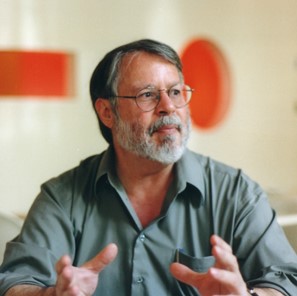
Mark Liberman is a Trustee Professor at the University of Pennsylvania , holding appointments in the Department of Linguistics and Department of Computer and Information Science . He serves as Director of the Linguistic Data Consortium and Faculty Director of Ware College House . His career spans linguistics, speech technology, and computational methods. Education: Harvard University (1965-1969), MIT (M.S. 1972, Ph.D. 1975) Professional Experience: AT&T Bell Laboratories (1975-1990), University of Pennsylvania (1990-present) His research interests include: Corpus-based Phonetics : Analyzing speech patterns via large-scale datasets. Clinical Applications : Developing speech biomarkers for neurodegenerative diseases. Tonal Phonology : Studying lexical tone and intonation in languages like Yoruba and Mandarin. Formal Annotation Models : Creating frameworks for linguistic data standardization. Recent publications highlight automated speech analysis, cross-linguistic prosody, and digital biomarkers for conditions like ALS-FTD and Alzheimer’s. His collaborations span computational linguistics , neurology , and cognitive science . Scientific awards include the IEEE James L. Flanagan Award (2017), Antonio Zampolli Prize (2010), and fellowships from the AAAS and Linguistic Society of America . He advises PhD students May Chan and Jonathan Him Nok Lee and contributes to editorial boards for journals like Cognition and Annual Review of Linguistics . His work bridges speech science , language technology , and neurocognitive research .
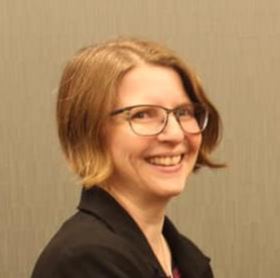
Elaine Francis is a Professor of English and Linguistics at Purdue University's College of Liberal Arts, where she serves as Associate Head of the Department of English and directs the Experimental Linguistics Lab. She holds additional affiliations as an Affiliate Faculty Member in the Department of Linguistics and a Courtesy Faculty Member in the Department of Speech, Language, and Hearing Sciences. Ph.D. in Linguistics, University of Chicago (1999) B.A. in Linguistics, College of William and Mary (1993) MA in Linguistics, University of Chicago (1995) Former Assistant Professor at the University of Hong Kong (1999-2002) Professor Francis's research focuses on syntax and its interfaces with semantics, discourse information structure, and language processing in production and comprehension. She employs experimental methods to investigate syntactic, semantic, discourse-pragmatic, and cognitive factors underlying complex sentence structures. Her primary research areas include word order alternations, filler-gap dependencies, resumptive pronouns, and grammatical acceptability. She examines how various factors contribute to grammatical alternations in language use and explores how processing pressures in production and comprehension contribute to grammatical conventions. Her recent publication record shows consistent output across multiple linguistic subfields, with a strong emphasis on experimental syntax and psycholinguistics. Her 2022 book, Gradient Acceptability and Linguistic Theory , represents a significant contribution to understanding acceptability judgment tasks in relation to syntactic theory. Her work spans theoretical syntax, experimental linguistics, second language acquisition, and cross-linguistic comparison, often bridging the gap between theoretical frameworks and empirical evidence. Regularly teaches short courses at Linguistic Society of America Linguistic Institutes Member of Linguistic Society of America Ethics Committee Editorial board member of Glossa Psycholinguistics Co-editor of Polymorphous Linguistics: Jim McCawley's Legacy (2005) Co-editor of Mismatch: Form-Function Incongruity and the Architecture of Grammar (2003) Professor Francis actively supervises graduate students in linguistics, though she has indicated she will be unable to take on new graduate students for the 2025-2026 academic year. She has received research support for her experimental work, particularly for investigating syntactic phenomena through controlled experiments and corpus analysis. Her collaborative work extends across multiple institutions and disciplines, including collaborations with researchers in computational linguistics, cognitive science, and clinical linguistics. She directs the Experimental Linguistics Lab at Purdue University, which conducts research on syntactic processing using various experimental methodologies. The lab investigates how speakers produce and comprehend complex sentence structures, with particular attention to how grammatical knowledge interacts with processing constraints. Current projects include research on relative clauses, syntactic islands, and acceptability gradient phenomena across multiple languages.
Ole Winther is Professor in High dimensional biological data analysis/Machine learning at the Department of Biology, University of Copenhagen and Professor in Data science and complexity at DTU Compute, Technical University of Denmark. He serves as CRO and co-founder of raffle.ai, CTO and co-founder of FindZebra, Head of ELLIS Unit Copenhagen, and co-PI of the Machine Learning for Life Science Center. His research spans Bioinformatics , Machine Learning , and AI for Science , focusing on applying deep learning to biological sequence analysis, latent variable models, and medical NLP. Winther's work develops predictive and generative models for bioinformatics, with significant contributions to protein localization tools (SignalP, DeepLoc, DeepTMHMM), single-cell genomics, and novel deep learning architectures like variational autoencoders and diffusion models. Analysis of Winther's recent publications (2023-2025) reveals a strong trend toward integrating protein language models with traditional bioinformatics approaches and applying diffusion models to scientific problems. His work bridges theoretical machine learning advancements with practical applications in biology and medicine, particularly in protein sequence analysis, medical search engines, and scientific simulation acceleration. Winther currently supervises a diverse research group including Panagiotis Antoniadis, Rachael M. DeVries, Jun Wang, Beatrix M. G. Nielsen, Felix G. Teufel, Irene R. Rodriguez, Anders Christensen, and Christopher Heje Grønbech. His former students have established successful careers at institutions including Google, Apple, and various startups, with notable alumni like Casper Sønderby (Google Brain) and Søren Sønderby (Apple). He leads significant research initiatives including the ELLIS Unit Copenhagen and the Machine Learning for Life Science Center, while maintaining active industry partnerships through his co-founded companies raffle.ai (enterprise search using NLP) and FindZebra (search engine for rare diseases). His teaching includes Deep Learning courses at both DTU (02456) and University of Copenhagen (NDAK24002U).
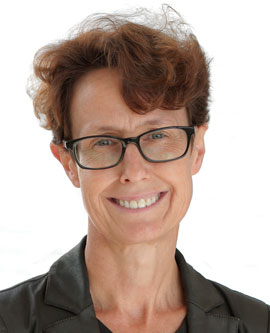
Professor Maria Craig is a distinguished academic and researcher at the University of New South Wales, Faculty of Medicine & Health, specializing in childhood diabetes research. She holds a prominent position as a Professor with extensive contributions to the field of pediatric endocrinology and diabetes, particularly focusing on type 1 diabetes in children. Professor Craig's educational background includes: MB BS from the University of Melbourne MMedSc(ClinEpid) from the University of Newcastle PhD from the University of Sydney FRACP (Fellow of the Royal Australasian College of Physicians) Professor Craig's research primarily focuses on childhood diabetes, with special emphasis on prediction and prevention of type 1 diabetes. She has a significant interest in the association between viruses and type 1 diabetes, collaborating with the Virology Research Group at Prince of Wales Hospital (POWH). Together with Professor Bill Rawlinson, she leads the viral theme for the multicentre ENDIA study (endia.org.au). As principal investigator for the CoRD trial, she is conducting a world-first phase 1 study using autologous cord blood for prevention of type 1 diabetes in children with islet autoimmunity. Additionally, she serves as principal investigator for the Australasian Diabetes Data Network (ADDN). Her research portfolio also encompasses the epidemiology of various forms of childhood diabetes (type 1, type 2, cystic fibrosis related diabetes and monogenic diabetes) and diabetes complications, in collaboration with Professor Kim Donaghue at the Children's Hospital at Westmead. Professor Craig's extensive publication record, including over 361 journal articles, demonstrates her leadership in advancing our understanding of childhood diabetes. Her recent work shows increasing focus on early detection methods, risk prediction models, technological interventions for diabetes management, and the complex interplay between viral infections and autoimmune diabetes development. She has been instrumental in developing clinical practice guidelines through her role as co-editor of the International Society for Pediatric and Adolescent Diabetes (ISPAD) guidelines. Professor Craig has received numerous prestigious awards recognizing her contributions to pediatric endocrinology and diabetes research: Australian Paediatric Endocrine Group Young Investigator's Award (1997) Asia Pacific Paediatric Endocrine Society Clinical Teaching Award (2008) Lifetime Honorary Member, Caring and Living as Neighbours (2013) Australian Diabetes Society Jeff Flack Diabetes Data Award (2019) Australian Paediatric Endocrine Group Norman Wettenhall Award for Research and Innovation (2019) Throughout her career, Professor Craig has demonstrated exceptional leadership in professional societies, having served as former president/treasurer of the Australasian Paediatric Endocrine Group (APEG) and currently as Scientific Convenor of the Asia Pacific Paediatric Endocrine Society Fellows school. Her work with the ENDIA study and Australasian Diabetes Data Network represents significant collaborative research efforts involving multiple institutions across Australia and internationally. Her principal investigator roles for major studies indicate substantial research funding support. Professor Craig leads several important research initiatives including the ENDIA study, the CoRD trial, and the Australasian Diabetes Data Network. These programs involve multidisciplinary teams of researchers, clinicians, and support staff working collaboratively to advance understanding and treatment of childhood diabetes. Her work at the intersection of virology and diabetes represents a unique and innovative approach to understanding the environmental triggers of type 1 diabetes.
Romain Lopez is an Assistant Professor of Computer Science and Biology at New York University, with a joint appointment in the Courant Institute of Mathematical Sciences and the Department of Biology. He will be joining NYU in September 2025, bringing expertise at the intersection of machine learning and computational biology. Prior to joining NYU, he was a Postdoctoral Fellow at Genentech and Stanford Medicine from 2021 to 2025, working with Jonathan Pritchard and Aviv Regev. Dr. Lopez received his educational training at prestigious institutions: PhD in Computer Science (2021) from the University of California, Berkeley, advised by Mike Jordan and Nir Yosef M.S. in Applied Mathematics (2016) from École polytechnique, Palaiseau, France Dr. Lopez's research focuses on developing machine learning methods to understand biological systems at the cellular level. His work bridges computational techniques with biological applications, particularly in single-cell and spatial omics analysis. He pioneered probabilistic approaches for single-cell analysis with scVI and co-developed scvi-tools, now widely adopted tools in the field. His research spans deep generative models, causal inference, perturbation modeling, and representation learning for biological data. His publication record demonstrates a consistent trajectory of innovation in computational biology, with recent work focusing on spatial biology, disentangled representations of cellular perturbations, and causal modeling of cellular responses. He has made significant contributions to the field of single-cell analysis, developing methods that help scientists interpret complex cellular data and predict how cells respond to various perturbations. Dr. Lopez has received numerous honors and awards for his research: Best Paper Award from the ICML Workshop on AI for Science (2024) Best Paper Award Honorable Mention from the AAAI Conference on Artificial Intelligence (2021) Best Student Poster Award from the ICML Workshop on Computational Biology (2019) UC Berkeley EECS Departmental Graduate Fellowship (2016) Carnot Foundation Fellowship (2016) Monahan Foundation Fellowship (2016) French National Defence Medal, Bronze Echelon (2014) At NYU, Dr. Lopez will lead the Biological Machine Learning group, which develops probabilistic machine learning methods to uncover biological mechanisms governing cellular behavior and disease. His lab focuses on creating tools that transform complex cellular data into biological insights, with applications in understanding cancer, immune responses, and fundamental cellular processes. His work has significant implications for precision medicine and drug discovery.
Howard A. Stone is the Donald R. Dixon '69 and Elizabeth W. Dixon Professor and Neil A. Omenn '68 University Professor in the Department of Mechanical and Aerospace Engineering at Princeton University's School of Engineering and Applied Science. He leads the Complex Fluids Group, conducting interdisciplinary research at the intersection of engineering, physics, chemistry, and biology. Dr. Stone received his B.S. in Chemical Engineering from UC Davis (1982) and Ph.D. from Caltech (1988). After a postdoctoral year at Cambridge University, he joined Harvard University's faculty in 1989, where he became the Vicky Joseph Professor of Engineering and Applied Mathematics before moving to Princeton in 2009. His research focuses on fluid dynamics phenomena across multiple scales, with particular emphasis on microfluidics, complex fluids, and biomechanics . His group investigates multiphase flows, colloidal systems, bio-inspired fluid phenomena, and physicochemical hydrodynamics. Recent work spans from fundamental studies of thin film drainage and droplet dynamics to applications in biological systems including blood flow, bacterial transport, and biomolecular condensates. The Complex Fluids Group employs experimental, theoretical, and computational approaches, often collaborating with industry partners on applications from medical devices to industrial processes. Analysis of his recent publications reveals a continued expansion into biological applications of fluid dynamics, with increasing focus on cellular mechanics, biomolecular condensates, and pathological hemodynamics, while maintaining strong contributions to fundamental fluid mechanics in complex systems. His work consistently bridges theoretical insights with practical applications across multiple disciplines. Major honors include: Election to the National Academy of Engineering (2009) Election to the National Academy of Sciences (2014) APS Fluid Dynamics Prize (2016) G.K. Batchelor Prize in Fluid Dynamics (2008) NSF Presidential Young Investigator Award Professor Stone has advised numerous PhD students through their Final Public Oral examinations, with recent graduates working on topics spanning microfluidics, bacterial transport, and complex fluid phenomena. His research has been supported by diverse funding sources including NSF, NIH, and industry partnerships. The Complex Fluids Group maintains state-of-the-art experimental facilities in the Engineering Quadrangle, featuring specialized equipment for microfluidics, rheology, and interfacial phenomena investigations. The group actively collaborates with researchers across Princeton and globally, maintaining strong connections to both academic and industrial partners working on fluid-related challenges.
Jonas Fischer is the head of the Explainable Machine Learning group at the Max Planck Institute for Informatics, Department of Computer Vision and Machine Learning. His research focuses on interpreting complex machine learning models, particularly in genomics and healthcare, aiming to enhance robustness and alignment with human decision-making. Prior to his role at MPI, he was a postdoctoral fellow at Harvard University's Department of Biostatistics, where he worked on interpretable models for gene regulatory systems in cancer. Education: PhD in Computer Science from Saarland University (2022), with a thesis titled More than the sum of its parts , exploring the intersection of pattern mining and deep learning. He has contributed to advancing methods in neural network pruning, federated learning, and low-dimensional embeddings (e.g., dtSNE, Mercat). His work bridges computational biology, data mining, and machine learning, with applications in DNA methylation analysis, graph-based differential networks, and biomedical informatics. Key research areas include: (1) Explainable AI and neural network interpretability, (2) Biomedical applications of machine learning (e.g., gene regulatory networks, cancer genomics), (3) Low-dimensional embeddings and visualization techniques, (4) Federated learning for privacy-preserving collaborative models, and (5) Pattern mining for error analysis in NLP and classification tasks. Publications span top venues like NeurIPS, ICLR, Bioinformatics, and Genome Biology. His group develops tools such as BONOBO for omics data integration and node2vec2rank for scalable graph analysis. He actively collaborates with biomedical researchers to address challenges in data-driven healthcare and precision medicine.
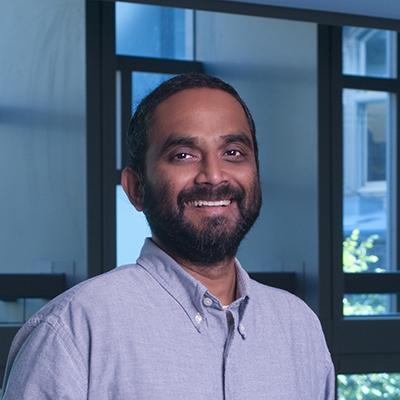
Sriram Subramaniam is a Professor in the Department of Biochemistry and Molecular Biology at the University of British Columbia (UBC) and holds the Gobind Khorana Canada Excellence Research Chair in Precision Cancer Drug Design. His research leverages cryo-electron microscopy (cryo-EM) to advance structural biology and drug design, focusing on protein dynamics and therapeutic target identification. Education: PhD in Physical Chemistry (1987) from Stanford University; MSc in Chemistry (1981) from Indian Institute of Technology, Kanpur. Subramaniam's interdisciplinary work combines cryo-EM with computational tools and molecular biology to study protein structures at atomic resolution. His lab has pioneered cryo-EM applications in precision medicine, including mapping small molecule drugs on patient-specific cancer mutants. Recent publications (2024-2022) highlight his contributions to understanding SARS-CoV-2 immune evasion, structural mechanisms of ATPases, and AI integration in structural biology. His research spans viral entry mechanisms, CRISPR systems, and neurodegenerative disease pathways. Scientific Awards: Gobind Khorana Canada Excellence Research Chair NIH Director’s Award for Scientific Excellence Fellow of the Biophysical Society Breakthrough Prize nomination Based at the Djavad Mowafaghian Center for Brain Health, Subramaniam leads the Program in Cryo-EM Guided Drug Design, contributing to over 177 peer-reviewed publications with a career h-index of 58 and citations exceeding 12,340.
Raul Vicente Zafra is a Professor of Data Science at the University of Tartu, Faculty of Science and Technology, Institute of Computer Science, where he has been working since 2013. His research spans computational neuroscience, artificial intelligence, and data science, with a particular focus on bridging biological and artificial models of intelligence. Education: PhD in Physics (2001-2006), University of the Balearic Islands BSc in Physics (1997-2001) Professor Zafra's research interests center on computational neuroscience and artificial intelligence, with specific expertise in brain-computer interfaces, reinforcement learning, neural modeling, and explainable AI. His work bridges the gap between biological and artificial intelligence systems, exploring how neural principles can inform machine learning algorithms and vice versa. He has made significant contributions to understanding neural coherence, time interval learning in neural systems, and the application of information theory to brain-computer interfaces. His research often involves interdisciplinary collaboration between computer science, neuroscience, and medicine. Analysis of Zafra's recent publications reveals a strong focus on the intersection of artificial intelligence and neuroscience. His work spans explainable AI methods, brain-computer interfaces, reinforcement learning models that mimic cognitive processes, and neurophysiological studies of brain activity. A notable trend is his exploration of how biological principles of neural computation can inform and improve artificial intelligence systems, particularly in areas like time-based learning, consciousness modeling, and neural coherence. Scientific Awards: 2012: Attendee at the 62nd Lindau Nobel Laureate Meeting 2007: Quantum Electronics and Optics Division Prize of the European Physical Society for the best PhD Thesis in Applied Optics in Europe 2006: PhD Extraordinary Award of the Physics Department of the University of the Balearic Islands 2001: Physics Degree Extraordinary Award (First Class Honors, best GPA) 1997: Bronze Medal in the "8th Spanish Physics Olympiad" Professor Zafra has been principal investigator on numerous significant research projects including the Estonian Centre of Excellence in Artificial Intelligence, Cardiovascular Stress Impacts On Neuronal Function, and Bridging biological and artificial models of vision. His grant portfolio demonstrates strong funding support from the Estonian Research Council, European Commission, and other major funding bodies. He has supervised multiple PhD students and mentored early-career researchers in computational neuroscience and AI. His laboratory work focuses on developing computational models of neural systems and applying these insights to artificial intelligence. Current research directions include explainable AI methods, brain-computer interfaces, modeling of consciousness and cognitive processes, and the application of AI to healthcare challenges.
Vincent Quagliarello, MD, is Professor of Medicine in the Department of Infectious Diseases at Yale School of Medicine, where he also serves as Clinical Chief of Infectious Diseases and Vice Chair for Education and Academic Affairs in the Department of Internal Medicine. His research focuses on infections among older adults, with particular expertise in endocarditis, meningitis, and antimicrobial stewardship in geriatric populations. Dr. Quagliarello has been an NIH R01-funded principal investigator studying infections in older adults and received an NIH K07 Academic Leadership Award to mentor postdoctoral trainees and junior faculty. His publication record demonstrates consistent focus on antimicrobial use in elderly patients, particularly those with advanced cancer, nursing home residents, and end-of-life care scenarios. His research has significantly contributed to understanding appropriate antimicrobial therapy in geriatric populations and the management of infections in complex elderly patients. Scientific Awards: Clinical Teacher Award (2011) from Infectious Diseases Society of America Leah Lowenstein Award (2007) from Yale School of Medicine Department of Internal Medicine Teacher of the Year (1998, 1990) Laureate Award (1997) from American College of Physicians (CT Chapter) Bohmfalk Teaching Prize (1997) from Yale School of Medicine Dr. Quagliarello has served as an educational leader at Yale, directing the Internal Medicine Clerkship, the Yale Infectious Diseases Fellowship program, and creating the Department of Medicine Research in Residency Program. His clinical work spans the spectrum of infectious diseases with a special focus on public health impact.
Vivek Shenoy is the Eduardo D. Glandt President's Distinguished Professor at the University of Pennsylvania, with primary appointments in the Department of Materials Science and Engineering and secondary appointments in Bioengineering and Mechanical Engineering and Applied Mechanics. He leads the Multiscale Mechanobiology and Biomaterials Laboratory, which focuses on developing theoretical frameworks and numerical methods to understand complex biological and engineering systems across multiple length scales. Shenoy's research spans mechanobiology, chromatin organization, cell mechanics, and biomaterials. His work addresses the fundamental challenge of modeling how small-scale cellular phenomena couple with long-range tissue-level interactions across micrometers to centimeters. By integrating insights from soft matter physics, solid mechanics, chemistry, and applied mathematics, his group develops multiphysics continuum and mesoscale theories to elucidate mechanisms controlling both biological and engineering systems. His recent publications demonstrate an increasing focus on nuclear mechanics, chromatin organization, and the interplay between mechanical forces and gene regulation. Analysis of Shenoy's publication record reveals a strong interdisciplinary approach, with high-impact papers spanning biophysics, materials science, and cell biology. His work shows consistent evolution from fundamental mechanics of materials to complex biological systems, with recent emphasis on the mechanical regulation of chromatin architecture, cell migration dynamics in 3D environments, and mechanotransduction in development and disease. His publications appear regularly in top journals including Nature, Science, and their affiliated publications, demonstrating significant influence across multiple fields. Eduardo D. Glandt President's Distinguished Professor Multiple publications in Nature, Science, and PNAS Active research program with publications through 2025 Shenoy actively mentors students and postdocs through his laboratory, with numerous co-authored publications indicating strong mentorship. His research program appears to be well-funded through multiple grants supporting his work in mechanobiology and biomaterials. The Multiscale Mechanobiology and Biomaterials Laboratory maintains active collaborations across disciplines and institutions, reflecting the interdisciplinary nature of his research. The Multiscale Mechanobiology and Biomaterials Laboratory, housed within the Department of Materials Science and Engineering at the University of Pennsylvania, serves as the primary research hub for Shenoy's work. The lab maintains an active presence on social media (Twitter: @ShenoyLab) for updates on activities and publications. Their research approach combines theoretical modeling with experimental validation to address fundamental questions at the interface of mechanics, materials science, and biology.
Alexis Battle is an Associate Professor at Johns Hopkins University with appointments in Biomedical Engineering , Computer Science , and Genetic Medicine (secondary). She directs the Malone Center for Engineering in Healthcare and serves as Deputy Director of the Data Science and AI Institute . Educated at Stanford University (PhD in Computer Science, 2013), Battle transitioned to academia after leadership roles at Google. Research Focus: Battle’s work bridges genomics and machine learning , emphasizing the impact of genetic variation on human health. Her lab develops tools like Watershed to predict functional effects of rare variants, aiming to enhance rare disease diagnosis. Key themes include non-coding DNA analysis , personalized genomics , and systems biology , with applications in cardiovascular disease and neurodegenerative disorders . Publications & Awards: Over 60 peer-reviewed articles in journals like Nature , Science , and Genome Biology , with recent emphasis on single-cell transcriptomics , multiomics integration , and telomere biology . Recipient of the President’s Frontier Award (2022), Microsoft Investigator Fellowship (2019), and Searle Scholar (2016). Scientific Awards: 2022 President’s Frontier Award 2019 Microsoft Investigator Fellowship 2019 Johns Hopkins Discovery Award 2017 Johns Hopkins Catalyst Award 2016 Searle Scholar Advising & Funding: Mentors 11 PhD students, 3 undergraduates, and postdoctoral fellows. Her research is funded by NIH, Searle Scholars, and institutional grants. The Battle Lab collaborates on projects like the GTEx Consortium , focusing on gene regulation and clinical genomics .
Petros Koumoutsakos is the Herbert S. Winokur, Jr. Professor of Computing in Science and Engineering at Harvard University's School of Engineering and Applied Sciences (SEAS), where he also serves as Area Chair for Applied Mathematics. His research integrates machine learning with computational science to advance understanding of complex systems, including fluid dynamics, turbulence modeling, and biomedical applications. He leads the CSE Lab, focusing on high-performance computing and interdisciplinary collaborations such as a recent study with Citadel Securities and Google Cloud to simulate heart disease in cloud environments. Key research interests include reinforcement learning for turbulence closures, generative models for PDE solutions, and physics-informed AI for biomedical imaging and wildfire prediction. He was awarded the PRACE HPC Excellence Award (2023) for contributions to high-performance computing. His work bridges computational methods with real-world applications, emphasizing interpretability and scalability in multiscale systems. Grants & Collaborations: Leadership in multi-institutional projects, including turbulence modeling via reinforcement learning and cloud-based HPC studies. Labs/Teams: Director of the CSE Lab, advancing AI, computational fluid dynamics, and biomedical simulations.
Ning Zhang is an Assistant Professor in the Biology Department at James Madison University (JMU), joining in 2024. Her research focuses on enhancing crop resilience through molecular and biochemical studies of plant defense mechanisms against bacterial pathogens, alongside developing genome editing technologies for trait improvement. She holds a PhD in Horticulture and Crop Science from The Ohio State University (2016), an MS in Silviculture from Zhejiang Agriculture and Forestry University (2011), and a BS in Landscape Architecture from Shandong Agricultural University (2008). Research Interests: Dr. Zhang's lab investigates plant immunity pathways, CRISPR/Cas9 genome editing applications, and engineering crops for disease resistance. Her work integrates molecular biology, genetics, and biochemistry to tackle challenges posed by climate change and biotic/abiotic stresses. Recent Trends in Publications: Her articles concentrate on MAPK signaling pathways, NLR protein interactions, PP2C phosphatase regulation, and bacterial effector mechanisms in tomato and other crops. Key themes include immune system activation, pathogen recognition diversity, and transgenic plant development. Lab Information: The Zhang Lab at JMU is part of the Department of Biology, focusing on plant biotechnology solutions for agricultural sustainability. They collaborate on projects involving CRISPR-based gene editing and stress tolerance research.
Hai-Quan Mao is a Professor of Materials Science and Engineering at Johns Hopkins University, with a joint appointment in the Biomedical Engineering Department (School of Medicine). He directs the Institute for NanoBioTechnology (INBT) and leads the Translational Tissue Engineering Center. His research focuses on biomaterials, regenerative engineering, and immunoengineering, particularly developing nanomaterials for therapeutic delivery and tissue regeneration. Mao holds 35 U.S. patents, co-founded two biotech companies, and received prestigious awards including National Academy of Inventors Fellow and NSF CAREER Award. Education: BS in Chemistry (1988) and PhD in Polymer Chemistry (1993) from Wuhan University. Postdoctoral training at Johns Hopkins (1995–1998), followed by roles at Johns Hopkins Singapore (1999–2003) before joining the Whiting School faculty. Research emphasizes nanofiber scaffolds for liver/nerve regeneration, DNA/lipid nanoparticle engineering for gene therapy, and artificial lymph node matrices for immunotherapy. His lab translates biomaterials innovations into clinical applications, with NIH-funded projects addressing cancer, malaria, and tissue damage. Awards include over 60 provisional patents, multiple Johns Hopkins translational awards, and Thalheimer Awards for research. He serves as associate editor of Biomaterials and editorial board member of major journals. Lab activities include scalable nanoparticle manufacturing, machine learning for material design, and collaborations with industry/clinical partners. Recent work includes lipid nanoparticle optimization for mRNA vaccines and exosome-based therapies for Crohn’s disease.