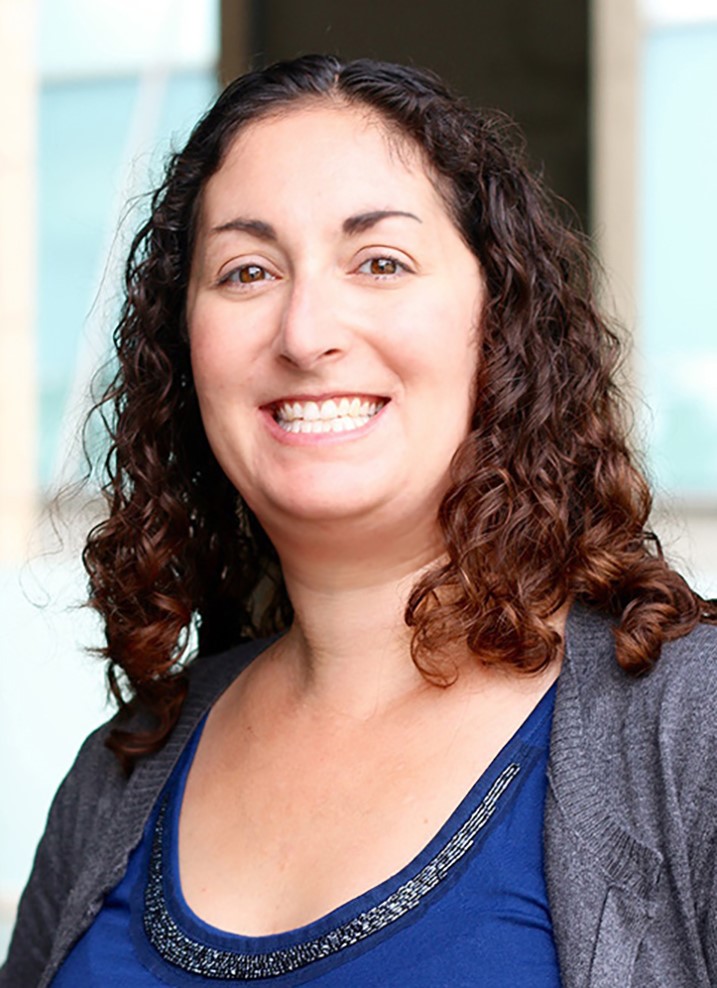
Melody Alsaker is an Associate Professor in the Department of Mathematics at Gonzaga University, where she has held this position since January 2016. Her research focuses on medical imaging and applied inverse problems, particularly in the field of electrical impedance tomography (EIT). She specializes in mathematical modeling, algorithm design, and biomedical image processing, with applications in pulmonary and thoracic imaging. Her work emphasizes improving EIT reconstruction techniques using the D-bar method, incorporating spatial priors, and developing real-time solutions for clinical applications. Notable contributions include the ACE1 EIT system for thoracic imaging and studies on stroke classification, air trapping in lungs, and surrogate measures of pulmonary function in children with cystic fibrosis. Alsaker's research bridges mathematics and engineering, addressing challenges in medical imaging accuracy and computational efficiency. Her collaborations span disciplines, including biomedical engineering, respiratory physiology, and clinical medicine.
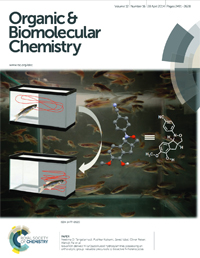
Prof. Dr. Oliver Reiser is a full Professor at the Institute of Organic Chemistry within the Faculty of Chemistry and Pharmacy at the University of Regensburg. His research group focuses on cutting-edge developments in organic synthesis, particularly in the areas of photocatalysis and visible light chemistry. He leads the Collaborative Research Centre CRC 325 on "Assembly Controlled Chemical Photocatalysis," which aims to develop new frontiers in photocatalysis for organic synthesis through designed control of catalyst-substrate interactions. University of Hamburg (PhD, 1989) IBM Research Center (Postdoc) Harvard University (Postdoc) University of Göttingen (Habilitation, 1995) Prof. Reiser's research spans multiple interconnected fields with a strong emphasis on sustainable chemistry. His group extensively utilizes modern techniques for organic synthesis including flow reactors, microwaves, and high-pressure systems. The primary research thrusts include catalysis (both metal and organocatalysts), unnatural amino acids and peptide foldamers, and natural product synthesis. His work on visible light photocatalysis has been particularly influential, with numerous publications in high-impact journals like Angewandte Chemie and Nature Catalysis. The group's research integrates experimental, spectroscopic, and computational techniques to analyze catalyst-substrate interactions for more rational design of photochemical reactions. Analysis of Prof. Reiser's recent publications (2023-2025) reveals a strong focus on copper-based photocatalysis, sustainable chemistry using earth-abundant metals, and innovative approaches to heterocycle synthesis. His work demonstrates a clear trend toward developing more efficient and environmentally friendly catalytic processes, with particular emphasis on visible light activation, catalyst immobilization for recyclability, and applications in medicinal chemistry. The research spans from fundamental mechanistic studies to practical applications in synthesis. German Academic Scholarship Foundation Minerva Foundation NATO Fellowship German Research Foundation Support Karl Winnacker Foundation Prof. Reiser has supervised numerous doctoral students, with recent PhD theses focusing on copper photoredox catalysis, magnetic nanoparticle-supported catalysts, and the synthesis of bioactive compounds. His research is supported by multiple collaborative projects, including the Collaborative Research Centre CRC 325, and involves extensive national and international collaborations with institutions such as the University of Kansas, the National Institute of Chemistry in Pune, the Institut Chimie de Coordination du CNRS in Toulouse, and the University of Zaragoza. The group maintains strong ties with pharmaceutical research through collaborations with Prof. A. Beck-Sickinger in Leipzig on neuropeptide ligands. The research group operates well-equipped laboratories with capabilities for advanced organic synthesis and characterization. They have developed specialized expertise in flow chemistry, high-pressure techniques, and magnetic nanoparticle-based catalyst systems. The CRC 325 initiative has provided significant infrastructure for collaborative research in photocatalysis, bringing together multiple research groups with complementary expertise in organic synthesis, spectroscopy, and computational chemistry.
Ashli Owen-Smith is a behavioral scientist affiliated with the School of Public Health at Georgia State University , where her research focuses on mental health disparities, suicide prevention, and integrative/complementary approaches for complex mental-physical health conditions. She works with underserved populations including refugees/immigrants, incarcerated individuals, and LGBTQ+ communities through community-based participatory research and mixed-methods frameworks. Her current projects are funded by CDC , DBHDD , and DPH . Education: Ph.D. in Behavioral Sciences (Emory, 2009), S.M. in Public Health (Harvard, 2005), B.A. in Psychology (Smith College, 2001) Her research spans mental health , trauma , suicide prevention , and mindfulness-based interventions . Recent work examines telehealth adaptations for chronic pain and mental health, vaccine hesitancy in refugee communities, and social determinants of suicide . She leads studies on gender-affirming care and health disparities in LGBTQ+ populations. Key article trends include epidemiological analysis of suicide risk factors, COVID-19 impacts on mental health, ICD-10 coding for autism, and complementary medicine in trauma recovery. Subfields span telehealth , health equity , mental-physical comorbidity , and community engagement . Students she has mentored include C.A. Scarlett , T. Griner , and M.M. Sesay . Her work integrates public health policy , clinical research , and health systems analysis .
Univ-Prof. Dr. med. Malek Bajbouj serves as Director of the Institute for Affective Neuroscience and Emotion Modulation at Charité – University Medicine Berlin's Campus Benjamin Franklin (CBF), operating within the Department of Neurology, Neurosurgery and Psychiatry (CC 15). His position integrates clinical leadership with translational neuroscience research focused on severe mental illnesses. Dr. Bajbouj's research program centers on affective neuroscience and emotion dysregulation mechanisms in psychiatric disorders, particularly schizophrenia spectrum conditions and depression. He pioneers multimodal intervention approaches combining neuromodulation (tDCS), oxytocin augmentation, mindfulness therapies, and digital health tools. His work emphasizes translational biomarker development using neuroimaging, machine learning, and physiological stress parameter analysis to personalize treatment for treatment-resistant populations. Analysis of his 2023-2025 publications reveals three dominant research trajectories: (1) novel treatment combinations for negative symptoms in schizophrenia (oxytocin + mindfulness, yoga therapy); (2) real-world implementation of neuromodulation (at-home tDCS protocols, technical efficacy monitoring); and (3) global mental health responses to crises (pandemic impacts on vulnerable groups, culturally adapted refugee interventions). His methodology consistently employs rigorous randomized controlled trials with embedded biomarker studies. As director of his eponymous institute, Dr. Bajbouj leads a multidisciplinary team conducting neuroimaging studies, clinical trials, and international collaborations focused on emotion modulation pathways. The institute coordinates research across CC 15's clinical infrastructure at CBF Building V, with particular emphasis on bridging laboratory neuroscience with clinical psychiatry through the DepressionDC and OXYMIND trial frameworks.
Dr. Ariel Lang is a Professor In Residence in the Department of Psychiatry at the University of California San Diego (UCSD) and holds an Adjunct Professor position in the Department of Family Medicine and Public Health. She serves as Co-Director of the Experimental Psychopathology Track in the SDSU/UCSD Joint Doctoral Program in Clinical Psychology, and directs the VA San Diego Healthcare System (VASDHS) Center of Excellence for Stress and Mental Health (CESAMH). She co-leads the VASDHS Advanced Fellowship in Women's Health and specializes in evidence-based psychotherapeutic approaches for anxiety and trauma-related disorders in military populations. Education: Bachelor of Arts (BA), Psychology, Stanford University (1991) Master of Arts (MA), Clinical Psychology, UCLA (1994) Doctor of Philosophy (PhD), Clinical Psychology, UCLA (1998) Master of Public Health (MPH), Public Health (Biometry), SDSU (2007) Research Interests: Dr. Lang's work centers on assessing and treating PTSD, anxiety disorders, and trauma-related conditions with a focus on complementary and integrative approaches. Her studies frequently intersect with military/veteran populations, women's health, and public health issues such as systemic racism and environmental exposures. She has pioneered interventions like Compassion Meditation , Adaptive Disclosure , and Mantram Repetition Program , often using randomized controlled trials (RCTs) to evaluate efficacy. Her research also addresses co-occurring disorders (e.g., PTSD and substance use), pregnancy/postpartum mental health, and intergenerational trauma effects. Publications Trends: Her recent articles emphasize trauma-focused treatments, integrative health modalities, and veteran-specific healthcare challenges. Over 50% of her recent work involves clinical trial methodologies, particularly RCTs evaluating novel interventions. She consistently explores interdisciplinary topics like the intersection of mindfulness and clinical psychology, and the impact of systemic stressors on mental health outcomes. Awards: In 2022, she was honored as the UCSD Dept of Psychiatry Faculty Champion of Diversity . Grants/Advising: She is Principal Investigator on NIH grants exploring compassion meditation and yoga interventions for veterans, and has led projects funded by the VA and DoD. Her role in the 2023 VA/DoD PTSD Clinical Practice Guideline underscores her influence in shaping national healthcare policies. Labs/Teams: Her work is anchored in the VASDHS CESAMH, a multidisciplinary research center focused on stress-related mental health conditions. She collaborates extensively with researchers in public health, neurology, and military medicine, evidenced by frequent co-authorships in these domains.
Qingguo Li is a Professor and Associate Head at the Department of Mechanical and Materials Engineering , Queen's University , and a member of the Ingenuity Labs Research Institute . He specializes in biomechanical system design, energy harvesting, wearable sensors, gait analysis, and load carriage systems. His research integrates robotics, biomedical engineering, and sensor technology to develop human-centric devices and mobility aids. Current Roles : Professor, Associate Head, Queen's University Research Institute : Ingenuity Labs Research Institute Lab : Bio-Mechatronics and Robotics Laboratory His work focuses on biomechanical energy harvesting , IMU-based motion analysis , and assistive device development . Key applications include stroke rehabilitation, gait monitoring, and wearable power generation systems. Articles span cable-driven robots , smart walkers , and 3D printing mechanisms , emphasizing human-robot interaction and dynamic modeling . The lab explores sensor calibration , adaptive control algorithms , and human movement optimization . Areas of impact include rehabilitation engineering , load carriage stability , wearable sensor accuracy , and assistive robotics . His team develops solutions for gait asymmetry detection , post-stroke mobility , and low-cost energy systems , leveraging machine learning and kinetic modeling .
Daniel Redwood serves as Director of the MS in Nutrition & Functional Medicine at the University of Western States (UWS), a leading institution in integrated health care. With 25 years of clinical chiropractic experience emphasizing nutrition and acupuncture, he previously held a professorship at Cleveland Chiropractic College - Kansas City where he supervised student interns and taught clinical nutrition. His educational background includes: BA in English, State University of New York at Buffalo Doctor of Chiropractic, Palmer College of Chiropractic Dr. Redwood's research focuses on the integration of nutrition and functional medicine within chiropractic practice, advocating for evidence-based holistic models that prioritize prevention and self-care. His work bridges conventional and complementary medicine through clinical applications in pain management, chronic disease prevention, and lifestyle interventions. His scholarly output demonstrates a clear evolution from foundational chiropractic principles toward integrative approaches, with increasing emphasis on evidence-based nutrition protocols and interdisciplinary collaboration in health care delivery systems. Key recognitions include: Educator of the Year (Missouri State Chiropractic Association) Six-time Virginia Chiropractic Association Literary Award winner As an educator and academic leader, he has shaped curriculum development through editorial roles including founding editor of The Journal of Alternative and Complementary Medicine and current associate editor of Topics in Integrative Healthcare. His consulting work with WebMD and Integrative Medicine Consult extends his influence into digital health platforms. Dr. Redwood actively builds bridges between medical disciplines through his leadership at UWS and participation in the Research Agenda Conference (RAC), positioning functional medicine as central to the future of integrated health care systems.
Yu He is an Assistant Professor of Applied Physics and Physics at Yale University, affiliated with the Department of Physics. His research focuses on condensed matter physics and experimental techniques such as angle-resolved photoemission spectroscopy (ARPES) and x-ray scattering to study correlated electronic systems and quantum materials. Prior to Yale, he completed a Miller Research Fellowship at UC Berkeley (2019) after earning his Ph.D. in Applied Physics from Stanford University. Key research areas include metal-to-insulator transitions, superconductivity, 2D magnetism, and solid-state quantum simulation. He has contributed to advancements in material characterization techniques, including high-resolution ARPES using tabletop lasers. His work integrates crystal synthesis, electric transport measurements, and surface decoration to explore material properties. Education: B.S. in Physics from University of Science and Technology of China (USTC); M.S. in Electrical Engineering and Ph.D. in Applied Physics from Stanford University. Research Interests: Experimental condensed matter physics, quantum materials, superconductivity, and light-matter interaction studies. His current projects aim to dissect microscopic degrees of freedom (electronic, lattice, spin) in novel materials using cutting-edge spectroscopic methods. The lab employs complementary techniques like electric transport measurements and crystal growth to characterize material properties comprehensively. Awards: Miller Research Fellow, UC Berkeley (2019) Advising & Grants: No student advisees listed. Research supported by Yale University and prior fellowships. Labs & Teams: Leads a research group at Yale focused on experimental condensed matter physics, collaborating on projects involving advanced material characterization and quantum material discovery.
Rafael Pérez-Escamilla is a Professor of Public Health (Social and Behavioral Sciences) and serves as Director of the Office of Public Health Practice, the Global Health Concentration, and the Maternal and Child Health Promotion Track at the Yale School of Public Health. He leads the Yale-Griffin CDC Prevention Research Center with over $70 million in extramural funding, focusing on improving breastfeeding outcomes, maternal-child nutrition, food security, and early childhood development through community health worker interventions. He holds a BS in Chemical Engineering from Universidad Iberoamericana (Mexico City), an MS in Food Science, and a PhD in Nutrition from the University of California, Davis. His postdoctoral training at UC Davis explored the link between nutrition and early childhood development. His research interests emphasize breastfeeding promotion , maternal and child health equity , food security measurement , and implementation science . He co-leads studies in vulnerable communities, including U.S. communities of color, and has published over 340 articles, three books, and numerous technical reports. Key publications from 2024–2025 highlight innovations in addressing food insecurity, hypertension disparities, and the evaluation of global nutrition programs. His work bridges research and practice, advocating for scalable interventions. Awards: Lifetime Achievements Award in Global Nutrition (2020) Elected to U.S. National Academy of Medicine (2019) Doctor Honoris Causa from Universidad de Guadalajara (2016) Patricia Martens Award for Excellence in Breastfeeding Research (2015) As a senior advisor to WHO, UNICEF, and U.S. federal agencies, he collaborates on global nutrition policies and measurement frameworks. His grants fund programs like the FOOD4MOMS initiative and the Criança Feliz Program in Brazil. He mentors students through the Maternal and Child Health Promotion Track and oversees Yale’s Global Health and Public Health Practice initiatives. Active in interdisciplinary teams such as the Becoming Breastfeeding Friendly (BBF) initiative and the Center for Methods in Implementation and Prevention Science (CMIPS), he promotes collaboration between academia, communities, and policymakers.
Dr. Rebecca Berlow is an Assistant Professor in the Department of Biochemistry and Biophysics at the UNC School of Medicine , University of North Carolina at Chapel Hill. Holding a PhD from Yale University, her research focuses on intrinsically disordered proteins , protein dynamics and allostery , and NMR spectroscopy to study disease-associated macromolecules. PhD – Yale University Affiliation: UNC School of Medicine, University of North Carolina at Chapel Hill Research Interests include understanding how protein conformational changes and dynamic behavior mediate stress response pathways. The lab employs interdisciplinary approaches combining biophysics , structural biology , and complementary biochemical techniques to identify novel therapeutic strategies for diseases linked to dynamic macromolecular dysfunction. Publication Trends across 2007–2024 highlight consistent focus on protein dynamics , allosteric regulation , and biophysical characterization of disordered systems. Key topics include multivalency , redox-dependent structural changes , and therapeutic targeting of dynamic protein interactions. Training & Environment : Lab members engage in collaborative research across biophysical , structural , and chemical disciplines , with emphasis on professional development, conference participation, and inclusive scientific training.
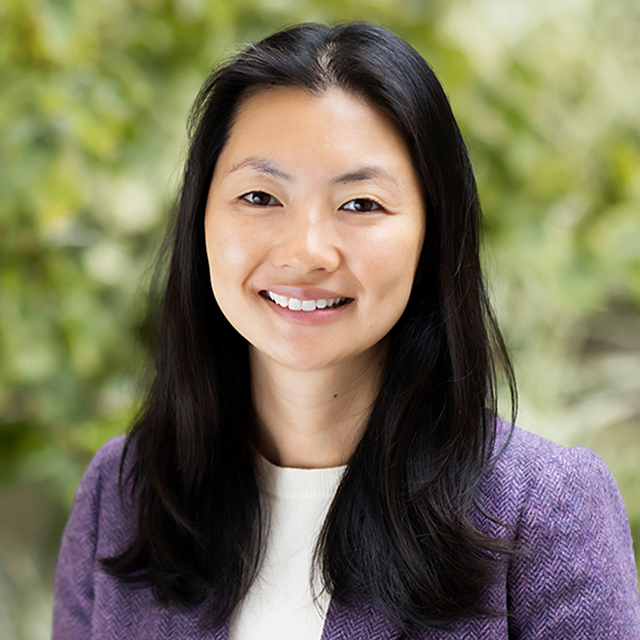
Elizabeth Zheng, MD, is an Associate Professor of Medicine at the University of California, San Francisco (UCSF) School of Medicine, where she specializes in transplant hepatology. She provides clinical care through the UCSF Liver Transplant Program and conducts research focused on improving access to liver care and liver-cancer screening for underserved populations. She co-founded the Asian Liver Health Center and is board-certified in transplant hepatology, gastroenterology, and internal medicine. Education & Training MD – New York Medical College, 2011 Internal Medicine Residency – Montefiore Medical Center (Albert Einstein College of Medicine affiliate), 2014 Gastroenterology Fellowship – Einstein Medical Center, Philadelphia, 2017 Transplant Hepatology Fellowship – UCSF, 2018 Research Interests Dr. Zheng’s scholarly work centers on two major themes: Expanding access to high-quality liver care among underserved and minority populations, particularly Asian Americans. Developing and validating practical strategies for liver-cancer surveillance, including ultrasound-based recall algorithms and real-world management of hepatocellular carcinoma. She has additional expertise in drug-induced liver injury related to herbal and dietary supplements, having authored multiple reviews and prospective analyses on this topic. Publication Trends Across more than a dozen peer-reviewed articles since 2010, Dr. Zheng has advanced knowledge in hepatocellular carcinoma surveillance, COVID-19-associated liver injury, and supplement-related hepatotoxicity. Her collaborative multicenter studies have informed evidence-based guidelines and public-health recommendations. Clinical & Outreach Roles Co-founder, Asian Liver Health Center Attending Transplant Hepatologist, UCSF Liver Transplant Program Multisite clinical practice locations in San Francisco (400 Parnassus Ave and satellite clinics)
Professor Gideon James Grogan is a distinguished academic at the University of York, holding a position in the Department of Chemistry within the Faculty of Sciences. With expertise spanning structural and applied enzymology, he leads research at the intersection of chemistry and biology, developing novel biocatalysts for sustainable chemical synthesis and pharmaceutical applications. Professor Grogan's research focuses on the identification, characterization, and application of enzymes with biotechnological potential. His work encompasses: Oxygenases including P450s, flavoprotein monooxygenases, and peroxygenases Reductases such as ketoreductases (KREDs), imine reductases (IREDs), and reductive aminases (RedAms) Lyases catalyzing asymmetric hydration of alkenes Ligases for amide bond formation His multidisciplinary approach integrates synthetic chemistry, microbiology, molecular biology, and X-ray crystallography to engineer enzymes using in vitro evolution techniques. Recent research has yielded significant advances in biocatalytic pathways for chiral pharmaceutical precursors and renewable material processing. Professor Grogan's publication record demonstrates consistent innovation in biocatalysis, with recent work focusing on peroxygenase applications, reductive amination technologies, and enzyme engineering for improved catalytic properties. His research shows strong trends in developing sustainable enzymatic routes for pharmaceutical synthesis, with particular emphasis on stereoselective transformations and cascade reactions. Professor Grogan has received significant research funding through major grants from: BBSRC (Biotechnology and Biological Sciences Research Council) EPSRC (Engineering and Physical Sciences Research Council) He actively supervises PhD students and collaborates extensively both within the University of York and internationally. His work bridges the Departments of Chemistry and the York Structural Biology Laboratory (YSBL), leveraging state-of-the-art facilities for organic synthesis, protein expression, and structural analysis. Professor Grogan maintains strong industry connections, translating fundamental research into practical applications for pharmaceutical and chemical manufacturing. His current projects include sustainable production of menthol enantiomers, development of native amine dehydrogenases for chiral amine synthesis, and discovery of securinine alkaloid biosynthesis pathways.
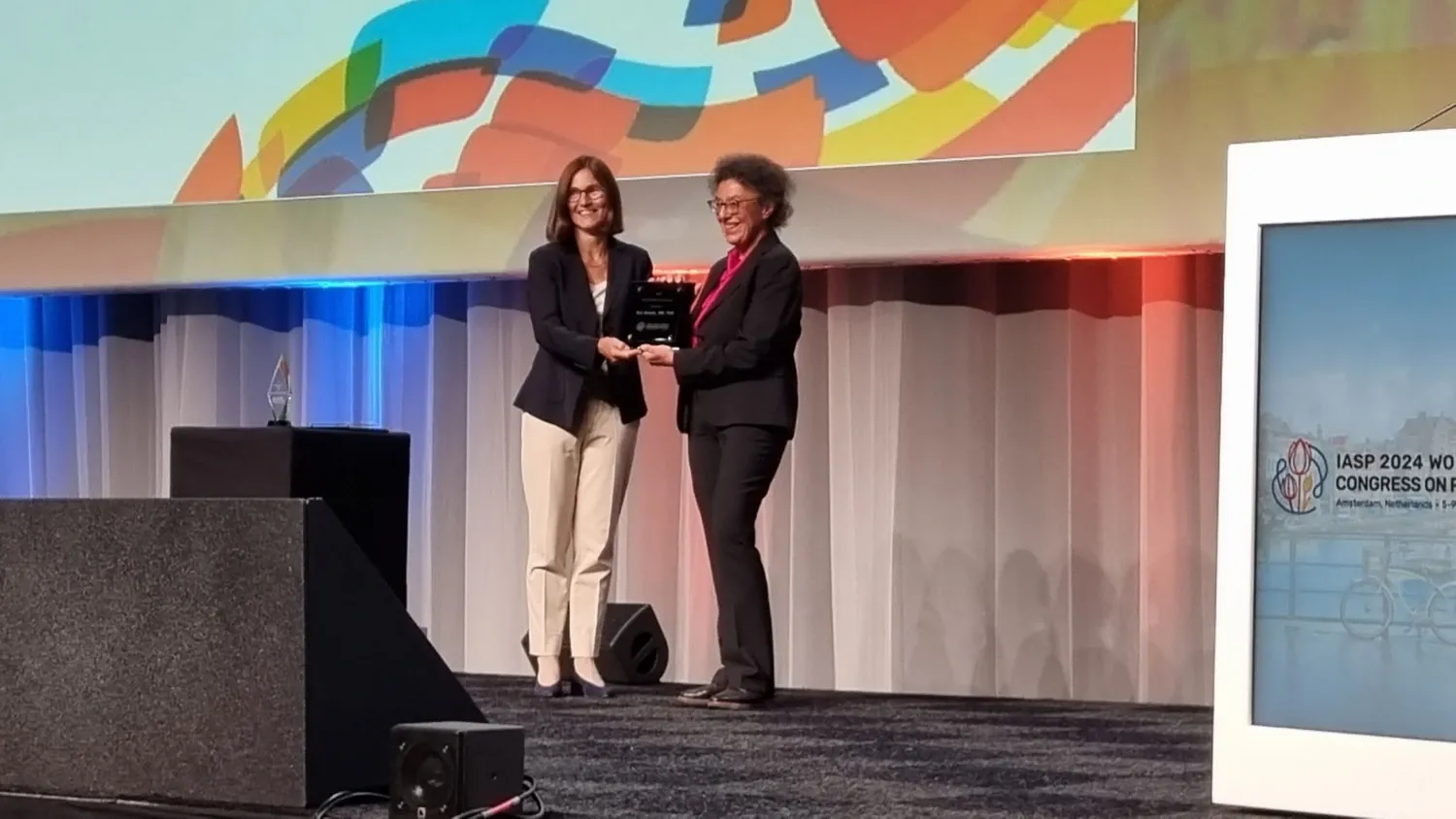
Professor Eva Kosek holds dual academic positions as Professor of Clinical Pain Research at Karolinska Institutet (since 2015) and Uppsala University (since 2020). She is affiliated with the Department of Clinical Neuroscience and leads the Mechanisms of Pain and Treatment Research Group . Her roles include senior consultant at Uppsala University Hospital's Pain Center. Education: MD from Uppsala University (1986), PhD from Karolinska Institutet (1996). Specializations: Rehabilitation Medicine (1998), Pain Relief (2001). Academic promotions: Associate Professor at Karolinska (2004), Full Professor (2015). Research Focus: Chronic pain mechanisms, neuroimmune interactions, fibromyalgia, and autoimmune pathways. Key projects include the RAFT trial (Rituximab for fibromyalgia autoantibody therapy) and the BACPAP consortium for low back pain phenotyping. She chairs IASP's Terminology Task Force, introducing the 'nociplastic pain' concept. Key Contributions: Discovered anti-satellite glial cell IgG antibodies in fibromyalgia patients, linked to symptom severity. Pioneered neuroimaging studies on pain modulation circuits. Authored over 300 publications, with recent work on cerebrospinal fluid biomarkers and lipid metabolite profiles. Awards: 2024 Roland Melzack Lecture Award from IASP. Recognized for redefining pain taxonomy and translational research. Grants: Active funding includes Swedish Research Council grants on fibromyalgia autoimmunity, environmental exposures, and neuroinflammation. Total grants exceed SEK 100M over her career. Labs/Teams: Leads a multidisciplinary team at Karolinska's Pain Research Center, collaborating internationally on translational pain studies. Active in biobanking initiatives like the Swedish Chronic Pain Biobank.
Professor Faye Rogers serves as Professor of Therapeutic Radiology at Yale University School of Medicine, holding multiple leadership positions including Associate Cancer Center Director for YCC Collaborative Excellence, Vice Chair for Collaborative Excellence in Therapeutic Radiology, Associate Director of the Yale MD-PhD Program, and Director of the Yale BioMed Amgen Scholars Program. Her work bridges radiation oncology, DNA repair mechanisms, and cancer therapeutics within Yale's comprehensive cancer research ecosystem. PhD from University of Maryland at Baltimore (1998) Postdoctoral Fellow at Yale School of Medicine Dr. Rogers' research focuses on the intersection of DNA repair mechanisms and cancer therapeutics, with particular expertise in triplex DNA structures, genomic instability, and targeted cancer therapies. Her work explores how DNA damage responses can be leveraged for therapeutic benefit, especially in breast neoplasms and other malignancies. Through her leadership in the DNA Damage and Genome Integrity program, she investigates novel approaches to disrupt cancer cell survival mechanisms while sparing healthy tissue. Her research has significant implications for radiation oncology, particularly in developing more precise and effective radiation-based treatments. Analysis of Dr. Rogers' publication record reveals a consistent trajectory in DNA repair mechanisms and cancer therapeutics, with increasing focus on translational applications. Her work demonstrates expertise in triplex DNA structures, RAD51 inhibition, and synthetic lethality approaches. Recent publications show a shift toward more clinically applicable research, particularly in targeting DNA repair pathways in specific cancer subtypes like IDH1-mutant cancers and PTEN-deficient glioblastomas. Her collaborative work with Peter Glazer and others demonstrates strong interdisciplinary connections between radiation oncology, molecular biology, and drug development. Leadership in Diversity, Equity & Inclusion Award (Yale School of Medicine, 2022) Translational Science Research Prize (Yale Cancer Center, 2022) Kingsley Fellowship in Medical Research Carl Storm Underrepresented Minority Fellowship NCI Research Supplement to Promote Diversity in Health-Related Research As Associate Director of the Yale MD-PhD Program and Director of the Yale BioMed Amgen Scholars Program, Dr. Rogers plays a pivotal role in mentoring the next generation of physician-scientists and supporting underrepresented minorities in biomedical research. Her leadership in collaborative excellence initiatives demonstrates commitment to fostering interdisciplinary research teams across Yale's scientific ecosystem. Through the YCC Collaborative Excellence program, she has secured significant funding for innovative cancer research that bridges basic science and clinical applications, particularly in the areas of DNA repair targeting and radiation oncology. Dr. Rogers leads research within Yale's Therapeutic Radiology department, with strong connections to the Radiobiology program and the Yale Cancer Center. Her work is integrated with the Program in Translational Biomedicine and the Yale Combined Program in the Biological and Biomedical Sciences. Through the BioMed Amgen Scholars Program, she provides critical research opportunities for undergraduate students, particularly those from underrepresented backgrounds, fostering talent in DNA repair research and cancer therapeutics.
Fred R. Volkmar, M.D., is the Irving B. Harris Professor of Child Psychiatry, Pediatrics, and Psychology at Yale University, and Director of the Yale Child Study Center. He also serves as Chief of Child Psychiatry at Yale-New Haven Hospital. His academic affiliations include the Yale School of Medicine and leadership roles in multiple clinical and research programs. Dr. Volkmar holds an M.D. from Stanford University (1976) and a psychology master’s degree from the same institution, alongside an undergraduate psychology degree from the University of Illinois (1972). He is renowned for authoring the DSM-IV autism and pervasive developmental disorders section and has authored hundreds of publications and several influential books, including Asperger’s Syndrome and Handbook of Autism . His research focuses on autism spectrum disorders (ASD), including diagnosis, treatment, comorbidities, and transition to adulthood. His publications emphasize evidence-based practices, neurodevelopmental mechanisms, and clinical guidelines. He leads initiatives in medical care for ASD populations and advocates for improved community support systems. Notable contributions include co-developing the M-CHAT screening tool and advancing interdisciplinary approaches to ASD management. His work intersects clinical practice, policy, and education, prioritizing patient-centered care and reducing stigma.