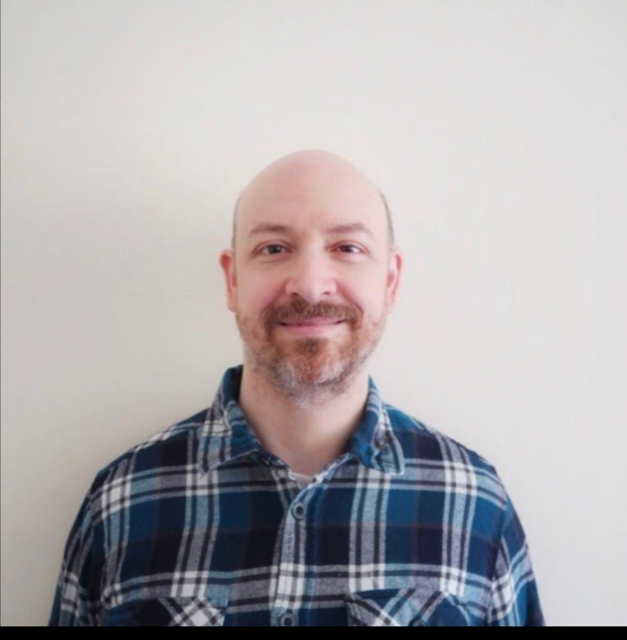
Christopher Weidlich is an Assistant Professor of Clinical in the School of Nursing and Health Studies at the University of Miami. His academic focus includes psychiatric nursing, mental health education, and healthcare provider well-being. He is involved in research addressing simulation-based education, mental health disorders in occupational groups such as fire investigators, and interventions to improve resilience among healthcare providers. His research interests span simulation modalities in psychiatric nursing education, organizational stigma's impact on mental health service utilization, and substance abuse trends like xylazine adulteration. He has also contributed to studies on military healthcare, including resilience programs for providers and PEMF therapy for chronic pain. Dr. Weidlich’s work is supported by his affiliation with the University of Miami’s School of Nursing and Health Studies, leveraging resources such as the Simulation Hospital Advancing Research and Education (S.H.A.R.E.®) facility. His research emphasizes practical applications in clinical settings and improving patient outcomes through innovative educational and therapeutic approaches.
Jeremy K Fox is Associate Professor of Psychology at Montclair State University's College of Humanities and Social Sciences, where he directs the RECAP (Research on Emotion, Coping and Anxiety in Pediatrics) laboratory. His research examines developmental pathways to childhood anxiety and depression. Education includes: PhD in Clinical Psychology, State University of New York at Albany MA in Psychology, State University of New York at Albany BA in Psychology, Johns Hopkins University Research focuses on temperament-environment interactions, emotion regulation deficits, and school-based interventions. Current work investigates parental influences on anxiety development and peer-supported treatment models for minority youth. Articles demonstrate consistent focus on improving mental health service accessibility. Leads graduate training in clinical psychology and mentors doctoral students in anxiety research. RECAP lab investigates affective mechanisms underlying adolescent distress and develops digital interventions for school settings.
Dr. Liam Mannion is a Senior Lecturer in Therapeutic Radiography and Oncology at City St George’s, University of London, where he leads key modules in radiotherapy techniques, oncology, and radiobiology. He is an HCPC-registered Therapeutic Radiographer with clinical experience in both NHS and private sectors. He also serves as the Practice Education Lead for Therapeutic Radiography and is a Senior Fellow of the Higher Education Academy. PhD, King's College London MSc, London South Bank University PGCert, City, University of London BSc (Hons), University College Dublin His research focuses on optimizing treatments for muscle-invasive bladder cancer, patient-centered care, and radiobiology. He employs methodologies such as discrete choice experiments to understand patient preferences in treatment decisions. His educational interests include gamification, debriefing, and student well-being in radiography training. His recent publications reveal a strong trend in patient-centered oncology research, particularly in bladder cancer decision-making, alongside innovations in radiotherapy education. He frequently collaborates with institutions like King's College London and Guy's and St Thomas' NHS Foundation Trust. Dr. Mannion is actively involved in peer review for the Journal of Radiotherapy in Practice and served as an External Examiner at Cardiff University. He has also held leadership roles such as Joint Programme Director at City, University of London. He has contributed to research on compassion fatigue among students, leadership in radiography during the pandemic, and functional imaging in glioblastoma. His work bridges clinical practice, education, and patient-centered outcomes. Dr. Mannion is affiliated with professional organizations including the Health and Care Professions Council (HCPC) and the Society of Radiographers. He teaches across undergraduate modules in radiotherapy and oncology, with a focus on practical and theoretical integration.
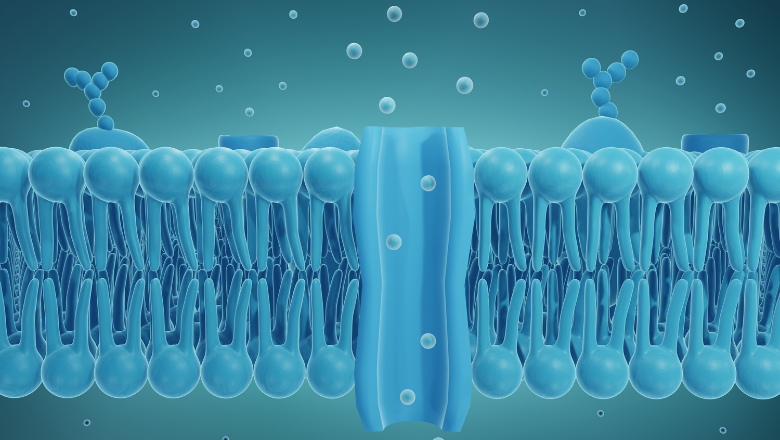
Mark Wallace is a Professor of Chemistry at King's College London, affiliated with the Department of Chemistry and the Faculty of Natural, Mathematical & Engineering Sciences. He holds a Royal Society University Research Fellowship (2005–2016) and has been a lecturer at Oxford University before joining King's in 2016. His research focuses on membrane protein function and artificial membrane mimics, combining optical microscopy and nanotechnology. He earned a PhD from the University of Cambridge (2002) and postdoctoral training at Stanford University and the National Institute for Medical Research. Key research interests include membrane protein dynamics, lipid bilayer engineering, and single-molecule imaging. He has pioneered techniques like droplet interface bilayers and interferometric scattering microscopy. His work has led to patents and applications in molecular sensing and medical research. Awards include the 2002 Gregorio Weber Prize and the 2015 RSC Norman Heatley Award. He is actively involved in public outreach, including video podcasts and educational competitions. Recent publications emphasize artificial ion channels, nanoparticle formation monitoring, and mitochondrial protein dynamics. His lab collaborates with institutions like the London Centre for Nanotechnology and the Rosalind Franklin Institute. Over 30 students and researchers have been mentored, with active grants from EPSRC, Wellcome Trust, and BBSRC.
Dr. Chelsey Holden is an Associate Professor of Child and Family Sciences at the School of Child and Family Sciences, University of Southern Mississippi. She holds licenses as a Licensed Marriage and Family Therapist (LMFT) and Licensed Professional Counselor (LPC), with certifications in Telemental Health and National Certification as a Counselor. Her academic journey includes a Ph.D. in Counselor Education (2017) from Mississippi State University, an MS in Marriage and Family Therapy (2013) from the University of Southern Mississippi, and a BS in Human Environmental Sciences (2011) from Troy University. Dr. Holden's research focuses on wellness for helping professionals, college students, and romantic couples, with emphasis on financial wellness, mental-physical health connections, and digital training methods. Her recent work explores imposter syndrome, perfectionism, and telehealth advancements, reflecting interdisciplinary interests in psychology, family systems, and technology. Her publications span journals like Contemporary Family Therapy and Journal of College Student Retention, addressing burnout, resilience, and behavioral dynamics in therapeutic and familial contexts. She teaches courses in counseling ethics, family theories, and marriage therapy, while maintaining affiliations with professional bodies such as the Mississippi Association for Marriage and Family Therapy.
Tim Woodman is a Professor in Sport & Exercise at the School of Psychology and Sport Science , Bangor University. He is a leading expert in Performance Psychology , focusing on personality, stress, anxiety, and risk-taking in elite sports. His groundbreaking theory positions risk as central to human development and performance. Research Interests : Narcissism, anxiety-performance relationships, risk-taking behavior, athlete mental health, agentic emotion regulation. Scientific Contributions : Over 150 peer-reviewed publications, including 2025 studies on cricket mental health, coach support dynamics, and pressure training methodologies in elite sports. Projects : Leads the North West Air Ambulance performance psychology initiative and collaborates with Manchester City Football Club on personality-climate change research. Teaching & Supervision : Accepts PhD students interested in risk-taking, personality, and performance psychology topics.
Ali Ahmed, DPM is an Assistant Professor of Orthopaedic Surgery in the College of Medicine at the University of Kentucky. He specializes in reconstructive foot and ankle surgery at UK Healthcare, contributing to both clinical care and interdisciplinary collaboration. Educated at Xavier University (undergraduate), Scholl College of Podiatric Medicine (DPM), with residency at Intermountain Medical Center and fellowship in Louisville Active in clinical practice, focusing on trauma, limb salvage, and sports medicine Collaborates with Vascular Surgery and Endocrinology departments His research interests emphasize patient-centered care, complex foot deformities, and sustainable treatment approaches. Dr. Ahmed prioritizes patient education and interdisciplinary alignment in clinical practice. Notable achievements include serving as Chief Resident during residency training. Patient reviews highlight his compassion, communication skills, and technical expertise.
Dr Fiona Hum is a Senior Lecturer at Monash University's Faculty of Law, where she conducts research and teaches. Admitted as a solicitor and barrister of the Supreme Court of Victoria, she previously practiced commercial litigation, criminal law, and personal injury law while consulting for major insurers and the Victorian police force. Her doctorate from the University of Melbourne focused on Northern Territory euthanasia laws. Education: Doctorate in Law, University of Melbourne (thesis on euthanasia laws) Admitted Solicitor and Barrister, Supreme Court of Victoria Research Focus: Dr Hum's work centers on Evidence Law , Wrongful Convictions , and Gender/Race Relations in Law , with pioneering studies on compassion training for law students now expanding into climate change law. Her research directly supports UN Sustainable Development Goals for justice, equality, and well-being through interdisciplinary approaches connecting legal theory with psychological and social frameworks. Publication Trends: Recent work (2022-2025) analyzes high-profile cases like Kathleen Folbigg and Cardinal Pell while advancing evidence law pedagogy through her Cambridge University Press textbook. Earlier scholarship (2010) established foundational critiques of gender bias in evidentiary processes, particularly regarding women complainants and pregnant patients. Scientific Awards: Faculty Teaching Award for Teaching Excellence (2010) Certificate of Recognition for S1 Unit Performance (2015) Certificate of Recognition for S2 Unit Improvement (2016) Nominee: Inspiring Woman Award (2021) Nominee: Australian Legal Education Award (2023) Advising & Professional Impact: Accepting PhD students, Dr Hum actively shapes legal education through curriculum innovation and peer review for top journals ( University of New South Wales Law Journal , Sydney Law Review ). Her external collaborations include specialist lectures for Monash's Faculty of Medicine and keynotes at national conferences like the Women's Lawyers Conference on 'Justice for All'. Institutional Roles: Current member of the Australasian Law Academics Association (2025-2028) and former Honorary Fellow at the University of Melbourne (2019-2021), she bridges academic rigor with real-world legal practice through ongoing consultancy work.
Dr. Jennifer Mills is a Professor and Director of Clinical Training in the Clinical Psychology graduate program at York University's Faculty of Health, leading the EASE Lab. Her research focuses on body image, eating disorders, and the impact of social media on women's psychological well-being. She holds degrees from the University of Toronto (PhD 2001, MA 1996, BSc 1995). Key research areas include social media's effects on body dissatisfaction, orthorexia nervosa, and interventions for disordered eating. She has published extensively on topics such as self-compassion interventions, Instagram imagery impacts, and pandemic-related behavioral changes. Her educational background includes a strong foundation in psychology and clinical research, with a focus on translational work between theory and practice. Current projects explore the psychological mechanisms behind body image concerns, including the role of perfectionism and emotional intelligence in mitigating eating disorder symptoms. She collaborates widely, as evidenced by multi-author publications and interdisciplinary research efforts. Labs/Teams: Director of the EASE Lab (Eating, Affect, and Self-Evaluation) at York University. The lab's work integrates behavioral experiments, longitudinal studies, and community-based interventions to address body image and eating disorder prevention.
Tatjana Schnell is a Professor of Existential Psychology at MF Norwegian School of Theology, Religion and Society, where she has worked since October 2020. She also holds a fellowship at the Humanistic University Berlin (since 2024). Her professional journey includes academic training in psychology, theology, religious studies, and philosophy across Germany, the UK, and Austria, with a doctorate from the University of Trier (Germany) and habilitation from the University of Innsbruck (Austria), where she founded the Existential Psychology Lab. Education : Psychology, Theology, Religious Studies, and Philosophy from the University of Göttingen, University of London, University of Heidelberg, and University of Cambridge Degree : Doctorate in Psychology (University of Trier, Germany) Habilitation : Psychology (University of Innsbruck, Austria) Tatjana Schnell's research focuses on existential themes including meaning in life, existential health, death attitudes, alienation, and religious/spiritual/secular worldviews. Her work bridges individual psychology with societal and environmental implications, with extensive international collaborations and publications. She has authored key works like "The Psychology of Meaning in Life" (2nd ed., 2025) and "Sinn finden" (2024). Her recent publications examine pandemic psychology, existential resources in gifted adults, workplace spirituality, and meaning-based interventions for chronic pain and cancer rehabilitation. Her research projects include "Making Sense of Volunteering," "Sinnmacher - The Meaning App," and studies on existential resources in palliative care. The Tatjana Schnell website provides further details about her work. Fellow : Humanistic University Berlin (2024) Tatjana Schnell has developed innovative tools like the Sources of Meaning Card Method (SoMeCaM) and Meaning in Work Inventory (ME-Work), with validated versions across multiple cultures. Her work emphasizes the practical application of existential psychology in mental health, organizational behavior, and ecological engagement. She founded the Existential Psychology Lab at the University of Innsbruck and continues to lead impactful research at MF Norwegian School of Theology, Religion and Society.
Maksymilian Del Mar is Professor of Legal Theory and Legal Humanities in the Department of Law at Queen Mary University of London's School of Law. He has held this position since joining Queen Mary in 2011, contributing significantly to legal scholarship and education. His academic journey spans multiple disciplines and institutions, reflecting his interdisciplinary approach to legal studies. Professor Del Mar received his BA Hons/LLB Hons in philosophy, literature, and law from the University of Queensland, Australia (1999-2004), with an Honours dissertation in philosophy and literature on Italo Calvino. He then completed a Doctorate in Philosophy (PhD) at the University of Edinburgh (2006-2009), followed by a Doctorate in the Social Sciences (DSS) at the University of Lausanne (2009-2012). Prior to academia, he qualified as a lawyer in Brisbane, Australia, and worked as a Judge's Associate in the Supreme Court of Queensland. Professor Del Mar's research interests span the intersection of legal theory and legal humanities. His work explores the relations between legal theory and legal history, the history and historiography of politics and philosophy, and the theory and history of imagination, emotion, and related language arts. He has a particular focus on Scottish philosophers and jurists from the 18th to 20th centuries, including David Hume, Adam Smith, and Neil MacCormick. His current research projects examine the relations between character sketching and legal reasoning, and the imagination in eighteenth century Scotland. His scholarship reflects a commitment to building bridges across disciplines and articulating the essential role of arts and humanities in legal pedagogy and scholarship. His recent publications demonstrate a consistent focus on cognitive legal humanities, imagination in law, and the historical dimensions of legal reasoning. There is a clear trend toward interdisciplinary approaches that integrate insights from literature, rhetoric, cognitive science, and history into legal analysis. His work increasingly explores the embodied and affective dimensions of legal reasoning, moving beyond purely textual analysis to consider kinesic intelligence, emotional dimensions, and the materiality of legal practice. Professor Del Mar has received recognition for his work, including the IVR's Commendation for Excellence for 'Artefacts of Legal Inquiry'. Professor Del Mar actively supervises doctoral students working in legal theory and legal humanities, with a focus on the theory and history of common law reasoning, relations between law and cultural theory and history, the history and historiography of legal philosophy, law in a global context, and Scottish jurisprudence. His current and recent students include Isa Bellati, Luiza Tavares da Motta, Gabrielle Schwarzmann, and Adela Halo. His editorial work demonstrates significant scholarly activity, including editing the Law in Context series at Cambridge University Press, the Cambridge Elements in Legal Humanities, and the Encounters with Books from Other Disciplines series for the International Journal of Law in Context. He serves on the Editorial Board of Law & Literature. Professor Del Mar convenes the interdisciplinary research network on 'Imagination' at the Institute for the Humanities and Social Sciences at Queen Mary University of London. He previously founded and convened the Cotterrell Lectures in Sociological Jurisprudence (2015-2025) and the Centre for Law and Society in a Global Context (2013-18). He is also Co-Convenor of the Research Seminar series of the Queen Mary Centre for Eighteenth Century Studies and a Member of the Advisory Committee of the Centre for the History of Political Thought at Queen Mary.
Zoran Josipovic is an Adjunct Assistant Professor in the Department of Psychology at New York University's College of Arts & Science. He is also the founding director of the Nonduality Institute, an independent research center exploring nondual awareness. His expertise spans consciousness studies, meditation neuroscience, and cognitive/affective neuroscience. Education: PhD in Cognitive Neuroscience (Union Institute & University), MA in Clinical Psychology (John F. Kennedy University), BA in Asian Religions (SUNY) Research focuses on nondual awareness mechanisms, meditation's effects on epilepsy, and consciousness neurobiology. He investigates how practices like Tibetan Buddhism, Zen, and Advaita Vedanta influence neural processes. His work bridges contemplative traditions with modern neuroscience through studies on self-awareness, brain networks, and minimal phenomenal experience. Recent publications explore reflexivity gradients in consciousness, implicit-explicit nondual awareness dimensions, and neural correlates of prayer in addiction recovery. His grants include funding from the Mind Science Foundation and Yoga Science for nondual awareness research. Awards: 2010 Tom Slick Award for Consciousness Research, multiple grants supporting meditation-epilepsy studies Teaches courses like 'Consciousness and the Brain' and 'Mindfulness & Transformative Technologies.' Active in professional societies including the Association for Psychological Science and Society for Neuroscience. Operates the Nonduality Institute, conducting empirical studies on nondual experience and offering online meditation education. A lifelong practitioner of nondual traditions, he integrates clinical psychology with contemplative practice instruction.
Jennifer Mitchell, PhD is a Professor in the Departments of Neurology and Psychiatry & Behavioral Sciences at the University of California, San Francisco (UCSF) School of Medicine. She serves as the Associate Chief of Staff for Research and Development at the San Francisco VA Medical Center. Dr. Mitchell is affiliated with the UCSF Weill Institute for Neurosciences and is a member of both the UC Berkeley Center for the Science of Psychedelics and the UCSF Neuroscape Psychedelics Division. Dr. Mitchell's research focuses on identifying and developing novel therapeutics for drug and alcohol abuse, PTSD, stress, anxiety, impulsivity, and depression. Her work examines the neural mechanisms responsible for these disorders through translational neuroscience research that bridges psychology, behavioral pharmacology, and neuroanatomy. She has made significant contributions to the field of psychedelic therapeutics, particularly in developing MDMA for PTSD treatment and psilocybin for demoralization and depression. Dr. Mitchell's research portfolio demonstrates a strong emphasis on human and animal pharmacology, hypothesis-driven neuroscience, human proof-of-concept studies, translational models, and clinical trials. Her work on MDMA-assisted therapy for PTSD has reached phase 3 clinical trial status, representing a significant advancement in the field. Her recent publications show a consistent focus on psychedelic therapeutics, with particular attention to MDMA for PTSD treatment, but also extending to policy considerations, cost-effectiveness analyses, and the broader application of psychedelic compounds for various psychiatric conditions. Dr. Mitchell has received multiple DoD grants for the Institute for Translational Neuroscience from 2007 through 2014, demonstrating sustained funding support for her research program. Her work has been published in high-impact journals including Nature Medicine, Neuropsychopharmacology, and JAMA Neurology. As an advisor and mentor, Dr. Mitchell has contributed to the training of numerous researchers in the field of neuroscience and psychedelic therapeutics. Her laboratory work combines behavioral pharmacology with neuroimaging techniques to understand the mechanisms underlying addiction and stress-related disorders.
John D. Dunne is a Professor and Distinguished Chair in Contemplative Humanities at the University of Wisconsin–Madison, holding an endowed position through the Center for Healthy Minds. He is affiliated with the Department of Asian Languages & Cultures and has served as its department chair. Dunne's research bridges Buddhist philosophy, contemplative practices, and cognitive science, focusing on mindfulness and compassionate training. He is a Fellow of the Mind and Life Institute and advises the Ranjung Yeshe Institute. His work includes translating Buddhist texts and collaborating on interdisciplinary projects. Education: PhD in Buddhist Studies from Harvard University (1999). Research emphasizes dialogues between Buddhist thought and modern science, with public engagement through organizations like the Upaya Zen Center and Gomde centers. Dunne teaches courses on flourishing, Buddhist philosophy, and contemplative practices, including ASIAN/PSYCH 120. His publications span academic journals (e.g., Mindfulness , Frontiers in Psychology ) and books like Foundations of Dharmakīrti’s Philosophy and translations of Nagarjuna’s Ratnāvalī . Scientific contributions include studies on meditation’s neurological effects, compassion cultivation, and mindfulness-based interventions. Awards include his Mind and Life Fellowship. He collaborates with institutions like the Center for Healthy Minds, exploring human flourishing and mental health. Recent work addresses psychedelic research and postmortem meditation states in Tibetan practitioners.
Gaston Bacquet is a Lecturer in Education Studies at the University of Glasgow's School of Education, specializing in Culture, Literacies, Inclusion & Pedagogy. A Chilean teacher trainer and educator based in Scotland, he also holds qualifications as a meditation and yoga instructor. With extensive international teaching experience across K-12 and higher education systems in Chile, Japan, Saudi Arabia, Myanmar, the US, and UK, his work bridges practical pedagogy and theoretical innovation. His educational background includes a DipTESOL from Trinity College London, an MA in TESOL from the Institute of Education (UCL), and a PhD in Education from the University of Glasgow. Bacquet currently teaches in the MSc/MEd Education Studies program and leads the undergraduate Asian Religions course, while supervising dissertation students across the School of Education. Research interests center on nonviolence as transformative educational practice, with emphases on decolonial approaches, contemplative pedagogy, and inclusion of minoritized groups. His work integrates Buddhist philosophy, indigenous wisdom traditions, and international perspectives to challenge Western epistemological dominance. Key methodological commitments include participatory action research and qualitative approaches that prioritize community voices. Recent publications reveal evolving trajectories from language education toward decolonial nonviolence frameworks, with increasing focus on Global South contexts, indigenous knowledge systems, and teacher preparation. His 2024-2025 work shows intensified engagement with Buddhist-Christian dialogue, indigenous contributions to peace education, and practical applications of nonviolence in classroom power structures. As a supervisor, Bacquet mentors Master's students in inclusion, nonviolence, and educational ethics, welcoming PhD proposals aligned with his research interests. His professional activities span editorial roles with Cogent Arts and Humanities and SAGE Open , alongside active participation in international scholarly networks including the Comparative and International Educational Society and the European Network for Buddhist-Christian Studies. Professional affiliations reflect his interdisciplinary reach: British Educational Research Association (2021-present), American Educational Research Association (2022-present), International Society for Contemplative Research (2023-present), and the International Society for the Scholarship of Teaching and Learning (2025-present). His conference presentations consistently address nonviolence pedagogy, decolonial curriculum development, and participatory research ethics across global contexts from Chile to New Zealand.