Luis Botella Garcia Del Cid is a Full Professor at the Department of Psychology and Speech Therapy, Faculty of Psychology, Educational Sciences and Sports, Ramon Llull University. His work focuses on therapeutic alliance, constructivism, and clinical psychology. University: Ramon Llull University School: Faculty of Psychology, Educational Sciences and Sports Department: Psychology and Speech Therapy Email: lluisbg@blanquerna.url.edu His research spans therapeutic alliance, psychometrics, constructivist approaches, and clinical psychology. He investigates therapist personal style, team solutions in psychotherapy, and adolescent interactions with social media influencers. His recent projects include ACM Psicopersona and Proceso Terapéutico funded by AGAUR. Key publications (2022-2023) address dyadic coping during the pandemic, fuzzy cognitive mapping in clinical supervision, and teamwork in psychotherapy. Articles span interdisciplinary collaborations across 27 countries with a focus on psychological distress and relationship quality. He collaborates with the Psicopersona research group and participates in systems-thinking-based clinical models. His work integrates constructivist theory with practical applications in therapeutic contexts and adolescent digital behavior.
Ari Ristimäki is a Professor in the Department of Pathology at the Clinicum, University of Helsinki, specializing in gastrointestinal tumorigenesis. He serves as a Supervisor in the Doctoral Programme in Biomedicine and maintains strong connections with HUS Radiology and Pathology. His research spans fundamental cancer biology to clinical applications, particularly in colorectal cancer and related gastrointestinal malignancies. Professor Ristimäki's research interests focus on gastrointestinal tumorigenesis, with particular emphasis on colorectal cancer mechanisms, molecular pathways, and clinical applications. His work bridges basic science and clinical practice, investigating the molecular underpinnings of gastrointestinal cancers while developing diagnostic and therapeutic approaches. His research portfolio includes studies on tumor biomarkers, cancer metabolism, epigenetic modifications, and translational applications for improved cancer diagnosis and treatment. His recent publications demonstrate a strong focus on colorectal cancer research, with particular attention to molecular characterization of BRAF-mutated tumors, liquid biopsy technologies for mutation profiling, and population-based studies of surgical outcomes in gastrointestinal cancer patients. His work shows consistent productivity with 311 publications to date, reflecting sustained research activity since the early 2000s. Professor Ristimäki has supervised doctoral theses, serving as both supervisor and opponent for PhD candidates. His academic service includes manuscript reviewing, committee memberships, and editorial work. His current research is supported by multiple active projects from prestigious funding bodies including the Academy of Finland (SA_2024-2028), Sigrid Jusélius Foundation, Cancer Foundation, and Liv och Hälsa Foundation, indicating strong recognition of his research program's significance and potential impact.
Ian Condry is a Professor of Japanese Culture and Media Studies at MIT, affiliated with the Department of Anthropology. He holds a BA in Government from Harvard (1987) and a PhD in Anthropology from Yale (1999). His research focuses on Japanese popular culture, media globalization, and creative industries. He is best known for his seminal work on hip-hop in Japan and anime production, emphasizing collaborative creativity and cultural hybridity. Condry leads the MIT Spatial Sound Lab, exploring immersive audio technologies, and co-founded the music discovery platform Hearby.com. He hosts the 'Near and Far' Japanese hip-hop radio show on WMBR 88.1FM since 2018 and releases music as Leftroman. Condry’s academic roles include former Head of Global Studies and Languages at MIT and Executive Committee member of the Technology Broadcasting Corporation. His work bridges academic research with creative practice, including organizing the Dissolve Music conference and curating multimedia projects. He has pioneered open-access publishing, making his books available under Creative Commons licenses. His research spans media anthropology, youth culture, and digital media’s societal impact. Key projects include the MIT/Harvard 'Cool Japan' research initiative and studies on post-3/11 cultural recovery. Condry’s interdisciplinary approach integrates ethnographic methods with technological innovation, addressing themes of global cultural flows and participatory media production.
Dr. Omkar Prabhakar Dastane is a Senior Lecturer and Director of Postgraduate Studies at the Malaysia School of Business, Monash University Malaysia. He holds a PhD in Business from Curtin University and certifications including Certified Management and Business Educator (CMBE) from CABS, UK, and HRDF-approved trainer status in Malaysia. His research focuses on technological impacts on businesses, digital consumer behavior, and customer value perception, with publications in A-ranked journals like the Journal of Retailing and Consumer Services and Asia Pacific Journal of Marketing & Logistics . He has secured MYR 157,549 in research grants and received notable awards like the Best Paper Awards (2017/2018) and Emerald Literati Award (2024). Dr. Dastane has held leadership roles including Head of MBA Programs and Head of Postgraduate Studies at top-tier institutions. He actively contributes to editorial roles for journals like Arab Gulf Journal of Scientific Research and reviews for SSCI/SCIE-indexed publications. His teaching emphasizes strategic branding and services marketing, integrating AR/VR tools for immersive learning. He has also led educational visits across ASEAN countries. His research interests span metaverse applications in business, immersive technologies, and contemporary consumer behavior trends. Recent work explores AI-driven services, live-stream commerce, and digital transformation's role in achieving UN SDGs. He has advised on over 200 research projects and secured multiple teaching grants including the 2025 Learning & Teaching Grant.
Ato Quayson is the Jean G. and Morris M. Doyle Professor of Interdisciplinary Studies and Professor of English and African and African American Studies at Stanford University, where he also chairs the Department of African and African American Studies. He previously held professorships at New York University (2017–2019) and the University of Toronto (2005–2017), where he was inaugural director of the Centre for Diaspora and Transnational Studies and became a University Professor (2016), the university's highest honor. His academic journey includes a B.A. (First Class Honors) in English and Arabic from the University of Ghana (1989) and a Ph.D. in English from the University of Cambridge (1995). He held a Junior Research Fellowship at Wolfson College, Oxford, and was a Reader in Commonwealth and Postcolonial Literature at Cambridge (1995–2005), concurrently directing the Centre for African Studies and serving as Pembroke College Fellow. Quayson’s research explores postcolonial literature, urban studies, disability studies, and cultural theory. His work bridges global and local contexts, with notable publications such as Oxford Street, Accra (Urban History Association Prize) and Tragedy and Postcolonial Literature (Warren-Brooks Prize). He co-edits the Cambridge History of Postcolonial Literature and chairs initiatives like Contours: The Cambridge Literary Studies Hour . His accolades include fellowships from the Ghana Academy of Arts and Sciences (2006), the Royal Society of Canada (2013), the British Academy (2019), and the American Academy of Arts and Sciences (2023). He has also served as President of the African Studies Association (2019–2020). Quayson curates the YouTube channel Critic.Reading.Writing , discussing literature and urban studies, and teaches courses on global Black diaspora studies and Toni Morrison’s work. His current projects include Accra Chic: A Locational History of Fashion and studies on exile in African literature.
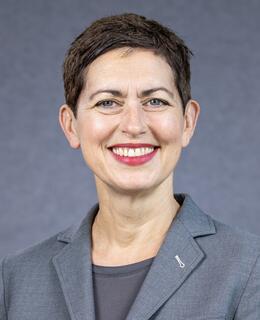
Laura Spitz is Dean and Professor at the University of Calgary Faculty of Law, with a concurrent Visiting Professorship at Université Paris 1 Panthéon-Sorbonne Law School. Her academic and professional journey spans multiple institutions, including Seattle University, University of New Mexico, Cornell University, and Thompson Rivers University. Educational Background: JSD, Cornell University JD, University of British Columbia BA, University of Toronto Spitz's research interrogates the legal construction of borders and identities, blending contracts, commercial law, and critical analyses of personhood in corporate and environmental contexts. Her work explores the limits of subject-object dichotomies in law and society. Notable awards include multiple Graduation Hooding Professor distinctions at the University of New Mexico and Colorado Law School, alongside teaching accolades. She contributes to constitutional pluralism debates and has co-authored influential works on legal personhood. A nonpracticing member of the Law Society of British Columbia, Spitz serves as a legal expert in contracts and business law, with experience in First Nations economic development and nonprofit law. She has advised on Supreme Court cases and held leadership roles in global engagement and international affairs.
Dr. Nivee Pradip Amin serves as Clinical Assistant Professor of Medicine at Weill Cornell Medical College and Assistant Attending Physician at NewYork-Presbyterian Hospital, holding leadership roles as Associate Director for Consultative Cardiology and Director of the Women's Heart Program & Preventive Cardiology. Her clinical expertise spans general cardiology, preventive cardiology, and echocardiography with focus on high-risk cardiovascular prevention. Her educational credentials include: B.A., B.S. in International Studies and Business from University of Pennsylvania (2002) M.D. from Johns Hopkins University School of Medicine (2007) M.H.S. in Clinical Investigation from Johns Hopkins Bloomberg School of Public Health (2013) Research centers on sex-based disparities in cardiovascular outcomes, women's heart health across the lifespan, and preventive strategies for coronary/valvular disease. She investigates intersections between cardiology and obstetrics/oncology, emphasizing personalized risk assessment and early intervention to improve quality of life. Analysis of her publications reveals consistent focus on women's cardiovascular biomarkers (e.g., breast arterial calcium), obstetric complications as long-term risk factors, and disparities in revascularization outcomes. Her work leverages large-scale database analysis to address gaps in preventive care for high-risk populations including cancer patients and those with cirrhosis. Dr. Amin maintains active board certifications in Internal Medicine, Cardiovascular Diseases, Nuclear Cardiology, and Echocardiography through the American Board of Internal Medicine, and holds professional memberships in the American College of Cardiology, American Society for Preventive Cardiology, and American Heart Association. She provides inpatient consultative care on cardiac telemetry units while leading the Women's Heart Program, which integrates preventive cardiology services with gender-specific treatment protocols. Fluent in Spanish, she emphasizes culturally competent care tailored to individual patient needs across diverse populations.
Loretta Lees is a Professor & Faculty Director of the Initiative on Cities at Boston University. She previously held professorships at Leicester University and King’s College London. Her research focuses on gentrification, urban regeneration, global urbanism, and urban policy. She has authored/co-authored 14 books, including seminal works like Planetary Gentrification and Gentrification . Lees is a leading scholar-activist, advocating for just urban policies through collaborations with residents, planners, and policymakers. She chairs the London Housing Panel and has been recognized with fellowships from Academia Europaea (2022), UK Higher Education Academy (2018), and the Royal Society for the Arts (2012). Education: University of Edinburgh, U.K. Research Interests: Gentrification processes and their global manifestations Urban public space and defensible space theory State-led urban regeneration and displacement Activism and urban policy advocacy Awards: Marilyn J. Gittell Activist Scholar Award (2022) Fellow of Academia Europaea (2022) Fellow of Royal Society for the Arts (2012) Grants & Advocacy: Lees has worked with the Mayor of London and Trust for London to address housing inequities. Her research often bridges academic rigor with practical policy interventions, emphasizing participatory approaches. Labs/Teams: She leads the Initiative on Cities, a multidisciplinary urban research hub at Boston University.
Professor Louis Schmidt is a leading academic in the Department of Psychology, Neuroscience & Behaviour at McMaster University , with a research focus on developmental psychophysiology, temperament, and the long-term effects of early adversity. His work bridges neuroscience, psychology, and behavioral science, emphasizing the interplay between brain function and socio-emotional development across the lifespan. Key research themes: Shyness, social anxiety, autism spectrum disorder, schizophrenia, and outcomes of extremely low birth weight. Recognized for mentoring postdoctoral fellow Kristie Poole, who was celebrated as a role model in the Child Emotion Laboratory. Scientific Awards : Royal Society of Canada recognition for contributions to research and scholarship. Research Trends from 15 recent publications include: Neurophysiological mechanisms of shyness (EEG, ERP, RSA) Impact of antenatal corticosteroids on adult brain function Intergenerational effects of maternal mental health interventions Cross-cultural comparisons of temperamental shyness Developmental consequences of preterm birth Behavioral and neural correlates of social anxiety in diverse populations Grants & Collaborations : Led the SNACS randomized controlled trial on antenatal corticosteroids, with applications in obstetrics and developmental neuroscience. Collaborates extensively on topics like autism spectrum disorder, schizophrenia, and emotion regulation. Labs & Teams : Directs the Child Emotion Laboratory at McMaster University, fostering interdisciplinary research on developmental psychopathology and neural mechanisms of temperament.
Professor Philip Birch is a distinguished academic in Criminology at the University of Technology Sydney (UTS), Faculty of Design & Society, School of International Studies & Education. With over 15 years of academic experience across British, American, and Australian university systems, he has established himself as a leading expert in policing, community safety, and criminal justice. His extensive practical background in criminology, including roles as a Specialist Crime Team Manager, Community Safety Research Manager, and Through Care Worker in UK correctional facilities, informs his applied research approach. Professor Birch's educational background includes a BSocSci. (Hons) in Social Policy (Crime & Justice) from the University of Manchester, multiple postgraduate qualifications from the Open University (including an MSc. in Social & Criminological Research Methods), a Post Graduate Certificate in Higher Education Practice from the University of Huddersfield, and a PhD in Criminology from the University of New South Wales. He also holds a Fellowship with the Higher Education Academy. His research centers on six key areas: Police & Policing; Community Safety & Crime Prevention; Prisons, Probation & Parole Policy & Practice; Assessment, Treatment & Management of Offenders; Gender & sexuality inclusive Domestic and Family Violence; and Sex Work, Sex Workers and Procurement. His work emphasizes the practical application of criminological research to real-world justice issues, with strong industry engagement across law enforcement and correctional services. Recent publications reveal a clear trend toward police mental health, aging in policing, hate crime identification, trauma-informed policing approaches, and digital community safety initiatives. His research employs diverse methodologies including qualitative case studies, Delphi methods, rapid evidence assessments, and comparative analyses across multiple jurisdictions. Teaching award (2019) from Australian College of Educators for outstanding contribution to education Literati Award (2019) for published work Fellowship of the Higher Education Academy Professor Birch has supervised numerous Honours, Masters by Coursework, Masters by Research and PhD students in Criminology, Criminal Justice and Policing, with several completions to date. He has secured over $1.3 million in research funding, including an ARC Linkage grant, and has acted as an external assessor for domestic and international funding bodies. His research projects address critical issues in criminology and policing, often with direct policy implications. He established the Crime & Security Science (CaSS) Research Group at UTS in 2022, a cross-faculty initiative connecting academia with industry to advance evidence-based criminology, criminal justice, policing, and community safety research. This group serves as a hub for collaborative projects addressing contemporary security challenges through translational research.
Robert Thomas is a Professor of Public Law at the University of Manchester's School of Law. He holds a LL.B. from Cardiff University (1995) and a Ph.D. from Nottingham University (1998). His research focuses on administrative law, immigration/asylum law, and administrative justice, with particular emphasis on tribunals, judicial review, and institutional design. He has advised the UK Parliament on immigration reforms and authored influential works like Administrative Justice and Asylum Appeals (2011), which won the Peter Birks Prize. His recent projects include studies on AI in governance, constitutional history, and systemic administrative justice failures. Thomas is actively involved in legal education, co-authoring Public Law (5th ed., 2024) and supervising postgraduate research in public law and immigration law. Key research contributions include empirical analyses of asylum appeals, administrative tribunals, and ombudsman practices. He has addressed challenges in public sector digitalisation, outsourcing impacts on administrative justice, and the implications of pandemic governance. Thomas advocates for administrative fairness agendas in immigration systems and contributes to legal scholarship through peer-reviewed articles and edited volumes on topics ranging from judicial review to constitutional caricature history. His awards include the 2011 Peter Birks Prize for Outstanding Legal Scholarship. Thomas engages with policy-making through expert testimony, public commentary, and collaborative research funded by the British Academy and Nuffield Foundation. His work intersects law, policy, and social justice, emphasizing the practical implications of legal frameworks on vulnerable populations.
Nizar F. Hermes serves as Associate Professor and Department Chair in the Department of Middle Eastern and South Asian Studies at the University of Virginia, concurrently holding the position of Director of Graduate Studies. His office is located in 141 New Cabell Hall, with Spring 2025 office hours held Tuesdays from 12:00-3:00 PM. He maintains dual professional email contacts through the university system. His academic foundation includes: PhD in Comparative Literature, University of Toronto Dr. Hermes' research program centers on North African and Mediterranean literary traditions, with deep specialization in premodern Arabic-Islamic cultural production. His work investigates poetic representations of urban spaces, cross-cultural encounters between the Islamic world and Europe, and the transmission of literary heritage across the Mediterranean. Particular attention is given to Maghribī poetic imagination, elegiac traditions, and the intersection of literature with food history and refugee experiences. His methodological approach combines close textual analysis with historical contextualization to reveal continuities in Arab literary consciousness. Analysis of his recent publications (2014-2025) reveals three dominant scholarly trajectories: 1) The literary reconstruction of North African cities through poetic elegies, 2) Cross-cultural encounters documented in Arabic travel literature and folk poetry, and 3) The representation of European 'others' in medieval Arabic texts. His 2024 monograph 'Of Lost Cities' synthesizes these threads while his edited volume 'The City in Arabic Literature' (2018) establishes foundational frameworks for urban studies in Arabic literary criticism. No scientific awards or fellowships were documented in the source materials. While his role as Director of Graduate Studies indicates active mentorship responsibilities, specific student advisees and grant funding details were not provided in the available documentation. His scholarly output demonstrates sustained engagement with graduate education through publications on teaching methodologies for Arabic humanistic literature. No dedicated research laboratories or formal collaborative teams were referenced, though his co-edited volumes and multi-author publications suggest active participation in scholarly communities focused on Mediterranean studies and comparative literature.
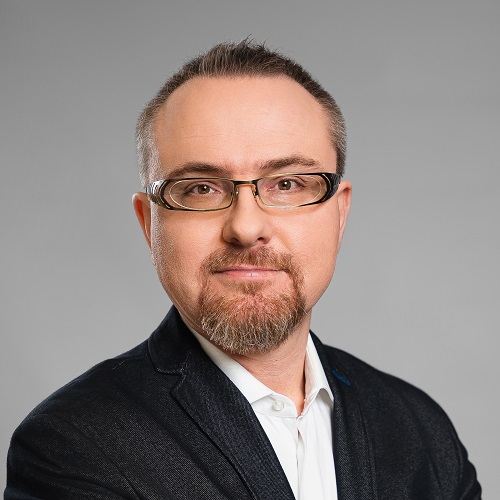
Janusz Bujnicki is a Professor and head of the Laboratory of Bioinformatics and Protein Engineering at the International Institute of Molecular and Cell Biology in Warsaw (IIMCB), Poland. He holds concurrent roles in science policy advisory bodies, including the European Commission's Group of Chief Scientific Advisors (2015-2020, then expert) and the Polish Academy of Sciences’ advisory panel (2024-). He is also a founding member of the Association of ERC Grantees (AERG) and serves on the Scientific Advisory Board of Life Science Center at Vilnius University. Academia Europaea Member (2018-) EMBO Member (2018-) Leadership Academy for Poland (2018) His research spans structural biology, RNA modification, computational biology, and molecular evolution. He has pioneered computational methods like ModeRNA, SimRNA, and ClaRNA for RNA structure prediction and analysis, and developed databases like MODOMICS for RNA modification pathways. His work has applications in understanding RNA function and drug design targeting RNA-processing enzymes. The 15 most recent publications focus on RNA structural modeling (e.g., ModeRNA, ClaRNA, SupeRNAlign), RNA-ligand interactions (LigandRNA), and RNA modification biology (MODOMICS database). These works bridge computational methods with experimental validation in RNA enzymology and structure-function relationships. Scientific Awards: ERC Starting Grant (2010), EMBO Member (2018), Crystal Brussels Sprout (2016), Prime Minister’s Award (2014), Knight’s Cross of Polonia Restituta (2014) Grants & Leadership: Founded RNA bioinformatics infrastructure at IIMCB, led EU science policy advisory groups, and organized international research competitions (RNA Puzzles)
Max Lau is an Assistant Professor in the Department of Biostatistics and Bioinformatics and the Department of Epidemiology at Emory University. His research focuses on integrating machine learning and computational methods with epidemiological and genomic data to study infectious disease dynamics. He teaches courses such as BIOS 790R (Advanced Seminar in Biostatistics) and DATA 534 (Applied Machine Learning). Dr. Lau's work emphasizes scalable Bayesian inference, graph neural networks, and stochastic modeling to address challenges in disease transmission, outbreak control, and pathogen evolution. His recent research includes developing tools like ScITree and Epilearn, and he has contributed to understanding measles dynamics, tuberculosis treatment, and livestock disease management. His academic contributions span over 30 publications since 2010, with a particular focus on phylodynamics, epidemic modeling, and vaccine strategy evaluation. His interdisciplinary approach bridges computational methods with public health applications, aiming to enhance disease prediction and intervention efficacy.
Dr. Justin Belsky is an Assistant Professor of Emergency Medicine at Yale School of Medicine, serving as the COVID-19 Safety Officer and Co-Director of Resident Research in Emergency Medicine. He holds an MD from Wayne State University School of Medicine (2011) and an MPH from Harvard School of Public Health (2016). His research focuses on sepsis diagnosis and treatment, including biomarkers, clinical trials, and risk stratification tools. He led the Yale site for the VICTAS trial evaluating vitamin C, thiamine, and hydrocortisone in septic shock. Dr. Belsky directs the Yale Emergency Medicine Specimen Biobank, collecting samples from critically ill patients for future research. His awards include the Partners in Excellence Team Award (2016) and an Outstanding Poster Award (2015). He is actively involved in resident research training and clinical guideline adherence studies. Education: MD: Wayne State University School of Medicine (2011) Emergency Medicine Residency: Henry Ford Hospital (2014) Research Fellowship: Massachusetts General Hospital (2016) MPH: Harvard School of Public Health (2016) Research Interests: Early sepsis identification and treatment Biomarker development for critical illness Fluid management strategies in septic shock Micronutrient therapies in sepsis Emergency department quality improvement Recent Work Focus: Fluid resuscitation protocols and guideline adherence Long-term outcomes of sepsis therapies Actin cytoskeleton as a sepsis biomarker Antibiotic timing in sepsis Awards: 2016: Sepsis Care Redesign, Partners in Excellence Team Award 2015: Outstanding Poster Award (Shock Symposium) Grants & Mentorship: Principal investigator for CLOVERS trial (fluid management in sepsis) Co-Director of Yale’s Emergency Medicine Research Training Program Leadership in resident research mentorship and biobank initiatives