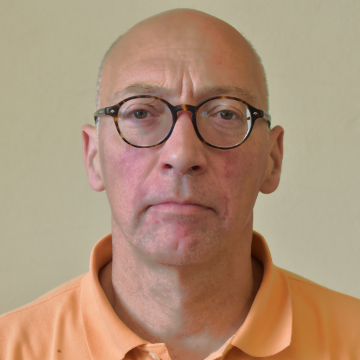
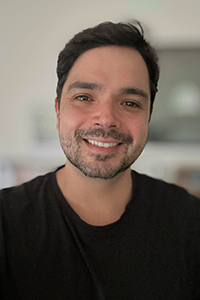
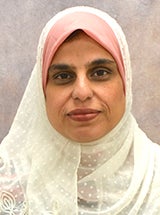
José Paulo Sampaio is a Full Professor at the Department of Biology within the Faculty of Science and Technology at NOVA University Lisbon. He serves as Coordinator of the Portuguese Yeast Culture Collection (PYCC) and leads the Yeast Genomics Laboratory, focusing on evolutionary and ecological aspects of yeast biodiversity. His primary research interests span Yeast evolutionary biology and Molecular evolution , with specific expertise in: Molecular and evolutionary mechanisms of microbe domestication Speciation processes in Saccharomyces yeasts Fungal molecular evolution and sexual behavior evolution Ecological speciation in model yeast systems Biogeography of wild Saccharomyces populations Yeast molecular ecology and diversity systematics Analysis of his 15 most recent publications (2006-2015) reveals dominant research themes in yeast domestication history (particularly wine and lager brewing strains), global biogeographic patterns shaped by continental drift, molecular mechanisms of ecological speciation, and the evolution of sexual reproduction in fungi. His work frequently employs population genomics, phylogenetic analysis, and experimental evolution approaches across diverse Saccharomyces species. Sampaio coordinates the Portuguese Yeast Culture Collection (PYCC) and maintains an active research laboratory focused on yeast genomics. His collaborative work appears in high-impact journals including Nature Communications, PNAS, and Molecular Ecology, often involving international research teams across Europe and the Americas.
Dr. Heiko Andreas Schmidt is a computational biologist affiliated with the University of Vienna , where he works at the Department of Structural and Computational Biology as part of the Center for Integrative Bioinformatics Vienna (CIBIV) and Max Perutz Labs. His research focuses on phylogenetics, phylogenomics, and the development of computational tools for evolutionary tree reconstruction, including contributions to software like IQ-TREE and TREE-PUZZLE . His work spans parallel computing applications in phylogenetics, scientific workflows, and quality assessments of alignments. He has co-authored numerous high-impact studies in molecular biology, developmental biology, and bioinformatics, often collaborating with Prof. Arndt von Haeseler and other researchers. Dr. Schmidt has contributed to methodological advancements in phylogenetic inference, particularly for large genomic datasets. He has taught courses such as Bioinformatics for Phylogeny and Evolutionary Tree Reconstruction and Algorithmic Bioinformatics at the University of Vienna.
Andrés Cumsille is a Postdoctoral Researcher at the University of Wisconsin-Madison, affiliated with the Chevrette Lab. His research focuses on bacterial community interactions, biosynthetic gene clusters, and metabolomics to discover natural products with biomedical and environmental applications. He holds a PhD in Biotechnology from Universidad Técnica Federico Santa María and Pontificia Universidad Católica de Valparaíso, along with a BSc in Environmental Engineering from Universidad Técnica Federico Santa María. Education: PhD in Biotechnology, Universidad Técnica Federico Santa María & Pontificia Universidad Católica de Valparaíso BSc in Environmental Engineering, Universidad Técnica Federico Santa María His research spans biosynthetic gene cluster analysis, statistical metabolomics, and bioremediation. Key projects include developing genome visualization tools like GenoVi, studying Streptomyces for antitumoral agents, and advancing frameworks for molecular networking in non-targeted metabolomics. Notable article trends include comparative genomics of Rhodococcus and Brevibacterium, economic evaluation of bioremediation in Chile, and taxonomic discoveries such as Spiractinospora alimapuensis and Corynebacterium alimapuense . His work bridges environmental biotechnology and microbial natural product discovery.
Carlos Cetina is a Full Professor at Universitat Politècnica de València in Spain and Head of the SVIT Research Group. He serves as Director of the Master in Advanced Software Engineering for Mobile Devices and holds an Honorary Associate Professor position at University College London. His work bridges academic research with industrial software engineering practices, focusing on accelerating software development and maintenance through innovative engineering approaches. Dr. Cetina's research centers on Software Product Lines, Model-Driven Engineering, and Search-Based Software Engineering, with a growing emphasis on applying these techniques to game software development. His work investigates how variability-intensive systems can be better engineered and maintained, particularly through evolutionary algorithms and model-based approaches. He has pioneered methods for bug localization in software models of video games and explored the application of phylogenetics to software engineering problems. His recent publication trajectory reveals a strong focus on empirical studies in game software engineering, with particular attention to procedural content generation, energy consumption analysis in game engines, and comparative evaluations of model-driven versus code-driven development approaches. He has established himself as a leading researcher in applying search-based techniques to solve complex problems in software model analysis and manipulation. Award winner for Accelerating Video Game Development Award Finalist for Feature Location in software models As Head of the SVIT Research Group, Dr. Cetina leads a team dedicated to advancing software engineering practices through rigorous research that directly addresses industry challenges. His work on variability-intensive systems has significant implications for software product line engineering and has been widely adopted in both academic and industrial contexts. His research group actively collaborates with industry partners to ensure practical relevance of their findings.
Ana Sofia Reboleira is an Associate Professor at the Natural History Museum of the University of Copenhagen, where she leads a research group focused on subterranean ecosystems and biodiversity. Her academic profile demonstrates extensive expertise in entomology, ecology, and subterranean biology with particular emphasis on groundwater ecosystems and cave-adapted organisms. Education: Ph.D. in Biology, University of Aveiro (Portugal), 2008-2012 (awarded 2013) Master in Ecology, Biodiversity and Ecosystem Management, University of Aveiro, 2001-2007 Bachelor in Biology, University of Aveiro, completed 2006 Her research interests span biodiversity, evolution, and ecotoxicology of subterranean organisms, with a special focus on arthropods adapted to cave environments and arthropod-fungi associations. She employs multidisciplinary approaches to study how anthropogenic activities impact these fragile ecosystems, with significant contributions to groundwater conservation science. Her publication record shows a clear focus on subterranean biology, with recent work addressing groundwater ecosystem health assessment, conservation strategies using eDNA technology, physiological adaptations of stygobitic organisms, and taxonomic studies of cave-adapted fauna. Her research demonstrates strong international collaboration across multiple continents. Scientific Recognition: VILLUM Young Investigator award (2017) Professor Reboleira actively contributes to the academic community through teaching (Entomology and Field Biology II: Terrestrial Zoology), editorial work for research journals, and organization of major international conferences including the 24th International Conference on Subterranean Biology. She has delivered numerous lectures on groundwater life and subterranean biodiversity conservation, demonstrating her commitment to science communication and policy-relevant research. Her research group maintains strong connections with international collaborators across Europe and beyond, working on comparative studies of subterranean evolution and conservation challenges facing groundwater ecosystems worldwide.
David Alejandro Duchene Garzon is an Associate Professor in the Department of Public Health, Section of Epidemiology at the University of Copenhagen's Faculty of Health and Medical Sciences. His work bridges evolutionary biology with public health, focusing on the application of genomic and computational approaches to understand disease dynamics. Education: PhD in Molecular Evolution, Australian National University (2017) Bachelor of Science with Honours in Marine Biology, James Cook University Queensland (2012) Duchene's research traverses multiple fields including phylogenetic modeling, comparative analysis, biogeography, epidemiology (phylodynamics), and machine learning in public health. His past work has focused on explaining molecular evolution in both animal and pathogen genes using diverse statistical approaches. He connects processes at macro scales (macroevolution, macroecology, phylogeography) with those at micro scales (molecular evolution), addressing fundamental questions about how and why novel living beings and pathogens emerge. Currently, he is exploring the intersection of animal movement (neuroscience), infection (epidemiology), and genomics, particularly in identifying infections in livestock and wildlife using computer vision techniques. His recent publications (2024-2025) demonstrate a strong focus on applying genomic approaches to epidemiology and evolutionary biology. These works span diverse topics including infectious disease modeling, molecular clock hypothesis testing, avian genomic evolution, and SARS-CoV-2 genomic surveillance. His research combines computational methods with biological insights to address complex questions in evolution and public health. Scientific Collaborations: Collaboration with Danish COVID-19 Genome Consortium (DCGC) International collaborations across multiple countries in genomic epidemiology Work with multiple genome-sequencing consortia Duchene has established himself as a key researcher bridging evolutionary biology and public health. His work on molecular evolution provides foundational insights that inform his current epidemiological research. He has developed strong collaborative networks across institutions and countries, particularly in genomic surveillance and evolutionary analysis. His current research direction toward computer vision applications for infection identification in wildlife represents an innovative interdisciplinary approach. Duchene maintains an active research program with significant impact, as evidenced by the broad dissemination of his work across news outlets, social media, and academic platforms. His research has been featured in major scientific journals including Nature and has influenced both academic discourse and public health practice.
Joseph E. Hawes is a Lecturer in Ecology and Conservation at the University of Cumbria's Institute of Science and Environment, where he has been employed since June 2023. His academic career includes post-doctoral fellowships at the Norwegian University of Life Sciences (2019-2023), Anglia Ruskin University (2016-2019), Universidade do Estado do Amazonas (2015), and Museu Paraense Emílio Goeldi (2014-2015). His educational background includes a PgCert in Learning and Teaching in Higher Education from Anglia Ruskin University (2019-2020), a PhD from the University of East Anglia (2008-2012), an MSc in Applied Ecology & Conservation from the University of East Anglia (2004-2005), and a BSc in Biology from the University of Nottingham (1999-2002). Hawes specializes in Amazonian ecology and conservation biology, with research interests spanning tropical forest ecology, biodiversity conservation, wildlife management, forest fragmentation effects, and plant-animal interactions. His work frequently addresses the impacts of human activities on Amazonian ecosystems and develops conservation strategies for vulnerable species and habitats. Recent research has focused on Amazonian tree diversity, primate ecology, insect communities, and the effects of habitat modification on biodiversity patterns. Analysis of his recent publications reveals a strong focus on Amazonian biodiversity patterns, with particular emphasis on tree species distribution, primate dietary strategies, and invertebrate communities. His work often employs large-scale collaborative approaches, integrating field data with spatial analysis to address conservation challenges in one of the world's most biodiverse regions. The research demonstrates increasing sophistication in analytical approaches, incorporating phylogenetic, functional trait, and spatial analyses to understand ecosystem dynamics. Hawes has contributed to numerous collaborative research projects with institutions across Brazil, Europe, and North America, though specific awards or honors are not prominently featured in the available information. His research program demonstrates strong connections with Amazonian conservation initiatives, particularly those involving community-based management approaches and sustainable-use protected areas. Much of his work involves field research in the Brazilian Amazon, often in collaboration with local institutions, suggesting active engagement with research teams operating in the region.
Susan Laurance is Professor in the College of Science and Engineering at James Cook University, Cairns Campus, Australia since 2010. Her academic foundation includes a PhD (1998-2001) and MSc (1994-1996) in Ecology and Natural Resource Management from the University of New England. As a tropical ecologist specializing in human and natural impacts on rainforest communities, her research spans Amazon rainforest fragmentation, climate change effects, drought impacts, and biodiversity conservation. Her work employs experimental drought studies, forest fragmentation analysis, and large-scale biogeographic assessments to understand ecological responses to anthropogenic and climatic stressors. Current investigations focus on edge effects, tree physiological responses, and community assembly patterns across Amazonia. Her publication record reveals strong emphasis on Amazonian forest dynamics, particularly examining tree growth responses to climate change, functional trait variations, and fragmentation impacts. Recent work integrates remote sensing with field ecology to address methodological biases in forest research while exploring how tropical forests track climate velocity. No specific scientific awards listed in source materials Laurance actively supervises research through experimental drought projects and collaborates extensively with international Amazon research networks. Her work informs ecological restoration frameworks and conservation strategies for tropical landscapes. She maintains laboratory facilities for physiological ecology studies and participates in large-scale collaborative projects examining Amazon forest resilience.
Angela Roggero is a Contract Professor in the Department of Life Sciences and Systems Biology at the University of Turin, specializing in zoology with a focus on entomology. Her academic work centers on the study of dung beetles and other insects, employing morphometric, physiological, and ecological approaches. Dr. Roggero's research interests span multiple areas of zoological science. She has made significant contributions to the understanding of dung beetle morphology, particularly regarding horn allometry, sexual dimorphism, and thermal adaptation. Her work integrates morphometrics with evolutionary biology, examining how physiological traits, environmental factors, and morphological characteristics interact in insect populations. She has also published on broader topics including thermal biology, water balance mechanisms, and the effects of human activity on wildlife. Analysis of her recent publications reveals a strong focus on the physiological and morphological adaptations of dung beetles to environmental stressors, particularly temperature and desiccation. Her research employs sophisticated morphometric techniques to analyze shape variations across species and populations. While primarily focused on coleopterans, her work extends to other taxa including birds and mammals, demonstrating interdisciplinary breadth in her approach to zoological research. Dr. Roggero maintains an active research profile with consistent publication output, collaborating extensively with colleagues including Palestrini C., Rolando A., and Barbero E. Her work appears in reputable journals across ecology, entomology, and evolutionary biology.
Kimberley Phillips serves as Professor of Neuroscience at Trinity University's Center for the Sciences and Innovation, with dual affiliations in Psychology and Pre-Medical/Health Professions programs. Her research integrates neuroanatomy, primatology, and behavioral neuroscience to investigate primate cognitive evolution. Education: Ph.D. - The University of Georgia M.S. - The University of Georgia B.S. - Wofford College Dr. Phillips' research program centers on the neurological basis of skilled motor behaviors in capuchin monkeys, utilizing non-invasive MRI and DTI brain imaging alongside problem-solving task analysis. Her work bridges evolutionary biology and clinical neuroscience, particularly through Parkinson's disease modeling in marmosets and studies of age-related cognitive decline. Current investigations focus on loneliness impacts on neural aging through her NIH-funded $1.4M grant. Her publication record reveals consistent expertise in corpus callosum morphology, hemispheric asymmetry, and primate cognition across 15+ years. Recent work demonstrates increasing methodological sophistication through multimodal neuroimaging and cross-species comparisons spanning capuchins, marmosets, and chimpanzees. Scientific Recognition: NIH R01 Grant ($1.4 Million) for loneliness and cognitive decline research (2019) Trinity University Faculty IMPACT Award (2019) President of the American Society of Primatologists As principal investigator, Dr. Phillips directs a productive research program involving undergraduate and graduate students in both laboratory and field studies. Her leadership extends to developing best practices for primate neuroimaging through society-level initiatives. Current projects examine myelin degradation patterns in aging primates and their relationship to cognitive decline, with implications for human neurodegenerative disorders.
James Boyko serves as an Assistant Professor in the Department of Ecology and Evolutionary Biology at the University of Michigan, where he advances computational approaches to evolutionary biology through phylogenetic comparative methods. His research program integrates: Traditional trait evolution modeling using discrete character Markov processes Ornstein-Uhlenbeck frameworks for adaptive evolution State-dependent speciation-extinction (SSE) models Deep learning techniques to enhance phenotypic analysis Current work focuses on bridging artificial intelligence with evolutionary theory to decode complex phenotypic patterns, emphasizing how machine learning can refine comparative methodological frameworks for macroevolutionary studies. He maintains active correspondence through jboyko@umich.edu within the university's Biological Sciences Building infrastructure.
Magnus Pharao is an Associate Professor in the Department of Cross-Cultural and Regional Studies at the University of Copenhagen's Faculty of Humanities. His research focuses on indigenous Mexican languages, particularly Nahuatl, Otomi, Huichol, and Cora, with expertise spanning linguistic anthropology, historical linguistics, and language politics. Dr. Pharao earned his PhD in Anthropology from Brown University in 2016 with his dissertation 'Nahuatl Nation: Language Revitalization and Indigenous Resurgence in 21st Century Mexico.' His academic journey has established him as a leading scholar in three interconnected research domains: language politics and revitalization, Mesoamerican language history, and the relationship between language and landscape. His research examines the political dimensions of indigenous language revitalization, the historical spread and evolution of Mesoamerican languages, and how physical landscapes shape linguistic structures. His work combines ethnographic fieldwork, historical analysis, and computational methods to address complex questions about language, culture, and identity. Recent publications demonstrate his expertise in Nahuatl syntax, historical linguistics of Uto-Aztecan languages, and the political dimensions of language preservation. His scholarly output reveals a consistent focus on indigenous language documentation, historical linguistic reconstruction, and the sociopolitical contexts of language use. His work bridges traditional linguistic analysis with contemporary concerns about cultural sovereignty and linguistic diversity. Dr. Pharao has received significant research funding including: Marie Skłodowska-Curie Individual Postdoctoral Fellowship (2019-2023) for 'NaWaTL: Narrative, Writing, and the Teotihuacan Language' ERC-stg project: SUAHIST (Exploring the Deep History of Southern Uto-Aztecan Languages and Peoples) Sapere Aude Research Leader project 'Space and Environmental Adaptation in Language and Society' (Nahuatl Space Project) His academic contributions extend beyond traditional research through media engagement, public lectures, and participation in Wikipedia-related discussions about indigenous representation. He maintains an active presence in both scholarly and public discourse on indigenous languages and cultures. Dr. Pharao regularly presents at international conferences and workshops, sharing insights on Nahuatl language studies, historical linguistics, and indigenous sovereignty. His work demonstrates a commitment to both academic rigor and practical applications for language communities.
Miguel Pinto da Silva Menezes de Sequeira serves as an Assistant Professor at the University of Madeira within the Faculty of Life Sciences , where he maintains his institutional address at the Life Sciences Centre on Campus da Penteada in Funchal, Portugal. As an active member of the Madeira Botany Group (Grupo de Botânica da Madeira), he contributes significantly to botanical research in Macaronesia. His research focuses on plant taxonomy and systematics , particularly of the Asteraceae family across Macaronesian archipelagos including Madeira, the Canary Islands, and the Azores. Dr. Sequeira's work encompasses paleobotany through fossil plant analysis, island biogeography examining evolutionary patterns, and conservation biology addressing threats to endemic species. His investigations frequently document new species records and analyze historical plant communities through volcanic charcoal and other paleontological evidence. Analysis of his recent publications reveals consistent focus on Macaronesian flora , with particular attention to endemic species and their conservation status. His research demonstrates increasing integration of modern technology like drone-based documentation while maintaining traditional taxonomic approaches. The work spans multiple disciplines including evolutionary biology, ecology, and historical biogeography, with strong emphasis on practical conservation applications for threatened island ecosystems. Dr. Sequeira actively mentors graduate students, having served on the thesis committee for Zita Ferreira's PhD research on the biosystematics of the genus Andryala. His collaborative projects frequently involve international teams working on paleobotanical sites, conservation management plans, and taxonomic revisions across the Macaronesian region. These collaborations often secure funding for expeditions to remote island locations and analysis of historical plant specimens. As a key member of the Madeira Botany Group, he participates in significant botanical initiatives including international conferences like the FloraMac2018 congress and commemorative events such as the celebration of Richard Thomas Lowe's 220th birthday. The group maintains active research programs documenting rare plant species, analyzing fossil records, and developing conservation strategies for threatened island flora.
Eman A. Anis is an Assistant Professor in the Department of Pathobiology at the University of Pennsylvania School of Veterinary Medicine. She holds dual PhDs in Virology and Comparative and Experimental Medicine, along with board certification as a Diplomate of the American College of Veterinary Microbiology (DACVM). Her research focuses on developing and improving diagnostic methods for infectious diseases in domestic and wildlife animals, with particular expertise in canine distemper virus, feline pathogens, and wildlife disease surveillance. Education: PhD in Comparative and Experimental Medicine (Virology & Molecular Biology), University of Tennessee, 2014 PhD in Virology, University of Sadat, Egypt, 2010 MS in Veterinary Medical Science, Minofya University, Egypt, 2005 Dr. Anis's research spans multiple critical areas in veterinary virology and infectious disease diagnostics. Her primary focus is on the development and improvement of conventional and molecular diagnostic methods for existing and emerging infectious diseases in domestic animals. She has made significant contributions to understanding canine distemper virus genetics and antigenic properties, as well as developing point-of-need diagnostic tools like insulated isothermal PCR for feline leukemia virus detection. Her work extends to wildlife disease surveillance, including SARS-CoV-2 in bats and white-tailed deer, and pathogen detection in songbirds during mass mortality events. Dr. Anis also investigates viral transmission dynamics between domestic and wildlife species, with implications for conservation medicine and zoonotic disease prevention. Analysis of Dr. Anis's recent publications reveals a strong focus on wildlife disease ecology and molecular diagnostics. Her work spans multiple species including canines, felines, red pandas, bats, and songbirds, with particular attention to viral pathogens like canine distemper virus, coronaviruses, and emerging pathogens. She combines molecular techniques with field epidemiology to understand viral transmission dynamics and develop improved diagnostic tools. A notable trend is her increasing focus on wildlife surveillance for zoonotic pathogens, particularly during the pandemic era, while maintaining her expertise in veterinary diagnostic methods. Scientific Recognition: Diplomate, American College of Veterinary Microbiology (DACVM) Board certification in veterinary microbiology Dr. Anis leads research projects focused on antivirals and vaccine development for domestic animals through the Wildlife Futures Program at New Bolton Center's PADLS laboratory. Her grant-funded work supports the development of rapid diagnostic tools for point-of-need applications in veterinary medicine. She collaborates extensively with wildlife conservation organizations, zoological institutions, and veterinary diagnostic laboratories to translate research findings into practical applications for animal health. Dr. Anis is actively involved with the Wildlife Futures Program at the University of Pennsylvania's New Bolton Center, where she directs diagnostic and research activities focused on the interface between domestic animal and wildlife health. Her laboratory employs advanced molecular techniques including next-generation sequencing for pathogen detection and characterization. She works closely with the Pennsylvania Department of Agriculture and other state agencies on wildlife disease surveillance initiatives, particularly for emerging pathogens with potential zoonotic implications.
Dr. Natalie Ferry is a Lecturer in Biotechnology and Head of Biomedicine at the University of Salford's School of Science, Engineering & Environment. With expertise spanning plant science, biotechnology, and environmental research, she leads academic strategy across the Biomedicine subject area while maintaining an active research program focused on sustainable biotechnologies. Her academic journey began with a BSc(Hons) in Plant Science at Durham University, followed by a PhD at Newcastle University investigating GM crop environmental impacts. After six years as a postdoctoral researcher at Newcastle University working with Professors Harry Gilbert and Angharad Gatehouse, she joined Salford in 2010. She holds a Postgraduate Certificate in Academic Practice (2013-2014) and is a Fellow of the Higher Education Academy (FHEA). Dr. Ferry's research advances the Green Bioeconomy through nature-inspired innovation, particularly in discovering novel plant cell wall-degrading enzymes from overlooked environments. The Ferry Lab has identified over 2,500 biomass-degrading enzymes by exploring underexamined ecosystems, with current emphasis on recombinant expression and commercial application of hemicellulose-degrading enzymes for sustainable industries. Her publication record shows consistent contributions across multiple disciplines including microbiology, biochemistry, environmental science, and molecular biology. Recent work spans from enzyme characterization for biomass conversion to microplastics research and educational technology studies, demonstrating the breadth of her research interests. Fellow of the Higher Education Academy (FHEA) As an educator, Dr. Ferry leads key postgraduate modules including Green Biotechnology and Molecular Biology & Proteomics, and supervises undergraduate and postgraduate research projects focused on enzyme expression and commercial applications. Her teaching philosophy emphasizes developing research-ready scientists through practical, translational bioscience education. Dr. Ferry's work aligns with multiple UN Sustainable Development Goals, particularly those related to quality education, sustainable industrialization, responsible consumption and production, and climate action, demonstrating her commitment to addressing global challenges through academic research and education.