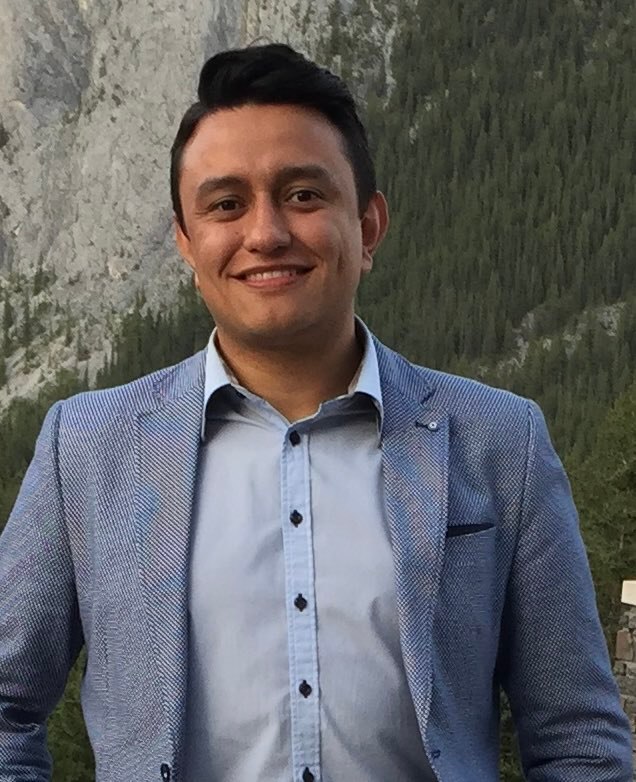
José Eduardo Villalobos Graillet is an Assistant Professor of Spanish at Idaho State University , specializing in Modern Peninsular Literature and Culture with a focus on visual culture (film and television) . He previously held a position as Spanish Instructor at Wilfrid Laurier University in the Department of Languages and Literatures. Research Areas : Spanish Film Studies, Spanish Medieval Literature, Latin American and Caribbean Studies, Teaching Spanish as a Foreign Language, Visual Culture, and Critical Pedagogy. His scholarly work examines film and television adaptations of 'La Celestina' , analyzing censorship dynamics across Francoist Spain, the Democratic Transition, and contemporary Spain. He also contributes to Spanish pedagogy , developing technological tools like Lang-8 for written expression and culturally immersive teaching units on topics such as winter festivals and Caribbean music. His publications span both critical academic analysis and methodological innovations for language instruction. Key Themes in Publications : Adaptation fidelity, political censorship, intercultural pedagogy, and the role of digital platforms in language learning.
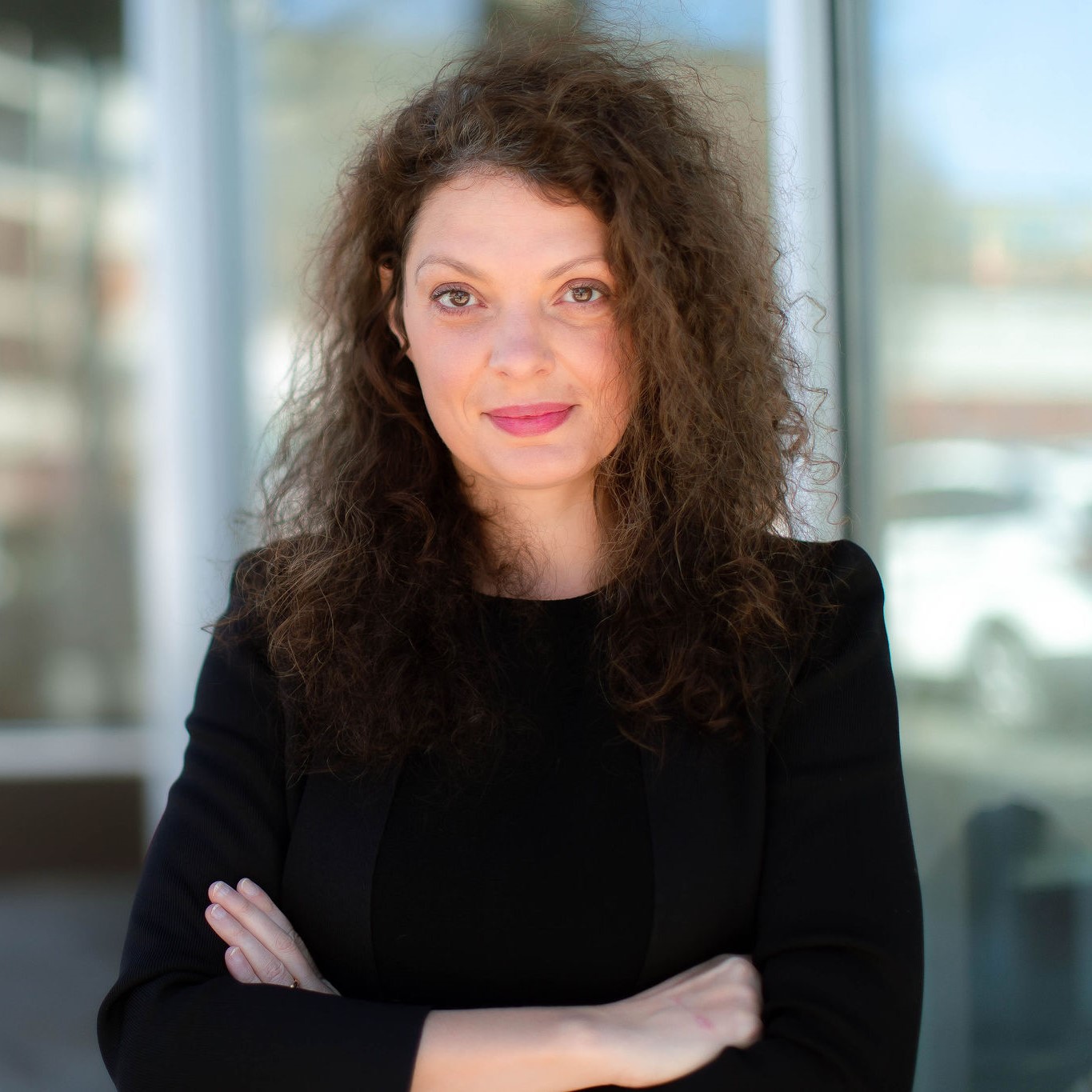
Anupama Rao is Professor of History and MESAAS (Institute for Comparative Literature and Society) at Columbia University, with affiliations in Women's, Gender and Sexuality Studies and Human Rights. She is based at Barnard College, where she holds office hours and engages in interdisciplinary teaching and research. Her educational background includes a B.A. with honors from the University of Chicago and a Ph.D. from the Interdepartmental Program in Anthropology and History at the University of Michigan. Rao’s research spans South Asian history and anthropology , gender and sexuality studies , caste and race , social theory , comparative urbanism , and colonial genealogies of human rights . She is known for her groundbreaking work on anti-caste thought, particularly the political philosophy of B. R. Ambedkar, and for theorizing caste subalternity in modern India. Her scholarship critically examines the intersections of caste, gender, urban space, and political subjectivity. Her recent and ongoing publications reflect a deep engagement with global racisms, Cold War humanism, and justice futures. Key themes across her articles include Dalit aesthetics, subaltern urbanism, affirmative action, and the transnational dimensions of caste. Her work shows a consistent trend toward interdisciplinary, postcolonial, and decolonial frameworks that challenge Western-centric epistemologies. Fellow-in-Residence, National Humanities Center (2008–2009) Fellow, Center for Advanced Study in the Behavioral Sciences, Stanford (2010–2011) Fellow, REWORK, Humboldt University, Berlin (2014–2015) Global Humanities Institute Awardee, CHCI (2023) Rao has served as Senior Editor of Comparative Studies in South Asia, Africa, and the Middle East (2012–2021), President of the Society for the Advancement of the History of South Asia (SAHSA), and member of the South Asia Council of the Association for Asian Studies. She is Principal Investigator for the Mellon-funded Global Humanities Institute project Global Racisms, Cold War Humanism, and Just Futures (2022–2024) and co-directs Geographies of Injustice at Columbia’s Center for the Study of Social Difference. She has secured major research grants from the ACLS, NEH, SSRC, and Mellon Foundation. She advises and mentors graduate students, though specific names are not listed in the text. Rao directs the Institute for Comparative Literature and Society and convenes the Ambedkar Initiative, fostering interdisciplinary research and public engagement on caste, race, and justice. She leads and participates in multiple research collectives, including the Geographies of Injustice project and the Asian Spatialities initiative. She is deeply involved in institutional leadership through her roles at the Institute for Comparative Literature and Society and the Ambedkar Initiative, both of which serve as hubs for critical humanities research.
Associate Professor James Andrew Phillips is a faculty member in the Department of Philosophy within the School of Humanities and Languages at the University of New South Wales (UNSW). He has been at UNSW since 2006, initially serving as a Vice-Chancellor's postdoctoral fellow, followed by an ARC Australian Research Fellow from 2007-2011, before assuming his current combined research-teaching position. His educational background includes undergraduate studies at the University of Queensland, an MA in Comparative Literature and Critical Theory from Monash University, and a PhD in Philosophy from the University of Tasmania (2002). During his doctoral studies, he spent time as an OeAD scholar in Innsbruck and a DAAD scholar in Potsdam. He has also been a visiting research fellow at the Institute for Advanced Studies in the Humanities at the University of Edinburgh and a resident associate at the National Humanities Center in North Carolina. Phillips' research focuses on aesthetics, phenomenology, film and philosophy, political theory, literary criticism, and British and Irish literature. His current book project explores the philosophy of fiction, drawing on concepts of 'world' in Kant and Heidegger. He has translated two significant philosophical works: Christoph Menke's Tragic Play: Irony and Theater from Sophocles to Beckett (2009) and Alexander García Düttmann's Philosophy of Exaggeration (2007). His recent publications demonstrate a strong focus on the intersection of philosophy, aesthetics, and cinema, with particular attention to phenomenological approaches to film studies and the political dimensions of aesthetic experience. His work bridges continental philosophy with contemporary cultural analysis, creating connections between historical philosophical traditions and modern artistic practices. Philosophy Group Convenor Research Committee Member - School of Humanities and Languages Phillips currently supervises PhD candidate Finnegan Hassey (on Arendt's concept of nationalism, jointly with Jess Whyte) and MA student Sofia Kartavtseva (on Sade and aesthetics). He teaches political philosophy, aesthetics, and the history of German philosophy, with planned courses for 2025 including ARTS3368 'Modern European Philosophy' and ARTS2384 'Political Philosophy'.
Isadora Moura Mota is an Assistant Professor of History at Princeton University, specializing in Brazilian slavery and the Atlantic world. Her research focuses on modern Brazilian history, comparative slavery, abolitionism, literacy among enslaved populations, and the African diaspora in Latin America. She holds a PhD from Brown University (2017) and previously taught at the University of Miami. Key research areas include the role of Afro-Brazilians in shaping abolition movements, transnational connections during the 19th century, and the intersection of literacy with emancipation struggles. Her book Freedom’s Horizon examines abolitionism as a grassroots movement anchored in enslaved communities. Her work has been supported by the Social Sciences Research Council, Brown University’s Center for the Study of Slavery and Justice, and Brazil’s CNPq. Future projects explore intellectual histories of Afro-Brazilian literacy and labor struggles between European colonists and enslaved peoples. She has received an ACLS Fellowship and authored articles in Slavery & Abolition and Hispanic American Historical Review . Currently on leave through 2024–2025, her office is Dickinson Hall at Princeton.
Bruce S. Hall is an Associate Professor at the University of California, Berkeley specializing in the intellectual and social history of West Africa's Sahel region. His research focuses on Muslim intellectual culture, slavery, race, and economic history in Mali, Niger, and Mauritania, with particular attention to Timbuktu and the Niger Bend through Arabic manuscript analysis. Education: PhD, University of Illinois at Urbana-Champaign, 2005 MA, Queen's University (Canada), 1995 BA, University of Toronto, 1994 Research Interests: Hall's work centers on the intersection of Muslim intellectual culture and social structures in pre-colonial and colonial West Africa. He examines how Arabic manuscripts document racial ideologies, slavery systems, and commercial networks, particularly through Timbuktu's 19th-century correspondence. His research reveals how Islamic legal frameworks interacted with social hierarchies and colonial disruptions in circum-Saharan societies. Publications Trends: Hall's scholarly output (2010-2020) consistently analyzes Arabic manuscripts to reconstruct West African intellectual history. Dominant themes include slavery emancipation processes, Islamic legal interpretations of commerce, race conceptualizations across Muslim societies, and Timbuktu's role as a scholarly hub. His work demonstrates increasing engagement with film studies and vernacular media while maintaining core focus on manuscript-based historiography. Scientific Awards: Martin A. Klein Prize (2012) for A History of Race in Muslim West Africa, 1600-1960 Conover-Porter Award (2016) for contribution to Arabic Literature of Africa. Volume 5 Advising and Projects: Hall serves as general editor of the West African Arabic Manuscript Database (WAAMD), a major bibliographic initiative cataloging Arabic materials across West Africa. While specific student advisees aren't listed, his leadership in WAAMD demonstrates extensive collaborative project management involving international scholars and library professionals focused on manuscript preservation and accessibility. Labs and Teams: Hall directs the WAAMD project team housed at UC Berkeley Library, coordinating researchers who catalog and analyze Arabic manuscripts from Mauritania, Mali, and Niger. This digital humanities initiative creates critical infrastructure for West African manuscript studies while training specialists in Arabic paleography and historical methodology.
Ben Bollig is a Professor of Latin American Literature and Film at the University of Oxford, where he is also a Fellow and Tutor in Spanish at St Catherine's College and Associate Lecturer in Spanish at St John's College. He holds a First Class BA in Hispanic Studies from the University of Nottingham, followed by an MA and PhD from King's College London (2004). Research focuses on contemporary Latin American literature and film, particularly Argentine poetry Editor of the Journal of Latin American Cultural Studies Co-editor of Latin American Cultural Studies: A Reader (Routledge, 2017, pbk 2019) Key Research Themes : Comparative Literature, Film Studies, Translation Studies, Poetics of Resistance, and Postcolonial Studies. His work explores intersections between poetry and cinema, cultural identity, and political dimensions of artistic practice in Latin America. Publications include books on Argentine marginal poetry, cinematic adaptation of verse, and edited volumes of resistance literature. He coordinates the Poetics of Resistance project with Dr. Cornelia Graebner (Lancaster University) and contributes translations to journals like Calque and El extremo sur: Confines.
Adriana Chira is an Associate Professor of Atlantic World History at Emory University. She holds a Ph.D. from the University of Michigan, an M.A. from Cornell University, and a B.A. from Cambridge University (UK). Her research focuses on race, law, and property in Cuba and Puerto Rico during and after slavery. Her award-winning book Patchwork Freedoms examines how enslaved and free Afro-descendants navigated legal systems to claim land and freedom in 19th-century Cuba. Dr. Chira’s work has been supported by the National Endowment for the Humanities and fellowships at Yale and Harvard. She teaches courses on global history, Cuba, Puerto Rico, and the Caribbean. She also leads a study abroad program in Cuba focused on food sovereignty and environmental history. Her current research includes projects on labor markets in 18th-century Cuba/Colombia, land ownership theories in Cuba, and 20th-century Puerto Rican land policies. She has published widely in journals like the American Historical Review and Law and History Review , and her work has earned multiple prizes, including the James A. Rawley Prize and Elsa Goveia Prize. Education: B.A. Cambridge University (2005), M.A. Cornell (2008), Ph.D. University of Michigan (2016) Key Awards: Outstanding First Book Prize (ASWAD), James A. Rawley Prize (AHA), Peter Gonville Stein Award (ASLH) Teaching: Courses include Human Trafficking in World History , Globalization: The Atlantic World , and Cuba in World History
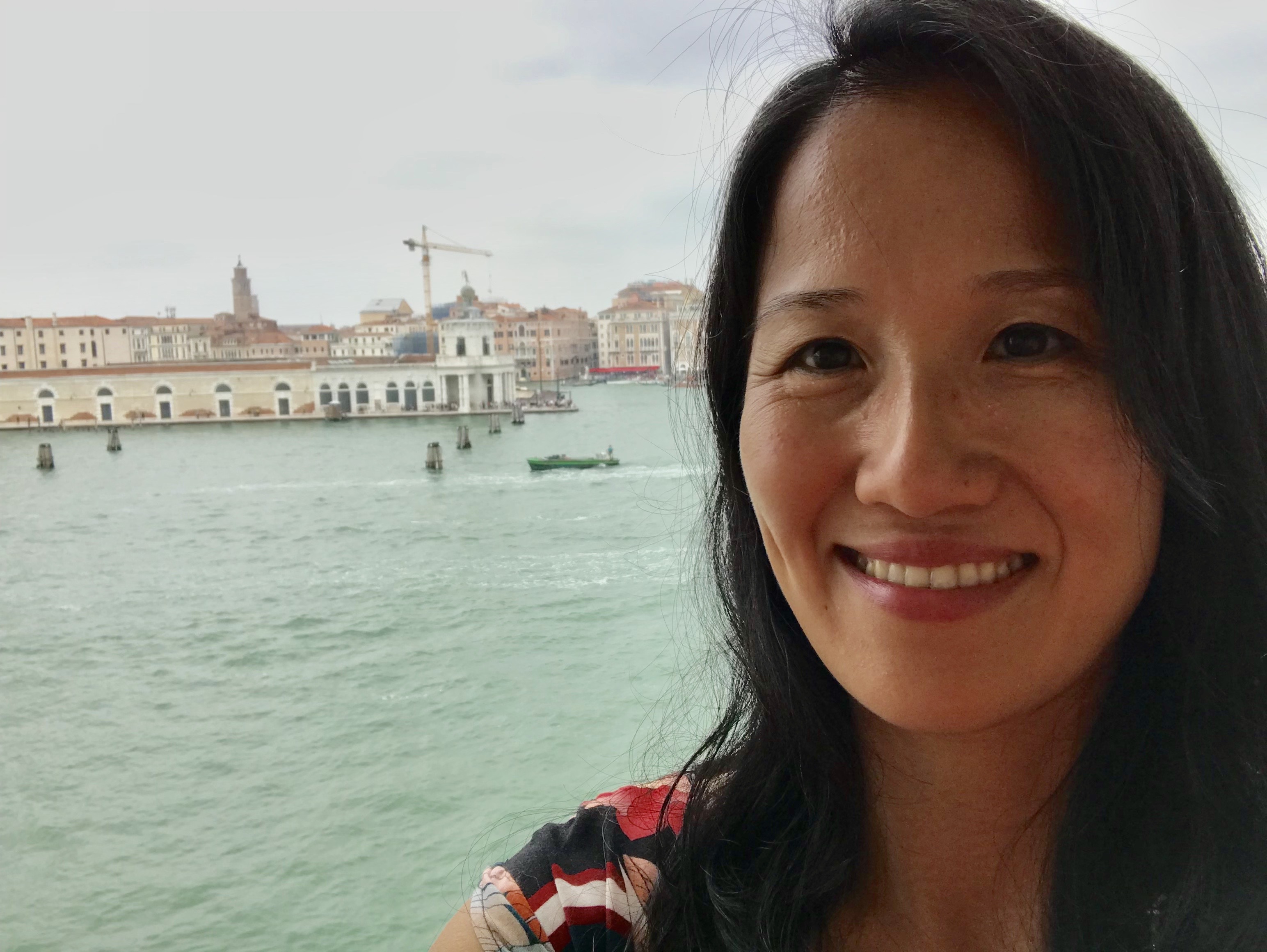
Ana Paulina Lee is an Assistant Professor of Writing and Digital Humanities in the Comparative Literature, English, and Creative Writing Department at the American University of Paris. She joined AUP in 2025 after teaching Latin American literature and culture at Columbia University for eight years and serving as a Mellon Postdoctoral Fellow at Tulane University. Her interdisciplinary scholarship bridges literature, history, law, and urban studies with particular focus on marginalized narratives in the Americas. Ph.D. from University of Southern California M.A. from New York University B.A. from Binghamton University Professor Lee's research examines how stories—archival, fictional, oral—shape legal imagination, social life, and urban experience in the Americas. She specializes in the intersections of magic, law, and literature in Latin America, with particular focus on Asian and African diasporas in Brazil. Her work traces how narrative functions as both historical record and catalyst for social transformation, exploring themes of slavery, emancipation, colonial legacies, and urban memory. She approaches these topics through interdisciplinary lenses combining literary analysis with histories of labor, migration, and performance. Lee's recent publications reveal a consistent focus on marginalized narratives and their impact on social structures. Her scholarship connects legal history with cultural production, showing how magical thinking and narrative practices shape urban spaces and social relations. Works like 'Urban Sorcery, Segregation, and Spectacle in Twentieth-Century Rio de Janeiro' and 'Black Magic City' demonstrate her innovative approach to understanding the relationship between occult logics and legal frameworks in Brazilian contexts. Her research on diasporic communities, particularly Chinese and Japanese experiences in Latin America, contributes significantly to transnational and comparative race studies. David B. Larson Fellowship in Health and Spirituality, Kluge Center, United States Library of Congress (2025-2026) National Endowment for the Humanities Fellowship (2025) Social Sciences Research Council, Inaugural Recipient of Interdisciplinary Projects in the Social Sciences (2020-2023) Institute for Ideas and Imagination Fellowship, Columbia University in Paris, France (2021-2022) Provost's Tsunoda Senior Fellowship, Visiting Scholar, Waseda University, Tokyo, Japan (2019) Heyman Center Fellow, The Heyman Center for the Humanities, Columbia University (2017-2018) Fulbright, Lisbon, Portugal (2013-2014) Professor Lee's scholarly activities have been generously supported by major research grants from the National Endowment for the Humanities, the Social Sciences Research Council, and the Library of Congress. Her work demonstrates a commitment to interdisciplinary approaches that bridge humanities and social sciences, particularly through projects examining intersections of race, migration, and cultural production in the Americas. Her publication 'Socially Engaged Oral History Pedagogy Amid the COVID-19 Pandemic' indicates a strong commitment to innovative teaching methods and community-based research. While specific details about current advisees aren't provided, her research program suggests engagement with graduate students interested in diaspora studies, urban history, and literary-cultural analysis. Though not explicitly mentioned in the available information, Professor Lee's research on urban spaces, magic, and law in Brazil likely involves collaborative work with scholars across disciplines. Her participation in centers like the Institute for Ideas and Imagination at Columbia University suggests engagement with interdisciplinary research communities focused on global cultural production and social transformation. Her work contributes to ongoing conversations about how narrative practices shape legal frameworks and social structures in the Americas, particularly regarding racial formation and diasporic experiences.
Barbara J. Fields is the William R. Shephard Professor of History, specializing in southern history and 19th-century social history. Her work focuses on the intersections of slavery, emancipation, and civil war dynamics. She holds a B.A. from Harvard University (1968) and a Ph.D. from Yale University (1978). Her research examines the complex social and institutional frameworks of slavery in regions like Maryland, as well as the broader implications of emancipation during the Civil War. Notable publications include Slavery and Freedom on the Middle Ground and collaborative works such as Free at Last , which compile primary sources on slavery and freedom. No scientific awards are listed, though her scholarly contributions are widely recognized. She has advised no named students in the provided text, and no grants or lab affiliations are mentioned.
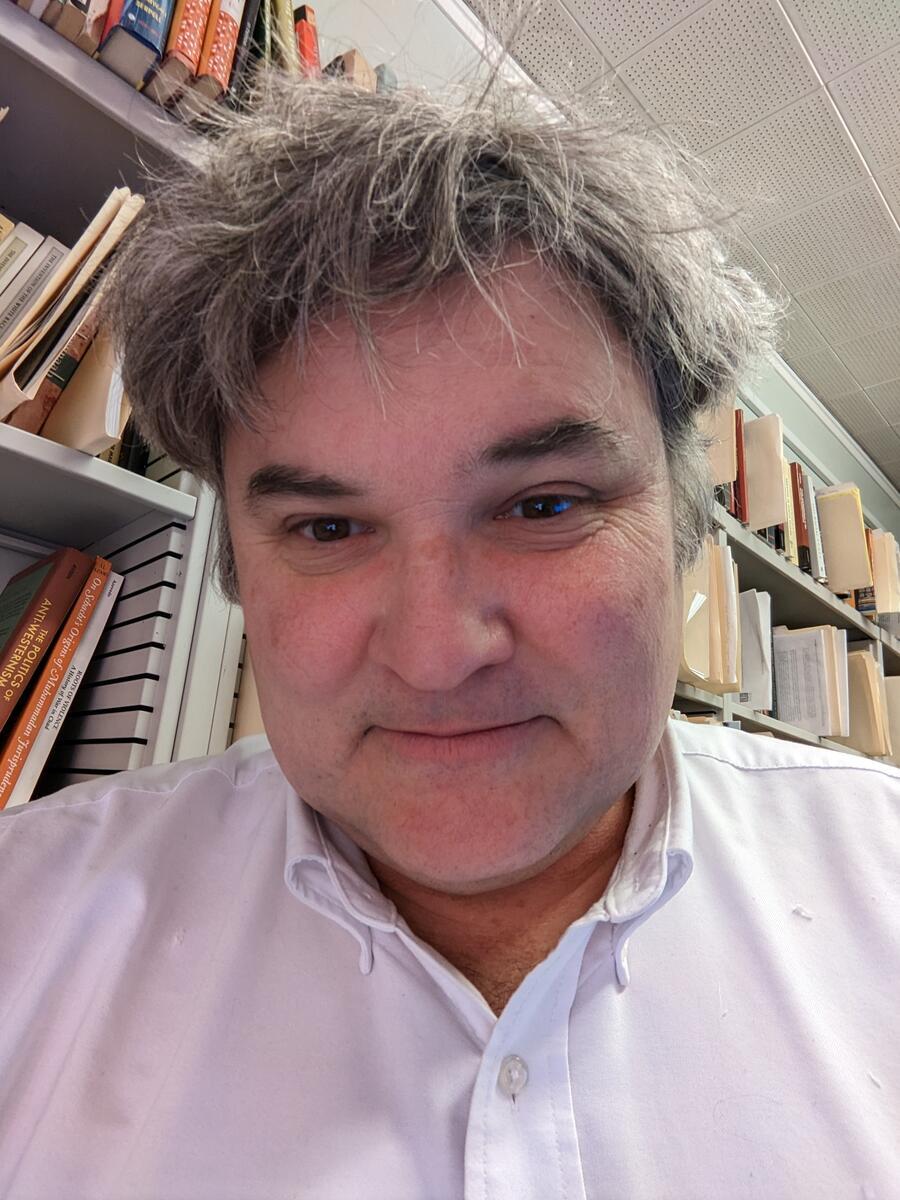
Prof. Dr. Johannes Liebrecht holds the Chair of Legal History at the University of Zurich . His work spans legal history, comparative law, and normative frameworks across medieval and modern European contexts. He has contributed extensively to the Max-Planck Encyclopedia of European Private Law and other major legal history publications. Current Position: Professor of Legal History (since 2019) Previous Roles: Senior Research Fellow at Max-Planck-Institute (2013-2019), Research Associate at Max-Planck-Institute (2007-2013) Research Interests focus on: Medieval Legal Institutions: Feudal norms, canon law, and German-Spanish legal comparisons Modern Legal Developments: Liberal law post-French Revolution, consumer rights, and legal sociology Academic Methodology: Historical realism, normative comparison, and categorial shifts in legal scholarship Publication Trends reveal a focus on: 2024: Eugen Ehrlich's sociology of law and German-Spanish medieval comparative studies 2022-2024: European consumer law, legal emancipation, and historical realism 2015-2018: Heinrich Brunner's historiography and German legal education structures Scientific Awards : Hermann Conring Award (2014) Gerda Henkel Foundation PhD Scholarship (2004-2006) German National Academic Foundation Scholarship (1994-2000) Guest Lectureship at Tokyo University (2019) Centre for Advanced Study Oslo Fellow (2021/22)
Sharon Krause is the William R. Kenan, Jr. University Professor of Political Science at Brown University, affiliated with the Watson Institute of International and Public Affairs. She holds a B.A. from Wellesley College, an M.T.S. from Harvard Divinity School, and a Ph.D. in Political Theory from Harvard University. Her research focuses on political theory, particularly environmental politics, freedom, social inequality, and democratic theory. She has authored influential books such as Eco-Emancipation: An Earthly Politics of Freedom (2023), Freedom Beyond Sovereignty (2015), and Civil Passions (2008), which explore themes of justice, ecological sustainability, and non-sovereign agency. Her work bridges classical and contemporary political thought, engaging with thinkers like Montesquieu, Hume, and Arendt. She has been honored with awards including the Clay Morgan Award (2024) and Spitz Prize (2010). Krause teaches courses on political theory, environmental humanities, and ancient/modern political thought, emphasizing interdisciplinary approaches to understanding power, justice, and ecological responsibility. Education: B.A. Wellesley College (1988), M.T.S. Harvard Divinity School (1993), Ph.D. Harvard University (1998) Key Research Areas: Eco-politics, non-sovereign freedom, democratic deliberation, gender studies Recent Trends: Increasing focus on environmental sustainability and intersectional domination theories Her articles analyze topics ranging from Montesquieu’s legal philosophy to contemporary feminist theory, demonstrating a commitment to integrating historical insights with urgent modern challenges.
Tamara Fernando is an Assistant Professor in the Department of History at Stony Brook University, State University of New York (SUNY). She holds a PhD from the University of Cambridge (2022) and specializes in the environmental, labor, and scientific histories of the Indian Ocean world, with regional focus on Sri Lanka, the Persian Gulf, and South Asia during the 19th and 20th centuries. Her research interests include: Environmental History of the Indian Ocean Colonial Science and Knowledge Production Maritime Labor Systems Transregional and Global History History of Empire and Ecology Her current book projects are Shallow Blue Empire: Knowing the Littoral across the Indian Ocean , a transnational history of the pearling industry, and Submarine Futures: Science and Expertise in the Indian Ocean 1872–2004 , which explores shipwrecks, nuclear submarines, and deep-sea ports as sites of scientific and political engagement. Her work combines archival research with interdisciplinary methodologies from science and technology studies, environmental humanities, and postcolonial theory. Her recent publications in journals such as Past & Present , Comparative Studies in Society and History , and History of Science examine topics like the mapping of oyster beds, multispecies histories of pearl fisheries, and the entanglement of disease and labor under colonialism. She also engages in public scholarship through outlets like Hypocrite Reader , Himal Southasian , and Borderlines , where she writes on settler tourism, water governance, and colonial legacies in Sri Lanka. She has no listed scientific awards in the provided texts. She advises students, though no current advisees are named. Her collaborative work includes co-authored articles on mollusks and human difference, and evolution in South Asia. She is affiliated with: Stony Brook University, Department of History Personal website: tamarasfernando.com Twitter: @TamaraFernando3
Dr. Hooman Foroughmand Araabi is a Senior Lecturer in Urban Planning and Design at the University of the West of England (UWE) , affiliated with the Faculty of Environment and Technology and the Department of Architecture and the Built Environment . His work bridges critical theory and creative urban design, focusing on the alignment of criticality and creativity to enhance public spaces. Research Interests: Urban design theory, inclusivity in the built environment, decolonising urbanism, beauty in urban design, and governance of design. He also explores urbanism in Iran and the Middle East, emphasizing sociopolitical frameworks and localized design knowledge. Publication Trends: His 15 most recent articles (2011–2025) highlight themes like urban design theory, critical methodologies, participatory design, and regional urbanism. Notably, he develops a Deleuzoguattarian approach for urban design and examines the ethics of beauty in public spaces.
Nadia Ellis is an Associate Professor at the University of California, Berkeley, affiliated with the Department of African American Studies. Her research focuses on African diasporic, Caribbean, and postcolonial literatures and cultures, exploring intersections of queer theory, diasporic aesthetics, and migrancy. She holds a PhD in English from Princeton University, an MPhil from Oxford University, and a BA from the University of the West Indies (Mona). Her work has been supported by prestigious fellowships including the AAUW, SSRC, Hellman Faculty Fellows Fund, and residencies at Berkeley’s Townsend Center for the Humanities and the Institute for International Studies. Key research topics include sexuality and archives in postwar London, electronic musics in political disasters, and performance cultures in Jamaica. Ellis teaches courses on postcolonial literature, black diasporic culture, and queer theory. Her book Territories of the Soul: Queered Belonging in the Black Diaspora (2015) examines structures of belonging through a queer lens. Office hours are held Tuesdays at Wheeler Hall, room 452.
Camillia Cowling is an Associate Professor of Latin American History at the University of Warwick, based in the Faculty of Arts' Department of History. She specializes in slavery and abolition in Brazil and Cuba, with a focus on gendered dimensions of emancipation processes. Her research examines how enslaved and freed women influenced abolition through legal mechanisms and spatial politics. Cowling holds a Ph.D. from the University of Nottingham (2007) and has held prestigious fellowships including the Leverhulme Trust Early Career Fellowship (2009-2012). Her major work Conceiving Freedom (2013) analyzes gendered abolition dynamics in Havana and Rio de Janeiro, winning the Roberto Reis Prize. Ongoing research includes Bound Journeys, Freedom Places , exploring spatial politics of slavery in 19th-century Cuba with support from British Academy and Leverhulme grants. Cowling co-edited journal special issues on Mothering Slaves (2017/2020), advancing scholarship on maternal roles in slave societies. Teaching focuses on Latin America, including modules on Brazilian history, Atlantic slave societies, and global empire studies. She actively supervises PhDs on 19th-century Latin America, slavery, gender, and spatial mobilities. Notable supervisees include Dr. Liana-Beatrice Valerio (2020) and Dr. Nicolás Gómez Baeza (2024). Awards include the Frederick Douglass Prize nomination and media engagement through interviews like her 2015 Globo article discussing enslaved women's legal agency. Current projects emphasize archival research in Brazil, Cuba, and Spain, with a focus on spatial dimensions of enslavement and resistance.