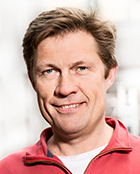
Jonas Højbak Tilsted serves as an Instructor at the SAXO-Institute, University of Copenhagen, specializing in Archaeology, Ethnology, Greek & Latin, and History. His academic role integrates teaching and research within these interconnected humanities disciplines. His research spans foundational humanities fields with distinct emphases: Archaeology: Analysis of material culture to reconstruct past societies and human behavior. Ethnology: Comparative study of cultural practices, beliefs, and social structures across ethnic groups. Classics: Examination of ancient Greek and Latin languages, literature, and societal frameworks. History: Critical investigation of historical events, periods, and their socio-political contexts.
Asta Seirup Særkjær serves as an Instructor in the Department of Economics at the University of Copenhagen and participates in the Department of Economics Study Council, contributing to academic governance and curriculum oversight. Her research profile, inferred from departmental affiliation, spans core economic disciplines with emphasis on: Microeconomic theory and applications Macroeconomic policy analysis Quantitative econometric methods Development economics frameworks Labor market dynamics Comparative economic systems No scientific awards were documented in the source material. Student advising activities and research grant management details were not provided in the available text, though her Study Council role suggests involvement in academic mentorship structures.
Peter Brodersen is a Professor at the Department of Biology, University of Copenhagen , specializing in Bioinformatics and RNA Biology . His research focuses on RNA modification (m6A), YTHDF proteins, and small RNA pathways in plants. Recent research trends from his group include: (1) molecular mechanisms of ARGONAUTE-small RNA interactions, (2) m6A-YTHDF regulatory systems in plant development, and (3) RNAi-independent roles of DICER-LIKE proteins in antiviral defense. Collaborations span Denmark and international institutions. Publications highlight cross-disciplinary work bridging computational biology and experimental plant genetics. Key subfields include RNA structure, epigenetic regulation, and antiviral immunity.
Thomas Pape is a Professor at The Natural History Museum of the University of Copenhagen, specializing in the systematics, taxonomy, phylogeny, biogeography and evolution of Diptera (two-winged insects), with special emphasis on Calyptratae families including Sarcophagidae, Oestridae, and Calliphoridae. He has been a professor since 2025 after serving as an Associate Professor from 2004-2024. PhD from Copenhagen University (1990) Docent at Stockholm University (1998) Associate Professor at Danish Bilharziasis Laboratory (1990-1992) Research Entomologist at Naturhistoriska Riksmuseet, Stockholm (1994-2004) His research spans taxonomy, systematics, phylogeny, biogeography and evolution of Diptera with special emphasis on calyptrate families. He collaborates on Systema Dipterorum, conducts comparative larval morphology studies, and investigates the phylogeny of Calyptrata. His work includes Diptera nomenclature and large-scale biodiversity inventories. Analysis of his recent publications reveals a strong trend toward molecular phylogenetics (using RAD-seq and anchored phylogenomics), forensic entomology applications, and biodiversity informatics. His research spans entomology, systematics, evolutionary biology, and increasingly intersects with bioinformatics and conservation science, with significant contributions to understanding flesh flies, bot flies, and blow flies. President of the International Council of Zoological Nomenclature (since 2016) Chair of the Council for the International Congresses of Dipterology (2010-2018) Member of editorial boards for Entomotropica, Studia dipterologica, Stuttgarter Beiträge zur Naturkunde, and Tijdschrift voor Entomologie Dr. Pape teaches courses in Entomology (structure, phylogeny and biology of terrestrial arthropods), Field Biology II - Zoology, and Ecology and Evolution of East Africa (a 2-week field course in Tanzania with Nikolaj Scharff). He has served on scientific panels for SYNTHESYS and as chair of the scientific advisory committee for Museum Koenig in Bonn (2006-2009). His research group employs both morphological and molecular approaches to address evolutionary questions in Diptera, with particular expertise in calyptrate families. The laboratory maintains active international collaborations across multiple continents, as evidenced by his extensive publication record and research network.
Alessandra Meddis serves as an Assistant Professor in the Section of Biostatistics within the Department of Public Health at the University of Copenhagen's Faculty of Health and Medical Sciences. Her academic work centers on developing and applying advanced statistical methodologies for longitudinal and time-to-event data analysis, with significant contributions to public health research in Denmark and internationally. Her institutional affiliation is clearly established through university contact details and departmental listings. Her primary research interests include correlated survival data analysis, competing risk modeling, informative cluster size methodology, causal inference techniques for observational studies, and environmental epidemiology applications. Dr. Meddis has developed specialized expertise in handling complex survival data structures while maintaining focus on real-world public health problems, particularly in HIV comorbidity patterns, environmental exposure effects, and pandemic-related mortality analyses. Her methodological innovations directly address challenges in clustered and censored data common across medical research domains. Analysis of Dr. Meddis's recent publication record reveals a consistent trajectory of high-impact interdisciplinary research spanning clinical medicine, epidemiology, and statistical methodology. Her work appears in leading journals across biostatistics, infectious diseases, and public health, demonstrating strong collaborative networks with clinical researchers and epidemiologists. Key thematic areas include HIV treatment outcomes, environmental health exposures, and critical care applications during the pandemic, with recent methodological papers advancing survival analysis techniques for complex data structures. Scientific Awards: No scientific awards were specified in the available institutional profile. Advising and Grants: The institutional profile does not provide details regarding graduate student supervision or specific research grant funding. Her collaborative publications suggest involvement in multi-investigator projects including the COCOMO HIV cohort study and pandemic-related research initiatives. Labs and Teams: Dr. Meddis is affiliated with the Section of Biostatistics within the Department of Public Health, though specific laboratory facilities or dedicated research teams are not described in the source material. Her extensive co-authorship patterns indicate active participation in multiple research consortia across medical specialties.
Laura Feldt is Professor in the Department of Culture and Language at the University of Southern Denmark, with affiliations to the SDU Climate Cluster and SDU SCC Elite Center CUHRE. Her research spans religious narratives, media intersections, emotional dimensions of belief, and radical devotion, grounded in ancient Mesopotamian, Hebrew Bible, and early Christian contexts, as well as contemporary popular culture. Education PhD in Study of Religion, Aarhus University (2009) MA in Assyriology, University of Copenhagen (2004) Employment Professor, University of Southern Denmark (2023–present) Associate Professor, University of Southern Denmark (2012–2023) Assistant Professor, University of Copenhagen (2010–2012) Research Focus Feldt investigates the formative power of religious narratives across media, the aesthetics of devotion, wilderness mythologies, and radical religious expressions. Her work bridges ancient texts (Sumerian, Akkadian, Hebrew Bible) and modern phenomena like fantasy culture, using interdisciplinary frameworks from phenomenology to environmental humanities. Publication Trends Her 2025 works demonstrate consistent themes: wilderness as a religious motif across ancient civilizations, narrative-emotion dynamics in extremism, and critical analyses of the fantastic in belief systems. These publications reflect her interdisciplinary approach, merging historical scholarship with contemporary cultural theory. Projects Principal Investigator, RADREL: Total Devotion - Passions in Radical Religion (2021–2025) Co-PI, Elite Centre CUHRE (2023–2027) Participant, Demise of Religion Project (2018–2019)
Annette Juul Vangsted serves as a Clinical Associate Professor in the Department of Clinical Medicine at the University of Copenhagen's Faculty of Health and Medical Sciences. Her clinical specialization is in Internal Medicine with a focus on Hematology, specifically multiple myeloma. Based at Blegdamsvej 9 in Copenhagen, she maintains an active research profile with 67 documented research outputs and extensive collaborations across Nordic countries and internationally. Dr. Vangsted's research primarily centers on multiple myeloma, with particular emphasis on genetic predisposition, treatment outcomes, epidemiological patterns, and bone disease management. Her work bridges clinical practice with genetic research, examining how genetic variants influence disease risk and progression. She investigates geographical variations in myeloma incidence and outcomes, as well as novel treatment approaches for elderly patients and those with specific genetic profiles. Analysis of her recent publications reveals a clear focus on multiple myeloma across several dimensions: genetic susceptibility (including large genome-wide association studies), treatment efficacy (particularly regarding bone disease management), epidemiological patterns across Nordic countries, and specialized care for elderly populations. Her collaborative approach is evident through numerous multi-center studies involving Nordic Myeloma Study Group and international research teams. Dr. Vangsted actively participates in clinical research through the Nordic Myeloma Study Group, contributing to registry studies and clinical trials that inform treatment guidelines for multiple myeloma. Her work has significant implications for understanding disease mechanisms and improving patient outcomes, particularly in the areas of genetic risk assessment and personalized treatment approaches. She maintains strong research collaborations across Denmark, Sweden, and international institutions, with particular focus on hematological malignancies. Her laboratory and clinical research team works within the Department of Clinical Medicine's hematology division, focusing on translational research that directly impacts clinical practice for myeloma patients.
Claudia Acciai is a Guest Researcher at SODAS (Sociology Department) at the University of Copenhagen, where she works on the research project "Quantifying institutional and country-related Matthew effects in science." She holds a PhD in Political Science and Sociology from the Scuola Normale Superiore, with a dissertation focused on policy design in the Research and Innovation sector. Her academic journey includes research visits at Alliance Manchester Business School, Science Po Paris, and Copenhagen Business School. Her research interests lie at the intersection of comparative public policy, innovation studies, and science of science. She combines computational and experimental methods with qualitative content analysis techniques to examine policy design, institutional effects in science, and research evaluation. Her work frequently addresses how policy instruments function in complex governance environments and investigates gender-related differences in academic publishing. Analyzing her recent publications reveals a strong focus on the science of science, with particular attention to bibliometrics, policy instrument effectiveness, and gender dynamics in academic careers. Her work spans multiple disciplines including political science, sociology of science, and innovation studies, often employing mixed-methods approaches that combine quantitative analysis with qualitative insights. Acciai is an active member of the Knowledge, Organization and Politics research group at the Department of Sociology. Her collaborations span multiple countries and institutions, reflecting the international nature of her research on comparative policy and science studies. She has conducted significant work for research projects funded by the Italian Ministry of Education, including analyses of policy analysis capacity in Italian policymaking and governance changes in higher education systems.
Konstantinos Kalogeropoulos is an Assistant Professor at the Department of Biotechnology and Biomedicine, Technical University of Denmark (DTU), leading research at the Cell Diversity Lab. His work bridges proteomics, computational biology, and snake venom research. Current projects: "The Proteomic Landscape during Influenza Infection" (2022-2025) Supervisor for PhD projects on protease network rewiring in psoriasis and wound exudate degradomics Research interests include: Proteomic analysis of inflammatory diseases Snake venom toxin structure prediction Extracellular matrix biomechanics De novo peptide sequencing algorithms Computational modeling of protease networks Recent article trends demonstrate his work in • Database-free proteomics (InstaNovo/InstaNexus) • Snake venom pathophysiology (V-ToCs clustering) • Inflammatory disease biomarkers (psoriasis, impaired healing) • Extracellular matrix mechanics (fibronectin tension, gut inflammation) Advising: Supervises PhD students Polhaus, C. J. M. and Haack, A. M., focusing on protease networks and wound healing.
Timo Minssen is Professor of Law at the University of Copenhagen (UCPH) and the Founding Director of UCPH's Center for Advanced Studies in Bioscience Innovation Law (CeBIL). He also holds affiliations as an LML Research Affiliate at the University of Cambridge and an Inter-CeBIL Research Affiliate at Harvard Law School's Petrie-Flom Centre. With extensive expertise in Intellectual Property, Competition, and Regulatory Law, Minssen focuses on the legal aspects of emerging health and life science technologies, including genome editing, big data, artificial intelligence, and quantum technology. His educational background includes a German law degree (Staatsexamen) from Georg-August-University in Göttingen, and Swedish biotech & IPR related LL.M., LL.Lic., and LL.D. degrees from Lund University and Uppsala University. His PhD thesis on the patentability of biopharmaceutical technology in the US & Europe received the prestigious Swedish King Oscar award. 2024: TUM Global Visiting Professor, Technical University of Munich (Germany) 2016: Visiting Research Fellow, University of Cambridge (UK) 2014: Visiting Research Fellow, University of Oxford (UK) 2013-14: Visiting Scholar, Harvard Law School (US) 2012: LL.D. - Doctor of Laws (Swedish "juris doktor"), EU/US patent law, Lund University, Sweden Minssen's research spans AI & Big Data in Health & Life Sciences, Sustainable and responsible innovation & tech transfer, Pharmaceutical-, Life Science- & Biotech Law, Comparative European & US Patent Law, Intellectual Property Law & Open Innovation, and EU Competition- & US Antitrust Law. His work addresses legal issues throughout the lifecycle of health and life science products and processes, from R&D regulation to technology transfer and commercialization. His extensive publication record includes 7 books and over 200 articles and book chapters published in leading journals such as Science, Nature Biotechnology, JAMA, and Harvard Business Review. His research has been featured in The Economist, Financial Times, and other major media outlets. Minssen's recent work shows a strong focus on AI regulation, quantum technology law, and data governance in health contexts, reflecting the evolving landscape of technology and law. Scientific Awards and Recognition King Oscar award for best Jur. Dr. thesis (2014) Jorcks Fonds Forsknings Pris (Jorck's Foundation Research Prize) (2017) Awapatent Research Prize (2009) Max Planck Research Scholarship (2005) Visiting Scholar appointments at Harvard Law School, University of Oxford, and University of Cambridge Recipient of a Novo Nordisk Foundation Grant for a "Collaborative Research Program in Biomedical Innovation Law" (2018) As an advisor, Minssen serves international organizations including the WHO, WIPO, and EU Commission. He has supervised numerous PhD students in areas including pharmaceutical law, biotechnology patents, and antimicrobial resistance. His current research projects include the Novo Nordisk Foundation's International Collaborative Bioscience Innovation & Law (Inter-CeBIL) Programme (50 million DKK), CLASSICA: EU Horizon Project on AI-assisted surgery, and AI@Care: Law and Ethics and Algorithmic Bias in Healthcare. Minssen leads the Center for Advanced Studies in Bioscience Innovation Law (CeBIL), which serves as a hub for interdisciplinary research on the intersection of law, technology, and innovation in the health and life sciences. The center collaborates with institutions worldwide to address pressing legal challenges in emerging technologies.
Claus Thustrup Kreiner is a Professor of Economics and Director of the Center for Economic Behavior and Inequality (CEBI) at the University of Copenhagen's Faculty of Social Sciences, Department of Economics. He also serves as Area Director of Public Economics in the CESifo network and was co-editor of the Journal of Public Economics from 2014 to 2020. Kreiner has held various leadership positions including Director of the Economic Policy Research Unit (EPRU) since 2005 and Director of the Center of Excellence WEST from 2011-2013. Education: Ph.D. in Economics, University of Copenhagen, 1998 Visiting Ph.D. student, University of York, 1996 M.Sc. in Economics, University of Copenhagen, 1994 B.Sc. in Economics, University of Copenhagen, 1991 Claus Thustrup Kreiner's research primarily focuses on Public Economics , with secondary specializations in Labor Economics, Household Finance, Applied Microeconometrics, and Experimental Economics. His work examines inequality in income, wealth and health, optimal redistribution policy, and behavioral responses to public policy. Kreiner has conducted significant research using Danish administrative data to analyze tax compliance, labor supply responses, and inequality dynamics. His research often involves collaborations with institutions like Columbia University, London School of Economics, and UC Berkeley. His recent publications reveal a strong focus on inequality across multiple dimensions (income, wealth, health, life expectancy), tax policy design and compliance, labor market responses to policy changes, and the intersection of behavioral economics with public policy. Kreiner frequently employs high-frequency administrative data from Denmark to provide empirical evidence on how individuals and households respond to economic policies and shocks. Scientific Awards and Recognition: Appointed Knight of The Order of Dannebrog by Queen Margrethe II (2018) The Invisible Hand Award from the Society of Social Economics (2006, 2001) Best Teacher Award from the Study Board of Economics at University of Copenhagen (2002) Research Fellow at Centre for Economic Policy Research (CEPR), London (2009-) Kreiner has supervised numerous students primarily in Public Economics and has received multiple research grants including from the Danish Social Science Research Council (2003, 2006, 2009), International Growth Center (2009), and Danish National Research Foundation (1998-2003). He has served on important policy bodies including as co-chair of the Danish Economic Council (2010-2014) and member of the Danish Tax Commission (2008-2009). As Director of CEBI (Center for Economic Behavior and Inequality), Kreiner leads a major research center funded by the Danish National Research Foundation. He also directs the Economic Policy Research Unit (EPRU) and has been instrumental in establishing research collaborations through networks like CESifo. His work bridges academic research and policy application, as evidenced by his practical policy experience with government commissions.
Adane Tilahun Getachew serves as an Associate Professor at the National Food Institute, Technical University of Denmark (DTU), specializing in bioactive compounds analysis and application within food science. His research integrates green extraction technologies with sustainable food processing to valorize marine and agricultural byproducts. His primary research interests focus on antioxidant mechanisms , bioactive compound recovery , and advanced extraction methodologies including supercritical fluids and subcritical water processing. Key application areas include marine lipid extraction from invasive species like starfish and round goby, plant protein isolation from legumes and lupin seeds, and stabilization of omega-3 enriched food products. His work directly contributes to UN Sustainable Development Goals through waste reduction and sustainable resource utilization. Analysis of his 15 most recent publications reveals a strong emphasis on extraction optimization (particularly supercritical CO 2 and pressurized liquid methods), marine bioactives (seaweed, starfish, shrimp waste), and food product development (mayonnaise, packaging films, protein concentrates). Dominant themes include response surface methodology applications, seasonal variation impacts on bioactive yields, and techno-functional properties of extracted compounds. His collaborative projects demonstrate extensive interdisciplinary work across European research initiatives: SUSTAINABLE JET FUELS (2024-2027): Micro-algal cell factories for zero-waste aviation fuel GrExOmega (2022-2025): Green extraction of omega-3 from invasive marine species AlgaeVita (2025-2027): Biofortified algae ingredients rich in vitamin D3 and omega-3 SBbioact (2019-2022): Biorefinery of Nordic brown algae bioactives Dr. Getachew leads research on sustainable food systems with emphasis on waste valorization and green processing technologies, maintaining active collaborations with multiple European institutions through DTU's National Food Institute infrastructure.
Henrik Hansen is a Professor and Head of Department at the Department of Economics , University of Copenhagen , where he has held various academic and administrative roles since 1995. He is associated with the Development Economics Research Group (DERG) and affiliated with the Copenhagen Center for Disaster Research (COPE) network. Education : MSc in Economics (1991) and PhD in Economics (1995) from University of Copenhagen. His research focuses on development economics , with emphasis on development aid effectiveness , applied econometrics , and education research . He has conducted extensive fieldwork in Myanmar and Vietnam , analyzing enterprise surveys, household data, and policy impacts. Recent publications highlight productivity in manufacturing sectors, gender wage gaps, and credit access determinants. He teaches "Applied Research Methods" in the Global Development program and supervises development economics and applied econometrics students. Professional roles include editorial positions at Review of Development Economics and Asia & The Pacific Policy Studies , alongside advisory work for Statistics Denmark and Vietnamese Academy of Social Sciences . He has organized international conferences and contributed to 25+ media discussions on topics like corruption in Africa and development financing .
Anne Jamison serves as a Tenure track adjunct faculty in the Department of International Economics, Government and Business at Copenhagen Business School. Her research aligns with UN Sustainable Development Goals, particularly SDG 16 (Peace, Justice and Strong Institutions). Her primary research areas include: International Political Economy Political Risk and Sovereign Credit Populism and Ideational Systems Foreign Direct Investment and Indigenous Communities Energy Projects and Violent Conflict in Fragile States Recent publications (2024-2025) reveal a focus on integrating high-frequency political, environmental, social, and governance (ESG) data to model sovereign credit risk, and examining cross-national variation in populist support through demand-side explanations. She investigates how World Bank-funded infrastructure projects correlate with violent conflict in fragile contexts, advocating for systemic reform in international development finance. Dr. Jamison has supervised three research projects and engaged with global media to disseminate findings on corporate accountability in conflict zones, emphasizing practical policy implications for multilateral institutions.
Erwin Schoof is an Associate Professor at the Department of Biotechnology and Biomedicine , Technical University of Denmark. He leads the Cell Diversity Lab and focuses on advancing proteomics and mass spectrometry technologies. Expertise in single-cell proteomics , stem cell niches , and bioinformatics . Active in myelofibrosis and leukemia research , with applications in UN Sustainable Development Goals . Research Trends from 2025–2024 include: Machine learning-driven peptide sequencing (InstaNovo, InstaNexus). Single-cell resolution tools for mapping hematopoietic stem cells and tumor microenvironments . Biomarker discovery in chronic diseases and respiratory conditions . Supervision : Mentors multiple PhD students on single-cell proteomics , omics data analysis , and biotherapeutic production . Labs & Collaborations : Collaborates with international teams on plasma proteomics , 3D bioengineering , and advanced mass spectrometry workflows .