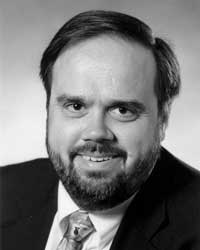
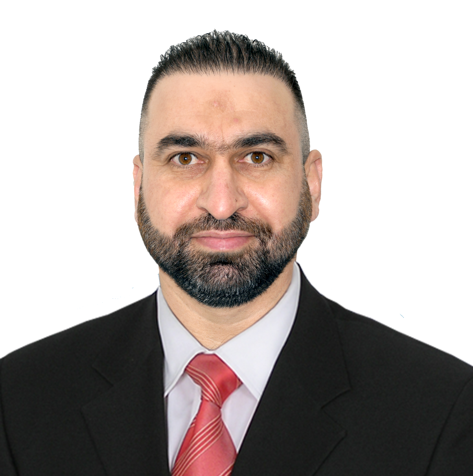
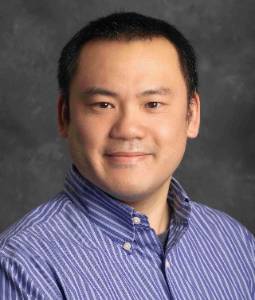
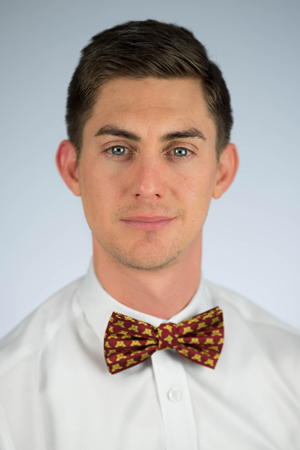
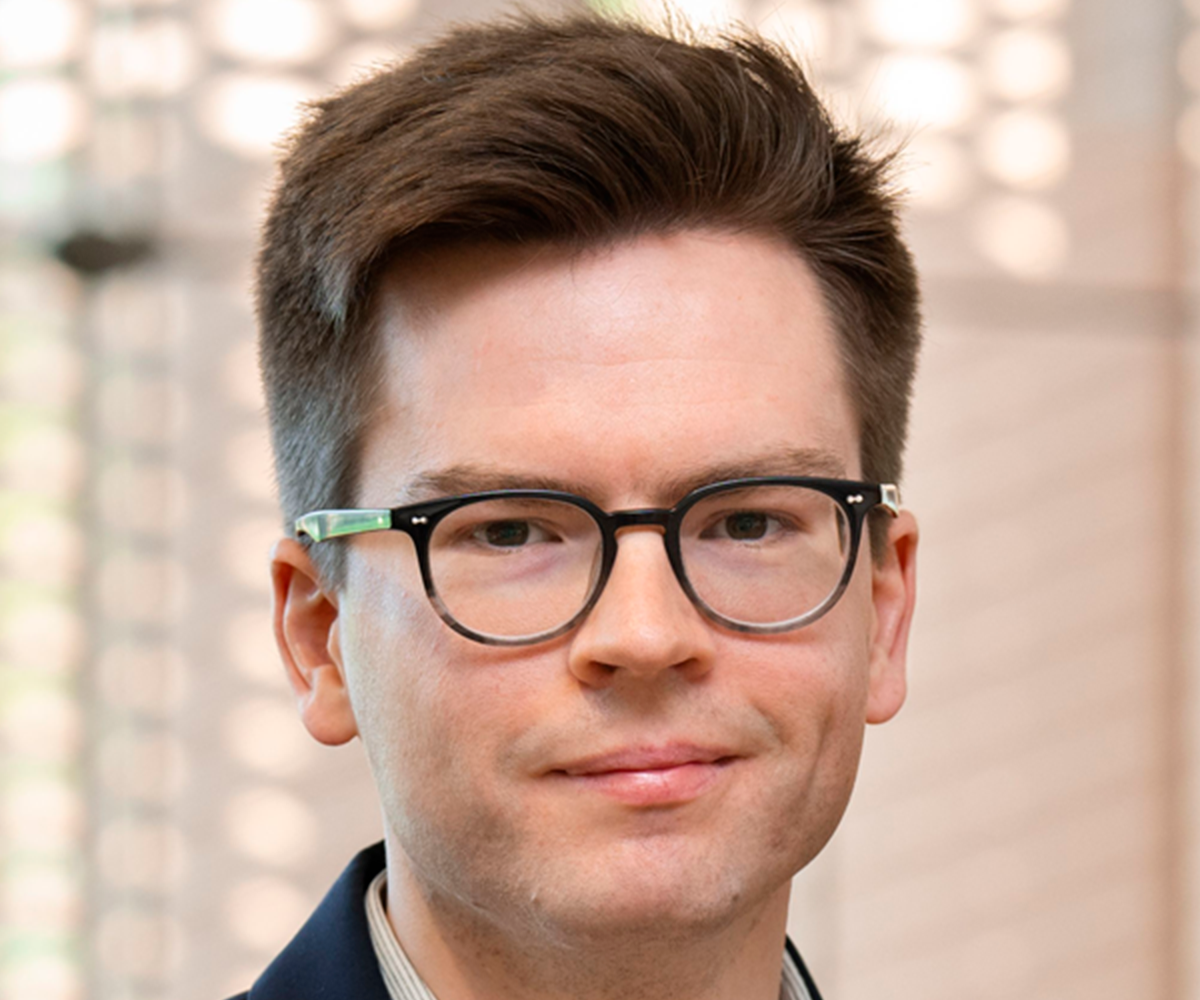
Martin T. Wells is the Charles A. Alexander Professor of Statistical Sciences at Cornell University, with joint appointments in the Department of Statistical Science, Department of Biological Statistics and Computational Biology, Department of Social Statistics, and as Professor of Clinical Epidemiology and Health Services Research at Weill Medical School. He serves as Editor-in-Chief of the ASA-SIAM Book Series and Co-Editor of the Journal of Empirical Legal Studies. Cornell University, Ithaca, NY Weill Cornell Medical College Research Interests span applied and theoretical statistics, Bayesian methods, biostatistics, clinical epidemiology, and computational biology. His work bridges disciplines like finance, legal studies, and health services research. Article Trends highlight advancements in Bayesian modeling, quantum cognition machine learning, tensor analysis, and misclassification correction, with applications in genomics, finance, and public health. Fellow of the American Statistical Association Fellow of the Royal Statistical Society Contributions include developing statistical software (e.g., rTensor), methodological innovations in clinical trials, and empirical legal studies on civil rights and the death penalty.
Karoline Faust is an Associate Professor at KU Leuven, affiliated with the Laboratory of Molecular Bacteriology (Rega Institute) and the Faculty of Medicine . She contributes to the iSi Health and Leuven One Health institutes, and serves on senior academic councils. Her research spans microbial systems biology, focusing on community dynamics and network analysis. Education: PhD in bioinformatics (2010, KU Leuven) Affiliations: KU Leuven, ISME Journal editorial board, Belgian Society for Microbiology Her research investigates microbial community dynamics , systems biology approaches to microbiomes, and bioinformatics tool development . She specializes in modeling human gut microbiota , synthetic microbial communities , and environmental microbiomes (e.g., microplastic impacts on Daphnia microbiomes). Her work integrates metabolic modeling , network analysis , and experimental systems to understand microbial interactions. Recent publications highlight her contributions to microbial network inference , 16S rRNA sequencing protocols , microfluidics , and ecological modeling of microbiomes. She develops tools like manta , miaSim , and CoNet to analyze community structures. Teaching: Karoline co-teaches courses in microbiology, bioinformatics, and network analysis at KU Leuven, and has contributed to international workshops on microbial network inference. Scientific Engagement: She serves as Senior Editor at ISME Journal and Secretary of the Belgian Society for Microbiology .
Professor Guy Williams is a leading academic at the University of Cambridge with a focus on imaging science and clinical neurosciences, affiliated with Downing College and the Wolfson Brain Imaging Centre . Holding a PhD in Physics from his initial Natural Sciences degree, he specializes in nuclear magnetic resonance (NMR) and MRI techniques for brain imaging. Education: BA, PhD in Physics His research centers on non-invasive imaging of brain structure and function, particularly in traumatic brain injury (TBI) and dementia. His work involves developing novel MRI pulse sequences and advanced data analysis algorithms, including AI-based diagnostic tools. He leads studies on white matter integrity post-trauma, longitudinal dementia assessment, and applications of MRI in disorders of consciousness and addiction. Recent publications highlight collaborations in traumatic brain injury outcomes, AI-guided dementia prediction, and neuroimaging of post-COVID cognitive deficits. His team's work on ultra-high field laminar fMRI and distortion correction methods has advanced clinical neuroscience applications. Key techniques include diffusion tensor imaging (DTI), 7 Tesla MRI, and positron emission tomography (PET/MR). His research spans from basic NMR physics to clinical translation, with a strong emphasis on multi-site studies and real-world diagnostic implementation.
Todd A. Alonzo is a Professor of Research in the Department of Preventive Medicine at the University of Southern California . As Group Statistician for the Children's Oncology Group , he focuses on statistical methods for biomarker analysis, medical diagnostic testing, and clinical trial design in pediatric acute myeloid leukemia (AML). Education: B.S. in Statistics, California State Polytechnic University (1994) MS and PhD in Biostatistics, University of Washington (1997, 2000) Research Interests include: Development of statistical frameworks for diagnostic accuracy Genomic and proteomic profiling in AML Pharmacogenomic score systems for chemotherapy response Non-inferiority trial design in low-event-rate settings Health disparities in pediatric oncology Scientific Awards : Fellow, American Statistical Association (2018) Outstanding Teacher Award, International Society for Magnetic Resonance in Medicine (2017) NIH Predoctoral Cardiovascular Biostatistics Training Grant (1995) ENAR Biometrics Society Distinguished Student Paper Award (1999) WNAR Biometrics Society Best Student Oral Presentation (1999) Leadership & Service includes editorial board memberships (Biometrics, Pediatric Blood & Cancer, Biometrical Journal), reviewer for 30+ scientific journals, and roles on multiple Data Safety and Monitoring Boards. He served as President of the International Biometric Society Western Northern America Region (WNAR) in 2009.
Mohammed Aledhari is an Assistant Professor at the University of North Texas, specializing in cybersecurity, machine learning, and data science. His research focuses on applications in computational medicine, bioinformatics, and autonomous systems. He holds a Ph.D. from Western Michigan University and degrees from the University of Basrah and the University of Anbar. His research interests include social cybersecurity techniques, federated learning in IoT, and AI-driven solutions for healthcare and transportation. Recent work explores blockchain-enabled digital twins, DDoS attack detection, and equitable ASD diagnostics using machine learning. His publications span cybersecurity frameworks, autonomous vehicle communication protocols, and biomedical IoT innovations. Notable contributions include optimizing intrusion detection in IoMT networks and developing interpretable machine learning models for healthcare. While no formal awards or grants are listed, his work emphasizes interdisciplinary applications of AI in healthcare, transportation, and energy markets. His email is Mohammed.Aledhari@unt.edu .
Sylvia Richardson is an MRC Investigator at the MRC Biostatistics Unit and holds a Research Professorship at the University of Cambridge, where she served as Director of the Biostatistics Unit from 2012 to 2021. She is affiliated with the Cambridge Mathematics of Information in Healthcare Hub (CMIH) at the Centre for Mathematical Sciences. Her work bridges advanced statistical methodology with critical healthcare applications, particularly in the analysis of complex biomedical data. Richardson's research spans multiple domains of biostatistics with a strong emphasis on Bayesian approaches. Her work has significantly advanced spatial modeling and disease mapping techniques, developed sophisticated methods for handling measurement error in epidemiological studies, and pioneered mixture and clustering models for integrative analysis of heterogeneous data sources. Her research addresses fundamental challenges in analyzing longitudinal health data, multimorbidity patterns, and complex disease trajectories. Her publication record demonstrates consistent methodological innovation applied to pressing healthcare challenges. Recent work focuses on traumatic brain injury outcomes, multimorbidity progression, genomic analysis, and statistical approaches to pandemic data. The articles reveal a strong pattern of methodological development driven by real-world healthcare challenges, with particular attention to longitudinal analysis, Bayesian computation, and integrative modeling approaches that can handle diverse and complex data structures. While specific awards are not detailed in the available information, Richardson's leadership as Director of the MRC Biostatistics Unit for nearly a decade and her continued Research Professorship reflect significant recognition of her contributions to the field. Her work with major international consortia like CENTER-TBI demonstrates her role in large-scale collaborative research efforts addressing critical health challenges. Richardson's research has substantial implications for healthcare policy and practice, particularly in understanding disease progression, developing predictive models for patient outcomes, and creating methodological frameworks that can integrate diverse data sources to generate meaningful clinical insights. Her work continues to influence both statistical methodology and healthcare applications through ongoing research and leadership in the field.
Simone D. Castellarin is a Professor in the Department of Applied Biology at the University of British Columbia's Faculty of Land and Food Systems, and holds the Canada Research Chair Tier 2 in Viticulture. His research focuses on the molecular and physiological mechanisms governing berry ripening and composition in grapes, blueberries, and raspberries, with emphasis on genomic regulation under environmental stressors like heatwaves and drought. PhD in Plant Biology from the University of Udine (2007) Postdoctoral training at Hochschule Geisenheim University and University of California Davis Research areas include terpene biosynthesis, jasmonate signaling, cuticular wax dynamics, and agronomic strategies for climate change mitigation. Key projects involve remote sensing for vineyard zoning , hormone application effects , and genetic studies of berry quality traits . His work spans collaborations with industry bodies like the BC Wine and Grape Council and academic partners including the Cantu Lab at UC Davis. Recent publications highlight genomic analyses of terpene synthases, water deficit impacts on metabolites, and postharvest quality assessments. Awards include the 2009 Rudolf Hermanns Prize for viticultural research. He supervises numerous PhD and Master's students, and leads the Castellarin Lab at UBC's Wine Research Centre.
Vinayak Agarwal is an Assistant Professor at the Georgia Institute of Technology with joint appointments in the School of Chemistry and Biochemistry and School of Biological Sciences within the College of Sciences. His research investigates natural products—small organic molecules produced by living organisms that form the basis of most clinical antibiotics and drugs, while also addressing environmental toxins and pollutants. Dr. Agarwal's work integrates (meta)genomics, biochemistry, structural and mechanistic enzymology, mass spectrometry, and analytical chemistry to answer fundamental questions about natural product biosynthesis. His lab specializes in marine systems, particularly marine sponges and associated microbiomes, with a focus on enzyme discovery, pathway elucidation, and biosynthetic engineering. Key research themes include halogenation enzymes, polyketide synthases, and peptide natural products, driven by the dual goals of drug discovery and environmental protection. Analysis of recent publications reveals a strong emphasis on marine natural product discovery, enzyme characterization, and biosynthetic pathway engineering. His team frequently combines genomic mining with chemical and biochemical validation, with growing attention to environmental implications of natural product chemistry and applications in antibiotic development. Dr. Agarwal has received significant recognition for his research and teaching: ASP Matt Suffness Young Investigator Award (2024) Camille Dreyfus Teacher Scholar award (2023) NSF CAREER award (2023) Cottrell Scholar Award (2021) Blanchard Assistant Professorship (2020) Harold Nation young faculty award (2019) He has mentored multiple PhD students to completion (Ipsita, Dongqi, Luna) and currently advises Vidya and Grace. His lab secures major funding from the NSF (CAREER), NIH (NIGMS MIRA), and Research Corporation for Science Advancement (Cottrell Scholar), alongside the Camille Dreyfus award and Petit Institute seed grants for collaborative marine research. The Agarwal Lab operates from the Petit Biotechnology Building at Georgia Tech and maintains a dynamic team structure with postdocs (Weimao Zhong, Nirmal Saha), graduate students (Sophia, Vidya, Beeta, Grace), and undergraduates. The lab emphasizes interdisciplinary collaboration, particularly with marine biology groups at Georgia Tech and external institutions for sample collection and structural analysis.
Ueli Grossniklaus is an Ordinary Professor at the University of Zurich within the Faculty of Mathematical and Natural Sciences , affiliated with the Department of Plant and Microbiology . His work focuses on plant developmental biology, particularly epigenetic and genetic mechanisms governing reproduction and adaptation. Key Courses: Epigenetics, Plant Biology Workshop, Group Seminars on Current Research Laboratory Techniques: Advanced methods in plant cell mechanics, transcriptomics, and genome editing Research Interests span plant epigenetics, reproductive biology, and the interplay between environmental stress and genetic regulation. He investigates: Mechanistic control of gametogenesis and fertilization Epigenetic contributions to plant adaptation Evolutionary implications of asexual reproduction Biophysical forces in plant cell growth Publication Trends (2025–2018) reveal expertise in: Arabidopsis and fern model systems Epigenetic regulation (DNA methylation, histone dynamics) Apomixis and hybrid seed failure mechanisms Biomechanics of pollen tubes and carnivorous plants Genome editing tools (CRISPR) and long-read sequencing Scientific Collaborations include interdisciplinary projects on: Microfluidic devices for plant cell analysis Gene drive ecology and ethics 3D imaging of plant reproductive structures Advising and Grants focus on mentoring through research internships in developmental biology, genetics, and systems biology. His lab engages in: Epigenetic response to environmental stress Cell wall mechanics in reproduction Computational modeling of plant growth Laboratory Teams integrate plant biologists, bioengineers, and computational scientists to study: Mechanistic gene regulation Evolutionary developmental biology Microrobotics for cellular force measurement
Anne G Hoen is an Associate Professor at the Geisel School of Medicine , Dartmouth College, with joint appointments in Epidemiology , Biomedical Data Science , and Microbiology and Immunology . Her research focuses on microbiome development in infants, environmental exposures, and their associations with health outcomes, using interdisciplinary approaches including statistical modeling and bioinformatics. Research Interests: She explores how microbial communities in early life influence disease risk through environmental and dietary factors. Her work integrates microbiome-metabolome interactions, computational methods for microbial network analysis, and epidemiological studies of infectious diseases. Recent Article Trends: 2025-2024 publications highlight maternal diet-microbiome links, microbial interaction networks, ECHO consortium collaborations, and novel computational approaches for microbiome data. Key sub-fields include perinatal exposome, microRNA profiling, and longitudinal metabolomic analysis. Scientific Awards: K01LM011985: Bioinformatics strategies for early life microbiomics R01LM012723: Multi-omic functional integration using networks Advising: Mentors current PhD students in Dartmouth's Quantitative Biomedical Sciences (QBS) program, including Becky Lebeaux and Quang Nguyen, while alumni like Sara Lundgren and Wes Viles hold postdoctoral and academic positions.
Ray Bai is an Assistant Professor in the Department of Statistics at the University of South Carolina (USC), part of the McCausland College of Arts and Sciences. Effective August 2025, he will join the George Mason University (GMU) Department of Statistics as a faculty member. His research focuses on Bayesian statistics, deep learning, and causal inference, with applications to biomedical and public health challenges such as genomic studies, drug repositioning, and electronic health records analysis. Bai holds a PhD in Statistics from the University of Florida (2018), an MS in Applied Mathematics from the University of Massachusetts Amherst, and a BA from Cornell University. His work has been supported by the National Science Foundation (NSF). Education: PhD in Statistics, University of Florida (2018) MS in Applied Mathematics, University of Massachusetts Amherst BA, Cornell University Research interests include scalable algorithms for high-dimensional data, nonconvex optimization, and distributed inference methodologies. His work bridges statistical theory with practical applications in healthcare, emphasizing robustness and computational efficiency. Recent contributions address challenges in single-index models for skewed data, generative quantile regression, and Bayesian varying-coefficient models. Advising includes supervising PhD students Zile Zhao and Shijie Wang, who have contributed to survival analysis and deep learning frameworks. Future openings for students at GMU focus on Bayesian methodology and machine learning. Labs/Teams: Collaborates on projects involving interdisciplinary teams in biostatistics and computational biology.
Dr. Radu Jianu is a Lecturer in the Department of Computer Science at City, University of London , where he has been a faculty member since 2016. He is affiliated with the giCentre , a leading research group in information visualization. He earned his PhD and MSc in Computer Science from Brown University, USA, and a Diploma in Engineering from the Polytechnic University of Timisoara, Romania. His academic career includes a previous role as Assistant Professor at Florida International University (2012–2016). His research focuses on Data Visualisation, Visual Analytics, and Human-Computer Interaction . He conducts interdisciplinary collaborations with domains such as biology, food policy, and energy decarbonisation, aiming to develop interactive visual tools that enhance data understanding and decision-making. His methodological approach includes user studies, eye-tracking, and the design of novel visualization techniques. Dr. Jianu teaches Programming in Java and Cognition and Technologies , and he coordinates the Programming Bootcamp. He also holds administrative responsibilities as the Progression and Support Director in the Computer Science Department and is a member of its Executive Committee (ExCo). His recent publications reflect a growing interest in LLM-assisted visual analytics, gaze-aware systems, and collaborative human-AI analytical frameworks . He has published in top venues such as IEEE TVCG, CHI, EuroVis, and Nature Immunology, with several best paper awards. His work on the RAMPVIS project highlights his contributions to visualization in public health emergencies. Scientific Awards: Best Paper Award, Symposium on Graph Drawing (2018) Best Short Paper Award, EuroVis (2020) Advising and Grants: Dr. Jianu supervises multiple PhD and MSc students, including Dany Laksono (Energy Decarbonisation) and Maeve Hutchinson (NLP-mediated Visualization). His students have co-authored high-impact, award-winning papers. He has been involved in funded research initiatives such as RAMPVIS, which received support from UKRI/EPSRC for developing visual analytics infrastructure during the COVID-19 pandemic. Labs and Teams: He is an active member of the giCentre at City, University of London, a hub for visualization research. He also collaborates with interdisciplinary teams in epidemiology, immunology, and computer science, contributing to large-scale projects like the Immunological Genome Project and RAMPVIS.
Dr. Jonathan B. Clayton is an Assistant Professor in the Department of Biology at the University of Nebraska Omaha and holds cross-appointments at the University of Nebraska-Lincoln (Department of Food Science and Technology) and the University of Nebraska Medical Center (Department of Pathology and Microbiology). He holds a D.V.M. and Ph.D. in Comparative and Molecular Biosciences from the University of Minnesota. His work focuses on host-microbiome interactions in humans and nonhuman primates, particularly exploring how dietary fiber, lifestyle, and environmental factors influence gut microbiome composition and metabolic health. He founded the Primate Microbiome Project (PMP) to map microbiome variation across all primates, linking it to health, evolution, and conservation. Research Interests include microbiome modulations of metabolic diseases (diabetes, obesity) and neurological disorders (stress), using in vitro/in vivo models like germ-free mice and marmosets. His methodologies involve next-generation sequencing, anaerobic culture, and marmoset models. Clayton is affiliated with the Callitrichid Research Center and GreenViet Biodiversity Conservation Center, emphasizing translational research and conservation applications. Teaching focuses on Microbiology and Microbial Ecology. His lab (Clayton Lab) investigates causal mechanisms of microbiome-related diseases and has published extensively on gut microbiome dynamics in captive and wild primates. Recent work highlights antibiotic impacts on gut-brain axis interactions and conservation implications of microbiome diversity.
Michael Skinnider serves as Assistant Professor at Princeton University's Lewis-Sigler Institute for Integrative Genomics and Assistant Member of the Ludwig Princeton Branch. His research develops AI-driven computational methods to identify unknown small molecules in mass spectrometry data, with applications in cancer biology and forensic drug detection. His educational background includes: BArtsSc from McMaster University (2015) PhD from University of British Columbia (2021) MD from University of British Columbia (2023) Skinnider's work centers on illuminating the "metabolomic dark matter" —unidentified chemical entities in mass spectrometry data. His lab pioneers machine learning approaches for metabolite identification, focusing on connections between unknown metabolites, cancer risk, and the microbiome. Recent innovations include chemical language models that transform mass spectrometry outputs into chemical structures, with applications spanning cancer diagnostics to forensic analysis of designer drugs. His research bridges computational biology, chemistry, and clinical medicine through low-data learning techniques. Publication trends reveal three dominant themes: (1) AI-driven metabolite identification (25% of recent work), (2) single-cell/spatial data analysis (40%), and (3) molecular interaction networks (35%). His 2024 Nature Machine Intelligence paper demonstrated that invalid SMILES strings enhance chemical language models , overturning previous assumptions. Articles consistently apply computational methods to biological discovery, with growing emphasis on cancer metabolism and translational applications. Major recognitions include: Forbes 30 Under 30 (2022) International Birnstiel Award (2022) Dan David Prize Borealis AI Fellowship NIH Award C&EN's Talented Twelve (2023) Young Explorer Award Grand Prize Skinnider leads the Skinnider Research Lab at Princeton's Carl Icahn Laboratory, which collaborates with forensic laboratories and Ludwig cancer researchers. The lab specializes in transforming mass spectrometry data into biological insights through innovative algorithms. During his undergraduate studies, he co-founded Adapsyn Bioscience to translate natural product discovery research into commercial applications. Current projects include developing metabolome-wide identification tools and exploring diet-derived metabolites that modulate cancer progression.
Leibniz-Center for Diabetes Research at the Heinrich-Heine-University DuesseldorfGermany
Hadi Al-Hasani serves as University Professor and Director of the Institute for Clinical Biochemistry and Pathobiochemistry at the German Diabetes Center (DDZ), affiliated with Heinrich Heine University Düsseldorf's Medical Faculty. He concurrently leads the Research Group Pathochemistry, focusing on molecular mechanisms of diabetes and metabolic disorders through biochemical and genetic approaches. His primary research domains include Diabetes Pathogenesis , Insulin Signaling Pathways , and Metabolic Regulation , with specific expertise in Rab GTPase proteins (TBC1D1/TBC1D4), glucose transporter dynamics, and islet biology. Utilizing polygenic mouse models, his work bridges molecular biochemistry with clinical metabolic phenotypes to identify therapeutic targets for diabetes and obesity. Analysis of his 2007-2018 publications reveals consistent innovation in diabetes mechanisms, particularly through comparative genomics of insulin secretion pathways and Rab-GAP protein functions. His research demonstrates progressive exploration from foundational GLUT4 trafficking studies (1998) to contemporary investigations of metabolic syndrome gene networks and tissue-specific insulin resistance. Professor Al-Hasani's laboratory operates within the Pathochemistry Research Group at the Institute for Clinical Biochemistry and Pathobiochemistry, where his team integrates biochemical, genetic, and physiological methodologies to dissect molecular pathways underlying metabolic disease progression.