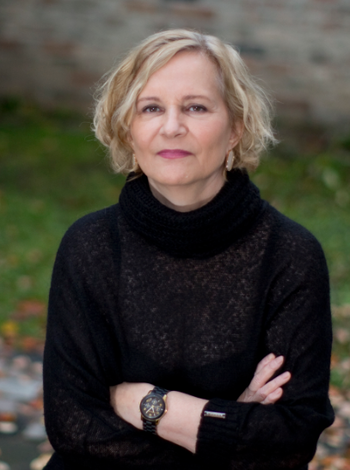
Cecilie Schou Andreassen is a Professor at the Department of Clinical Psychology, University of Bergen . She specializes in behavioral addictions , including workaholism, social media addiction, and substance use interactions. Email: cecilie.andreassen@uib.no Visitor Address: Alrek Health Cluster, Årstadveien 17, 5009 Bergen Research Focus: Andreassen's work examines the psychosocial antecedents of addictive behaviors, with emphasis on personality traits , workplace dynamics , and digital platform interactions . Her research spans cross-cultural validation studies and longitudinal health outcomes related to technology and substance misuse. Article Trends (2017-2022): Analyzing 15 recent publications reveals a consistent focus on addiction scale validation , social media epidemiology , and workaholism's health impacts . Key themes include measurement invariance , digital-chemical addiction comorbidity , and psychological withdrawal mechanisms . Scientific Contributions: Co-developer of Bergen Work Addiction Scale Creator of Bergen-Yale Sex Addiction Scale Leadership in behavioral addiction epidemiology Recipient of Norwegian Research Council grants Advising & Collaborations: While no direct advisees are listed, Andreassen collaborates extensively with international researchers in work psychology , social media studies , and public health . Her work involves partnerships with Nottingham Trent University , Yale University , and National Competence Service for Sleep Disorders . Labs & Teams: Affiliated with the Department of Clinical Psychology and previously with the Department of Social Psychology at University of Bergen, she contributes to national health registry studies and cross-occupational research on addiction patterns.
Vera Fischer is an Associate Professor and Privatdozent in the Department of Mathematics at the Faculty of Mathematics, University of Vienna. She has been an active researcher since 2008, with a strong publication record in mathematical logic and set theory. Her research centers on set-theoretic combinatorics , focusing on cardinal characteristics of the continuum, forcing, definability, and structures such as maximal almost disjoint families, cofinitary groups, and independent families. She investigates foundational questions in independence, spectra of combinatorial objects, and the interplay between definability and generic extensions. Her work often involves constructing models to separate cardinal invariants or to realize specific spectra under forcing. The recent publications show a consistent trend in combinatorial set theory , with a focus on tower spectra, tight families, mad families, and their behavior under various forcing notions like Cohen and Sacks forcing. Her research frequently explores the definability and destructibility of combinatorial families, often in collaboration with leading researchers such as Corey B. Switzer, Stefan Geschke, and Saharon Shelah. FWF START Prize, 2017 Förderungspreis der ÖMG, 2018 Förderungspreis, 2018 She leads and participates in research projects such as Comparing the Real Line to Combinatorics of the Uncountable and A Sacks-like model with large continuum , indicating active grant funding and supervision of research activities. She also organizes academic events like Colloquium Logicum and engages in public outreach on topics like infinity. Her research is conducted within the Set Theory Group at the University of Vienna, where she collaborates with other logicians and contributes to the academic community through publications, conferences, and mentorship.
Dr. Zara Ersozlu is a Senior Lecturer in Mathematics Education within the School of Education at the University of Newcastle, Australia. With a distinguished international career spanning multiple continents, she has held academic positions at prestigious institutions including North Carolina State University (USA), Gazi and Gaziosmanpasa Universities (Turkey), National Taiwan Normal University (Taiwan), The University of Western Australia, Murdoch University, and Deakin University. Her academic journey includes tenured positions as an Associate Professor and leadership roles as Department Head and Chair in teacher education disciplines. Currently, she teaches undergraduate and postgraduate courses in mathematics education, including Effective Pedagogies in Primary Mathematics, K-6 Mathematics, K-6 Numeracy, and Digitally Supported Learning. Dr. Ersozlu earned her Doctor of Philosophy from Firat University in Turkey and her Master of Art from Sakarya University. Her extensive academic preparation is complemented by five years of practical teaching experience in public schools prior to entering academia. This blend of theoretical knowledge and practical classroom experience informs her approach to teacher education and educational research. At the broadest level, Dr. Ersozlu's research investigates solutions to real-life problems impacting people's well-being, success, and capacity to achieve. Her scholarly work spans primary and secondary mathematics education, the psychology of mathematics (including metacognition, self-regulation, and anxiety), cross-cultural educational studies, teacher education, virtual simulated learning environments, and educational assessment. She has increasingly focused on the transformative potential of AI and machine learning in education, exploring how these technologies alter teaching, learning, and research processes. Her methodological expertise encompasses both quantitative and qualitative approaches, allowing her to effectively analyze both small and large educational datasets. Analysis of Dr. Ersozlu's recent publications reveals a strong emphasis on mathematics anxiety, teacher education, and the integration of technology in learning environments. Her work demonstrates a consistent focus on practical applications of educational research to address real-world challenges in mathematics education. The interdisciplinary nature of her research connects educational psychology, technology integration, and cross-cultural perspectives, with particular attention to how these elements intersect in teacher preparation and student learning outcomes. 2023 ATEA Research Recognition Award from the Australian Teacher Education Association 2021 Fellow of the Higher Education Academy (Advance HE, UK) 2010 Fellowship Program for Postdoctoral Researchers from the Council of Higher Education of Turkey Dr. Ersozlu is deeply committed to mentoring the next generation of scholars, currently supervising four PhD students and having successfully guided ten students to completion. Her grant portfolio includes significant funding for projects such as Best Practice Guidelines for RPL in Initial Teacher Education Programs ($60,000), Exploring the Reciprocal Relationship Between Mathematics Anxiety and Mathematical Resilience ($2,599), and multiple conference travel awards. She serves as an Associate Editor for several prominent journals including the International Electronic Journal of Mathematics Education and as Editor for Interdisciplinary STEM Education. Her editorial work reflects her standing as a respected voice in mathematics education research. Dr. Ersozlu's academic leadership extends to her role in developing innovative teaching approaches that integrate virtual simulation technology and learning analytics. Her work with TeachLivE™, a mixed-reality classroom simulation platform, demonstrates her commitment to creating authentic learning experiences for teacher education students. Through these initiatives, she bridges the gap between educational theory and classroom practice, preparing future educators to effectively implement evidence-based teaching strategies in diverse learning environments.
Alexander R. Pruss is a tenured Professor in the Department of Philosophy at Baylor University , within the College of Arts and Sciences . He holds a dual PhD in Philosophy (University of Pittsburgh, 2001) and Mathematics (University of British Columbia, 1996), and has held previous academic positions at Georgetown University. His work is deeply interdisciplinary, bridging metaphysics, philosophy of religion, formal epistemology, and ethics. Education: Ph.D. in Philosophy, University of Pittsburgh (2001) Ph.D. in Mathematics, University of British Columbia (1996) B.Sc. (Hon.) in Mathematics and Physics, University of Western Ontario (1991) Pruss’s research interests include metaphysics—particularly the Principle of Sufficient Reason , modality , and infinity —philosophy of religion, divine attributes , cosmological arguments , and sexual ethics . He is known for integrating rigorous formal methods with classical theistic metaphysics. His recent publications explore the intersection of probability theory, paradox, and theology, particularly in infinite domains. He has authored influential books such as The Principle of Sufficient Reason: A Reassessment (2006), Infinity, Causation and Paradox (2018), and One Body: An Essay in Christian Sexual Ethics (2012). The trends in his recent articles show a sustained focus on the philosophical implications of infinity, symmetry, and probability. He frequently investigates paradoxes in probability (e.g., infinite lotteries), challenges to modal realism, and the metaphysical coherence of divine attributes. His work combines analytic rigor with theological depth, often aiming to defend classical theism through logical and mathematical reasoning. Scientific awards and honors: Aquinas Medal, American Catholic Philosophical Association (2025) Wilde Lecturer, Oriel College, University of Oxford (2019) Outstanding Tenured Faculty Research Award, College of Arts and Sciences (2013) National Endowment for the Humanities Summer Stipend (2002) Social Sciences and Humanities Research Council of Canada Fellowship (1997–2000) Pruss has been actively involved in academic service, including serving on the Executive Council of the American Catholic Philosophical Association (2021–2024) and the Society of Christian Philosophers (2011–2013) . He has held editorial roles for journals such as American Philosophical Quarterly and Analysis and Existence . He has delivered numerous invited lectures globally, including at Oxford, Notre Dame, and MIT. There is no mention of formal PhD or Master’s students in the provided text, but he advises through graduate seminars and research supervision. He has not received specific grant mentions beyond fellowships and stipends. He is affiliated with research groups such as the Baylor Institute for Faith and Learning and the Thomistic Institute , and contributes to philosophy of science and theology dialogues. His work continues to shape contemporary debates in analytic philosophy of religion and metaphysics.
Dr Georgios Batsakis is a Reader in International Business & Economics at Brunel Business School, Brunel University London. His research and teaching focus on internationalization processes of multinational enterprises (MNEs), strategic management, and digitalization in global markets. PhD in Management Studies (2014) - Brunel Business School MSc in Business Economics (2010) - Erasmus School of Economics BSc in Business Administration (2006) - University of The Aegean, School of Business His research spans international business, examining temporal dimensions of MNE internationalization, product/geographic diversification, foreign market entry modes, and the impact of digitalization on global operations. He has published extensively in top journals like the Journal of International Business Studies and Global Strategy Journal , with recent work highlighting the intersection of digital transformation and international diversification. Scientific recognitions include Poets&Quants' Best 40-Under-40 Business School Professors in 2022 and Fellowship of the Higher Education Academy (2019). He serves as Track-Chair for academic conferences and ad-hoc reviewer for leading journals. Advisor to pre-seed startups in Greece on business model formulation Mentor and judge in global startup competitions (e.g., VISA Innovation Program, Disrupt Greece)
Anita Hubley is a Professor at the University of British Columbia's Faculty of Education, Department of Educational and Counselling Psychology, and Special Education (ECPS). She serves as MERM Program Coordinator and directs the Adult Development and Psychometrics Lab. Her work focuses on psychometric test development/validation and quality of life research across adult populations. Education: Ph.D. in Psychology (Human Assessment specialization), Carleton University (1995) M.A. in Psychology (Lifespan Development and Aging), University of Victoria (1991) Pre-doctoral training at Geriatric Assessment Unit (Ottawa) and Neuropsychological Assessment Unit (Ottawa) Her research integrates psychometric theory with practical applications in aging populations, homeless/vulnerably housed individuals, and neuropsychological assessment tools. Key contributions include developing the Memory Test for Older Adults (MTOA), Hubley Depression Scale for Older Adults (HDS-OA), Quality of Life in Homeless and Hard-to-House Individuals (QoLHHI), and Subjective Age Identity Scale (SAIS). Scientific Awards: Killam Teaching Prize (2017) Distinguished Reviewer, Buros Institute of Mental Measurements (2013) She has taught graduate courses in Psychological Assessment, Measurement Principles, Scale Development, and Applied Neuropsychology, emphasizing ethical testing practices and response process research. Her lab's work on test adaptation for marginalized populations has informed international measurement standards.
Dr. Channakeshava S. Umeshappa is a faculty member in the Department of Microbiology & Immunology and Department of Pediatrics at Dalhousie University, Canada . He holds a PhD in Immunology from the University of Saskatchewan and completed postdoctoral training at the University of Calgary. Education : DVM (Karnataka Veterinary Animal and Fisheries Sciences University, India), MVSc (Indian Veterinary Research Institute, India), PhD (University of Saskatchewan, Canada) Research Interests : Dr. Umeshappa’s program focuses on immunoregulation in chronic diseases , particularly autoimmunity and cancer. His lab employs genetically modified murine models , omics , synthetic biology , flow cytometry , and imaging to develop immunotherapies. His work emphasizes interdisciplinary collaboration with clinicians and scientists. Article Trends : Recent publications highlight nanomedicine applications in autoimmune liver disease (e.g., peptide-MHC nanomedicines, invariant NKT cell reprogramming) and cancer therapy (e.g., laser-responsive nanoparticles, tumor-to-lymph gels). Studies span immuno-informatics , cell signaling , and clinical outcomes analysis.
Karen Panetta is a Professor at Tufts University School of Engineering with appointments in Electrical and Computer Engineering, Computer Science, Mechanical Engineering, and Academic Services. She currently serves as Dean of Graduate Education for the School of Engineering and holds the title of Distinguished Professor. Ph.D. in Electrical Engineering, Northeastern University M.S. in Electrical Engineering, Northeastern University B.S. in Computer Engineering, Boston University Dr. Panetta's research focuses on developing efficient algorithms for simulation, modeling, and signal and image processing for security and biomedical applications. Her work brings together artificial intelligence, machine learning, and visual sensing systems to create solutions for robot vision and biomedical imaging. She develops algorithms inspired by the human visual system to enable machines to 'see' like humans, with applications in homeland security, biomedicine, facial recognition, and search and rescue operations. Her research has significant humanitarian applications, addressing global challenges facing women and children. Dr. Panetta has received numerous prestigious awards including induction into the National Academy of Engineering (2023), the Presidential Award for Science and Engineering Education and Mentoring (2011), and the IEEE Award for Distinguished Ethical Practices (2013). She is a fellow of multiple prestigious academies including the National Academy of Inventors, European Academy of Sciences and the Arts, and IEEE. Member, National Academy of Engineering (2023) Presidential Award for Science and Engineering Education and Mentoring (2011) IEEE Award for Distinguished Ethical Practices (2013) Fellow, National Academy of Inventors Fellow, European Academy of Sciences and the Arts Fellow, Asia-Pacific Artificial Intelligence Association As an educator and mentor, Dr. Panetta founded the nationally acclaimed Nerd Girls program to promote engineering to young students, particularly women. She previously served as worldwide director for IEEE Women in Engineering and editor-in-chief of the IEEE Women in Engineering magazine. Her approach to graduate education emphasizes the importance of building strong collaborative relationships between faculty and students, with a focus on proactive communication and documentation of research progress. Dr. Panetta's humanitarian research applies engineering solutions to global challenges, including developing technology to help doctors find cancerous tumors, security screeners find concealed weapons, and law enforcement agencies find criminals and missing children. Her work demonstrates a commitment to 'Doing The Right Thing' by addressing issues affecting populations with limited resources or 'voice' in society.
Maria Elena Valcher is a Professor at the Department of Information Engineering, University of Padova, Italy. She is an IEEE Fellow (since 2012), IFAC Fellow (since 2023), Socio Effettivo of Istituto Veneto di Scienze, Lettere ed Arti (since 2017, previously Socio Corrispondente 2008-2017), and Socio Effettivo of Accademia Galieliana di Scienze, Lettere ed Arti in Padova (since 2022, previously Socio Corrispondente 2017-2022). She currently serves as Administrator of the Istituto Veneto and holds leadership positions including EUCA President (2024-2025) and IEEE Control Systems Society Past President. Her research focuses on control systems, systems theory, optimization, Boolean control networks, multi-agent systems, and consensus problems. She has made significant contributions in distributed control, data-driven methods, and network optimization, with recent work exploring applications in opinion dynamics and social networks. Recent publications demonstrate a strong emphasis on data-driven approaches to control systems, particularly in distributed state estimation, unknown-input observer design, and multi-agent coordination. Her work shows consistent development in theoretical frameworks for networked systems with practical applications. Awards and Honors: IEEE Fellow (2012) IFAC Fellow (2023) Socio Effettivo, Istituto Veneto di Scienze, Lettere ed Arti (2017-present) Socio Effettivo, Accademia Galieliana di Scienze, Lettere ed Arti in Padova (2022-present) She teaches 'Controlli Automatici' (Bachelor in Information Engineering) and 'Systems Theory' (Master in Control Systems Engineering) during the 2024/2025 academic year. She has chaired major conferences including the 61st IEEE Conference on Decision and Control (CDC 2022) and serves as Program Chair for ICSTCC 2025.
Max Alekseyev is an Associate Professor in the Mathematics Department and Computational Biology Institute. His research spans computational graph theory, enumerative combinatorics, computational/algorithmic biology, and comparative genomics. He focuses on interdisciplinary problems, blending mathematics with biological applications, particularly in genome assembly and analysis. His work includes advancements in genome scaffolding algorithms, combinatorial sequence analysis, and mathematical biology. Notable contributions involve genome assembly tools like CAMSA and studies on ancestral genome reconstruction. He also explores theoretical topics such as Bernoulli series generalizations and modular data classification. His research trends highlight a blend of pure mathematics (e.g., number theory, graph theory) and applied computational methods, addressing challenges in genomics and evolutionary biology. He secured an NSF Student Travel Grant in 2018 for computational molecular biology.
Lieselotte Ahnert serves as a Visiting Professor for Developmental Psychology at the Free University of Berlin's Department of Education and Psychology, specifically within the Department of Developmental Science and Applied Developmental Psychology. Her academic journey began at Humboldt University in East Berlin, where she studied psychology during a period of significant political change in the GDR. After completing her doctorate in 1982, she held various research positions including director of the Interdisciplinary Center for Applied Socialization Research (IZAS e.V.) from 1991-1996 and a visiting scientist position at the National Institutes of Health in Washington from 1996-1999. Prior to her current position at FU Berlin (since 2019), she was a Professor of Developmental Psychology at the University of Vienna from 2008-2019. Professor Ahnert's research focuses on early childhood development, attachment theory, and the specific contributions of fathers to child development. Her work examines how children develop within various caregiving contexts, including the transition from home to childcare settings, the effects of socioeconomic disadvantage on attachment security, and the unique role fathers play in children's language development and emotional regulation. She has conducted extensive research on stress responses in infants during childcare transitions and how care providers influence these responses. Her interdisciplinary approach draws from behavioral biology, genetics, neuroscience, pediatrics, and education to understand the complex interplay between genetic and environmental influences in early development. Ahnert's publication record demonstrates significant contributions to understanding father-child relationships, with recent work exploring how fathers' attachment security and education contribute to early child language skills beyond mothers' influence. Her research has also examined the 'terrible twos' phase, investigating how children cope with frustration and tantrums and how parents support them through these developmental challenges. She has published extensively in high-impact journals including Child Development, Developmental Psychobiology, and Attachment and Human Development. Professor Ahnert has received recognition for her expertise, including being commissioned to provide expertise for the Federal Chancellery of Austria in 2021. Her work has practical applications in early childhood education and intervention programs, particularly in understanding how public childcare can compensate for developmental risks in socioeconomically disadvantaged children. In addition to her research, Ahnert has made significant contributions to academic training and supervision. Her book publications, including 'It's the fathers who matter' (2023) and 'How much mother does a child need?' (2020), bridge the gap between academic research and public understanding of child development. Her work continues to influence both academic discourse and practical approaches to early childhood care and education.
Ronny Scherer is Center Director and Professor at CEMO (Center for Educational Measurement) and Deputy Director at CREATE (Center for Research on Equality in Education) at the University of Oslo's Faculty of Educational Sciences. His work bridges educational measurement, assessment, and evaluation with a focus on research syntheses and complex sampling surveys. Dr. Scherer's research spans two interconnected domains: substantive areas including digital divides, equity and equality in education, and measurement of complex cognitive skills (such as complex problem solving, adaptability, computational thinking, and executive functioning); and methodological areas focusing on advanced meta-analytic techniques, multilevel structural equation modeling, and spatial analysis of complex survey data. His work frequently utilizes international large-scale assessment data from PISA, ICILS, TIMSS, PIRLS, PIAAC, and TALIS. His publication record demonstrates a clear trajectory toward increasingly sophisticated meta-analytic approaches, with recent work focusing on second-order meta-analyses, AI-assisted screening methods, and advanced techniques for handling complex survey data. His research consistently addresses critical educational challenges related to equity, digital literacy, and measurement of 21st century skills. Dr. Scherer has secured significant research funding for projects including ARISE (Academic resilience in mathematics and science among vulnerable students), DiDiRes (Digital inequalities in education), and ADAPT21 (Educational assessments of the 21st century: Measuring and understanding students' adaptability in complex problem solving situations). Co-director of CREATE (Centre for Research on Equality in Education) since 2023 Professor of Educational Assessment and Measurement at CEMO since 2019 Extensive experience with international large-scale assessments including ICILS, TALIS, and PIAAC As an educator, Dr. Scherer teaches advanced courses in measurement models, multilevel models, meta-analysis, and equity in education. He actively supervises graduate students interested in his research areas and has developed numerous workshops on structural equation modeling and meta-analytic methods for international audiences.
Professor Tamer Darwish is a leading academic in Human Resource Management (HRM) at the University of Gloucestershire, serving as Head of the HRM Research Centre within the Business School. He holds a PhD from Brunel University London and is an Academic Fellow of the Chartered Institute of Personnel and Development (CIPD) and a Fellow of the Higher Education Academy (FHEA). His research focuses on strategic HRM, international and comparative HR practices, and institutional complementarities in emerging markets such as the UAE, Jordan, India, and Brunei. Professor Darwish’s work emphasizes the interplay between HRM systems, organizational performance, and institutional environments. He has published extensively in top-tier journals like the Journal of Management Studies and European Management Review , with notable contributions on measurement invariance in HRM parameters, social exchange theory, and the impact of corporate governance. His awards include multiple 'Most Cited Paper' accolades and the Brunel University Research Excellence Award (2013). Research Interests: Cross-country HRM analysis, emerging market challenges, institutional frameworks, and workforce localization strategies. Editorial Roles: Associate Editor of the International Journal of Manpower , and editorial board member for International Journal of Human Resource Management and others. Key Contributions: Pioneered studies on HRM in resource-cursed economies and the role of HR directors in strategic alignment. His research often highlights the tension between global HRM practices and local institutional realities, advocating for context-sensitive approaches to enhance organizational effectiveness in developing economies.
Jenelle Feather is an Assistant Professor at Carnegie Mellon University, affiliated with the Neuroscience Institute and Psychology Department . She leads the Laboratory for Computational Perception , focusing on neural activity patterns in perception and cognition through computational modeling, behavioral studies, and brain measurements. Education : PhD in Brain and Cognitive Science (2022), MIT Prior Affiliations : Research Fellow, Flatiron Institute Center for Computational Neuroscience Her research spans auditory and visual perception , comparing artificial neural networks with biological systems. Recent studies include model metamers (2023) and neural population geometry (2021). Key software contributions include chcochleagram (PyTorch) and tfcochleagram (TensorFlow) for auditory signal processing. Key Awards : Friends of McGovern Institute Graduate Fellow DOE Computational Science Graduate Fellow She advises students through multiple programs and develops open-source tools for auditory neuroscience.
Fernando Corinto is a Research Fellow at the Department of Electronics and Telecommunications (DET) , Polytechnic University of Turin , and a member of the SmartData@PoliTO Big Data and Data Science Laboratory. He holds a European Doctorate in Electronics and Communications Engineering (2005) and was a Marie Curie Fellow (2004) at University College Dublin, focusing on cardiac fibrillation modeling and chaotic systems. Education : Laurea (2001) and Ph.D. (2005) in Electronics and Communications Engineering from Politecnico di Torino His research spans nonlinear dynamical systems , memristor devices , and complex network modeling , with over 50 publications. Key projects include RECOMMEND (2024–2027) and COSMO (2020–2024), where he served as Scientific Director . His recent work involves memristor-based neuromorphic systems and nonlinear circuit applications in biomedical and industrial contexts. He supervises PhD students Rosanna Cavazzana and Davide Rossetti and teaches Nonlinear Systems for Engineering (Mathematical Engineering) and Memristor-based Neuromorphic Systems (Electrical Engineering). His scientific contributions include the Flux-Charge Analysis Method and Bifurcations without Parameters in memristor circuits. He holds a national/international patent for skin ulcer classification algorithms and has led commercial research projects in biomedical and packaging systems.