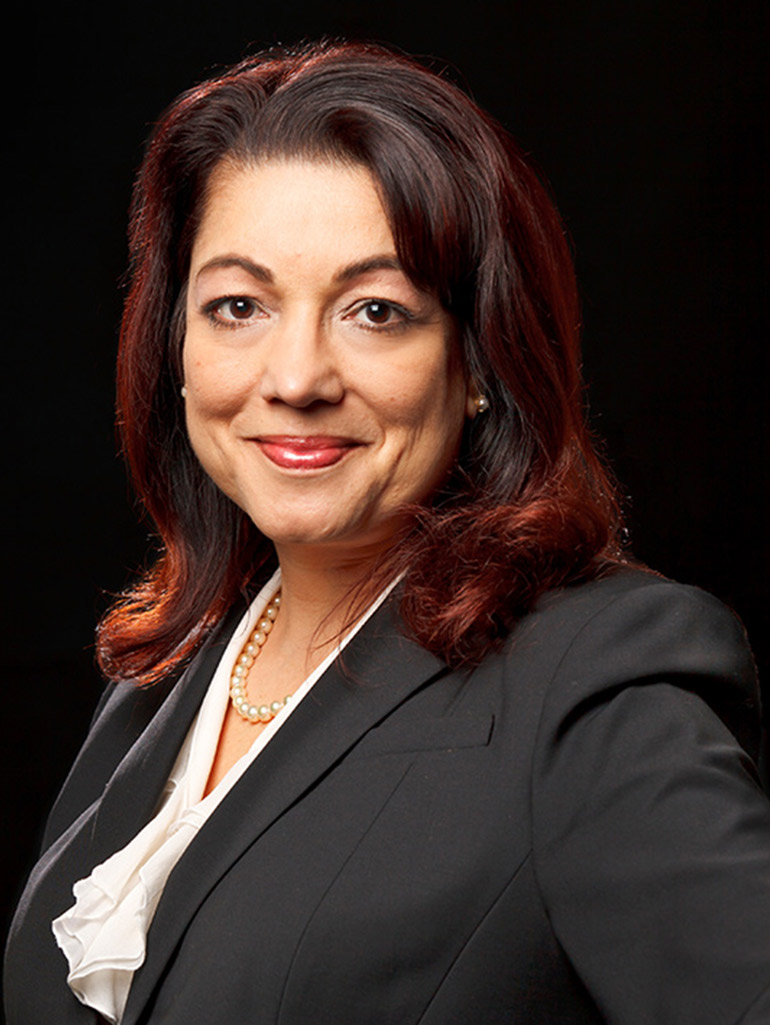
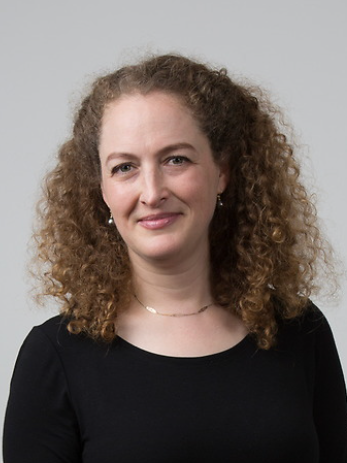
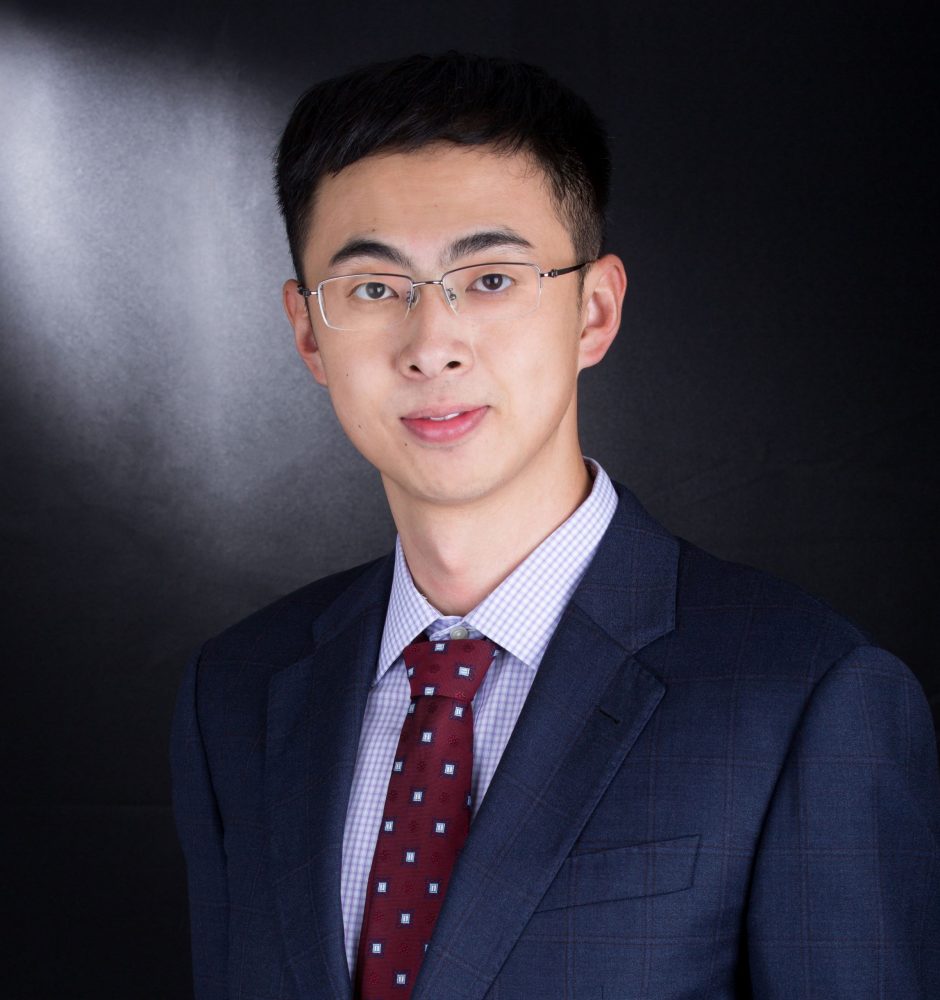
Dr. Rama Hart is an Associate Professor in the Department of Management at the Opus College of Business, University of St. Thomas. Previously served as Director of the Master of Arts in Organization Development program in the College of Education, Leadership and Counseling before joining Opus in 2018. Specializes in global/virtual team communication, organizational change leadership, and workplace inclusion issues. Teaches Managing Organizational Behavior in Full-time MBA program Offers courses in Organization & Employee Development (MGMT 360) and Inclusive Leadership (MGMT 385) Active participant in equity, diversity, and intercultural competence initiatives Research Focus: Combines virtual communication studies with organizational change management, emphasizing inclusive leadership practices across domestic and global contexts. Her work examines relationship formation in distributed teams through communication patterns and technological mediation. Teaching Philosophy: Integrates experiential learning through virtual worlds and appreciative inquiry methodology, focusing on practical skill development for navigating modern workplace complexities. Institutional Roles: Involved with multiple academic units including the Schulze School of Entrepreneurship and various research centers like the Behavioral Research Center and Institute for Social Innovation.
Asha Weinstein Agrawal is a Professor at the School of Planning, Policy, and Environmental Studies within San Jose State University's College of Social Sciences. Her work centers on transportation planning and policy with a focus on sustainability and equity, actively engaging policymakers and communities to address contemporary mobility challenges through evidence-based solutions. Professor Agrawal's research spans transportation revenue systems, equity implications in mobility access, sustainable transportation frameworks, travel behavior analysis, survey methodology innovation, and historical transportation policy evolution. She investigates how planning tools can promote environmentally friendly travel and improve accessibility for disadvantaged populations, with current projects examining electric vehicle impacts on transportation funding, transit safety for vulnerable users, and community engagement in open streets initiatives. Analysis of her recent publications reveals dominant themes in transportation funding alternatives—particularly mileage-based user fees and zero-emission vehicle revenue impacts—and equity-focused studies on transit safety, workforce diversity, and accessibility for older adults and low-income communities. Her work consistently bridges academic research with real-world policy applications through rigorous survey methodologies and multi-stakeholder engagement. Scientific Awards: No specific awards are documented in the provided materials. Advising and Professional Engagement: Professor Agrawal regularly presents findings to federal and state decision-makers including U.S. Senate committees, the California Transportation Commission, and local transportation authorities. She serves on key advisory bodies such as the Metropolitan Transportation Commission's Regional Means-Based Transit Fare Pricing Study committee, Santa Clara County Traffic Safe Communities Network, and Valley Transportation Authority's Pedestrian Access Task Force. Her research has been supported through multiple policy-relevant projects with transportation agencies across California and nationally.
Deepa Camenga, MD, MHS, FAAP is an Associate Professor of Emergency Medicine at Yale School of Medicine with secondary appointments in Chronic Disease Epidemiology and General Pediatrics. She serves as the Associate Director of Pediatric Programs for the Yale Program in Addiction Medicine, where she leads clinical, educational, and policy efforts to improve healthcare for children impacted by substance use. As a board-certified physician in pediatrics and addiction medicine, Dr. Camenga specializes in adolescent addiction and is one of the few clinicians in Connecticut who prescribes medication treatment for adolescents with opioid use disorder. Dr. Camenga's educational background includes: BA from Yale University (2000) MD from University of Rochester School of Medicine & Dentistry (2005) Residency at University of Rochester Golisano Children Hospital (2008) Chief Resident at Children's Strong Hospital, Rochester (2009) Postdoctoral Fellowship and MHS in Health Services Research through the Robert Wood Johnson Foundation Clinical Scholars Program at Yale (2012) Dr. Camenga's research focuses on reducing the morbidity and mortality associated with adolescent substance use and substance use disorders. Her work specifically aims to improve identification and treatment of drug and tobacco use in healthcare settings, with a particular interest in developing technology-enhanced interventions to reduce substance use among adolescents and young adults. She employs both quantitative and qualitative methodologies to examine adolescent substance use patterns, cessation motivations, and the effectiveness of interventions in clinical and community settings. Her research has significant implications for public health policy and clinical practice guidelines related to youth substance use. Dr. Camenga's recent publications demonstrate a strong focus on adolescent vaping behaviors, impaired driving among youth, and digital interventions for substance use prevention. Her work spans multiple methodologies including longitudinal studies, system dynamics modeling, and mixed-methods approaches. Key themes in her research include the impact of flavored products on youth nicotine dependence, the social and environmental factors influencing risky behaviors, and the development of evidence-based approaches to substance use prevention and treatment for adolescents. Dr. Camenga is actively involved in national professional organizations and committees: Member of the American Academy of Pediatrics Committee on Substance Use and Prevention (since 2016) Member of the American Academy of Pediatrics Meeting Planning and Participation Committee (since 2018) Former Committee Member of the Academic Pediatric Association (2013-2015) Dr. Camenga has developed several innovative clinical programs, including a school-based health center tele-consult program and an inpatient adolescent addiction medicine consult service. She treats adolescents and young adults at the APT Foundation and leads an addiction medicine tele-consult service for local school-based health centers. Her work extends to the Yale DrivSim Lab, where she collaborates on studies examining the neurocognitive aspects of risky driving and substance use among youth. Dr. Camenga also chairs the American Academy of Pediatrics Committee on Substance Use and Prevention, positioning her as a national expert in pediatric addiction medicine.
Maria Leonilde Rocha Varela is an Associate Professor with Habilitation at the School of Engineering, University of Minho, Portugal, where she also serves as a Senior Researcher at the Algoritmi Research Centre. She has been an integrated member of the Algoritmi Research Centre since 2012 and works in the Department of Production and Systems. Dr. Varela earned her degree in Production Engineering from the University of Minho in 1994, completed a Master's in Computer Integrated Production at DPS-UMinho in 1999, and received her Ph.D. in Production and Systems from the University of Minho in 2007. Her primary research focuses on Manufacturing Management, particularly Production Planning, Control and Optimization, and Collaborative Paradigms, Networks and Decision Making Models. She maintains extensive international collaborations with institutions worldwide including the National Institute of Industrial Engineering, VSB-Technick Univerzita Ostrava, University of Belgrade, and others. Her research spans Web Applications and Services for supporting Engineering and Production Management, with increasing emphasis on Artificial Intelligence, Robotic Process Automation, and Industry 4.0/5.0 applications. She has made significant contributions to scheduling algorithms, optimization techniques, and decision support systems for manufacturing environments. Analysis of her recent publications reveals a strong trend toward integrating Artificial Intelligence with traditional manufacturing processes, particularly in Robotic Process Automation applications. Her research increasingly focuses on sustainable manufacturing practices, with numerous publications addressing energy efficiency, environmental sustainability, and resource optimization. There is a clear emphasis on multi-objective optimization approaches to solve complex manufacturing problems, particularly in distributed job shop scheduling. Her work demonstrates an evolution from traditional production planning methods to more advanced AI-driven approaches for Industry 4.0 and 5.0 environments. Dr. Varela has held significant academic leadership roles, currently serving as the director of the master's course in Engineering and Quality Management at DPS-UMinho. She previously coordinated the industrial management and systems subgroup from 2012 to 2021 and was part of the steering committee for the master's course in systems engineering between 2016 and 2019. She has successfully supervised more than 70 MSc projects, with over 15 currently ongoing, focusing on Production and Systems Engineering. Her supervision encompasses collaborative management models, traditional decision approaches, and web-based platforms incorporating AI techniques. She coordinates research projects including 2 concluded Ph.D. projects and 6 ongoing ones. She collaborates as a research member in several R&D projects with national and international industrial enterprises and institutions, and in international Erasmus projects. Dr. Varela is an active participant in the academic community, serving on editorial boards of several international journals and as a member of organizing and scientific committees for numerous international conferences. She is a member of several prestigious research networks including the Euro Working Group of Decision Support Systems (EWG-DSS), Institute of Electrical and Electronics Engineers (IEEE), Industrial Engineering Network, and the Institute of Industrial and Systems Engineers (IISE).
Dustin D. French, PhD, serves as Professor in Ophthalmology and Medical Social Sciences (Determinants of Health) at Northwestern University's Feinberg School of Medicine. His dual appointments bridge clinical ophthalmology with population health research, focusing on healthcare system optimization through economic and policy analyses. Dr. French's educational foundation includes: PhD from The Ohio State University (2001) His research program centers on health economics and outcomes research , with signature expertise in: Comparative and cost-effectiveness methodologies Health informatics and big data applications Health services research and policy evaluation Addressing health disparities in diabetic eye care and rural communities Recent publications reveal a strategic focus on AI-driven clinical decision support and resource optimization, with 2025 studies examining glaucoma identification algorithms, nursing home quality metrics, microhematuria diagnostic pathways, and pediatric obesity interventions. Dr. French's scholarly impact is recognized through prestigious awards: International Society for Pharmacoepidemiology Outstanding Reviewer Award (2016, 2010) Department of Veterans Affairs Distinguished Service Award (2016) International Society for Pharmacoepidemiology Distinguished Article Award (2006) His leadership in health services research extends to mentorship and grant-funded initiatives targeting healthcare quality improvement, particularly in diabetic eye care access for minority populations. Institutional affiliations include the Center for Diabetes and Metabolism, IPHAM's Center for Health Services & Outcomes Research, and NUCATS, where he contributes to translational research infrastructure.
Andrea Santangeli serves as a Supervisor in the Doctoral Programme in Wildlife Biology and holds a Docentship in the Organismal and Evolutionary Biology Research Program at the University of Helsinki's Faculty of Biological and Environmental Sciences. He maintains an additional affiliation as an Honorary Fellow at the University of Cape Town's FitzPatrick Institute of African Ornithology under the National Research Foundation Centre of Excellence since August 2019. His research spans international collaborations across multiple continents, with particular focus on African and European conservation challenges. Dr. Santangeli completed his doctoral thesis titled 'Assessing the effectiveness of different approaches to species conservation' at the University of Helsinki in 2013. His educational background established the foundation for his current research program focused on evidence-based conservation strategies and effectiveness assessment. His research interests center on wildlife conservation biology, particularly avian ecology and species protection. Santangeli's work examines human-wildlife interactions, conservation prioritization, and the effectiveness of different conservation approaches. He investigates how climate change affects species distributions and community composition, with special attention to vulture conservation, bird-feeding practices, and the impacts of agricultural systems on biodiversity. His approach integrates ecological, social, and policy dimensions to develop comprehensive conservation solutions. Species conservation effectiveness Human-wildlife interactions Climate change impacts on biodiversity Vulture conservation Bird community dynamics Ecosystem services assessment Analysis of Santangeli's recent publications (2023-2025) reveals a strong focus on interdisciplinary conservation science addressing urgent global challenges. His work increasingly integrates One Health approaches, examining connections between wildlife health, ecosystem functioning, and human activities. Key themes include climate change adaptation strategies, human dimensions of conservation, and technological innovations for monitoring and protection. His research shows growing emphasis on policy-relevant science that directly informs conservation decision-making at multiple scales. His scientific recognition includes an Honorary Fellowship at the University of Cape Town's prestigious FitzPatrick Institute of African Ornithology, part of the DST NRF Centre of Excellence. This position acknowledges his significant contributions to African ornithology and conservation science, particularly his work on vulture conservation across the continent. As a doctoral supervisor, Santangeli guides the next generation of conservation scientists through the Wildlife Biology doctoral program. His research is supported by multiple projects, including the ongoing 'Understanding the drivers and species ecological traits underpinning the global trade in wild birds' (2019-2024), which examines wildlife trade dynamics and conservation implications. His work demonstrates strong international collaboration networks across Europe, Africa, and beyond. Santangeli's research activities involve extensive fieldwork, data analysis, and policy engagement. He participates in academic visits to institutions like the Center d'Études Biologiques de Chizé in France and contributes to scientific conferences and peer review for leading conservation journals. His work often involves citizen science approaches, as evidenced by the 'iratebirds' project on aesthetic attraction to birds.
Jinzhao Du serves as Associate Professor of Marketing at The University of Hong Kong's Faculty of Business and Economics, where he also holds the position of BBA Deputy Programme Director and Admissions Tutor. His academic journey includes a Ph.D. in Marketing from Duke University (2018) and a B.A. in Economics from Tsinghua University (2012). His educational background includes: Ph.D. in Marketing, Duke University, 2018 B.A. in Economics, Tsinghua University, 2012 Professor Du's research centers on platform-based marketing, with particular emphasis on media platforms and matching platforms. His work examines strategic interactions among multiple players in media ecosystems (publishers, consumers, advertisers, content suppliers, and news aggregators) and investigates how information design, strategic pricing, and AI development can improve matching outcomes. He employs game-theoretic models to analyze these complex market dynamics, with growing attention to how consumer data rights and AI tools are reshaping platform marketing landscapes. His publication portfolio reveals consistent contributions to top marketing and operations journals, with recent work focusing on personalized product offerings, ride-hailing platform operations, customer review systems, media platform competition, and publisher-aggregator relationships. The research demonstrates a strong theoretical foundation while addressing practical challenges faced by platform companies. Notable recognition includes: 2022 Research Output Prize in the Faculty of Business and Economics at HKU Professor Du actively mentors doctoral students, including executive professionals pursuing DBAs, and teaches courses including Pricing Strategies and Tactics (MSMK 7031), Pricing Strategies (MKTG3527), and Introduction to Marketing (MKTG2501). His industry engagement informs his research on organizational communication and platform strategy, bridging academic theory with practical business applications. He has also shared insights on platform competition strategies, ethical pricing approaches, and the importance of quantitative skills in modern marketing.
Dr. Emily Midouhas is an Associate Professor in the Department of Psychology and Human Development at the UCL Institute of Education. She has been with UCL since completing her PhD in 2012, progressing from postdoc to lecturer and then to Associate Professor. Her work focuses on developmental psychology with particular attention to child mental health and behavioral problems. Her educational background includes: PhD from the UCL Institute of Education (2012) MSc from the London School of Economics and Political Science (2003) HEA Fellowship from University College London (2017) Dr. Midouhas's research primarily examines why some children develop behavioral and mental health problems while others do not, with special focus on parenting practices and neighborhood environments. She takes a developmental psychopathology approach and has a keen interest in neurodivergent children. Her current research projects include CALMS (funded by ESRC), PUSH (funded by NIHR), M-WAY (funded by ESRC), and a project on measuring child wellbeing (funded by UCL Grand Challenges). She co-leads the Nurture Lab and Cubic Lab, investigating various aspects of child development and mental health. Analysis of her recent publications shows a strong focus on the interplay between family dynamics, neighborhood environments, and child mental health outcomes. Her work frequently employs longitudinal data and examines bidirectional relationships between parental and child behaviors. There's a clear emphasis on understanding how environmental factors like household chaos and neighborhood greenspace impact child development and mental health. Dr. Midouhas is actively involved in securing research funding for her projects. She currently leads or co-leads several funded research initiatives examining child mental health, parenting, and environmental factors. She serves as the Departmental Graduate Tutor, overseeing doctoral student admissions and progression. Her teaching interests include developmental psychology and positive psychology at the undergraduate level. She is looking to recruit PhD students with strong quantitative skills who are interested in topics such as parenting and child behavior, mental health of neurodivergent children, and the built environment's impact on child behavior.
Yue Li is the Leonard Case Jr. Professor in the Department of Civil and Environmental Engineering at Case Western Reserve University. He specializes in resilient and sustainable infrastructure systems, focusing on structural reliability, probabilistic design, and climate change adaptation. His research addresses risk assessment for infrastructure under extreme events, including earthquakes, hurricanes, and climate impacts. Education: PhD in Civil Engineering, Georgia Institute of Technology, 2005 Research Interests: Dr. Li’s work integrates advanced statistical methods and data-driven approaches to enhance infrastructure resilience. Key areas include: Probabilistic modeling of structural systems Risk-informed decision-making for multi-hazard mitigation Climate change impacts on material durability and performance Asset management and lifecycle cost analysis Notable Contributions: His recent publications emphasize data-driven resilience metrics for water systems and seismic risk assessment for bridges. He has pioneered frameworks for evaluating infrastructure vulnerability under climate change, including corrosion effects and extreme weather adaptation. Awards: ABSE Outstanding Paper Award (2023) Case School of Engineering Teaching Award (2020) Nomination for John S. Diekhoff Award (2019) Leadership Roles: Dr. Li serves as Section Editor for the ASCE Journal of Structural Engineering and chairs multiple technical committees on safety and reliability. He leads initiatives to standardize multi-hazard design practices and resilience evaluation methodologies.
Matt Proom serves as a Senior Lecturer in Social Work at the University of the West of England (UWE Bristol), bringing extensive frontline experience to his academic role. Prior to joining UWE Bristol, he worked across integrated Community Mental Health Teams, Emergency Duty social work services, and Approved Mental Health Professional Social Work Teams in both practitioner and managerial capacities. Education: Qualified as a Social Worker in 2008 at the University of the West of England Subsequently qualified as an Approved Mental Health Professional His expertise centers on Approved Mental Health Practice within statutory social work frameworks, with deep specialization in crisis intervention and mental health legislation application. Proom's professional background directly informs his academic focus on community-based mental health services, emergency response protocols, and the operational realities of implementing the Mental Health Act in high-pressure environments. His work bridges theoretical social work education with practical crisis management competencies required in contemporary mental health systems. As an educator, Proom emphasizes real-world application of mental health law through experiential learning, preparing students for complex decision-making in emergency social work contexts. His teaching integrates legislative requirements with ethical practice considerations in community mental health settings.
Dr. George Karakostas is an Associate Professor in the Department of Computing and Software at McMaster University. His research focuses on Scientific Computing, Optimization, and Theoretical Computer Science, with a particular emphasis on algorithms, scheduling, and resource management in data centers and mobile networks. He is actively involved in advising graduate students and contributes to cutting-edge research in digital twins, edge computing, and approximation algorithms. Dr. Karakostas holds a PhD (implied by title) and has authored numerous publications addressing challenges in workload distribution, thermal management, and task scheduling under deadline constraints. His work often intersects with practical applications in IoT, wireless networks, and energy-efficient infrastructure. Key research trends include optimizing resource allocation in distributed systems, developing efficient offloading strategies for mobile devices, and leveraging digital twins for system performance enhancement. Despite the volume of his publications, the focus consistently revolves around theoretical rigor paired with real-world applicability. Dr. Karakostas is affiliated with the Digital & Smart Systems research cluster and teaches advanced courses such as CAS 744: Advanced Topics in Design of Algorithms (Theory). His contact information includes karakos@mcmaster.ca and a faculty profile page at www.cas.mcmaster.ca/~gk.
Prof. Tadeusz Tyszka is a Full Professor and Director of the Center for Economic Psychology and Decision Research (Centrum Psychologii Ekonomicznej i Badań Decyzji ALK) at Kozminski University. His primary research interests include decision-making psychology, economic psychology, and behavioral economics. He has authored numerous books and articles, including Psychologiczne Pułapki Oceniania i Podejmowania Decyzji and Psychologia Zachowań Konsumenckich . He has held leadership roles in international scientific associations, such as the International Association for Research in Economic Psychology and the Division 9 (Economic Psychology) of the International Association of Applied Psychology. His research focuses on cognitive and emotional factors influencing risk perception, decision-making under uncertainty, and consumer behavior. Recent work examines how psychological biases affect choices related to insurance, disaster preparedness, and entrepreneurial risk-taking. Prof. Tyszka’s interdisciplinary approach bridges psychology, economics, and behavioral science to understand human decision processes in complex scenarios. He has contributed to debates on moral judgment, probabilistic reasoning, and the application of psychological principles to policy design. His publications span experimental studies, theoretical analyses, and critiques of literary and historical works through a psychological lens.
Christiane Woopen is a Professor for Ethics and Theory of Medicine at the University of Cologne , where she serves as Executive Director of the Cologne Center for Ethics, Rights, Economics, and Social Sciences of Health (ceres) . Her leadership extends to roles such as Head of the Research Unit Ethics and former Vice-Dean for Academic Development and Gender at the Medical Faculty, University Hospital Cologne. Educational Background: Medical degree from the University of Bonn, followed by specialization in gynecology and obstetrics before transitioning to bioethics. Her research focuses on ethical dimensions of reproductive medicine, neuroethics, personalized medicine, genome editing, and health in the digital age . She leads international projects addressing aging, health literacy, and AI governance. Recent publications emphasize genome editing policy, AI in healthcare, and ethical challenges of deep brain stimulation , reflecting her interdisciplinary approach to bioethics. Scientific Awards: Federal Cross of Merit 1st Class (2018) Member, European Academy of Sciences and Arts (2014) She has held advisory roles in national and international ethics bodies, including the European Group on Ethics in Science and New Technologies and UNESCO's International Bioethics Committee. Her leadership in ceres involves fostering research on aging, health literacy, and digital transformation, with a commitment to public engagement and interdisciplinary collaboration.
Andrea Passerini is a Full Professor in the Department of Information Engineering and Computer Science at the University of Trento, Italy, where he also serves as Coordinator of the PhD programme in Information Engineering and Computer Science (Ministerial Decree 45/2013). His academic footprint spans multiple departments including Mathematics, Sociology, Cellular Biology, and Industrial Engineering, reflecting deep interdisciplinary engagement across computational sciences and life sciences. His research centers on Machine Learning and Data Mining with specialized expertise in Neuro-Symbolic AI , Probabilistic Reasoning , and Statistical Relational Learning . He pioneers methods for graph-based learning, medical AI applications, and explainable systems, with significant contributions to bioinformatics (particularly RNA-protein interactions) and healthcare diagnostics. His work bridges theoretical rigor with practical implementations in critical domains. Analysis of his 2025 publications reveals dominant trends in neuro-symbolic integration for graph data, human-AI collaboration in medical decision-making, and robust recommender systems. His research increasingly focuses on interpretable AI for high-stakes applications like surgical planning and physician support, while advancing foundational techniques in graph neural networks and concept-based modeling. As PhD programme Coordinator, Professor Passerini mentors doctoral candidates across AI and computer science disciplines. His collaborative network extends to medical researchers at CIBIO (Cellular, Computational and Integrative Biology department) and industrial partners, though specific lab structures aren't documented in available materials. Current projects emphasize medical AI validation, temporal network modeling, and LLM integration with structured reasoning frameworks.
Geert Dewulf is a Professor at the University of Twente, specializing in project governance, public-private partnerships (PPPs), and healthcare decision-making. His research focuses on strategic decision support systems, uncertainty management in healthcare organizations, and adaptive governance frameworks. He has contributed to over 215 publications and supervised 21 students. Key areas of expertise include infrastructure development, construction management, and institutional logics in extended enterprises. Research interests span dynamic decision-making models, stakeholder network dynamics, and the integration of real options and scenario planning in strategic management. He has received awards such as the Best Paper at the 14th Engineering Project Organization Conference and recognition for contributions to community-engaged research in construction management. Education: Not explicitly stated in the provided text. Affiliations: Member of the VISICO Center at the University of Twente, engaged in editorial roles for journals like Engineering Project Organization Journal. Labs/Teams: Associated with interdisciplinary teams focused on healthcare infrastructure and PPP governance. His work addresses challenges in healthcare asset management, resilient infrastructure planning, and fostering collaboration in complex projects. Recent contributions include frameworks for adaptive decision support and serious games for reflecting on partnership dynamics in concessions.