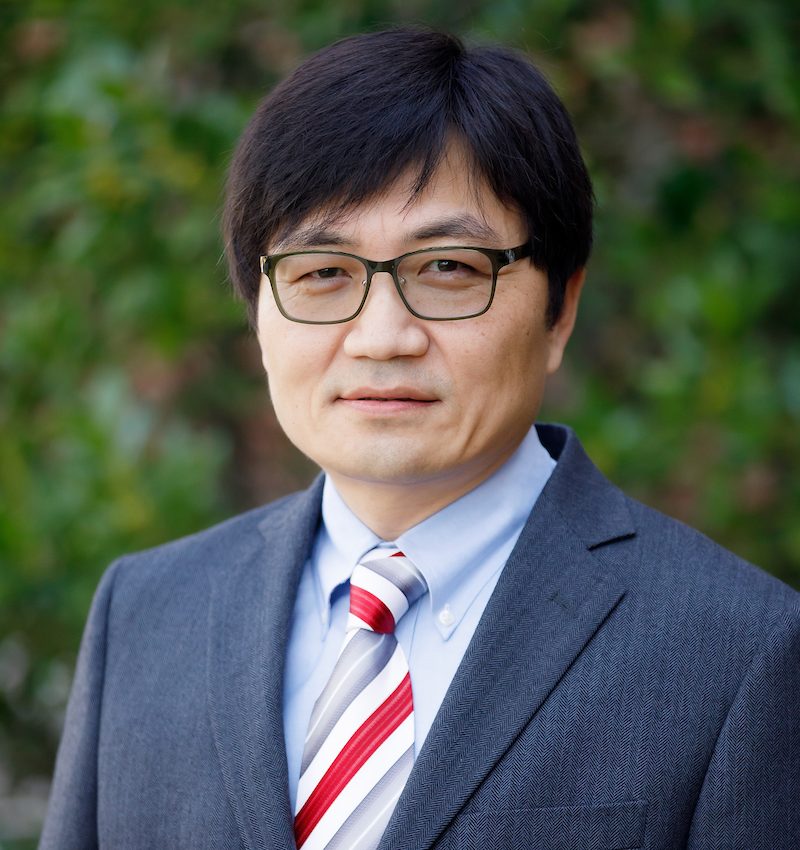
Alice Covatta is an Adjunct Professor at Université de Montréal's Faculty of Planning and School of Architecture, with affiliations to the Centre for Urban Design and Mental Health, co+labo at Keio University, and the Japan Studies Association of Canada. Her work bridges architecture, urban design, and mental health across Europe and Japan. PhD in Architecture and Urban Design (University of Udine, 2015) Postdoctoral Fellow at Keio University (2016-2019) Research interests focus on: Integrating health into urban planning Temporal urbanism in hyper-dense environments Foodscapes as catalysts for community engagement Playable architectural interventions Recent publications analyze Tokyo's liminal spaces, Montreal's ephemeral ecosystems, and cross-cultural comparisons of public space design in Copenhagen and Japan. Her work emphasizes hybrid formal/informal systems and socio-spatial strategies for mental wellness. 2017 Europan 14 Winner 2016 Japan Foundation Fellowship 2015 Honorable Mention for Passages Competition Grants include CRSH and FRQSC funding for projects on urban habitability, public space, and participatory research. She co-founded CoPE Architects, which won multiple international awards for innovative urban design.
Xiaofeng Liu is an Assistant Professor at Yale University School of Medicine in the Departments of Radiology & Biomedical Imaging and Biomedical Informatics & Data Science. He is also an Associate Member at the Broad Institute of MIT and Harvard. Previously, he held faculty positions at Harvard Medical School and research roles at Massachusetts General Hospital and Beth Israel Deaconess Medical Center. PhD in Mechatronics from University of Chinese Academy of Sciences Dual Bachelor's degrees in Automation (Wang-Daheng Elite Class) and Communication from University of Science and Technology of China His research integrates trustworthy AI, medical imaging, and data science to improve diagnosis, prognosis, and treatment monitoring for neurological disorders, cancer, and cardiovascular diseases. Key focus areas include domain adaptation techniques, diffusion models, and interpretable AI systems. Led special issues in IEEE Transactions on Pattern Analysis and Medical Image Analysis Developed novel frameworks like Ordinal UDA and Memory-Consistent Adaptation Scientific accolades include the Trailblazer R21 Award (NIBIB), OpenAI Research Award, and National Artificial Intelligence Research Resource Pilot Award. He serves as Associate Editor for IEEE Transactions on Neural Networks and Learning Systems and actively contributes to MICCAI and NIH review panels. His lab at Yale (XLiu Lab) investigates neural basis of intelligence to inspire AI development, with applications in brain tumor segmentation, cardiac imaging, and cross-modal medical diagnostics.
Isabelle Augenstein is a Professor at the University of Copenhagen's Department of Computer Science, where she leads the Copenhagen Natural Language Understanding (CopeNLU) research group and the Natural Language Processing section. She became Denmark's youngest female full professor in 2022 and co-leads the Danish Pioneer Centre for Artificial Intelligence's Speech and Language collaboratory. ERC Starting Grant recipient DFF Sapere Aude Research Leader fellow Karen Spärck Jones Award winner Hartmann Diploma Prize recipient Her research focuses on fair and accountable NLP systems, with specific emphasis on explainability, factuality, bias detection, and social NLP. She investigates cultural biases in language models, develops frameworks for explainable fact checking, and explores uncertainty estimation in NLP systems. Recent publications demonstrate expertise in: Mechanistic analysis of cultural bias representations Context utilization techniques for LLMs Explainability metrics and attribution methods Cross-domain label adaptation Retrieval-augmented generation Fact checking uncertainty quantification Major scientific contributions include: Numerous EMNLP and ACL publications Foundational work on stance detection Development of fact checking benchmarks Multilingual model analysis AI ethics frameworks She supervises a team of researchers working on explainable AI and fact checking systems, with current projects including the ExplainYourself ERC-funded initiative on explainable fact checking. Her group recently presented multiple papers at EMNLP 2025 on topics spanning explainable AI and social NLP.
Dr. Tristan A.F. Long is an Associate Professor in the Department of Biology at Wilfrid Laurier University's Faculty of Science in Waterloo, Ontario. A behavioral ecologist and evolutionary geneticist, he focuses on sexual selection and the role of female mate preference variation in evolutionary change. With teaching responsibilities for large introductory biology courses like BI111 and BI393, he has developed innovative active learning techniques using playing cards, iClickers, and role-playing games to teach population genetics and ecological principles. University of Western Ontario - BSc in Honours Ecology and Evolution (1999) University of Guelph - MSc in Zoology (2001) Queen’s University - PhD in Biology (2005) University of California Santa Barbara - Postdoctoral Fellow (2005-2009) University of Toronto - Postdoctoral Fellow (2009-2010) His research examines how female Drosophila melanogaster vary in their mating preferences and how these differences shape evolutionary trajectories. He has published extensively on reproductive plasticity, sexual conflict, and environmental interaction effects. His laboratory combines experimental evolution with computational modeling to explore genetic trade-offs and behavioral adaptations. Scientific awards include the Laurier Teaching Award for Sustained Excellence (2017). He has developed innovative classroom techniques like the Battle of the Beaks exercise for teaching adaptive evolution and an iClicker-based population genetics simulation using playing cards. His 2024 BI393 biostatistics course policy strongly discourages generative AI use due to concerns about educational integrity and environmental impact.
Dr. Xiaopeng Li is the Harvey D. Spangler Professor in the Department of Civil and Environmental Engineering at the University of Wisconsin-Madison, with an affiliation in the Department of Electrical and Computer Engineering. He leads the USDOT Rural Autonomous Vehicle Program and previously directed the National Institute for Congestion Reduction. He earned his B.S. in Civil Engineering from Tsinghua University (2006), M.S. in Civil Engineering (2007), M.S. in Applied Mathematics (2010), and Ph.D. in Civil Engineering (2011) from the University of Illinois at Urbana-Champaign. His research focuses on modeling and field experiments for connected, electric, and automated vehicles (CAVs), infrastructure systems analysis, and interdependent network modeling. He has pioneered physics-enhanced machine learning frameworks for vehicle control and developed simulation tools for CAV deployment. His 2025-2024 publications highlight advancements in Connected vehicle trajectory modeling Energy consumption optimization Edge computing for autonomous operations Residual learning control systems Equity analysis in AV deployment Communication technologies for V2X Awards include: TRB Best Paper Award (2025) NSF CAREER (2015) ASCE Fellow (2024) IEEE Senior Member (2022) Multiple institution-specific fellowships He has advised 15+ graduate students, secured $35M+ in grants from NSF, USDOT, and industry partners, and chairs the IEEE ITSS Emerging Transportation Technology Testing committee. His work addresses real-world AV implementation, safety validation, and sustainable transportation systems.
Thomas Barrie is a Professor of Architecture at North Carolina State University's College of Design, serving as Director of the Affordable Housing and Sustainable Communities Initiative and Coordinator of the Master of Advanced Architectural Studies program. An internationally recognized scholar in religious architecture and spirituality in the built environment, he is a Fellow of the American Institute of Architects (AIA) and has received numerous accolades including the 2024 NCSU Alexander Quarles Holladay Medal for Excellence. His educational background includes: Master of Philosophy in Architectural History and Theory, University of Manchester Master of Architecture, Virginia Polytechnic Institute and State University B.A. in English, University of North Carolina at Greensboro Professor Barrie's research explores the symbolism, cultural significance, and ritual functions of architecture across religious traditions, while examining housing through the ontological roles of home. His work bridges architectural theory and practice, emphasizing architecture's social mission and spiritual dimensions. Key publications include four books addressing sacred space, world religions, and domestic environments, establishing foundational frameworks for understanding architecture's role in human experience. His scholarly output reveals consistent exploration of architecture as a mediator between sacred and secular realms, with recent works focusing on comparative religious architecture and cultural contexts of home. This trajectory demonstrates deep commitment to understanding how built environments shape communal identity and individual well-being across diverse cultural settings. His distinguished career has been recognized with numerous honors: NCSU Alexander Quarles Holladay Medal for Excellence (2024) ACSA Distinguished Professor Award (2019) AIA Fellowship (2020) Three NC State Outstanding Extension Service Awards (2019, 2015, 2014) Induction into the Academy of Faculty Engaged in Extension (2015) Two AIA Honor Awards for design excellence As director of the Affordable Housing and Sustainable Communities Initiative, Professor Barrie has mentored hundreds of students through community-based design studios addressing housing challenges in the Triangle region. His leadership has fostered interdisciplinary collaboration across architecture, planning, and social sciences, resulting in award-winning student projects and tangible community impact through the Architecture, Culture and Spirituality Forum which he co-founded. Professor Barrie leads the Affordable Housing and Sustainable Communities Initiative and co-founded the international Architecture, Culture and Spirituality Forum, creating platforms for scholarly dialogue and practical application that bridge academic research with community engagement in housing and spiritual dimensions of the built environment.
PD Dr. Lutz Rzehak is an academic staff member at the Institute for Asian and African Studies (IAAW) within the Faculty of Humanities at Humboldt University of Berlin, serving as a Teacher for special tasks specializing in Modern Iranian languages and the ethnography and cultural history of Afghanistan and Central Asia. His educational background includes: Oriental Studies/History from the State University of Leningrad (1985) Doctorate in Iranian Studies, Humboldt University of Berlin (1991) Habilitation in Central Asian Studies / Iranian Studies, Humboldt University of Berlin (2001) Dr. Rzehak's research spans Central Asian Studies , Iranian Studies , Ethnography , and Linguistics , with fieldwork focusing on Baloch, Pashtun, and Tajik communities. His work examines language evolution, social structures, and cultural practices through historical and contemporary lenses, particularly regarding Soviet influence and post-Taliban Afghanistan. Key contributions include grammatical analyses of Iranian languages and ethnographic studies of religious rituals and tribal systems. His recent publications (2016-2021) reveal consistent focus on Iranian language dynamics (especially Dari and Pashto), ethnic identity politics in Afghanistan, and cultural history of Central Asia. These works address language change mechanisms, ethnic consolidation strategies, and the interplay between tradition and modernity, often utilizing comparative linguistic and ethnographic methodologies. His scientific awards include: Heisenberg Fellow of the German Research Foundation Dr. Rzehak has held significant research positions including Research Associate in the Crossroads Asia Competence Network (2011-2016) and Heisenberg Fellow (2002-2011). While his CV does not list formal PhD advisees, his language lecturing and research supervision have mentored numerous students in Central Asian and Iranian studies through course instruction and fieldwork guidance. He has been actively involved in the Crossroads Asia Competence Network, a major interdisciplinary research initiative examining transregional connections and historical trajectories across Central, South, and West Asia.
Prof. Dr. Thomas Gunzelmann serves as Honorary Professor for Spatial Heritage Conservation at the University of Bamberg's Chair of Heritage Conservation within the School of Archaeology, Heritage Conservation Studies and Art History. Born in Bamberg in 1958, he has built a distinguished career spanning both academic scholarship and practical heritage conservation, with particular expertise in cultural landscape research and urban heritage preservation. His professional journey uniquely combines long-term government service at the Bavarian State Office for Historic Preservation (1988-2024) with academic contributions since 1996, creating a valuable bridge between theoretical understanding and on-the-ground conservation practice. University of Bamberg - Honorary Professor (2022-present) Bavarian State Office for Historic Preservation - Department Head (1988-2024) Master's Program in Heritage Conservation - Lecturer (1996-present) University of Coburg - Lecturer (1996-present) Gunzelmann studied geography, history and administration at universities in Bamberg, Braunschweig and Bayreuth, completing his doctoral thesis in 1987 on 'The preservation of the historical cultural landscape.' This foundational work established his lifelong research trajectory at the intersection of historical geography and practical conservation. His academic credentials are complemented by deep practical experience, particularly through his leadership of the 'Großinventar Bamberg' project documenting Bamberg's urban heritage. His research focuses on the theory and practice of cultural landscape research, with particular emphasis on urban heritage conservation, settlement patterns (especially rural settlements), historical cultural landscapes for leisure and recovery, and the spatial impact of monuments. Gunzelmann's work consistently explores the relationship between cultural landscape preservation and contemporary challenges including urban development, energy infrastructure, and community engagement. His publications reveal a methodological evolution from traditional historical-geographical approaches to incorporating digital tools like GIS for heritage site analysis, demonstrating his adaptability to emerging technologies in conservation practice. Gunzelmann's scholarly output shows remarkable thematic consistency while adapting to contemporary challenges in heritage conservation. His publications demonstrate expertise across multiple dimensions - from theoretical frameworks for understanding cultural landscapes to practical guides for municipal heritage management. Particularly notable is his work on the 'Kommunales Denkmalkonzept' (Municipal Heritage Concept), which represents a significant contribution to practical heritage management frameworks. His research also shows increasing attention to interdisciplinary approaches connecting geography, history, architecture, and urban planning to create holistic understandings of cultural landscapes. Co-developer of the 'Kommunales Denkmalkonzept' framework for municipal heritage management Significant contributor to the 'Großinventar Bamberg' documentation project Author of influential publications on cultural landscape methodology Creator of practical tools for GIS-based heritage site analysis Through his long-standing role in the Master's program in Heritage Conservation at the University of Bamberg and Coburg University, Gunzelmann has mentored generations of heritage professionals. His practical impact extends through frameworks adopted by municipalities and conservation authorities, particularly in Bavaria. His work demonstrates how academic research can directly inform and improve conservation practice, creating a valuable feedback loop between theory and application. Gunzelmann has been actively involved with various research teams and projects related to cultural landscape documentation and analysis. His collaborations with colleagues like Armin Röhrer on the historical cultural landscapes of Bamberg showcase his team-based research approach. The 'Kulturlandschaftsstationen' project in the Fladung Rhön region exemplifies his commitment to creating practical tools for cultural landscape interpretation. His recent website updates indicate ongoing engagement with digital methodologies for heritage site analysis, particularly through QGIS applications.
Dr. Jennifer Silvers is an Assistant Professor in the Department of Psychology at the University of California, Los Angeles, affiliated with the College of Life Sciences. She directs the Social Affective Neuroscience and Development (SAND) Lab, focusing on emotional and physical health in youth, particularly how social ties influence neurobiological mechanisms of emotion regulation, learning, and decision-making. Academic Affiliation: Assistant Professor, UCLA Psychology Department Research Focus: Developmental neuroscience, emotion regulation, social influences on neurobiology Key Grants: NSF CAREER Award Her research examines age-related differences in emotion regulation, early adversity impacts, and neurodevelopmental pathways to resilience. Current work explores inflammation, pubertal timing, and social support systems through neuroimaging and behavioral studies. Recent publications highlight trends in developmental affective neuroscience, emphasizing neural networks (amygdala, prefrontal cortex), social decision-making, and adaptive responses to adversity across adolescence. Collaborations span institutions like the University of Chicago and Pomona College. Scientific Awards: NSF CAREER Award Wendell Jeffrey and Bernice Wenzel Term Chair in Developmental Neuroscience The SAND Lab, based at UCLA’s Franz Hall, fosters transparency and collaboration while prioritizing ethical science and participant welfare. Her team investigates neurodevelopmental mechanisms to improve interventions for youth with diverse backgrounds.
Dr. Hwan-Sik Yoon is an Associate Professor in the Department of Mechanical Engineering at The University of Alabama, where he focuses on applying Artificial Intelligence (AI) and Machine Learning (ML) to automotive, transportation, and manufacturing systems. His research spans modeling, simulation, and control of dynamic systems, with a strong emphasis on connected and automated vehicles (CAVs), energy-efficient routing, and sensor fusion technologies. Ph.D., Mechanical Engineering, Ohio State University, 2002 M.S., Mechanical Engineering, Ohio State University, 1998 B.S., Physics Education, Seoul National University, Korea, 1994 Dr. Yoon’s research integrates AI/ML into applications such as traffic signal control , excavator manipulator pose estimation , hybrid electric vehicle powertrain control , and factory floor safety monitoring . He is also involved in additive manufacturing , vision-based control systems , and reinforcement learning -driven automotive innovations. Recent publications highlight trends in deep reinforcement learning for vehicle energy efficiency, sensor fusion for traffic surveillance, and neural networks for dynamic system control. His work addresses challenges in multi-component failure analysis and real-time edge computing platforms . NSF Outstanding Faculty Advisor Award (2019) College of Engineering Faculty Productivity Award, Tennessee Tech University (2012) Dr. Yoon leads the Intelligent Structures and Systems Laboratory and serves as the lead CAVs faculty advisor for the University of Alabama’s EcoCAR student team, which has achieved national recognition in advanced vehicle technology competitions.
Panying Rong, Ph.D. is an Assistant Professor in the Department of Speech-Language-Hearing: Sciences & Disorders at the University of Kansas , within the College of Liberal Arts and Sciences. Her research focuses on the neuromechanical basis of motor speech disorders and the development of quantitative tools for speech assessment. Primary Affiliation: University of Kansas Department: Speech-Language-Hearing: Sciences & Disorders Academic Rank: Assistant Professor Email: prong@ku.edu Research Interests Dr. Rong’s work investigates the biomechanical and neurological mechanisms underlying speech impairments in neurodegenerative diseases like ALS and Parkinson’s. Key areas include: Mechanistic modeling of speech motor control Development of data-driven speech diagnostics Acoustic and kinematic analysis of bulbar disorders Compensatory articulatory strategies in speech pathologies Temporal structuring of speech signals Integration of multimodal assessments for neurological conditions Article Trends Her recent publications emphasize automated, multimodal frameworks for assessing bulbar ALS, neuromechanical biomarkers, and cultural-linguistic influences on speech outcomes. Techniques include EMA, EMG, kinematic modeling, and computational analysis of speech subsystems.
David Ryfe is a Professor and Director of the School of Journalism and Media at The University of Texas at Austin. He previously served as Director of the School of Journalism and Mass Communication at the University of Iowa. His research focuses on the sociology and history of news, political communication, and the evolving role of journalism in democratic societies. He has conducted extensive ethnographic studies of newsrooms and explored the challenges facing journalism in the digital age. His key works include *Can Journalism Survive?* (2012) and *Journalism and the Public* (2017), which examine the adaptability of journalism and its societal role. His current research investigates local news systems in a Midwestern city to assess the near-term future of journalism. Ryfe’s academic leadership emphasizes preparing journalists for industry changes through curricular innovation. He has contributed to debates on media policy, journalism ethics, and the institutional foundations of news practices. His work bridges theoretical frameworks like actor-network theory and institutional theory with empirical studies of newsroom dynamics. He holds a leadership role in fostering collaborative journalism education models and has written on the necessity of public subsidies for sustainable journalism. His research consistently addresses how journalism intersects with democratic processes and public life.
Dr. Debraj Roy is a Visiting Professor at the University of Amsterdam (UvA), affiliated with the Faculty of Science, Mathematics and Computer Science and the Informatics Institute. His research focuses on agent-based modeling, socio-economic dynamics, environmental resilience, and blockchain technology. He investigates complex systems such as urban slums, disaster recovery, and climate adaptation using computational methods like remote sensing and machine learning. His work bridges theory and practice, offering insights into policy design for sustainable development and social equity. Key research interests include slum dynamics, poverty traps, and the application of blockchain oracles for decentralized systems. He employs advanced techniques such as global sensitivity analysis and manifold learning to explore multi-scale socio-environmental challenges. His recent articles highlight trends in carbon pricing, flood risk valuation, and multi-agent systems. Earlier work concentrated on urban inequality in cities like Bangalore and Mexico City, leveraging geospatial and statistical tools. No scientific awards or grants are explicitly listed. His advising and team collaborations are unspecified in the provided text.
Dr. Victoria C. P. Chen is a Professor in the Industrial, Manufacturing, and Systems Engineering (IMSE) department at The University of Texas at Arlington (UTA), where she has served since 2002. She previously held positions at the Georgia Institute of Technology from 1993-2001. Dr. Chen has held several leadership roles at UTA, including Interim Department Chair (2012-2014), Director of the Center on Stochastic Modeling, Optimization, & Statistics (COSMOS) (2008-2012, and again from 2017-present), and Director of Doctoral Studies (2019-present). She was also the George & Elizabeth Pickett Professor from 2015-2017 and was inducted into the UT Arlington Academy of Distinguished Teachers in 2019. Dr. Chen is actively involved with INFORMS (Institute for Operations Research and the Management Science), where she currently serves as Secretary on the Executive Board. Dr. Chen earned her B.S. in Mathematical Sciences from The Johns Hopkins University, and her M.S. and Ph.D. in Operations Research and Industrial Engineering from Cornell University. Her academic journey includes visiting professorships at the University of Genoa, Italy, and Iowa State University. Dr. Chen's research utilizes statistical perspectives to create new methodologies for operations research problems appearing in engineering and science. Her expertise includes the design of experiments, statistical modeling, and data mining, particularly for computer experiments and stochastic optimization. Through her statistics-based approach, she has developed computationally-tractable decision-making methods for many high-dimensional complex systems. Her work spans multiple domains including sustainability, energy, water management, healthcare, and law enforcement. Specific application areas include inventory forecasting, airline optimization, water reservoir networks, wastewater treatment, air quality monitoring, green building design, nurse assignment systems, and pain management programs. Her recent publications demonstrate continued innovation in mixed integer programming for electric vehicle charging stations, vacuum ultraviolet spectroscopy prediction, and sustainable building education. Senior Member, Institute for Operations Research and the Management Sciences (INFORMS) (2024) Data Mining Prize (Lifetime Achievement Award), INFORMS Society on Data Mining (2023) College of Engineering Teaching Award, UT Arlington (2021) Third Place Award, C3.ai COVID-19 Grand Challenge (2020) Academy of Distinguished Teachers, University of Texas at Arlington (2019) George & Elizabeth Pickett Professorship (2015-2017) As an educator and mentor, Dr. Chen has advised over 25 doctoral students across diverse research topics in operations research and systems engineering. She has secured substantial research funding from multiple sources including the National Science Foundation (over $1.5 million in active projects), Environmental Protection Agency, National Institute of Justice, and industry partners like Luminant and Dallas-Fort Worth International Airport. Her current research projects focus on decision analytics for sustainable urban environments, optimization for Texas water management, and statistical methods for pain management programs. She has served as Principal Investigator or Co-PI on more than 20 externally funded research projects totaling over $3 million in funding. Dr. Chen co-founded the Center on Stochastic Modeling, Optimization, & Statistics (COSMOS) at UTA with Dr. H. W. Corley. This research center brings together faculty and students from multiple disciplines to address complex problems through advanced statistical and optimization methods. She also leads interdisciplinary research teams working on projects related to sustainable infrastructure, energy systems, and healthcare optimization, frequently collaborating with researchers from civil engineering, environmental science, and medical fields.
Dr. Jatin P. Ambegaonkar is a Professor in the School of Kinesiology, College of Education and Human Development at George Mason University, where he serves as Associate Dean for Research. He holds a PhD from the University of North Carolina Greensboro and is a Certified Athletic Trainer and Occupational Therapist. His translational research bridges laboratory science and community engagement to enhance performance, reduce injury risk, and improve health outcomes across populations. Research Focus: Dr. Ambegaonkar's work centers on interdisciplinary approaches to human movement, with emphasis on: Performing artists' health and injury epidemiology Biosensor applications in sports and dance Neuromechanical assessment and concussion management Falls prevention and quality of life in older adults Community-based health interventions for underserved populations His research vision— "Arts and Health for the Physically Active, Physical Activity for Health and Artists" —drives initiatives like the SMART Laboratory (co-founded in 2006) and the SHARe Consortium. Publications: His 80+ articles demonstrate consistent focus on injury mechanisms, dance science, and aging research, with recent emphasis on kinesiophobia (2024), multifactorial fall interventions (2024), and longitudinal dancer fitness (2023). Methodologies span systematic reviews, RCTs, biomechanical analyses, and community trials. Leadership & Grants: As founding co-director of the SMART Laboratory, he leads projects including: ACHIEVES: Free athletic healthcare for underserved students POISED: Falls prevention in older adults SHARe Consortium: Multidisciplinary injury prevention for artists He has secured $6.4M across 30 grants from the National Endowment for the Arts, Potomac Health Foundation, and others. Editorial Roles: Editor-in-Chief of the Journal of Dance Medicine & Science ; Editorial Board member for the Journal of Athletic Training ; reviewer for 25+ scientific journals.