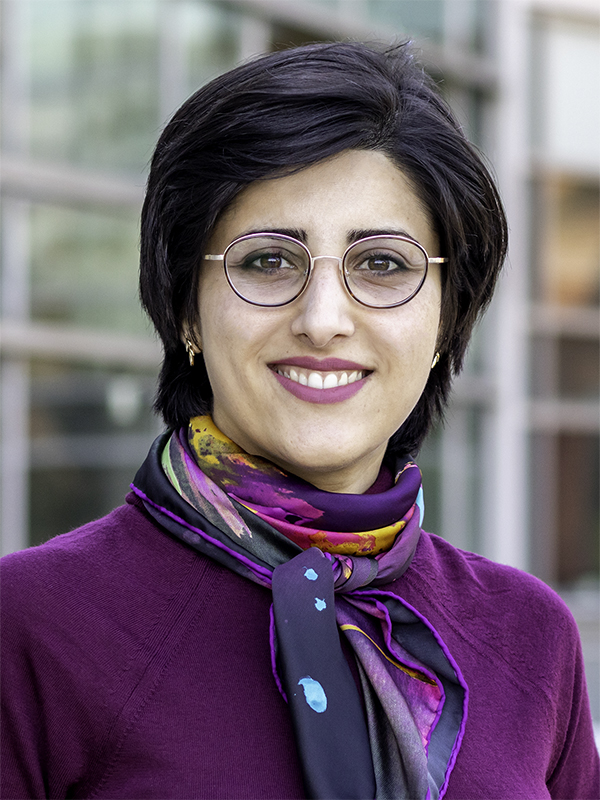
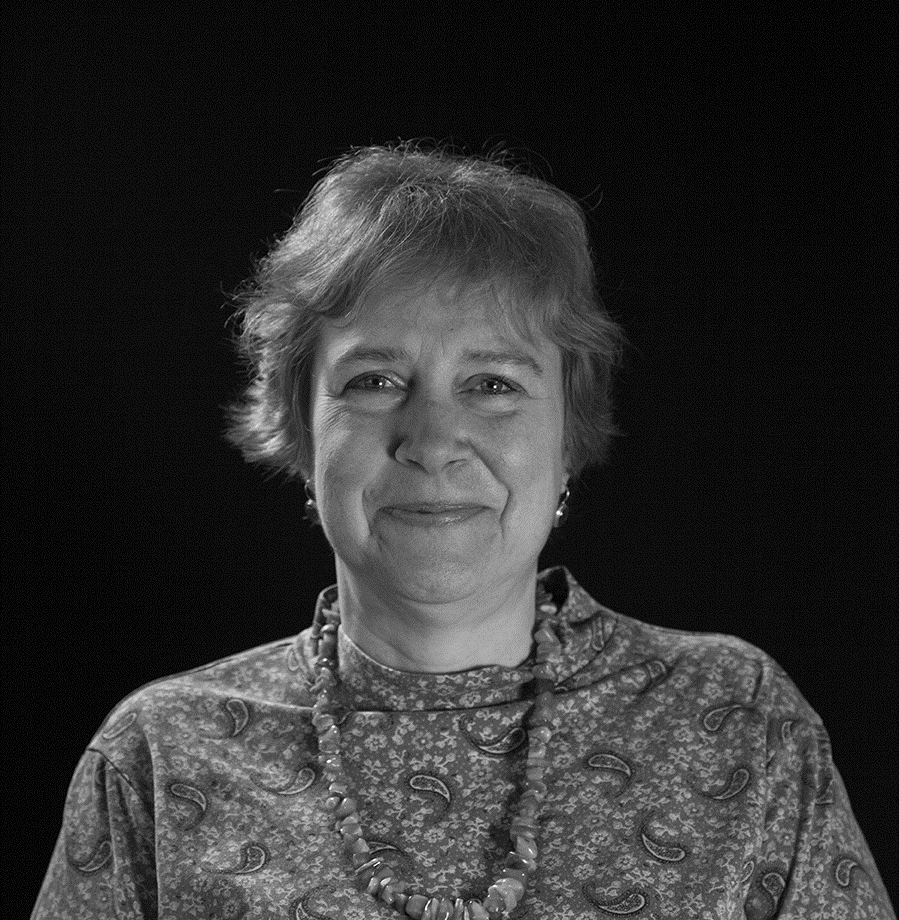
Marina Alberti is a Professor of Urban and Environmental Planning at the University of Washington, affiliated with the Department of Urban Design and Planning. She directs the Interdisciplinary Ph.D. Program in Urban Design and Planning and leads the Urban Ecology Research Laboratory. Her expertise lies in studying the interactions between urban development patterns and ecosystem dynamics, focusing on resilience, socio-ecological innovation, and biocomplexity. Her research emphasizes interdisciplinary approaches to urban ecological problems, with a strong focus on Geographic Information Systems (GIS), land cover change, and environmental performance metrics. She has developed simulation models integrating urban development and ecological processes, supported by NSF, NOAA, and Washington state grants. NSF Biocomplexity Program Grant : Developing simulation models for urban-ecological integration. Washington State Department of Transportation Grant : Remote sensing for impervious surface estimation. NOAA/Washington Department of Ecology Grant : GIS analysis of land use and shoreline habitats. Her work spans urban planning, ecological assessment, and policy-making, with a methodological emphasis on GIS, remote sensing, and land use dynamics. She has contributed extensively to journals like International Regional Science Review , Urban Ecosystems , and BioScience , addressing topics such as urban gradients, biodiversity, and environmental sustainability. Alberti's teaching includes Urban Ecology, Environmental Planning, GIS, and advanced research design, reflecting her commitment to training the next generation of urban ecologists.
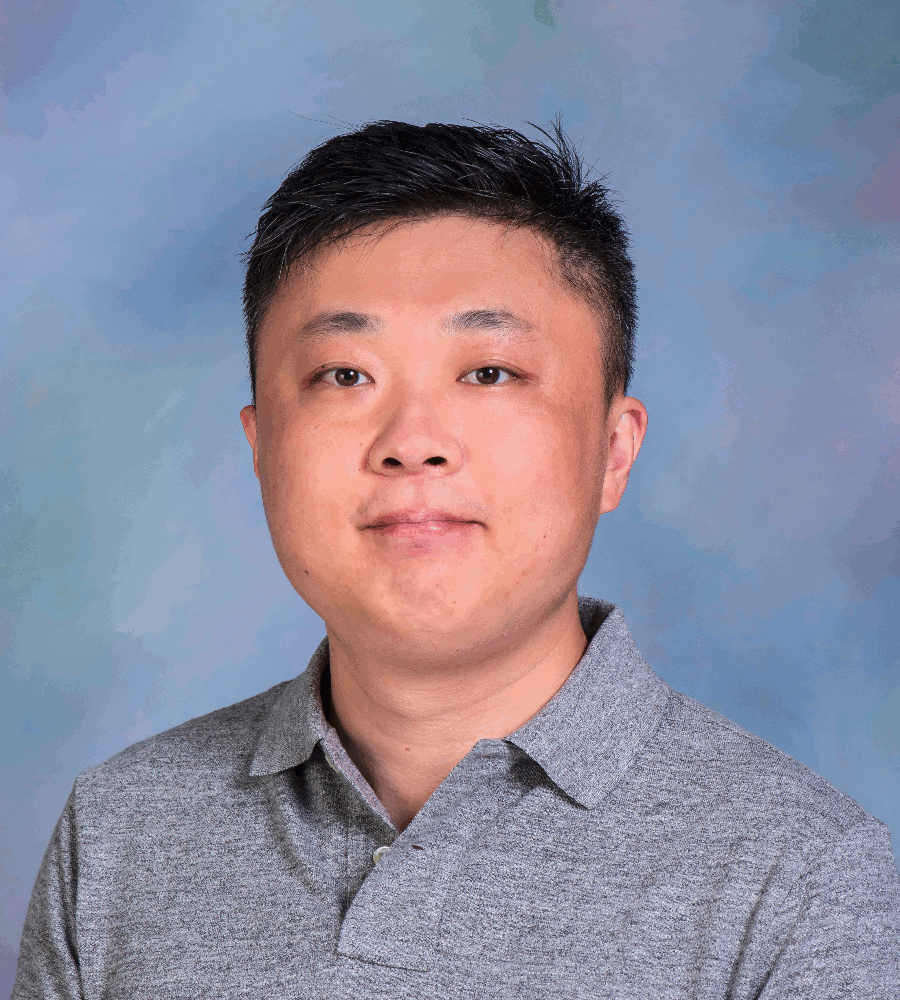
Prof. dr. Nico Van de Weghe is a full Professor of GIScience at the University of Ghent (UGent), affiliated with the CartoGIS research unit. His work bridges computer science, social science, and natural science through geospatial information studies, focusing on enabling machines to reason spatially (GeoAI). Since 2004, he has specialized in knowledge-based AI, particularly spatiotemporal reasoning and moving object analysis, with applications in animal behavior, criminology, healthcare, mobility, and sports. Van de Weghe's research emphasizes hybrid GeoAI systems combining knowledge-driven and data-driven approaches. Keywords include GeoAI, GIScience, Spatiotemporal Analysis, Moving Objects, and Data Mining. Recent publications highlight urban road network analysis, hybrid trajectory modeling, BIM semantic enrichment, and cycling safety studies using virtual reality.
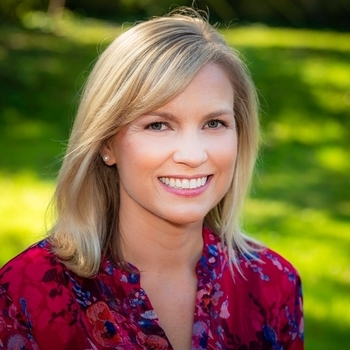
Stacey Lantagne is a Professor of Law at Western New England University School of Law , joining in 2022. Her research explores the intersection of digital creativity and intellectual property law, focusing on fanfiction and internet memes. She actively engages with pop culture and fan studies communities as a presenter and guest speaker. Education : B.A. summa cum laude, Boston College (English major, Computer Science minor) J.D. cum laude, Harvard Law School Her work addresses evolving legal challenges in digital communication, trademark expansion, and fair use doctrine. Articles like “Building a Better Mousetrap” and “Mutating Internet Memes” highlight her expertise in copyright law’s adaptation to internet culture. She serves on the Legal Committee of the Organization for Transformative Works , advocating for fan creators. Prior roles include teaching at the University of Mississippi and Loyola University New Orleans, along with intellectual property litigation experience at Goodwin Procter and Drinker Biddle & Reath.
Susanne Weis is a Research Professor and Group Leader of the 'Variability of the Brain' group at the Department of Brain and Behavior (INM-7), part of the Institute of Neuroscience and Medicine (INM) at Research Center Jülich GmbH. Her work focuses on understanding brain variability through advanced neuroimaging techniques and machine learning, with particular emphasis on sex differences, hormonal influences, and clinical applications in mental health. Her research interests include neuroimaging methodologies, machine learning applications in cognitive neuroscience, and the structural-functional relationships underlying brain variability. She investigates how factors like sex hormones and naturalistic stimuli (e.g., movies) affect brain connectivity and cognitive performance, aiming to improve diagnostic and predictive tools for disorders such as schizophrenia and Alzheimer’s disease. Publications highlight her contributions to developing datasets (e.g., SpEx), analyzing confound leakage in ML models, and exploring meta-analytic networks during naturalistic viewing. Her work bridges basic science and clinical impact, addressing challenges in interpreting neuroimaging data and advancing personalized medicine approaches. In her role as a group leader, Weis oversees research projects and collaborates with interdisciplinary teams. She is affiliated with the Helmholtz Association and contributes to the broader scientific community through her research in neuroimaging and computational neuroscience.
Ignacio Ojea Quintana serves as Assistant Professor at Ludwig Maximilian University of Munich's Faculty of Philosophy, Philosophy of Science and Religious Studies within the Chair of Philosophy of Science. He joined LMU in 2022 after a three-year research fellowship at the Australian National University's School of Philosophy. His academic foundation includes a PhD in Philosophy from Columbia University (2019), supervised by Philip Kitcher with focus on formal social epistemology, and prior Masters/BA degrees in Philosophical Logic from the University of Buenos Aires where he collaborated with the Buenos Aires Logic Group. Ojea Quintana's research employs formal methodologies to examine digital technologies' impact on knowledge organization across scientific and public spheres. His work intersects Social Epistemology , Philosophy of Data Science , and Autonomous Systems Ethics , with significant contributions to social media network analysis of controversial movements. Current projects analyze Twitter dynamics in racial justice movements, ethical constraints in AI decision systems, and consensus formation in scientific modeling. His 2021-2022 publications reveal an interdisciplinary trajectory bridging philosophy, computer science, and social sciences. Key trends include computational analysis of online discourse, formal modeling of group rationality under uncertainty, and ethical frameworks for AI systems. Works appear in high-impact venues including Nature Humanities and Social Sciences Communications and the AAAI/ACM Conference on AI, Ethics, and Society. Ojea Quintana maintains active collaborations with the "Humanising Machine Intelligence" initiative (formerly at ANU) and the Buenos Aires Logic Group. His research program demonstrates sustained engagement with technology's societal implications through formal modeling approaches and empirical digital trace analysis.
Roger Luckhurst is Professor of Modern Literature and currently holds the prestigious Geoffrey Tillotson Chair of Nineteenth Century Studies at Birkbeck College, University of London. A leading scholar in Gothic literature, science fiction, and trauma studies, he has been affiliated with Birkbeck for over 25 years, contributing significantly to interdisciplinary literary and cultural studies. Education and Career Trajectory: 2020-present: Geoffrey Tillotson Chair of Nineteenth Century Studies, Birkbeck College 2008-2020: Professor of Modern and Contemporary Literature, Birkbeck College 2004-2008: Senior Lecturer, Birkbeck College 1994-2004: Lecturer, Birkbeck College 1992-1994: Lecturer, University of Hull Research Interests and Scholarly Contributions: Luckhurst's research spans multiple interconnected fields, establishing him as a preeminent voice in literary and cultural studies. His work on late 19th century English literature examines the intersections of Victorian culture with emerging scientific discourses. His expertise in science fiction studies encompasses both literary analysis and cultural theory, exploring how speculative fiction reflects and shapes contemporary anxieties. In Gothic studies , he investigates the persistence of Gothic aesthetics and themes across different media and historical periods. His groundbreaking work in trauma studies has contributed significantly to understanding how literature and culture process collective trauma. Publications and Scholarly Impact: His extensive publication record demonstrates a remarkable breadth of scholarly inquiry. From his early work on J.G. Ballard to his recent comprehensive study of Gothic culture, Luckhurst has consistently produced influential scholarship. His books have been translated into multiple languages including French, Japanese, Turkish, and German, indicating significant international impact. His forthcoming The Gothic: An Illustrated History (2021) promises to be a definitive work in the field. Honors and Awards: 2009: Visiting Research Fellow, University of Birmingham 2009: Visiting Research Fellow, Flemish Academic Centre for Science and the Arts (VLAC), Brussels January-June 2011: AHRC Fellowship, Birkbeck College Spring 2016: Mellon Distinguished Visiting Professor, Department of English, Columbia University, New York Public Engagement and Media Presence: Beyond academia, Luckhurst has demonstrated exceptional commitment to public scholarship. He has served as a broadcaster for BBC radio, bringing literary criticism to wider audiences. His journalism has appeared in leading British newspapers, bridging the gap between academic research and public discourse. This dual role as academic and public intellectual exemplifies Birkbeck's tradition of making scholarship accessible to broader communities. Interdisciplinary Approach and Institutional Contributions: At Birkbeck College, Luckhurst has been instrumental in fostering the institution's renowned culture of interdisciplinary studies. His work seamlessly integrates literary analysis with cultural theory, film studies, architectural history, and scientific discourse. This approach has influenced generations of students and scholars, establishing Birkbeck as a leading center for innovative literary and cultural research.
Elahe Soltanaghai is an Assistant Professor in the Department of Computer Science and a Faculty Affiliate in Electrical and Computer Engineering at the University of Illinois Urbana-Champaign. She is also a 2022 NCSA Fellow and received her PhD in Computer Science from the University of Virginia (2019), MS in Computer Engineering from Sharif University of Technology (2014), and dual BS degrees in Computer and Information Technology Engineering from Amirkabir University of Technology (2011, 2013). PhD: University of Virginia, Computer Science, 2019 MS: Sharif University of Technology, Computer Engineering, 2014 BS (Computer Engineering): Amirkabir University of Technology, 2011 BS (Information Technology Engineering): Amirkabir University of Technology, 2013 Her research spans wireless sensing and communication, focusing on Millimeter-wave Radar Sensing (for automotive, mixed reality, structural monitoring), Machine Learning for Wireless Systems (adaptive sensing/communication), Forest IoT (through-canopy biomass and soil sensing), Metaverse Technologies (gaze-based VR/AR), and Low-Power Backscatter Communication (WiFi/power-line tags). She directs the Wireless, Sensing & Embedded Networked Systems (iSENS) Lab and co-directs the Illinois Center for IoT. Her work bridges wireless networking with cyber-physical sensing , emphasizing environmental monitoring (e.g., wildfire fuel detection via radar tags) and human-computer interaction (e.g., gaze-tracking in VR). Recent articles include innovations in passive radar profiling , through-canopy biomass characterization , and integrated communication-sensing protocols . Scientific Awards: Google Research Scholar Award (2022) N2Women Rising Star (2021) ACM SIGMOBILE Dissertation Award (2020) EECS Rising Stars (2019) NCSA Faculty Fellowship (2023) Best Demo Runner-up, IPSN (2023) Teaching Excellence Award (2023) Grants: NASA FireTech Program Grant (2025) NSF Grant for Radar-based Perception (2024) Insper-Illinois Grant for VR Research (2024) Keysight Research Gifts (2022, 2023) T-Mobile Research Gift (2022)
Kaiyu Hang is an Assistant Professor in the Department of Computer Science at Rice University, where he directs the Robotics and Physical Interactions Lab (RobotΠ Lab). His research spans multiple domains of robotics with a focus on physical interaction systems. Before joining Rice, he completed his postdoc at Yale University, earned his Ph.D./M.Sc. at KTH Royal Institute of Technology, and received his B.Eng. from Xi'an Jiaotong University. His research interests include robotic manipulation, grasping, in-hand manipulation, optimization, planning, learning, estimation, and control systems. He develops algorithms that enable robots to physically interact with other robots, people, and the world across scales from small grasping tasks to large-scale dual-arm and multi-robot manipulation systems. His work has practical applications in factories, kitchens, hospitals, warehouses, and construction sites. His recent publications demonstrate strong trends in in-hand manipulation techniques, energy-efficient drone operations, and benchmarking frameworks for robotic grasping. The 2025 IROS papers accepted highlight his leadership in developing standardized competition frameworks for evaluating robotic manipulation capabilities across diverse hardware platforms. ASME Rising Star of Mechanical Engineering (2024) NSF CAREER Award (2023) Multiple finalist awards at IEEE-RAS Humanoids and ICRA conferences Junior Fellowship Award from Institute for Advanced Study, HKUST (2017-2018) As an educator, he has taught multiple robotics courses including COMP 462/562: Introduction to Modern Robotics and COMP 461: Senior Design in A Robotized World. He serves as Faculty Advisor for the Rice Robotics Club and participates in graduate admissions. His lab actively recruits Ph.D. students and offers research opportunities for undergraduate and master's students who have completed core robotics courses.
Kelly Arnold is an Associate Professor in the Department of Biomedical Engineering at the University of Michigan. Her research integrates systems engineering principles with immunology to investigate variability in immune responses across infection, vaccination, and injury, with a focus on computational modeling and clinical translation. Research Focus Systems-level immune response modeling Vaccination and antibody functionality Vaginal microbiome-host interactions Chronic lung disease progression Computational serology and proteomics Recent Work Her 2025 studies examine SARS-CoV-2 vaccination responses in cancer patients and computational frameworks for vaginal probiotics. Earlier works (2024-2007) span COPD progression, lupus fibrosis, HIV susceptibility, and tissue engineering for fertility preservation. Methodologies include proteomic profiling, network modeling, and microfluidic systems.
Dr. Hillary Briffa is a Senior Lecturer in National Security Studies and Assistant Director of the Centre for Defence Studies at King’s College London. She holds a Ph.D. in War Studies from King’s College London, focusing on small states’ grand strategy. Her roles include teaching National Security Studies, Small States and International Security at MA level, and leading BA3 Dissertation training. Research interests span small states’ security, climate security, grand strategy, and First World War propaganda. She leads the Climate Change and International Order portfolio at the Centre for Grand Strategy and co-organizes the annual U.S.-U.K. World Order summer school. Grants include maritime security for small states (with Georgetown University Qatar), national energy transitions, and foresight with the Estonian Defence Forces. Briffa advises the UK government on strategic reviews, international organizations, and defense policy. Awards include the U.S. State Department’s Emerging Young Leaders Award (2016), Hans J. Morgenthau Fellowship (2020/21), and Fellow of the Higher Education Academy (2023). She serves on King’s Academic Board, EDI committees, and chairs the Circle-U Climate Knowledge Hub. Her work bridges academia and policy, emphasizing small states’ strategic agency in global challenges. Publications include analyses of Maltese neutrality, Indo-Pacific maritime security, and small states’ pandemic responses. She co-authored sections in volumes on war studies, climate policy, and international order. Briffa’s research and outreach aim to enhance small states’ resilience and influence in evolving security landscapes.
Matteo Bonotti is an Associate Professor of Politics & International Relations at Monash University, previously teaching at Cardiff University, Queen’s University Belfast, and the University of Edinburgh. His research focuses on democratic theory, political liberalism, linguistic justice, free speech, civility, and food justice, addressing ethical pluralism and cultural diversity in modern societies. He has published in journals like the American Political Science Review and authored/co-authored books including Partisanship and Political Liberalism in Diverse Societies (Oxford UP, 2017) and Healthy Eating Policy and Political Philosophy: A Public Reason Approach (Oxford UP, 2022). Bonotti leads projects on disinformation in Southeast Asia, linguistic justice among Italian-Australians, and civic education. His work contributes to UN Sustainable Development Goals related to justice, peace, and sustainable consumption. Education: Previous academic roles at Cardiff, Queen’s Belfast, and Edinburgh universities. Research Themes: Ethical pluralism, democratic legitimacy, public reason, and policy narratives. Recent Projects: ASEAN Disinformation Index, Language & Political Participation in Australia, and Civic Virtue in Polarized Societies. His articles explore topics like civility in environmental politics, far-right network dynamics, and gastrospaces as ethical spaces. Collaborations span international scholars across political theory, sociology, and philosophy. Bonotti actively engages with public discourse through media commentaries on civility, pandemic narratives, and free speech debates.
Carol Carpenter is a Senior Lecturer and Associate Research Scholar at Yale University's School of the Environment. She has held teaching and research positions at Syracuse University, the University of Hawaii, and Hawaii-Pacific University, and a research role at the East-West Center. Her expertise spans environmental anthropology, conservation, sustainable development, and gender in agrarian systems. She earned a B.A. from SUNY Binghamton and M.A./Ph.D. from Cornell University. Her research focuses on the social science of conservation, economic anthropology in agriculture, and gender dynamics in ecological systems. Notable fieldwork includes four years in Indonesia studying rituals and social networks, followed by four years in Pakistan as a development consultant on social forestry and women's issues for USAID, the World Bank, and the Asia Foundation. She joined Yale in 1998 and published Power in Conservation: Environmental Anthropology Beyond Political Ecology (2020) and co-edited Environmental Anthropology: An Historical Reader (2007). Her recent work critiques conservation practices through an anthropological lens, emphasizing cultural contexts and gender roles. Earlier studies explored resource management in Pakistan, including women’s labor in agriculture and afforestation impacts. Her articles span decades, addressing topics from ritual ethnobotany to development surveillance in Bolivia. While no specific grants or lab affiliations are detailed, her consultancy roles highlight applied research in development sectors. No awards are explicitly mentioned, though her academic contributions are substantial.
John D. Murray is the Gregg L. Engles Associate Professor of Psychological and Brain Sciences at Dartmouth College and an Adjunct Associate Professor of Psychiatry at Yale School of Medicine. He holds a PhD in Physics from Yale University (2013) and a BS in Physics and Mathematics from Yale (2006). His research focuses on computational neuroscience and computational psychiatry, with secondary appointments in Physics and Neuroscience at Yale until 2023. His work integrates computational modeling, neuroimaging, and systems neuroscience to study decision-making processes, cortical organization, and psychiatric disorders. Collaborators include prominent researchers like Dr. John Krystal and Dr. Anticevic. Research interests include hierarchical brain organization, neuroimaging analysis techniques, and pharmacological effects on neural circuits. His lab (Murray Lab) develops computational tools like PsychRNN for cognitive task modeling. Notable contributions include linking transcriptomic data to neuroimaging patterns and modeling LSD’s effects on brain topography. He has been featured in YaleNews and Nature Communications for innovations in mapping mental illness variability and neural circuit dynamics. Grants and collaborations span translational neuroscience, addiction, and PTSD research through partnerships with Yale’s Center for Biomedical Data Science and VA National Center for PTSD. His interdisciplinary approach bridges physics, computer science, and clinical psychiatry to advance understanding of brain function and dysfunction.
Professor Beatrice Heuser is a distinguished academic in the Department of Politics within the School of Social & Political Sciences at the University of Glasgow. Her career spans multiple prestigious institutions across Europe, including King's College London, University of Reading, and visiting professorships at Sciences Po Paris, Bundeswehr University Munich, and MGIMO. She maintains significant affiliations with major strategic research institutes including Chatham House, RUSI, IFRI, and IRSEM. Education: BA from Bedford College London, MA from LSE, DPhil from Oxford (St Antony's/St John's), Habilitation from University of Marburg Professional Experience: Former Director of Studies at German Bundeswehr's military history research office, NATO Headquarters consultant, and extensive teaching across European institutions Her research centers on strategic studies with particular focus on the cultural dimensions of warfare, nuclear strategy, and the historical evolution of strategic thought. Key research areas include strategic culture, military exercises as political instruments, laws of war development, and European defense policy. Her work bridges historical analysis with contemporary security challenges, examining how cultural narratives shape strategic decision-making from antiquity to the nuclear age. Professor Heuser's recent publications demonstrate consistent scholarly output across strategic theory, military history, and contemporary security issues. Her work shows particular emphasis on the conceptual foundations of strategic culture, historical analysis of warfare evolution, and practical applications to modern security challenges including nuclear deterrence and asymmetric warfare. The interdisciplinary nature of her research connects political theory, historical analysis, and security studies. She actively supervises graduate students in strategic theory, nuclear strategy, insurgency studies, and defense policy-making within NATO/EU contexts. Her teaching portfolio includes War and International Relations, Defense Policy, and Strategic Theory courses.
Dr. Jeremy Guest is the Levenick Professor in Civil and Environmental Engineering (and courtesy appointment in Chemical & Biomolecular Engineering) at the University of Illinois Urbana-Champaign (UIUC). He serves as Associate Director for Research at the Institute for Sustainability, Energy, and Environment (iSEE) and leads the Center for Advanced Bioenergy and Bioproducts Innovation (CABBI). His research focuses on advancing circular bioeconomies through sustainable sanitation systems, resource recovery from wastewater, and biofuel/bioproduct development from lignocellulosic biomass. Guest's work emphasizes Quantitative Sustainable Design (QSD) methodologies to bridge engineering innovation with policy and investment decisions. Education: PhD in Environmental Engineering (University of Michigan, 2012); MS (Virginia Tech, 2007); BS (Bucknell University, 2005). Research interests include wastewater treatment innovation, nutrient recovery, bioenergy systems design, and sustainable agriculture practices. Key contributions include the EcoRecover phosphorus recovery process, the QSDsan modeling platform, and leadership in CABBI's $262.5M DOE-funded initiative. Guest has secured funding from NSF, US EPA, USDA, and the Bill & Melinda Gates Foundation. Recognitions include the NSF CAREER Award, 2021 James J. Morgan Early Career Award, and the Paul L. Busch Award. He advises over 15 graduate students and leads multiple high-impact projects like the NEWgenerator sanitation system and oilcane biorefinery integration. Lab/Group: Guest Research Group focuses on experimental, computational, and policy-oriented research to solve global sustainability challenges. Current projects address algae-based wastewater treatment, fecal sludge management in low-income regions, and precision fermentation systems development.