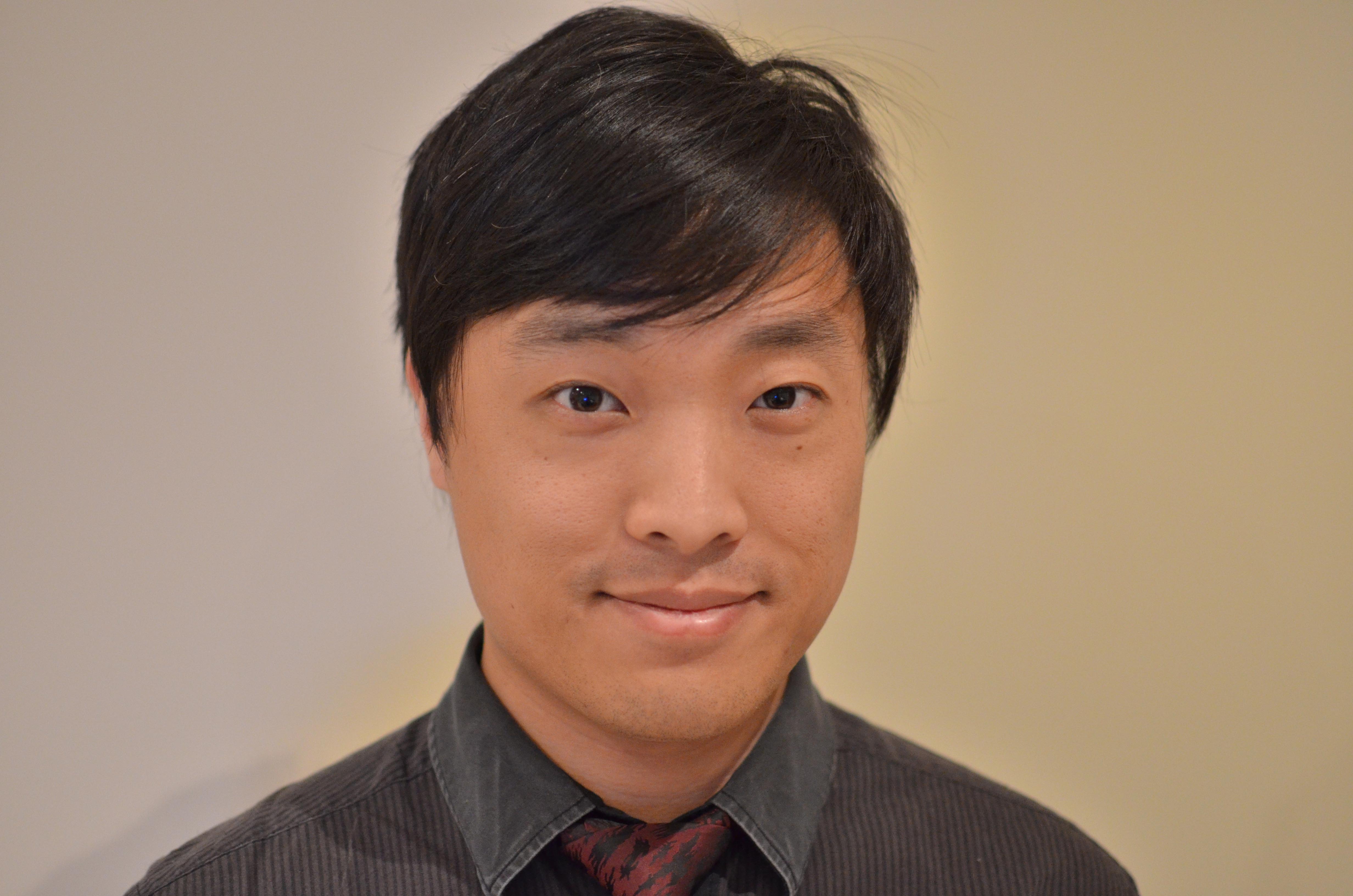
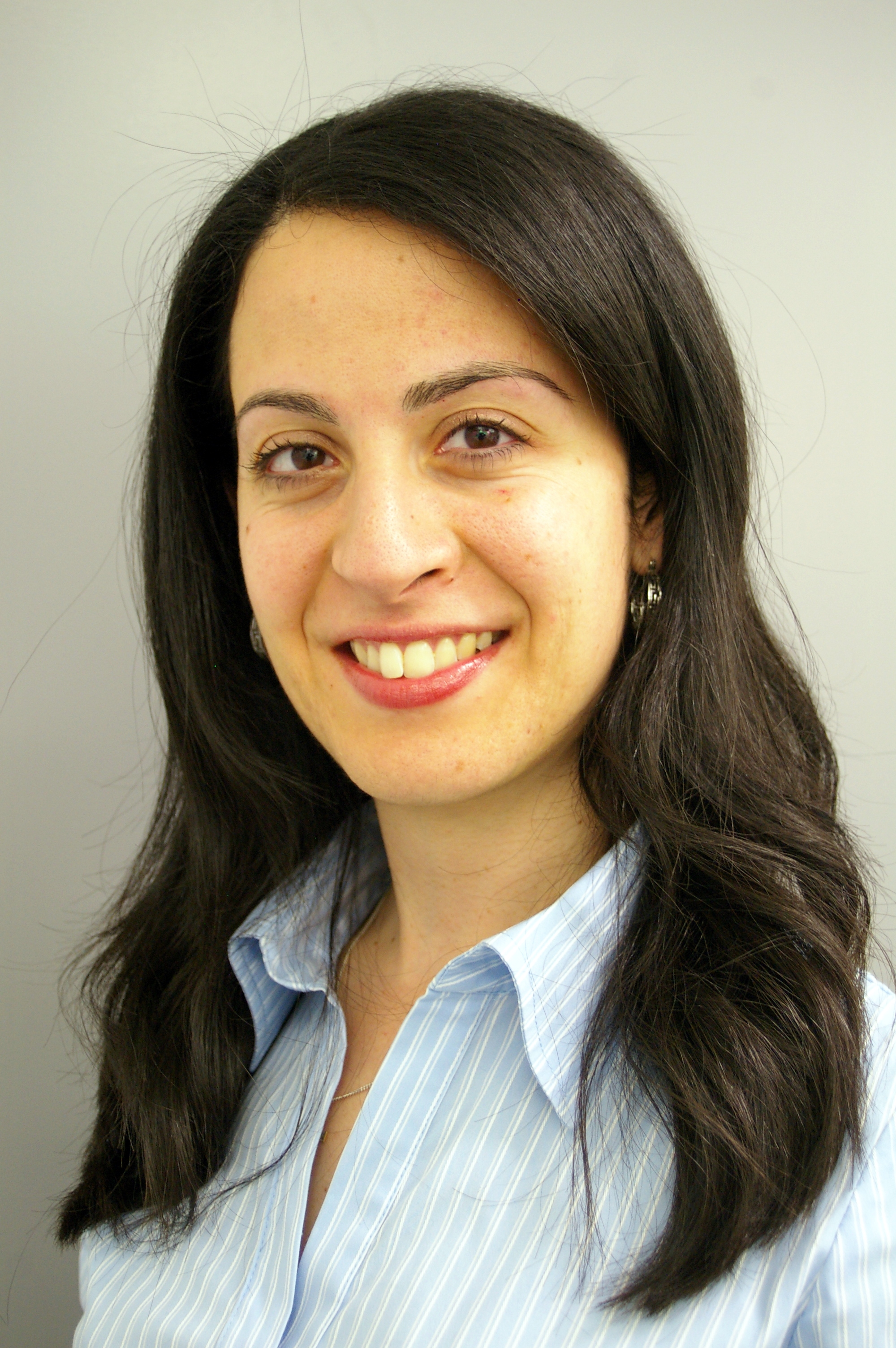
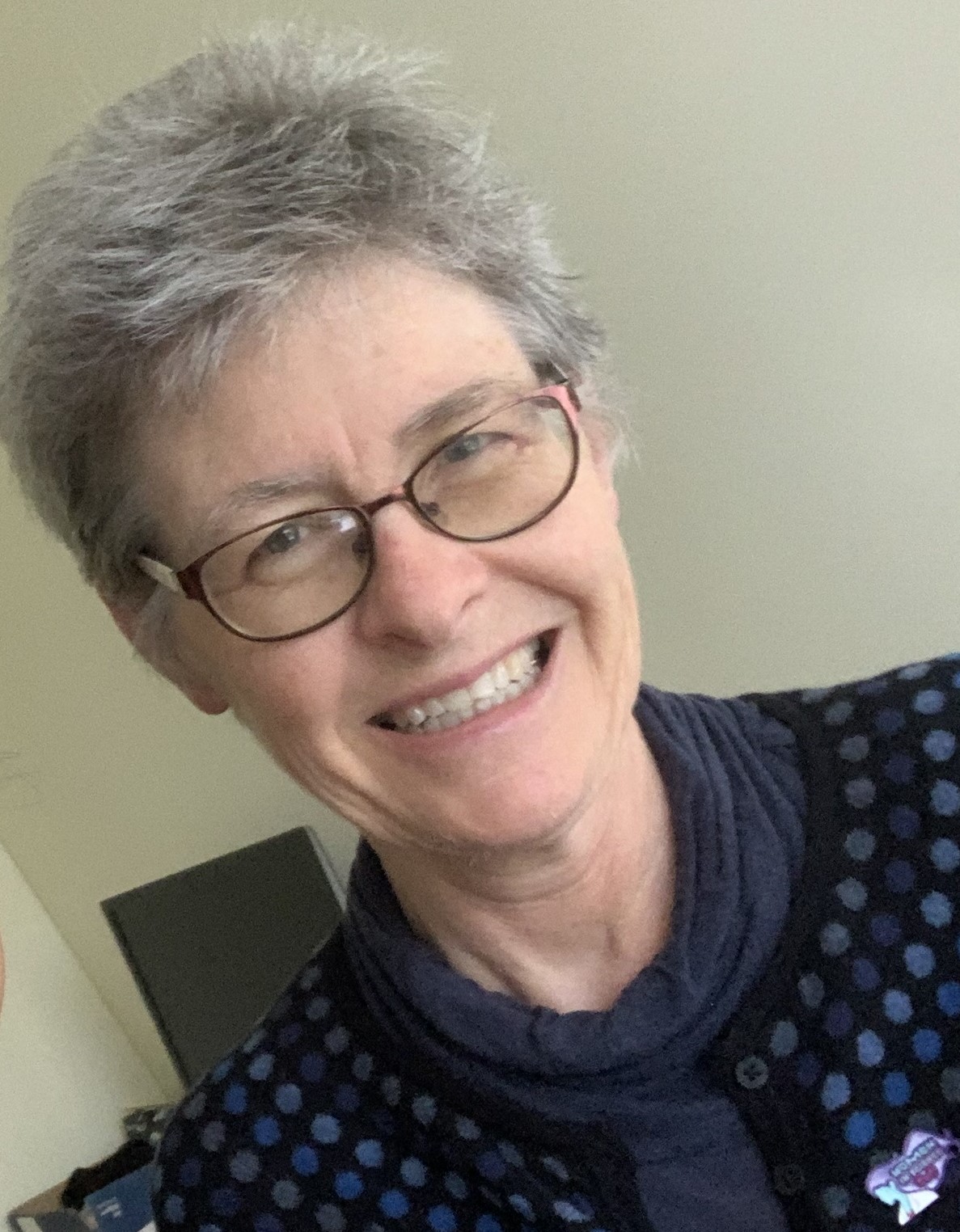
Tonya Watson is a Clinical Assistant Professor at the University of California, Berkeley , affiliated with the School of Optometry . She teaches optometry courses (441A-C) specializing in primary care and pediatrics clinics. Research Interests: Effect of socio-economic status on prefrontal cortex development Longitudinal vision function in children with cortical visual impairment (CVI) Vision assessment in preschoolers Publication Trends: Her work focuses on pediatric vision disorders, particularly CVI, using electrophysiological and behavioral assessments. Key themes include developmental neuroscience, vision therapy, and clinical diagnostics. Professional Affiliations: UC Berkeley Primary Care Clinic, Infant/Toddler Clinic, and Marin Community Center Optometry Clinic.
Dr. Michelle Hennelly is an Associate Professor and Head of the Department of Optometry and Visual Science at City St George's, University of London. She leads the Independent Prescribing Programme and contributes to undergraduate teaching in eye disease and therapeutics. Her academic leadership spans decades, including prior roles as MSc Programme Director for Clinical Optometry and Advanced Ophthalmic Nurse Practitioner programmes. Her educational background includes a BSc (Hons) in Ophthalmic Optics from Cardiff University, pre-registration training at Moorfields Eye Hospital, and a PhD from City, University of London on the light scattering characteristics of the eye. She holds postgraduate training in independent prescribing from Salus University, USA. Dr. Hennelly's research focuses on optometry prescribing , curriculum development in multidisciplinary eye care , and reducing blindness in sub-Saharan Africa . Her work bridges clinical optometry with global health education, emphasizing capacity building and standardized training across countries like Tanzania, Ghana, and Botswana. The recent publications reflect her dual focus: advancing clinical optometric practice (e.g., refractive error assessment, myopia detection) and promoting global eye health education through technology and curriculum design. Her articles span vision science, aging effects on vision, and practical clinical guidelines for eye care professionals. Fellow of the College of Optometrists (2019) Senior Fellow of the Higher Education Academy (2020) Dr. Hennelly has supervised numerous undergraduate and postgraduate dissertations and has coordinated continuing education programs with Optometry Today. She is actively involved in academic governance as a member of programme committees and benchmarking panels. Internationally, she serves as Consultant Editor and Editorial Board Member for the Community Eye Health journal, which reaches over 35,000 eye care workers globally. She also contributes to the Human Resource for Eye Health Network and advises the European Academy of Optometry and Optics. She leads the Contact Lens Referral Clinic at City and has played a pivotal role in developing accredited Masters programmes in clinical optometry. Her work with VISION 2020 and the London School of Hygiene & Tropical Medicine highlights her commitment to equitable eye care education worldwide.
Professor Barbara Ryan is a Professor of Optometric Practice at Cardiff University's School of Optometry and Vision Sciences. She serves as Director of the Centre for Vision Services Research and Clinical Lead for teaching clinics across Wales. Her academic roles include Deputy Head of School (0.8FTE) and former Director of the Wales Optometry Postgraduate Education Centre (2009–2022). She also practices optometry part-time with Aneurin Bevan University Health Board. Ryan holds an MBE (2019) and has been pivotal in transforming low vision services in Wales, transitioning care from hospitals to community optometry practices. Her research focuses on improving eye care services, depression screening in vision impairment, and optometrist roles in primary care. Education and Qualifications: BSc Hons Optometry and Vision Science, City University (1991) PhD in Evaluation of Low Vision Services in the UK, Cardiff University (2010) Professional Certificates in Glaucoma, Therapeutic Prescribing, and Independent Prescribing Research Interests: Barbara Ryan’s work spans low vision service optimization, patient safety in eye care, and mental health integration in vision rehabilitation. She uses mixed-methods approaches to address challenges in primary and secondary eye care, including glaucoma and AMD management. Her studies highlight the need for depression screening in low-vision populations and evidence-based service delivery models. Grants and Awards: Health and Care Research Wales funding (multiple grants, 2011–present) NIHR Collaborator (2011–2014) MBE for services to optometry and eye care (2019) Labs and Teams: Directs the Centre for Vision Services Research, collaborating with four Welsh universities. Leads Teaching and Treatment Clinics across Wales, integrating clinical and academic expertise.
Dr Sheela Evangeline Kumaran is a postdoctoral research fellow at the School of Optometry and Vision Science, UNSW Sydney, with a PhD in Public Health and degrees in Optometry. Her research focuses on vision-related quality of life impacts, patient-reported outcome measures, and psychometric evaluation of eye conditions, particularly in aged care contexts. Education: PhD (Public Health), Flinders University, 2020 M Phil (Optometry), Elite School of Optometry, India, 2011 B S Optometry, Elite School of Optometry, India, 2009 Research Interests: Psychometric evaluation of vision-related quality of life Computer adaptive testing systems Health economics in aged care Impact of eye diseases on daily living Patient-reported outcome measures Low vision clinical practice Article Trends: Recent work includes sensory support interventions for aged care (2025), mental health impacts of macular disease (2024), and psychometric validation of cognitive assessment tools for vision impairment (2025) Longitudinal studies on public attitudes toward aged care funding (2021-2025) and cross-cultural quality-of-life item banks (Australia/India) Awards: Academic excellence (postgraduate research) international students award (2019) Australian Government Research Training Program Scholarship (2016) Research higher degree student publication awards (2017, 2019) Multiple early-career research prizes (2010-2011) Current research includes Macular Disease Foundation Australia-funded projects (2021-2023) and collaborations with national/international institutions on health systems and outcomes research. She serves on the UNSW Human Research Ethics Advisory Panel and contributes to the Royal Commission into Aged Care Quality and Safety.
Dr. Michael Gallaway is an Associate Professor at the Pennsylvania College of Optometry, part of Salus University. His primary role includes serving as Principal Investigator for the CITT-ART (Convergence Insufficiency Treatment Trial, Attention & Reading Trial) and overseeing pediatric/vision therapy residency education. He is also a Clinical Investigator in the PEDIG clinical trials for amblyopia treatment and leads research on vision screening protocols (VERA) and vision-related concussion effects. Dr. Gallaway holds a BS in Psychology from Carnegie-Mellon University, an OD from New England College of Optometry, and a Residency in Pediatric Optometry from the Pennsylvania College of Optometry. His clinical specialties focus on pediatric optometry, vision therapy, and managing vision deficits post-concussion or brain injury. His research interests center on convergence insufficiency, binocular vision disorders, and improving school vision screening efficacy. He has contributed extensively to randomized clinical trials evaluating treatment protocols for pediatric vision conditions. Key findings include the impact of vision therapy on academic behaviors and long-term treatment outcomes for convergence insufficiency. Dr. Gallaway actively participates in professional organizations such as the College of Optometrists in Vision Development (Fellow), American Academy of Optometry (Fellow), and American Optometric Association. His work bridges clinical practice and research, emphasizing evidence-based interventions for pediatric and neuro-optometric populations.
Claire Tochel is a Research Fellow at the Centre for Medical Informatics within the Usher Institute, College of Medicine and Veterinary Medicine, University of Edinburgh. Her work focuses on medical informatics applications in ophthalmology, diabetes, cardiovascular disease, and neurodegenerative disorders using retinal imaging and large-scale health data. Her primary research interests include: Medical Informatics Ophthalmology and Optometry Diabetes and its complications Cardiovascular Disease Neurodegenerative Diseases Retinal Imaging biomarkers Systematic Reviews Epidemiology and population health Recent publications demonstrate trends in leveraging retinal vascular patterns for systemic disease prediction, analyzing microvascular complications in diabetes during infectious outbreaks like COVID-19, and developing novel data linkage methodologies. Her work frequently utilizes UK Biobank data and the Scottish Collaborative Optometry-Ophthalmology network (SCONe) repository. Scientific Awards: No scientific awards were mentioned in the provided sources. Advising and Grants: No information on student advising or research grants was found. Labs and Teams: Active contributor to the Scottish Collaborative Optometry-Ophthalmology network (SCONe), developing community-acquired retinal image repositories. Core member of the Centre for Medical Informatics at the University of Edinburgh, focusing on data-driven population health research.
Professor John G. Lawrenson is an active faculty member at City, University of London (School of Health Sciences), where he conducts internationally recognised research in ophthalmic public health, evidence-based optometry and health-services evaluation. His work spans systematic reviews, randomised trials, economic evaluations and consensus exercises, all aimed at improving eye-care delivery and patient outcomes. Education: While the text does not detail Professor Lawrenson’s academic history, his prolific publication record in peer-reviewed journals and his role as senior author on Cochrane reviews indicate advanced clinical and research training in optometry and vision science. Research interests Optimising diabetic retinopathy screening uptake and cost-effectiveness Evaluating interventions to slow myopia progression in children Developing and validating glaucoma case-finding technologies Assessing antioxidant and blue-light filtering interventions for age-related macular degeneration Understanding barriers to medication adherence in glaucoma patients Using tele-ophthalmology and artificial intelligence to enhance community eye-care pathways Publication trends Across 2023-2025 Professor Lawrenson has led or co-authored more than 25 outputs. These include high-impact systematic reviews in Cochrane Database of Systematic Reviews and Health Technology Assessment , consensus statements on myopia management, and original diagnostic studies on angle-closure glaucoma technologies. Thematically, his recent work clusters around three pillars: (1) comparative effectiveness and cost-effectiveness of anti-VEGF therapies in diabetic eye disease; (2) evidence synthesis for myopia-control strategies; and (3) implementation-science approaches to improve uptake of screening and adherence to treatment. Scientific awards & recognition While specific prizes are not listed in the supplied text, Professor Lawrenson has co-chaired the 2024 UK & Ireland Delphi consensus on myopia management and is frequently invited to deliver keynote presentations at ARVO and European Academy of Optometry & Optics meetings. Collaborations & grants He leads multi-centre teams funded by the NIHR, the Cochrane Eyes and Vision Group, and the WHO Package of Eye Care Interventions initiative. Key partners include Moorfields Eye Hospital, Manchester Royal Eye Hospital, and international collaborators in India, Italy, Canada and East Africa. Laboratories & teams At City, University of London, Professor Lawrenson heads a research group that integrates systematic-review methodology, health-economics modelling and clinical validation studies. The group supports postgraduate researchers and collaborates closely with the Centre for Health Services Research within the School of Health Sciences.
Dr. R. Daniel Bonfil serves as Professor and Chair of the Division of Pathology at Nova Southeastern University's Dr. Kiran C. Patel College of Allopathic Medicine, where he joined in 2017 after a 15-year tenure at Wayne State University School of Medicine. At NSU, he actively teaches across multiple health science programs including MD, Osteopathic Medicine, Dental Medicine, and Optometry curricula, demonstrating his commitment to interdisciplinary medical education. Dr. Bonfil earned his Licentiate (equivalent to combined B.Sc. and M.Sc. in the United States) and Ph.D. from the University of Buenos Aires, Argentina, followed by post-doctoral training at the Fox Chase Cancer Center in Philadelphia. Prior to his U.S. appointments, he served as a Tenured Research Investigator at Argentina's National Council for Scientific and Technological Research (CONICET), directing research groups at the National Academy of Medicine and Center for Pharmacological Studies (CEFYBO). A leading expert in Cancer Biology, Dr. Bonfil's research focuses on elucidating mechanisms of cancer invasion, metastasis, and angiogenesis, with particular emphasis on bone metastasis in prostate and breast cancers. His pioneering work on 'concomitant antitumor resistance' laid foundations for anti-angiogenic cancer therapies including Avastin. Current research examines receptor tyrosine kinases like c-kit and discoidin domain receptors (DDRs) in tumor microenvironment interactions, with recent publications exploring DDR1's role in prostate cancer aggressiveness and liquid biopsy applications. Analysis of Dr. Bonfil's publication record reveals a consistent trajectory from fundamental molecular mechanisms to translational applications, with increasing focus on prostate cancer biology, circulating tumor cells, and novel therapeutic targets. His work bridges laboratory discoveries with clinical relevance, particularly in understanding how cancer cells interact with bone tissue during metastasis. Dr. Bonfil serves on the Editorial Board of three medical journals and as Editor of the Section Oncologic Pathology for Current Oncology, reflecting his standing in the scientific community. He has contributed as a reviewer for numerous health sciences journals and served on Department of Defense (DOD) Study Sections evaluating cancer research proposals. Throughout his career, Dr. Bonfil has directed numerous Ph.D. theses and mentored postdoctoral, master's, and undergraduate students. His research has been substantially funded by National Institutes of Health (NIH) and Department of Defense (DoD) grants, supporting an active laboratory investigating prostate cancer bone metastasis mechanisms for over 15 years at Wayne State University before continuing this work at NSU. Dr. Bonfil's laboratory maintains a strong focus on tumor microenvironment interactions, particularly examining how matrix metalloproteinases and receptor tyrosine kinases facilitate cancer progression in bone. Current research directions include liquid biopsy approaches for prostate cancer interrogation and further exploration of DDR signaling pathways as potential therapeutic targets, demonstrating his commitment to advancing both basic science understanding and clinical applications in cancer metastasis.
Dr Jack Phu is a Clinician-Scientist at the University of New South Wales , affiliated with the School of Optometry and Vision Science and the Centre for Eye Health Research Group . His work spans clinical, research, and teaching domains, with a focus on glaucoma and visual system health care delivery. Bachelor of Optometry (Honours 1st Class)/Bachelor of Science, University of New South Wales (2011) Master of Public Health, University of Sydney (2014) Doctor of Philosophy (Vision Science), University of New South Wales (2018) Research interests integrate basic science (psychophysics, statistical methods), clinical science (structural/functional testing of visual pathways), and health care pathway innovation . His work aims to optimize patient care through novel testing paradigms and community health delivery models. Scientific awards include: Brian Kirby Prize (2019) Dean of Science Excellence (2018) Teaching Fellowship (2017) Australian Postgraduate Award (2007-2011) Grants awarded: 2022-2024 NHMRC Ideas Grant (CIE), 2020-2022 NHMRC Ideas Grant (CIB), and multiple travel/fellowship grants.
Stephanie Kearney is a Senior Lecturer in Vision Sciences at Glasgow Caledonian University. Her research focuses on myopia management, childhood myopia interventions, and refractive error epidemiology. Affiliation: Glasgow Caledonian University, Department of Vision Sciences Her recent work explores: Light therapy applications for myopia progression Myopia-related visual impairment risk communication Health economics of childhood myopia correction UK clinical consensus guidelines for myopia management Key collaborative projects include: "Light therapy as a novel treatment for childhood myopia" (Research Grant) "CHildhood Atropine for Myopia Progression (CHAMP-UK)" She serves as a peer reviewer for Clinical and Experimental Optometry , Clinical Ophthalmology , and Contact Lens and Anterior Eye journals.
Dr. Maria Markoulli is an Associate Professor and Optometrist at the School of Optometry and Vision Science at the University of New South Wales (UNSW). She serves as Director of Learning and Teaching and previously held the position of Postgraduate Coordinator from 2017-2022. Dr. Markoulli is also the Academic Lead for the UNSW Dry Eye Clinic and serves as Deputy Editor for Clinical and Experimental Optometry. Dr. Markoulli's research program focuses on the tear film and cornea as accessible windows to better characterize, diagnose, and monitor ocular and systemic diseases. Her primary research interests include tear film biochemistry, ocular surface disease, dry eye disease, meibomian gland dysfunction, and the impact of systemic diseases such as diabetes, chronic kidney disease, and chemotherapy on corneal nerves and tear film composition. She also investigates contact lens-related adverse events and nutritional influences on ocular health. Analysis of Dr. Markoulli's recent publications reveals a strong focus on the intersection of systemic diseases and ocular surface health, with particular emphasis on diabetes and neuropathy. Her research employs advanced techniques including in-vivo corneal confocal microscopy to examine nerve morphology and tear film biomarkers. There is a clear progression toward more translational research, with increasing focus on therapeutic interventions including pharmacological approaches (SGLT2 inhibitors, metformin), nutraceuticals, and microbiome-based treatments for dry eye disease. Australian Council of Graduate Research Excellence in Graduate Research Leadership: Special Commendation (2022) UNSW Vice Chancellor's Award for Excellence in Higher Degree Research Leadership (2021) UNSW ARC Postgraduate Supervisor Award (2019) UNSW Women in Maths and Science Champion (2019) UNSW Vice-Chancellor's Award for Teaching Excellence (2017) Dr. Markoulli has demonstrated exceptional leadership in research supervision, receiving multiple awards for her mentorship of graduate students. She has served on numerous committees including the TFOS Young Investigator committee, TFOS International Workshop on Contact Lens Discomfort Subcommittee, and TFOS Dry Eye Workshop II Subcommittee. Her research has been supported by various grants including the UNSW Early Career Researchers grant and the Juvenile Diabetes Research Foundation travel grant. She actively contributes to the academic community as a board member of The Optical Foundation and through editorial work as Deputy Editor of Clinical and Experimental Optometry. Dr. Markoulli leads the Ocular Surface Research group at UNSW, which focuses on dry eye disease, contact lenses, corneal innervation, and symptoms. Her team collaborates with researchers across disciplines to investigate biomarkers of ocular surface disease related to diabetes, obesity, nutrition, multiple sclerosis, migraines, and chemotherapy-induced peripheral neuropathy. The research group maintains strong connections with international organizations including the Tear Film and Ocular Surface Society (TFOS) and professional associations worldwide.
Associate Professor Michele Catherine Madigan , affiliated with the School of Optometry and Vision Science at the University of New South Wales , is a leading researcher in ocular pathogenesis spanning development to aging. Her work focuses on three core areas: Ocular tumor microenvironment, particularly uveal melanoma therapy development Age-related retinal and choroidal changes in AMD Meibomian gland biology in dry eye disease . Her research approach combines human donor tissue analysis with in vitro models to study disease mechanisms. Key methodologies include Transcriptomic profiling of ocular cells Environmental challenge models for ocular surface Melanocyte biology in tumor and aging contexts Specializing in ocular anatomy and immunology, she advances understanding of posterior eye inflammation and therapeutic interventions. Recent publications highlight her expertise in ocular aging markers, environmental pollutant impacts on eye health, and transcriptomic approaches to retinal degeneration. Her work reveals connections between Melanocortin system regulation Smoke exposure effects on ocular surface Metabolic pathways in photoreceptor protection These studies demonstrate her commitment to translational vision science. Scientific recognition includes: 2021 Scientia Education Academy Highly Commended for student engagement 2020 Dean’s Excellence Award for Diversity & Inclusion Multiple School-level Community Engagement Awards Her research is supported by ARC Discovery Grants and Ophthalmic Research Institute of Australia funding.
Denise Goodwin, OD, FAAO, is a Professor at Pacific University College of Optometry. She serves as the Coordinator of the Neuro-ophthalmic Disease Referral Service, advises third-year students in primary care clinic, and works one day weekly in private practice. Her teaching portfolio includes Functional Neuroanatomy, Neurobiology, Neuro-ophthalmic Emergencies, Optic Nerve Disease, Ophthalmic Imaging, and Ocular Anatomy. Education: Teaching Fellow (Pacific University, 1998-99), OD (Pacific University, 1998), BS (Pacific University, 1996) Contact: goodwin@pacificu.edu | Office: Jefferson Hall 304 Dr. Goodwin's research focuses on neuro-ophthalmic and ocular diseases. She has developed online continuing education courses, lectured globally, and contributed to publications in her field, including revisions to the Cornea chapter in Clinical Ocular Pharmacology (Bartlett & Jaanus). Her clinical work combines academic teaching, student mentorship, and patient care. Personal interests include outdoor activities like hiking and skiing. She emphasizes: "Teaching at the College of Optometry gives me the opportunity to interact with some of the most intelligent people in our community – both doctors and students. It seems I learn something new everyday."
Bipasha Choudhury is a Senior Lecturer in Anatomy at the University of Manchester, specializing in medical education. She teaches topographical anatomy and related disciplines across medicine, dentistry, optometry, midwifery, and life sciences programs, while also leading physiology and pharmacology practical skills training. As Deputy Programme Director for the Postgraduate Certificate in Medical and Health Education, she contributes to curriculum design and leadership in pedagogy. PhD in Medical Education (2017), University of Manchester MBChB (2003), University of Manchester Her research focuses on anatomy teaching , formative assessment , and e-learning , with recent work exploring artificial intelligence in medical education , interdisciplinary assessment strategies , and disorientating dilemmas in educator reflection . Her publications highlight innovative approaches to feedback mechanisms and global healthcare educator development. Scientific Awards : Symington Memorial Prize in Anatomy (2024) Teaching Excellence Award (2024) for Educational Leadership and Flexible Learning & Digital Delivery She organizes meetings for the British Association of Clinical Anatomists and serves as External Examiner at the American University of the Caribbean and former External Examiner at the University of Glasgow. Her work aligns with UN Sustainable Development Goals related to quality education and healthcare innovation.
Bhavina Patel is a Postgraduate Lecturer at City St George's, University of London, specializing in independent prescribing. She works as an Independent Prescribing (IP) optometrist and Clinical Lead/Senior Triager for SE London's Primary Ophthalmic Solutions, focusing on community and hospital ophthalmic services. Education: BSc in Optometry from Aston University (2001) and University College London (1998), Postgraduate Diploma in Clinical Optometry from Cardiff University (2020). Clinical Expertise: Glaucoma practitioner, medical retina, low vision, paediatric optometry, and minor eye conditions. Her research interests align with advancing optometric practice in community and hospital settings, including clinical governance, triaging systems, and expanding independent prescribing protocols. She leads educational programs for healthcare professionals and contributes to refining ophthalmic referral pathways. Leadership Roles: Clinical Governance and Performance Lead for Primary Ophthalmic Solutions, Senior Optometrist and Clinical Lead at R Woodfall Opticians, Specialist Optometrist at Guys and St Thomas Hospital Trust. Professional Certifications: Diplomas and certificates in glaucoma, independent prescribing, paediatrics, low vision, and medical retina from the College of Optometrists.