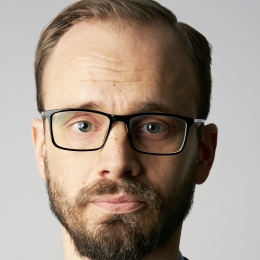
Karl Gustafsson is a Professor at Stockholm University within the Department of Economic History and International Relations. His work bridges security studies , collective memory , and digital research methods in international relations. Current Role: Professor of International Relations, Stockholm University Previous Positions: Post-Doc at Lund University, Researcher at Swedish Institute of International Affairs Visiting Appointments: University of Tokyo, Osaka University, Keio University, Academia Sinica, Nordic Institute of Asian Studies Research Focus: Karl specializes in memory politics , ontological security , and anxiety-driven international dynamics , particularly in Sino-Japanese relations and digital platforms . His studies explore how historical narratives and online memory construction influence state identity and policy. Awards & Grants: Recipient of the Wang Gungwu Prize (2014) and Stockholm University Association’s award (2011). Holds Swedish Research Council and Marianne & Marcus Wallenberg Foundation grants for projects on apologies in international politics and digital memory in East Asia . Publications: His work appears in journals such as International Studies Quarterly , European Journal of International Relations , and Memory Studies , addressing topics like narrative power in East Asia, anxiety’s role in policy change , and digital humanities applications in IR.
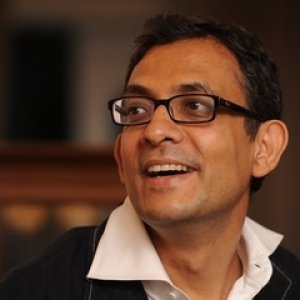
Abhijit Banerjee is the Ford Foundation International Professor of Economics at MIT and Director of the Abdul Latif Jameel Poverty Action Lab (J-PAL). A 2019 Nobel laureate in Economic Sciences, his research focuses on development economics, political economy, and poverty alleviation. He co-authored influential books like Poor Economics and Good Economics for Hard Times , emphasizing evidence-based policies and randomized controlled trials. Banerjee’s work addresses global challenges such as education, health, and social welfare, with notable contributions to microfinance, public health interventions, and anti-poverty programs. He holds leadership roles in global initiatives like the Global Education Evidence Advisory Panel and has advised governments worldwide. His research spans topics from police resource allocation in India to the impact of information during crises like demonetization and the pandemic. Education: Bachelor’s in Statistics, Presidency College, Kolkata M.A. in Economics, Jawaharlal Nehru University PhD in Economics, Harvard University Key Contributions: Co-founder of J-PAL, promoting evidence-based poverty reduction strategies. Pioneer in using randomized controlled trials (RCTs) for policy evaluation. Research on microfinance, education reforms, and health interventions in developing countries. Awards: Nobel Prize in Economics (2019), Infosys Prize in Social Sciences (2009), Member of the National Academy of Sciences (2020). Grants/Advisory Roles: Collaborations with institutions like the World Bank, UN, and governments on poverty, health, and education policies. Labs/Teams: J-PAL global network, Abdul Latif Jameel Poverty Action Lab.
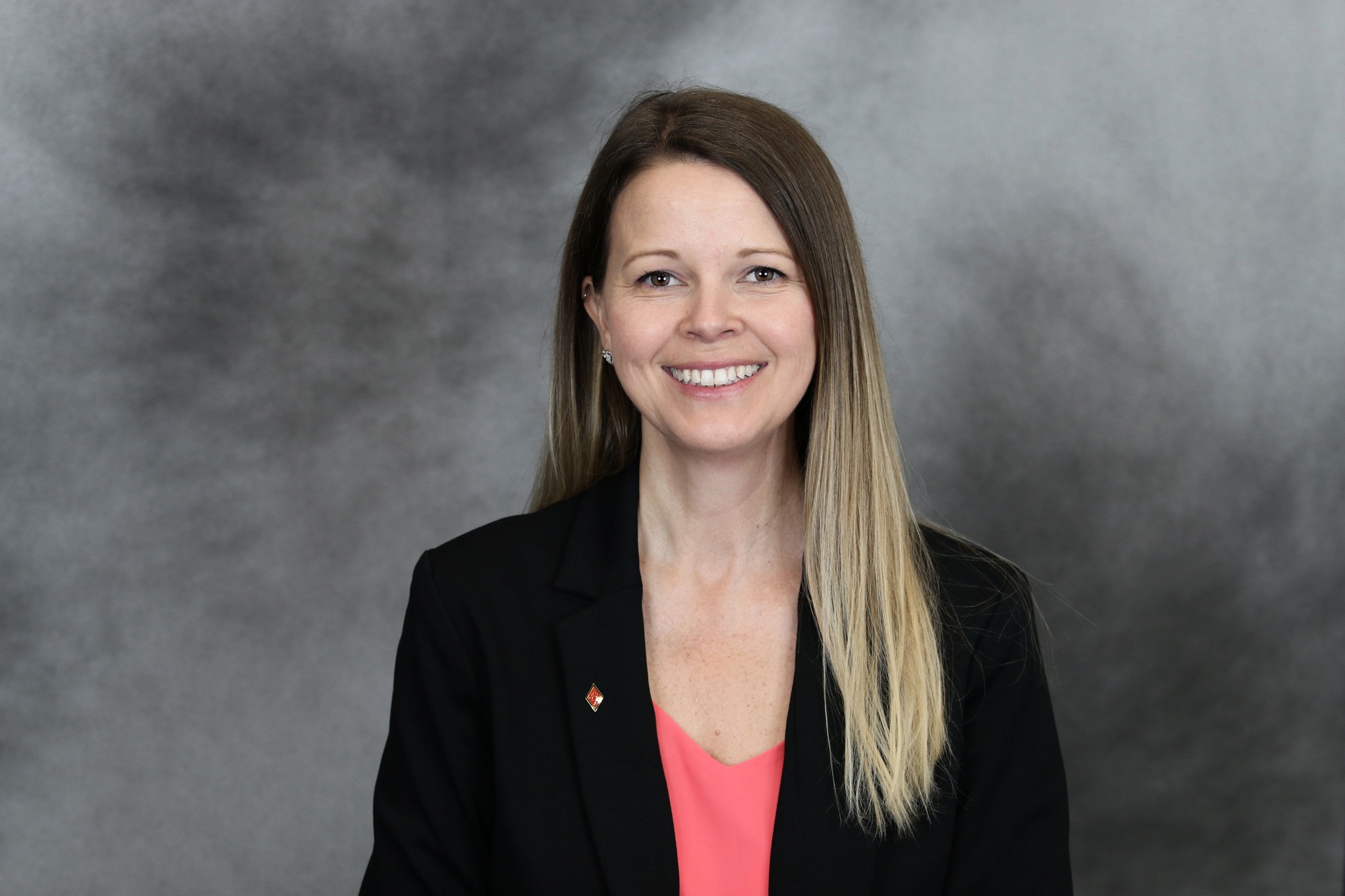
Jillian Bohlen is an Associate Professor at the University of Georgia within the College of Agricultural & Environmental Sciences , specifically the Department of Animal and Dairy Science . Her work focuses on dairy cattle reproduction, teaching, and youth development in agricultural sciences. Education: B.S. in Dairy Science, University of Georgia (2003) M.S. in Dairy Science, University of Georgia (2005) Ph.D. in Animal Sciences, Clemson University (2012) Dr. Bohlen's research emphasizes applied reproduction in cattle , including synchronization techniques, ultrasound applications in reproductive programs, and embryo competency. She integrates students into all research projects despite lacking a formal research appointment. Her teaching interests span dairy cattle production , reproductive management , and contemporary agricultural issues , with courses like ADSC 3620 (Dairy Cattle Production), ADSC 4010 (Issues in Animal Agriculture), and ADSC 4410 (Applied Reproductive Management). Scientific awards include: Student Career Success Influencer Award (2024) Russell Award for Excellence in Undergraduate Teaching (2023) UGA Creative Teaching Award (2022) CAES Early Career Teaching Award (2022) Hoard's Dairyman Youth Development Award (2021) Larry Benyshek Teaching Award (2017) She actively promotes agricultural education through programs like the Commercial Heifer Project , Dairy Cattle Judging , and Dairy Quiz Bowl . Additionally, she participates in funded projects related to methane emissions , heat stress mitigation , and antibiotic alternatives in dairy farming.
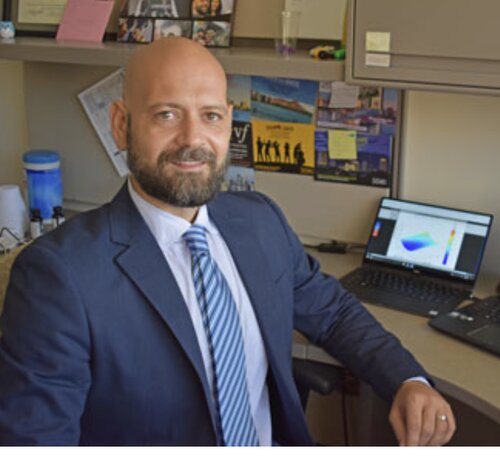
Pasquale Bottalico serves as Associate Professor in the Department of Speech and Hearing Science at the University of Illinois, with dual appointments as Associate Professor at the Center for Latin American and Caribbean Studies and Affiliate Faculty in the School of Music. His unique interdisciplinary profile bridges engineering, music performance, and speech science, reflecting his dual academic training and professional artistry. His educational foundation includes: Bachelor's in Telecommunications Engineering from Univeristà Mediterranea di Reggio Calabria, Italy Concurrent Opera Singing degree from F. Cilea Music Academy, Reggio Calabria Master's in Telecommunications Engineering from Politecnico di Torino, Italy Ph.D. in Metrology specializing in acoustics measurement uncertainty and classroom acoustics Dr. Bottalico's research centers on vocal load quantification and professional voice techniques , with significant contributions to understanding vocal fatigue in teachers and singers. His work spans Speech Intelligibility in educational environments, Room Acoustics for performance and learning spaces, and Musical Acoustics of historical vocal styles. A distinctive thread throughout his research examines how acoustic conditions modulate voice production and perception, increasingly incorporating virtual reality and bone conduction technologies for innovative assessment and intervention approaches. His Colombian vocal health study demonstrates cross-cultural applications of his work. Analysis of his 2023-2025 publications reveals three dominant research trajectories: (1) The impact of noise and dysphonia on children's speech processing in educational settings, using multimodal assessment including EEG; (2) Virtual reality applications for voice production research and therapeutic intervention; (3) Cross-cultural validation of vocal fatigue metrics and development of biofeedback systems. His work consistently bridges engineering precision with clinical applicability, particularly for professional voice users in challenging acoustic environments. No scientific awards were documented in the available information. While specific advising relationships aren't detailed, his research collaborations span international institutions including Colombian and Italian universities, suggesting graduate mentorship in interdisciplinary projects. No grant information was provided, though his systematic reviews and cross-cultural studies imply externally funded research activities. Though no dedicated laboratory is specified, his virtual reality voice studies and acoustic parameter assessments suggest affiliations with audio engineering facilities and voice clinics, likely through the Speech and Hearing Science department's research infrastructure.
Brett Welch is an Assistant Professor and Biostatistician at the University of Houston with dual appointments in the Department of Communication Sciences and Disorders and the Department of Psychological, Health, and Learning Sciences within the College of Liberal Arts and Social Sciences. Dr. Welch's educational background includes: Ph.D. in Communication Science and Disorders from the University of Pittsburgh M.S. in Communication Sciences and Disorders from the University of Texas Rio Grande Valley B.S. in Linguistics from the University of Texas at Austin B.A. in Communication Sciences and Disorders – Speech-Language Pathology from the University of Texas at Austin Dr. Welch's research sits at the intersection of psychology and communication. He seeks to understand how psychological processes like personality and psychopathology influence communication behaviors, and conversely, how communication behaviors impact psycho-social well-being. His work leverages quantitative methods, cross-sectional studies, and intensive longitudinal designs to interrogate the dynamic interplay between psychological processes and voice and communication behaviors. This research aims to advance understanding of functional voice disorders, improve assessment of psychopathology, and promote well-being for people with and without communication disorders. Dr. Welch has received several notable awards: Honors Council of Academic Programs in Communication Sciences and Disorders PhD Scholarship (2024) New Century Scholars Doctoral Scholarship from the American Speech-Language-Hearing Foundation (2023) New Investigator Forum from The Voice Foundation (2021) As an academic, Dr. Welch serves as an ad hoc peer reviewer for various scientific journals in speech-language pathology and psychology. He is also a mentor in the Students to Empowered Professional Mentoring Program and a member of the American Speech-Language-Hearing Association. His teaching includes Special Problems: Introduction to Quantitative Modeling (COMD 8398). Dr. Welch maintains an active research program focused on the intersection of psychology and communication, with particular emphasis on voice disorders and their psychological correlates. His work combines biostatistical approaches with clinical insights to advance understanding in this specialized field.
Qianwen Wang is a tenure-track Assistant Professor in the Computer Science department at the University of Minnesota, Twin Cities. Her research combines interactive visualization with interpretable machine learning to foster intuitive, efficient, and reliable Human-AI collaboration. She actively seeks motivated students, research assistants, and interns to join her dynamic research team at UMN CS. Dr. Wang's research focuses on three primary themes: Human-AI Collaboration, where she designs tools to facilitate Human-AI interaction; Automatic & Intelligent Visualization, where she develops techniques to make visualizations accurately interpreted and easily used; and VIS+(X)AI in Biomed/Healthcare, where she studies how visualization and explainable AI can promote scientific discoveries in biomedicine and healthcare. Her work has made significant contributions to visualization, human-computer interaction, and bioinformatics, with particular applications in biomedical knowledge graphs and single-cell omics analysis. Her recent publications demonstrate a strong trend toward integrating visualization with large language models and graph neural networks for biomedical applications. She has published extensively at top venues including IEEE VIS, ACM CHI, and Nature Medicine, with a focus on making AI systems more interpretable and useful for domain experts, particularly in healthcare contexts. Her work often bridges theoretical advances in visualization with practical applications in genomics and healthcare. Two IEEE VIS Honorable Mention Awards (2022, 2024) Best Paper Award from IMLH@ICML 2021 Two Best Abstract Awards from BioVis ISMB (2021, 2022) HDSI Postdoctoral Research Fund Award Research covered by MIT News and Nature Technology Features Dr. Wang actively contributes to the academic community through service roles including General Chair for ISMB BioVis, VisNotes and Poster Chair for IEEE PacificVis, and Program Committee member for IEEE VIS, ACM CHI, and ACM IUI. Her research has been supported by various grants that enable her team to develop innovative visualization techniques and explore their practical applications in biomedical domains. Her research group maintains an active presence in the visualization and HCI communities, with members participating in major conferences and workshops. The lab focuses on creating tools that bridge the gap between complex AI models and human understanding, with particular emphasis on making these technologies accessible and useful for domain experts in biomedical research.
Melvyn R.W. Hamstra is a Full Professor at IÉSEG School of Management in France since 2023. His academic career includes roles as Associate Professor (2021–2023) and Assistant Professor (2020–2021) at IÉSEG, as well as Assistant Professor positions at the University of Maastricht (2015–2020) and the University of Amsterdam (2013–2015). He holds a Ph.D. in Behavioural and Social Sciences from the University of Groningen (2013), preceded by a Master’s (2009) and Bachelor’s (2007) in Psychology from the same institution. Research Interests : His work centers on organizational behavior, leadership, and employee motivation, with a strong emphasis on regulatory focus theory, employee voice dynamics, and knowledge management. Key themes include how leadership styles (e.g., promotion vs. prevention focus) influence team innovation, conflict resolution, and workplace morale. Publication Trends : Recent publications (2025–2024) explore topics such as gender bias in leadership evaluation, financial stress and counterproductive behavior, ethical conflict in teams, and the dual-edged role of humor in workplace negotiations. His longitudinal studies on religious engagement and life satisfaction, as well as theoretical models on knowledge withholding, highlight interdisciplinary breadth. Teaching : He contributes to bachelor and master’s programs at IÉSEG, focusing on leadership development, positive leadership, and organizational learning.
Susan L. Burns is a Professor at the University of Chicago, where she holds appointments in the Department of History, Department of East Asian Languages and Civilizations, and The College. She currently serves as Department Chair and Chair of the Undergraduate Studies Committee. Education: PhD, University of Chicago (1994) Her research focuses on Japan’s nineteenth-century social history, emphasizing intellectual and cultural practices, the intersection of medicine and public health, gender analysis, and legal discourses. She explores continuities between Japan’s early modern and modern eras, particularly how medical and legal frameworks shaped national identity. Recent publications span leprosy’s impact on citizenship, the rise of medical marketplaces, and gendered dimensions of reproductive health. Her digital humanities work on Mapping Medical Tokyo integrates GIS and text mining for historical analysis. Scientific Awards: Fulbright-Hays Fellowship IIE Fulbright Japan Foundation Japan Society for the Promotion of Science National Endowment for the Humanities She has secured grants for research on medical commodities, psychiatric practices, and the spatial dimensions of Meiji-era health policies. Her courses include Gender and Japanese History and Medicine and Culture in East Asia .
Terry C. Lansdown is an Associate Professor in the School of Social Sciences and Department of Psychology at Heriot-Watt University. His expertise lies in Human Factors, particularly focusing on driver safety, workload management, and attentional distraction in transportation contexts. Prior to his academic role, he worked as a senior researcher at the Transport Research Laboratory, contributing to numerous EU-funded and government-sponsored projects. His research integrates ergonomics principles with real-world applications, addressing issues like automated driving systems, social distractions in vehicles, and occupational health in construction industries. Key research interests include: Driver behavior and road safety Human factors in automated systems Workload and attentional demands in complex tasks Health and safety in small-to-medium enterprises (SMEs) He has led studies on pandemic response strategies, such as the CHARIS project analyzing behavioral adherence during the COVID-19 crisis. Lansdown’s work frequently bridges psychological theory with practical interventions, including text messaging campaigns to improve construction worker safety and experimental designs to evaluate automation failure responses. Collaborations span academic and industrial sectors, with publications addressing topics ranging from UV exposure in outdoor workers to the cognitive impacts of in-vehicle distractions. His contributions align with UN Sustainable Development Goals related to health (SDG 3) and sustainable cities (SDG 11).
Ceren Budak is an Associate Professor at the University of Michigan School of Information and holds a joint appointment as Associate Professor of Electrical Engineering and Computer Science in the College of Engineering. Her work bridges computer science, statistics, and social sciences through computational social science approaches. Her educational background includes a PhD in Computer Science from the University of California, Santa Barbara (2012) and a Bachelors degree in Computer Science from Bilkent University in Turkey (2007). Prior to joining the University of Michigan faculty, she was a Postdoctoral Researcher at Microsoft Research New York. Professor Budak's research centers on computational social science, with particular emphasis on analyzing large-scale datasets to address questions with social, political, and policy implications. Her work spans several interconnected domains: News Media Production & Consumption (examining bias in news outlets and reader preferences), Social Movements & Media (using social media data to study collective action), Social Networks (understanding information diffusion processes), and Measuring and Promoting the Quality of Online Discussions (developing tools to improve online conversations). She teaches SI 608 (Networks) and SI 618 (Data Manipulation and Analysis) at the School of Information. Her publication record demonstrates consistent contributions to understanding how online information ecosystems operate, with recent work focusing on AI-human collaboration, misinformation dynamics, social movement framing, and the application of computational methods to political communication. Her research shows a clear trajectory from foundational work on social network diffusion to increasingly sophisticated analyses of contemporary information challenges. Among her service activities, she has served as Registration chair for COSN (ACM Conference on Online Social Networks) 2015 and as Program Committee Member for numerous prestigious conferences including WWW, ICWSM, WebSci, AAAI, and others. She has also been involved in organizing the MSR NYC Data Science Seminar Series and instructing the Microsoft Research Data Science Summer School.
Sabrina Furtado is a Lecturer in Sport Management and Dean’s Associate Fellow at Loughborough University’s School of Sport, Exercise and Health Sciences. She holds a BSc, MSc, and PhD. Previously, she taught at the Federal University of Paraná and State University of Santa Catarina in Brazil, focusing on sport management, sports law, and entrepreneurship in the sports sector. Her research focuses on sports governance, strategic planning, and policy development in public and private sports entities. Key areas include Olympic and Paralympic federations, sports financing, and the impact of media representation on disability inclusion. She contributes to the Sport, Business and Society and Lifestyle for Health and Wellbeing research groups, as well as the Inteligência Esportiva Research Institute . Recent work analyzes governance structures in Santa Catarina municipalities, business intelligence applications in sports management, and modernization processes in Brazilian Olympic federations. Her publications span topics like Paralympic organizational roles, media stigma in disability sports reporting, and funding mechanisms for sports initiatives. No scientific awards are mentioned. Sabrina advises master’s students on sport management and policy but no grant details are provided. Her current projects aim to strengthen sports policies and enhance stakeholders’ engagement in the sport system.
Dr. Rebecca Pratt is a tenured Professor in the Department of Foundational Medical Studies at Oakland University William Beaumont School of Medicine (OUWB), where she has been a faculty member since January 2018. She previously held professorial roles at Michigan State University College of Osteopathic Medicine (MSUCOM), where she taught anatomy, embryology, neuroanatomy, physiology, and histology, and served as Associate Professor and Director of Histology at the West Virginia School of Osteopathic Medicine. She also held appointments at Grand Valley State University and completed postdoctoral training at Purdue University. Ph.D., Cell Biology and Oncology, Purdue University B.S., Zoology and Botany/Plant Pathology, Michigan State University Dr. Pratt's research focuses on the fascial system and its role in whole-body health, including fascial continuity, muscle attachment, somatic pain transmission, and biochemical communication. She integrates radiology into anatomy education and advocates for evidence-based medical curricula. Her work bridges clinical anatomy, histology, embryology, and physiology with modern educational practices. Her recent publications reflect a strong emphasis on fascial anatomy, medical education innovation, and the integration of imaging in teaching. Themes include plastination, generational learning trends, and fascia’s role in women's health and athletic performance, published in journals like Clinical Anatomy and Anatomical Sciences Education , as well as in Women and Men’s Health and NIKE magazines. Scientific awards and honors include: Basmajian Award (American Association of Anatomy) Keith and Marion Moore Award (AAA) Five consecutive Golden Apple Teaching Awards at MSUCOM Golden Apple Award at OUWB Dr. Pratt has served in major leadership roles, including President of the International Fascia Research Society, Board Member of the American Association of Anatomy (AAA) and the American Association of Clinical Anatomy (AACA), and Chair of multiple AAA committees. She is a Visiting Anatomy Professor at Weill Cornell and St. George’s University School of Medicine, and faculty advisor for the Docapellas at OUWB. She has been an invited speaker internationally and contributed to high-impact projects like the BodyWorlds Fascial Net Plastination Project. She actively serves on OUWB’s Admissions and Student Promotion and Retention Committees. Dr. Pratt leads and organizes major international initiatives, including the Women's Clinical Health Summit in Rio de Janeiro (2024) and the Fascia Research Congress in New Orleans (2025), fostering global collaboration in fascial science. Her lab and research team focus on fascial anatomy and medical education, working closely with institutions in Italy (University of Padova) and Germany (BodyWorlds project).
Professor Tamsin Bradley is a leading academic in International Development Studies at the University of Portsmouth, affiliated with the School of Area Studies, Sociology, History, Politics and Literature. Her research focuses on ending violence against women and girls, social inclusion, and harmful cultural practices. She holds a PhD from SOAS, University of London, and has held roles at institutions like the University of East Anglia and London Metropolitan University before joining Portsmouth in 2011. She was promoted to Professor in 2017. Her work is supported by grants from the British Academy, ESRC, and AHRC. Bradley is also a Fellow of the Royal Anthropological Institute. She currently supervises two PhD students on ESRC-funded projects and collaborates with organizations like Plan International and Stop Domestic Abuse. Her research integrates applied social anthropology with policy-relevant outcomes, addressing issues such as FGM, breast ironing, and gender-based violence in South Asia and Africa. Education: Bachelor's in Politics and Study of Religion (SOAS, 1996) MA in Social Anthropology of Development (SOAS, 1997) PGCE (University of Cambridge) PhD (SOAS, 2006) Research Focus: Ending violence against women and girls, harmful cultural practices, gender and social inclusion in South Asia/Africa, humanitarianism in conflict zones. Key Grants: £300k from British Academy (2018) for the 'Art Heritage, Resilience and Humanitarianism in South Sudan' project. External Roles: Council member of British Association of South Asian Studies (2014–2016), Editorial Board member of African Identities . Media Availability: Actively engages with media on gender-based violence and development topics. Bradley’s work bridges academic research and practical solutions, emphasizing community-led approaches. Her recent publications highlight intersections between culture, conflict, and gendered violence, with a focus on marginalized communities in South Sudan, Sudan, and South Asia.
Jae Eun Chung is a Professor in the Department of Communication Studies at Howard University's School of Communications. Her research focuses on new media technologies, their psychosocial impacts, and health communication, with a particular emphasis on community engagement and digital discourse. Ph.D. in Communication from the University of Southern California M.A. in Telecommunications from Indiana University at Bloomington Dr. Chung's work explores the intersection of social media and health, analyzing how digital platforms influence public health perceptions, patient-doctor interactions, and health equity. She has published extensively in journals like Journal of Communication , Computers in Human Behavior , and Health Communication , often employing community-based participatory research (CBPR) to address disparities in asthma care, maternal health, and HPV-associated cancer awareness. Recent publications highlight trends in leveraging social media for health interventions, examining misinformation dynamics during crises like the COVID-19 pandemic, and analyzing digital ecosystems. Her methodological approaches include network analysis, narrative studies, and assessments of digital engagement metrics. Howard University RCMI Grant: Enhancing recruitment of African-Americans and Hispanics in health research NSF HDR Grant: Collaborative research on data analytics for community enrichment PACRI Grant: Improving health outcomes for asthmatic children in public housing Bezos Earth Fund: Indoor environmental quality disparities in underserved communities Dr. Chung collaborates with interdisciplinary teams, including public health experts and data scientists, to advance health communication strategies. She has mentored students and researchers in projects analyzing social media's role in health promotion, digital privacy, and community-academic partnerships.
Dr. Louise Alexander is an Associate Professor in Mental Health Nursing at Deakin University's School of Nursing & Midwifery (Faculty of Health). She holds prior academic roles including Senior Lecturer (ACU, 2018–2023) and Lecturer positions (ACU and Holmesglen Institute). Her research focuses on mental health nursing workforce sustainability, stigma reduction, simulation-based education, and curriculum development. Key interests include nurse resilience, pandemic impacts on healthcare workers, and improving student attitudes towards mental illness. Education: PhD from Deakin University; GCHE qualification Certifications: University of Melbourne's Emerging Leaders & Management Program (2021–2022) Teaching: Leads courses in forensic mental health, therapeutic communication, and health promotion Research Highlights: Recent work examines pandemic trauma among nurses, alcohol consumption trends post-COVID, and leadership's role in workforce retention. Her studies emphasize qualitative methods and integrative reviews to address systemic challenges in mental health nursing education and practice. Awards/Grants: No explicit awards listed; research supported by institutional collaborations. Active in developing transition-to-practice programs and evaluating simulation-based training efficacy. Labs/Teams: Collaborates with interdisciplinary teams on mental health workforce resilience and stigma reduction initiatives. Engages in national and international nursing education networks.