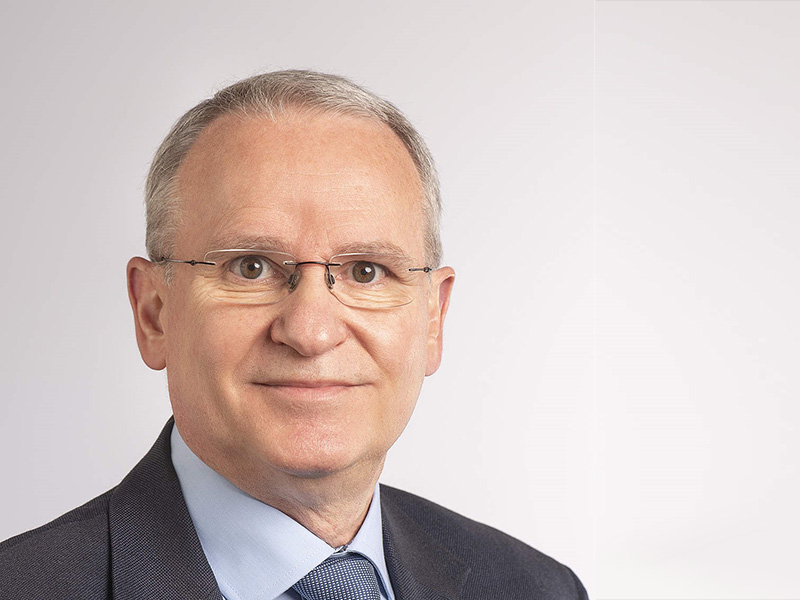
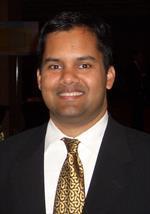
Tom Luk R Michoel is a Professor at the Computational Biology Unit within the Department of Informatics at the University of Bergen. His research focuses on bioinformatics, computational biology, and machine learning applied to understanding gene regulation and causal relationships in biological systems. He teaches in both the Bachelor and Master programs in Informatics, including courses like BINF301 and MNF130. Research Interests: Michoel’s work explores how genetic variation influences gene expression and disease mechanisms. He develops machine learning algorithms to infer causal gene regulatory networks from large-scale genomic data, emphasizing causal inference over mere correlations. His recent projects include analyzing plasma protein networks linked to cardiovascular disease and applying Bayesian networks to understand gene-disease associations. Publications: His most recent work (2025) focuses on causal protein networks in myocardial infarction risk and network-driven frameworks for coronary artery disease studies. He also contributes to methodological advancements like integrating graph neural networks with metabolic models. Current Activities: Michoel leads the development of tools like Findr.jl for network inference and teaches short courses on causal inference in drug discovery. His lab collaborates on projects involving single-cell analysis, multi-tissue genomics, and systems pharmacology.
Hamid Habibi is Professor in the Department of Biological Sciences at University of Calgary, with cross-appointment to the Libin Cardiovascular Institute. His research explores endocrine control of reproduction and growth in vertebrates, emphasizing gonadotropin regulation, GnRH applications, and environmental endocrine disruption using fish models. Awarded the Khwarizmi International Prize and UNESCO/TWAS professorship, his innovations include transgenic plant-based fish growth enhancement. Education includes a PhD and B.S. in Biological Sciences from University of Birmingham. Research integrates molecular endocrinology with environmental toxicology, examining GnRH functional diversity, thyroid-reproductive interactions, endocrine disruption mechanisms, and probiotic interventions against contaminants. Studies utilize goldfish and zebrafish models to dissect hypothalamic-pituitary-gonadal axis regulation. Recent publications demonstrate strong focus on endocrine disruptor impacts (BPA, glyphosate, phthalates) in aquatic models, thyroid-gonadal crosstalk, and probiotic mitigation strategies. Metabolomic/transcriptomic approaches reveal contaminant effects on reproduction and metabolism. Visiting Professorship, Università Politecnica delle Marche, Italy (2015) 18th Khwarazmi International Distinguished Research Award (2005) Grace Pickford Medal (2001) UNESCO/TWAS Professorship in Sustainable Development (2001) Leads projects on agrochemical impacts funded by NSERC and industry partners. Supervises graduate trainees in cellular/molecular biology techniques within the Aquatic Endocrinology Laboratory.
Besmir Tola is an Associate Professor at the Department of Information Security and Communication Technology, NTNU. His affiliations include the Faculty of Information Technology and Electrical Engineering, where he holds a permanent academic position. Previously, he served as an Assistant Professor (2020-2022), Researcher (2019-2020), and held a Marie S. Curie Fellowship (2015-2019) within the same institution. He earned his Master's from the University of Siena (Italy) and PhD from NTNU. His research focuses on dependability modeling of software-defined networks, performance analysis of virtualized networks, wireless security, and NFV orchestration. He has published extensively on topics like NFV service resilience, redundancy allocation, and network availability modeling. His work emphasizes practical solutions for carrier-grade service provisioning and network reliability in cloud-native architectures. Dr. Tola has collaborated with industry partners such as Nokia Bell Labs and SIKT (Norway), contributing to both academic and applied research. He is also an accredited Cisco Networking Academy instructor, teaching courses like Cisco Certified Network Associate and Cloud Security. His voluntary roles include leadership in IEEE NTNU Student Branch and PhD/postdoc advocacy organizations.
Nicole Thompson Gonzalez is an Assistant Professor in Integrative Anthropological Sciences at the University of California, Santa Barbara (UCSB). She co-directs the Kakamega Monkey Project and the Biobehavioral Health Laboratory at UCSB. Her research focuses on the interplay between social integration, health, and reproductive strategies in human and non-human primates, particularly chimpanzees and East African monkeys. She leads a cross-species/cross-cultural working group exploring how ecological and cultural factors shape aging patterns across genders and social statuses. Her work integrates life history theory with field-based observations and biomarker analyses. Key research themes include age-related social selectivity, immune system energetics, and health disparities. She emphasizes translational research bridging primate studies and human healthspan extension. Gonzalez also advocates for decolonizing conservation science through equitable collaboration with Indigenous communities. Her research affiliations include the Center for Aging and Longevity Studies (CALS) and the Neuroscience Research Institute at UCSB. She maintains active fieldwork sites in Uganda and Kenya, focusing on wild primate populations. Gonzalez’s methodological toolkit includes social network analysis, endocrinology, and ecological niche modeling.
Volko Straub is an Associate Professor in the Biological Sciences Department at the University of Leicester, where he has been affiliated since 2005. Previously, he served as an RCUK Research Fellow (2005-2010) and held postdoctoral roles at the University of Sussex (1998-2005), where he also earned his PhD. His research focuses on neurophysiological mechanisms in invertebrate models, particularly the pond snail Lymnaea stagnalis and the tardigrade Hypsibius dujardini. Key interests include neuronal plasticity, synaptic remodeling, and the role of nitric oxide (NO) signaling in learning and memory. He also investigates central pattern generator (CPG) circuits, neuromodulation, and purinergic receptor function in molluscs and other invertebrates. Dr. Straub's work bridges experimental and computational neuroscience, with studies on molecular mechanisms of memory, neuronal network dynamics, and the impact of aging on sensory processing. He serves as a national coordinator for the British Neuroscience Association's local groups, contributing to broader scientific community engagement. His research employs techniques ranging from transcriptomics to electrophysiological recordings and pharmacological assays. Notable contributions include elucidating NO-cGMP pathways in memory formation, characterizing P2X receptors in invertebrates, and modeling CPG circuitry in feeding behaviors. His interdisciplinary approach integrates molecular, cellular, and systems-level analyses to understand fundamental principles of nervous system function and plasticity.
Theocharis Ispoglou is a Reader in Nutrition & Muscle Health at the Carnegie School of Sport, Leeds Beckett University, where he has been employed since September 2005. His work bridges the fields of nutrition, exercise physiology, and aging, with a strong focus on muscle health in older adults. Research Interests: Dr. Ispoglou's research centers on sarcopenia, resistance training, appetite regulation, amino acid supplementation, and metabolic and cognitive health in aging populations. His work investigates how nutritional and exercise interventions can mitigate age-related muscle loss and improve functional outcomes. Publication Trends: His recent publications (2020–2024) demonstrate a consistent focus on non-pharmacological strategies for managing sarcopenia, the role of dietary fiber and testosterone in cognitive function, endothelial health in response to exercise, and the efficacy of essential amino acid supplements in older adults. His studies often utilize large datasets like NHANES and employ randomized controlled trials, systematic reviews, and cross-sectional analyses. Scientific Contributions: While no specific awards are listed, his extensive publication record in high-impact journals such as Nutrients , European Journal of Applied Physiology , and Biology underscores his contribution to the field. He has also served as a peer reviewer for numerous journals including Medicine & Science in Sports & Exercise , Nutrients , and Experimental Gerontology . Advising and Grants: Although specific students or grant funding are not mentioned in the provided text, his role as a Reader and principal investigator on multiple studies suggests active involvement in research supervision and project leadership. His collaborations with researchers across institutions indicate strong academic networks. Labs and Teams: While no specific lab or research team name is provided, his affiliation with the Carnegie School of Sport suggests integration within a broader sports science and health research environment focused on human performance and clinical populations.
Dr. Bo Tang is an Associate Professor in the Department of Electrical and Computer Engineering at Worcester Polytechnic Institute (WPI), with collaborative appointments in Computer Science and Data Science. His research focuses on bio-inspired AI, AI security, edge AI, and applications in Cyber-Physical Systems such as wireless networks, autonomous vehicles, and power systems. He holds a Ph.D. from the University of Rhode Island (2016) and previously served as an Assistant Professor at Mississippi State University (MSU). Education: Ph.D., University of Rhode Island, 2012–2016 M.S., Chinese Academy of Sciences, 2007–2010 B.E., Central South University, 2003–2007 Research interests include bio-inspired neural networks, AI security frameworks, edge computing for IoT, and autonomous systems. He leads the Computational Intelligence and Learning Systems (CILS) Lab, developing AI solutions for real-world challenges like secure federated learning, underwater robotics, and smart grid resilience. Notable awards include the NSF CAREER Award (2021), NIJ Early Career Award (2019), and MSU's Emerging Research Scholar Award (2022). He is a Senior IEEE Member and Associate Editor for IEEE Transactions on Neural Networks and Learning Systems . Grants and Projects: NSF CISE CCRI Grant ($1.8M, Co-PI, 2021) NTIA Grant ($1.9M, 2023) ONR Grant ($249K, Co-PI, 2019) Lab & Teams: The CILS Lab collaborates on projects like Open AI Cellular (OAIC), secure O-RAN networks, and autonomous vehicle navigation. Recent student projects include federated learning algorithms and underwater robot localization.
Prof. Christina Kuttler holds the position of Professor in the Department of Mathematics at the Technical University of Munich (TUM), within the TUM School of Computation, Information and Technology. Her research focuses on biomathematics, particularly deterministic mathematical models of bacterial communication and diffusion processes, aiming to understand intracellular regulatory mechanisms. She has been at TUM since 2008, following postdoctoral work at the University of Tübingen and the Helmholtz Center Munich. Her academic background includes a doctorate in mathematics (2000) from the University of Tübingen, with further studies in physics and computer science. Awards include the Erwin Schrödinger Prize (2007) and the Tübingen Doctoral Prize (2000). Research interests span mathematical modeling in biology, with publications on quorum sensing, bacterial biofilms, and cancer dynamics. Notable works include models of immunotherapy effects on lung cancer and stochastic approaches in biological systems. She teaches courses such as Mathematical Modelling and Mathematics for Engineers, and collaborates on projects like modeling cerebral hemorrhage in premature infants. Her work bridges applied mathematics, computational biology, and interdisciplinary research.
Esten Høyland Leonardsen is a Postdoctoral Fellow in the Department of Psychology at the University of Oslo, specializing in cognitive and clinical neuroscience. His academic background includes a BSc and MSc in Informatics (Programming and Networks) from UiO (2014 and 2016, respectively). His research focuses on applying artificial intelligence, machine learning, and neuroimaging techniques to study brain aging, Alzheimer’s disease, and psychiatric disorders. He collaborates with the Center for Lifespan Changes in Brain and Cognition. Education: MSc in Informatics (Programming and Networks), University of Oslo (2016) BSc in Informatics (Programming and Networks), University of Oslo (2014) Research Interests: Esten’s work bridges AI, neuroscience, and clinical applications. Key areas include machine learning for neuroimaging analysis, brain age prediction, Alzheimer’s genetics, and the intersection of computational methods with mental health. His recent studies emphasize explainable AI in dementia diagnosis and the role of immune dysfunction in psychiatric disorders. Publications: Recent work highlights trends in AI-driven neuroimaging, genetic influences on brain aging, and translational research linking computational models to clinical outcomes. For example, he has explored vaccine hesitancy via mixed methods and applied small CNNs for Alzheimer’s classification. Awards: No scientific awards explicitly mentioned in the text. Advising/Grants: Collaborates on projects involving brain imaging, genetics, and computational modeling. No specific grants or advisees listed. Labs/Teams: Active in the Center for Lifespan Changes in Brain and Cognition, leveraging interdisciplinary approaches to study neurodevelopment and aging.
Fabio Candotti is a full professor at the University of Lausanne (UNIL) in the Faculty of Biology and Medicine and serves as head physician in the Department of Immunology and Allergology at the Lausanne University Hospital (CHUV). A world-renowned expert in immunodeficiency, pediatrics, and gene therapy, he has held academic and research leadership roles in both the United States and Europe, including a long tenure at the National Institutes of Health (NIH). Born: 1962, Italian nationality Education: MD, University of Brescia (1987); specialization in pediatrics (University of Pavia) and immunology/allergology (Brescia) Postdoctoral training: National Institutes of Health (NIH), USA (1992) Academic appointments: Associate Professor at UNIL (2014), promoted to Full Professor (2022) Prior roles: Senior Investigator and Head of Immune Diseases Section, NHGRI/NIH; Head, NIH Gene Therapy Interest Group His research and clinical work focus on primary immunodeficiencies, particularly adenosine deaminase deficiency (ADA) and Wiskott-Aldrich syndrome (WAS). He investigates the molecular and cellular mechanisms underlying immune dysregulation, autoimmunity, and metabolic defects in these disorders. His work has revealed how high adenosine levels and DNA repair deficiencies contribute to inflammatory, fibrogenic, and oncogenic processes in ADA-deficient patients. Using murine models, he has advanced understanding of autoimmune complications in WAS. A major focus of his work is the development and application of gene therapy strategies, including viral vector-based tools and transgenesis, for curative treatments. The trends in his recent publications highlight sustained leadership in translational immunology and gene therapy, with recurring themes in immune reconstitution, metabolic consequences of immunodeficiency, long-term patient outcomes, and innovative therapeutic design. His work bridges basic science and clinical application, emphasizing durable correction of immune function and quality of life. He has received multiple scientific awards, including: National Institutes of Health Award of Merit (1999, 2006) National Human Genome Research Institute Service Award (2002) US Government Service Award (2003, 2008) Best Docs in Northern Virginia (2009) Candotti is actively involved in medical education, having taught at Metropolitan Washington D.C. Medical Genetics since 2004 and contributed to numerous fellowship and residency training programs in immunology and hematology. He is an adjunct member of the Graduate Faculty at the University of Medicine and Dentistry of New Jersey. He also contributes to the scientific community through editorial roles in journals such as Clinical and Translational Science , The Open Gene Therapy Journal , Frontiers in Primary Immunodeficiencies , and Journal of Clinical Immunology . He is a member of the Italian Society of Pediatric Allergology and Immunology, the American Society for Gene Therapy, and the European Society for Immunodeficiencies. His work is supported by long-term patient cohorts and clinical studies aimed at developing new drugs and gene-based therapies. He leads a research team focused on advancing gene therapy for monogenic immune disorders, with a vision of translating laboratory discoveries into safe and effective clinical applications.
Bo Kum Jung is a Researcher at the Institute of Communications Engineering, Technical University of Braunschweig, specializing in Terahertz communications and wireless backhaul systems. Working under Prof. Dr.-Ing. Thomas Kürner in the Mobile Communications Systems Department, Jung contributes to cutting-edge research in high-frequency wireless communications, with a focus on 300 GHz systems and reconfigurable intelligent surfaces. Education: Bachelor's degree in Electrical Engineering from INHA University, South Korea (2009-2015) Master's degree in Electrical Engineering from Technical University of Braunschweig (2016-2019) Jung's research focuses on Terahertz (THz) communication systems, particularly at 300 GHz frequencies. Their work addresses critical challenges in wireless backhaul networks, including channel modeling, interference management, and the application of Reconfigurable Intelligent Surfaces (RIS) to enhance signal propagation. They have developed automatic planning algorithms for THz backhaul links using various topologies and analyzed the impact of environmental factors on system performance. The research has practical applications for future 6G networks and high-capacity wireless infrastructure. Analysis of Jung's publication record shows a consistent focus on practical implementation of THz communication systems. Their research spans channel measurements, performance analysis, and system design for 300 GHz wireless networks. A notable trend is the increasing focus on Reconfigurable Intelligent Surfaces as a key technology for overcoming propagation challenges at these high frequencies. Their work bridges theoretical modeling with experimental validation through collaborations with the Institute for Communications Engineering. As a research staff member at TU Braunschweig, Jung collaborates with Prof. Thomas Kürner and other researchers in the Mobile Communications Systems Department. Their work is supported by the university's research infrastructure and contributes to the institution's strategic focus on next-generation communication technologies. The research has potential applications in 6G network development, industrial wireless communications, and high-capacity backhaul solutions.
Hyungbae Kwon is an Associate Professor of Neuroscience at the Johns Hopkins University School of Medicine, affiliated with the Solomon H. Snyder Department of Neuroscience and the Department of Biomedical Engineering. He serves as the Director of Admissions for the Neuroscience Training Program and leads an active research laboratory (Kwon Lab) focused on neural circuit mechanisms underlying learning and cognition. His work integrates molecular, optical, and behavioral approaches to dissect synaptic and circuit-level functions in the mammalian brain. Dr. Kwon's research interests span developmental and cellular neuroscience, neural circuits, and neurotechnology development. Key areas include: Cellular mechanisms of synaptogenesis in the developing and mature cortex Development of novel tools to label and control behaviorally relevant neural circuits Dissecting flexible cognitive behaviors at cellular resolution Designing genetically encoded sensors for neurotransmitters and signaling molecules His recent publications reveal a strong trend in creating and applying cutting-edge optical and genetic tools to map and manipulate neural activity in vivo. These studies frequently appear in top-tier journals such as Nature , Science , and Nature Neuroscience , reflecting significant contributions to understanding synaptic plasticity, circuit dynamics, and behavioral control. The work often involves interdisciplinary collaboration across neuroscience, engineering, and molecular biology. Dr. Kwon has been instrumental in developing innovative technologies such as Cal-Light for activity-dependent gene expression, LAUNCHER for light-assisted proteolytic release, and biosensors for oxytocin and kinase activity. These tools enable precise interrogation of neural circuits and have broad applications across neuroscience research. He actively mentors graduate students through the Neuroscience Training Program and collaborates widely across institutions. His lab is based in the Miller Research Building at Johns Hopkins, where it maintains a strong focus on both fundamental neurobiological questions and technological innovation. The Kwon Lab continues to push the boundaries of how we observe, record, and manipulate neural activity with high spatiotemporal precision.
Junaid Farooq is an Assistant Professor in the Department of Electrical and Computer Engineering at the University of Michigan-Dearborn. He specializes in Wireless Communications , Cybersecurity , and AI-Driven Network Management , focusing on secure and resilient NextG networks, cyber-physical systems, and ultra-reliable low-latency communications. Education Ph.D., Electrical Engineering, New York University (2020) M.S., Electrical Engineering, King Abdullah University of Science and Technology (2015) B.S., Electrical Engineering, National University of Sciences and Technology (2013) His research explores network slicing , resource orchestration , and cyber risk management , addressing challenges in 5G/6G security, industrial automation, and smart infrastructure. Recent work includes dynamic resource allocation, fog computing, and energy-efficient network designs. Junaid has published extensively on topics like botnet mitigation in IoT , stochastic vehicular communication models , and green virtualization . Notable works include 2025 publications in IEEE Open Journal of the Communications Society and the IEEE WoWMoM 2025 CCNI Workshop . Scientific Awards Dante Youla Award for graduate research excellence (2020) NSF Travel Award (2019) ICERM Travel Award (2019) Athanasios Papoulis Award for teaching (2018) Outstanding Reviewer for Elsevier Computer Communications (2018) Ernst Weber Fellowship (2016-2018) President’s Gold Medal at NUST (2014) He advises students like Xingqi , Ritesh , and Yuhui , and serves as a technical reviewer for journals such as IEEE Transactions on Wireless Communications and IEEE Transactions on Mobile Computing . In 2025, he was elevated to IEEE Senior Member .
Dr. Jayanta Debnath is a Professor at the University of California San Francisco (UCSF) School of Medicine, Department of Pathology. His research focuses on autophagy, epithelial cell fate, and oncogenic transformation in cancer progression. He has led groundbreaking studies in autophagy's role in tumor microenvironment regulation and therapeutic targeting. Bachelor of Science in Chemistry, Georgia Institute of Technology Doctor of Medicine, Harvard Medical School NIH-HHMI Scholar, National Cancer Institute Dr. Debnath's research explores autophagy's multifaceted roles in cancer, including adhesion-independent survival, metastasis, and secretory mechanisms via extracellular vesicles. His lab investigates autophagy-related genes (ATGs) and their physiological functions to develop therapeutic strategies. His recent publications highlight autophagy's involvement in lysosomal stress response, unconventional secretion, tumor desmoplasia, and mitochondrial recycling. Key trends include autophagy as a microenvironmental regulator and its interplay with oncogenic signaling pathways. Charles Culpeper Scholarship AACR Genentech Career Development Award HHMI Early Career Award DOD Era of Hope Scholar ASIP Outstanding Investigator Award Dr. Debnath's lab has secured continuous NIH funding since 2003, including R01 grants for autophagy in cancer progression, metastasis, and neurodegenerative disease connections. Current projects include proximity-based biotinylation studies and exosome biogenesis.
José Mairton Barros da Silva Jr. is an Assistant Professor in the Division of Computer Systems at Uppsala University, Sweden, starting April 2023. Prior to this, he was a Marie Skłodowska-Curie Postdoctoral Fellow jointly at Princeton University (Department of Electrical and Computer Engineering) and KTH Royal Institute of Technology (Division of Network and Systems Engineering). He holds a Ph.D. in Electrical Engineering and Computer Science from KTH, supervised by Carlo Fischione and Gábor Fodor, and BSc and MSc degrees in Telecommunications Engineering from the Federal University of Ceará, Brazil. Ph.D. in Electrical Engineering and Computer Science, KTH Royal Institute of Technology, 2019 MSc in Telecommunications Engineering, Federal University of Ceará, 2014 BSc in Telecommunications Engineering (with honors), Federal University of Ceará, 2012 His research lies at the intersection of wireless communications and machine learning, with a focus on federated learning, communication efficiency, full-duplex systems, millimeter-wave communications, and vehicular networks. He investigates how to optimize distributed machine learning over constrained wireless channels, leveraging techniques in signal processing, optimization, and network design to improve efficiency, fairness, and scalability. The recent publications highlight a strong trend toward integrating machine learning with wireless system design, particularly in enabling efficient federated learning over-the-air, reducing communication overhead via quantization and lazy aggregation, and enhancing full-duplex mmWave systems through low-resolution hardware and smart beamforming. His 2022 survey on Wireless for Machine Learning serves as a foundational reference in the field. He has been recognized with prestigious awards, including: Marie Skłodowska-Curie Fellowship (2022–2025) Grant from the Ericsson Research Foundation (2022) He has been actively involved in research leadership and dissemination, having served as Secretary for the Full-Duplex and Self-Interference Cancellation Emerging Technologies Initiatives (2018–2021), co-chaired workshops at IEEE GLOBECOM, and delivered tutorials on 'Wireless for Machine Learning' at major IEEE conferences (ICASSP, PIMRC, ICC, GLOBECOM). He has also taught in the KTH-Ericsson Data Science Micro Degree Program. His research has been supported by competitive grants and collaborative institutions including Ericsson, Princeton, and KTH. He contributes to open science through GitHub, where he shares code for full-duplex mmWave beamforming algorithms. He has been affiliated with research labs and teams at KTH, Princeton, GTEL (Brazil), and Rice University, working closely with leading experts in communication theory and machine learning. His future work is expected to advance intelligent, energy-efficient, and scalable wireless systems for distributed AI.