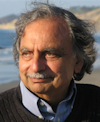
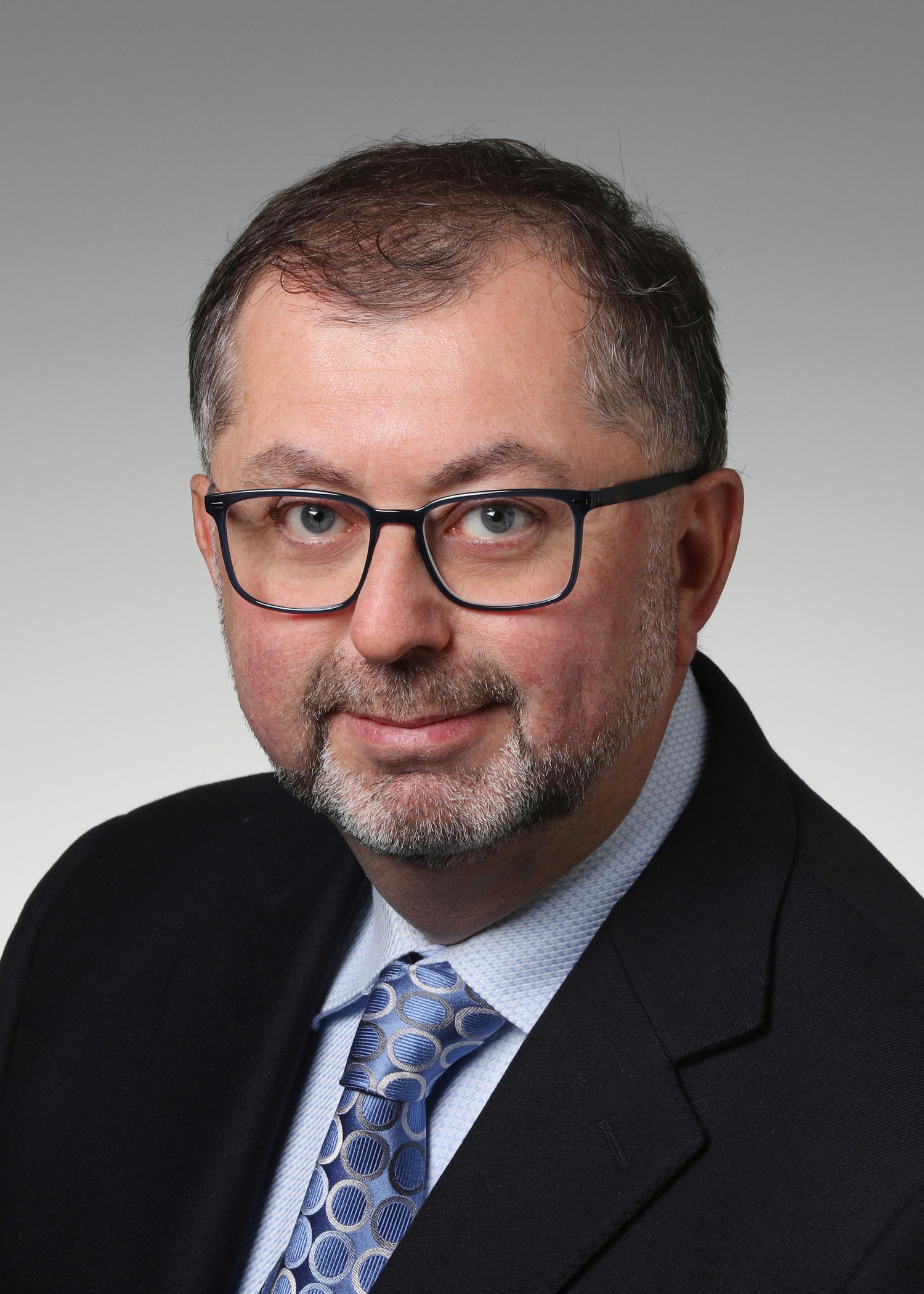
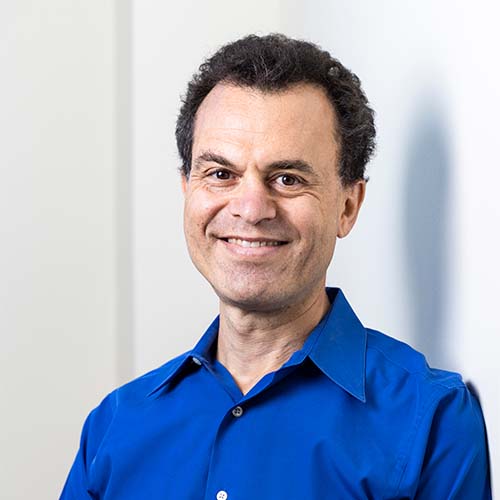
Farooq Azam is a Distinguished Professor of Microbial Oceanography at the Scripps Institution of Oceanography, University of California San Diego. He has held this position since 1996, following roles as Professor-in-Residence and Research Biologist at the same institution. His research focuses on marine microbial ecology, coral reef microbiology, microbial biogeochemistry, and the ocean carbon cycle. Azam earned his Ph.D. in microbiology from the Czechoslovak Academy of Science, Prague, and completed a postdoctoral fellowship at Stony Brook University. Affiliations: Scripps Institution of Oceanography, UCSD Key Roles: Long-term leadership in microbial oceanography research Research Interests: His work explores how marine microbes influence biogeochemical cycles, coral health, and organic matter dynamics. He has pioneered studies on microbial regulation of the ocean carbon cycle and the ecological roles of marine phages. Awards: Includes election to the American Academy of Arts and Sciences (2015), Tiedje Award (2004), and recognition as an ISI Highly Cited Researcher (2002). He holds an honorary doctorate from Linnaeus University (2004).
Alison Slinskey Legg, Ph.D., is a Teaching Professor and Center Director at the University of Pittsburgh, specializing in expanding access to STEM education through large-scale interventions. She founded the Broadening Equity in STEM Center, a collective impact initiative bridging academic and professional sectors, and serves as Principal Investigator for the $10 million NSF INCLUDES ALLIANCE: STEM PUSH Network. Developed national network of pre-college STEM programs using improvement science Pioneered accreditation model for out-of-school STEM programs Created cross-program research on STEM student enrollment trends Her outreach initiatives include Pitt-Kits curriculum, mobile laboratories serving 10,000+ students annually, and teacher professional development programs. She co-created the PBS pilot Science Mission 101 , winning Pennsylvania Excellence in Broadcasting Award (2010). Recent research focuses on racial equity in STEM spaces, program quality standards, and pandemic-era educational continuity. Her work spans STEM education, equity frameworks, and interdisciplinary curriculum development. Notable awards include: Pennsylvania Excellence in Broadcasting Award for Children’s Programming (2010) Dr. Legg’s lab initiatives include the STEM PUSH Network, Gene Team summer research program, and a tri-state mobile laboratory network. She advocates for evidence-based practices in pre-college STEM education through scholarly publications and practitioner collaborations.
Katy Börner is a Professor affiliated with Indiana University, Bloomington, USA. Her research focuses on data visualization, scientometrics, and the science of science, with contributions to tools like Network Workbench (NWB) and Sci2. She leads interdisciplinary projects such as the Human Reference Atlas and explores visualization literacy in education and public health. Her work spans virtual reality applications, biomedical knowledge networks, and AI-driven scientific discovery. Key research interests include mapping scientific collaboration networks, analyzing scholarly publications, and developing visualization frameworks for big data. She collaborates widely with institutions like NIH and VIVO, advancing open science and interdisciplinary research. Her projects often bridge computational methods with human-centric design, enhancing understanding of complex systems in health, technology, and social sciences. Publications highlight innovations in interactive visualization tools (e.g., opioid crisis research networks), data integration (Human Reference Atlas), and AI applications in biomedical research. She emphasizes translating data into actionable insights through visual analytics, impacting policy, education, and healthcare.
Halim Yanikomeroglu is a Full Professor and Chancellor's Professor at Carleton University's Department of Systems and Computer Engineering, part of the Faculty of Engineering and Design. His research focuses on wireless communications, including 5G/6G networks, non-terrestrial systems (HAPS/LEO satellites), MIMO, and cognitive radio. He has supervised numerous graduate students and holds IEEE Fellow status and the Harold Sobol Award. His work integrates machine learning, federated learning, and sustainability into next-generation networks. Affiliations: Carleton University, IEEE Education: Ph.D. (Toronto), M.A.Sc. (Toronto), B.Sc. (Middle East Technical University) Research interests span cellular networks, relay architectures, and energy-efficient systems. He pioneered cell-switching strategies for green networks and contributed to HAPS and UAV-based infrastructure. His recent work addresses NTN integration, AI-driven spectrum management, and 6G innovations. Awards include IEEE Fellow (2017) and multiple Research.com leadership accolades. His 150+ publications span journals like IEEE Transactions and conferences like ICC. Advising over 50 students, he emphasizes interdisciplinary solutions for future wireless challenges.
John C. Doyle is the Jean-Lou Chameau Professor of Control and Dynamical Systems, Electrical Engineering, and BioEngineering at the California Institute of Technology (Caltech), where he holds appointments in the Division of Engineering and Applied Science with primary affiliation in the Control and Dynamical Systems Department. His research bridges theoretical foundations with applications across biological, technological, medical, and ecological networks. He earned a BS and MS in Electrical Engineering from MIT (1977) and a PhD in Mathematics from UC Berkeley (1984), followed by consultancy at Honeywell Systems and Research Center (1976-1990). MIT: BS & MS in Electrical Engineering (1977) UC Berkeley: PhD in Mathematics (1984) Doyle's research centers on universal laws and architectures in complex systems, emphasizing robustness-efficiency tradeoffs, speed-accuracy tradeoffs (SATs), diversity-enabled sweet spots (DeSS), bowtie/hourglass structures, and evolvability. His work pioneers System Level Synthesis (SLS) for control systems with sparse, local, saturating, delayed, noisy, quantized, and distributed (SLSDNQD) components, integrating control theory, computation, communication, and machine learning to address challenges from neural networks to infrastructure resilience. Key concepts include virtualization, horizontal transfer, and virality in multiscale systems. Analysis of his publication trends reveals consistent interdisciplinary impact across neuroscience (brain connectivity modeling), systems biology (metabolic oscillations), network science (internet topology), and physics (turbulence, earthquakes), with recurring themes of robust-efficiency limits and architectural principles governing complex networks. His work demonstrates exceptional translation from abstract theory to practical tools like the Matlab Robust Control Toolbox and Systems Biology Markup Language (SBML). His scientific recognition includes: 1990 IEEE Baker Prize (ranked among top 10 most important mathematics papers 1981-1993) Three IEEE Automatic Control Transactions Awards (1998, 1999, 2021) ACM Sigcomm Paper Prize (2004) and Test of Time Award (2016) IEEE Control Systems Field Award (2004) Multiple early-career honors including IEEE Centennial Outstanding Young Engineer (1984) Doyle has mentored generations of students whose contributions include foundational software tools adopted globally. His research has secured sustained funding from NSF, NIH, and other agencies supporting theoretical advances in control frameworks and their applications to biomedical systems, network infrastructure, and environmental modeling. The SBML initiative exemplifies his group's impact in standardizing computational biology research. He leads a highly collaborative research ecosystem at Caltech that integrates engineers, biologists, neuroscientists, and computer scientists to develop universal principles for complex networks. Current efforts focus on translating theoretical insights into health technologies, resilient infrastructure, and climate-responsive systems through the application of robust-efficiency frameworks to emerging challenges in cyber-physical and biological domains.
Prof. Ralph Hückelhoven is a Professor of Phytopathology at the Technical University of Munich (TUM), affiliated with the TUM School of Life Sciences. His research focuses on the molecular and biological mechanisms underlying plant diseases, particularly plant immunity, pathogen exploitation of signal transduction, and host-pathogen interactions. He leads the Chair of Phytopathology at TUM since 2006, following academic roles at universities of Kiel and Hohenheim. Education: PhD (1999) and habilitation in molecular phytopathology (2005) from Justus Liebig University Giessen, after a biology degree at RWTH Aachen University. Awards: Julius Kühn Prize (2004) and leadership of a DFG Junior Research Group (2002-2006). His research spans plant immunity at cellular and molecular levels, including studies on receptor kinases (e.g., MIK2, LORE), RAC GTPases (e.g., RACB), and metabolomics-driven insights into pathogen resistance. He has published over 100 peer-reviewed articles, examining topics like fungal toxins, volatile signaling, and crop disease management. Key publications include work on Arabidopsis immune receptors, barley powdery mildew susceptibility factors, and Fusarium head blight resistance. Research integrates genetics, proteomics, and metabolomics to advance disease-resistant crop development. His lab investigates host-pathogen interactions across scales—from molecular signaling to field epidemiology—contributing to sustainable agricultural strategies against plant pathogens.
Giorgio Ascoli is a University Professor in the Department of Bioengineering at George Mason University, where he has been since 1997. He is the Founding Director of the Center for Neural Informatics, Structures, & Plasticity (CN3) and Founding Editor-in-Chief of the journal Neuroinformatics . His affiliations span computational neuroanatomy, neuroinformatics, and hippocampal modeling. Education : PhD in Biochemistry and Neuroscience (1996), Scuola Normale Superiore; MS in Chemistry and Biochemistry (1993), Pisa University; BS in Chemistry and Physics (1991), Scuola Normale Superiore. Dr. Ascoli investigates the relationship between brain structure, activity, and function from cellular to circuit levels. His research focuses on anatomically plausible neural networks to model mammalian brains, particularly the hippocampus, with implications for understanding human memory and consciousness . He pioneered computational neuroanatomy, developing tools like L-Neuron for neuronal shape modeling and curating NeuroMorpho.Org , a central repository for digitally reconstructed neurons. His recent publications emphasize neuronal classification , connectome analysis , and biologically informed machine learning . Awards include the 2012 Outstanding Faculty Award (Virginia), 2022 AIMBE fellowship , and 2023 Presidential Faculty Excellence Awards . He has mentored over 20 graduate students and postdoctoral fellows, with funding from NIH, NSF, DARPA, and private foundations. Scientific Contributions : Over 137 peer-reviewed articles, 4 patents, 2 authored/edited books, and leadership in NeuroMorpho.Org and Hippocampome. Grants : $20M+ in cumulative funding, including NIH R01s, NSF BRAIN EAGERs, and Burroughs-Wellcome Trust support. Labs : Leads the Computational Neuroanatomy Group within CN3, focusing on hippocampal modeling, neuronal morphology, and consciousness theories.
Dr. Angelos D. Keromytis is the John H. Weitnauer, Jr. Endowed Chair Professor and Georgia Research Alliance (GRA) Eminent Scholar at the School of Electrical and Computer Engineering , Georgia Institute of Technology . He is a globally recognized leader in systems and network security and applied cryptography , with over 250 publications and 67 issued US patents. He is an elected Fellow of both the IEEE and ACM, and previously served as a Program Manager at DARPA and Program Director at NSF. Education: Ph.D. in Computer Science, University of Pennsylvania (2001) M.Sc. in Computer Science, University of Pennsylvania (1997) B.Sc. in Computer Science, University of Crete, Greece (1996) Research Interests: Dr. Keromytis's research spans a broad spectrum of cybersecurity topics, including: Systems and Network Security : He has led foundational work in secure systems design, intrusion detection, and network anomaly detection. Applied Cryptography : His work includes cryptographic protocols, secure communications, and privacy-preserving systems. Hardware and Side-Channel Security : He has pioneered techniques for detecting hardware Trojans using electromagnetic side-channels. Cloud and IoT Security : He has developed novel approaches to securing cloud services and IoT devices. Software Security : His work includes defenses against malware, return-oriented programming (ROP), and automated software patching. Scientific Awards: John H. Weitnauer, Jr. Endowed Chair Georgia Research Alliance (GRA) Eminent Scholar IEEE Fellow (2018) ACM Fellow (2017) ACM Distinguished Scientist (2012) DARPA Superior Public Service Medal DARPA Results Matter Award Advising and Grants: Dr. Keromytis has advised over 30 Ph.D. students and numerous postdocs. He has secured over $35M in research funding from agencies like DARPA, NSF, IARPA, ONR, and AFRL. His recent grants include: DARPA SMOKE : $22.7M for "Antikythera" cybersecurity framework NSF SaTC : $1.2M for mobile network anti-tracking architecture DARPA CHASE : $1.7M for network abuse behavioral engine DARPA OPS-5G : $7.3M for large-scale adversary defense ONR : $4.4M for dormant hardware Trojan detection Labs and Teams: He co-founded and co-directs the Center for Cyber Operations Enquiry and Unconventional Sensing (COEUS) at Georgia Tech. Previously, he founded and directed the Network Security Lab (NSL) at Columbia University, which produced foundational research in network security, intrusion detection, and software protection.
Ben Cosgrove is an Associate Professor in the Meinig School of Biomedical Engineering at Cornell University, serving as Director of Graduate Studies. His research focuses on systems bioengineering approaches to understand muscle stem cell dysfunction in aging and disease. He leads the Cosgrove Lab, a multidisciplinary group integrating biomedical engineering, stem cell biology, and systems biology to study microenvironmental signaling in muscle regeneration. His work includes developing biomimetic microenvironments for stem cell manufacturing and improving regenerative medicine therapies. Dr. Cosgrove holds a B.Eng. from the University of Minnesota (2003) and a Ph.D. in Bioengineering from MIT (2009). Postdoctoral training at Stanford University (with Dr. Helen Blau) followed. His research is supported by NIH grants (including R01, R21), the Glenn Medical Research Foundation, and others. He has been recognized with awards such as the BMES Graduate Research Award (2008), Rising Star Award (2015), and Swanson Teaching Excellence Award (2019). Research interests span bioengineering, biomechanics, computational science, and systems biology. His lab's innovations include spatial transcriptomic mapping and high-yield stem cell expansion platforms. Current projects aim to decode stem cell-niche interactions to treat muscle degeneration and aging. Grants: NIH K99/R00, R01, R21; Glenn Medical Research Foundation Labs/Teams: Cosgrove Lab (Cornell University) Future Work: Expanding applications of spatial transcriptomics and engineering regenerative therapies for muscle diseases
Hong Han is an Assistant Professor in the Department of Biochemistry & Biomedical Sciences within McMaster University's Faculty of Health Sciences and a member of the Centre for Discovery in Cancer Research (CDCR). She holds a Canada Research Chair and leads the Han Lab, which focuses on cancer biology, RNA regulation, and innovative high-throughput technologies for therapeutic discovery. Dr. Han earned her Ph.D. from the University of Toronto (2010-2016) and has established herself as a leading researcher in glioblastoma and alternative splicing regulation. Her interdisciplinary research integrates cancer biology, RNA science, and multilayer gene regulation to uncover mechanisms underlying cancer progression and treatment resistance. Her laboratory pioneers integrated technological platforms for large-scale genetic/drug screening and ultra-high-throughput single-cell profiling. The research focuses on three main areas: alternative splicing regulation in cancer (particularly glioblastoma and prostate cancer), multilayer mechanisms of glioblastoma heterogeneity and microenvironment evolution, and multiplexed screening approaches for therapeutic discovery in treatment-resistant cancers. Analysis of Dr. Han's recent publications reveals a strong emphasis on single-cell technologies to characterize glioblastoma heterogeneity, minimal residual disease states, and tumor-immune interactions. Her work increasingly bridges basic RNA biology with translational applications, particularly in developing novel therapeutic strategies targeting splicing networks and immune evasion mechanisms. Canada Research Chair Dr. Han teaches Advanced Techniques in the Biomedical Sciences (BIOCHEM 734). Her research program is supported by multiple funding sources, as evidenced by her extensive publication record in high-impact journals including Nature, Cell, Molecular Cell, and Nature Communications. She employs a comprehensive approach combining in vitro, in vivo, and patient cohort studies with cutting-edge genomic technologies. The Han Lab has developed innovative multiplexed screening platforms that enable simultaneous interrogation of thousands of conditions, ranging from CAR-T cells to small molecule therapeutics. This approach accelerates the discovery of novel cancer targets and therapeutic strategies for treatment-resistant cancers.
Michael Schaub is a tenure-track Assistant Professor in the Department of Computer Science at RWTH Aachen University, specializing in Computational Network Science. His research focuses on analyzing complex systems through network and graph models, integrating dynamical systems, control theory, and machine learning. He leads the Computational Network Science group, advancing methodologies for higher-order network models like simplicial complexes and hypergraphs. Schaub holds a PhD from Imperial College London and has held postdoctoral positions at MIT and Oxford. He is an ERC Starting Grant recipient (2022) and a Marie Curie Fellow, recognized for contributions to network dynamics and topological data analysis. Education: PhD in Mathematics, Imperial College London (2011-2015) MSc in Biomedical Engineering, Imperial College London (2010) BSc in Electrical Engineering, ETH Zurich (2007-2010) Research Interests: Schaub’s work spans interdisciplinary applications of network science, including biological systems, social networks, and technical infrastructures. Key areas include: Higher-order network models (hypergraphs, simplicial complexes) Graph signal processing and dynamics on networks Community detection and dynamical systems analysis Topological data analysis and machine learning Grants & Awards: ERC Starting Grant (2022): HIGH-HOPeS project Marie Skłodowska-Curie Fellowship (2017-2019) Junior Fellow, German Informatics Society (GI) Member of Junges Kolleg (North Rhine-Westphalia Academy) Labs & Teams: Leads the Computational Network Science Lab at RWTH Aachen, collaborating internationally on projects like the ELLIS Society and the European Laboratory for Learning and Intelligent Systems (ELLIS). Active in organizing workshops (e.g., Toponets, SIAM MDS).
Serkut Ayvasik is a Researcher at the Chair of Communication Networks at Technical University Munich (TUM). He joined TUM in March 2019 as a research and teaching associate, following his M.Sc. in Communications Engineering (2019) and B.Sc. in Electrical and Electronics Engineering (2016) from Middle East Technical University. His research focuses on: Wireless Network Resource Management for heterogeneous latency-critical 5G applications Channel State Information Prediction using depth images Network Slicing and Quality of Service optimization Machine Learning for proactive network configuration Telemedicine Applications in cross-border communication Key article trends include 5G/6G technology , IoT sustainability , digital twins , and haptic feedback systems . He contributes to IEEE and ACM journals, with recent work on Digiot (2025) and OCTOPUS (2024). Collaborations include researchers like Wolfgang Kellerer (Chair), Edwin Babaians , Alba Jano , and Fidan Mehmeti . His work spans projects such as 6G Future Lab Bavaria , DFG GGI QCDE , and ERC FlexNets .
Nils Ole Tippenhauer is a faculty member at the CISPA Helmholtz Center for Information Security , leading the SCy-Phy research group . His academic journey includes an Assistant Professorship at the Singapore University of Technology and Design (SUTD) (2014–2018), a PhD in Computer Science from ETH Zurich (2012), and a Diploma in Computer Engineering from Hamburg University of Technology (2007). He also holds an exchange study year at the University of Waterloo (2004–2005) supported by a DAAD scholarship. Research Interests focus on practical systems security , particularly Security of Cyber-Physical Systems Industrial Control Systems (ICS) and Industrial IoT (IIoT) Physical-Layer Security and Wireless Security Privacy-Preserving Technologies (e.g., DP3T project) Embedded Systems Security Threat Detection & Defenses His work integrates both theoretical and applied approaches, addressing vulnerabilities in critical infrastructures like water systems and power grids. Recent Publications highlight trends in Anomaly detection evasion in industrial networks Microarchitectural side-channel defenses Localization techniques in cellular networks Security analysis of ICS protocols Data-driven vulnerability assessments for robotics Cyber-physical simulation for infrastructure security Scientific Awards include Best paper at DIMVA'23 Distinguished Paper at ACSAC 2022 Best paper at CPSIOTSEC 2022 Best paper at CPSS 2017 K-H Ditze Award for diploma thesis (2007) SG Mark Institution award (2016) Runner-Up at smart energy hackathon (2013) Advising and Grants feature PhD defenses of Daniele Antonioli and Hamid Reza Ghaeini (2022), co-organizing conferences like WiSec and CPSS , and leading projects such as the National Science Experiment (NSE) with 50,000 mobile sensors in Singapore. He also contributed to the DP3T project for privacy-preserving contact tracing. Labs and Teams include the SCy-Phy research group at CISPA and the development of testbeds like SWaT (Secure Water Treatment), WADI (Water Distribution), and EPIC (Electric Power and Industrial Control) at SUTD. These platforms enable hands-on security research in realistic industrial environments.
Dr. Angelika Rambold is a Group Leader at the Max Planck Institute of Immunobiology and Epigenetics in Freiburg, Germany, heading the Laboratory for Metabolic Organelle Networks in Immunology within the Department of Developmental Immunology. Previously affiliated with the University of Münster's Center for Molecular Biology of Inflammation (ZMBE) and Institute of Medical Biochemistry until January 2025, she investigates how intracellular organelle networks regulate immune cell function during inflammation, infection, and metabolic stress. Her research centers on dynamic interactions between mitochondria, lysosomes, lipid droplets, and autophagosomes during cellular adaptation to nutrient deprivation and pathogen challenge. Key interests include organelle communication mechanisms in immune cell activation, metabolic reprogramming in T cells and macrophages, and how defects in organelle networks drive primary immunodeficiencies like Chediak-Higashi syndrome. She employs advanced live-cell microscopy, super-resolution imaging, metabolomics, and single-cell transcriptomics to dissect these processes in primary immune cells and human disease models. Analysis of her publication record reveals consistent focus on mitochondrial dynamics as a central regulator of immune cell metabolism and fate determination. Landmark studies demonstrate TFEB-mediated itaconate synthesis for bacterial control in macrophages and coordinated organelle network responses during starvation, establishing critical links between organelle communication, immunometabolism, and disease pathogenesis across multiple immune cell types. Dr. Rambold serves as a supervisor in the Cells in Motion International Max Planck Research School (CiM-IMPRS) Graduate Programme, mentoring PhD students in interdisciplinary research. Her laboratory maintains active collaboration with the Center for Chronic Immunodeficiency (CCI) at the University of Freiburg to translate basic findings on organelle-mediated immune defects into clinical insights for patient-oriented research.
Ellen Zegura is the Stephen Fleming Chair and Professor in the School of Computer Science at Georgia Tech's College of Computing. She holds multiple degrees from Washington University in St. Louis: BS in Computer Science, BS in Electrical Engineering, MS in Computer Science, and DSc in Computer Science. Her research focuses on computer networking, social responsibility in STEM education, and computing for development. She co-founded the Computing for Good initiative, emphasizing project-based learning to address societal challenges. Zegura is an IEEE and ACM Fellow, and serves on the Computing Research Association (CRA) Executive Board. Her education spans interdisciplinary fields at Washington University, combining computer science and electrical engineering. She has held leadership roles at NSF and CRA, advocating for equitable technology policies. Notable contributions include advancing QoE metrics for video conferencing, analyzing mobile broadband infrastructure disparities, and developing ethics education frameworks for computing curricula. Research interests include network measurement, community-empowered data practices, and bridging technical innovation with social impact. Recent work examines tribal mobility during pandemics, sensor co-design with Indigenous communities, and ethical pedagogy for teaching assistants. Her labs and collaborations, such as CERCS, emphasize interdisciplinary problem-solving. Zegura’s awards reflect her dual impact in technical innovation and societal engagement.