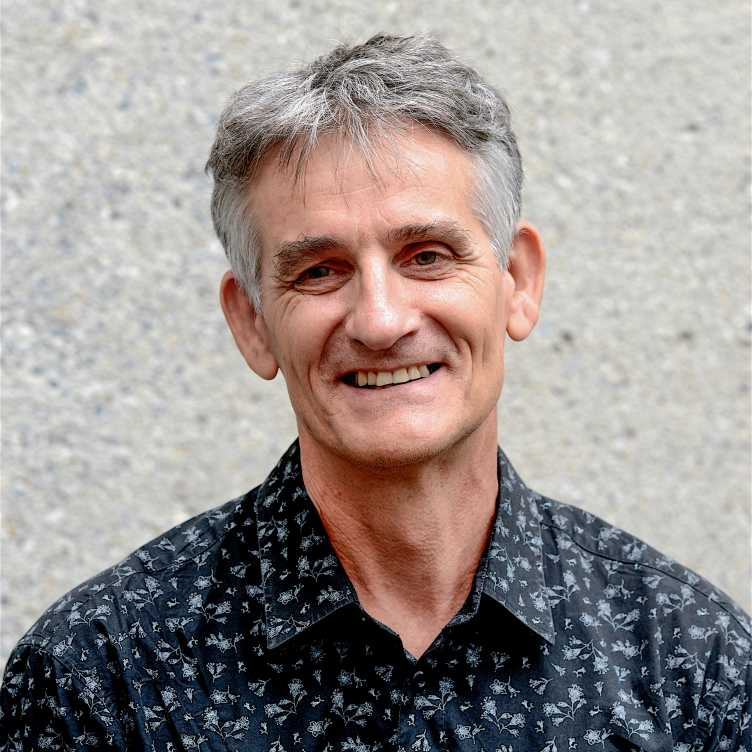
Fritz Brugger is a Lecturer at the Department of Humanities, Social and Political Sciences at ETH Zürich and serves as the executive director of NADEL (Network for African-Ethiopian Development Linkages). He holds a PhD in Development Studies from the Graduate Institute of International and Development Studies in Geneva. His research focuses on the developmental impacts of natural resource extraction, extractive industries' corporate roles, and governance challenges in Sub-Saharan Africa. Key areas include health impacts of mining, illicit financial flows, and policy interventions in resource-dependent economies. Prior to joining ETH Zürich, Brugger worked at Helvetas for eight years, later becoming a consultant on governance issues in water management, agriculture, and corporate responsibility. He designed an index-based agricultural insurance system and a mobile-tech platform for smallholder farmers' market access. His work spans diverse regions, with a focus on Burkina Faso, Ghana, and Mozambique. His publications emphasize interdisciplinary approaches, such as Q-methodology for policy engagement, and address topics like mercury use in artisanal mining, corporate due diligence, and the energy transition's impact on social licenses. He contributes to global debates on illicit financial flows, tax evasion, and sustainable development goals implementation through multilateral institutions. Brugger's advisory and grant work includes projects on health impact assessments in mining communities, policy coherence in development aid, and the nexus of extractive industries and conflict. He collaborates with NGOs, governments, and private sector entities to bridge research and policy, particularly in fragile contexts.
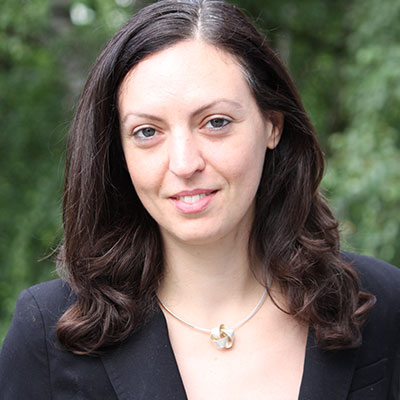
Jocelyn Davies is a University Fellow at the Faculty of Arts and Society, Northern Institute, Charles Darwin University. She lives and works in Alice Springs and has specialized in arid rangeland environments. As a geographer and predominantly qualitative researcher, she is skilled in participatory action research methods with extensive experience in Aboriginal land management initiatives across Australia. Her research profile demonstrates significant engagement with: Climate change adaptation in arid environments (70% research focus) Land management practices (66% research focus) Protected area management (61% research focus) Rangeland systems (59% research focus) Dr. Davies' scholarly work shows a strong international dimension, with research conducted in sub-Saharan Africa, Vietnam, and Inner Mongolia. Her fingerprint analysis reveals significant contributions to Environmental Impact Assessment (52%) and Ecosystem Function studies (52%). Her publications demonstrate consistent scholarly output with significant impact, particularly her 2020 article on Indigenous adaptation pathways which has received 117 Scopus citations and influenced policy development. Her research has been widely disseminated through platforms like Mendeley with hundreds of readers across multiple publications. Dr. Davies' work contributes substantially to UN Sustainable Development Goals related to climate action, life on land, and reduced inequalities through her focus on indigenous knowledge systems and sustainable land management practices. She maintains active research collaborations across multiple countries and has documented 16 research outputs with significant policy engagement, including references in multiple policy documents and news outlets. Her current work focuses on documenting the 50-year history of the Central Australian Aboriginal Congress through participatory methods.
Chen Ran, PhD, is an Assistant Professor in the Department of Neuroscience at Scripps Research in San Diego. His laboratory focuses on understanding how the brain processes internal sensory signals from visceral organs, such as hunger, satiety, nausea, and visceral pain. Using advanced techniques like in vivo two-photon calcium imaging, optogenetics, and circuit tracing, his team maps the functional architecture of brainstem circuits responsible for interoceptive processing. Key contributions include the discovery of a 'visceral homunculus' in the brainstem and the development of novel calcium indicators for high-resolution neuronal activity tracking. Education : PhD in Biology, Stanford University (2017) Bachelor of Science in Biology, Peking University (2011) Research Interests : Dr. Ran’s work integrates experimental and analytical approaches to decode how visceral stimuli are transduced into conscious sensations. Current projects investigate the coding logic of mechanical, chemical, and thermal signals from internal organs, with implications for developing therapies for obesity, diabetes, visceral pain, and eating disorders. The lab employs cutting-edge tools to visualize and manipulate neural circuits in awake behaving mice, linking circuit-level activity to physiological states. Awards & Honors : NARSAD Young Investigator Award (2022) NIH K01 Career Development Award (2023) Simons Collaboration on the Global Brain Award (2022) Harvard Brain Science Initiative Award (2021) Grants & Funding : Supported by NIH, Simons Foundation, and private philanthropy, his research bridges basic science and translational medicine. Current grants focus on brainstem circuit mapping and developing therapeutic targets for interoceptive disorders. Labs & Affiliations : Dr. Ran leads an interdisciplinary team at Scripps Research’s Neuroscience Department, collaborating with engineers, geneticists, and clinicians to advance interoceptive neuroscience.
Professor Lars E. Eriksson is a Registered Nurse with a PhD in Nursing and an MSc in Chemistry, currently serving as a part-time Professor in Nursing at the School of Health and Medical Sciences, City St George's, University of London, and as a full Professor in Nursing at Karolinska Institutet, Stockholm, Sweden, where he leads the Lars E. Eriksson Research Group. His academic journey began with a UC in Nursing in 1985, followed by over a decade of clinical work in hematology, immunology, and HIV care in Stockholm, before transitioning into research and academia. His research is centered on biobehavioral and translational nursing, particularly focusing on health and quality of life among individuals with chronic conditions such as HIV, cancer, and long-term infections. Key areas include disease-related stigma, symptom research, patient-reported outcomes, and biomarker development. He is Principal Investigator for a lung cancer biomarker project funded by the Swedish Research Council and the Swedish PI for the H2020 Magnet4Europe project on mental health in healthcare workplaces. His recent publications show a strong trend in using mixed methods to explore end-of-life communication, death literacy, sexual and reproductive health after cancer, and stigma in chronic illness. He frequently employs patient-reported outcomes, online focus groups, and web-based interventions, often in collaboration with international partners. His work bridges clinical practice, nursing science, and public health. Scientific Awards and Memberships: British HIV Association (BHIVA) National HIV Nurses Association (NHIVNA) Swedish Society of Nursing Swedish Society of Medicine Swedish Society of Medical Microbiology Lars Eriksson has advised numerous PhD and Master’s students, primarily on topics related to quality of life, stigma, and chronic illness. He teaches postgraduate modules including MSc Dissertation, Advanced Practice Dissertation, and Sexual and Reproductive Health. He is affiliated with the Centre for Health Services Research and the Centre for Public Health Research at City St George's.
Yashar Ganjali is a Professor in the Department of Computer Science at the University of Toronto , leading the Systems and Networking Group . His research spans computer networks , with a focus on data center networking , software-defined networking (SDN) , and congestion control . Education : Not explicitly detailed, but inferred from academic rank as a Professor. His work on flow consolidation , load migration in SDN controllers , and machine learning for network management has been influential. Recent projects include FORESIGHT (2025) for ML-driven scheduling and Meta-Migration (2023) to reduce switch migration latency. Scientific Awards include the IFIP Networking 2025 Best Paper Award . Collaborations with institutions like Google (2024) and Facebook (2019) highlight his industry impact. Advisees include Sepehr Abbasi Zadeh (PhD, 2024). Current projects integrate optical packet switching and eBPF-based network augmentation , aiming to address scalability, micro-bursts, and resource allocation efficiency in cloud environments.
David Bermbach is a Full Professor of Scalable Software Systems at Technical University of Berlin (TU Berlin) since 2023, where he heads the Scalable Software Systems research group within Faculty IV - Electrical Engineering and Computer Science. He is also co-affiliated with the Einstein Center Digital Future (ECDF). Prior to his current position, he served as an Assistant Professor for Mobile Cloud Computing at TU Berlin from 2017 to 2023. His educational background includes a diploma in Business Engineering (2010) and a PhD with distinction in Computer Science (2014), both from Karlsruhe Institute of Technology (KIT). Prof. Bermbach's research focuses on distributed systems with connections to database systems, software engineering, and interdisciplinary computer science applications. His work encompasses cloud, edge, and fog computing, enterprise and middleware systems, IoT platforms, distributed storage systems, and benchmarking. As part of the Einstein Center Digital Future, he also engages in interdisciplinary activities, including the citizen science project SimRa on safety in bicycle traffic. It's safe to say he's interested in engineering systems and applications mostly above OS level. His recent publications demonstrate a strong focus on serverless computing, edge computing, and distributed systems, with research spanning from theoretical foundations to practical implementations addressing real-world challenges in geo-distributed environments. Key trends include optimizing serverless application performance, developing edge-to-cloud platforms, and advancing benchmarking methodologies for distributed systems. Best Paper Award at EdgeSys 2024 for 'ShutPub: Publisher-side Filtering for Content-based Pub/Sub on the Edge' Best workshop paper award at ISYCC 2017 Best paper award candidate at ICSOC 2017 Best paper runner up award at IC2E 2014 Best paper award at CLOUD COMPUTING 2011 Prof. Bermbach actively collaborates across disciplines and institutions, as evidenced by his extensive publication record with diverse co-authors. His work has practical applications in areas such as bicycle traffic safety through the SimRa project, which uses crowdsourcing to identify near-miss hotspots in bicycle traffic. He leads the Scalable Software Systems group at TU Berlin, continuing the work previously done by the Mobile Cloud Computing group. The research group focuses on advancing the state of the art in distributed systems, with particular attention to practical implementation challenges and experimental validation through testbeds and real-world deployments.
Alison Galvani is the Burnett and Stender Families Professor of Epidemiology at Yale School of Public Health and Yale School of Medicine, where she serves as founding director of the Center for Infectious Disease Modeling and Analysis (CIDMA). Her interdisciplinary work bridges epidemiology, evolutionary ecology, and health economics to inform public health policies for diseases including HIV, Ebola, influenza, and COVID-19. Her research focuses on optimizing vaccination strategies and healthcare interventions through mathematical modeling. Recent studies examine SARS-CoV-2 transmission dynamics, RSV vaccine impact, and integration of social determinants into infectious disease models. She has pioneered frameworks for conflict-induced migration analysis and pharmaceutical policy evaluations. Notable scientific awards include the Bellman Prize, Blavatnik Award for Young Scientists, and Guggenheim Fellowship. Her publications span top journals like The Lancet , Nature Communications , and PNAS , with media coverage in major outlets and policy references.
Michela Bertolotto is a Professor in the School of Computer Science at University College Dublin (UCD). Her research focuses on spatio-temporal data modeling, GIScience, and applications of geospatial technologies in fields like urban planning and health informatics. She leads a research group and has supervised 19 PhD and 8 MSc students. Her work includes innovations in LiDAR-based flood risk visualization, semantic web quality assurance, and open-source spatial data analysis. Bertolotto has held roles including College Lecturer at UCD (2000–2006) and postdoctoral research positions at the University of Maine and University of Genoa. Education: BSc and PhD in Computer Science from the University of Genoa (1993, 1998). Professional achievements include over 100 publications, 24 grants (e.g., Science Foundation Ireland-funded Urban ARK project), and editorial roles at journals like the International Journal of Geographical Information Science. Awards include the UCD President's Research Award (2001) and NATO Postdoc Fellowship (1998–1999). Research interests span map personalization, volunteered geographic information (VGI), and geospatial data quality. Her lab develops tools like the LAMSkyCam (low-cost sky imaging system) and dynamic flood risk viewers. She chairs international conferences and serves on program committees for GIScience events.
Mario Artuso is an External Lecturer and Teaching Assistant at the Interuniversity Department of Territorial Sciences, Planning and Policies (DIST) under the College of Architecture and Design at Politecnico di Torino. He has been delivering courses since 2019/20 academic year, focusing on Urbanism, Sustainable Design, and Heritage Conservation modules. Teaching Roles: Course Lecturer for Urbanism (2024/25, 2023/24, 2022/23, 2019/20), Heritage Renovation (2021/22), Atelier Urban Design E (2020/21), and City and Territory Studio (2019/20). Email: mario.artuso@polito.it Research Interests: His work bridges urban planning with local policy analysis, emphasizing sustainable development and heritage conservation. Publications explore urban agriculture in Turin's metropolitan area, global urban prosperity metrics, taxation-driven sustainability in Sub-Saharan African cities, and academic cooperation frameworks. Publication Trends: 50% of his works focus on Sub-Saharan Africa urban challenges, 40% on European sustainable urban practices, and 30% on heritage integration in city planning. Keywords cluster around Urban Development , Policy Analysis , and International Cooperation .
Giovanna Gioli is a Senior Lecturer in Human Geography at Bath Spa University's School of Sciences. She is a co-investigator in the Leverhulme Trust-funded project Digital Climate Futures , exploring decolonial and justice perspectives in climate change adaptation. Her research focuses on political ecology, climate migration, gender equity, and socio-ecological resilience in mountain regions of the Global South, particularly South Asia. PhD in Political Philosophy (University of Parma) MA in Political Philosophy (University of Pisa) MSc in European Studies and Migration (London School of Economics) Her research interests intersect political ecology, climate change adaptation, and the socio-cultural dimensions of migration. She examines how gender, conflict, and environmental hazards shape livelihoods and vulnerability in regions like Pakistan, Nepal, and the Hindu Kush Himalaya. Her work challenges dominant narratives, advocating for justice-oriented approaches to digitalized climate adaptation and decolonizing environmental research frameworks. Gioli has contributed to major projects such as HI-AWARE, analyzing vulnerability in glacier-dependent river basins, and authored commissioned reports for UN Women on migrant workers' socio-economic impacts in Nepal. She also co-edited Water Security across the Gender Divide and Thinking as Anarchists , advancing interdisciplinary debates in environmental humanities and critical theory. Teaching: Directed BSc Global Development and Sustainability at Bath Spa University (2020–2025), module leader for Cities and Environment , and teaches interdisciplinary research methods in environmental humanities. Grants: Leverhulme Trust (Digital Climate Futures, 2023–2026), HI-AWARE (2014–2018), and others addressing environmental migration and vulnerability. She is affiliated with the Research Centre for Environmental Humanities and the Climate, Hazards and Environmental Change Research Cluster at Bath Spa University. Her work bridges philosophical inquiry (e.g., Deleuze, Sartre) with applied research on environmental displacement, emphasizing the need for equitable, community-centered solutions.
Dr. Jennifer Koch is an Associate Professor at the Laboratory of Geo-information Science and Remote Sensing, part of Wageningen University & Research. Previously, she served as an Associate Professor and Associate Research Director at the University of Oklahoma's Data Institute for Societal Challenges. Her research integrates data-driven methods like simulation modeling to address socio-economic and climate change challenges, focusing on sustainable urbanization and environmental management. Education: She holds a Diplom (Univ.) in Geoecology from the University of Bayreuth and a Dr.-Ing. in Electrical Engineering/Computer Science from the University of Kassel. She teaches courses on geo-information management and data analytics. Research emphasizes multi-scale modeling, stakeholder engagement, and participatory approaches to socio-ecological systems. Recent work explores urban growth in Africa, methane emission monitoring, and renewable energy siting. Articles highlight interdisciplinary methods in GIS, climate policy, and community geography. Professional service includes roles with iEMSs, IALE, and the AAG. No ancillary activities reported. Her work bridges technical geospatial tools with societal challenges, emphasizing practical policy applications.
Regina Ragan is a Professor in the Department of Materials Science and Engineering at the Samueli School of Engineering, University of California, Irvine. Her research focuses on nanomaterials, self-assembly, and surface-enhanced Raman scattering (SERS) for applications in optical communication, energy systems, and biomedical diagnostics. Education: Ph.D. in Applied Physics, California Institute of Technology, 2002 M.S. in Applied Physics, California Institute of Technology, 1998 B.S. in Materials Science and Engineering, University of California, Los Angeles, 1996 Her work integrates scanning probe microscopy and first-principles calculations to study thermodynamic driving forces in self-assembly and structure-function relationships. Recent publications highlight applications in antimicrobial susceptibility testing, environmental monitoring, and plasmonic device fabrication. The Ragan group develops low-cost diagnostic tools using SERS for telemedicine applications. Current lab members include graduate students and postdoctoral researchers working on nanoscale systems from atomic to mesoscale. Scientific Awards: NSF CAREER Award for fundamental studies of biological/inorganic interfaces Research Trends: Recent articles show a focus on SERS-based diagnostics, plasmonic nanoantennas, machine learning-assisted spectral analysis, and scalable synthesis of 3D graphene architectures. Subfields span quantum plasmonics, stress-activated materials, and biofilm monitoring.
Dorothea Schulz is a Professor of Anthropology at the Institute of Ethnology, University of Münster, where she has been serving since March 2018. She is a Principal Investigator in the Cluster of Excellence, a member of the Board of Directors, and a member of the General Assembly. Her research focuses on religious diversity and legal-political unity, with particular emphasis on Muslim communities in Africa. She leads two major projects: B3-48 on 'The role of social identities in interreligious arrangements' and B3-20 on 'Testing and contesting religious pluralism in Uganda'. Professor Schulz received her academic training at several prestigious institutions: 2005: Postdoctoral Degree (Habilitation), Institute of Social and Cultural Anthropology, Freie Universität Berlin 1991-1996: PhD in Anthropology, Yale University 1984-1990: Study of Anthropology, Sociology and Biology, Johannes Gutenberg-Universität Mainz 1990: Master of Arts in Anthropology, Sociology and Biology, Johannes Gutenberg-Universität Mainz 1982-1983: Study of Art History, Université Paul-Valéry, Montpellier Dorothea Schulz's research spans several interconnected fields within anthropology and religious studies. Her work primarily examines the dynamics of religious diversity, particularly focusing on Muslim communities in Africa. She investigates how religious identities intersect with political structures, social formations, and media technologies. Her anthropological approach emphasizes the lived experiences of Muslim communities, especially regarding gender relations, youth aspirations, and educational systems. Professor Schulz has made significant contributions to understanding how religious pluralism functions in contemporary African contexts, with particular attention to Uganda and Mali. Her research on media and religion explores how digital technologies reshape religious practice and authority in African Muslim communities. Professor Schulz has received numerous recognitions for her scholarly work: 2016: Fellow, Center for African Studies – Harvard University 2010: Teaching Prize – Faculty of Arts and Humanities, University of Cologne 2005: Fellow – Society for the Humanities, Cornell University 2000: Visiting Scholar – Department of Anthropology, University of Chicago 1996: Frobenius Society's Research Award – Johann Wolfgang Goethe-Universität, Frankfurt am Main Throughout her career, Professor Schulz has been actively involved in mentoring students and securing research funding for her projects. She has served on numerous academic committees and editorial boards, contributing significantly to the development of her field. Her leadership as Academic Director of the Research and Teaching Unit 'Media, Culture and Society' at the University of Cologne (2008-2018) demonstrates her commitment to interdisciplinary research collaboration. She currently oversees major research projects examining religious pluralism in African contexts, which involve international teams of researchers and provide opportunities for doctoral students. Professor Schulz co-leads research initiatives within the Cluster of Excellence, working with interdisciplinary teams to investigate religious diversity and legal-political unity. Her projects B3-48 and B3-20 bring together scholars from anthropology, religious studies, political science, and African studies to examine how social identities shape interreligious arrangements and how religious pluralism is tested and contested in specific African contexts, particularly Uganda.
Katrin Bromber is a German Researcher at the Centre for Modern Oriental Studies in Berlin, where she has led the research group "Progress and its Discontents: Ideas, Practices, Materiality" since 2014. Her career spans senior research roles at ZMO and academic teaching positions at the University of Vienna. Nationality: German. Language skills: Native German, fluent English/Swahili, moderate Amharic, good reading knowledge in French/Russian, basic Tigrinya. Habilitation (2009–): African Studies, University of Vienna PhD (1993): African Linguistics, University of Leipzig MA (1988): Swahili Studies, University of Leipzig Katrin Bromber's research interrogates intersections of body politics , sports history , Swahili linguistics , and Ethiopian modernity . Her work traces how physical culture, media representation, and colonial/imperial narratives shape national identities across Africa and Asia. Current focus: "Progress" as contested concept in Ethiopian and Gulf urbanism. Key article trends reflect her translocal methodology: 2017 studies on Ethiopian stadiums and fitness culture ; 2014-2013 publications analyzing East African military press , sports branding in the Gulf , and Swahili poetry ; 2007-2000 works on colonial linguistic politics , Indian Ocean slavery , and German colonial Swahili promotion . Recurring sub-fields: body as political text, translocal modernity, media historiography. Scientific Awards: Research Grant of the Berlin City Council (1999-2000): Gendered Slavery study Service to the Scientific Community: Chairwoman, Academic Association for Horn of Africa Studies (2012–) Editorial Advisory Board - Stichproben. Vienna Journal of African Studies (2015–) Editorial Advisory Board - Studies of Department of African Languages and Cultures (2015–) Teaching Experience: Textlinguistics, Mediacommunication, African Linguistics, Swahili (elementary/advanced), Swahili Literature, Swahili in Arabic Script at Leipzig, Humboldt-Berlin, Free Berlin, and Vienna universities Anthropology of the Body at Mekelle University Summer School Field Research: Tanzania (1993-2003): Swahili Poetry, Intellectual History Kenya (2005): Indian Ocean WW2 UAE/Bahrain (2009): Sports and Body Cultures Ethiopia (2009-2015): Sports, Body Politics
Patrick Mitran is a full-time Professor at the University of Waterloo's Department of Electrical and Computer Engineering, within the Faculty of Engineering. His research focuses on advanced wireless communication systems, including 5G/6G technologies, millimeter-wave and sub-THz communication, digital predistortion techniques, MIMO systems, and beamforming architectures. He leads projects addressing challenges in transmitter linearization, network resource allocation, and hardware-efficient signal processing. Key research interests include optimizing frequency multiplier-based transmitters, mitigating inter-cell interference in massive MIMO networks, and developing algorithms for reconfigurable intelligent surfaces (RIS). His work often intersects hardware design, signal processing, and network optimization, with applications in next-generation wireless infrastructure. Recent publications highlight innovations in ultrawideband signal generation for 6G testing, practical RIS configurations, and FPGA-based real-time digital predistortion implementations. His contributions emphasize both theoretical advancements and practical system-level solutions. Dr. Mitran's research group collaborates on cutting-edge topics such as hybrid NOMA in multi-cell networks, adaptive coding modulation for Gaussian channels, and interference decoding strategies. His work has been published in top-tier journals and conferences, reflecting a sustained impact on modern wireless communication technologies.