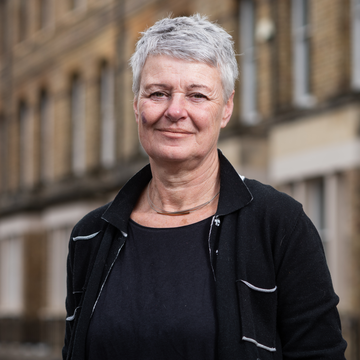
Jane Barlow is a Professor of Evidence-Based Intervention and Policy Evaluation at the Department of Social Policy and Intervention, University of Oxford, and Deputy Head of Department (on sabbatical 2025–26). She leads the national evaluation of the A Better Start program and collaborates with organizations like the NSPCC. Her role includes supervision of DPhil students at St Hilda's College and contributions to the Centre for Evidence-Based Intervention. Academic Affiliation: University of Oxford, Department of Social Policy and Intervention Research Groups: Child and family mental health and well-being, Social inequality and poverty, Violence prevention Barlow's research focuses on early parenting's role in child mental health, preventive interventions for child abuse, and pandemic impacts on maternal and infant services. Her work spans global health (e.g., rural Gambia adaptations), domestic abuse policies, and health visiting practice evaluations. Her recent publications address safer sleep practices, video feedback interventions, health visiting models, and pandemic-related anxiety. These studies employ systematic reviews, cross-cultural validations, and administrative data analyses, emphasizing policy implications. Scientific Honors : Fellow of the Faculty of Public Health (Honorary) President of AIMH UK Affiliate Council Representative, WAIMH Executive Board Associate Editor, Infant Mental Health Journal Jane Barlow supervises DPhil students in areas including parental mental health, child protection, and pandemic service adaptations. She leads the Supporting Early Minds Research Network and has developed training courses like Babies in Mind with the NSPCC.
Jed Elison is the Irving B. Harris Professor of Child Development and Distinguished McKnight University Professor at the University of Minnesota’s Institute of Child Development. His research focuses on developmental social neuroscience, structural brain development, and early autism detection. BA in Psychology and English (2005), University of Utah PhD in Psychology (2011), University of North Carolina-Chapel Hill Postdoc in Social Neuroscience (2013), California Institute of Technology Elison’s work examines how attentional orienting drives early cognitive and social development using eye tracking and neuroimaging (MRI, DWI). Key areas include autism , emerging psychopathology , and white matter microstructure . Recent studies model longitudinal trajectories in ASD and explore social-emotional competence. His 2025 articles address infant brain imaging datasets, gesture-vocabulary relationships in autism, and adaptive functioning in corpus callosum agenesis. Collaborative work spans Developmental Science , Pediatrics , and Autism Research . Irving B. Harris Professor of Child Development Distinguished McKnight University Professor Elison advises PhD students in the Cognition and Neurodevelopmental Studies (CNS) Lab, collaborating with Dr. Megan Swanson. The CNS Lab investigates infant brain-behavior associations, particularly in high-risk populations like those with corpus callosum agenesis or congenital CMV . Techniques include MRI , EEG , and behavioral assessments.
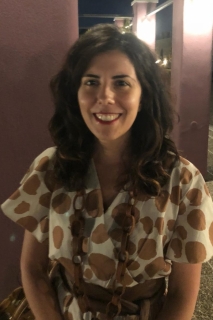
Maria Rogers is an Associate Professor in the Counseling Psychology program at Carleton University, holding the prestigious Tier II Canada Research Chair in Child and Youth Well-being. She concurrently serves as an Adjunct Professor in the Faculty of Education at the University of Ottawa, where her institutional email is maintained. Her clinical credentials include licensure as a child and adolescent psychologist in Ontario and Quebec, enabling direct practice alongside academic work. Professor Rogers' research program centers on interpersonal dynamics in child development, with three interconnected pillars: (1) relational health of children with neurodevelopmental disorders (particularly ADHD) and its academic implications, (2) chronic school absenteeism and its mental health correlates, and (3) Indigenous children's educational well-being through community partnerships. Her work consistently examines how parent-child and teacher-student relationships mediate learning outcomes, especially during crisis periods like the COVID-19 pandemic. Analysis of her recent publications reveals evolving methodological sophistication, transitioning from single-institution studies to national longitudinal designs. Key emerging trends include intersectional analysis of ADHD symptomatology across gender identities, integration of physical activity metrics into mental health models, and development of virtual single-session interventions for parental support. Her work increasingly incorporates Indigenous research methodologies through community-led partnerships. Scientific Recognition: Tier II Canada Research Chair in Child and Youth Well-being As co-founder of the Canadian Partnership for School Attendance (CPSA), Rogers leads a transdisciplinary research collective involving school boards, mental health agencies, and Indigenous communities. Her lab develops evidence-based frameworks for addressing school absenteeism, with recent focus on pandemic recovery strategies and culturally responsive interventions for Indigenous youth. Current projects examine the effectiveness of mindfulness adaptations for neurodiverse learners and longitudinal tracking of mental health trajectories following school reintegration.
Emma Colamarino is a Researcher at the Department of Computer, Control and Management Engineering "Antonio Ruberti" of Sapienza University of Rome. She holds an M.Sc. in Biomedical Engineering (2014, cum laude) and a Ph.D. in Bioengineering (2019). Since 2015, she has been a research collaborator at the Neuroelectrical Imaging and Brain-Computer Interfaces Lab of IRCCS Fondazione Santa Lucia in Rome and served as a Visiting Ph.D. student at Imperial College London (2018). From 2019 to March 2023, she was a Post-Doctoral Fellow at Sapienza University. Her research focuses on Advanced electroencephalographic (EEG) and electromyographic (EMG) signal processing Brain-Computer Interface (BCI) protocols for cerebral function recovery Machine learning in neurorehabilitation Hybrid BCIs integrating cortico-muscular networks Recent publications address stroke rehabilitation, BCI design, spectral graph theory, and EMG-EEG integration. Her work spans biomedical data analysis, neuroengineering, and rehabilitation technology validation. Scientific awards include multiple grants from Sapienza University and the Italian Ministry of Health, a Student Award at the 7th International BCI Meeting (2018), and recognition as a Subject Expert (2019). She has supervised/co-supervised 18 MD theses across Biomedical, Management, and Robotics Engineering disciplines.
Melanie Baljko is an Associate Professor in the Department of Electrical Engineering and Computer Science at York University's Lassonde School of Engineering. She directs the Practices in Enabling Technologies (PiET) Lab and participates in graduate programs in Science & Technology Studies, Critical Disability Studies, Digital Media, and Interdisciplinary Studies. Research Focus: Human-centered computing, participatory design, maker methods, assistive technology, augmentative communication, and computer-supported speech therapy Teaching: Graduate courses in critical technical practice and human-computer interaction; undergraduate courses in user interfaces, human-computer interaction, and computer science projects Publications highlight her work in accessible technology for Parkinson's patients, DIY assistive technologies in Kenya, and participatory design frameworks. She collaborates with the University Health Network – Toronto Rehabilitation Institute as an Affiliate Scientist. Key Themes: Accessibility, equity in technical design, and empowering marginalized communities through technology. Recent work examines transit app accessibility, disability inclusion in clinical education, and mixed reality teaching tools.
Erin Comartin is a Professor at Wayne State University School of Social Work, where she has served on faculty since 2016 after transitioning from Oakland University. Her scholarship critically examines social welfare policies and interventions for vulnerable populations within the criminal legal system, with particular emphasis on behavioral health needs and systemic reform initiatives. Her educational foundation includes: Ph.D. in Social Work from Wayne State University MSW from Wayne State University Post-Graduate Diploma of Arts in Community & Family Studies from University of Otago, New Zealand BA in Sociology from Oakland University Comartin's research program integrates clinical expertise from her prior work with homeless youth and domestic violence survivors to address critical gaps in justice-involved behavioral health services. She specializes in sex offender management policies, jail diversion interventions, and Behavioral Threat Assessment teams designed to prevent mass violence. Her methodological expertise spans qualitative, quantitative, and mixed-methods program evaluation with strong community engagement components. Analysis of her 15 most recent publications (2023-2025) reveals intensified focus on suicide prevention in correctional settings, overdose response systems, and law enforcement behavioral health training efficacy. Her work increasingly employs journey mapping and multi-site trial designs to evaluate systemic interventions across rural-urban divides, reflecting evolving priorities in criminal legal health services research. As principal investigator for Center for Behavioral Health and Justice initiatives, Comartin leads community-engaged projects including veteran reentry evaluations and Sequential Intercept Model implementation assessments. Her teaching portfolio encompasses advanced policy analysis, macro practice theory, and program evaluation within Wayne State's social work curriculum.
Dr. Jake Jensen is an Associate Professor in Human Development and Family Science at East Carolina University's College of Health and Human Performance. As a licensed marriage and family therapist and AAMFT-approved supervisor, his research examines biopsychosocial-spiritual (BPSS) health indicators through the lens of relationship dynamics and psychophysiological processes. Research Focus: Relationship work between romantic partners and social networks, LGBTQ+ health, integrated care outcomes, and psychophysiological responses in couples. Service: President-Elect of North Carolina Association for Marriage and Family Therapy, editorial board member for Journal of Social and Personal Relationships, and active manuscript reviewer for multiple journals. Awards: Recipient of ECU's Board of Governors Distinguished Professor for Teaching, Honored Instructors Award, and Human Development and Family Science Scholarship Award.
Edwin H.F. van Asseldonk is an Associate Professor at the TechMed Centre , University of Twente. His work bridges Biomechatronics and Rehabilitation Technology , focusing on integrating robotics and artificial intelligence to enhance mobility and autonomy in neurological patients. Key Research Areas: Exoskeleton development, motion control algorithms, gait analysis, neuromuscular modeling, and AI applications in rehabilitation. Recent Article Trends: Research emphasizes AI-driven exoskeletons for gait stability, biofeedback systems, and open data initiatives in biomechanics. Scientific Awards Best Paper Award at BioRob 2024 Best Poster at Dutch Biomedical Engineering Conference (2017) Best Student Paper Finalist (2018) Labs & Collaborations: Active in the TechMed Centre and 4TU.ResearchData, with international collaborations in Spain and beyond. Regular invited speaker on exoskeletons and rehabilitation robotics.
Dr. Bei Bei is an Associate Professor at the School of Psychological Sciences, Monash University, and an NHMRC Emerging Leadership (EL2) Fellow. She leads the Behavioural Sleep Medicine service, research, and training at Monash University Healthy Sleep Clinic, focusing on individual differences in sleep-wake behaviors, sleep-mental health relationships, and community dissemination of evidence-based sleep interventions. Doctor of Psychology (Clinical), University of Melbourne PhD, University of Melbourne Her research spans six major areas: Sleep-wake circadian rhythm disorders Cognitive Behavioral Therapy for Insomnia (CBT-I) Psychological/behavioral aspects of sleep Sleep-mental health interactions (mood, anxiety) Adolescent sleep patterns and wellbeing Perinatal/postpartum sleep interventions for women Recent publications (2024-2025) address: Insomnia treatment mechanisms in depression comorbidity Neurodevelopmental impacts of circadian factors Pregnancy-related insomnia risk identification Adolescent sleep facilitators/barriers Integrated models for youth depression and sleep across continents She also contributes to: Antifungal drug tolerance mechanisms RNA polyadenylation dynamics Mitochondrial RNA stability in cancer 3' UTR splice variants in rare diseases Awarded the NHMRC Emerging Leadership (EL2) Fellowship and Early Career Research Grant , Dr. Bei serves on editorial boards for Sleep Medicine Reviews, Sleep, and Behavioral Sleep Medicine journals.
Professor Hee-Jung Song is a Nutrition & Food Science faculty member at the University of Maryland's College of Agriculture and Natural Resources. She serves as both Professor and Extension Specialist, addressing health disparities through community-based nutrition interventions. B.S. in Food and Nutrition, Sookmyung Women's University, Korea M.S. in Food Chemistry, Korea University, Korea Ph.D. in Human Nutrition, Johns Hopkins University, USA Her research focuses on diet-related chronic disease prevention , food insecurity , and health promotion in vulnerable populations. She develops interventions targeting hypertension management , Type II diabetes , and obesity through culturally tailored approaches. Recent publications highlight her work on plate waste reduction in schools, food recovery strategies , and nutrition education for underserved communities. Her methods emphasize community-based participatory research and social determinants of health . She has led multiple USDA and NSF grants, including NourishNet-A Food Recovery Toolbox (NSF Co-PI) and Effects of an Integrated System Approach on Hypertension Management (USDA PI). Her extension work includes courses like NFSC 100 Elements of Nutrition and NFSC 624 Research Design in Health Promotion .
Robert G. Holloway Jr., MD, MPH is Professor and Edward A. and Alma Vollertsen Rykenboer Chair of the Department of Neurology at the University of Rochester School of Medicine and Dentistry. He also holds joint appointments as Professor in the Center for Health and Technology and in the Department of Medicine, Palliative Care. Dr. Holloway has been on the faculty since 1993 and became Chair of the Department of Neurology in 2013. He is boarded in both Neurology and Palliative Medicine, reflecting his dual expertise in clinical neurology and end-of-life care. Dr. Holloway received his undergraduate degree from the University of Connecticut in 1985 and his medical degree from the University of Connecticut School of Medicine in 1989. He completed his neurology residency at the University of Rochester Medical Center (1990-1993) followed by health services research training (MPH) at the University of Rochester (1993-1996). Dr. Holloway's research program spans experimental therapeutics and outcomes research across multiple neurological domains. His work focuses on translating scientific advances into improved clinical care, with particular emphasis on neuropalliative care, stroke management, and Parkinson's disease. He leads the 'Experimental Therapeutics of Neurological Disease' program, which trains clinician-scientists to accelerate therapeutic development and improve access to emerging breakthroughs for neurological patients. His recent publications demonstrate an increasing focus on integrating palliative care principles into neurological practice, addressing communication strategies, ethical considerations, and healthcare policy impacts on neurological care. His extensive publication record, comprising over 200 manuscripts, reviews, and editorials, shows a clear evolution toward neuropalliative care integration, pandemic effects on neurological services, and health equity initiatives in neurological research. Recent work emphasizes practical approaches to symptom management, family support, and ethical decision-making in severe neurological illness. C. Miller Fisher Neuroscience Visionary Award, American Stroke Association Dr. Robert Joynt Kindness Award Junior Faculty Mentoring Award Alpha Omega Alpha Faculty Inductee (2011) Harry L. Segal Prize for Excellence in Third Year Teaching Best Doctors in America (2007-2012) Neurology Senior Faculty Teaching Award (2006) As department chair, Dr. Holloway oversees significant research initiatives including the 'Experimental Therapeutics of Neurological Disease' program and contributes to the NeuroNext clinical trials network. His mentorship has been recognized with the Junior Faculty Mentoring Award, and he has co-edited two influential books: 'Case Studies in Neuroscience' and 'Neuropalliative Care.' He has secured institutional awards supporting clinical trial research and career development for junior faculty. Dr. Holloway leads the Department of Neurology's comprehensive clinical, research, and educational missions with a focus on integrating cutting-edge therapeutics with compassionate, patient-centered approaches. His work bridges clinical neurology, palliative care, and health services research, creating an integrated model for neurological care that addresses both disease treatment and quality of life concerns across the spectrum of neurological illness.
Jeffrey F. Barletta is a Professor with tenure and Vice Chair of Pharmacy Practice at Midwestern University College of Pharmacy - Glendale Campus. With over 25 years of experience as a critical care clinician, Dr. Barletta maintains an active clinical practice at HonorHealth John C. Lincoln Medical Center in Phoenix, AZ, where he serves as a member of the trauma/surgical ICU team. His academic career includes previous positions as a clinical specialist in surgical critical care at Spectrum Health in Grand Rapids, MI and Detroit Receiving Hospital in Detroit, MI. Dr. Barletta's educational background includes: Pharm.D. from Temple University, USA (1996) B.S. from Philadelphia College of Pharmacy & Science, USA (1995) Residency in Pharmacy Practice at University of Arizona, Tucson Residency in Critical Care at University of Arizona, Tucson Dr. Barletta's research focuses on pharmacotherapy outcomes in critically ill patients , with particular emphasis on critical care and trauma. His work examines medication safety and effectiveness in high-acuity settings, especially regarding stress ulcer prophylaxis, electrolyte management, and pharmacotherapy for critically ill trauma patients. He has contributed significantly to guidelines development in critical care pharmacotherapy, particularly for stress-related gastrointestinal bleeding prevention and heat stroke management. His research bridges clinical practice and evidence-based medicine to optimize drug therapy in the ICU setting. Analysis of Dr. Barletta's recent publications reveals a strong focus on critical care pharmacotherapy, particularly stress ulcer prophylaxis, gastrointestinal bleeding prevention, and management of electrolyte disorders in critically ill patients. His work frequently appears in high-impact critical care journals and often involves multicenter collaborations. A notable trend is his leadership in developing clinical practice guidelines through professional societies like the Society of Critical Care Medicine. Dr. Barletta has received significant recognition for his contributions to the field: Fellow of the American College of Critical Care Medicine (FCCM) Fellow of the American College of Clinical Pharmacy (FCCP) As an academic leader, Dr. Barletta serves on the Council for the Society of Critical Care Medicine and has held leadership positions including past-Chair of the Clinical Pharmacy and Pharmacology Section of SCCM and past Editor of Critical Connections. He was also a past member of the American Board of Internal Medicine, Critical Care Specialty Board and an inaugural member of the Executive Committee for the Critical Care Pharmacotherapy Trials Network. His teaching activities include courses in Acute Care Management and Acute Care Patient Management. Dr. Barletta has authored more than 130 peer-reviewed manuscripts and textbook chapters and served as co-editor of "Drug-Induced Complications in the Critically Ill Patient: A Guide for Recognition and Treatment." His work demonstrates a sustained commitment to advancing critical care pharmacy practice through research, education, and professional leadership.
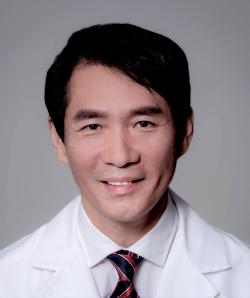
Dr. David Kang is a Professor in the Department of Pathology at Case Western Reserve University School of Medicine, holding the Howard T. Karsner Professorship in Pathology. He also serves as a VA investigator at the Louis Stokes Cleveland VA Medical Center. Dr. Kang earned his PhD in Neuroscience from UC San Diego in 1999 and has held prior academic roles at UCSD, Seoul National University, and the Byrd Alzheimer’s Institute at USF Health. His research focuses on molecular pathways underlying neurodegenerative diseases, particularly Alzheimer’s disease (AD) and related dementias (ADRDs), including Frontotemporal dementia (FTD), Amyotrophic lateral sclerosis (ALS), and Lewy body disorders (LBD). His interdisciplinary approach employs molecular, biochemical, and imaging techniques, alongside animal models (e.g., mice, C. elegans), to study proteinopathies, mitochondrial dysfunction, and autophagy defects. Key areas include APP processing, autophagy regulation, CHCHD10-mediated pathologies, and exosome-based biomarkers. His work is supported by NIH and VA grants, with a focus on translational strategies to treat or prevent ADRDs. Dr. Kang’s lab investigates mechanisms of neurotoxicity, including Aβ production, tau aggregation, and TDP-43 cytoplasmic inclusions. Recent studies explore SSH1 inhibitors, mitochondrial signaling, and exosome-derived biomarkers for early disease detection. Collaborations with institutions like USF Health and VA hospitals underscore his commitment to bridging basic science and clinical applications.
Behnam Sadeghirad is an Assistant Professor at McMaster University , specializing in Anesthesia . His work focuses on systematic reviews , network meta-analyses , and clinical epidemiology within anesthesiology, pain management, and public health. Research Interests : Anesthesia, Pain Management, Network Meta-Analysis, Public Health, Pharmacology, Critical Care Teaching Activities : Instructor for courses like Advanced Methods in Evidence Synthesis and Introduction to Biostatistics. Article Trends : His recent publications address ventilation strategies , opioid alternatives , interventional pain treatments , and methodological innovations in clinical research. Contact : Email sadeghb@mcmaster.ca . No scientific awards are explicitly mentioned in the provided data.
Dr. Gajender Aleti serves as an Assistant Professor in the Department of Agricultural and Environmental Sciences within the College of Agriculture at Tennessee State University (TSU), having joined the institution in August 2022. His academic appointment bridges agricultural sciences, environmental health, and biomedical research through interdisciplinary microbiome studies. His educational credentials include a PhD in Microbial Ecology from the Austrian Institute of Technology & The University of Natural Resources and Life Sciences, Vienna; an MSc in Bioinformatics from the University of Abertay Dundee; an MSc in Biotechnology from Osmania University, India; and a BSc in Botany, Zoology, and Chemistry from Osmania University. Dr. Aleti's research program investigates critical interactions between diet, the gut microbiome, and host health, with three core pillars: Understanding diet-microbiome-gut health interactions Characterizing bioactive small molecules produced by gut microbiota Elucidating gut microbiome-nervous system communication (Gut-Brain Axis) Analysis of his 15 recent publications (2016-2022) reveals a strong translational focus spanning human health contexts (salivary/gut microbiomes in depression, obesity, OCD, and oral cancer) and agricultural applications (rhizosphere microbiomes, bioremediation). His work predominantly employs mass spectrometry-based metabolomics and genomic data mining within large collaborative frameworks, demonstrating methodological innovation in multi-omics integration. While no specific scientific awards are documented in the provided materials, his publication record in journals like Nature Communications , Nature Methods , and BMC Microbiology reflects significant scholarly impact. His research is supported by active grants enabling investigations into microbiome-host dynamics across diverse physiological systems. Dr. Aleti actively mentors graduate researchers within TSU's Department of Agricultural and Environmental Sciences, contributing to the university's research infrastructure through laboratory-based investigations of microbial community dynamics and molecular mechanisms in health and disease contexts.