- Comparative Political Economy
- International Political Economy
- Comparative Authoritarianism
- +۷ مورد دیگر
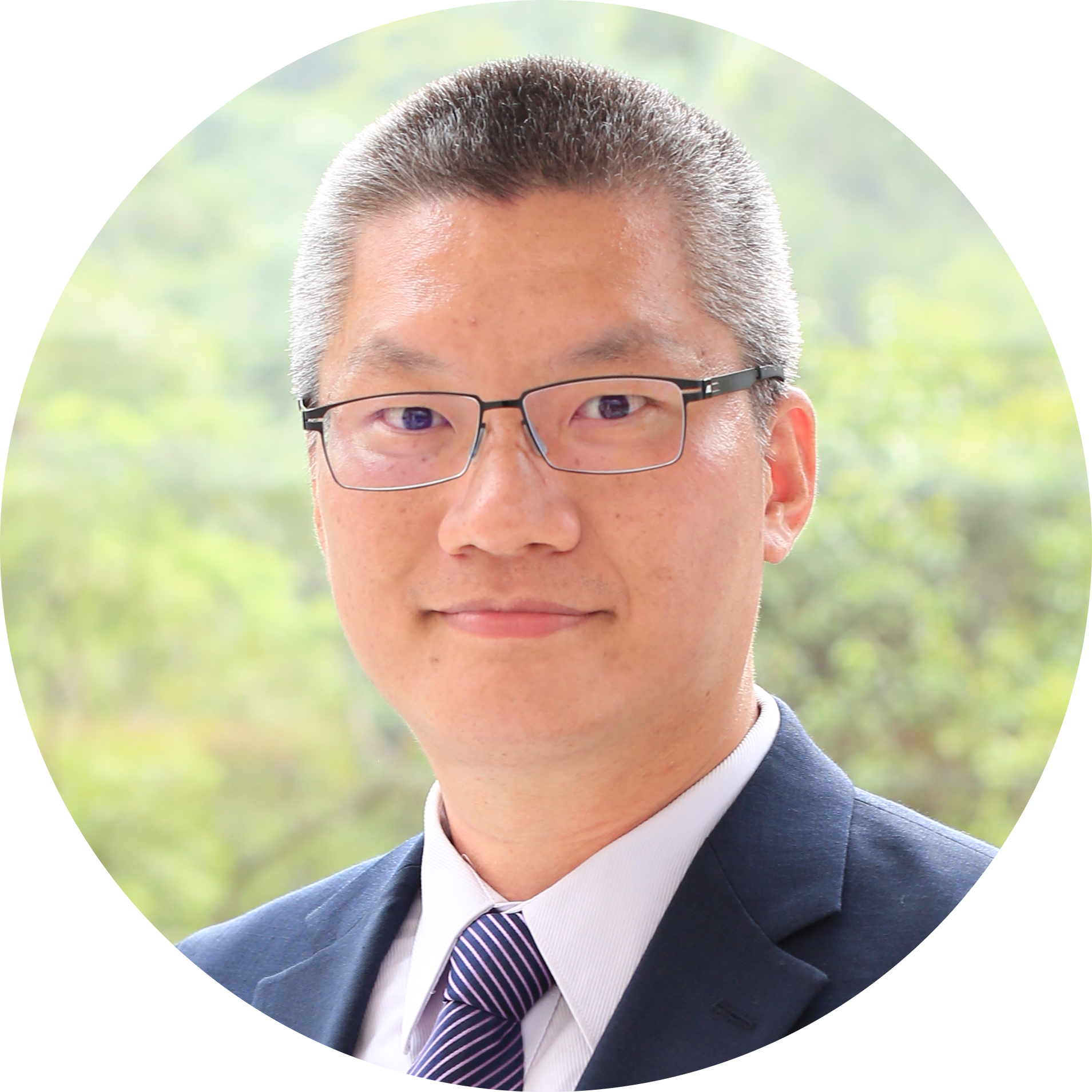
Wen-Chin Wu is a Research Fellow/Professor at the Institute of Political Science at Academia Sinica in Taipei, Taiwan. She has been appointed as the Lenore Annenberg and Wallis Annenberg Fellow at the Center for Advanced Study in the Behavioral Sciences (CASBS) at Stanford University for the 2025-26 academic year. Her academic profile demonstrates significant contributions to political science, particularly in comparative authoritarianism and political economy. Dr. Wu earned her B.A. from National Chengchi University (NCCU), M.A. from NCCU and Katholieke Universiteit Leuven, and Ph.D. from Michigan State University. She was a visiting scholar at the Harvard-Yenching Institute during the 2019-20 academic year. Currently, she serves as the coordinator of the Institute for Social Science Methodology funded by Taiwan's National Science and Technology Council. Her research primarily focuses on comparative and international political economy, comparative authoritarianism, and Chinese politics, with particular interest in economic statecraft and media dynamics in authoritarian regimes. Wu's work examines how dictators utilize trade policies to prolong political survival, how varieties of authoritarianism determine policy choices, and how Taiwanese citizens perceive cross-Strait relations and national security issues. Her methodological approach combines formal modeling, statistical analysis, and experimental survey techniques. Her recent publications reveal consistent scholarly productivity with research spanning authoritarian politics, trade policy, media freedom, and Taiwan security issues. Wu's work demonstrates sophisticated integration of theoretical frameworks with empirical evidence, particularly through survey experiments conducted in Taiwan and cross-national comparative analyses. Lenore Annenberg and Wallis Annenberg Fellow at CASBS, Stanford University (2025-26) Wu actively contributes to policy discussions through publications in outlets like The Diplomat and Global Asia. Her research on Taiwanese public opinion regarding cross-Strait relations and national security has informed contemporary debates on Taiwan-US-China dynamics. As coordinator of the Institute for Social Science Methodology, she plays a significant role in advancing methodological training for social scientists in Taiwan.