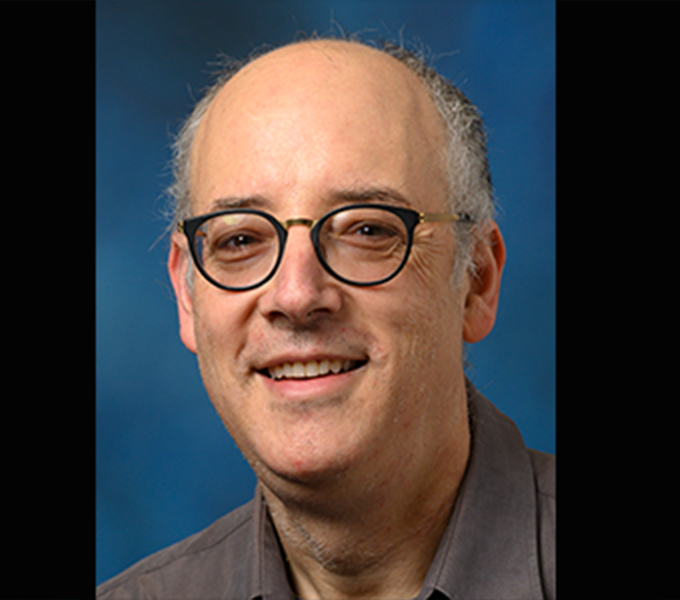
Prof. Martin Boeker is a Professor of Medical Informatics at the Technical University of Munich (TUM), affiliated with the TUM School of Medicine and Health. His work focuses on advancing healthcare through AI-driven solutions, interoperability frameworks, and precision medicine initiatives. Key projects include the German Medical Text Corpus (GeMTeX) and the MIRACUM DIFUTURE Alignment Hub. Expertise: Medical Informatics, AI in Healthcare, Federated Learning, Health Data Integration Key Contributions: FHIR-based systems, clinical decision support, patient-centered outcomes research Leadership: Director of the Institute for AI and Informatics in Medicine at TUM Hospital Right of the Isar Research emphasizes bridging clinical practice and data science through projects like modular health crawlers, automated guideline adherence monitoring, and cross-institutional medical NLP solutions. His work spans oncology informatics, rare disease management, and pandemic response data ecosystems. Recent articles highlight innovations in digital twins for precision oncology, federated analysis in oncology, and German-language medical NLP challenges. He collaborates internationally on EHR standardization and healthcare interoperability, contributing to the Medical Informatics Initiative (MII) and pandemic evidence ecosystems. Grants and collaborations involve the German Federal Ministry of Education and Research, European initiatives, and industry partnerships. Educational efforts focus on training future medical informatics professionals through MII competency programs.
Harry Hochheiser is an Associate Professor at the University of Pittsburgh School of Medicine, affiliated with the Department of Biomedical Informatics and the Intelligent Systems Program. He serves as Director of the Biomedical Informatics Training Program and is a Pitt Cyber Affiliate Scholar, focusing on interdisciplinary research at the intersection of computer science and healthcare. Education: MS and BS in Electrical Engineering and Computer Science from MIT (1991) His research spans human-computer interaction, information visualization, bioinformatics, universal usability, security, privacy, and public policy implications of computing systems. He emphasizes user-centered design for biomedical data exploration, including electronic health records and clinical informatics. His recent work includes NSF-funded projects on computer security education and computational thinking, alongside teaching courses in algorithms, human-computer interaction, and information visualization. Analysis of his publications reveals a focus on biomedical informatics, machine learning in healthcare, clinical data modeling, and natural language processing applications. Collaborative efforts include projects on gene networks, drug interactions, and clinical decision support systems. His current projects aim to develop interactive systems for biomedical data exploration, with applications in cancer informatics, pharmacogenomics, and clinical workflow optimization. He actively contributes to evaluation frameworks for visual analytics in healthcare and participates in policy discussions through roles like the Association of Computing Machinery's US Public Policy Committee.
Licong Cui, Ph.D., is an Associate Professor at the McWilliams School of Biomedical Informatics, University of Texas Health Science Center at Houston (UTHealth). She is also affiliated with the Center for Translational AI Excellence and Applications in Medicine (TEAM-AI) and the Texas Institute for Restorative Neurotechnologies (TIRN). Her research focuses on developing informatics methods to address biomedical data challenges, with expertise in ontologies, neuroinformatics, big data analytics, and clinical text mining. Dr. Cui has authored over 100 peer-reviewed publications and secured grants from NIH and NSF. Her work emphasizes ontology quality assurance, large language model applications in healthcare, and data integration frameworks. Notable contributions include developing the VaxBot-HPV chatbot for vaccine communication and advancing seizure frequency extraction methodologies using LLMs. Her honors include the 2022 AMIA New Investigator Award and 2021 NSF CAREER Award. Current projects involve enhancing NIH Common Data Elements with AI tools and improving EHR-based cohort querying through ontology-driven approaches. She collaborates on initiatives like the National Sleep Research Resource and Vaccine Ontology harmonization efforts.
Antti Sakari Rannikko is a Professor at the University of Helsinki's Department of Surgery, specializing in urology. He holds the title of Clinicum Professor and serves as a supervisor for the Doctoral Programmes in Integrative Life Science and Clinical Research at HUS Abdominal Center. His academic roles include overseeing doctoral theses in urological research and clinical oncology. He earned a PhD in Physiology from the University of Turku (1997) and a Medical Doctorate (1995), with specialist credentials in Urology and Surgery from the University of Helsinki. He became an Associate Professor in Experimental Urology (2006) and Urology (2012). Rannikko's research focuses on prostate cancer diagnostics, including magnetic resonance imaging (MRI) advancements, active surveillance protocols, and biomarker development. His work integrates artificial intelligence and robotics in medical applications, alongside biobank utilization and common data models like OMOP. He also explores the impact of treatments like Enzalutamide on patient outcomes. Recent publications (2025) address prostate cancer mortality prediction, immunotherapy combinations in renal cell carcinoma, and global active surveillance trends. His projects include collaborations with AstraZeneca and Movember Foundation grants. Rannikko has supervised multiple doctoral theses on urological topics, including MRI diagnostics and infection reduction strategies. His grants total over €400,000 from corporate and foundation funding. He contributes to multidisciplinary teams like the DEDUCER initiative for urological cancer diagnostics and treatment development.
Lovedeep Singh Dhingra is a Postdoctoral Associate at Yale School of Medicine, working in the Cardiovascular Data Science (CarDS) Lab within the Department of Internal Medicine. He holds a Master of Health Science (MHS) degree in Clinical Informatics & Data Science from Yale (2025) and completed his MBBS at All India Institute of Medical Sciences (AIIMS), New Delhi (2020). His research focuses on applying machine learning, computer vision, and natural language processing to cardiovascular diagnostics, electronic health record analysis, and public health applications. Dr. Dhingra's work bridges clinical medicine with advanced computational techniques to improve cardiovascular care through AI-driven insights from ECG images and other diagnostic data. His research trends show a strong emphasis on developing and validating AI algorithms for structural heart disease detection, heart failure risk prediction, and diabetes management. His publications demonstrate expertise in handling real-world clinical data across multinational settings, with particular attention to algorithm robustness and clinical applicability. Dr. Dhingra actively contributes to significant research initiatives including the DIRECT-DM digital registry for type 2 diabetes and the LEGEND-T2DM multinational effort assessing cardiovascular outcomes of diabetes therapies. He collaborates extensively with leading researchers including Rohan Khera, Harlan Krumholz, and Arya Aminorroaya, with whom he has numerous co-publications in top cardiovascular journals. His work has been published in prestigious journals including European Heart Journal, Journal of the American College of Cardiology, Circulation, JAMA Cardiology, and Nature Cardiovascular Research. At Yale, Dr. Dhingra is part of the vibrant research ecosystem centered around the Cardiovascular Data Science Lab, which focuses on innovation through data-driven discoveries to improve cardiovascular outcomes and advance precision medicine approaches in cardiology.
Christian Cole is a Reader in Health Informatics and Academic co-Director of the Health Informatics Centre (HIC) at the University of Dundee. He specializes in developing tools and infrastructure for Trusted Research Environments (TREs) to enhance secure healthcare data analysis. His work focuses on AI/ML applications in clinical settings using real-world datasets, particularly through the Alleviate Pain Data Hub, a national initiative under HDR UK. He previously led the Data Analysis Group at the Leverhulme Research Centre for Forensic Science. His research interests include federated data architectures, data harmonization, and the OMOP Common Data Model. Notable projects include the SATRE (Standardised Architecture for Trusted Research Environments) initiative and contributions to the Advanced Pain Discovery Platform. Cole has been recognized with awards such as the Dundee Difference Award for Positive Impact and the Gold Engage Watermark for Public Engagement. Recent articles highlight advancements in clinical guideline development tools, federated data systems, and heart failure diagnosis studies. He collaborates widely, including with HDR UK, UCL, and international partners through initiatives like EOSC-ENTRUST. His work aligns with UN Sustainable Development Goals related to health and well-being.
Na Hong is an Instructor of Biomedical Informatics and Data Science at Yale School of Medicine. She holds a PhD in Information Science from the Chinese Academy of Sciences (2010) and completed postdoctoral training in Medical Informatics at Mayo Clinic (2018). Her research focuses on clinical data standards (OHDSI, FHIR, i2b2), data normalization/harmonization, and applications in electronic health records (EHRs). She has contributed to grants and co-authored over 80 peer-reviewed publications. Education: PhD in Information Science, Chinese Academy of Sciences, 2010 Postdoctoral Training in Medical Informatics, Mayo Clinic, 2018 Research Interests: Her work emphasizes interoperability of clinical data through standards like FHIR and OHDSI, with applications in predictive modeling for diseases such as lung cancer and sepsis. She develops tools for clinical decision support systems and integrates unstructured EHR data using NLP. Recent projects include risk prediction models for venous thromboembolism and sepsis outcomes, leveraging machine learning. Publications: Her 15 most recent articles span machine learning in ICU decision-making, FHIR-based data normalization, and pharmacovigilance platforms. These reflect her focus on bridging data standards with clinical practice. Grants & Contributions: Co-investigator/key researcher in multiple grants Developed frameworks for EHR phenotyping and cohort retrieval systems Labs/Teams: Active in Biomedical Informatics & Data Science initiatives at Yale, contributing to projects like the NIH-funded Mental Health Research using AI.
Dr. Shahzad Mumtaz is a Lecturer at the School of Natural and Computing Sciences, University of Aberdeen, where he contributes to research and education in computational health and data science. His work bridges artificial intelligence and healthcare, focusing on real-world applications in medical data modeling and digital health tools. Research Interests: His research spans biomedical informatics, machine learning, natural language processing, electronic health records (EHR), phenotype libraries, and medical image analysis. He is particularly active in developing tools for clinical data standardization, such as the Carrot tool for OMOP CDM, and in AI-driven solutions for fraud detection, deepfake identification, and clinical decision support. His interdisciplinary work integrates computer science with public health and clinical medicine. Publication Trends: His recent publications (2023–2025) emphasize AI applications in healthcare, including deep learning for fake medical image detection, NLP for financial text analysis, and vision transformers for weather and skin cancer classification. He frequently collaborates on large-scale health data initiatives like CO-CONNECT and the UK Phenotype Library, reflecting a strong focus on scalable, interoperable digital health infrastructure. Scientific Contributions: Core contributor to the CO-CONNECT project for national health data access during the pandemic. Developer of the Carrot tool for improving OMOP data curation. Active in advancing phenotype library standards and EHR-based research. Advising and Grants: While no formal students or grants are listed in the provided text, his extensive collaborative work suggests active involvement in research teams and potential supervision of graduate researchers. He is likely engaged in funded projects related to health data science and AI, given the scale and scope of his publications. Labs and Teams: Dr. Mumtaz is affiliated with research initiatives at the University of Aberdeen focused on biomedical informatics and trusted research environments. He collaborates with multidisciplinary teams across the UK, particularly in projects involving NHS data, digital phenotyping, and AI safety in healthcare.
Christopher Gundler is a researcher affiliated with the University of Hamburg's Faculty of Medicine, specifically within the Institute for Applied Medical Informatics at the Center for Experimental Medicine. His work focuses on integrating cutting-edge technologies like wearable sensors, machine learning, and synthetic data generation into healthcare applications. Key research areas include Parkinson's disease monitoring through innovative devices such as e-textiles and sensor-equipped caps, 3D-printed drug development with machine learning assistance, and privacy-preserving data synthesis methodologies. He contributes to both fundamental research in biomedical informatics and translational projects targeting clinical needs. Gundler collaborates across disciplines, addressing challenges in multimodal data integration, ethical data use, and reproducible evaluation frameworks for healthcare technologies. His research employs advanced computational techniques such as Bayesian forecasting for animal welfare studies and large language models for clinical data visualization platforms. He actively explores the ethical and technical boundaries of leveraging secondary clinical data for public health insights, while advancing personalized medicine through patient-individual drug manufacturing solutions. Gundler's work bridges gaps between engineering innovations and clinical practice, aiming to improve patient outcomes through technology-driven healthcare solutions.
Edward Burn is a Senior Researcher in Epidemiology and Health Economics at the Nuffield Department of Orthopaedics, Rheumatology and Musculoskeletal Science, University of Oxford. His research focuses on leveraging routinely collected healthcare data to inform medical decision-making, including the safety and cost-effectiveness of treatments and procedures. He specializes in transforming disparate health data into standardized formats for cross-network analysis, leading projects like the European Health Data & Evidence Network (EHDEN) and collaborating with the Observational Health Data Sciences and Informatics (OHDSI) network. His work has addressed critical issues such as vaccine efficacy during pregnancy, cancer epidemiology, and thromboembolic risks post-COVID-19. Burn’s methodologies emphasize federated data networks to enable collaborative, privacy-preserving research across institutions. Research Interests: Healthcare data standardization via OMOP Common Data Model Pharmacoepidemiology and vaccine safety Population health trends in chronic diseases Cost-effectiveness of surgical interventions Global health surveillance and pandemic response Health economics of preventive healthcare Key Projects: European Medicines Agency-funded studies on post-COVID-19 outcomes and vaccine safety Multi-national cohort analyses on cancer incidence/survival Development of perinatal extensions to the OMOP data model Analysis of drug utilization patterns and shortages Advising/Grants: While no students are listed, Burn leads multiple funded initiatives including EHDEN and OHDSI collaborations. His work is supported by grants from the European Union and pharmaceutical regulatory bodies. Labs/Teams: Principal investigator in the Nuffield Department’s epidemiology group, core contributor to OHDSI’s global data networks, and member of EHDEN’s steering committee.
Gordon Milligan serves as Deputy Director of the UK Wide Alleviate Data Hub within Health and Clinical Services at the University of Dundee. His work focuses on developing national data infrastructure for chronic pain research and healthcare improvement. His research interests center on Chronic Pain Research , Health Data Standardization , and Observational Medical Outcomes Partnership frameworks. Milligan has pioneered approaches to integrate patient lived experience into data hub design, creating more meaningful research outputs through co-production methodologies. His publication portfolio shows consistent growth with 19 research outputs between 2022-2025, demonstrating increasing impact in health informatics. The research spans data standardization protocols, pain discovery platforms, and minimum data standards for national health reporting. Dundee Difference Award: Inspiring Colleague (2025) Dundee Difference Award for Positive Impact (2024) Letter of Commendation for PPIE (2024) Science for All Badge: Public Engagement and Research (2024) The Ian Stevenson Award for Excellence in Public Engagement (2025) Milligan leads significant public engagement initiatives including YouTube campaigns for pain awareness (#My3Words) and national conferences. His work with the Alleviate Data Hub has established new frameworks for patient-partnered research and national data sharing across healthcare institutions.
Rianne Oostenbrink is a researcher in the Department of Pediatrics at Erasmus MC, with a strong focus on neurofibromatosis type 1 (NF1), pediatric oncology, and emergency care. Her work spans clinical research, observational studies, and multicenter collaborations, contributing significantly to the understanding and management of rare pediatric conditions. Her research interests center on Neurofibromatosis Type 1 , particularly cognitive deficits, optic pathway gliomas, and long-term outcomes. She also investigates emergency department utilization in pediatric chronic diseases and the feasibility of clinical guidelines in real-world settings. Her work often involves large-scale data analysis, electronic health records, and national cohort studies. The recent publications reflect a consistent trend in pediatric neuro-oncology and genetic disorders , with emphasis on clinical trials (e.g., lamotrigine for cognition), risk prediction models, and healthcare implementation. Her studies frequently employ observational and retrospective designs, leveraging multicenter datasets to improve diagnosis, treatment, and quality of life for children with NF1. She is actively involved in the ENCORE Expertise Center for NF1 and collaborates with national and international consortia such as PESUDY and COPP-IGAS. Her research has been cited across platforms including Scopus, Mendeley, and social media, indicating broad academic engagement. Rianne Oostenbrink has supervised at least six academic works, reflecting her role in mentoring junior researchers and contributing to academic training in pediatric research. She has not received any explicitly mentioned scientific awards in the provided text. Her laboratory and team affiliations include the ENCORE Expertise Center for NF1 and participation in nationwide pediatric research networks, enabling large-scale, impactful studies in rare diseases.
Alejandro Rodríguez González is a Full Tenured Professor at the Computer Languages and Systems and Software Engineering Department of Universidad Politécnica de Madrid , where he has held academic positions since 2015. He leads the Medical Data Analytics Laboratory (MEDAL) at the Centro de Tecnología Biomédica . His academic career includes previous roles at Universidad Internacional de La Rioja (2012-2015), Universidad de Oviedo (2015), and Universidad Carlos III de Madrid (2011-2012). His research focuses on Biomedical Informatics , Network Medicine , and Computational Drug Repurposing . Key areas include artificial intelligence applications in healthcare, clinical natural language processing , and health data ecosystem transparency . He has developed ontologies like EBOCA and contributed to platforms including DISNET for rare disease research and DRIVE for disease visualization. Recent publications demonstrate expertise in protein folding prediction analysis , scRNA-seq integration , and graph neural network applications in drug repurposing. His work emphasizes biological pathway analysis , gender perspectives in pharmacology , and AI-driven disease network modeling . He has secured funding from H2020 , EIT Health , and Ministerio de Ciencia e Innovación . Scientific Awards : Best Research Trajectory Award (UPM, 2017) II Premio al espíritu innovador (Treelogic, 2008) Mejor Idea EUITIO (CEEI Asturias, 2008) He contributes to ERC grant proposal writing , serves on editorial boards for journals like International Journal On Advances in Intelligent Systems , and participates in conferences such as IEEE CBMS and Health Informatics Conference . His technical projects involve Semantic Web Services , Heterogeneous Data Integration , and IoT security frameworks .
Sharat Israni serves as the Chief Technology Officer of BCHSI (Bakar Computational Health Sciences Institute) and an Adjunct Associate Professor at the University of California, San Francisco (UCSF) School of Medicine, with additional affiliate faculty positions at UC Berkeley. A recipient of the NIH Director's Excellence Award (2024), Dr. Israni bridges cutting-edge data science with medical applications, leveraging his extensive industry experience from pioneering technology companies to advance computational health sciences. Dr. Israni earned his B.Tech. in Mechanical Engineering from the Indian Institute of Technology (IIT) Kanpur, followed by an M.S. in Industrial & Systems Engineering and a Ph.D. in Industrial Engineering (with Computer Science minor) from the University of Wisconsin, Madison. His educational background provided the foundation for his unique interdisciplinary approach that combines engineering rigor with computational innovation. His research focuses on transforming healthcare through advanced computational methods, with particular expertise in biomedical knowledge graphs, AI-driven clinical decision support, and large-scale health data analytics. Dr. Israni's work emphasizes practical applications that translate complex data science into tangible healthcare improvements, focusing on precision medicine, patient data security, and visualization of complex clinical histories. His approach consistently addresses real-world challenges in medical data processing while maintaining rigorous scientific standards. Analysis of Dr. Israni's publication trajectory reveals a strategic evolution from foundational manufacturing systems engineering to revolutionary applications in biomedical informatics. His recent work (2019-2024) demonstrates sophisticated integration of knowledge graphs with large language models, development of certified clinical data de-identification systems, and AI applications across neurology and cardiology. These publications consistently address critical healthcare challenges through computational innovation, with increasing emphasis on interoperable systems that can scale across diverse medical settings. His significant contributions have been recognized with numerous honors: NIH Director's Excellence Award (2024) Principal Investigator at NITRD Open Knowledge Workshop, Bethesda (2017) Primary Board Member at Li KaShing East West Alliance Meeting, Oxford University (2017) Panelist for NSF Translational Data Science Workshop, University of Chicago (2017) School of Engineering, University of Wisconsin Best Teacher Award (1983) As a leader who has held executive positions at Stanford Medicine, Intuit, and Yahoo!, Dr. Israni brings unique industry perspective to his academic mentorship. His guidance emphasizes practical implementation of data science in healthcare settings, preparing students to bridge the gap between theoretical innovation and clinical application. His participation in numerous NSF and NIH study sections demonstrates his influence in shaping research directions and funding priorities in computational health sciences. At UCSF, Dr. Israni leads the Bakar Computational Health Sciences Institute, where his team develops innovative computational approaches that transform healthcare data into actionable insights. His laboratory environment fosters collaboration between computer scientists, clinicians, and domain experts to create tools that improve patient outcomes through data-driven decision making. The institute serves as a hub for translational research where theoretical advances in AI and data science are rapidly prototyped and validated in clinical settings.
Dr. Masoud Rouhizadeh is an Assistant Professor in the AI in Health Sciences initiative at the University of Florida's College of Pharmacy and Associate Director of the Intelligent Critical Care Center (IC3). He also holds an Adjunct Assistant Professor position at Johns Hopkins Medicine. His expertise spans biomedical informatics, natural language processing (NLP), and artificial intelligence (AI) applied to healthcare. Education: PhD and M.Sc. in Computer Science from Oregon Health & Science University, M.A. in Human Language Technology from University of Trento, and additional degrees in Linguistics and Computer Science. Leadership: Co-founder of Johns Hopkins' Center for Clinical NLP (C2NLP), core member of UF's AI Task Force, and leads the AI Collaboration Hub at IC3. Research focuses on AI-driven analyses of healthcare data, particularly leveraging LLMs/NLP for mental health outcomes, substance use patterns, and Alzheimer’s risk identification. His work emphasizes translational science and clinical application, supported by grants from CDC, NIA, FDA, and PCORI. Teaching includes courses on AI in pharmacy, pharmaceutical outcomes, and data interpretation, with a focus on curriculum development and interdisciplinary education. He has mentored over 30 students and clinicians, many securing positions at Harvard, UCLA, FDA, and tech giants like Google and NVIDIA. Key grants include the Alzheimer's Disease Research Center (NIA) and a CDC-funded study on lifestyle intervention barriers. His labs develop informatics infrastructure for multi-site healthcare networks and scalable NLP solutions for unstructured medical data.