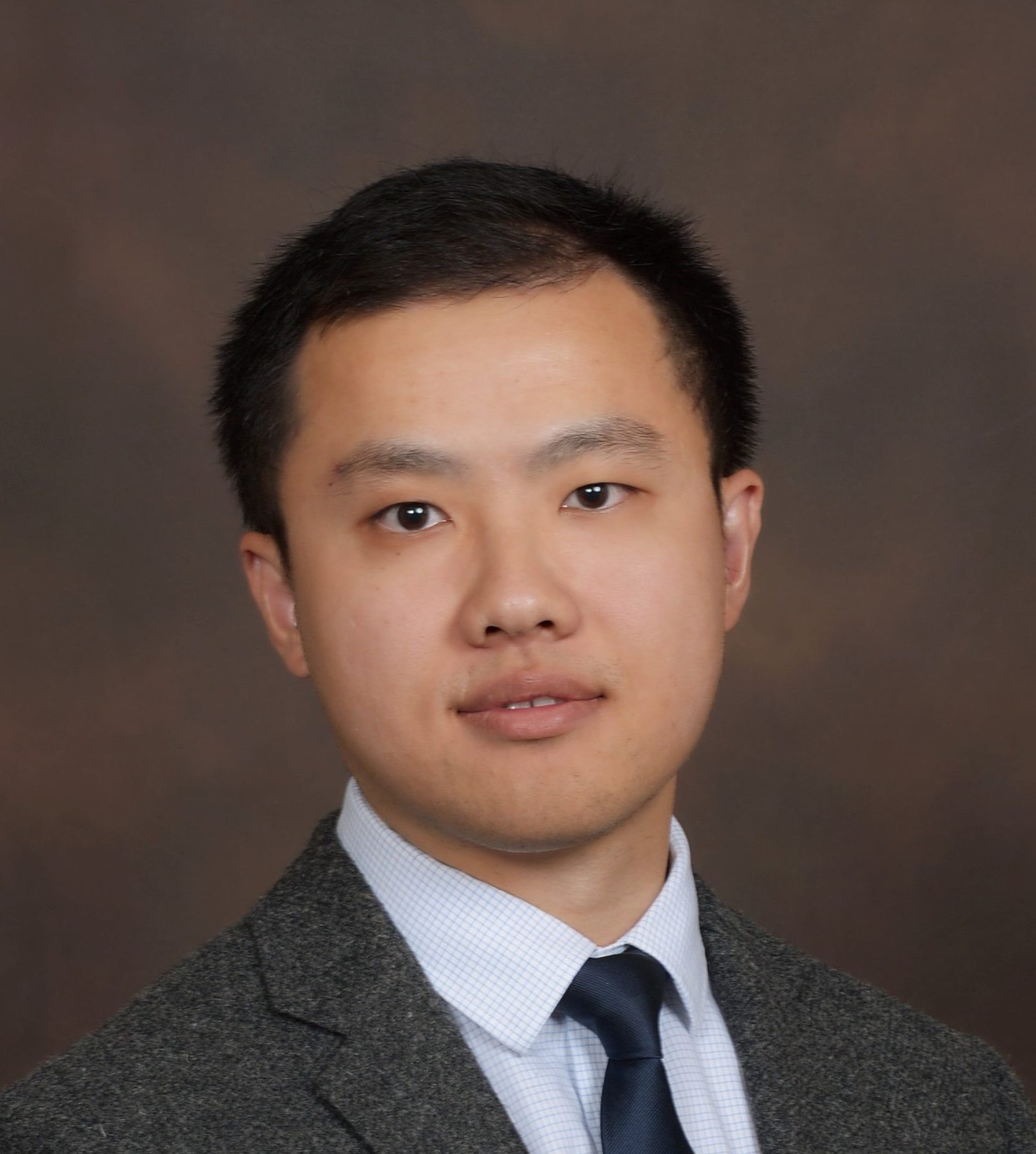
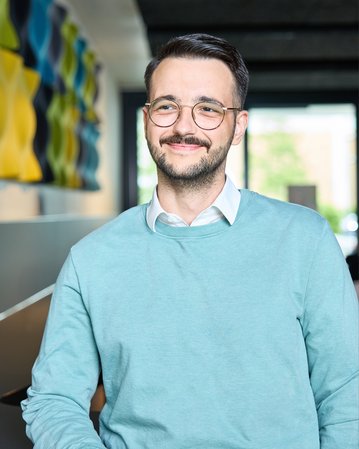
Alexander Harms serves as a Researcher at Erasmus MC within the Department of Radiology & Nuclear Medicine, Erasmus University Rotterdam. His work bridges advanced computational methodologies with clinical imaging applications, focusing on scalable solutions for data-intensive medical research through active participation in EU-funded consortia and international initiatives. His research program emphasizes: Reproducibility frameworks for medical imaging biomarkers Federated learning architectures for multi-cohort dementia studies OMOP-based data harmonization in healthcare AI infrastructure development for diagnostic imaging Open science practices in perfusion MRI Cardiovascular-neurological interface investigations Recent publications reveal a strategic trajectory toward solving critical bottlenecks in medical AI, particularly addressing data privacy through federated approaches and enhancing reliability of imaging analytics. His leadership in the ISMRM Open Science Initiative and EU infrastructure projects demonstrates translational impact, with work appearing in high-impact venues like Magnetic Resonance in Medicine and EClinicalMedicine attracting significant citations and policy attention.
Maggie French is an Assistant Professor in the Department of Physical Therapy & Athletic Training at the University of Utah, where she has been employed since July 2023. Her academic journey includes a DPT from Emory University (2010-2013), a neurologic physical therapy residency at Johns Hopkins and University of Delaware, a PhD in Biomechanics and Movement Science from University of Delaware (2016-2021), and a postdoctoral fellowship at Johns Hopkins University School of Medicine (2021-2023). She is a Board-Certified Neurologic Clinical Specialist (2015-2025) and serves on the Education Committee for the American Society of Neurorehabilitation. Dr. French's research focuses on improving the value of post-stroke rehabilitation by understanding person and system level variability through three interconnected components: longitudinal measurement of function and healthcare utilization; characterizing variability in functional outcomes; and characterizing and improving the value of care. Her work employs learning health systems, data science, bioinformatics, and real-world data analysis, with growing applications of artificial intelligence in rehabilitation. She has published extensively on topics including locomotor learning after stroke, depression and physical activity relationships, video-based gait analysis, and precision rehabilitation frameworks. Her recent publications demonstrate a strong trend toward leveraging large-scale data and digital health technologies to understand rehabilitation outcomes. The research shows increasing integration of artificial intelligence methods, with several 2024-2025 papers focusing on responsible AI implementation, video-based pose estimation, and common data models for rehabilitation research. Board-Certified Neurologic Clinical Specialist (2015-2025) Faculty Fellow in One-U Responsible Artificial Intelligence Initiative (2025) NIH grant: Characterizing Post-Acute Physical Therapy Utilization and Outcomes After Stroke (2024-2029) University of Utah grant: Safety and Efficacy of Reduced Upper Extremity Restrictions after Lung Transplantation (2024-2026) As an educator, Dr. French teaches in both the entry-level DPT program and Rehabilitation Science PhD program at the University of Utah, with a teaching philosophy centered on fostering mutual respect, supporting self-discovery, and creating a culture of continuous learning. She actively mentors future clinicians and researchers, emphasizing preparation for leadership roles in rehabilitation.
Hedvig Marie Egeland Nordeng is a Professor at the Department of Pharmacy, University of Oslo and an Adjunct Professor in Clinical Pharmacology at the Faculty of Health Sciences, University of Southern Denmark . She specializes in perinatal pharmacoepidemiology and medication safety during pregnancy , leading interdisciplinary research projects across the Nordic region and globally. PhD in Pharmacoepidemiology (2005), University of Oslo MSc in Pharmacy (1997), University of Oslo Her research focuses on neurodevelopmental outcomes , childhood cancer risks , and pharmacovigilance following prenatal and postnatal drug exposure. She develops machine learning pipelines for real-world data analysis and leads the iAPOGEE and UIORealArt convergence environments. Recent publications span registry-based studies on antidepressants, antiseizure drugs, and COVID-19 vaccine safety in pregnancy. She holds a ERC Starting Grant and has received multiple awards, including the Women's Research Award (2023) and Pharmacist of the Year (2016). Editor of clinical pharmacology textbook for nurses Head of PharmacoSafe Research Group Contributor to Norwegian Drug Formulary guidelines
Dr. Chen Liang is an Assistant Professor in the Department of Biomedical Informatics and Medical Education at the University of Washington. He holds a PhD in Biomedical Informatics from the University of Texas and is a Fellow of the American Medical Informatics Association (FAMIA). His research focuses on augmenting clinical decision-making through computational methods. Research Interests: Dr. Liang develops AI-driven solutions for healthcare challenges including: Multi-modal EHR integration and common data models Biomedical ontology engineering Machine learning for clinical prediction (diagnostics, prognosis, comorbidity) Applications in infectious diseases, maternal health, and precision medicine Awards & Honors: Fellow, American Medical Informatics Association NIH/NIDDK DATA Scholar He leads two NIH R21 grants examining Long COVID and HIV/SARS-CoV-2 coinfections using nationwide EHR data. Dr. Liang actively mentors students and collaborates with the National COVID Cohort Collaborative consortium.
Philipp Unberath serves as Professor of Psychology at SRH University since 2022, holding a habilitation in psychology from Friedrich-Alexander-Universität Erlangen-Nürnberg (FAU) awarded in 2023. His career bridges clinical psychology practice and biomedical informatics innovation, with prior roles including 18 years as Research Assistant at FAU (2004-2022) focusing on legal psychology and developmental disorders. His research integrates artificial intelligence with healthcare through two complementary threads: Biomedical Informatics: Leading technical development of cancer genomics platforms (cBioPortal extensions, molecular tumor board systems, clinical decision support tools) Clinical Psychology: Specializing in developmental/abnormal psychology, legal psychology, and prevention programs for children/families This dual expertise enables human-centered design of healthcare IT systems that address both technical and psychological dimensions of patient care. Analysis of his 15 most recent publications (2019-2023) reveals a strategic pivot toward precision oncology informatics, with 80% of recent work focused on genomic data integration, molecular tumor boards, and clinical decision support systems. His psychological background informs usability studies and workflow implementations, creating a distinctive niche at the AI-healthcare-psychology intersection. Scientific recognition includes: Bavarian doctoral scholarship (2002-2004) Continuous high-impact publication in biomedical informatics (JMIR, Cancers, BMC Med Inform) As an active principal investigator, Prof. Unberath directs grant-funded projects developing clinical-genomic integration platforms. His supervision approach combines technical mentorship in health informatics with clinical psychology perspectives, preparing students for interdisciplinary healthcare innovation roles. Current work focuses on real-world implementation of AI-driven decision support in oncology settings.