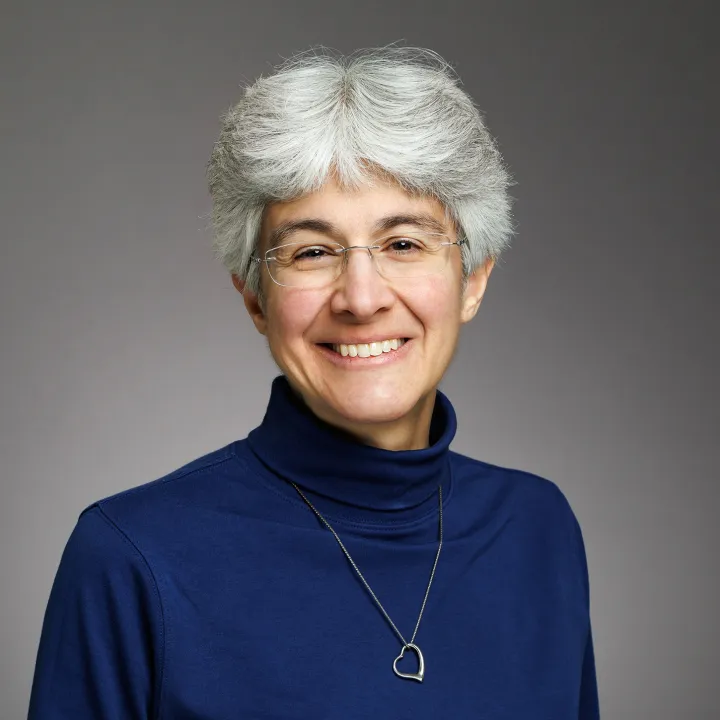
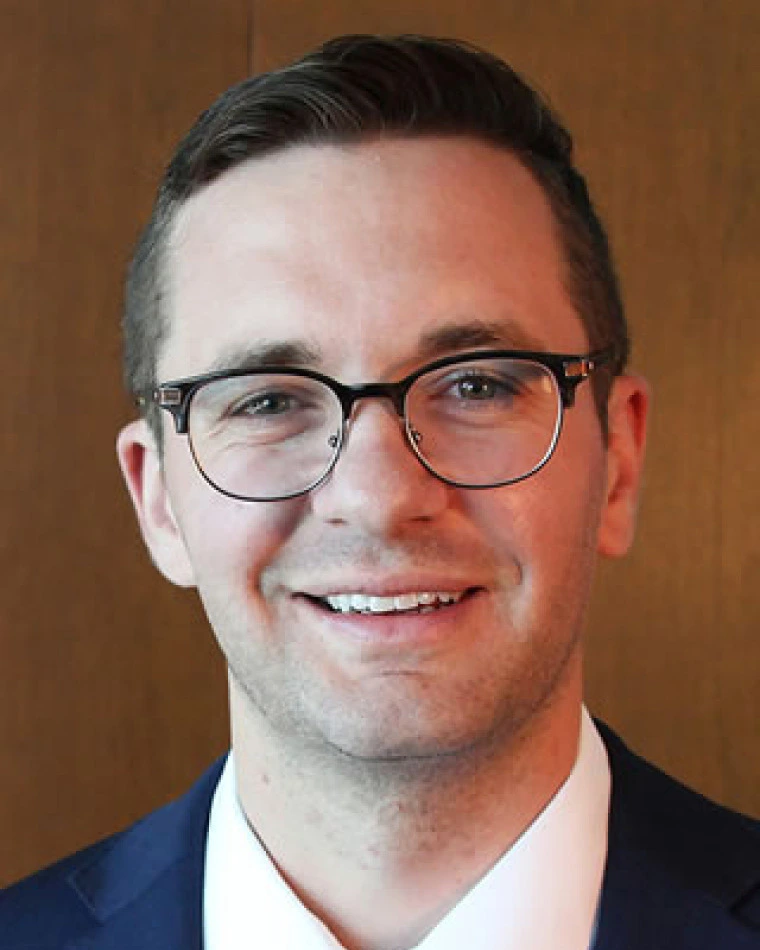
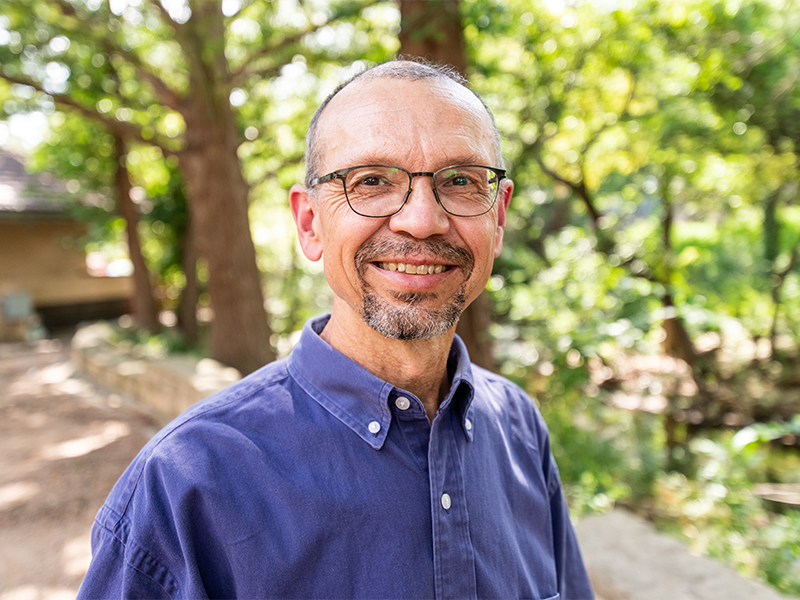
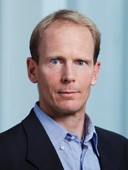
Kai Leonhard is an Adjunct Professor at the Chair of Technical Thermodynamics , RWTH Aachen University. His research focuses on computational chemistry, thermodynamics, and molecular modeling, particularly in solvent design and reactive chemical processes. Department: Chair of Technical Thermodynamics Email: kai.leonhard@ltt.rwth-aachen.de Prof. Leonhard's work integrates quantum chemistry with computer-aided molecular and process design (CAMD/CAPD), emphasizing solvation thermodynamics, reaction kinetics, and machine learning applications. His projects span biofuel combustion, microgel synthesis, and sustainable solvent development. Recent publications highlight advancements in COSMO-RS-based solvent screening, reaction network exploration via ChemTraYzer-TAD, and multi-fidelity modeling for partition coefficients. He employs machine learning to enhance predictive thermodynamic models and optimize chemical processes.
Prof. Dr. Hüseyin Yapıcı is a faculty member in the Department of Mechanical Engineering at Başkent University . His research focuses on Nuclear Energy Systems , Accelerator Technology , and Thermodynamics . Nuclear Reactor Design Energy Systems Optimization Heat Transfer Analysis His work involves numerical simulations , neutronic analysis , and nuclear waste transmutation . Recent publications highlight three-dimensional power density modeling in accelerator-driven systems and tritium production studies. Prof. Yapıcı has supervised numerous students, including Gizem Bakır , Alper Buğra Arslan , and Büşra Durmaz , across diverse projects from fusion-fission hybrids to renewable energy systems .
Susan E. Burns is a Professor at the School of Civil and Environmental Engineering , Georgia Institute of Technology. She holds multiple administrative roles, including Interim Associate Vice President for Research Operations and Infrastructure and Associate Chair for Administration and Finance. Burns earned all her degrees (B.C.E., M.S., Ph.D.) in civil engineering from Georgia Tech. NSF CAREER Award (2000) Arthur Casagrande Professional Development Award (ASCE) Edmund Friedman Young Engineer Award (ASCE) Class of 1969 Teaching Scholar (Georgia Tech) Fellow, American Society of Civil Engineers (2013) Her research focuses on geoenvironmental engineering , emphasizing waste material reuse (dredged sediments, fly ash), stormwater treatment , soil erosion control , and microbially induced calcite precipitation (MICP) . Recent publications analyze microplastic transport, arsenic speciation in fly ash, and LCA of dredged sediment reuse. Funding sources include NSF, DOE, US Army Corps of Engineers, and state departments of transportation. Professor Burns has led major conference proceedings (e.g., IS Atlanta 2008, ICSE-5) and served on editorial boards like ASCE's Journal of Geotechnical and Geoenvironmental Engineering. Her administrative roles include chairing graduate committees, overseeing curriculum changes, and managing geosystems group operations.
Beth Anne Bennett is a Senior Lecturer in the Department of Mechanical Engineering at Yale University. Her research focuses on computational methods for solving complex fluid dynamics and combustion problems, particularly involving adaptive grid refinement techniques for nonlinear PDEs. She holds a Ph.D. from Yale University, where her doctoral work centered on developing efficient numerical algorithms for multidimensional combustion phenomena. Her research interests include laminar combustion, fluid dynamics, heat transfer, and solidification processes. She has pioneered solution-adaptive gridding techniques like Local Rectangular Refinement (LRR) for both nonreacting and reacting flows, with applications to steady and unsteady multidimensional systems. Bennett has been recognized with the National Science Foundation ADVANCE Fellows Award (2002-2006). Her publications span computational studies of ethanol/dimethyl ether blending effects in flames, oxygen-enhanced methane flames, and axisymmetric coflow flames. She actively contributes to professional societies including The Combustion Institute, ASME, SIAM, ASEE, and SWE. Her work integrates computational innovation with experimental validation, addressing challenges in parallelization, sparse matrix treatments, and algorithm optimization for convection-diffusion problems. Bennett's research bridges fundamental numerical methods and applied combustion engineering, advancing both theoretical frameworks and practical applications in energy systems.
Ciprian Cimpan is an Associate Professor at the Department of Green Technology (IGT), University of Southern Denmark, and a key member of the SDU Climate Cluster and SDU Life Cycle Engineering. His research focuses on Circular Economy , Industrial Ecology , Waste and Resources Management , and Life Cycle Assessment , with a strong emphasis on sustainable growth and resource efficiency. Postdoctoral Fellow, Norwegian University of Science and Technology (2019–2021) His recent publications highlight applications of LCA in evaluating additive manufacturing , plastic packaging , and critical material recycling within green transition contexts. He also investigates systemic challenges in textile waste , ICT product obsolescence , and rebound effects in reuse practices . Scientific awards include the DANROAD Prize (2025) for innovative drug recycling. He supervises PhD student Bubinek R. and teaches courses on Eco-efficient Engineering , Waste Management , and Solid Waste Processing .
Guillaume Chiavassa is a Professor in Applied Mathematics at Ecole Centrale de Marseille, affiliated with the Laboratoire M2P2 (Mechanics, Modeling and Physical Processes Laboratory). He leads research in the Thermodynamics, Waves, Digital, Interfaces and Combustion team, focusing on advanced computational methods for complex physical phenomena. His research spans wave propagation in porous media, numerical modeling of plasma flows in Tokamak configurations, multilevel schemes for conservation laws, penalization methods for compressible flows, and wavelets in numerical analysis. Chiavassa's work demonstrates exceptional mathematical rigor applied to challenging physical systems, particularly in nonlinear wave dynamics and computational fluid mechanics. His methodologies bridge theoretical mathematics with practical engineering applications. Analysis of his recent publications reveals a strong focus on wave propagation phenomena across diverse media, with significant contributions to numerical methods for nonlinear systems. His work consistently addresses the mathematical challenges of modeling complex physical behaviors including material softening, fractional attenuation in porous media, and plasma dynamics in fusion devices. The interdisciplinary nature of his research connects applied mathematics with mechanical engineering, geophysics, and nuclear fusion technology. Chiavassa leads the PROSPERO Software project and participates in the ANR Espoir research initiative and the Consortium SEISCOPE. His teaching activities include courses on hyperbolic equations, finite elements, and heat transfer, with practical computational components developed for student instruction. He maintains an active research program through Laboratory M2P2, where his team develops advanced numerical methods for simulating complex physical phenomena with applications ranging from environmental engineering to nuclear fusion research.
Carson Slabaugh is an Assistant Professor in the Department of Aeronautics and Astronautics and holds a courtesy appointment in the Department of Mechanical Engineering at Purdue University. His research focuses on advanced propulsion systems, particularly combustion dynamics in rotating detonation engines (RDEs), rocket combustors, and ramjet configurations. He leads studies on high-pressure flames, laser diagnostics, and fuel injection mechanisms. Key research areas include detonation wave propagation, pressure gain combustion, and the application of advanced optical diagnostics (e.g., CARS, PLIF) to study transient phenomena in extreme environments. His work addresses challenges in next-generation propulsion systems, including hydrogen-blend fuels, methane-oxygen rocket ignition, and solid-fuel ramjet performance. Recent studies emphasize geometric optimization of RDEs, fuel injection dynamics under detonation conditions, and the impact of flow parameters on combustion stability. Collaborations involve experimental validation with high-speed imaging and computational fluid dynamics (CFD) modeling to bridge theoretical predictions with real-world performance. Slabaugh’s laboratory develops novel diagnostic tools for megahertz-rate imaging of mixing and combustion processes, advancing understanding of transient flame structures and instability mechanisms. His contributions aim to improve efficiency and operability of propulsion systems for aerospace and terrestrial applications.
Prof. Aswin Gnanaskandan is an Assistant Professor in the Department of Mechanical & Materials Engineering at Worcester Polytechnic Institute (WPI), where he joined in August 2020. He directs the Computational Multiphase Transport Laboratory, focusing on developing high-fidelity models for multiphase flows with applications in engineering and biomedical fields. His research is funded by NSF, Office of Naval Research, NIH, and the Center for Advanced Research in Drying. Education: PhD, Aerospace Engineering & Mechanics, University of Minnesota (2015) MS, Aerospace Engineering & Mechanics, University of Minnesota (2012) BS, Aeronautical Engineering, Madras Institute of Technology (2006) Research Interests: Computational Fluid Dynamics (CFD), Multiphase Flow Modeling, Biomedical Acoustics, High-Performance Computing, and applications in underwater transportation, propulsion, and biomedical acoustics. His work bridges fundamental fluid mechanics with real-world challenges in energy, health, and environmental systems. Recent Research Trends: His articles focus on microbubble-enhanced ultrasound therapy, cavitation dynamics in propulsion systems, and multiphase flow modeling across scales. Key themes include improving thermal ablation precision in medical treatments and optimizing industrial processes like spray drying through advanced numerical techniques. Awards: Excellence in Research Award (WPI, 2024) NSF Engineering Research Initiation Award (2023) James Nichols Heald Research Award (WPI, 2022) Teaching & Advising: Teaches undergraduate/graduate courses in Fluid Mechanics, Thermodynamics, and Numerical Methods. Advises multiple Major Qualifying Projects and fosters interdisciplinary collaboration through lab activities. His lab actively engages with industry and academic partners on projects like HIFU therapy and sustainable energy solutions. Labs & Teams: Leads the Computational Multiphase Transport Lab, which collaborates on projects involving CFD solver development (MFC 5.0), exascale computing, and biomedical acoustics. Aligns research with UN Sustainable Development Goals (SDG 7, 9, 13).
Kyle Hanquist is an Assistant Professor in the Department of Aerospace and Mechanical Engineering at the University of Arizona, where he is also a member of the Graduate Faculty. He directs the Computational Hypersonics and Nonequilibrium Laboratory (CHANL), focusing on advanced simulation techniques for high-speed flows. His academic journey includes a PhD and MSE in Aerospace Engineering from the University of Michigan and a BSE in Mechanical Engineering from the University of Nebraska. PhD, Aerospace Engineering, University of Michigan, Ann Arbor MSE, Aerospace Engineering, University of Michigan, Ann Arbor BSE, Mechanical Engineering, University of Nebraska, Lincoln Dr. Hanquist's research centers on hypersonics, aerothermodynamics, and nonequilibrium flows , with strong emphasis on computational fluid dynamics , low-temperature plasmas , and thermal management systems . His work involves modeling complex physical phenomena such as electron transpiration cooling, plasma-assisted flow control, and high-temperature gas effects in reentry environments. He also investigates molecular gas dynamics and finite-rate chemistry in extreme conditions. His recent publications reveal a strong trend in computational modeling of hypersonic boundary layers , plasma sheaths , and shock-tube validation of thermochemical models . The interdisciplinary nature of his work spans aerospace engineering, plasma physics, and materials response under extreme thermal loads. Much of his research integrates multi-physics simulations to address fluid-thermal-structural interactions critical for next-generation hypersonic vehicles. Dr. Hanquist has received several scientific honors, including: 2020 AIAA Plasmadynamics and Lasers Best Paper Award Editor's Choice, AIP Publishing - Physics of Fluids (Summer I 2020) Featured Article, AIP Publishing - Physics of Fluids (Summer I 2021) Frontiers in Physics – Plasma Physics (Spring 2020) As an advisor and lab director, he mentors graduate students in computational hypersonics and collaborates with institutions like NASA and the University of Michigan. His research is supported by grants from aerospace and defense agencies, though specific funding sources are not listed. He teaches courses in fluid mechanics, numerical methods, and nonequilibrium flows, contributing to both undergraduate and graduate education. He leads the Computational Hypersonics and Nonequilibrium Laboratory (CHANL) , which develops and applies high-fidelity simulation tools for hypersonic applications. The lab focuses on kinetic modeling, plasma interactions, and optimization of thermal protection systems, often using massively parallel CFD codes and multi-fidelity surrogate models.
Paul Tjossem is a Professor in the Physics Department at Grinnell College , specializing in experimental physics with a focus on electromagnetic phenomena, laser spectroscopy, and combustion diagnostics. His work bridges classical electromagnetism with modern optical measurement techniques. Current Research: Non-linear laser spectrometry, trace atom detection, and electromagnetic puzzles His research has produced significant publications spanning 1983-2019, with recent work on the candle seesaw resonance phenomenon (2019) and parametric feedback in coupled oscillators (2017). Earlier work explores photodissociation dynamics (1992), combustion diagnostics (1990-1991), and Rydberg state spectroscopy (1988-1989). Educational Background Postdoc (Molecular Physics), National Institute of Standards and Technology (1987-89) Ph.D. (Applied Physics), Cornell University (1987) M.S. (Applied Physics), Cornell University (1983) B.A. (Physics), Swarthmore College (1981) Student Collaborations V. Cornejo '98: Thomson's Jumping Ring K. Ni '09: Computed Tomography and the Radon Transform F. Friesen '10: FPGA applications E. C. Brost '10: Optimizing Thomson's Jumping Ring
Naim Rashid is an Assistant Professor in the Department of Environmental Engineering at Montana Technological University, with prior roles including Associate Professor at National University of Science and Technology (2023–2024) and Assistant Professor at COMSATS University (2015–2021). His work focuses on the water-energy-environmental nexus, particularly using microalgae and purple bacteria for wastewater treatment and resource recovery. Education: Ph.D. in Civil and Environmental Engineering from KAIST (2013), M.S. in Environmental Engineering and Biotechnology from Myongji University (2009). Research interests include integrated wastewater treatment using phototrophic microalgae and purple bacteria, biofilm technologies for resource recovery, and life cycle assessment of environmental processes. He also specializes in PFAS removal and bioremediation of coal ash ponds. His publications emphasize biofilm reactors , single-cell protein production , and bioenergy systems from waste streams. Recent work explores nutrient dynamics in biofilm growth, sustainable petroleum industry wastewater treatment, and algal co-cultivation for biodiesel. Awards: Green Talent Award (Germany), Global Young Academy Membership (2017–2022), Fulbright Scholar Award (USA). Professional Service: Curriculum Review Committee, Graduate Council, and advisor to Environmental Engineers of Montana Tech (EEMT) club. Projects: Bioremediation of coal combustion residue, PFAS removal, and integration of acid mine drainage treatment with aquaculture feed synthesis.
Marco Badami is a Full Professor at the Department of Energy (DENERG) , Polytechnic of Turin. He serves as Scientific Director for national and EU-funded research projects in energy systems and has been a Course Lecturer for Energy Systems and Industrial Use of Energy since 2010. He supervises PhD students in Energetics and Electrical Engineering . Research Interests: His work spans energy systems optimization, machine learning applications for industrial energy efficiency, smart grids, cogeneration scheduling, blockchain-based energy data immutability, and predictive maintenance algorithms for photovoltaic plants. Current projects focus on AI-driven energy audits, optimized control systems for industrial microgrids, and digital twin architectures. Collaborations: He works with Trigenia Srl, Stogit SpA, and international institutions on commercial research contracts. His scientific contributions include 15+ publications on topics like LSTM forecasting for solar energy, deep reinforcement learning for multi-energy systems, and decentralized peer-to-peer energy trading platforms.
Matthew J. Hall is a Professor in the Department of Mechanical Engineering at the University of Texas at Austin , where he also holds the Louis T. Yule Fellowship in Engineering . He has been a faculty member since 1991 and is affiliated with the Cockrell School of Engineering . His research spans engine combustion processes , thermal fluids systems , engine controls , optical diagnostics , battery safety , and alternative fuels . He is particularly known for his work on cold-start emissions , spark ignition , engine friction reduction , and thermoelectric energy recovery . He teaches courses in Thermodynamics , including modeling of power cycles and HVAC systems , and has published over 150 technical articles. His recent work includes innovations in ammonia combustion , biomass gasification , and advanced engine diagnostics . Scientific Awards & Honors: Fellow of the Society of Automotive Engineers (SAE) Louis T. Yule Fellowship in Engineering Associate Editor, SAE International Journal of Engines Research Impact & Leadership: Prof. Hall leads multidisciplinary efforts in combustion science , energy systems , and sustainable propulsion . His lab has contributed to reducing engine friction by up to 40%, improving fuel efficiency at idle, and advancing the use of ammonia as a low-carbon fuel. He also explores thermoelectric generators for extending drone flight range and improving vehicle energy recovery systems.
Prof. Patrick Jenny is a Full Professor at the Department of Mechanical and Process Engineering and Head of the Institute of Fluid Dynamics at ETH Zurich. His research focuses on computational fluid dynamics (CFD), numerical methods for turbulent and multiphase flows, and reservoir simulation. He has held positions at ChevronTexaco and Cornell University, and received the National Latsis Prize 2005. PhD in CFD from ETH Zurich (1997) Postdoctoral work at Cornell University (1997–1999) Senior Researcher at ChevronTexaco (1999–2003) Research interests include: turbulent reactive flows, PDF modeling, multi-scale reservoir simulation, and data assimilation in engineering systems. He teaches courses on fluid dynamics, turbulence, and computational methods. Over 100 peer-reviewed publications span topics like fracture modeling, LES/RANS coupling, and particle-laden flows. His work bridges academia and industry, addressing challenges in energy systems, environmental engineering, and numerical algorithms. Winner: National Latsis Prize 2005 Led over 20 PhD projects and collaborates with institutions globally. His lab develops open-source tools for CFD and energy systems analysis.
Dr. Hyungwoong Ahn is a Senior Lecturer in Chemical Engineering at the University of Edinburgh and an Adjunct Professor at Yonsei University. His expertise lies in adsorption process engineering, particularly for CO2 capture and gas separation. He leads the Carbon Capture Group and coordinates exchange programs for chemical engineering students. Dr. Ahn holds a BSc, MSc, and PhD in Chemical Engineering from Yonsei University. Roles: Senior Lecturer (Edinburgh) & Adjunct Professor (Yonsei) Research Focus: Pressure Swing Adsorption (PSA), CO2 capture technologies, hydrogen purification, and industrial decarbonisation Key Projects: PSA-SPUR technology development, ship-based carbon capture, and collaboration with HD Korea Shipbuilding Awards: KOFST Brain Pool Fellow, IChemE Global Awards finalist, and Honeywell UniSim Design Challenge winner His research integrates equilibrium theory analysis, numerical simulation, and experimental validation to advance carbon capture systems. He has authored over 50 publications (H-index 32) and secured funding from EPSRC, BEIS, KETEP, and others.