Rhenish Friedrich Wilhelm University of BonnGermany
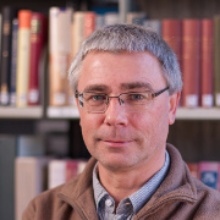
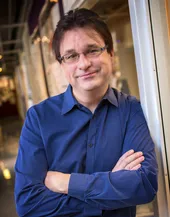
Prof. Waldemar Kolanus leads the Molecular Immunology and Cell Biology department at the University of Bonn's Life & Medical Sciences Institute (LIMES) . His research bridges immunoregulation , stem cell dynamics , and metabolic stress responses in immune cells. Unit 2 member at LIMES Principal investigator in SFB 704 and ImmunoSensation Cluster Leads a multidisciplinary lab with postdocs, PhD students, and technical staff His work focuses on intracellular signaling pathways connecting immune activation to tissue homeostasis, particularly through: Cytohesin proteins in integrin-mediated adhesion and migration TRIM71 in stem cell regulation and congenital hydrocephalus High-salt environments affecting macrophage function Publication trends show expertise in immune cell migration , genetic models , and chemical inhibition , with frequent use of mice and zebrafish for in vivo studies. Key articles explore: TRIM71's dual role in auditory development and germ cell maintenance Cytohesin family's Golgi regulation and insulin signaling Ruxolitinib's off-target migration inhibition of dendritic cells Contact details: Address: LIMES Institute, Carl-Troll-Straße 31, Bonn Email: kolanus.sekretariat@uni-bonn.de Phone: +49 228 73-62788
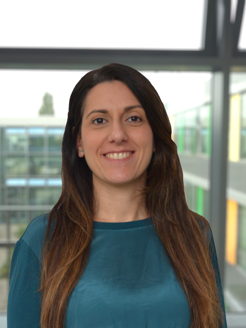
Prof. Dr.-Ing. Ralf Beck serves as Professor for Control and Regulation Technology and Automation Technology at Hochschule Düsseldorf University of Applied Sciences within the Faculty of Electrical Engineering & Information Technology. His academic responsibilities span multiple degree programs including BEng Electrical Engineering, BEng Industrial Engineering, and MSc Electrical Engineering and Information Technology. His educational background includes Mechanical Engineering studies at TU Braunschweig (1998-2004), followed by doctoral research at RWTH Aachen's Institute of Control Engineering where he earned his Dr.-Ing. in 2010 with a dissertation on predictive energy management for hybrid vehicles. Prior to his current professorship, he held progressive roles at FEV Europe GmbH from 2009-2018, culminating as Senior Project Manager for Vehicle and Powertrain Electronics. Beck's research focuses on control engineering systems with particular emphasis on automation technology, regulation systems, and model-based development approaches. His work bridges theoretical control methodologies with practical automotive applications, especially in hybrid vehicle energy management, multi-robot systems, and intelligent air path control. The Modellfabrik Fab21 serves as his primary experimental platform for model-based development applications. His publication record since 2005 demonstrates consistent contributions to control engineering, particularly in hybrid vehicle systems, emission control optimization, and calibration methodologies. Recent work shows increasing focus on distributed robotics and intelligent transportation systems, reflecting evolving research directions while maintaining core expertise in control theory applications. As an educator, Beck teaches foundational and advanced courses including Electrical Engineering III, Control and Regulation Technology, Model-Based Development, Technical Mechanics, and Advanced Control Engineering at the Master's level. His teaching integrates theoretical concepts with practical laboratory applications through the university's Moodle platform, emphasizing hands-on implementation of control algorithms and system modeling techniques.
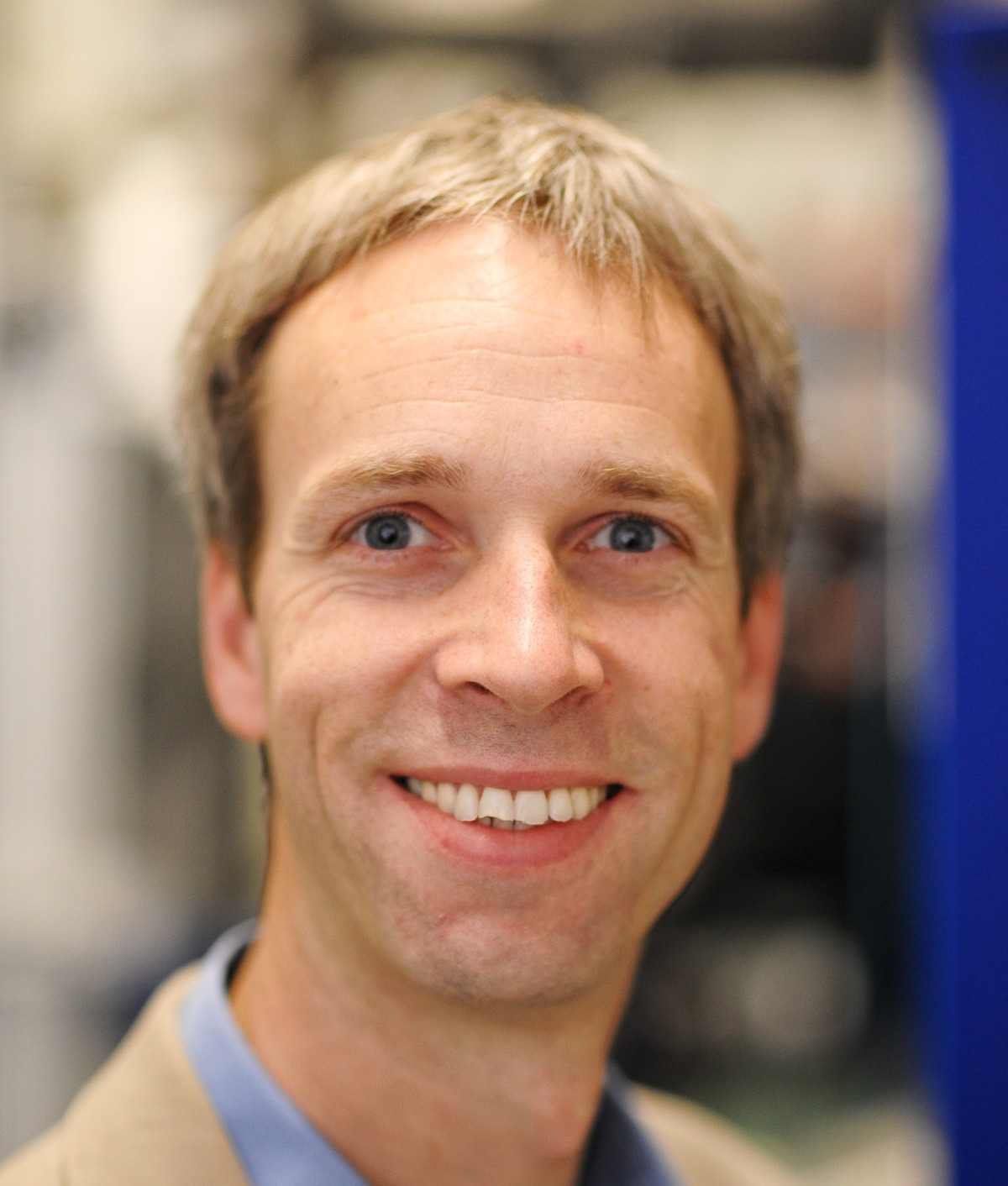
Kai Leonhard is an Adjunct Professor at the Chair of Technical Thermodynamics , RWTH Aachen University. His research focuses on computational chemistry, thermodynamics, and molecular modeling, particularly in solvent design and reactive chemical processes. Department: Chair of Technical Thermodynamics Email: kai.leonhard@ltt.rwth-aachen.de Prof. Leonhard's work integrates quantum chemistry with computer-aided molecular and process design (CAMD/CAPD), emphasizing solvation thermodynamics, reaction kinetics, and machine learning applications. His projects span biofuel combustion, microgel synthesis, and sustainable solvent development. Recent publications highlight advancements in COSMO-RS-based solvent screening, reaction network exploration via ChemTraYzer-TAD, and multi-fidelity modeling for partition coefficients. He employs machine learning to enhance predictive thermodynamic models and optimize chemical processes.
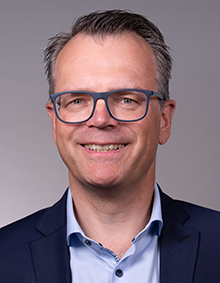
Rupert Klein is a Professor at Freie Universität Berlin in the Department of Mathematics and Computer Science , specializing in Geophysical Fluid Dynamics . His research spans atmospheric dynamics, numerical methods, and gas dynamics of combustion. Research Interests : Geophysical Fluid Dynamics and Atmospheric Modeling Multiscale Asymptotic Analysis Wave Propagation and Turbulence Combustion and Pressure Gain Combustion Climate Dynamics and Data Assimilation Scientific Awards : DRS Award for Excellent Supervision (2014) ECMWF Fellowship (renewed 2017) His recent work includes multiscale models for atmospheric flows, vortex dynamics, and combustion processes. Key collaborations involve DFG SPP 1276, CRC 1029 (TurbIn), and CRC 1114 (SCCS) projects. He contributes to numerical methods for low-Mach-number flows and geophysical simulations.
Prof. Florian Zaussinger is a faculty member at the Faculty of Applied Computer and Life Sciences at Mittweida University of Applied Sciences. His research focuses on thermal convection, fluid dynamics, and numerical simulations in both geophysical and astrophysical contexts. He has contributed extensively to studies on microgravity experiments, including the GeoFlow and AtmoFlow projects conducted on the International Space Station (ISS). University: Mittweida University of Applied Sciences Faculty: Applied Computer and Life Sciences Department: Mathematics Contact: +49 3727 58-1381 | florian.zaussinger@hs-mittweida.de | Building 6, Room 6-131 His research involves advanced numerical modeling of complex fluid systems, including spherical convection, dielectric heating, and double-diffusive processes. He has developed and applied computational tools like the ANTARES code to simulate convection in DA white dwarfs, planetary atmospheres, and Earth's mantle. His work bridges theoretical fluid mechanics with experimental validation in space-based microgravity environments. Recent publications highlight his expertise in thermo-electrohydrodynamic convection, planetary fluid flow analysis, and microgravity-induced instabilities. While the scraped data does not list scientific awards or students directly, his academic profile emphasizes interdisciplinary collaboration with engineering and life sciences, particularly in applied mathematics for fluid dynamics and experimental data processing.
Prof. Dr. Dongsheng Wen is a Full Professor at the Chair of Thermodynamics at the Technical University of Munich (TUM) since 2022. He has held academic positions at the University of Leeds (2013-2022), Queen Mary University of London (2006-2009), and Beihang University (2016-2022), where he served as Dean of the School of Aeronautic Science and Engineering. Education : B.Eng. in Cryotechnology and Refrigeration Engineering, Beihang University (1997) M.Eng. in Engineering Thermophysics, Tsinghua University (2000) D.Phil. in Engineering, University of Oxford (2005) His research focuses on multiphase flow and heat transfer , renewable energy technologies , multiscalar modeling , and micro/nanoscale engineering . He has contributed to projects involving nanofluids, nano-energy systems, and combustion dynamics. He has received prestigious awards including the European Research Council Consolidator Grant and the MIC Particuology Best Paper Award , and is a Fellow of multiple institutions such as the Royal Society of Chemistry and the Energy Institute. As Editor-in-Chief of Advances in Aerodynamics and on editorial boards of journals like Applied Thermal Engineering and Nature Scientific Reports , he plays a significant role in academic publishing and peer review.
Jens von Wolfersdorf is a Professor at the University of Stuttgart's Faculty of Engineering, Department of Mechanical Engineering. His research focuses on advanced thermal management systems for high-speed aerospace applications, particularly in the areas of heat transfer, fluid dynamics, and combustion. He specializes in experimental and numerical methods for analyzing complex flows in rotating and stationary cooling channels, transpiration cooling for rocket engines, and turbulence modeling. His work integrates cutting-edge techniques such as thermochromic liquid crystal (TLC) measurements, particle image velocimetry (PIV), and computational fluid dynamics (CFD) to validate novel cooling configurations. Key projects include the COOREFLEX-Turbo initiative and contributions to the European ATLLAS-II program for high-speed vehicle materials. Recent studies emphasize rotational heat transfer effects in two-pass cooling channels, additive manufacturing of ribbed cooling structures, and validation of coupled FEM-CFD frameworks. His research addresses challenges in aerospace thermal protection, turbine blade cooling, and scramjet combustor efficiency. Publications span over 15 years, with a focus on transient heat transfer, flow visualization, and material characterization for transpiration-cooled systems. Collaborations involve experimental facilities for high-speed flows and advanced thermal measurement systems.
Yafang Cheng is Director of the Aerosol Chemistry Department at the Max Planck Institute for Chemistry since 2024, with concurrent appointments as Guest Professor at Peking University (2023-) and Distinguished Guest Professor at University of Science and Technology of China (2021-). Her research integrates experimental methods , multi-scale modeling , and machine learning to advance understanding of aerosol particle dynamics and their impacts on air quality , public health , and climate change . Ph.D. in Environmental Sciences (Peking University, 2007) B.Sc. in Environmental Sciences (Wuhan University, 2001) Her work focuses on reactive nitrogen chemistry , aerosol acidity , black carbon effects , and planetary boundary layer interactions . She has developed novel instrumentation for aerosol analysis and pioneered machine learning applications in atmospheric science. Recent publications emphasize black carbon mitigation strategies (One Earth 2023), aerosol microdroplet pH (Chem 2023), and SARS-CoV-2 transmission modeling (Science 2021). These studies demonstrate interdisciplinary approaches spanning environmental chemistry , climate physics , and public health policy . Fellow: AAAS (2023), AGU (2022) Joanne Simpson Medal (AGU, 2022) Science Breakthroughs of the Year (Falling Walls, 2021) Highly Cited Researcher (Web of Science, 2021-2022) Minerva Outstanding Female Scientist Award (2014) She has mentored 38 early-career researchers (21 postdocs, 17 PhD students) who have achieved professorships , tenured positions , and international awards . Her institutional leadership includes initiating academic exchange programs between European and Chinese institutions.
Jun.-Prof. Dr.-Ing. Federica Ferraro is an Assistant Professor in the Faculty of Mechanical Engineering at TU Braunschweig, leading the Reactive Flows in Aero Engines research group. Her work focuses on combustion dynamics, sustainable aviation propulsion, and numerical simulations of reactive flows. She investigates flame-wall interactions, soot formation mechanisms, and alternative fuels like hydrogen and oxymethylene ethers. Key projects include the Cluster of Excellence SE2A (C3.5) and CRC 150 (C07), addressing synthetic fuels and flame retardancy under aviation conditions. Ferraro teaches courses in numerical simulation and high-performance computing for CFD applications. Her research integrates advanced modeling techniques such as Large Eddy Simulation (LES), flamelet manifolds, and quadrature-based methods for particle dynamics. Her contributions span experimental validation, turbulent combustion analysis, and green fuel substitution strategies for decarbonizing aviation. Research Interests : Combustion physics, aero-engine propulsion, sustainable fuels, soot dynamics, CFD modeling, and thermo-chemical systems. Her studies often bridge fundamental combustion science with industrial applications in turbine design and emission control. Projects & Collaboration : Leads the Numerical investigations of synthetic fuel flames (SE2A) and Boundary layer flames with flame retardants (CRC 150). Collaborates with institutions like the Lower Saxony Graduate School on hydrogen/ammonia energy systems. Her team develops novel numerical frameworks for predictive combustion modeling. Labs & Teams : Manages the Reactive Flows group at TU Braunschweig's Institute of Jet Propulsion and Turbomachinery, fostering interdisciplinary research in propulsion and energy technologies.
Prof. Sebastian Kaiser is a full professor at the University of Duisburg-Essen's Institute for Combustion and Gas Dynamics, where he leads research on reactive fluid dynamics since 2011. His academic background includes a Bachelor's from Dartmouth College, Diplomingenieur from RWTH Aachen, and PhD from Yale University, followed by postdoctoral work at Sandia National Laboratories. Research Focus: Kaiser specializes in optical diagnostics for reactive systems with emphases on: High-speed imaging of combustion processes Nanoparticle synthesis via spray-flame techniques Tribology and fluid-structure interactions Engine diagnostics using laser-based methods His work bridges experimental techniques and simulation development for energy and propulsion systems. Publication Trends: Recent articles (2023-2025) demonstrate consistent focus on advanced optical diagnostics applied to combustion systems, nanoparticle synthesis, and engine research. Key methodologies include laser-induced fluorescence, high-speed imaging, and machine learning for fluid dynamics analysis. Awards & Honors: Harding-Bliss Prize for Engineering Excellence (Yale, 2005) SAE Excellence in Oral Presentation Award (2008) NRW Returning Scientists Grant (2010) Professional Affiliations: Member of Society of Automotive Engineers (SAE) and The Combustion Institute, with extensive experimental facilities for reactive flow characterization.
Prof. Dr.-Ing. Katharina Schmitz serves as Institute Director and Vice Dean at the Institute for Fluid Power Drives and Systems, RWTH Aachen University. Her leadership within the Production Technology Cluster and extensive contributions to fluid power engineering establish her as a leading authority in mechanical engineering research and education. Her research spans fluid power systems, hydraulic component design, tribology, and physics-informed machine learning applications. She pioneers sustainable propulsion solutions through bio-hybrid fuels research while addressing fundamental challenges in polymer material behavior under hydraulic stresses. Current work focuses on carbon-neutral heavy-duty transportation, physics-based neural networks for lubrication modeling, and advanced control systems for electro-hydraulic actuators. Analysis of her 15 most recent publications reveals a dominant trend toward integrating physics-based modeling with deep learning to solve complex engineering problems. Her team consistently develops novel frameworks for cavitation prediction, flow rate determination, and material compatibility assessment - significantly advancing fluid power system reliability, efficiency, and digitalization. Scientific recognition includes: GfT Förderpreis 2023 for experimental and simulative investigation of partially hydrostatic relieved contacts in variable speed axial piston machines As head of the Institute for Fluid Power Drives and Systems, she leads cutting-edge research in sustainable fluid power technologies. The institute maintains strong industry partnerships while driving innovation in hydraulic component design, digital twins for condition monitoring, and next-generation propulsion systems through its position within RWTH Aachen's Production Technology Cluster.
Michael Bühren is a Professor at Westfälische Hochschule, affiliated with the Faculty of Mechanical Engineering Bocholt and the Mechatronik-Institut Bocholt. He serves as Project Manager for the Digital Factory Bocholt and Digi-Up! initiatives and was the speaker of the Mechatronics Institute Bocholt in 2019. His research focuses on automation, robotics, digitalization, and Industry 4.0 . He investigates practical applications of smart manufacturing technologies, including simulation and virtualization, robotics with human-robot collaboration (MRK) capabilities, OPC UA for data acquisition, and machine learning for data and image processing. His work bridges industrial automation with modern digital technologies. His recent publications reflect a strong trend toward integrating industrial systems with digital platforms, particularly through OPC UA and IoT frameworks, while earlier work includes large-scale industrial automation projects in the steel industry and dynamic modeling of marine drive systems. Prof. Bühren is actively involved in technology transfer, represented through his role in the "Effizienz Forum Wirtschaft" and initiatives connecting startups with small and medium enterprises (SMEs). He has no listed scientific awards in the provided text. He teaches courses in control engineering, electrical drive systems, motion control, energy management, and artificial intelligence at the bachelor’s and master’s levels. He advises students, though specific names are not listed. His research is conducted within the Mechatronik-Institut Bocholt, a hub for interdisciplinary research in mechatronics, automation, and digital production technologies.
Dr. Matthias Jäger is a Researcher in the Department of Fiber Photonics at the Leibniz Institute for Photonic Technology (IPHT) . His work focuses on advanced optical fiber development, particularly in doped materials and nonlinear laser dynamics. Core technologies: Thulium/Yb/Ho-doped fibers, periodic shadowing for stray light suppression, nonlinear loss management Instrumentation: High peak power laser systems, fluorescence lifetime analysis, multicore emission profiling Research interests span laser physics, materials science, and optical engineering. Recent publications highlight breakthroughs in: Directional stability control for fiber ring lasers (2021-2024) Hybrid Tm:YAG crystal-derived fiber fabrication (2022) Nanoparticle-doped optical fibers (2024) 2 µm eye-safe laser systems (2024) Pr3+-doped nanocrystal fiber integration (2024) Thulium concentration optimization for laser efficiency (2025) His work demonstrates expertise in fiber fabrication methods including: Modified Chemical Vapor Deposition (MCVD) Powder-sinter technology Molten-core processing REPUSIL fiber drawing
Prof. Dr. Christof Büskens is a Professor of Technomathematics at the University of Bremen, leading the AG Optimierung und Optimale Steuerung (Optimization and Optimal Control Group) within the Faculty of Mathematics and Computer Science . His research focuses on Optimization, Optimal Control, and their applications in industrial and real-time systems. He holds leadership roles in interdisciplinary projects such as BESTVILLE and Safety Control Center for autonomous vehicle systems, and has contributed to maritime navigation, renewable energy management, and agricultural robotics. Büskens has supervised numerous PhD and master's students, advancing topics like autonomous exploration, neural architecture search, and trajectory optimization. His work integrates advanced numerical methods with practical applications, emphasizing real-world problem-solving in dynamic systems. Key affiliations include the ZeTeM (Center for Industrial Mathematics) and collaborations with industry partners. He has led over 20 projects since 2020, addressing challenges in autonomous systems, energy systems, and robotics. His educational contributions include courses on numerical analysis and optimal control, fostering interdisciplinary training for future researchers. Büskens' expertise bridges theoretical optimization and applied engineering, with over 100 publications and contributions to software tools like the WORHP solver.
Frank Keutsch is the Stonington Professor of Engineering and Atmospheric Science in the Paulson School of Engineering and Applied Sciences and Professor of Chemistry and Chemical Biology at Harvard University. He holds a joint appointment in both departments and is also a Hans Fischer Senior Fellow at the Technical University of Munich's Institute for Advanced Study (TUM-IAS), where he collaborates with Prof. Jia Chen on air pollution and climate research since 2021. Dr. Keutsch received his PhD in Physical Chemistry from the University of California Berkeley and his Diplom in Chemistry from TU Munich. His academic journey bridges European and American institutions, reflecting his international research perspective and expertise in both fundamental chemistry and applied environmental science. Professor Keutsch's research focuses on understanding atmospheric chemical processes, particularly those related to air quality and climate change. His work combines laboratory experiments, field observations, and modeling to investigate fundamental mechanisms of anthropogenic influence on atmospheric composition. He specializes in photochemical oxidation processes of volatile organic compounds (VOCs) that produce tropospheric ozone and secondary organic aerosols (SOA), which affect human health and climate. His research spans from urban areas to remote tropical forests, from tropical oceans to polar regions, addressing critical environmental challenges across diverse spatial and temporal scales. His recent publications demonstrate a strong focus on air pollution monitoring, climate intervention strategies, and the development of novel measurement techniques. The research shows an increasing integration of machine learning approaches with traditional atmospheric science methods, as well as a growing emphasis on global applications of pollution monitoring technologies and the health impacts of atmospheric pollutants. 2015, LFUI Guest Professorship 2014, Vilas Mid-Career Investigator Award 2013, Vilas Associate Award 2012, Honored Instructor Award 2006, Camille and Henry Dreyfus Award Postdoctoral Program in Environmental Chemistry 2005, Camille and Henry Dreyfus New Faculty Award Hans Fischer Senior Fellowship (2021) As an active mentor, Professor Keutsch is accepting graduate students into his research group. His laboratory develops cutting-edge instrumentation for atmospheric measurements, including the FILIF (Formaldehyde Instrument using Laser-Induced Fluorescence), CHOCHO LIP (Laser-Induced Phosphorescence), EDB-MS (Electrodynamic Balance Mass Spectrometry), and DPOPS systems. These instruments have been deployed in numerous field campaigns across diverse environments worldwide, from forests in Michigan and Colorado to the Amazon rainforest and even Antarctica. His group's work on stratospheric aerosols, particularly related to climate intervention strategies, has gained significant attention in the scientific community.