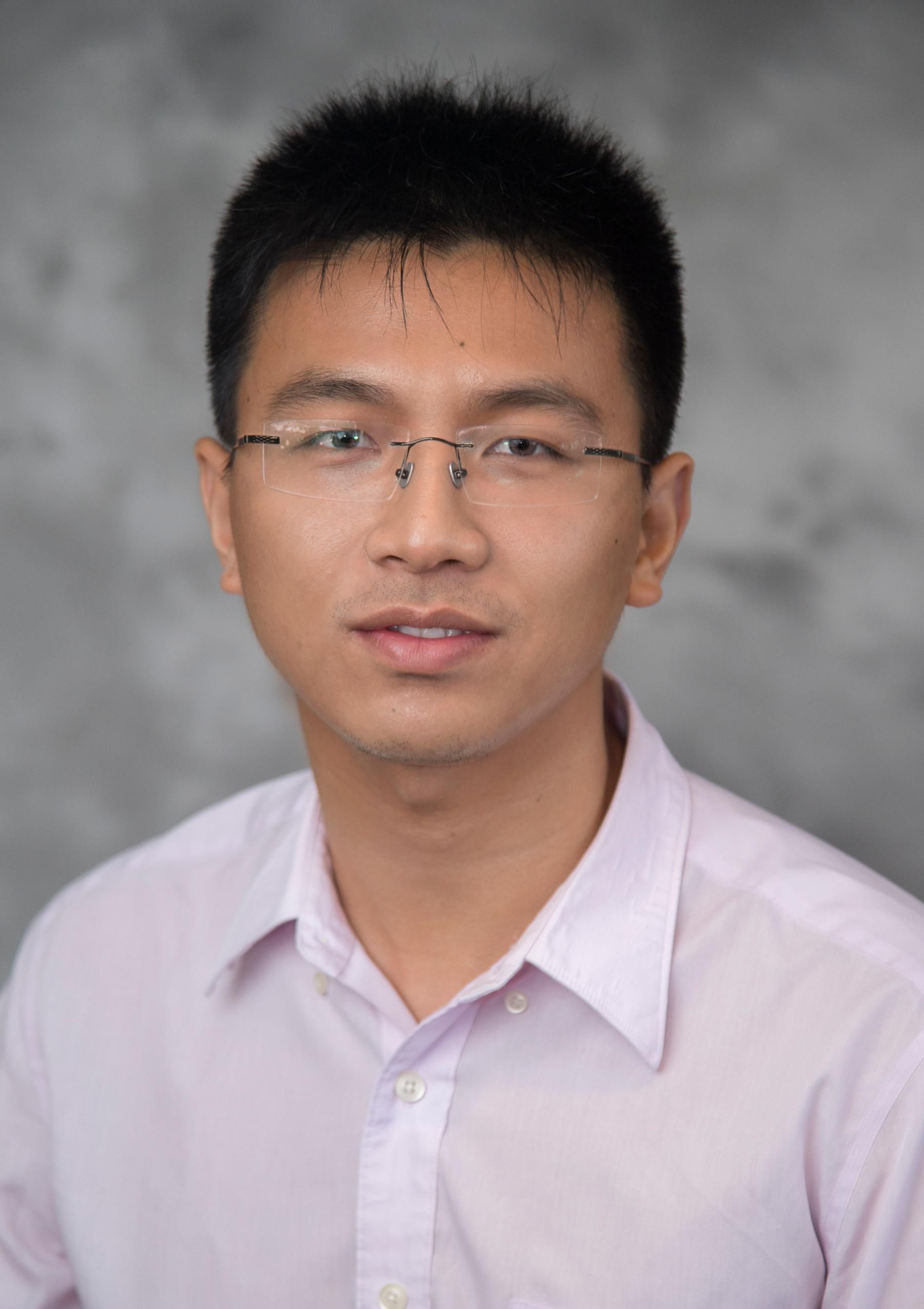
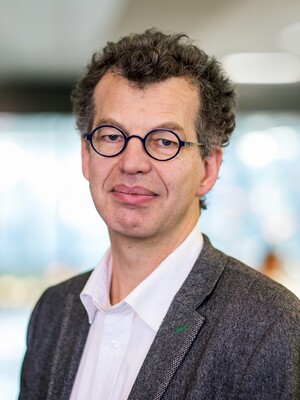
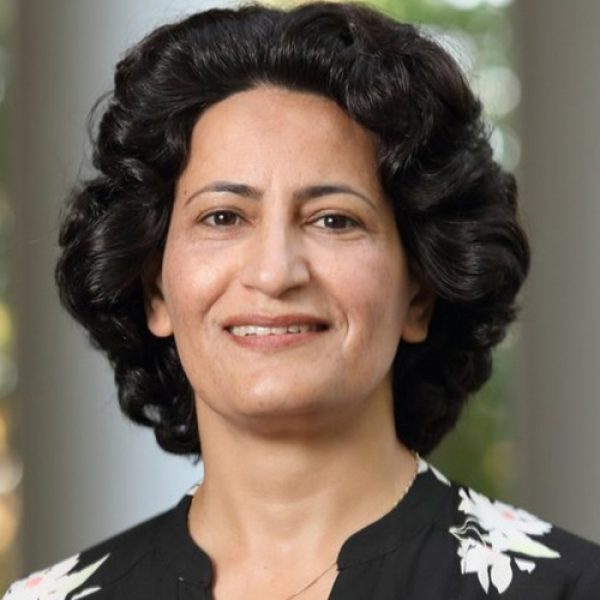
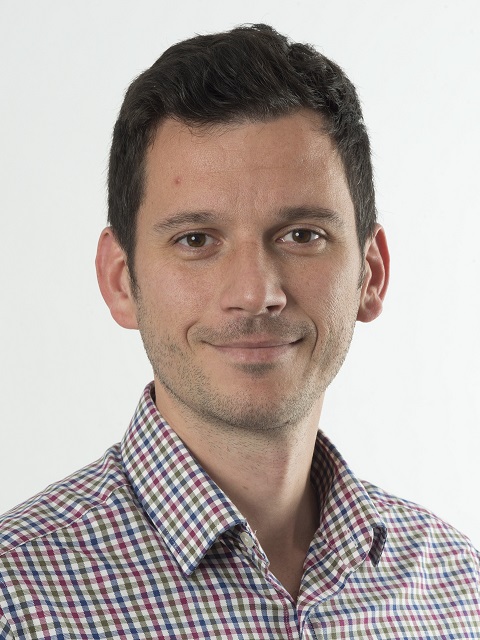
Jonathan Leake is an Assistant Professor in the Department of Combinatorics and Optimization at the University of Waterloo . His research focuses on log-concave polynomials and their applications in combinatorics and computer science. Education: PhD in Mathematics, UC Berkeley (2014-2019) MS in Mathematics, Texas A&M University (2010-2012) BS in Computer Engineering and Applied Math, Texas A&M University (2006-2010) Research Interests: His work centers around log-concave polynomials and their connections to combinatorics, optimization, and computer science. Key areas include: Lorentzian polynomials and their applications Polynomial capacity and optimization Sampling algorithms and combinatorial structures Representation theory and algebraic combinatorics Scientific Awards: Dirichlet Postdoctoral Fellowship (TU Berlin, 2020-2022) James H. Simons Fellowship (Simons Institute, UC Berkeley, Spring 2019) Previous Positions: Postdoc Fellowship, Institut Mittag-Leffler, Stockholm (Spring 2020) Postdoc, KTH, Stockholm (Fall 2019) Developer, Teacher Retirement System of Texas (2012-2014)
Radosław Klimek serves as a Professor at AGH University of Science and Technology in Kraków, affiliated with the Faculty of Electrical Engineering, Automatics, Computer Science and Biomedical Engineering within the Department of Applied Computer Science . His office is located in room C-2 404, and he maintains active contact through email and office hours (Thursdays 11:00-12:00). His research centers on formal methods and software verification , with significant contributions to context-aware systems , logical specifications , and process mining . Key areas include: Deduction-based verification of behavioral models Automatic generation of logical specifications Smart environment applications for rescue operations and tourism Temporal logic applications in software engineering His work bridges theoretical computer science with practical implementations in environmental monitoring and public safety systems. His publication record demonstrates consistent output in high-impact venues, with recent focus on LLM integration for model verification (2025) and context-aware systems for forest monitoring (2024). The research trajectory shows evolution from foundational work in temporal logic (1990s) to contemporary applications in smart environments and AI-assisted verification. No scientific awards were explicitly mentioned in the source materials. Professor Klimek maintains active teaching responsibilities with defined office hours for student consultations. His research spans multiple domains including smart city infrastructure, environmental monitoring systems, and formal verification frameworks. Current projects involve context-aware systems for mountain rescue operations and police interventions, leveraging sensor networks and real-time data processing. His laboratory work focuses on contextual data modeling and deduction-based verification systems , with practical implementations in: Forest monitoring networks Intelligent queue management Tourist assistance applications Smart contract validation These projects integrate formal methods with real-world environmental and public safety challenges.
Pedro Felzenszwalb is a Professor of Engineering and Computer Science at Brown University , with a research focus spanning computer vision, artificial intelligence, machine learning, and algorithms. Born in Rio de Janeiro, Brazil, he earned his BS in Computer Science from Cornell University (1999) and MS/PhD in EECS from MIT (2001/2003). He previously held a faculty position at the University of Chicago (2004-2011) before joining Brown in 2011. Education : PhD in EECS, MIT (2003) MS in EECS, MIT (2001) BS in Computer Science, Cornell University (1999) His research integrates computer vision and AI, emphasizing scalable algorithms for object recognition, image segmentation, and probabilistic modeling. Key methodologies include deformable part models, belief propagation, and dynamic programming. His work has significant applications in early vision tasks, scene understanding, and geometric constraints in 3D object recognition. Pedro’s publications demonstrate a trajectory from foundational graph/image algorithms (2004-2006) to advanced machine learning approaches (2010-2023), with recurring themes in optimization, clustering, and multiscale modeling. Notable journals include Journal of the ACM , IEEE Transactions , and Communications of the ACM . Scientific Awards : ACM Grace Murray Hopper Award IEEE Technical Achievement Award PASCAL Visual Object Challenge Lifetime Achievement Prize Longuet-Higgins Prize NSF CAREER Award He has received NSF funding for projects including Graph Cut Algorithms (2012-2015) and Object Recognition with Hierarchical Models (2008-2013). At Brown, he teaches graduate courses in machine learning, linear systems, and pattern recognition.
Jiaming Xu is an Associate Professor of Business Administration in the Decision Sciences area at Duke University's Fuqua School of Business, where he has been a faculty member since July 2018. He is also a Faculty Network Member of the Duke Institute for Brain Sciences. His academic journey includes positions as an Assistant Professor at Purdue University's Krannert School of Management (2016-2018), a Research Fellow at the Simons Institute for the Theory of Computing at UC Berkeley (2016), and a Postdoctoral Fellow at the Statistics Department of the Wharton School at the University of Pennsylvania (2015). Ph.D. in Electrical and Computer Engineering from University of Illinois, Urbana-Champaign (2014) M.S. in Electrical and Computer Engineering from University of Texas, Austin (2011) B.S.E. in Electrical and Computer Engineering from Tsinghua University, China (2009) Professor Xu's research focuses on developing fundamental methodologies for inferring information from data to enable downstream data-driven decision-making at scale. His work spans machine learning, networks, high-dimensional statistics, and information theory. He develops algorithms for improving decision-making efficiency under uncertainties and resource constraints while addressing emerging privacy and security issues. His research has significant implications for network data privacy, where he has demonstrated how anonymized data can still be used to re-identify individuals through unique behavioral patterns and network connections. His recent publications reveal a strong focus on graph matching problems, community detection in networks, and privacy-preserving machine learning. Xu has made significant contributions to understanding information-theoretic thresholds in random graph matching, developing efficient algorithms for network alignment, and establishing fundamental limits for community detection. His work increasingly addresses the challenges of federated learning and privacy-preserving data analysis, reflecting the growing importance of these areas in both theoretical and practical contexts. Scientific Awards and Recognition: NSF CAREER Award (2022) for Federated Learning: Statistical Optimality and Provable Security Simons-Berkeley Fellowship (2016) Excellence in Teaching Award in the MQM program (awarded twice) Professor Xu has successfully mentored several students who have gone on to prestigious positions, including Sophie H. Yu (Assistant Professor at the Wharton School), Hanjing Zhu (Researcher at Amazon), Liren Yu (Researcher at Huawei), and Zhiyi Tian (Data Scientist at IQVIA). His research has been supported by multiple significant grants including an NSF CAREER award (2022-2027), a CIF Medium grant for Learning in Networks (2019-2023), and BIGDATA and CRII grants focused on network analysis and high-dimensional data (2018-2021). At Duke, Professor Xu teaches Modern Analytics (Deep Learning), Decision Analytics & Modeling in the MQM program, and Decision Models in the MBA and WEMBA programs. His work bridges theoretical foundations with practical applications, particularly in the areas of network privacy and data security, where he has demonstrated how seemingly anonymized data can still be used to identify individuals through sophisticated matching algorithms.
Prof. Frits C.R. Spieksma is a full professor in the Department of Mathematics and Computer Science at Eindhoven University of Technology (TU/e) , where he leads research within the Combinatorial Optimization Group. He has held academic positions at Maastricht University, KU Leuven, and the University of British Columbia, and has been at TU/e since 2018. Education: M.Sc. in Econometrics, University of Groningen (1987) Ph.D. in Operations Research, Maastricht University (1992) Research Focus: His work lies at the intersection of combinatorial optimization and real-world applications . Key themes include: Scheduling and clustering problems, especially in sports tournaments Organ allocation optimization for Eurotransplant Assignment and transportation problems Approximation algorithms and graph-theoretic optimization Scientific Service & Leadership: Founder and ex-Chair, EURO Working Group OR in Sports Member, Steering Committees of MAPSP and MathSports International President, EURO (Association of European Operational Research Societies) Former Vice-President, IFORS Former President, Belgian Society of Operations Research (ORBEL) Editorial Boards: Associate Editor, 4OR (2015–present) Associate Editor, Journal of Quantitative Analysis in Sports (2014–present) Associate Editor, Operations Research Letters (2008–2024) Former Associate Editor, INFORMS Transactions on Education , OMEGA , Computers & Operations Research , IIE Transactions , Naval Research Logistics PhD Supervision & Mentoring: He has supervised more than 25 PhD theses at KU Leuven and TU/e, many of whom now hold academic positions worldwide. Conference & Workshop Organisation: Recent leadership roles include General Chair of IPCO 2022 (Eindhoven), organiser of Benders Day 2024 , and co-organiser of the Dagstuhl Seminar on Fairness in Scheduling and Resource Allocation (March 2025).
Afsaneh Doryab is an Assistant Professor of Data Science (by Courtesy), Systems Engineering, and Computer Science at the University of Virginia . She is affiliated with the School of Data Science, Department of Systems and Information Engineering, and Department of Computer Science. Her research bridges machine learning, data mining, and human-computer interaction to model human behavior using passively collected sensor data from mobile and wearable devices. Education : Ph.D. and M.Sc. in Computer Science from the IT University of Copenhagen . Her work focuses on computational modeling of biobehavioral rhythms to detect mental health changes (e.g., depression, bipolar disorder), predict physical symptoms (e.g., surgical recovery, cancer treatment), and enhance wellbeing through context-aware systems. She develops AI-driven tools for circadian-aware scheduling, emotion-aware music, and multimodal sensor analysis. Her recent publications highlight advancements in reinforcement learning, sonification, and smartphone-based nutritional assessment. Her research aligns with interdisciplinary efforts at the University of Virginia Environmental Institute , connecting data science, health informatics, and social good initiatives. Key methodologies include longitudinal data analysis, temporal modeling, and personalized machine learning frameworks. Grants like CHS: Small and HCC: Travel support her work in computational health solutions and academic collaboration. As an active contributor to ubiquitous computing and health informatics, she leads projects on victim tagging optimization, circadian-aware systems, and community-driven peer-to-peer economic exchange. Her lab’s outputs range from wearable sensor applications (e.g., BeWell+) to clinical activity recognition tools for operating rooms and hospitals.
Kijung Shin is an Associate Professor at KAIST (Korea Advanced Institute of Science and Technology), holding dual appointments in the Kim Jaechul Graduate School of AI and the School of Electrical Engineering (Computer Division). He leads the Data Mining Lab and teaches multiple courses including Graph Mining and Social Network Analysis, Data Mining and Search, and other foundational courses in electrical engineering and AI. Education Ph.D. in Computer Science, Carnegie Mellon University (February 2019) M.S. in Computer Science, Carnegie Mellon University (December 2017) B.S. in Computer Science and Engineering, Seoul National University (August 2015) B.A. in Economics (Double Major), Seoul National University (August 2015) Research Interests Professor Shin's research primarily focuses on data mining, graph algorithms, and network science, with particular expertise in hypergraph analysis, tensor decomposition, and graph neural networks. His work bridges theoretical foundations with practical applications, developing algorithms that can efficiently analyze complex real-world networks. His recent research has expanded into multimodal learning, integration of large language models with graph neural networks, and applications in recommendation systems, satellite imagery analysis, and biological data analysis. His approach combines rigorous mathematical analysis with practical implementation, resulting in numerous open-source software tools that have been widely adopted in both academia and industry. His research has significant implications for social network analysis, fraud detection, recommendation systems, and scientific discovery in various domains. Research Trends Professor Shin's recent publications show a clear trajectory toward more complex network structures, particularly hypergraphs that capture higher-order interactions beyond simple pairwise relationships. His work increasingly integrates traditional graph algorithms with deep learning approaches, especially focusing on how graph neural networks can be improved and made more interpretable. There's also a growing emphasis on practical applications in areas like satellite imagery analysis, medical data, and recommendation systems that address real-world challenges. Scientific Awards Received the PAKDD Best Survey Paper Award for 'Multi-Behavior Recommender Systems: A Survey' (2025) Selected as one of the best short paper candidates of ACM RecSys 2024 (top 7) for 'Revisiting LightGCN' (2024) Selected for oral presentation (2.6% of accepted papers) at AAAI 2024 for 'VITA: 'Carefully Chosen and Weighted Less' Is Better in Medication Recommendation' (2024) Received the IEEE ICDM Best Student Paper Runner-up Award for 'TensorCodec: Compact Lossy Compression of Tensors without Strong Data Assumptions' (2023) Received the SIGKDD Best Research Paper Award and CogX Award for Best Student Paper in AI for 'FRAUDAR: Bounding Graph Fraud in the Face of Camouflage' (2016) Received the Best Senior Thesis Award from Seoul National University (2015) Received the Samsung Humantech Paper Award (1st in Computer Science) (2015) Teaching and Mentoring Professor Shin has taught multiple graduate and undergraduate courses at KAIST since 2019, including Graph Mining and Social Network Analysis, Data Mining and Search, and foundational courses in electrical engineering. He has also co-organized tutorials at major conferences including AAAI, KDD, ICDM, and CIKM on advanced topics in hypergraph neural networks and real-world hypergraph analysis. As the leader of the Data Mining Lab, he mentors numerous graduate students and postdoctoral researchers, fostering a collaborative research environment that has produced significant contributions to the field of data mining and network analysis. Research Leadership Professor Shin leads the Data Mining Lab at KAIST, which focuses on developing novel algorithms for analyzing complex networks and high-dimensional data. The lab has produced numerous influential software tools including D-Cube, M-Zoom, CoreScope, and DenseAlert, which are widely used in both academic research and industry applications. His research group maintains active collaborations with institutions worldwide and has received funding from various sources to support their innovative work in data mining and network analysis.
Dr. Robert Mercaș is a Senior Lecturer (Associate Professor) in the Department of Computer Science at Loughborough University, UK, where he has been working since July 2016. He leads the Theoretical Computer Science research group and focuses on combinatorial and algorithmic properties of sequences. His academic journey includes positions at King's College London, Kiel University, and Otto-von-Guericke University Magdeburg, supported by prestigious fellowships including the Alexander von Humboldt Postdoctoral Fellowship and the Newton International Fellowship. Dr. Mercaș received his PhD in Combinatorics on Words from Rovira i Virgili University, Spain (2006-2010), following a Master of Advanced Studies from the same institution (2006-2008). He completed his MS in Theoretical Computer Science and BS in Computer Science at the University of Bucharest, Romania. His research spans several interconnected areas within theoretical computer science. Dr. Mercaș specializes in Combinatorics on Words, investigating patterns, repetitions, and structural properties of sequences. His work in Formal Languages explores automata theory, Parikh matrices, and pattern inference. In Bioinformatics, he develops algorithms for sequence comparison and analysis, particularly focusing on absent words. He also contributes to the study of Trace Monoids and has published work related to networks of processors and natural language processing. Dr. Mercaș's publication record shows a consistent focus on combinatorial properties of words, with recent work on repetition roots, Parikh matrices, and string algorithms. His research demonstrates both theoretical depth and practical applications in bioinformatics and string processing, with collaborations spanning multiple international institutions. Alexander von Humboldt Postdoctoral Fellowship (2011-2013) Newton International Fellowship (2016) DAAD fellowship (P.R.I.M.E. funding) DFG grant (582014) As an educator, Dr. Mercaș teaches Mathematics for Computer Science and Algorithms Analysis at Loughborough University. He has previously taught Text Searching and Processing at King's College London and has reviewed PhD theses for students including Markus Whiteland, Marie Lejeune, and Szymon Łopaciuk. His service to the community includes membership on the Steering Committee for the International Conference on WORDS and organizing WORDS 2019 at Loughborough University.