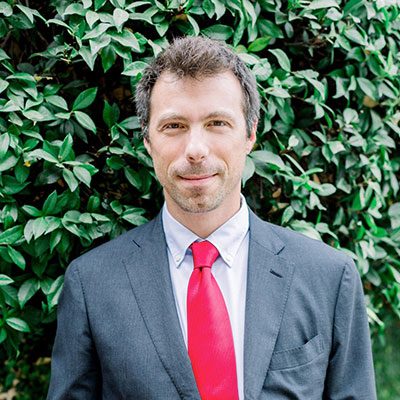
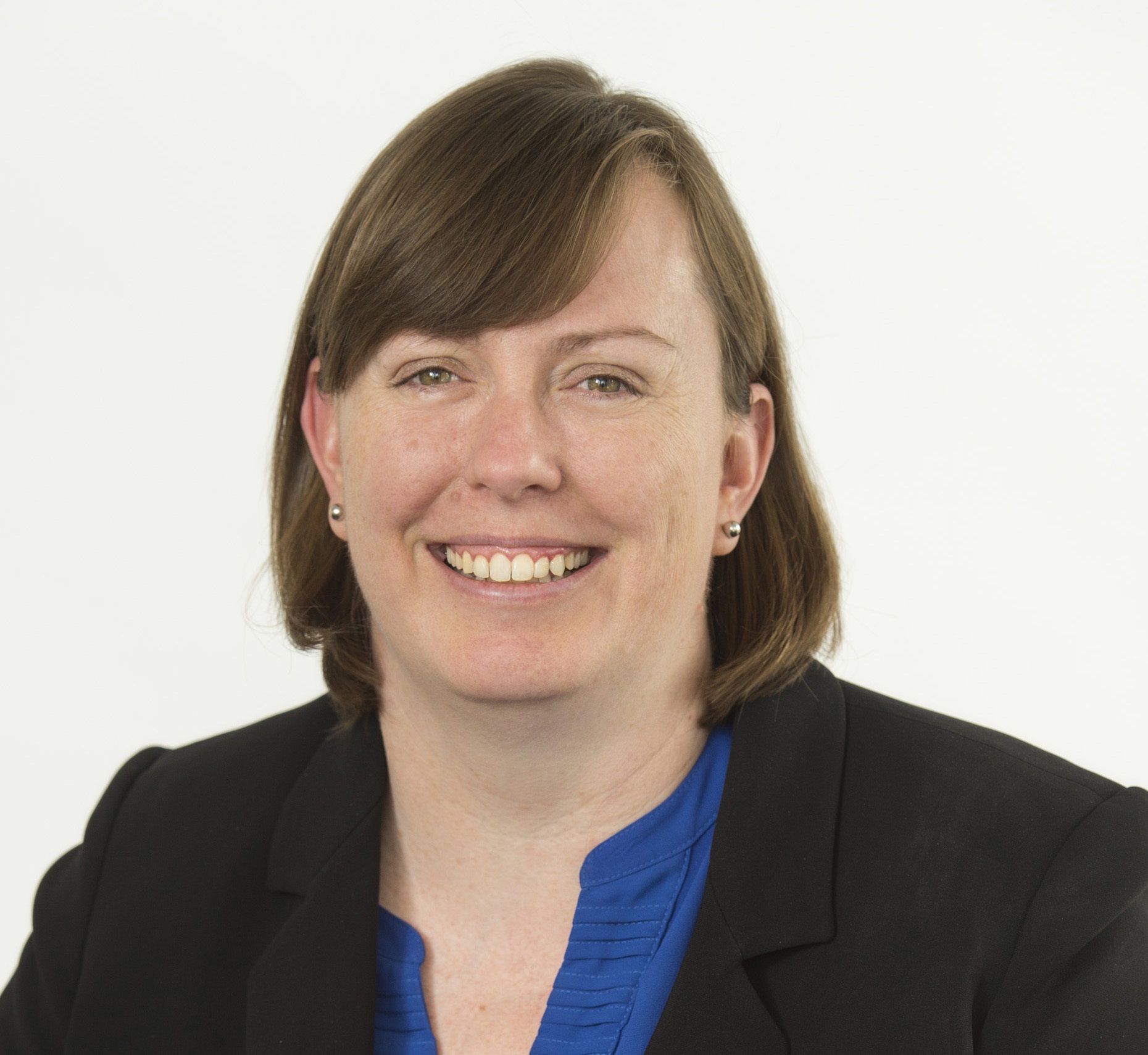
Catherine Marco, MD, is a Professor in the Department of Emergency Medicine. Her work focuses on emergency care delivery, medical ethics, and residency training. She has contributed to over 187 peer-reviewed publications and actively addresses issues like healthcare civility and gender disparities in medical salaries. Research interests include emergency department operations, patient-provider communication, and ethical challenges in emergency settings. Her recent work explores cannabis-related symptom discordance and the moral imperative of civility in healthcare. Recipient of the 2024 Dean's Award for Excellence in Teaching Co-author of influential studies on residency training outcomes and trauma assessment protocols
Martin M. Monti is a Professor of Psychology, Neurosurgery, and Psychiatry and Biobehavioral Sciences at the University of California Los Angeles (UCLA), affiliated with the College of Letters and Science. His research focuses on disorders of consciousness, traumatic brain injury (TBI), neuroimaging, and cognitive neuroscience. He holds an MA and PhD in Psychology & Neuroscience from Princeton University (2006–2007) and a BA in Economics from Università Commerciale L. Bocconi (2002). Key research interests include understanding consciousness recovery mechanisms, neuroimaging techniques for TBI assessment, and neuromodulation therapies. Recent work explores subcortical correlates of sleep quality, AI-driven models of consciousness, and transcranial focused ultrasound applications. Monti has received prestigious awards, including the UCLA Life Science Faculty Award (2020, 2014) and the International Prize Giuseppe Sciacca for Medical Research (2018). He leads interdisciplinary projects through collaborations like the ENIGMA working group and the Curing Coma Campaign, advancing global neuroimaging standards and translational research.
Nicolas Gaspard is an Assistant Professor at Yale School of Medicine, specializing in neurology and critical care neurophysiology. His research focuses on epilepsy, particularly status epilepticus, NORSE/FIRES syndromes, and EEG monitoring in acute neurological conditions. He leads studies on therapeutic interventions (e.g., electrical stimulation, neuroprotective agents) and outcome prediction in cardiac arrest and epilepsy patients. Collaborations include teams at Yale and international institutions, with a focus on translational research and clinical practice improvements. Education: PhD from Université Libre de Bruxelles (2009). Research interests include neurocritical care, cortico-cortical connectivity, and optimizing EEG protocols in intensive care settings. His work bridges clinical practice and advanced neurophysiological techniques, aiming to improve patient outcomes in severe neurological emergencies. Key contributions include studies on single-pulse electrical stimulation reducing seizures and the role of sodium DL-3-ß-hydroxybutyrate in neuroprotection post-cardiac arrest. Publications (2023–2025) emphasize epilepsy syndromes, critical care EEG applications, and multicenter studies on treatment adherence and long-term outcomes. His team actively engages in NORSE/FIRES registry analyses to characterize disease progression and communication trends. Grants and funding details are not explicitly listed, but his research aligns with Yale’s focus on translational neurology.
Rubén Lluc Comas Forgas is a Full Professor at the University of the Balearic Islands (UIB) in the Department of Applied Pedagogy and Educational Psychology . He holds a European PhD in Educational Sciences from UIB (2009) and has served as a visiting researcher at institutions including the University of East Anglia, Liverpool John Moores University, Panteion University, Autonomous University of Yucatán, and Stockholm University. Current research focuses on Academic Integrity , Research Integrity , Scientific Communication , Educational Uses of ICT , and Environmental Education . He leads multiple EU-funded projects (e.g., AI-UpskillED , CHARLIE ) and national initiatives like Academic Integrity in Initial Teacher Training (MCI-AEI-ERDF). His recent publications analyze the impact of generative AI on academic writing, predatory journals in education sciences, and plagiarism trends among Spanish students. He collaborates with the Research Group on Academic Integrity (GRIAC) and Education for Sustainability (GREAS) .
Professor Davinia Fernandez-Espejo holds the Chair of Neuropsychology and Clinical Neuroscience at the University of Birmingham's School of Psychology through The Centre for Human Brain Health (CHBH). Previously, she served as a Professor at Western University from 2015-2018.
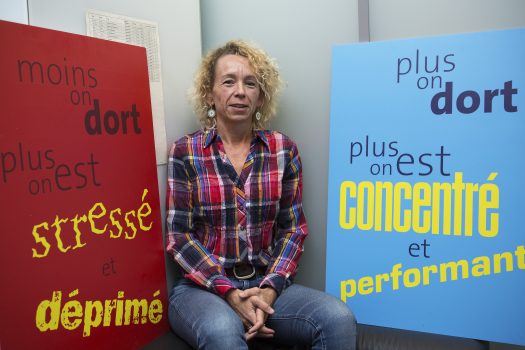
Prof. Sophie Schwartz is a leading neuroscientist at the University of Geneva , where she heads the Sleep & Cognition Lab within the Faculty of Medicine . Her research integrates neuroimaging (fMRI, hd-EEG, MEG) , behavioral testing , and computational modeling to unravel the neural mechanisms underlying memory consolidation , emotion processing , and dreaming during sleep, while also developing clinical interventions to enhance sleep in neurological and psychiatric disorders.
Professor Akram Hourani is a Discipline Leader and Professor in the Department of Electrical & Electronic Engineering at RMIT University's School of Engineering. He holds roles as Program Manager for the Master of Engineering (Telecom & Network Eng.) and Deputy Director of the Centre for Opto-electronic Materials and Sensors (COMAS). Prior to academia, he was an ICT Program Manager in the telecommunications industry, leading projects in satellite and telecommunications infrastructure. His research focuses on advanced signal processing, satellite communications, radar systems (including SAR), neuromorphic hardware, and IoT. He has secured grants from ARC, CRC, government departments, and DSTG, with over 130 publications. His work aligns with UN Sustainable Development Goals 9 (Industry, Innovation & Infrastructure), 11 (Sustainable Cities), and 10 (Reduced Inequalities). Education: PhD in Electronics & Telecommunications (2016, RMIT University) Non-academic roles: R&D Engineering Program Manager at Inteltec Emirates (2006–2013) Key research themes include interference mitigation, 5G/6G networks, neuromorphic sensing, and AI-driven satellite IoT. He is listed in Stanford's top 2% scientists for career-long and single-year impact. His teaching includes courses on satellite communications and wireless sensor networks. Grants & Funding: ARC, CRC, DSTG, and government-funded projects since 2017 Collaborations: CSIRO, industry partners in telecommunications and aerospace His lab focuses on next-generation communication systems, with active projects in mega satellite networks, neuromorphic hardware, and AI for IoT sensing. He supervises PhD/Masters research in areas like satellite connectivity and machine learning applications.
Richard Lyon is a Professor in Pre-Hospital Emergency Medicine at the University of Surrey's School of Health Sciences. He serves as a Consultant in Emergency Medicine and Pre-hospital Care at the Royal Infirmary of Edinburgh and Clinical Lead for Medic One flying squad, with roles in Kent, Surrey & Sussex Air Ambulance and the UK International Search & Rescue Team. His research focuses on trauma care, resuscitation, and innovative EMS technologies like video livestreaming for dispatch decision-making. He has led projects on out-of-hospital cardiac arrest strategies, hyperoxia management, and mechanical CPR in air ambulances. Lyon has received prestigious awards, including the European Resuscitation Council’s top research award and an MBE for services to emergency medicine. He contributed to national guidelines and deployed internationally, such as during the Nepal Earthquake (2015). Recent studies include evaluating HEMS crew fatigue, pediatric trauma transport during the pandemic, and lactate-based transfusion algorithms. Publications span 2018–2025, emphasizing evidence-based practices in pre-hospital critical care. Education: MD from Edinburgh University with a doctorate on out-of-hospital cardiac arrest strategies. Early career as a volunteer fireman influenced his focus on emergency care. Research Interests: Pre-hospital trauma and resuscitation HEMS operational effectiveness Technology integration in emergency response (e.g., video livestreaming) Critical care transport innovations Publications Trends (2020–2025): Focus on optimizing HEMS dispatch accuracy, minimizing scene times, and evaluating advanced interventions like ECPR and freeze-dried plasma. Studies highlight hyperoxia risks in trauma patients and dispatch algorithms for aging populations. Awards: European Resuscitation Council Top Research Award BMJ Emergency Medicine Team of the Year MBE (2021) Grants & Labs: Leads the SEE-IT feasibility trial on video livestreaming for EMS. Collaborates with NHS Trusts and international organizations on trauma guidelines. Active in the Resuscitation Council (UK) Executive Committee.
Steven Laureys, MD, PhD, is a Professor at the University of Liège where he leads the Coma Science Group within GIGA Consciousness. He holds dual prestigious appointments as Canada Excellence Research Chair in Integrative Neuroscience for Sustainable Mental Health and Canada Excellence Research Chair in Neuroplasticity. His clinical roles include neurologist and clinical professor at the Centre du Cerveau of the CHU of Liège, and Director of Research at the FNRS. Laureys' research focuses on alterations in consciousness across multiple states including coma, vegetative state, minimally conscious state, locked-in syndrome, anesthesia, sleep, meditation, and hypnosis. His work integrates multimodal neuroimaging (fMRI, PET, EEG), electrophysiology, and behavioral assessments to develop diagnostic and prognostic tools for disorders of consciousness (DOC). Key methodological approaches include brain connectivity mapping, metabolic analysis, and AI-driven modeling of neural dynamics. His publication portfolio reveals a strong emphasis on brain connectivity dynamics (42% of recent articles), AI applications in consciousness assessment (23%), and translational neurorehabilitation (18%). The work consistently bridges fundamental neuroscience with clinical applications, particularly in developing individualized diagnostic frameworks and neuromodulation therapies for DOC patients. Major scientific recognition includes: Francqui Prize (2017), Belgium's highest scientific honor Generet Prize (2019) Appointment as Editor-in-Chief of Brain Connectivity journal (2024) Two Canada Excellence Research Chairs (2023-2024) Laureys directs the internationally recognized Coma Science Group, which operates within the GIGA Consciousness research center. The group maintains extensive international collaborations across Europe, North America, and Asia, with particular focus on developing standardized assessment protocols and innovative neuromodulation approaches for disorders of consciousness. Current research directions emphasize neuroplasticity mechanisms, meditation's impact on brain health, and sustainable mental health frameworks through integrative neuroscience approaches.
Dr. Jessica Sunshine is a Professor in the Department of Geology at the University of Maryland. Her research focuses on planetary materials and processes, particularly using spectroscopy and morphological analysis to study comets, asteroids, meteorites, and lunar geology. She is a principal investigator on NASA missions such as the Double Asteroid Redirection Test (DART) and the Lucy Mission, contributing to breakthroughs in planetary defense and asteroid composition analysis. Dr. Sunshine holds a Ph.D. from Brown University (1994). Her work integrates field-based and remote sensing techniques, including thermal infrared spectroscopy, to explore topics like the origins of spinel-rich deposits on the Moon, the composition of Trojan asteroids, and the dynamics of impact ejecta. She leads the Lunar Vulkan Imaging and Spectroscopy Explorer (Lunar-VISE) mission to study non-mare volcanic regions on the Moon. Her recent studies include analyzing the DART mission's impact on Dimorphos, revealing insights into asteroid deflection mechanics and surface material responses. She has also contributed to understanding the geological history of Ceres and the compositional diversity of Jupiter Trojans through the Lucy mission's data.
Dr. Tsz-Yan Milly Lo is an Honorary Reader at the University of Edinburgh’s Usher Institute and a Consultant Paediatric Intensivist at the Royal Hospital for Children and Young People in Edinburgh. She leads the Research Programme in Paediatric Critical Care Medicine and holds the NHS Research Scotland Career Research Clinician Award. Her work focuses on leveraging data informatics to improve outcomes for critically ill children, particularly in neurocritical care and brain trauma. She leads international initiatives like KidsBrainIT (a EU-funded pediatric brain trauma data initiative) and Window in the Brain (developing seizure detection tools). Dr. Lo’s education includes clinical training across Edinburgh, Birmingham, and Melbourne, complemented by a PhD and post-doctoral fellowships in Edinburgh and Toronto. Her research spans clinical informatics, multi-disciplinary data integration, and translational medicine. Key collaborations include academic, clinical, and industry partnerships (e.g., with BrainsView Ltd and engineers at the University of Edinburgh). Her scientific impact includes over 20 peer-reviewed publications, with recent work emphasizing intracranial pressure monitoring, EEG-based seizure detection, and pediatric critical care quality improvement. Her grants total over €1M, including EU NEURON funding and MRC support. She supervises a dynamic research team focusing on innovation in critical care informatics and clinical excellence. Grants: £90,953 (G-WiB), £298,740 (WiB-2), £103,164 (WiB-1), €621,834 (KidsBrainIT). Public Engagement: Launched Scotland’s first PPIE group for pediatric critical care (Intensive-Share). Her lab, IMPACT-ACE, emphasizes clinician-scientist collaboration to drive evidence-based improvements in pediatric critical care. Current projects include global seizure detection tools and pediatric brain trauma big-data analytics.
Dr. Adrian Owen is a Professor of Cognitive Neuroscience & Imaging at Western University's Brain and Mind Institute, holding the Canada Excellence Research Chair. His work focuses on consciousness disorders, neurodegenerative diseases, and functional neuroimaging applications. He pioneered techniques like detecting residual cognition in vegetative patients using fMRI and fNIRS. Research Focus: Owen's research bridges cognitive neuroscience and clinical practice, emphasizing disorders of consciousness, Alzheimer's/Parkinson's mechanisms, and neurorehabilitation. He develops brain-computer interfaces for communication in non-responsive patients and investigates anesthesia effects on neural connectivity. Key Contributions: Pioneered covert cognition detection in vegetative patients, advanced fNIRS applications in ICU settings, and established international clinical cohorts for consciousness assessment. His work has appeared in Nature , Science , and The Lancet . Labs/Teams: Leads the Owen Lab at Western University, collaborating with clinicians, engineers, and neuroscientists to translate neuroimaging innovations into clinical tools. Grants/Industry Links: Receives funding for interdisciplinary projects linking brain imaging, neurology, and biomedical engineering, fostering industry partnerships for neurotech development.
Dr. Gunjan Y. Parikh serves as an Associate Professor in the Department of Neurology at the University of Maryland School of Medicine, where she also functions as the Medical Director of the UMMC Neuro Critical Care Unit. Her clinical practice focuses on the intersection of neurology and critical care medicine, with particular expertise in managing patients with acute neurological emergencies including traumatic brain injury, intracerebral hemorrhage, and subarachnoid hemorrhage. Dr. Parikh completed her undergraduate education with a BA in Biochemistry from The University of Texas at Austin, followed by her MD from Texas A&M College of Medicine. Her clinical training includes an Internal Medicine internship at St. Vincent's Hospital - Manhattan, Neurology residency at Barrow Neurological Institute at Saint Joseph's Hospital and Medical Center (where she also served as Chief Resident), and specialized fellowship training in Neurocritical Care/Vascular Neurology at Columbia University Medical Center/Weill Cornell Medical Center. She further enhanced her research skills through an NINDS Research Fellowship in Neuroimaging at the National Institutes of Health. Her research program centers on identifying biomarkers during the resuscitation phase of patients with acute brain injuries that determine lesion repair, restoration of function, and recovery of consciousness. This work has led to significant contributions in characterizing the MRI signature of primary microvascular injury after head trauma and other acute brain injuries through both in vivo and ex vivo investigations. Her lab integrates multimodality monitoring with advanced neuroimaging techniques to translate findings to clinical care and develop outcome measures for clinical trials targeting currently untreatable aspects of brain injury such as demyelination and neurodegeneration. Analysis of Dr. Parikh's recent publications reveals a strong focus on translational neuroscience with emphasis on neuroimaging techniques, biomarker discovery, and clinical applications for acute brain injury management. Her work spans from basic science investigations of microvascular injury to clinical studies on patient outcomes, with particular attention to traumatic brain injury, intracerebral hemorrhage, and subarachnoid hemorrhage. Recent publications demonstrate increasing integration of data science approaches for predicting neurological deterioration and developing automated clinical assessment tools. Fellow of the Neurocritical Care Society (2024) Member, American Academy of Neurology Member, Neurocritical Care Society Member, National Neurotrauma Society Dr. Parikh serves as Site Co-PI for the DISCOVERY study (Determinants of Incident Stroke Cognitive Outcomes and Vascular Effects on Recovery) under NINDS/NIA U19 NS115388, and as SubK site-PI for the REACH-ICH study (Race/Ethnicity, Hypertension and Prevention of VCID and Stroke after Intracerebral Hemorrhage) under NINDS/NIH 5R01NS093870-08. Her research has been featured in multiple media outlets including MD Edge Psychiatry, News Medical, and SciTech Daily, highlighting her contributions to understanding vascular injury in traumatic brain injury. As Medical Director of the UMMC Neuro Critical Care Unit, Dr. Parikh leads a multidisciplinary team focused on providing high-reliability, quality care with emphasis on patient experience. Her research group actively investigates cerebral hemodynamics, neuroimaging biomarkers, and clinical decision support tools for patients with acute neurological conditions, with particular attention to improving triage and interhospital transfer of neuroscience patients.
Christopher Weir is a Professor of Medical Statistics and Clinical Trials at the Edinburgh Clinical Trials Unit (ECTU), Usher Institute, University of Edinburgh. He serves as Interim Director of ECTU and co-leads open science initiatives for the NIHR Global Health Research Unit on Respiratory Health (RESPIRE). Education: PhD in Statistics, University of Glasgow (1993-1996) MSc in Public Health and Health Services Research, Robert Gordon University (1996-1997) BSc in Statistics, University of Glasgow (1989-1993) Research Interests: Statistical methods for surrogate outcome evaluation Adaptive design in multi-arm multi-stage trials Early phase clinical trial methodologies Open data sharing in low-resource settings Critical care sedation comparisons Public health intervention trials Recent Publications (2025): Open science policy frameworks for global respiratory research Comparative sedation protocols in ICU settings Gambling harm reduction in adolescent populations Point-of-care diagnostics for drug-induced liver injury Scientific Awards: NIHR Impact Prize (2025) Grants & Projects: Active involvement in 15+ research projects including pulmonary rehabilitation in LMICs, MND-SMART renewal, and pre-hospital coma treatment protocols.
Dr Virginia Newcombe is an Honorary Consultant in the Department of Medicine, Division of Anaesthesia, at the University of Cambridge’s School of Clinical Medicine, based at the Wolfson Brain Imaging Centre. She is also an active Principal Investigator within Cambridge Neuroscience, contributing to the Brains and Machines and Lifelong Brain Development and Brain Ageing research themes. Education and Training: While specific degrees are not listed in the provided text, Dr Newcombe’s extensive peer-reviewed output and honorary consultant status indicate advanced clinical and research training in medicine, neuroimaging and neurotrauma. Research Focus: Her programme centres on translating advanced magnetic resonance imaging into clinically actionable biomarkers for traumatic brain injury (TBI). Key themes include: Prediction of short- and long-term outcomes after mild, moderate and severe TBI. Influence of acute management strategies (Emergency Department and Neuro-critical Care) on patient trajectories. Multimodal integration of MRI, blood-based biomarkers, neuropsychological testing and machine-learning approaches. Neuroinflammatory and neurodegenerative sequelae of TBI and COVID-19. Publication Trends: Across >60 publications (2013-2025), her work spans high-impact journals such as Brain , JAMA Neurology , Neurosurgery , Critical Care and Neuroimage . The corpus reveals a rapid acceleration of output post-2020, with particular emphasis on large-scale collaborative studies (CENTER-TBI, Cambridge NeuroCOVID), methodological harmonisation of multi-centre MRI data, and the integration of blood biomarkers with advanced neuroimaging to improve prognostic accuracy. Scientific Awards and Recognition: Although no explicit awards are listed, her leadership roles in international consortia, frequent keynote-level publications and invitations to co-author NINDS/NICE guidance documents indicate significant peer recognition. Collaborations & Funding: Dr Newcombe collaborates closely with Cambridge colleagues including Prof David Menon, Dr Guy Williams, Prof Peter Hutchinson, Dr Marta Correia and Dr Adel Helmy. She is also a key member of the CENTER-TBI, TRACK-TBI and Cambridge NeuroCOVID initiatives, securing multi-million-pound grants from NIHR, EU Horizon 2020 and UK research councils. Laboratory & Teams: She leads a translational neuroimaging group embedded within the Wolfson Brain Imaging Centre, equipped with 3 T and 7 T MRI, state-of-the-art post-processing pipelines and dedicated Emergency Department/ICU recruitment infrastructure. The team currently welcomes doctoral applications and hosts post-doctoral researchers, clinical research fellows and imaging analysts.