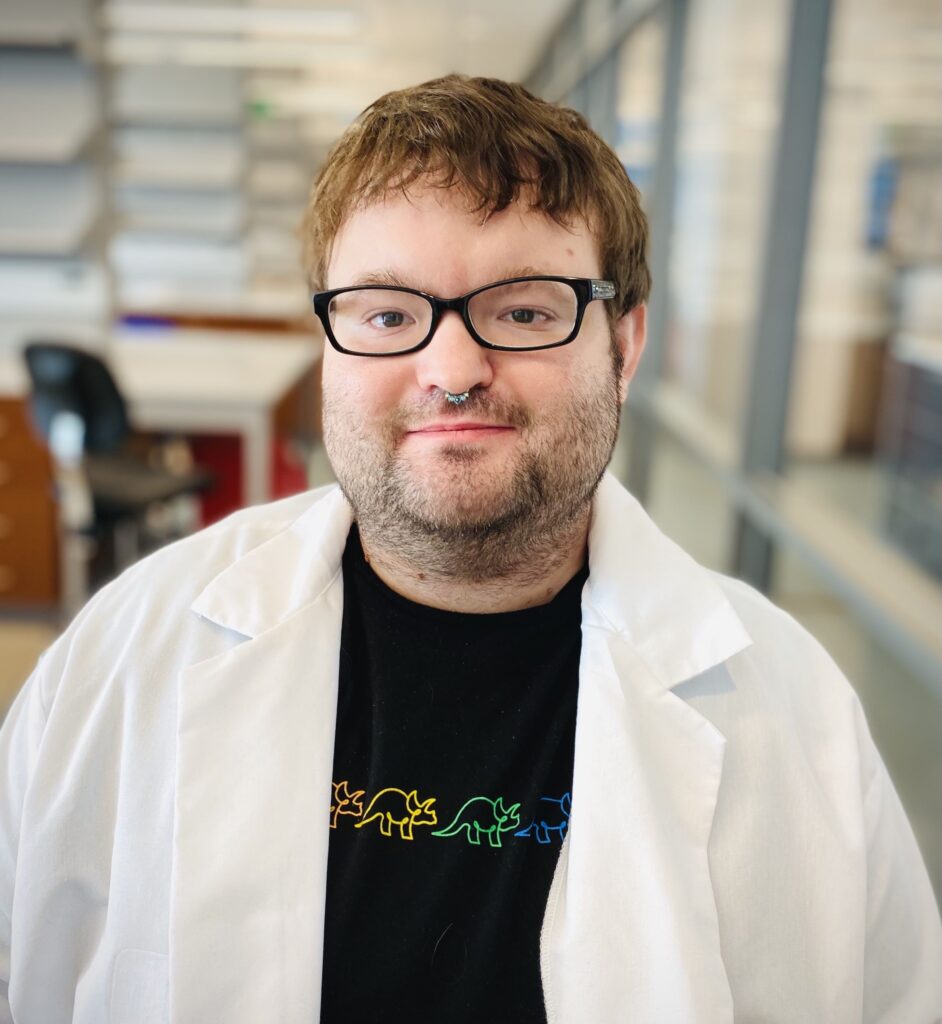
Professor Park Han-yong is affiliated with Sejong University's Department of Bioresource Engineering . His research focuses on plant breeding, molecular genetics, and agricultural biotechnology, particularly in radish (Raphanus sativus) and related crops. Ph.D. in Molecular Genetics from Seoul National University (1995) Chief Researcher at seed companies including Heungnong Seed, Seminis, and Monsanto (1996–2010) Faculty member at Sejong University since 2011 Research interests include: Genetic diversity analysis in radish and carrot Development of molecular markers for trait selection Genotype-phenotype association studies Micropropagation techniques Phytochemical composition and antioxidant activity Fusarium wilt resistance mechanisms Article Trends show expertise in QTL mapping , genotyping-by-sequencing (GBS) , metabolic profiling , and automated phenotyping . His work spans traditional breeding and cutting-edge genomic approaches. Patents include cultivar-specific markers and disease detection methods (2011–2025).
Andrew McShan serves as an Assistant Professor in the School of Chemistry and Biochemistry at the Georgia Institute of Technology, where he directs the McShan Lab focused on structural biology, immunology, and computational protein design. His research integrates experimental and computational approaches to investigate biomolecular structures with therapeutic relevance, particularly in immune receptor systems and lipid-protein interactions. His academic foundation includes: A.Sc. from University of Houston (2008) B.Sc. and Ph.D. from University of Kansas (2010, 2016) Postdoctoral Research at UC Santa Cruz (2016-2020) Postdoctoral Research at University of Pennsylvania & Children’s Hospital of Philadelphia (2020-2022) Research interests center on atomic-level characterization of biomolecules including de novo designed proteins, therapeutic peptides, lipid transfer proteins, and immunoreceptors (MHC molecules, T cell receptors, CD8 co-receptors). The lab specializes in determining structures and dynamics of these systems through solution NMR spectroscopy, X-ray crystallography, cryo-EM, and computational modeling, with particular emphasis on antigen presentation mechanisms and lipid-protein interactions. Current projects span structural biology of natural product biosynthesis, computational development for lipid-protein modeling, and engineering novel protein-based therapeutics. Recent publications (2023-2025) reveal strong integration of AlphaFold/RoseTTAFold applications with experimental validation, particularly in protein design, lipid-binding systems, and immune receptor characterization. Key trends include computational database development for lipid-protein interactions (BioDolphin), multistate protein design methodologies, and structural analysis of pathogen-derived antigens. Scientific recognition includes: NSF CAREER Award (2025) Shurl and Kay Curci Foundation Research Grant (2024) Dr. McShan mentors graduate students through comprehensive training in biochemical/biophysical techniques (SPR, ITC, NMR), structural biology methods, computational modeling, and immunological assays. His lab operations are supported by competitive research grants including the NSF CAREER award and Curci Foundation grant, which fund investigations into structural mechanisms of immune recognition and protein design principles. The McShan Lab maintains an explicitly inclusive environment welcoming LGBTQAI+ members, women, disabled scientists (including those with invisible disabilities), and scientists of color, fostering collaborative research in structural immunology and protein engineering.
Bolaji Thomas is a Professor in the Biomedical Sciences Program at the College of Health Sciences and Technology, Rochester Institute of Technology (RIT), specializing in infectious diseases with emphasis on malaria, leishmaniasis, trypanosomiasis, and sickle cell disease immunogenetics. His research integrates population genetics and immune response regulation to address tropical disease challenges in African populations. Education: BS, University of Lagos (Nigeria) MS, University of Lagos (Nigeria) Ph.D., University of Lagos (Nigeria) Dr. Thomas's research program spans host-pathogen interactions, genetic polymorphisms in disease susceptibility, and traditional medicine applications. His work on CD14/CD209 polymorphisms in malaria/sickle cell disease, Trypanosomiasis genetic responses in cattle, and antimalarial phytochemicals demonstrates interdisciplinary approaches bridging genomics, immunology, and epidemiology. Recent investigations include a $650,000 study on cattle Trypanosomiasis adaptation to climate change. Scientific recognition includes: American Association of Immunologists Travel Awards Wellcome Trust Travel Award Marine Biological Laboratories Fellowship UNDP/World Bank/WHO Tropical Medicine Travel Awards He serves as Faculty Mentor for FASEB-MARC, Board Member for Upstate Louis Stokes Alliances for Minority Participation, and editorial reviewer for multiple journals. Teaching responsibilities include Parasitology (MEDS-421), Epidemiology (MEDS-430), and Human Immunology (MEDS-530/630), with active undergraduate research mentorship highlighted in RIT's 2022 undergraduate research initiative.
Hans Rudolf Lytchoff Eiberg is an Associate Professor at the Department of Cellular and Molecular Medicine, University of Copenhagen, specializing in Medical Genetics. With a career spanning over 50 years since 1971, he is renowned for discovering that all blue-eyed humans descend from the same common ancestor. His work primarily focuses on genetic research using the Copenhagen Family Bank containing data from 850 families with at least 4 children. Dr. Eiberg earned his Cand. scient. in Biochemistry from Copenhagen University in Spring 1970, with specialization in Plant Physiology. His professional journey began as an Adjunct at Copenhagen University's Department of Medical Genetics from 1971-1975, progressed to Lecturer and Associate Professor starting in 1975, and evolved into leadership roles as Project Leader of the Family Bank (RC-link) at the Panum Institute since 1980, and Group Leader of the Genome Group/RC-link since 1994. His research interests encompass genetic and molecular mechanisms underlying inherited disorders and normal traits, with particular focus on eye diseases, skin diseases, psychiatric conditions, and common traits like eye and hair color. He has developed extensive laboratory methods for mapping the human genome, including collection of personal data and blood samples, and established techniques for antibody production, genetic polymorphism analysis, and linkage analysis using specialized software. Dr. Eiberg has explored 22 diseases for chromosomal localization of gene defects, successfully localizing more than 10 diseases for the first time in his laboratory. His recent publications reveal a strong focus on genetic mapping of various conditions including ulcerative colitis, psychiatric disorders, nephrotic syndrome, movement disorders, microcephaly, cataracts, and migraine. His work bridges classical genetic techniques with modern genomic approaches, maintaining a consistent emphasis on family-based linkage analysis while incorporating newer technologies like HLA typing and RNA analysis. Among his professional recognitions, Dr. Eiberg received the Silver Medal from Aarhus University in 1972 for his work on band differentiating techniques for human chromosomes. He has served as Vice Chairman of Human Gene Mapping 9 (chromosome 17-19) in Paris 1987 and has been an invited speaker at international conferences in Toronto, Oxford, London, and Verona. Dr. Eiberg has supervised numerous students including Marie-Louise Bisgaard, Ida Berendt, and µslaug Jon sd¢ttir, and has mentored PhD candidates Søren Eckwald and Yang Huan Ming. His laboratory maintains the Copenhagen Family Bank with extensive biological samples including serum, plasma, erythrocytes from all family members, and B-lymphocytes, DNA, mRNA from 300 families, supporting research on psoriasis, asthma, enuresis, migraine, and other conditions. As a member of the Human Genome Organization (HUGO), the Danish Society of Medical Genetics, and the European Society of Human Genetics, Dr. Eiberg has contributed significantly to the field through peer review for journals like Human Genetics, Clinical Genetics, and Genomics, while maintaining an active research program that has produced 190 research outputs to date.
Maja Birk Søtofte is an Academic Researcher at the Globe Institute within the Faculty of Health and Medical Sciences, University of Copenhagen. She is affiliated with the Section for Molecular Ecology and Evolution and can be contacted via email (maja.lunn@sund.ku.dk) or phone (+4535330701). Her research centers on genetic mechanisms underlying phenotypic traits, with expertise in human and population genetics. Specializing in molecular ecology and evolutionary biology, she investigates gene-phenotype relationships such as eye color variation through SNP analysis in genes like TYR and TYRP1. Dr. Søtofte contributes to the Section for Molecular Ecology and Evolution, focusing on interdisciplinary studies bridging genetic variation with evolutionary processes. Her work emphasizes molecular techniques to decode complex trait inheritance in human populations.
Dr. Krithika Sundararaman is a Senior Lecturer in the Department of Life Sciences within the Faculty of Science and Engineering at Anglia Ruskin University (ARU), Cambridge. She joined ARU in 2020 as a Lecturer in Biomedical Science and was promoted to Senior Lecturer. Her academic journey includes a PhD from the Indian Statistical Institute/Jadavpur University, postdoctoral fellowships at the University of Toronto and University College London, and membership in the Biomedical Research Group. Her research focuses on medical genetics of neurodevelopmental disorders , with current emphasis on sleep disorders and circadian clock mutations. Key areas include: Genetic polymorphisms in sleep disorders Circadian rhythm disruption in neurological conditions Clock gene mutations in epilepsy Population genetics and human evolutionary studies Analysis of her 15 most recent publications reveals dominant themes in epilepsy genetics (38% of articles), sleep/circadian disorders (22%), and population genetics/pigmentation studies (40%). Methodologically, 75% employ next-generation sequencing or genome-wide association approaches, with strong clinical translation focus. Her scientific recognition includes: Banting and Best Postdoctoral Fellowship (CAD 40,000) Young Scientist Award during PhD 14+ peer-reviewed articles during doctoral studies h-index of 17 with 1,550+ citations Dr. Sundararaman supervises 3 active PhD students and 9 research interns, while securing £9,000+ grants annually. She teaches core genetics modules across all undergraduate levels and holds a PGCert in Higher Education. Her international collaborations span epilepsy consortia and diabetes research networks.