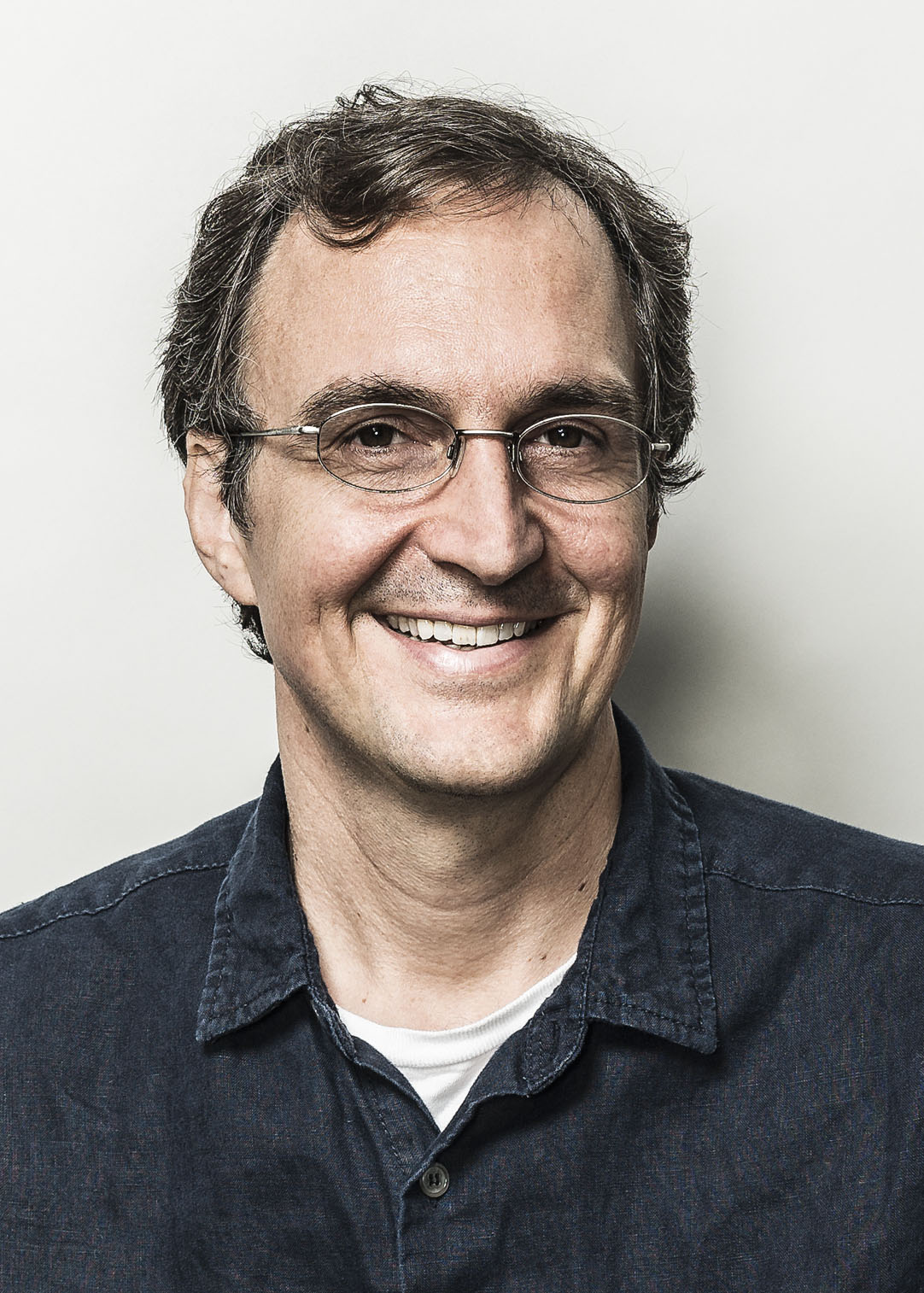
Michael S. Brown is a Professor and Canada Research Chair at York University's Department of Electrical Engineering and Computer Science (EECS). He also serves as Senior Director at the Samsung AI Center in Toronto, Canada. His research focuses on computer vision, image processing, and computer graphics, with a deep specialization in camera imaging pipelines, color theory, and AI-driven ISP optimization. He has organized major conferences like ProCams, eHeritage, WACV, and ICCV, and holds editorial roles in journals like TPAMI and IJCV. He is renowned for his work on computational color constancy, ISP hardware algorithms, and AI-based image enhancement techniques. His recent ICCV 2023 tutorial detailed modern camera pipelines and AI applications in ISP components. His research is supported by grants from NSERC, Samsung, Adobe, Google, and Microsoft. Brown advises numerous graduate students and has mentored over 30 alumni now in academia and industry roles at Meta, Samsung, Microsoft, and startups. His lab focuses on camera systems, noise modeling, and cross-platform color management, with contributions to open-source datasets and software platforms for ISP experimentation.
Frederick A. A. Kingdom is a Professor in the Department of Ophthalmology at McGill University's Faculty of Medicine, focusing on Perception, Cognition and Cognitive Neuroscience . His research explores the interplay between early visual feature detection (edges, bars) and intermediate stages forming contours, textures, and surfaces through spatial vision, color vision, stereopsis, texture perception, brightness/lightness perception, and transparency studies . Email: fred.kingdom@mcgill.ca Key research domains include: Perceptual Mechanisms : Lateral inhibition, contrast normalization, spatial bandpass filters, and their role in brightness/lightness perception and illusions like simultaneous brightness contrast. Color Vision : Red-green vs blue-yellow system distribution, chromatic contrast requirements for stereopsis, color-based depth processing limitations, and color-shading effects that parse surfaces vs illumination. Texture Analysis : Detection thresholds for orientation/frequency/contrast modulated textures, co-circularity in texture perception, and texture statistical sensitivity (e.g., kurtosis importance). Shape Processing : Shape-frequency/shape-amplitude aftereffects, global vs local shape coding, and contour inflection adaptation. His work combines psychophysics , fMRI , image processing , and computational modeling to dissect visual system architecture, particularly how color and luminance signals are integrated/separated in early cortical processing.
Jonathan Cohen is a Professor of Philosophy at the University of California, San Diego (UCSD), and serves as an Associate Dean in the School of Arts and Humanities. Previously, he held a Killam Postdoctoral Fellowship at the University of British Columbia (2000-2001). He earned his Ph.D. in Philosophy from Rutgers University (2000), and holds a M.A. (1995) and B.A. (1993) in Philosophy and Mathematics from the University of Chicago. His research primarily focuses on the philosophy of perception and language, with a special emphasis on their intersections with cognitive science. Key areas include relationalist theories of color properties, multimodal perception, and the semantics/pragmatics of context-sensitive expressions. Recent work explores perceptual interactions across modalities, synesthesia, and the role of extrasemantic expansion in communication. Cohen’s publications span over two decades, with recent trends emphasizing perceptual architecture, phenomenal contrasts, and interdisciplinary approaches to cognitive penetration. His work often bridges analytic philosophy with empirical findings in psychology and neuroscience. While no formal grants or awards are explicitly noted, his extensive bibliography reflects sustained engagement with foundational questions in philosophy of mind and language. No lab affiliations or student advisees are listed in the provided materials.
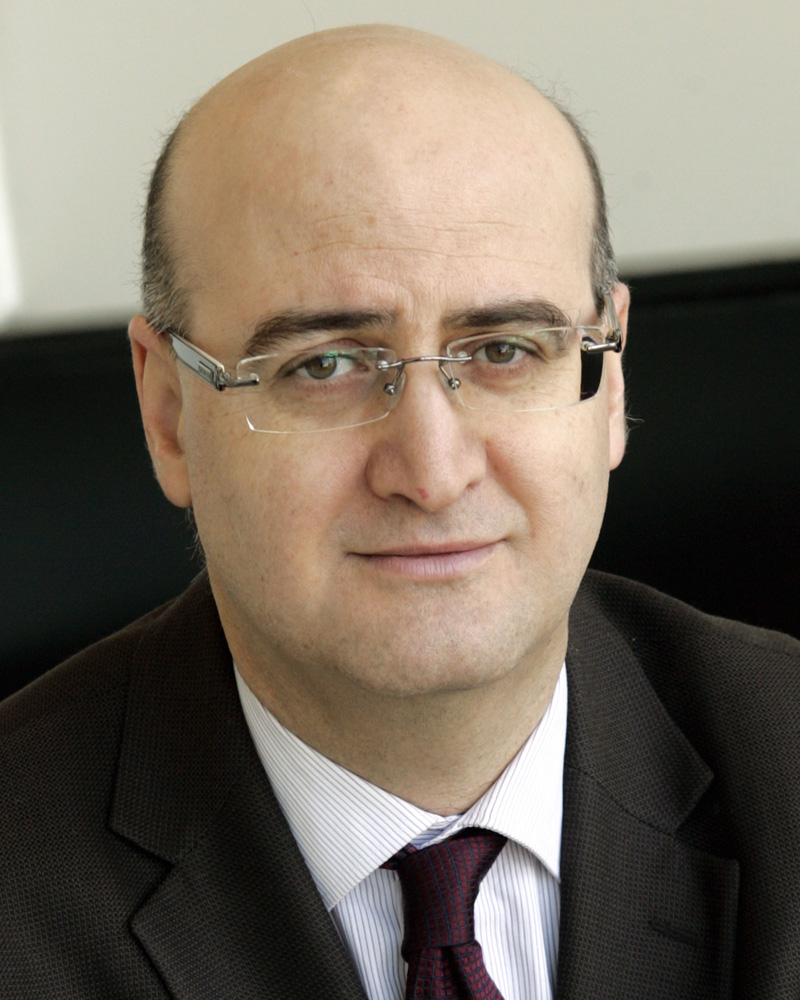
Professor Moncef Gabbouj is a distinguished academic and researcher currently serving as Professor of Signal Processing at the Department of Computing Sciences, Faculty of Information Technology and Communication Sciences, Tampere University, Finland. Previously, he held the same position at Tampere University of Technology before the merger in 2019. He has also held visiting professorships at prestigious institutions including Hong Kong University of Technology and Science, University of Southern California, and Purdue University. Ph.D. and MSc. in Electrical Engineering from Purdue University, USA (1989 and 1986) B.Sc. in Electrical Engineering from Oklahoma State University, USA (1985) Prof. Gabbouj's research spans multiple domains within signal and image processing, with a strong focus on machine learning applications. His primary research interests include artificial intelligence, machine learning, Big Data analytics, multimedia content-based analysis, indexing and retrieval, nonlinear signal and image processing, voice conversion, and video processing and coding. His work bridges theoretical advancements with practical applications across various industries, particularly in multimedia communications and biomedical applications. His extensive publication record demonstrates a clear evolution from traditional signal processing techniques toward more sophisticated machine learning and deep learning approaches. Recent work shows increasing focus on convolutional neural networks for various applications including ECG classification, video processing, financial time-series analysis, and image recognition tasks, reflecting the broader trend in the field toward deep learning methodologies while maintaining strong foundations in signal processing theory. IEEE Fellow (2011) Member, Finnish Academy of Science and Letters (2014) Knight, First Class, of the Order of the White Rose of Finland (2006) Nokia Foundation Recognition Award (2005) Nokia Foundation Visiting Professor Award (2012) Finnish Cultural Foundation for Art and Science Award (2017) TUT Foundation Grand Award (2015) Prof. Gabbouj has supervised 64 doctoral and 72 Master's theses, demonstrating his significant contribution to academic mentoring. His research has been supported by substantial funding, including research grants totaling 8.5 million Euro (2001-2015). He has served as Academy of Finland Professor during 2011-2015 and has been involved in numerous EU research projects including Horizon, ESPRIT, HCM, IST, COST, Tempus and Erasmus programs. As Editor, Guest Editor or member of the Editorial Board of 6 international scientific journals, he has significantly influenced the academic discourse in his field. He leads the Signal Analysis and Machine Intelligence (SAMI) research group at Tampere University and serves as the Finland Site Director of the NSF IUCRC funded Center for Visual and Decision Informatics. His research unit focuses on applying advanced machine learning techniques to solve complex problems in signal processing, computer vision, and multimedia analytics, with applications ranging from healthcare to multimedia communications and financial analysis.
Mohd Fikree Hassan is a Lecturer at the School of Information Technology, Monash University Malaysia, joining in June 2023. He holds a Ph.D. and Master's from the University of Malaya, and a B.Eng. in Electronics Engineering from Multimedia University. With over 14 years of academic experience, he is actively engaged in research, teaching, and supervision. B.Eng. in Electronics Engineering (Telecommunications), Multimedia University, 2004 M.Eng. in Engineering (Telecommunications), University of Malaya, 2015 Ph.D. in Signal and Systems, University of Malaya, 2018 His research focuses on image and signal processing , particularly in image enhancement, restoration, computer vision, and human color vision . His work contributes to improving image visibility, removing color casts, and developing algorithms for noisy or degraded images. He applies mathematical and computational techniques to solve real-world imaging challenges. The recent publication trends (2021–2025) show a strong focus on image restoration using variational methods (e.g., total variation, ℓ0 regularization), color enhancement in HSI space, and video analysis for sports applications. His work bridges theoretical optimization and practical computer vision systems. He actively contributes to the academic community through peer review for journals such as Neurocomputing , Journal of Imaging , and International Journal of Computational Intelligence Systems , as well as for IEEE conferences. Mohd Fikree is currently accepting PhD students and serves as an external examiner for academic programs. His consistent research output and editorial service reflect a growing impact in the field of image processing and computer vision. While no formal lab or team is mentioned in the text, his collaborations with researchers like R. Paramesran, T. Adam, and G. Krishnasamy suggest active research partnerships in signal and image processing.
Laurie Wilcox is a Full Professor in the Department of Biology at York University, affiliated with the Faculty of Science. Her research focuses on stereopsis, binocular vision, and depth perception, particularly exploring how the visual system processes binocular disparity signals. She leads a laboratory investigating cortical systems for fine and coarse disparities, with studies on amblyopia and applied collaborations with companies like Christie Digital and IMAX. Her work bridges basic neuroscience and applied research, addressing depth perception in 2D/3D displays and VR environments. Key interests include stereoscopic volume representation, perceptual grouping, and the impact of monovision on depth judgments. Recent studies examine lightness constancy in virtual reality, depth magnitude errors in 3D displays, and neural activation patterns in object-selective visual cortex. Wilcox has published extensively on binocular vision mechanisms, including coarse stereopsis in strabismus patients and the role of motion parallax in depth perception. Her applied projects evaluate visual fidelity in stereoscopic content, compression algorithms, and ergonomic considerations for XR devices. She also investigates how environmental context (e.g., familiar size, natural scenes) modulates depth perception accuracy across real and virtual environments. Her research emphasizes translational applications, aiming to optimize display technologies through insights from human visual processing. Ongoing work explores perceptual integration of binocular and monocular cues, attention modulation by depth, and the neurophysiological underpinnings of stereoscopic vision.
Emily Cooper is an Associate Professor of Optometry & Vision Science at the Herbert Wertheim School of Optometry & Vision Science, University of California, Berkeley. She serves as the Chair of the Vision Science PhD Program and is a co-Director of the Center for Innovation in Vision & Optics. Additionally, she is a member of the Helen Wills Neuroscience Institute and a Visiting Faculty Researcher at Google. Dr. Cooper's research focuses on 3D vision, perceptual graphics, AR/VR, computational neuroscience, visual encoding, and display system design. Her work investigates how the visual system processes information to create our perception of the 3D world, with applications in computer graphics, virtual reality, and assistive technologies for people with low vision. Analysis of Dr. Cooper's recent publications (2023-2025) reveals a strong focus on the intersection of vision science and emerging technologies, particularly in augmented reality and assistive vision systems. Her work spans fundamental research on visual perception mechanisms to applied research developing practical technologies for low vision rehabilitation. A significant portion of her recent work addresses visual discomfort in XR displays, perceptual guidelines for AR/VR systems, and innovative approaches to assistive vision technologies that enhance mobility and independence for visually impaired individuals. Dr. Cooper leads an active research laboratory at UC Berkeley's 391 Minor Hall, where she mentors students and collaborators in vision science research. Her lab investigates both basic questions about how vision works and translational questions about improving visual technologies. She has developed perceptual guidelines for optimizing field of view in stereoscopic augmented reality displays and created assistive technologies such as an augmented reality sign-reading assistant for users with reduced vision. Dr. Cooper is also involved in professional activities including co-organizing the Computational Neuroscience: Vision summer course at Cold Spring Harbor Laboratory and working with Community Resources For Science to promote science education.
Prof. Anna Franklin is a Professor of Visual Perception and Cognition at the University of Sussex's School of Psychology. She leads the Sussex Colour Group and Sussex Baby Lab , focusing on human color perception, development, and neural representation. Her research combines cognitive psychology, developmental science, and neuroscience to explore how color perception develops, influences aesthetics, and relates to conditions like autism. Key projects include ERC-funded initiatives studying environmental impact on color perception and developing the ColourSpot diagnostic app for childhood color vision deficiency. She also serves as Deputy Director of Research and Knowledge Exchange for the School of Psychology. Education includes a BA from the University of Nottingham and a PhD from the University of Surrey, followed by a postdoctoral fellowship. Her work spans 107+ publications, emphasizing interdisciplinary methods like hyperspectral imaging and fMRI. Collaborations include industry partnerships with ETTA LOVES and COSATTO to apply infant visual preference research in product design. Research grants include European Research Council awards (Starting Grant 2012-2017, Consolidator Grant 2018-2025) and a Proof of Concept grant for ColourSpot . Her labs investigate cross-cultural color categorization, infant aesthetics, and neural correlates of color processing. Future work focuses on calibrating visual systems to environmental statistics and improving early childhood color vision screening.
Prof. Dr. Florian Freitag is a Professor of American Studies at the University of Duisburg-Essen (Germany) since 2019, specializing in Transnational American Studies, Canadian Studies, and Theme Park Studies. His academic journey includes a PhD in North American literatures from the University of Constance (Germany) in 2011, followed by postdoctoral research at the Obama Institute, JGU Mainz. His educational background includes: 1998-2005: Student of English and French, University of Konstanz, Germany 2002-2003: Exchange student, Department of American Studies, Yale University 2006-2011: Doctoral Student, Department of Literature, University of Konstanz 2009: Visiting Scholar, University of British Columbia, Vancouver, Canada 2015-2016: Visiting Scholar, CityTech (CUNY), New York, USA Freitag's research interests span Transnational American Studies, Canadian Studies, Popular Culture, Theme Park Studies, Periodical Studies, Performance Studies, and Hurricane Katrina studies. His work explores the intersections of cultural representation, spatial theory, and transnational flows, with particular attention to how American culture travels and transforms in global contexts. He has made significant contributions to understanding theme parks as cultural spaces that negotiate national identity, transnational influences, and historical narratives through spatial design, narrative construction, and visitor experience. His publications reveal a strong focus on how themed spaces mediate cultural understanding across national boundaries. His scholarship demonstrates how popular culture forms like theme parks serve as important arenas for cultural work that often goes unrecognized in more traditional academic contexts. His work examines the political dimensions of themed environments, the adaptation of classical mythology in global theme parks, and how cities like New Orleans are represented across different media forms. Among his notable scientific contributions are his books The Farm Novel in North America: Genre and Nation in the United States, English Canada, and French Canada, 1845-1945 (Camden House 2013), Popular New Orleans: The Crescent City in Periodicals, Theme Parks, and Opera, 1875-2015 (Routledge 2021), and Key Concepts in Theme Park Studies: Understanding Tourism and Leisure Spaces (Springer 2023), which established him as a leading scholar in interdisciplinary theme park studies. Freitag has also been active in academic service, including co-editing special issues and volumes on intersectionality, Chinese theme parks, and transnational approaches to North American regionalism. His work demonstrates a commitment to interdisciplinary approaches that bridge literary studies, cultural geography, and media studies, with significant contributions to understanding cultural representation in themed environments.
Xuan Zhang is an Associate Professor at the Department of Information and Communication Technology, University of Agder. His research focuses on Tsetlin Machines, learning automata, and their applications in machine learning, computer vision, and hyperspectral imaging. Research Trends: Zhang’s recent work includes developing interpretable machine learning models (e.g., Tsetlin Machines), optimizing convolutional architectures for image processing, and applying automata theory to solve multi-armed bandit problems and channel selection in cognitive networks. His field spans theoretical analysis and practical implementations in AI, remote sensing, and health informatics. Scientific Contributions Co-developed advanced Tsetlin Machine variants for XOR/NOT operator convergence, disease forecasting, and image restoration Published in journals like IEEE Transactions on Pattern Analysis and Machine Intelligence , Information Sciences , and Applied Intelligence Explored Bayesian pursuit algorithms, hierarchical learning automata, and particle swarm optimization techniques Contact: xuan.zhang@uia.no
Michael Webster is a Professor of Psychology at the University of Nevada, Reno, serving as Co-Director of the Graduate MS/PhD Neuroscience Program and Undergraduate BS Neuroscience Program, and Director of the NIH-funded COBRE for Integrative Neuroscience. His research focuses on visual perception, particularly how perception adapts to environmental and physiological changes. He leads major initiatives like the $10 million COBRE grant establishing an fMRI facility and neuroscience programs. Education: Ph.D., Psychology, University of California, Berkeley (1988); B.A., Psychology, University of California, San Diego (1981). Research Interests: Cognitive neuroscience of vision, visual adaptation mechanisms, color and face perception, and cultural/environmental influences on perception. Notable contributions include discoveries about face adaptation, color constancy, and blur correction. His work is funded by NIH grants and recognized through awards like the Outstanding Researcher Award. Grants/Awards: NIH COBRE Directorship, foundation professorship, grants for radiology adaptation studies. His lab (Visual Perception Lab) explores neural and cognitive bases of visual processing.
Thomas Wachtler-Kulla is a Professor in the Department of Biology II at Ludwig-Maximilians-University Munich, where he leads the Computational Neuroscience research group. He is a GSN full member and serves as the GSN Ombudsperson, offering neutral and confidential counseling for students. He is also the Group Leader and Scientific Director at the German Neuroinformatics Node (G-Node), contributing significantly to neuroscience data infrastructure. His research focuses on how the brain processes sensory signals, particularly in the visual system, aiming to understand neural coding, perceptual stability, and color vision under natural conditions. He employs neurophysiology, psychophysics, and computational modeling to investigate sensory processing, eye movement compensation, and efficient coding mechanisms. At G-Node, he develops software and hardware tools for organizing, storing, analyzing, and sharing neurophysiological data, promoting reproducible research. His recent work spans Bayesian models of hue perception, data management frameworks like DataLad and odML, and studies on honeybee neuroethology. He actively supervises graduate students and contributes to major initiatives such as NFDI-Neuro and the International Neuroinformatics Coordinating Facility, advancing standards for open and FAIR neuroscience. Scientific Contributions and Leadership: Scientific Director, German Neuroinformatics Node (G-Node) GSN Ombudsperson for student conflict resolution Key contributor to NFDI-Neuro and INCF Developer of tools for metadata management and data sharing He advises several current and former graduate students and is deeply involved in shaping data policies and infrastructure for the neuroscience community, ensuring scientific rigor and accessibility.
Dr. Colin Palmer is a Visiting Fellow in the School of Psychology at the University of New South Wales (UNSW), where he conducts research on visual perception with a focus on social features of our sensory environment. His work examines how the brain processes elements like eyes, faces, and behaviors of people around us using visual psychophysics, computational modeling, and 3D graphical rendering. Dr. Palmer completed his Ph.D. in 2016 and Bachelor of Behavioural Neuroscience (Honours) in 2009, both at Monash University. His doctoral research explored how neurocognitive models of sensory processing relate to differences in sensory integration and social cognition in autism. His primary research interests center on understanding the perceptual and neural mechanisms underlying our sensitivity to dynamic social cues, particularly eye and head movements. Dr. Palmer investigates how the visual system extracts basic environmental elements (color, shape, motion) and develops a mechanistic understanding of how our experience of the social world arises from nervous system activity. His work has clinical applications for understanding sensory and social difficulties in conditions like autism and schizophrenia. Dr. Palmer's recent publications reveal a consistent focus on social vision, particularly gaze perception, face processing, and animacy detection. His research increasingly incorporates computational modeling approaches to understand visual perception mechanisms. There's a strong emphasis on how lighting and shading affect face and gaze perception, with growing attention to clinical applications for neurodevelopmental conditions. Dr. Palmer has received recognition for his work through several awards: Emerging Investigator Award, Australasian Cognitive Neuroscience Society, 2017 Postdoctoral presentation award, Australasian Cognitive Neuroscience Society, 2016 Dr. Palmer is actively involved in research supervision and teaching. He teaches PSYC 3221 Vision and Brain and is available to supervise research students. His research is supported by significant funding: ARC Discovery Project (2020-2022): "Extracting meaning from motion" ($492,000) ARC Discovery Early Career Researcher Award (2019-2021): "Human sensitivity to the dynamics of other people's eye movements" ($356,000) Experimental Psychology Society Study Visit Grant (2017): "Testing computational theories of autism spectrum disorder in the social domain" (£2,580) Dr. Palmer collaborates extensively with Professor Colin Clifford at UNSW and maintains international collaborations with researchers in the UK and Australia, particularly on projects related to autism spectrum disorders and social cognition.
Carinna Parraman is a Professor of Colour, Design, and Print, and Director of the Centre for Print Research (CFPR) at the University of the West of England (UWE Bristol). She leads a cross-disciplinary team focused on cutting-edge research in printing, fabrication, and material science. Her work bridges art, science, and technology, with a focus on colour printing, 2.5D printing, and photomechanical methods. Education: PhD (2009, UWE Bristol), MA Printmaking (1993–1995, Camberwell School of Art), BA Fine-Art Printmaking & Art History (1986–1989, Winchester School of Art). Research Interests include RGB pigment printing, structural colour, and the application of printing technologies to cultural heritage preservation. She has secured £11.5M in external grants, leading projects like the £7.7M E3 fund exploring future fabrication methods and the EU-funded Appearance Printing (ApPEARS) initiative. Her recent work includes the Cabinet of Curiosities touring exhibition, artist residency programs, and collaborations with global industry partners. She chairs the IMPACT Printmaking Conference and contributes to journals like Printmaking Today . Current supervisory roles include 9 PhD researchers. Awards and roles include AHRC Peer Review College member, Chair of the Colour Group Great Britain, and Research Ethics Committee membership. Her publications span over 128 works, emphasizing colour science, material innovation, and multidisciplinary print applications.
Krista A. Ehinger is an Associate Professor and co-lead of the AI group at the University of Melbourne's School of Computing and Information Systems. She holds a PhD from MIT and has held postdoctoral positions at York University and Harvard Medical School. Her research focuses on the intersection of human and computer vision, including scene recognition, visual search, and depth perception. Methodologically, she combines Bayesian models, deep learning, and behavioral experiments like eye tracking. Current projects explore AI applications in space systems (e.g., SpIRIT satellite) and ethical implications of workplace surveillance via computer vision. Recent work emphasizes amodal completion (e.g., reconstructing occluded objects) and AI reasoning systems. She collaborates on medical imaging (TCAM-Diff model), autonomous driving (truck speed detection), and 3D reconstruction. Her lab actively engages in open-source tools like the SUN Database for scene understanding. Professional activities include AI ethics discussions and academic service. She advises students on Masters/PhD projects and contributes to conferences like CVPR and NeurIPS.