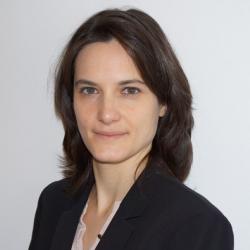
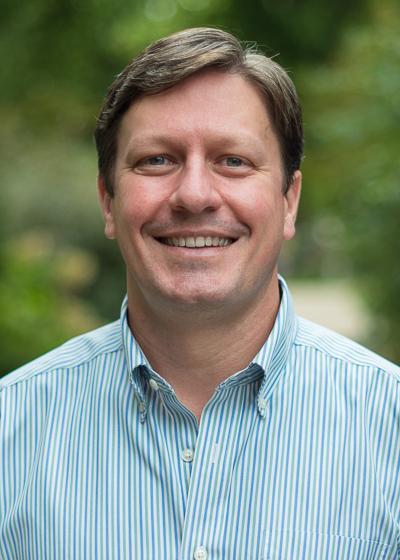
Dr. Yuan Xu is a Postdoctoral Research Fellow at the School of Chemical Engineering, The University of Queensland. His research focuses on rheology, colloidal science, physical chemistry, soft matter physics, and tribology. He holds a PhD in Chemical Engineering and a Bachelor of Engineering (Chemical and Material) from UQ. PhD in Chemical Engineering, The University of Queensland (2019) Bachelor of Engineering (Chemical and Material), The University of Queensland (2015) His research spans soft matter systems, nanocellulose hydrogels, tribological behavior of complex fluids, and viscoelastic lubrication. Recent work examines tribofilm formation, phase transitions, and rheological modeling of colloidal suspensions. Dr. Xu has contributed to 15+ publications between 2014-2024, including studies on cellulose nanocrystals, chocolate rheology, and pH-responsive materials. Collaborations include SICC Co., Ltd. for tribology applications in industrial polishing. He is available for research supervision and has participated in multidisciplinary projects involving material science and food engineering.
Khan Mohammad Ahsan Uddin is a Postdoctoral Researcher at Aalto University , affiliated with the Bioproduct Technology research group. His work focuses on Bio-based materials with a particular emphasis on nanocellulose applications. Specializations: Nanocellulose, Silver Nanoparticles, Circular Economy Institution: Aalto University, Finland His research explores the use of Nanocellulose in creating sustainable materials and functional systems. Recent publications highlight advancements in Bio-based flame retardants for circular economy applications, Disposable microfluidic sensors for glucose detection, and Hybrid films with enhanced thermomechanical properties. The work also investigates Protein immobilization in nanocellulose aerogels for antibacterial applications and the Nucleation phenomena in silver nanoparticle synthesis mediated by cellulose nanocrystals. Email: khan.uddin@aalto.fi | Phone: +358503316235
Xiangfan Chen is an Assistant Professor at Arizona State University's School of Manufacturing Systems and Networks and a member of the Fulton graduate faculty in Aerospace and Mechanical Engineering and Materials Science and Engineering programs. His research focuses on advanced manufacturing technologies, including 3D printing and nanoimprinting, for applications in photonics, biomedical engineering, and energy systems. Ph.D. in Mechanical Engineering, Northwestern University (2018) B.S. in Mechanical Engineering, Shanghai Jiao Tong University (2012) Chen's research explores micro/nano-additive manufacturing for functional devices, with a particular emphasis on metamaterials , optical systems , and energy conversion technologies. His lab develops innovations in photopolymerization-based 3D printing and printable functional materials like hydrogels and liquid crystal elastomers. Recent publications highlight his work on high-resolution 3D printing techniques and multifunctional material development . His research group has secured funding from the Arizona Biomedical Research Commission and collaborates on NSF-supported metal 3D printing projects . ABRC New Investigator Award (2025) NSF grant as Co-PI (2019) Chen's lab recruits graduate students with expertise in optics , micro/nano-electronics , and materials science for projects in advanced photonic devices and high-efficiency energy systems . He teaches courses like Micro/Nano Additive Manufacturing and Engineering Statistics .
Dr. Yaroslava G. Yingling is a Professor in the Department of Materials Science and Engineering at North Carolina State University. She holds adjunct appointments in Physics and Biomedical Engineering, reflecting her interdisciplinary expertise. Her research spans biomimetic materials, nanotechnology, and AI-driven materials discovery. Key Affiliations: NCSU College of Engineering, Joint Biomedical Engineering Department (NCSU-UNC), Triangle Materials Research Science and Engineering Center Research Focus: Combines materials simulations , data science , and biomolecular engineering to develop nanomaterials for environmental remediation, DNA/RNA-based nanostructures, and sustainable technologies. Specializes in molecular dynamics and machine learning for materials design. Scientific Contributions: Pioneered AI methods for materials informatics , DNA self-assembly , and biomimetic nanoparticle design . Her work on phosphorus sustainability and reflectin-inspired materials has received significant attention. Awards: DOE Ten at Ten Scientific Idea Award NSF CAREER Award University Faculty Scholar Leadership Roles: Served as Associate Department Head for Scholarship and Education, Director of Graduate Certificate in Materials Informatics, and Director of Undergraduate Program. Active in editorial boards of Journal of Materials Science and ACS Biomaterials Science .
Steven K. Lower is a Professor at The Ohio State University with appointments spanning the School of Environment and Natural Resources, School of Earth Sciences, and Department of Microbial Infection and Immunity. His interdisciplinary research bridges environmental science, earth sciences, and medical microbiology, focusing on the molecular interactions between microorganisms and mineral surfaces. Dr. Lower's educational background includes a B.S. in Biology & Geology, an M.S. in Environmental Chemistry from Kent State University, and a Ph.D. in Microbiology & Mineralogy from Virginia Tech. His career path took him from an Assistant Professor position at the University of Maryland (2001-2003) to his current professorship at Ohio State University (2003-present). His research interests center on environmental mineralogy and chemistry, geological and environmental microbiology, and medical microbiology. Dr. Lower specializes in studying how bacteria interact with mineral surfaces at the nanoscale, with particular focus on magnetotactic bacteria that orient along Earth's magnetic field and pathogenic bacteria like Staphylococcus aureus that form biofilms on medical implants. His laboratory employs atomic force microscopy and other nanoscale techniques to measure the fundamental forces governing these interactions. Analysis of Dr. Lower's recent publications reveals a strong interdisciplinary trend spanning environmental science, medical microbiology, and biophysics. His work connects fundamental physical principles with practical applications in environmental remediation and medical device safety. The research consistently applies nanoscale measurement techniques to understand bacterial behavior in both natural and clinical settings, with particular attention to how bacteria form aggregates and adhere to surfaces. Dr. Lower's scientific achievements have been recognized with several prestigious awards: National Science Foundation CAREER Award PECASE Award (presented by President Obama at the White House) Kavli Fellow, National Academy of Sciences Department of Energy (DOE) Best Research Award Clinical Research Forum Outstanding Research Award As a principal investigator, Dr. Lower has secured research funding from the National Science Foundation (NSF), National Institutes of Health (NIH), and Department of Energy (DOE). His laboratory maintains active collaborations across disciplines, particularly with his brother Brian H. Lower, and focuses on understanding the molecular mechanisms of bacterial adhesion to both natural mineral surfaces and medical implants. The research has significant implications for developing strategies to prevent bacterial infections on medical devices and understanding microbial processes in environmental systems.
Professor Agnieszka Marcinkowska is a distinguished academic at Poznań University of Technology, Faculty of Chemical Technology, where she works at the Institute of Chemical Technology and Engineering. She holds the title of Professor ("prof. PP") and has established herself as a leading researcher in polymer science and photochemistry. Her educational background includes an M.Sc. Eng. (2003), Ph.D. in Chemical Sciences (2007), and habilitation (2020), all from Poznań University of Technology. Her habilitation thesis focused on "Hybrid and composite materials obtained by photopolymerization". Professor Marcinkowska's research interests span photochemically initiated polymerization, photocurable coatings, composites and hybrid polymer materials, polymer hydrogels and ionogels, polymers in pharmacy, biodegradation of polymers, solid polymer electrolytes, and devices that convert electrical energy . Her work bridges fundamental polymer chemistry with practical applications in pharmaceuticals, energy storage, and advanced materials. Her recent publications demonstrate a strong focus on smart materials, polymer nanotechnology, and sustainable chemistry solutions. She has been particularly active in developing novel polymer systems with applications in drug delivery, energy storage, and responsive materials. Professor Marcinkowska actively supervises doctoral students, with recent completions including Kinga Biedrzycka (2024), Aneta Lewandowska (2023), and Anna Zgrzeba (2018). She also collaborates extensively with the Institute of Molecular Physics of the Polish Academy of Sciences, Greater Poland Centre of Advanced Technologies, and industry partners. She teaches courses in polymer chemistry, polymer materials technology, plastics technology, and laboratory classes in polymer materials for pharmacy applications.
Prof. Dr. Volker Abetz is a full professor (W3) of Physical Chemistry at the University of Hamburg since January 2013 and concurrently serves as Director of the Institute for Polymer Research at the Helmholtz-Zentrum Geesthacht. His career has included professorships at the University of Kiel (2004–2012) and the University of Potsdam, along with visiting roles at Stanford, UC Louvain, and Ben-Gurion University. Education: Habilitation, University of Bayreuth (2000) – “Complex Structures based on ABC Triblock Copolymers” PhD, Albert-Ludwigs-University Freiburg (1990) – “Spectroscopic Polarimetry on Multicomponent Polymer Systems” Diplom, Albert-Ludwigs-University Freiburg (1987) – “FTIR-Dichroism Spectroscopy on Polymer Multicomponent Systems” Research Interests: His group focuses on nanostructured polymers , stimuli-responsive block copolymers , isoporous membranes , vitrimer chemistry , hierarchical polymer composites , and anisotropic gels . A hallmark of his work is translating fundamental self-assembly principles into scalable membrane technologies for water treatment, gas separation, and bioprocessing. Publication Trends: Across >480 peer-reviewed papers, recent output centers on advanced block-copolymer membranes (isoporous, antifouling, ion-selective), reprocessable vitrimer nanocomposites (lignin-based, Au-doped, magnetic), and in-situ diagnostics (synchrotron SAXS, atomic-layer deposition). These studies couple rigorous polymer synthesis with sophisticated characterization and device-level validation. Scientific Awards & Honors: Cover-featured articles in Advanced Materials , ACS Macro Letters , Macromolecular Rapid Communications Keynote & plenary invitations at POLYCHAR, ACS, IUPAC MACRO conferences Patents on isoporous membrane manufacturing (WO, EP, DE filings) Research Funding & Collaborations: His teams secure funding from the German Research Foundation (DFG), Helmholtz Association, EU Horizon programs, and industry partners. The group operates state-of-the-art laboratories at both the University of Hamburg and Helmholtz-Zentrum Geesthacht, hosting a vibrant international cohort of PhD students and postdocs. Laboratories & Facilities: AG Abetz – University of Hamburg Institute of Physical Chemistry Institute for Polymer Research – Helmholtz-Zentrum Geesthacht Access to PETRA-III (DESY), BER II (HZB) & ILL (Grenoble) neutron/synchrotron beamlines
Lauren Schnabel is a Professor of Equine Orthopedic Surgery at North Carolina State University College of Veterinary Medicine. She holds dual board certifications from the American College of Veterinary Surgeons and the American College of Veterinary Sports Medicine and Rehabilitation. Her academic journey included DVM, PhD, and surgical residency training at Cornell University under Dr. Lisa Fortier and Dr. Douglas Antczak. Research Focus: Stem cell immunology, biologic therapies for musculoskeletal injuries, and equine rehabilitation protocols Key Collaborations: NIH-funded projects with UNC-Chapel Hill researchers, CMI interdisciplinary initiatives with chemistry and biomedical engineering teams Her Schnabel Lab pioneers translational research connecting equine and human musculoskeletal medicine, with notable advancements in: 3D nonwoven scaffold fabrication for meniscus repair Immunomodulation of mesenchymal stem cells through TGF-β2 treatment Advanced MRI sequences for early cartilage lesion detection Platelet-like particles for trauma hemorrhage control Equine research herd management and translational model development Scientific Recognitions: NC State University Faculty Scholar (2019) Multiple NIH R01 and K01 grants Morris Animal Foundation support Grayson-Jockey Club Research Foundation awards
Professor Laura Torrente Murciano leads the Process Integration and Catalysis Group at the University of Cambridge's Department of Chemical Engineering and Biotechnology. Her research focuses on sustainable chemical processes, particularly integrating reaction and separation steps for green technologies. Reaction engineering with 3D-printed microdevices Nanoparticle synthesis for catalytic applications Ammonia production as a hydrogen vector Low-temperature activation of methane and CO2 Her work spans multiphasic systems, metallic membranes, and nanostructured materials like ceria and titanate. Recent publications highlight techno-economic analyses of green ammonia, dynamic energy integration, and catalytic process innovations. Key themes across her research include: Process optimization for renewable energy storage Development of sustainable hydrogen production methods Design of tuneable nanoparticle catalysts Structure-property relationships in catalytic supports Life cycle analysis of green technologies Photocatalytic and electrochemical material applications
Emil Gustafsson is a PhD student at the Department of Chemistry - Macromolecular Chemistry within Uppsala University's Ångström Laboratory. His research focuses on polymer chemistry and environmental health challenges. Research Areas : Polymer interactions with biomaterials, nanoparticle behavior in lipid films, and environmental impact of chemical additives. Recent Publications highlight his work on plasticizer interactions with phospholipid monolayers (2024), nanoparticle shape effects on lipid films (2022), and amphiphile-plasticizer dynamics (2020). These studies intersect polymer science, environmental chemistry, and biophysics. Contact : emil.gustafsson@kemi.uu.se
Xianglian He is a PhD researcher at the Max Planck Institute of Colloids and Interfaces , affiliated with the Department of Sustainable and Bio-inspired Materials under the guidance of Prof. Silvia Vignolini. Her academic journey began with a BS and MS in light chemical engineering from Sichuan University , where she worked under Prof. Junling Guo on metal-organic materials and biohybrids using polyphenols for biomedical applications. Education BS/MS in light chemical engineering, Sichuan University Xianglian’s research bridges structural coloration in marine organisms with the design of metal-phenolic materials for advanced biomedical applications. Her work explores how photonic structures in sea slugs generate vibrant colors and how these principles can be applied to create bio-inspired therapeutic systems . Her publications highlight trends in metal-phenolic nanomaterials for cancer immunotherapy , cardiac repair , and targeted drug delivery . These studies often focus on polyphenol-based scaffolds , immunomodulatory mechanisms , and biohybrid designs that enhance therapeutic efficacy while minimizing immunogenicity.
Robert Hickey is an Associate Professor in the Department of Materials Science and Engineering at Pennsylvania State University. He holds a Ph.D. in Chemistry from the University of Pennsylvania and a B.S. in Chemistry from Widener University. His research focuses on designing hierarchical nanocomposite materials for optical, magnetic, and catalytic applications through controlled assembly of nanocrystals and polymers. Research interests include: Nanomaterial synthesis and self-assembly mechanisms Polymer-inorganic hybrid systems Structure-property relationships in soft materials Polymer electrolyte systems for energy applications Dielectric properties of zwitterionic materials His publications demonstrate consistent focus on polymer physics, nanomaterials design, and functional hybrid systems, with recent work exploring thermodynamic behavior in polymer gels and bond polarization effects. Awards: American Physical Society's John H. Dillon Medal (2025) Research Funding: Principal Investigator on multiple NSF grants including CAREER awards and collaborative projects focused on tissue-like materials design, nanoscale self-assembly control, and hybrid materials development. Leads the Hickey Research Group investigating polymer-nanoparticle interactions.
Carlos Gonzalez Lopez is an Assistant Professor in the Department of Materials Science and Engineering at Pennsylvania State University's College of Earth and Mineral Sciences. Joined in 2024, he leads research on soft matter systems with a focus on polyelectrolytes, poly(ionic liquid) gels, and colloidal dispersions. His work bridges fundamental polymer physics with practical applications in industrial settings. PhD in Chemical Engineering, Imperial College London MSc in Experimental and Theoretical Physics, University of Cambridge Dr. Lopez's research program investigates the structure-property relationships in complex polymeric systems. His work combines advanced experimental techniques including rheology, neutron scattering, and microfluidics to understand fundamental mechanisms governing polymer behavior in solution. His expertise spans polyelectrolyte solutions, cross-linked poly(ionic liquids), polysaccharide rheology, and polymer-ion interactions, with applications ranging from industrial detergents to advanced materials design. Recent publications reveal a strong focus on polyelectrolyte behavior under varying ionic conditions, nanoparticle-polymer interactions, and the rheological properties of complex biopolymer systems. His work demonstrates consistent innovation in understanding how molecular structure translates to macroscopic material properties, with particular attention to electrostatic effects and chain conformation in solution. Julia Higgins Centenary Prize for PhD work at Imperial College, London Dr. Lopez's research has attracted significant attention, with publications in high-impact journals including Macromolecules, Angewandte Chemie, and Soft Matter. His work on polyelectrolyte solutions has established him as a rising expert in polymer physics, particularly in understanding how counterion effects influence polymer conformation and solution properties. He maintains active collaborations with researchers in Germany and the United States, continuing his interdisciplinary approach to soft matter research.
Sonal Deshpande is a Research Fellow in the Department of Biomedical Engineering at Duke University. She earned her Ph.D. from the Indian Institute of Technology, Delhi, India, in 2018, and has since focused on biomedical engineering research spanning nanotechnology, protein engineering, and cancer therapy. Her research explores: Synthetic intrinsically disordered proteins for biomedical applications Intracellular delivery systems using biomolecular condensates Targeted drug delivery for solid tumors Enzymatic synthesis of DNA-based nanoparticles Design of protein fusion tags for enhanced solubility Recent publications highlight her work in nanotechnology, drug delivery mechanisms, and synthetic biology. No scientific awards were explicitly mentioned. Her research involves collaborations across multiple institutions, focusing on improving cancer treatment efficacy.
Markus Muellner is an Associate Professor in the School of Chemistry at the University of Sydney, where he leads the Polymer Nanostructures Group. He is a member of several prestigious research institutes including Sydney Nano, the Sydney Institute of Agriculture, and the Centre for Drug Discovery Innovation. As Associate Head of School (Research), he plays a significant leadership role within the School of Chemistry. Dr. Muellner received his Dipl.-Chem. in polymer and colloid chemistry from the University of Bayreuth in 2008, followed by a Dr. rer. nat. from the Bayreuth Graduate School of Mathematical and Natural Sciences in 2012. After postdoctoral work at the University of Melbourne as a McKenzie Fellow (2013-2015), he joined the University of Sydney in 2015. His career progression includes Lecturer (2015-2018), ARC DECRA Fellow (2018-2020), Senior Lecturer (2019-2021), ARC Future Fellow (2021-2025), and Associate Professor (2022-present). Muellner's research focuses on nanoscience and polymer chemistry, specifically using controlled polymerization techniques (RAFT, ATRP, ROMP) to create molecular polymer brushes and shape-anisotropic nanomaterials. His work spans sustainable materials design, drug delivery systems, and energy applications. He has developed innovative approaches using photocatalysis and renewable resources in polymer synthesis. His research group actively explores polymer nanomaterials for tissue penetration, porous materials from polymer templates, and biomimetic hydrogels. His extensive publication record demonstrates significant contributions to polymer science, with recent work focusing on polymer nanodiscs, stimuli-responsive delivery systems, and advanced materials for energy applications. His research shows a clear trajectory toward increasingly complex polymer architectures with precise control over nanoscale properties. Fellow of the Higher Education Academy (2024) NSW RACI President Award (2023) SOAR Prize from the University of Sydney (2023) Fellow of the Royal Australian Chemical Institute (2023) Rennie Memorial Medal (2021) ARC Future Fellowship (2021-2025) Vice-Chancellor's Award for Outstanding Early Career Research (2018) Professor Muellner supervises numerous PhD and honors students working on diverse projects including polymer nanodiscs, injectable hydrogels, and nanomaterials for gene editing. His research is supported by substantial grants from the ARC, the Office of National Intelligence, and international collaborations. He serves on multiple advisory boards including for Polymer Chemistry (RSC), Macromolecular Rapid Communications, and Macromolecular Chemistry and Physics. The Polymer Nanostructures Group operates within the Key Centre for Polymers and Colloids at the University of Sydney, utilizing state-of-the-art facilities for polymer research and nanomaterial characterization. The group maintains strong international collaborations with institutions in Germany, South Korea, and the United States, focusing on advancing polymer science for medical and energy applications.