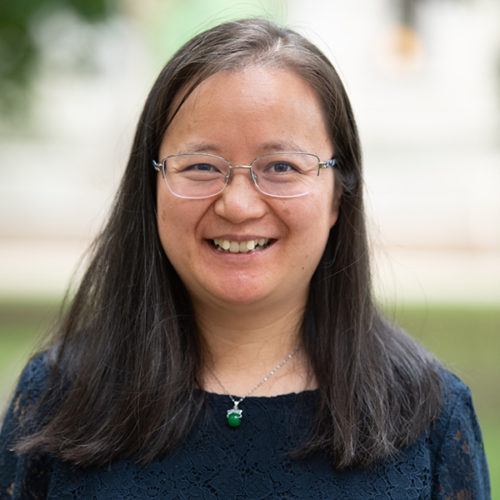
Ingvild Folkvord is a Professor at NTNU's Department of Language and Literature within the Faculty of Humanities. She leads the NTNU-based research group 'Literature as a Social Resource' and serves on the supervisory board of the International Research Training Group 'Baltic Peripeties'. Her research focuses on modern literary theory, intersections between literature and law, hermeneutical listening approaches, and translation studies. She has authored/co-edited influential works such as Stemmene etter 22. juli (2020) and Ernst Cassirer on Form and Technology (2012). Her work prominently engages with post-2011 Norwegian trauma narratives, analyzing how literature constructs collective memory around events like the July 22 attacks. She explores legal and literary symbolic forms in terrorism response, and has written extensively on authors like Ingeborg Bachmann, Bertolt Brecht, and Kamel Daoud. Her pedagogical research includes studies on academic writing processes and supervisory practices in PhD education. Recent publications analyze ambiguous temporalities in Kathrin Röggla's NSU-trial narratives, migration themes in Jenny Erpenbeck's fiction, and the power of voice in Cassirer/Brechtian theory. She regularly contributes essays to platforms like Prosa and Klassekampen , discussing contemporary literary responses to crises such as the Ukraine war. Folkvord's interdisciplinary approach connects literary analysis with legal discourse, cultural memory, and migration studies. Her research emphasizes how narrative forms mediate collective trauma and societal transformation, particularly through Germanic/Nordic literary traditions.
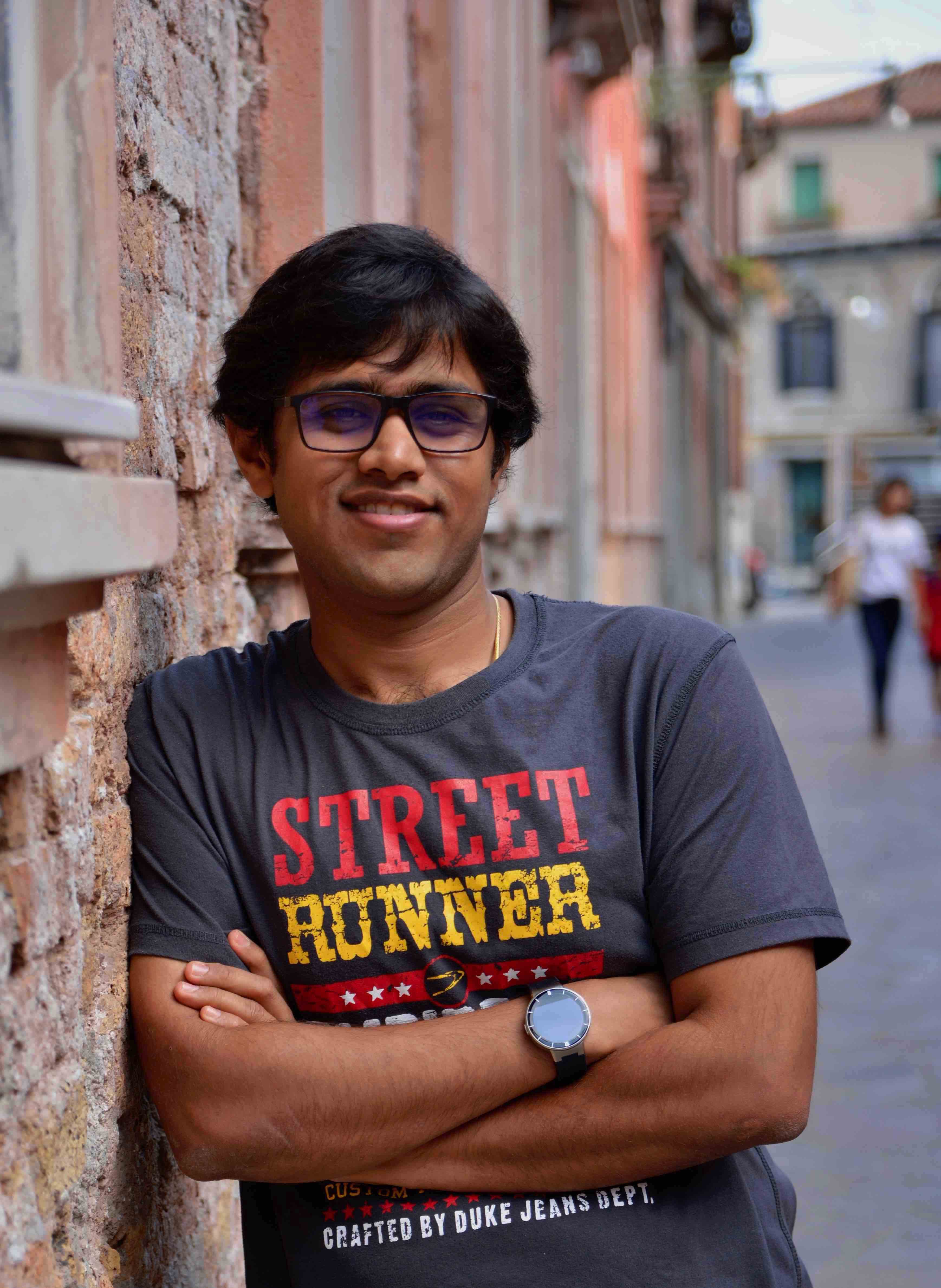
Arpan Gujarati is a Sessional Lecturer in the Department of Computer Science at the University of British Columbia (UBC), affiliated with the Systopia Lab. He teaches graduate and undergraduate courses such as CPSC 538G (Distributed Systems), CPSC 416 (Operating Systems), and CPEN 432 (Real-Time System Design). He holds a PhD from the Max Planck Institute for Software Systems and TU Kaiserslautern, where he was supervised by Björn B. Brandenburg. PhD: Max Planck Institute for Software Systems & TU Kaiserslautern (2020) Undergraduate: Birla Institute of Technology and Science (BITS Pilani) Postdoctoral Researcher: MPI-SWS Research Associate: UBC Software Development Engineer: Citrix R&D, India His research focuses on real-time and distributed systems, with applications in cyber-physical systems, fault tolerance, and machine learning reliability. He investigates scheduling algorithms, reliability analysis, and the integration of learning-enabled components into safety-critical systems. His work combines theoretical analysis with practical system implementations, often involving real-world testbeds and open-source tools. His recent publications span top-tier venues including RTSS, OSDI, ECRTS, DSN, and Middleware, with a strong emphasis on performance predictability, resilience of ML systems, and real-time communication. His work frequently addresses challenges in timing guarantees, fault tolerance, and system reliability in both cloud and embedded environments. SIGBED Paul Caspi Memorial Dissertation Award Best Paper Award at RTSS 2022 Distinguished Artifact Award at OSDI 2020 Best Student Paper Award at Middleware 2017 Outstanding Paper Award at RTCSA 2025 He advises several PhD students and undergraduate researchers at UBC, including Heng Zhao, Aida Aminian, Zainab Saeed Wattoo, and Philip Schowitz. He has led multiple research projects involving robotic arms, NVIDIA Holoscan, FreeRTOS, and distributed key-value stores. His lab work emphasizes reproducibility, open datasets, and practical system building. He has served on program committees for RTSS, RTAS, ECRTS, and Middleware, and contributes to journals such as Real-Time Systems and JSys.
Michael Symmons Roberts is Professor of Poetry at Manchester Metropolitan University, within the Department of English, Faculty of Arts and Humanities. A renowned poet, librettist, and broadcaster, he holds a degree in Philosophy and Theology from Oxford University and was formerly Executive Producer at BBC Religion & Ethics. Full Name: Michael Symmons Roberts Position: Professor of Poetry Institution: Manchester Metropolitan University Department: Department of English Field: Poetry and Creative Writing His research interests center on modern and contemporary poetry, with a particular focus on intersections between poetry and theology, science, music, and broadcast media. He is deeply engaged in exploring how poetic form interacts with spiritual, scientific, and ethical questions, often through collaborative and interdisciplinary projects. Michael’s recent publications and creative works reflect a sustained exploration of spiritual and existential themes. His poetry collections such as Drysalter and Ransom , radio dramas like Paradise Lost and Utopia , and choral works including Quickening and The Birds of Rhiannon demonstrate a consistent engagement with religious symbolism, myth, and the human condition. His works are frequently shortlisted for major literary prizes, highlighting their critical acclaim. Among his many honors are the Forward Poetry Prize (twice), the Costa Poetry Prize, the T.S. Eliot Prize shortlist (five times), the Jerwood Award for Non-Fiction, and the Sandford St. Martin Award. He is a Fellow of the Royal Society of Literature and a trustee of the Royal Literary Fund. Forward Poetry Prize for Best Collection (2013, 2004) Costa Poetry Prize (2013) T.S. Eliot Prize Shortlist (2001, 2004, 2013, 2017, 2021) Fellowship of the Royal Society of Literature (2014) Whitbread Poetry Award (2004) Eric Gregory Award (1988) BBC Audio Drama Awards (2013, 2014) He supervises PhD students in poetry and creative writing, teaches campus and online workshops, and is active in public engagement through performances, radio broadcasts, and commemorative poetry projects. His collaborations with composer James MacMillan have resulted in major commissions for the BBC Proms, Royal Opera House, and Welsh National Opera, underscoring his impact across literature and music. He has not been associated with any formal research lab but leads creative teams in interdisciplinary performance and literary projects.
Laraine Porter is a Senior Lecturer in Film at De Montfort University, affiliated with the Leicester Media School within the Faculty of Computing, Engineering and Media. She is a core member of the Cinema and Television History Centre (CATH) research group, contributing significantly to the study of British cinema history. Her research focuses on British silent cinema, with particular expertise in silent film music, the role of women in early cinema, the transition from silent to sound films in Britain (1929–1932), British film comedy, and cinema exhibition practices. Her work bridges academic scholarship and public engagement through film festivals and archival projects. Her recent publications and presentations explore themes such as female desire in silent cinema, the feminization of film music, the impact of sound technology on women’s voices, and the cultural significance of British silent film comedy. She has contributed to major reference works and edited collections, demonstrating sustained scholarly output. Scientific Awards: No specific awards listed in the provided text. Laraine Porter supervises PhD students, including Vivienne Chadder and Sandra Frost. She has secured external funding from Arts Council England, EM Media/National Lottery, and Creative England, as well as internal RIF funding for research and the British Silent Film Festival. Her consultancy work includes directing the Broadway Media Centre and curating film festivals, highlighting her leadership in media exhibition and policy. She is actively involved in professional networks, serving on the steering group of the Women’s Film and TV History Network and as a former trustee of MACE and Ridewise Ltd. Her public engagement includes BBC appearances, festival presentations, and media interviews, reinforcing her role as a public scholar in film history.
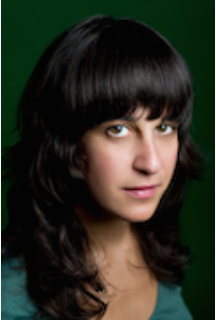
Deborah Stein is a distinguished faculty member in the Department of Theatre and Dance at the University of California, San Diego (UCSD), where she teaches playwriting and theatrical collaboration. She is also Co-Artistic Director of Stein | Holum Projects (SHP), a collaborative laboratory for creating innovative performances. Her work bridges academic scholarship and professional theatre, with national commissions and festival premieres. BA, Swarthmore College MFA, Brown University (studied with Paula Vogel) Her research and creative practice focus on playwriting, experimental performance, and interdisciplinary collaboration . She explores narrative innovation through devised theatre, often working with ensembles and MFA students to create original works that challenge traditional forms. Her work emphasizes emotional depth, physicality, and social themes. The 15 most recent creative projects reflect a strong trend in collaborative, experimental, and socially engaged theatre . They span festival productions, commissioned works, and student collaborations, often developed in residency settings. Keywords include immersive storytelling, devised creation, and political resonance, with subfields ranging from physical theatre to identity exploration. Deborah has received numerous honors and grants supporting her artistic research: Drama Desk Award Nomination (CHIMERA) National Theatre Project Award (2015) NYSCA Grant Bush Artist Fellowship Two Jerome Fellowships McKnight Advancement Grant Alumna, New Dramatists She actively mentors MFA students, having co-created THE BITTER GAME with Keith Wallace and MOVERS + SHAKERS with graduate students. Her advising integrates creative development with academic rigor. She has secured external funding from NEFA, ArtsEmerson, and foundations to support collaborative projects. Her work has been developed in partnership with institutions such as Playwrights’ Horizons, HERE, and La Jolla Playhouse. Deborah leads creative research through Stein | Holum Projects, which functions as a performance laboratory. This collective has developed work at major venues including FringeArts, the Playwrights’ Center, and Perry-Mansfield, fostering a national network of experimental theatre makers.
Hywel Dix is Professor in English at Bournemouth University, Faculty of Media and Communication, where he teaches across undergraduate and postgraduate programmes including BA English, BA Communication and Media, MA Creative Writing, and supervises doctoral research in English, Creative Writing, and History. He plays a significant leadership role in academic quality assurance as a leading member of the Quality Assurance and Enhancement Group (QAEG), chairing programme reviews across all faculties. He is also the Faculty Lead for TeachBU, supporting staff in achieving Fellowship of AdvanceHE. PhD in English, University of Glamorgan, 2006 MA in Literatures of Conflict, University of York, 2003 BA (Hons) in English, University of Cambridge, 2001 Hywel Dix’s research centers on autofiction, life writing, cultural memory, and the intersection of literature with social and political change . He is a leading international scholar in autofiction, particularly through his edited collection Autofiction in English (2018) and monograph The Late-Career Novelist (2017), which applies Career Construction Theory to literary careers. His recent work explores cultural identity in post-Brexit Britain, as seen in Compatriots or Competitors? (2022) and Autofiction and Cultural Memory (2023). He also investigates the therapeutic potential of creative writing for mental wellbeing. His recent publications (2020–2025) show a strong focus on autofiction, cultural memory, national identity, and narrative theory , with increasing interdisciplinary reach into psychology, education, and political discourse. Articles and books examine Welsh, Scottish, and Northern Irish writing in the context of Brexit, trauma and colonial memory, and the role of narrative in personal and professional development. Raymond Williams Research Fellowship (University of Glamorgan, 2003) Grant from Scientific and Technological Research Council of Türkiye (TUBITAK), 2025 (on Salman Rushdie’s memoirs) Hywel Dix has supervised numerous PhD students and is actively involved in staff development through Action Learning sets and TeachBU. He has secured competitive research grants and leads public engagement projects such as Write Your Future Self and Telling (My) Stories , which explore narrative and wellbeing. His work bridges academic research, pedagogical innovation, and community outreach. He is affiliated with the Centre for Journalism, Culture and Community at Bournemouth University and is a member of professional associations including MeCCSA, the Association for Welsh Writing in English, and the American Comparative Literature Association. He regularly delivers invited lectures and keynotes internationally, including at Goldsmiths, University of London, Bard College Berlin, and UNICAMP, Brazil.
Professor Melanie Swalwell is a leading scholar in digital media heritage at Swinburne University of Technology, affiliated with the School of Social Sciences, Media, Film and Education. She leads the Digital Heritage Lab and is Principal Investigator on multiple Australian Research Council (ARC) projects focused on preserving digital games and media art. Her work bridges academia, cultural institutions (such as ACMI and RMIT), and the public through exhibitions, policy reports, and media engagement. Her research interests include digital preservation, media archaeology, videogame history, and the cultural significance of obsolete computing technologies. She explores how complex digital artifacts—like 1980s and 1990s Australian videogames and interactive media artworks—can be conserved, accessed, and studied using emulation and digital infrastructure. Her work emphasizes community, national identity, and vernacular digital practices. Her recent publications reflect a strong trajectory in digital heritage, focusing on emulation (EaaSi), archival methodologies, and the cultural history of home computing. Themes include the democratization of digital creation, the fragility of born-digital works, and collaborative preservation across GLAM sectors. She has published with MIT Press, Palgrave, and Routledge, and her book Homebrew Gaming and the Beginnings of Vernacular Digitality is a foundational text in the field. ARC Future Fellow (2014–2018) Lead on multiple ARC Linkage and LIEF projects including 'Play It Again' and 'Archiving Australian Media Arts' Chair of SIGCIS (Special Interest Group for Computers, Information and Society) She supervises doctoral and master’s students in areas such as media art conservation, hardware hacking, and cross-cultural computing history. Her grants involve partnerships with national institutions to build emulation infrastructure and train heritage professionals. She also manages the Digital Heritage Lab, which houses vintage computing systems for research and preservation.
Zoe Norridge is a Reader in African and Comparative Literature and Visual Studies at King's College London's Department of English Language & Literature. She serves as Department Impact Lead (2022-present) and previously held the position of Pro-Vice Dean for Impact in Arts & Humanities (2020-21). Her work focuses on contemporary arts and cultural responses to the 1994 genocide against the Tutsi in Rwanda, involving extensive collaboration with artists and genocide survivors. Her educational background includes a Doctor of Literature from SOAS University of London (2007), Master of Philosophy from the University of Cambridge (2001), and Bachelor of Arts from the University of Cambridge (2000). Before her academic career, she worked in health promotion with NGOs in the UK and Papua New Guinea. Norridge's research centers on African literature and photography, pain, memory, trauma, testimony, empathy, cultures of human rights, comparative approaches to genocide, and collaboration, community and love. She has developed significant expertise in Rwandan testimonial literature and visual culture, with fifteen years of research culminating in her forthcoming monograph Inside/Out Rwanda: Literature, Photography, Genocide and the Testimony of Place . Her publications demonstrate consistent engagement with Rwandan genocide testimony, human rights cultures, and cross-continental connections, particularly between East Africa and Latin America. The recent publications show increasing focus on practical applications of her research through educational resources, trauma-informed guidelines, and community co-production. BBC AHRC New Generation Thinker (2011-12) Award-winning radio documentaries: Living with Memory in Rwanda (BBC Radio 3, 2014) and Rwanda's Returnees (BBC Radio 4, 2019) Longlisted for the Women's Prize Discoveries Prize for emerging creative writers (2022) Associate Editor at Wasafiri magazine (2014-present) Member of Holocaust Memorial Day Trust expert advisory group (2017-present) Norridge has secured significant funding for collaborative work in Rwanda, including AHRC grants for 'Stories from Rwanda' and 'Rights for Time.' These projects have supported co-production of teaching resources, school guidelines, trauma-informed survivor speaker guidelines, policy briefings, and creative workshops. She teaches undergraduate courses on contemporary African love stories and testimony in the context of the Holocaust and Rwanda, as well as an MA module on human rights cultures, with a Certificate in Group Facilitation from the Gestalt Centre (2024) enhancing her approach to teaching emotionally demanding topics. Her collaborative work extends to professional and participatory photography workshops in Kigali, Gisenyi and Musanze (2013, 2015, 2019, 2022), co-curating exhibitions, and programming events for the Kigali Photo Fest (2019). These initiatives form a cohesive team approach to engaging with Rwandan memory culture through multiple artistic and academic channels.
Dr. Jocelyn Buckner is an Associate Professor and Program Director of the BA Theatre Studies program at Chapman University's College of Performing Arts. She teaches courses in theatre history, dramaturgy, and dramatic theory, while also mentoring student research through the University Honors Program. Education: B.A., Converse College M.F.A., Virginia Commonwealth University in Theatre Pedagogy Ph.D., University of Kansas in Theatre Studies Her research focuses on intersections of race, class, gender, and sexuality in contemporary plays and U.S. popular entertainment. She is a leading scholar on Lynn Nottage, editing the first scholarly collection on the playwright. Dr. Buckner’s expertise spans dramaturgy, theatre historiography, and identity politics in performance. Recent Publications: Contributions to Contemporary Black Theatre and Performance: Acts of Rebellion, Activism, and Solidarity (2023), and editorial work for Theatre History Studies (2022-2027). Her articles appear in journals like African American Review and Theatre Journal . Awards: Faculty Excellence Award in Mentorship Valerie Scudder Award for Teaching and Research Sigma Alpha Pi Excellence in Teaching Award Dr. Buckner collaborates with theatres such as Donmar Warehouse, Center Stage Theatre, and Native Voices at the Autry. She serves as dramaturg for Chance Theater’s New Works Series and mainstage productions, and holds leadership roles in professional organizations like the American Theatre and Drama Society.
Cathy Lee Crane is a Professor at the Roy H. Park School of Communications within Ithaca College , specializing in directing actors for film. Since 1994, her work has redefined speculative history through lyrical, archival-based filmmaking. She received the prestigious Guggenheim Fellowship (2013) and has been honored with multiple awards, including Best Feature Documentary at the Syracuse International Film Festival (2020). Key Projects: Crossing Columbus (2020), terrestrial sea (2022), and the (X)-trACTION collective Residencies: Harun Farocki Institute (2022), Rockefeller Foundation Bellagio Center Her cross-platform border work challenges traditional storytelling, while her 16mm short films distributed by Canyon Cinema and Light Cone continue to shape experimental cinema. As SFIndie Fest 2018’s The Manhattan Front was declared a 'masterpiece' by Noel Burch, Crane remains a pivotal figure in queer and experimental film discourse. Scientific Awards: Guggenheim Fellowship (2013) New York Foundation for the Arts Fellowship Best Feature Documentary (Syracuse International Film Festival, 2020) Jury Citation (Festival de Cinema da Fronteira, 2022)
Katrin Vogt is a Group Leader at the University of Konstanz and an Affiliated Scientist at the Max Planck Institute of Animal Behavior. She serves on the IMPRS Board and Faculty, focusing on behavioral neuroscience in Drosophila larvae. Her research explores how social context and internal states (e.g., hunger) modulate neural circuits and behavior, utilizing genetic tools like optogenetics, RNAi, and CRISPR. Key Research Areas: Behavioral flexibility under internal state changes Neural integration of sensory and state signals in the antennal lobe Role of serotonin (CSD neuron) in modulating output pathways Computational modeling of state-dependent circuit dynamics Notable Achievements: Discovered state-dependent olfactory valence switching (e.g., geranyl acetate shifts from aversion to attraction under food deprivation) Elucidated glutamatergic inhibition mechanisms in picky local interneurons Identified 5-HT7 receptor's role in upregulating uniglomerular projection neuron activity Recent Publications: 2025: PLoS Biology on multimodal sensory neurons 2024: Current Biology commentary on behavioral neuroscience 2023: Current Biology on multisensory memory merging Academic Affiliations: University of Konstanz (Group Leader, Department of Collective Behavior) Max Planck Institute of Animal Behavior (Affiliated Scientist) IMPRS for Organismal Biology (Faculty Member) Scientific Awards: DFG Research Fellowship (Project No. 345729665) Students & Collaborators: PhD students: Hari P. Narayanan, Akhila Mudunuri Research assistants: Nora Tutas, Julius Klein, Constantin Dyroff DAAD summer student: Élyse Zadigue-Dubé Recent graduates: Amelie Edmaier (BSc 2023), Constantin Dyroff (BSc 2023)
Elena Cologni is an Associate Professor of Contemporary Art and Critical Practice at the Cambridge School of Art, Anglia Ruskin University. She serves as the Cambridge School of Art Research Lead, PGR Coordinator, Panel 32 Art and Design REF 2021 and 2029 Convenor, School Research Ethics Panel Chair, and leads the Wellbeing, Care Aesthetics and Art Research and Education Unit (We CARE). She is also the ARU partnership Lead for the British Council Venice Biennale Fellowships Programme and the Art and Health Academic Lead for The Culture Capital Exchange Programme 2022-23. Her educational background includes: BA in Fine Art from Accademia di Belle Arti Brera in Milan MA in Sculpture from Bretton Hall College, Leeds University PhD in Fine Art and Philosophy from University of the Arts London, Central Saint Martin's College of Art and Design (2004) Cologni develops dialogic and situated artistic strategies for observing, recording and stimulating awareness of everyday experiences. Her interdisciplinary approach intersects artistic research with environmental psychology, care ethics, philosophy, and gender studies, resulting in dialogic sculptures, public interventions, performance scores, and drawings. Her work explores place attachment, ecofeminism, spatialized art practices, and the relationship between art, wellbeing, and care aesthetics. She is particularly interested in how artistic practice can facilitate the sharing of insights and the location of situated knowledges within our relations with one another, place, and the environment, creating instruments to stimulate awareness of everyday experiences through relational, participatory and dialogic approaches. Her publication portfolio reveals a consistent trajectory examining care ethics, dialogic practices, and the intersection of art with social and environmental concerns. She frequently investigates how artistic interventions can create spaces for dialogue about care, wellbeing, and our relationship to place and community, often bridging theoretical frameworks from feminist theory, environmental psychology, and performance studies with practical artistic applications that engage with public space, memory, and perception. Her notable recognition includes: Seeds of Attachment - The Shape of the Public's Health award - first prize - Royal Society for Public Health in collaboration with the Royal Society of Sculptors (2019) Artist Bursaries from Artists Newsletter (2018) Cologni supervises research students and has secured numerous research grants including the Practicing Feminist Care Aesthetics grant from The Getty Research Institute (2023/2025), Practices of care as ecofeminist and spatialized art funded by the Artist International Development Fund (Arts Council England and British Council 2018/19), and The Places of Memory commissioned by Universita' di Pisa (2022). She regularly collaborates with art galleries, museums, and the NHS Foundation Trust on educational activities and creative interventions that bridge art, health, and wellbeing. She leads the Wellbeing, Care Aesthetics and Art Research and Education Unit (We CARE) and coordinates the ARU Arts, Health and Wellbeing Research Network. Her work often involves community collaborations, as seen in projects like The Places of Memory, which engaged with local communities in Pisa, and Seeds of Attachment, which explored parent-child bonds in relation to place attachment through nomadic dialogic sculptures inspired by Margaret Lowenfeld's Mosaic Test.
Allison Adelle Hedge Coke is a Distinguished Professor of Creative Writing at the University of California, Riverside, where she leads the UCR Writers Week Festival and directs the VA National Cemetery Administration Legacy Program. She has held visiting or faculty positions at Hartwick College, University of Nebraska, Naropa University, and University of Hawai'i, Mānoa, including roles such as Fulbright Scholar in Montenegro and Dan & Maggie Inouye Chair in Democratic Ideals. Education: MFA from Vermont College (1995), AFAW from Institute of American Indian Arts, post-grad work at VCFA Her research and creative work intersects with Indigenous Studies, disability advocacy, and environmental poetics. She is known for mathematically encoding the prosody of her verse play Blood Run to mirror the Indigenous mound city it protects, and for multimedia projects like the Streaming album and Red Dust documentary. Her recent publications include the award-winning Look at This Blue and the curated anthology series Effigies , which spotlight emerging queer and Pacific Rim poets. Projects often blend community outreach, mental health advocacy, and Indigenous knowledge preservation. Major Awards: American Book Award, National Book Award Finalist, Pen Southwest Book Award, Texas Institute of Letters fellowship, NWCA Lifetime Achievement Hedge Coke’s mentorship spans juvenile facilities, reservations, and refugee communities. She founded the Literary Sandhill Cranefest Retreat and has secured grants for K-12 outreach programs integrating poetry with historical and ecological education.
Nina Sharma is an Adjunct Lecturer in the Department of English at Barnard College, part of Columbia University, where she teaches and mentors students in creative writing and literature. She holds an M.F.A. from Columbia University’s School of the Arts, an M.A. from Columbia’s School of Arts and Sciences, and a B.A. from Barnard College, reflecting a deep academic engagement with the literary arts. M.F.A, Columbia University School of the Arts M.A., Columbia University School of Arts and Sciences B.A., Barnard College Her research and creative interests center on personal essays, BIPOC narratives, mental health in Asian American communities, humor writing, and intersectional identity. Her work explores themes of love, race, gender, and cultural belonging through a deeply personal and often satirical lens. She has been a two-time grantee of the Asian Women Giving Circle for her workshop “No Name Mind: Stories of Mental Health from Asian America,” highlighting her commitment to community-based storytelling. Her publications include essays and interviews in The New Yorker , Harper’s Bazaar , Electric Literature , Women’s Studies Quarterly , and The Margins . Her debut collection, The Way You Make Me Feel: Love in Black and Brown (Penguin Press, 2024), synthesizes personal narrative with cultural critique, examining interracial love and identity. The essays reflect recurring themes: the emotional labor of womanhood, the absurdities of assimilation, and the resilience of marginalized voices. She has been awarded prestigious residencies from the Vermont Studio Center and St. Nell’s Humor Writing Residency. These fellowships underscore her recognition in the literary community. She is also a proud co-founder of Not Your Biwi Improv and co-created the column Blackshop for Anomaly , fostering allyship between BIPOC communities. Nina Sharma formerly served as Programs Director at the Asian American Writers’ Workshop, where she expanded programming for emerging writers. Her current teaching at Barnard and Columbia continues this mission of mentorship and literary advocacy. She has no formal PhD students listed, but her workshops and public engagements suggest a strong advisory role in creative development. She is actively involved in literary events, with a book tour spanning New York, Chicago, Los Angeles, and Portland, engaging audiences through readings and panel discussions. Her work bridges academic, artistic, and public spheres, contributing to contemporary conversations on race, gender, and narrative form.
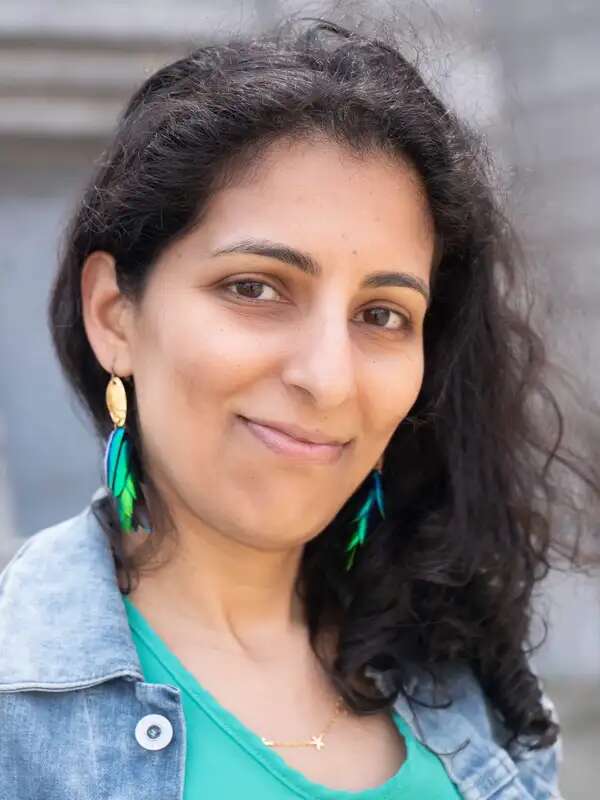
Ziying You serves as Associate Professor and Department Chair of Chinese Studies and East Asian Studies at The College of Wooster where she teaches courses spanning Chinese language advanced literature and cultural studies including specialized topics like Anti-Asian Racism Women and Gender in China and Food and Religion in China. Her educational background includes a Ph.D. in East Asian Languages and Literatures from The Ohio State University (2015) an M.A. in Interdisciplinary Studies: Folklore from University of Oregon (2009) an M.A. in Modern and Contemporary Chinese Literature from Peking University (2005) and a B.A. in Chinese Language and Literature Education from Henan Normal University (2002). Professor You’s research bridges Chinese oral traditions contemporary folklore and public health with a focus on grassroots responses to cultural heritage preservation. Her work examines how communities navigate state-led intangible cultural heritage initiatives particularly in rural Shanxi Province where she documents flood narratives ritual practices and mythological adaptations. She actively explores intersections between digital media ethnographic filmmaking and folk performance while addressing gender dynamics through Women’s Gender and Sexuality Studies frameworks. Recent scholarship analyzes memorialization practices during the COVID-19 pandemic examining virtual tributes to Dr. Li Wenliang and community resilience among Chinese immigrant groups. Her publication trends reveal consistent engagement with contested cultural narratives shifting from classical myth analysis (e.g. Yao and Shun stories) toward urgent contemporary issues including pandemic responses online activism and heritage politics. This evolution demonstrates her commitment to applying folklore methodologies to rapidly changing social landscapes while maintaining deep roots in Chinese ethnographic traditions. College Citizen Award The College of Wooster (2022) Faculty Connection of the Year Division of Student Affairs (2018-2019) Tien-Yi Li Award for Outstanding Academic Performance The Ohio State University (2014) Dan Crowley Memorial Student Essay Prize American Folklore Society (2010) Archie Green Student Travel Award American Folklore Society (2009) Professor You has advised numerous independent studies on topics ranging from China’s three-child policy impacts to Indigenous activism in Taiwan and expatriate experiences during the pandemic. Her mentorship extends beyond traditional academic supervision into fostering cross-cultural understanding as evidenced by her New Books Network interviews promoting scholarly dialogue. While not leading formal laboratories her ethnographic approach involves immersive fieldwork and digital documentation techniques that function as dynamic research teams engaging community participants as co-creators of knowledge.